

Best Dog-Friendly Campgrounds in Michigan for Your Next Pet-Friendly Adventure
Finding campgrounds that welcome your furry friends in Michigan can seem like a big task, but with a focus on key amenities, clear policies, and smart planning, you can turn your research into a confident trip itinerary. This guide will walk you through what truly makes a campground dog-friendly, the typical leash and vaccination rules you’ll find in Michigan, which accommodations are best suited for different dog sizes and family needs, fun dog-friendly activities like river floats, and a handy packing and safety checklist for camping with your dog. The main idea—finding the best dog-friendly campgrounds in Michigan—helps you weigh practical choices and trade-offs so you can select spots that balance safety, comfort, and fun for everyone, including your pets. You’ll learn how to assess fenced dog runs, pet-friendly cabins, and the suitability of RV and tent sites, plus how to combine river adventures with canine safety. Throughout this guide, we’ll reference local context like the Shiawassee River and policy insights from the Michigan DNR, and we’ll share concrete examples from Walnut Hills Family Campground, a nearby, family-focused option in Durand, Michigan, that’s perfect for pets.
What Makes Walnut Hills Family Campground a Top Dog-Friendly Destination in Michigan?
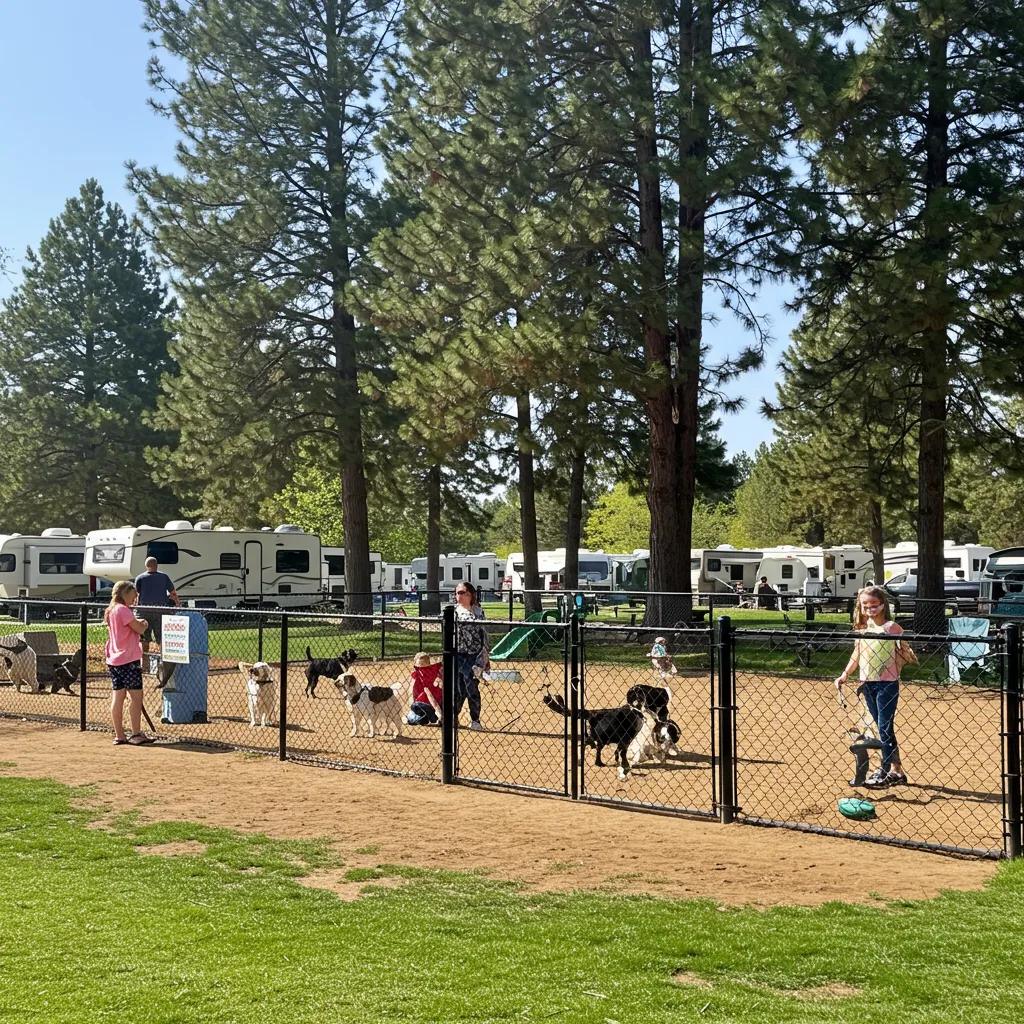
A truly dog-friendly campground goes beyond just allowing pets; it offers dedicated off-leash spaces, safe water access for swimming, and family amenities that genuinely include dogs, not just tolerate them. Walnut Hills Family Campground shines with a spacious, fenced dog park, on-site water recreation, and family activities that let dogs be part of the fun, smoothing out the balance between family schedules and pet care. This means more convenience and enhanced safety for your canine companions, with supervised recreation, convenient waste stations, and updated facilities that make longer stays a breeze. Next, we’ll dive into the specific pet amenities that create this welcoming environment and how they benefit both owners and their dogs.
Which Pet Amenities Does Walnut Hills Offer for Dogs and Their Owners?
This section highlights the practical amenities that make camping with a dog easy and explains their benefits in simple, actionable terms. Walnut Hills features a large fenced dog park for secure off-leash exercise, multiple waste stations for quick and easy cleanup, on-site water recreation for supervised swims, and a well-stocked campground store for any forgotten essentials. These amenities mean less travel time for pet supplies, faster responses to your dog’s needs, and safer opportunities for socialization, all of which reduce stress for families with diverse needs. The addition of renovated bathrooms and showers is also a big plus for managing muddy or wet dogs, and the campground’s location near the Shiawassee River makes water-based activities a breeze. This combination supports active days followed by simple, stress-free care routines for both pets and people.
- The dog park offers a secure, fenced area for off-leash play where owners can keep a close watch.
- Conveniently placed waste stations near popular spots make responsible cleanup effortless.
- The on-site store and updated facilities remove logistical hurdles for families traveling with their dogs.
These thoughtful pet amenities combine to create a practical and comfortable environment for multi-day family stays with dogs, enhancing both comfort and adherence to campground policies.
How Does Walnut Hills Cater to Families Camping with Dogs?
Family-focused campgrounds seamlessly blend child-centric activities with pet accommodations, ensuring everyone enjoys the visit safely and conveniently. Walnut Hills complements its playgrounds, organized weekend events, and water attractions like a Wibit water park and swimming lake with pet-friendly policies, allowing families to coordinate activities without splitting up responsibilities. This thoughtful integration means parents can easily rotate supervision—one adult can enjoy organized activities with the kids while another takes the dog to the park—reducing stress and boosting participation in on-site events. The campground’s family-friendly design also includes sports courts and a game room for non-water days, while updated bathhouses and a convenient store simplify routines after active outings, enhancing the overall family-and-pet camping rhythm.
What Are the Pet Policies and Leash Rules at Michigan Campgrounds Like Walnut Hills?
Clear pet policies are essential for ensuring safety and neighborly conduct at campgrounds, typically covering leash length, designated off-leash zones, vaccination requirements, and waste disposal. At many Michigan campgrounds, including those designed with special dog amenities, the standard approach is: keep dogs on a leash (usually six feet) outside of fenced dog parks, utilize designated off-leash areas for play, ensure vaccinations are up-to-date, and clean up waste immediately using provided stations. Adhering to these rules helps protect wildlife, fellow campers, and your own dog, while signage and staff reminders support compliance. The next section provides a quick reference table outlining leash, off-leash, and vaccination expectations to help you prepare before your trip.
Campground pet policy quick reference:
What Are the Leash and Off-Leash Rules at Walnut Hills Dog Park?
Distinguishing between leash and off-leash rules is key to harmonious coexistence at campgrounds: leashes ensure control in shared spaces, while fenced dog parks offer regulated off-leash fun. Walnut Hills’ expansive fenced dog park serves as the primary off-leash zone, perfect for supervised play, socialization, and recall practice; owners are expected to keep dogs leashed everywhere else on the property to prevent unexpected encounters. The best approach is to use a six-foot leash when outside the dog park, enter and exit the off-leash area through the designated gate, and always monitor dog interactions to avoid any escalations. Staff signage and community etiquette typically reinforce these rules, and following them naturally leads into the vaccination and health requirements discussed next.
What Vaccination and Health Requirements Must Pet Owners Follow?
Vaccinations and basic health preparations are crucial for minimizing disease risk and keeping campgrounds welcoming for pets and families alike; most properties expect proof of rabies and core vaccinations and strongly recommend parasite prevention. Owners should ensure their dog’s rabies vaccination is current, provide flea and tick prevention suitable for Michigan’s climate, and bring vaccination records to streamline the check-in process. A pet first-aid kit and knowledge of local veterinary services add a layer of preparedness for any unexpected injuries or illnesses; keeping microchip and ID tag information up-to-date is also vital for quick reunification if a dog happens to get lost. These health practices protect other guests and wildlife while facilitating safe on-river activities and off-leash play, as detailed in later sections.
Which Accommodations Are Available for Pet-Friendly Camping in Michigan?
Accommodations differ in terms of space, flooring, and proximity to pet amenities, all of which can impact their suitability for dogs of various sizes and temperaments. Common pet-friendly options include pet-friendly cabins with easy-to-clean interiors, RV sites equipped with hookups and level pads perfect for crates, and tent sites where shade and ground conditions are important for your dog’s comfort. Comparing these choices helps owners select the best fit based on their dog’s size, potential for escape, and family needs; the table below offers a comparison of key attributes to simplify your decision-making. Following the table, we’ll detail how Walnut Hills’ offerings align with these categories and include a brief note on booking pet-friendly cabins.
What Pet-Friendly Cabin Options Does Walnut Hills Provide?
Cabins that welcome dogs typically prioritize durable flooring, a small outdoor space like a yard or porch, and straightforward cleaning policies to minimize the risk of damage and ensure pleasant stays for both owners and pets. Walnut Hills offers pet-friendly cabins as part of its accommodation selection, providing indoor shelter that’s ideal for families who prefer not to camp outdoors; these cabins simplify bedtime routines and offer contained areas for crates and beds. When booking a cabin with your dog, remember to bring protective bedding, confirm any cleaning fees or deposit requirements, and choose a cabin conveniently located near the dog park for easy exercise rotations. The ultimate offering is a comprehensive, family-oriented camping experience that explicitly welcomes dogs, complete with extensive facilities and activities for both human and canine guests.
Are RV and Tent Sites at Walnut Hills Suitable for Dogs?
RV and tent sites present different advantages: RV sites offer solid shelter and controlled indoor space for anxious dogs, while tent sites require more attention to bedding and weather protection for pets. Walnut Hills’ RV and tent sites can comfortably accommodate dogs when owners select spots with ample shade, level ground for secure crates, and close proximity to the dog park to minimize the need for long leash walks. For tent camping, consider using elevated bedding or insulated pads and setting up a shaded area; for RVs, ensure secure screens and strategic crate placement to prevent escapes. Choosing a site near waste stations and water access simplifies daily routines and helps maintain a calm atmosphere, which naturally leads into planning activities like river floats and park visits.
What Dog-Friendly Activities Can You Enjoy at Walnut Hills Family Campground?

Dog-friendly activities are designed to combine exercise, socialization, and safe water play, ensuring dogs and their owners create lasting outdoor memories together. At campgrounds situated near rivers and lakes, enjoyable and safe options include supervised swimming, leisurely hikes on pet-friendly trails, and controlled river float trips, provided dogs wear appropriate buoyancy aids. Walnut Hills highlights on-site activities such as a large dog park, designated pet-friendly trails, a swimming lake, and opportunities to watch or participate from shore at the Wibit water park, offering a variety of accessible choices for families with dogs. Next, we’ll guide you through planning river float trips with your dog and explain the benefits of the dog park and trails.
- Supervised lake swims, especially with a dog life jacket, offer great exercise and a refreshing way to cool off.
- Trail walks on pet-friendly routes provide controlled exercise and opportunities for observing local wildlife.
- Organized weekend events can be enjoyed with dogs, provided owners confirm the specific rules in advance.
These activities strike a perfect balance between stimulation and safety, allowing families to incorporate their dogs into daily campground plans without compromising supervision or comfort.
How Can You Experience River Float Trips with Your Dog on the Shiawassee River?
Embarking on river float trips with your dog requires careful planning: opt for a stable watercraft, equip your dog with a properly fitted life jacket, and practice boarding and short paddles in calm water beforehand. Canoes or sturdy kayaks are generally better choices than tubes for larger dogs, as they offer a more secure floor and greater control, while smaller dogs can comfortably ride on an owner’s lap with a secure grip and flotation device. Always check current river conditions, select calm stretches near put-in and take-out points, and remove leashes while in the water to prevent entanglement; instead, use quick-release gear on shore. These precautions help ensure the safety of both dogs and people, making river trips enjoyable without increasing rescue risks; after your time on the water, utilize available wash or rinse stations to easily remove any debris.
What Are the Benefits of the Large Dog Park and Pet-Friendly Trails?
A thoughtfully designed dog park and adjacent trails offer valuable opportunities for exercise, socialization, and training, all of which contribute to improved canine behavior and greater owner convenience. Off-leash play is excellent for physical fitness and social development, while trails help reinforce leash manners and expose dogs to natural environments, potentially reducing reactivity over time. Dog parks also function as convenient hubs: short play sessions before family activities can help expend excess energy, and their proximity to amenities like water and waste stations makes cleanups quick and easy. Practicing good etiquette—such as promptly picking up waste, obeying posted rules, and separating dogs that show signs of stress—is essential for keeping these spaces open and welcoming for everyone.
How Do You Plan a Safe and Enjoyable Pet-Friendly Camping Trip in Michigan?
Planning a successful pet-friendly camping trip involves preparing the right gear, ensuring your pet is healthy and ready, and selecting the ideal campsite to prevent common issues and maximize enjoyment. Begin with a concise packing checklist covering essentials like food, important records, and safety equipment; double-check vaccinations and parasite prevention; choose a campsite conveniently located near the dog park or water access; and plan daily routines that balance play, rest, and supervised outings. These steps help minimize surprises and ensure compliance with campground policies while enabling family activities that happily include your dogs. Below, you’ll find a practical packing checklist, followed by essential safety tips and a final reminder about booking.
Essential packing checklist for camping with your dog:
- Food and bowls: Pack pre-measured meals and a collapsible water bowl for easy access on hikes.
- Leash and harness: A reliable six-foot leash and a secure harness for optimal control during walks.
- Waste bags and towel: Plenty of bags for cleanup and a towel for drying off after water activities.
- First-aid kit and records: Include essential pet first-aid supplies and copies of vaccination records.
- Life jacket: A properly sized canine life jacket for any adventures on the water.
What Should You Pack for Camping with Your Dog?
Packing the right items can significantly reduce discomfort and prevent unexpected problems: consistent food portions help avoid stomach upset, a secure crate or familiar bedding creates a comforting retreat, and weather-appropriate gear protects against heat or cold. Be sure to include a waterproof container for vaccine and medical records, any spare essential medications, and items that can help with separation anxiety, such as a favorite toy or an unwashed blanket. For water activities, carry a canine life jacket and a rinse towel; for hikes, pack tick-removal tools and insect repellent specifically formulated for dogs. These preparations can minimize the need for emergency trips and help keep your dog comfortable throughout your varied activity days.
What Are Essential Pet Safety Tips for Campground Visits?
Prioritizing safety means taking steps to prevent escapes, protect your dog from wildlife and harsh weather, and being prepared for any medical emergencies while on site. Keep ID tags and microchip information current, always supervise dogs around bodies of water, and avoid leaving pets unattended for extended periods in unfamiliar surroundings. Manage temperature risks by providing regular access to shade and water, check for ticks diligently after hikes, and familiarize yourself with the location of a nearby veterinary clinic before you even arrive. Preparing an emergency contact list and storing medical records in a waterproof folder ensures you can act quickly if any health issues arise.
- Keep ID and vaccine records easily accessible in case of an emergency.
- Utilize shade, hydration, and scheduled rest periods to prevent heat-related issues.
- Inspect and clean your dog thoroughly after hikes to guard against tick-borne illnesses.
Ready to plan your getaway? Check Walnut Hills Family Campground’s availability and their Google Business Profile through standard search methods to confirm pet-friendly options and reservation details; Walnut Hills is proudly operated by GatherGrounds Resorts and offers a comprehensive, family-oriented camping experience that genuinely welcomes dogs, providing extensive facilities and activities for both human and canine guests.
Frequently Asked Questions
What should I consider when choosing a dog-friendly campground in Michigan?
When selecting a dog-friendly campground, consider the amenities offered, such as fenced dog parks, water access, and pet-friendly accommodations. Evaluate the campground’s pet policies, including leash rules and vaccination requirements, to ensure a safe environment for your dog. Additionally, look for nearby activities that allow dogs, such as hiking trails or swimming areas. Finally, check reviews from other pet owners to gauge their experiences and satisfaction with the campground’s facilities and services.
Are there specific dog breeds that are not allowed at campgrounds?
Many campgrounds have breed restrictions based on local regulations or insurance policies. Commonly restricted breeds may include those considered aggressive or high-energy, such as Pit Bulls, Rottweilers, or Doberman Pinschers. It’s essential to check the specific campground’s pet policy before booking to avoid any surprises. If you have a breed that may be restricted, consider contacting the campground directly to discuss their policies and any potential exceptions.
How can I ensure my dog is comfortable while camping?
To keep your dog comfortable while camping, bring familiar items such as their bed, toys, and food. Ensure they have a shaded area to rest and access to fresh water at all times. Pack a first-aid kit and any necessary medications, and maintain a consistent feeding schedule. Additionally, take breaks during hikes or activities to allow your dog to rest and hydrate. Familiarizing your dog with the camping environment gradually can also help reduce anxiety and improve their overall experience.
What are the best practices for cleaning up after my dog at campgrounds?
Cleaning up after your dog is crucial for maintaining a pleasant environment for all campers. Always carry waste bags and promptly pick up after your dog, disposing of waste in designated trash bins. Use waste stations provided by the campground when available. Additionally, be mindful of your dog’s behavior and ensure they do not disturb wildlife or other campers. Practicing good hygiene and responsible pet ownership helps keep campgrounds clean and enjoyable for everyone.
Can I leave my dog unattended at the campground?
Leaving your dog unattended at a campground is generally not recommended, as it can lead to stress, anxiety, or potential escape. If you must leave your dog for a short period, ensure they are in a secure area, such as a crate or a pet-friendly cabin, and provide them with water and comfort items. Always check the campground’s policies regarding unattended pets, as some may have specific rules or guidelines to follow. It’s best to plan activities that include your dog whenever possible.
What should I do if my dog gets lost while camping?
If your dog goes missing while camping, remain calm and act quickly. Start by searching the immediate area, calling their name, and checking nearby trails or water sources. Inform campground staff and fellow campers about your lost dog, as they can help keep an eye out. Utilize social media or local lost pet groups to spread the word. Ensure your dog has proper identification, such as a collar with tags and a microchip, to increase the chances of a safe return.
Conclusion
Choosing a dog-friendly campground like Walnut Hills Family Campground in Michigan ensures a memorable adventure for both pets and their owners, with amenities designed for comfort and safety. The combination of spacious dog parks, pet-friendly activities, and clear policies enhances the camping experience, allowing families to bond without the stress of pet care logistics. By planning ahead and utilizing the resources available, you can create a seamless trip that includes your furry friends in every moment. Start your journey today by checking availability and booking your stay at Walnut Hills Family Campground.