

Why Family Campgrounds With Fishing Near Me Offer the Ultimate Outdoor Adventure
Opting for a family campground with fishing close by means instant access to outdoor fun, laid-back days, and shared moments that easily fit around your busy school and work schedules. This guide dives into why picking “campgrounds with fishing near me” is your ticket to stronger family connections, a variety of fishing adventures, and less travel time, so you can soak up more of your vacation outdoors. You’ll discover the top perks of fishing-centric campgrounds, what fish to look for in Michigan’s waters, how river access can transform your experience, the best lodging for families, and the essential licensing info you’ll need before you cast your first line. We’ve packed in practical advice, including gear and safety checklists, seasonal tips, and examples of family-friendly extras that make fishing days even better. We’ll even highlight local gems, like the Shiawassee River access at Walnut Hills Family Campground by GatherGrounds Resorts, to show how river floats and on-site comforts can elevate your fishing escape. If you’re after a straightforward, actionable guide to finding, packing for, and booking a nearby fishing campground, this article walks you through every step.
What Are the Top Benefits of Camping at Campgrounds With Fishing Near Me?
Campgrounds with fishing right on your doorstep offer immediate access to water activities, making planning a breeze and spontaneous family outings a reality. It’s simple: being close to fishing spots cuts down travel and opens up more chances for quick trips, teaching moments, and trying again until you land a catch. The real win? Your family trades travel hours for precious time spent fishing, exploring, and relaxing together. Here’s a quick rundown of the main advantages to help you decide.
Key benefits of fishing-focused campgrounds:
- Less travel time means more time for fishing and family fun.
- A mix of activities (casting, wading, kayaking) keeps everyone, young and old, engaged.
- On-site amenities simplify things for multi-day fishing trips.
These advantages naturally lead into how fishing can deepen family bonds and why the type of access matters for your trip planning.
How Does Fishing Enhance Family Bonding and Relaxation?
Fishing naturally brings families together through shared tasks that engage all ages: getting a rod ready, learning knots, and watching the bait together becomes a team effort. The magic lies in low-pressure repetition—short bursts of focused activity followed by easy downtime—which makes conversation and mentoring flow effortlessly. For families, this translates into better communication, patient teaching moments, and unforgettable milestones like a child’s first catch. Simple tips include giving kids small roles, bringing comfy chairs, and keeping fishing sessions short to maintain positive energy. These small touches make fishing an accessible, restorative activity that naturally leads to choosing the right access for your outing.
Why Is Access to River and Lake Fishing Important for Campers?
The type of access dictates your fishing methods: rivers are perfect for wading, drift-fishing, and kayak retrieves, while lakes are great for casting from shore, docks, or small boats. This distinction is crucial because different species and techniques align with various family goals—think peaceful bank fishing for little ones or exciting kayak angling for adventurous teens. The specific advantage is variety: a campground offering both river and lake access lets families switch up activities without lengthy drives. When choosing a spot, look for safe shorelines, gentle banks for kids, and calm, sheltered areas for easier casting. Understanding your access options will guide your gear choices and the ideal accommodation for your group.
What Unique Amenities Support Fishing Activities at Family Campgrounds?
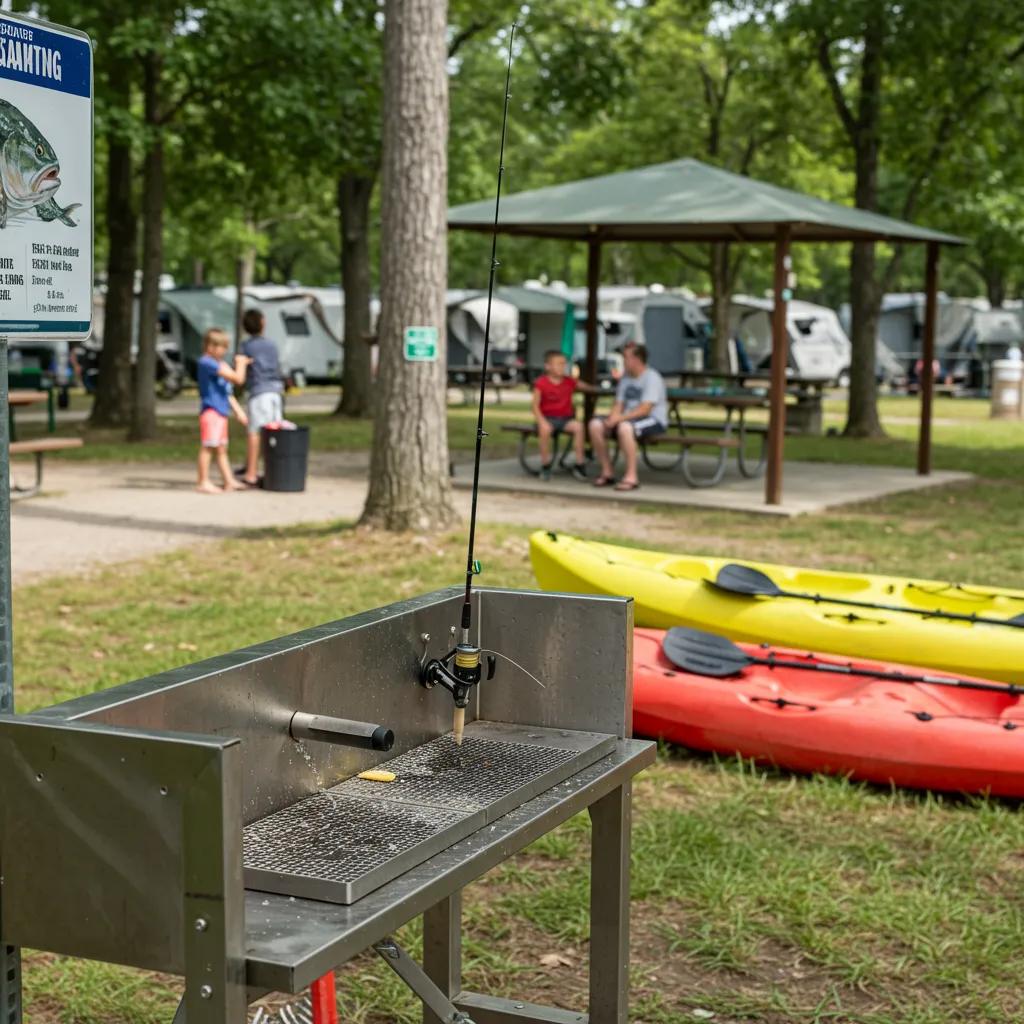
Amenities that truly enhance fishing include boat or kayak rentals, convenient launch points, fish-cleaning stations, shaded spots along the water, and on-site bait and tackle shops. The key is convenience: by having services all in one place, campgrounds minimize the time between catching a fish and enjoying other resort features. The direct benefit is smoother logistics for families, allowing parents to keep an eye on kids while they fish or play nearby. When checking out campgrounds, prioritize amenities that boost safety (like life jackets and clear launch areas) and comfort (such as restrooms and shaded picnic spots). These facility choices directly impact how easily families can weave fishing into a full day of fun.
Which Fish Species Can You Catch at Popular Campgrounds With Fishing Lakes and Rivers?
Knowing what fish are likely to be biting helps families set realistic expectations for gear, bait, and the best times to go. Different bodies of water are home to distinct species, and planning around them boosts your chances of success and ensures safety for young anglers. The table below offers a snapshot of common fish families and seasonal tips for Michigan’s rivers and lakes, perfect for family campers.
Intro to species table: This table highlights species commonly found near family campgrounds in Michigan rivers and lakes, with notes on their habitat and the best seasons to help you time your trip.
What Fish Are Common in Michigan’s Shiawassee River and Nearby Lakes?
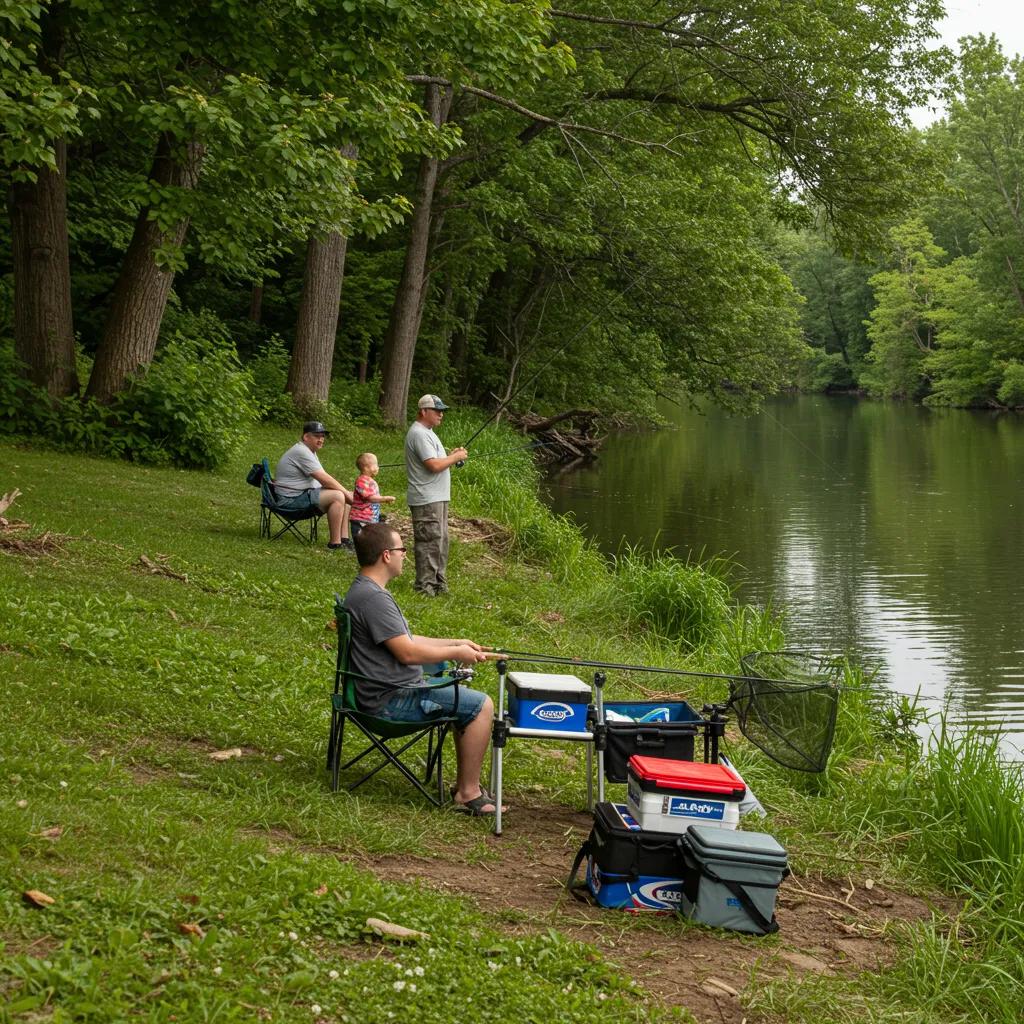
The Shiawassee River is typically home to smallmouth bass and other warmwater fish in its accessible pools and slower stretches, while nearby lakes add largemouth bass and panfish in vegetated shallows. Knowing these species is key because they influence your tackle choices, bait selection, and shore safety for the family. For practical planning, bring light spinning gear for panfish and small bass, plus life jackets for children near river banks. Understanding the local species helps you plan shorter, more successful fishing sessions, increasing the likelihood that younger anglers have positive catch-and-release experiences.
How Do Seasonal Changes Affect Fishing Opportunities at Campgrounds?
The season impacts fish behavior, safety, and available amenities; spring and fall often bring active bass and pike, while summer is prime time for panfish and more comfortable shore fishing for families. This happens because water temperatures and spawning cycles cause fish to gather in predictable spots for short periods. Practically speaking, families should aim for early morning or evening fishing in summer to beat the heat, and be aware that shorelines might be shallower during low-water periods. Some seasonal closures or reduced services might also be in effect, so always confirm campground offerings when planning trips later in the year.
How Do Campgrounds With River Access Fishing Enhance the Camping Experience?
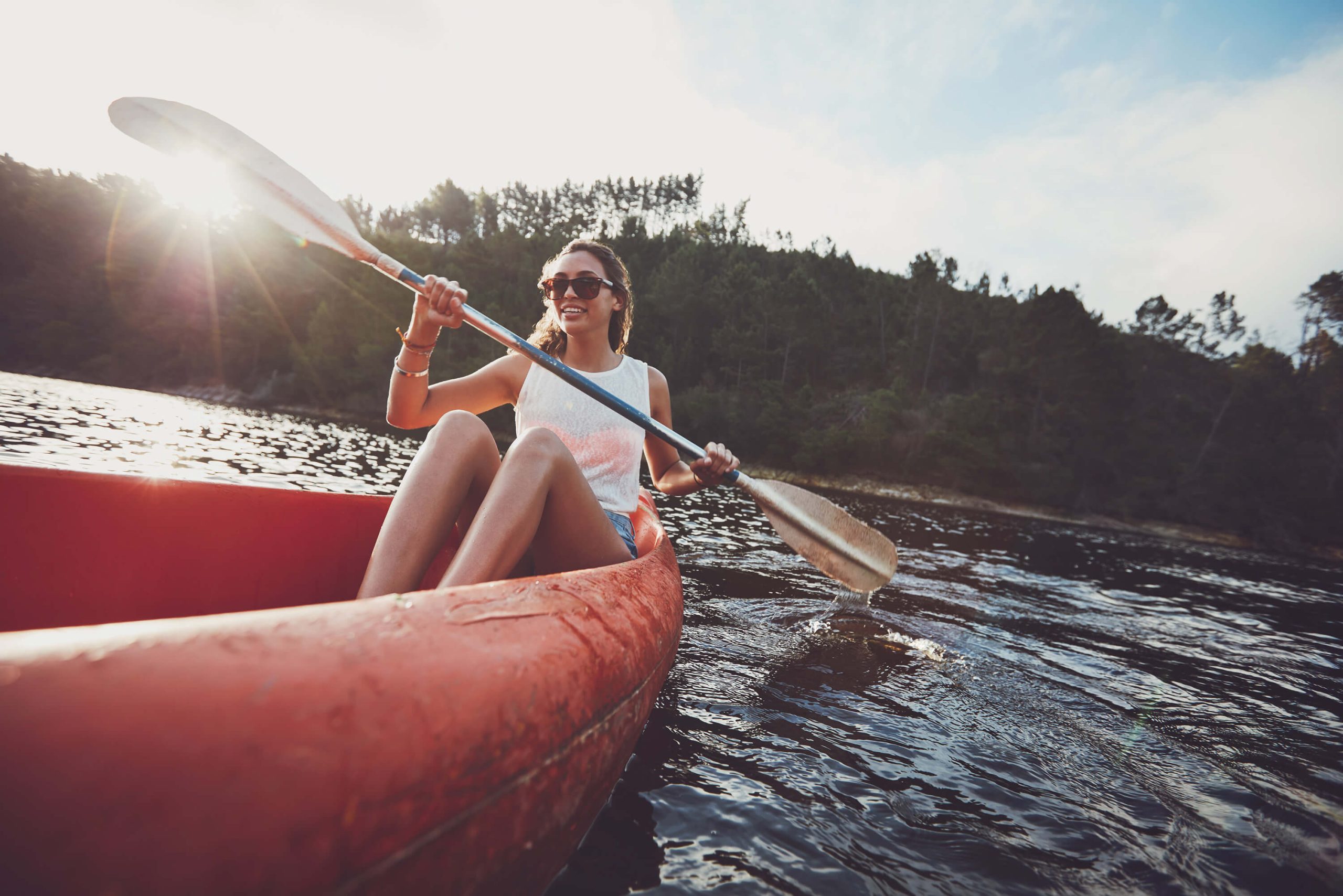
Having river access opens up dynamic activities like float trips, canoeing, and fishing in pocket waters, blending exploration with angling. The advantage is mobility: watercraft allow families to reach calm pools, deeper runs, and hidden shorelines that are out of reach on foot. The direct benefit is a more varied day—one family can paddle in the morning, fish in the afternoon, and enjoy on-site amenities later, all without long drives. Notably, Walnut Hills Family Campground (operated by GatherGrounds Resorts) offers Shiawassee River float trips perfect for canoes, kayaks, or tubes, demonstrating how river access expands family options. River-focused days naturally lead into planning rentals and safety checks.
Intro to river-access list: Here are the practical advantages of river access for family campers.
- Easier access to quiet pools where smallmouth bass love to hang out.
- More adventure options (float trips, short paddles) for groups with mixed ages.
- Natural learning opportunities about river ecosystems for kids.
These points highlight why river access is a major plus when searching for nearby fishing campgrounds.
What Are the Best Fishing Spots Along the Shiawassee River Near Walnut Hills?
Easy-to-reach spots along the Shiawassee River near family campgrounds often include calm backwaters, deeper pools below riffles, and sheltered bends that are prime spots for smallmouth bass. This is because variations in the river’s flow create areas where currents slow down and food collects, offering reliable fishing pockets. Families should prioritize stable banks and easy entry/exit points, choosing spots with gentle slopes for children. Since Walnut Hills offers float-trip launches, families can use short floats to reach various spots without extensive shoreline walks. Selecting these kinds of locations balances safety, variety, and the chance for memorable catches.
How Can Canoe and Kayak Rentals Improve Your Fishing Trip?
Canoes and kayaks give you access to quieter waters and allow for stealthier approaches, increasing your chances of catching feeding fish without startling them from the bank. The benefit comes from a lower profile and greater mobility: paddle craft disturb the water less and let you target mid-channel structures. For families, rentals also provide flexible transport for tired kids and make it easy to move between swimming and fishing spots. Safety first means wearing life jackets, supervising younger paddlers, and choosing calm water stretches for beginners. Local outfitters often provide basic gear, making rental planning a simple way to broaden your fishing horizons.
What Camping Accommodations Are Ideal for Families Who Want Fishing Near Me?
Your choice of accommodation impacts comfort, gear storage, and how close you are to the water, all of which influence how easily families can fit fishing into their schedule. The key is logistical support: different lodging types offer varying levels of power, storage space, and climate control, making multi-day fishing trips much more practical. Families usually weigh comfort against access when deciding between RV sites, tent sites, and cabins. The table below helps compare accommodation types for fishing families.
Intro to accommodation table: This table compares common lodging options at family campgrounds with fishing, focusing on how many people they sleep, useful amenities, and which family types they suit best.
How Do RV Sites and Hookups Support Fishing Campers?
RV sites offer refrigerators for keeping bait fresh and coolers for your catch, electrical power for cooking, and covered storage to shield gear from the elements. The advantage is access to utilities, which cuts down on time spent managing logistics and frees up more time for fishing and family activities. For parents, this means easier meal prep, secure storage for fishing rods, and a comfortable base for napping kids between fishing sessions. Practical tips include booking a spot near shared launch points and packing rod racks or protective sleeves to keep equipment tidy. These conveniences often make RV camping the perfect choice for longer family fishing adventures.
Why Choose Cabins or Glamping Options for a Comfortable Fishing Getaway?
Cabins provide reliable sleeping arrangements, a safe haven for children, and usually convenient access to amenities like restrooms and showers, which simplify family routines. The benefit is less setup and teardown stress, allowing families to focus on daily activities like quick fishing outings or evening campfire stories. For families with mixed ages, the specific advantage is ease of access: older family members and young children can enjoy fishing without the hassle of setting up tents or hauling heavy gear. Choosing a cabin often means less prep time for morning fishing and a cozy retreat after active days on the water.
What Should You Know About Fishing Licenses and Regulations at Campgrounds Near Me?
Understanding licenses and local rules keeps your family compliant and helps protect fish populations, ensuring great fishing for years to come. The system works through regulations: state licenses and creel limits manage how much fish you can keep, while local advisories might restrict certain gear or seasons. The direct benefit is legal peace of mind and better conservation outcomes, both vital for family education and safety. The table below summarizes where to get licenses and common rules relevant to Michigan campers.
Intro to licenses table: Use this quick guide to plan where to buy licenses and what rules to check before you fish.
Do You Need a Michigan Fishing License for River and Lake Fishing?
Yes—in most cases, anglers above the state’s specified exemption ages need a Michigan fishing license for river and lake fishing. Licenses help manage fish harvesting and fund conservation efforts. Families should check age exemptions and rules for short-term visitors when planning their trip. Consulting the current Michigan DNR guidelines before you travel ensures you’re following the rules, avoiding fines, and supporting healthy fisheries for future family adventures.
Where Can You Purchase Fishing Licenses and What Are the Rules?
Licenses are available through official state channels and licensed local vendors. The rules cover creel limits, size restrictions, and seasonal closures designed to protect spawning fish. The process for getting permits is straightforward: buy from an authorized source and carry proof while you fish. Families should keep a printed or digital copy of their license and review species-specific limits before heading out. When in doubt, contact the state’s fishery authority to confirm any recent changes and ensure a legal, conservation-minded outing.
For planning and booking your trip, consider family-friendly spots like Walnut Hills Family Campground by GatherGrounds Resorts, which offers a great mix of camping options, water activities, and access to the Shiawassee River for float trips. Before you head out, double-check license requirements and seasonal advisories to guarantee a safe and legal fishing experience.
Frequently Asked Questions
What should families consider when choosing a fishing campground?
When picking a fishing campground, families should look at several key things: how close it is to the water, what kinds of fish are available, and what amenities are offered. Seek out campgrounds that give you easy access to both rivers and lakes, as this can really boost your fishing chances. Also, think about the types of places to stay, like RV spots, tent sites, or cabins, to make sure everyone is comfortable and has what they need. Safety features, such as life jackets and well-kept launch areas, are also super important for a family-friendly trip.
How can families prepare for a successful fishing trip?
Getting ready is half the fun and key to a great fishing trip! Families should make a checklist of must-have gear like rods, reels, bait, and safety items like life jackets. Don’t forget snacks, water, and sun protection for a full day outside. Doing a little research on local fishing rules and what fish are biting can help set expectations. And finally, planning for downtime activities, like hiking or swimming, can keep everyone happy and make the trip even more enjoyable.
What are the best times of day for fishing at campgrounds?
The sweet spots for fishing are usually in the early morning and late evening when fish are most active. During these times, cooler temperatures and softer light encourage fish to feed closer to the surface. Families should plan their fishing sessions around these prime hours to increase their chances of success. Plus, keeping an eye on local weather patterns can help you find the best conditions; even overcast days can be surprisingly productive for fishing.
Are there any safety tips for fishing with children?
Safety is the top priority when fishing with kids. Always make sure children wear life jackets, especially when they’re near the water. Teach them about water safety and why it’s important to stay in designated areas. Keep a close eye on them when they’re handling fishing gear to prevent any accidents. Also, educate them about local wildlife and the environment to foster respect for nature. Having a first-aid kit handy and knowing basic emergency steps can also make your fishing trip safer.
What types of fishing gear are best for beginners?
For newcomers, lightweight spinning gear is usually the best bet because it’s easy to use and versatile. A medium-action rod paired with a spinning reel works well for various fishing techniques, making it suitable for catching different types of fish. Using simple tackle, like bobbers and live bait, can also make the learning process more enjoyable. Families might also want to invest in a tackle box to keep everything organized and accessible, making the fishing experience smoother for everyone.
How can families find local fishing regulations and updates?
Families can find local fishing regulations and updates by visiting state fishery websites, which offer detailed information on licenses, creel limits, and seasonal restrictions. Many states also have handy mobile apps that provide real-time updates and fishing reports. Additionally, local bait shops and campgrounds often have staff who are knowledgeable about current fishing conditions and rules. Staying informed helps ensure you’re following the rules and makes for a better fishing experience for the whole family.
What are some fun activities to do at campgrounds besides fishing?
Campgrounds often have a bunch of fun activities beyond fishing that can make the family trip even better. Hiking trails, swimming spots, and playgrounds offer chances for kids to burn energy and explore. Many campgrounds also host special events, like campfire stories, nature walks, or craft sessions. Families can also enjoy biking, birdwatching, or simply relaxing by the campfire. Trying out these activities can create lasting memories and strengthen family bonds during your camping trip.
Conclusion
Choosing family campgrounds with fishing nearby truly elevates your outdoor experience by offering instant access to fun activities, strengthening family bonds, and simplifying your trip planning. The advantages of less travel time, diverse fishing opportunities, and helpful amenities make these campgrounds perfect for creating unforgettable family memories. To make your next adventure the best one yet, check out our handpicked selection of family-friendly campgrounds designed for fishing enthusiasts. Start planning your dream fishing getaway today!
“`