Why Choose Campgrounds That Welcome Pets: Benefits of Pet Friendly Camping and Dog Friendly Campgrounds
Camping at a pet-friendly campground means your whole family — including dogs and other pets — can join outdoor adventures without the stress of boarding or long separations. This article explains why campgrounds that welcome pets improve family inclusion, reduce travel costs, and support pet health through exercise and enrichment. You will learn the key emotional, financial, and health benefits of pet friendly camping, the essential amenities to look for, the types of pet-friendly accommodations available, common campground pet policies, and practical planning steps for a smooth trip. Readers will also find checklists, comparison tables, and actionable tips for locating dog friendly campgrounds and preparing pets for outdoor stays. Throughout the guide we use terms like dog friendly campgrounds, pet friendly cabins near me, and RV camping with pets Michigan to keep advice practical and searchable.
What Are the Key Benefits of Pet Friendly Camping?
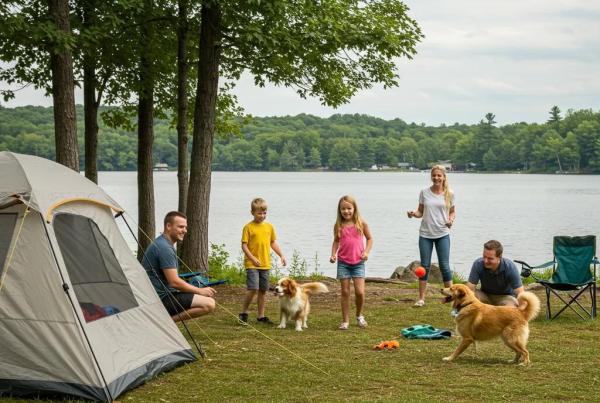
Pet friendly camping delivers emotional connection, cost savings, and physical health benefits by letting owners and pets share daily activities in outdoor settings. Shared activities such as hikes, lake swims, and off-leash play strengthen bonds and reduce separation anxiety, increasing overall family satisfaction. These benefits result in memorable vacations, lower pet care expenses, and improved well-being for animals and people alike. The next section breaks bonding into concrete mechanisms and examples that illustrate how camping time translates into stronger relationships.
Camping with your pet strengthens your bond by increasing quality time through shared routines and novel experiences. Regular walks, joint play at off-leash areas, and caregiving during travel reinforce trust and companionship between owner and pet. These shared activities also create positive associations with travel and new environments, which improves long-term behavior and confidence. Strengthened bonds naturally lead to greater enjoyment of family trips and smoother group dynamics on subsequent outings.
Pet friendly camping often reduces costs by eliminating boarding and daycare fees, and by lowering transport complexity when pets travel with the family. Avoiding kennel charges and repeated drop-offs can save hundreds per trip, while reducing stress-related visits to vets that sometimes follow separated pets. These financial benefits compound when families camp regularly or choose longer stays with pets. Knowing these savings helps prioritize pet-friendly options during trip planning.
Outdoor stays provide exercise, mental stimulation, and socialization that directly benefit pet health through activity and novel environmental enrichment. Dogs that access dog parks, trails, and open water receive more physical activity and chances to practice recall and social behaviors safely. Increased exercise helps weight management and reduces behavior problems tied to boredom or pent-up energy. Improved pet health also eases owner stress and enhances the overall vacation experience.
Different benefits map clearly to emotional, financial, and health outcomes, helping campers choose sites that deliver their priorities.
This compact comparison shows how pet-friendly camping creates measurable gains across emotions, budget, and health, guiding choices about where to stay.
Which Amenities Make Campgrounds Truly Pet Friendly?
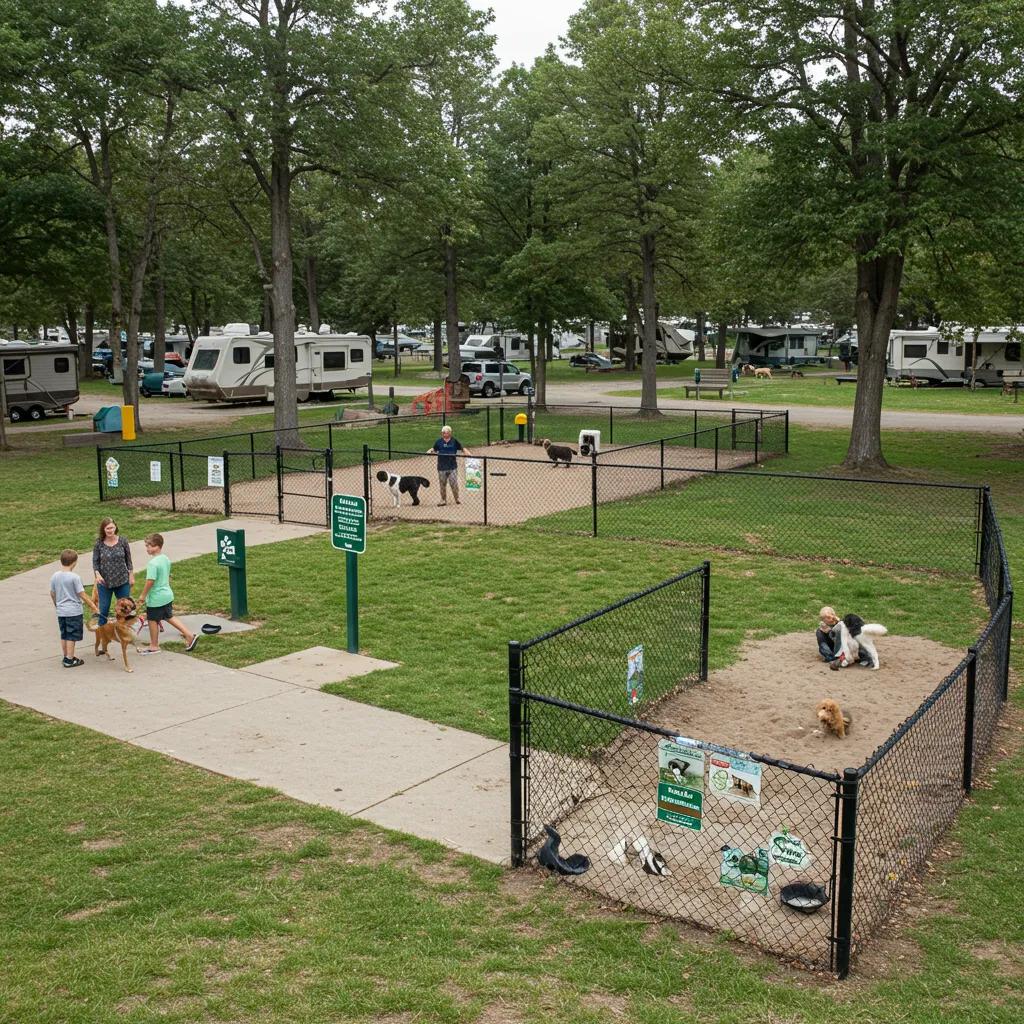
A genuinely pet-friendly campground supplies infrastructure and services that make pet care easy, safe, and enjoyable for visitors and animals. Amenities such as dedicated dog parks, pet relief stations, and pet washing areas reduce friction for pet owners and enable safe socialization. Clear signage, nearby trails, and access to fresh water support daily routines and minimize environmental risks. The following checklist helps campers evaluate facilities quickly before booking.
Essential pet-friendly amenities include:
- Dedicated dog parks or fenced off-leash areas for safe play and socialization.
- Pet relief stations with bag dispensers and accessible waste bins to maintain cleanliness.
- Pet washing or grooming stations to manage dirt and ticks after hikes.
- Marked pet-friendly trails and water access for supervised exercise.
These amenities form the backbone of a positive pet camping experience by supporting hygiene, safety, and recreation. Campgrounds that provide these features reduce onsite conflicts, lower maintenance burdens, and increase repeat visits from pet-owning families, which in turn improves overall campground atmosphere.
What Features Should You Expect in Dog Friendly Campgrounds?
Dog friendly campgrounds should provide secure fencing, shaded rest areas, and potable water points that keep dogs comfortable while owners relax or cook. Separate small- and large-dog sections and agility or enrichment equipment can reduce conflicts and offer structured play opportunities. Shade structures and benches for owners encourage supervised interaction and longer stays at the park. These practical features make off-leash time safer and more enjoyable for both dogs and owners.
How Do Dedicated Dog Parks Enhance Your Camping Experience?
Dedicated dog parks offer a controlled environment for off-leash exercise, socialization, and training, which reduces pent-up energy before quiet hours and improves campsite behavior. A well-managed dog park includes clear rules, waste stations, and staff oversight or posted etiquette to prevent incidents and maintain hygiene. Socialization here benefits dogs’ mental health and helps owners exchange practical tips. As an example, Walnut Hills Family Campground provides a large dog park that models how on-site amenities enhance stays without adding stress to owners.
What Pet Relief Areas and Services Are Essential at Campgrounds?
Strategically placed relief areas near restrooms and central facilities help owners maintain cleanliness without long walks to dispose of waste, while visible dispensers and bins encourage compliance. Regular maintenance schedules and clear signage reduce odor and health risks, making common areas more pleasant for all guests. Accessible pet washing stations near parking or lake access help remove mud and ticks after outdoor activities. Together, these services streamline pet care and prevent small issues from disrupting the larger camping experience.
What Types of Pet Friendly Camping Accommodations Are Available?

Pet friendly accommodations typically include pet-designated cabins, RV sites that accept animals, and tent sites where pets are permitted, each offering trade-offs in comfort, control, and convenience. RV sites provide space and hookups while keeping pets contained near the vehicle, tent sites offer close-to-nature experiences with noise and wildlife considerations, and cabins provide indoor shelter with rules about flooring and cleaning. Choosing the right option depends on your pet’s temperament, size, and need for proximity to amenities like dog parks. The comparison table below helps campers match pets and families to the best accommodation type.
This table clarifies trade-offs between privacy, convenience, and pet safety, helping readers prioritize features when booking.
Which Pet Friendly RV Camping Sites Are Best for You and Your Dog?
Select RV sites with generous outdoor space, level ground for secure leashing, and close proximity to dog parks or relief areas to minimize long walks and maximize supervision. Shade and wind protection improve comfort during daytime, while a short distance to restrooms reduces nighttime disruptions. Owners should inspect site layout and nearby traffic patterns to reduce stressors for reactive pets. These practical considerations help create a comfortable mobile base for pets and people.
What Should You Know About Pet Friendly Tent Sites?
Tent sites used with pets require attention to ground cover, local wildlife, and nighttime routines to avoid escapes and encounters with wild animals. Place tents away from high-traffic loops and pack elevated bedding or crates for pets to sleep safely. Consider insect protection and layered clothing for pets in variable Michigan weather. Choosing quieter sites near trails reduces leash time and improves daytime exercise options.
How Do Pet Friendly Cabins Cater to Families with Pets?
Pet friendly cabins often feature hard-surface flooring, designated pet cabins to reduce allergen exposure, and nearby fenced areas to let pets enjoy safe outdoors time. Clear cleaning protocols and deposit structures protect the cabin while making expectations transparent for families. Booking a cabin near the lake or dog park provides quick access to amenities and simplifies routine care. Families benefit from the balance of indoor comfort and nearby outdoor options for pets.
What Are Common Pet Policies at Campgrounds That Welcome Dogs?
Campgrounds that welcome pets usually enforce rules like leash requirements, cleanup responsibilities, vaccination proof, and behavior standards to protect animals and guests. Clear policies help staff manage safety, reduce nuisance complaints, and provide predictable experiences for pet owners. Transparent fee structures and reservation disclosures also prevent surprises and encourage compliance. The table below summarizes common policy items and typical implementations to help you compare sites quickly.
This quick-reference table helps campers verify key policy points before booking and reduces surprises at check-in.
What Are Typical Rules for Pets at Campgrounds?
Typical rules include keeping pets leashed in shared areas, supervising them at all times, cleaning up after pets immediately, and avoiding certain buildings or beaches where animals are prohibited. Many campgrounds also require pets to be current on vaccinations and to be non-aggressive around people and other animals. Owners should review posted rules on arrival and follow staff instructions to avoid penalties. Clear adherence to rules makes campsites safer and more welcoming for everyone.
Are There Pet Fees and How Are They Structured?
Pet fees vary by campground and can appear as nightly per-pet charges, flat per-reservation fees, or refundable deposits to cover extra cleaning, and they usually fund additional maintenance. Campers should request fee breakdowns when booking and confirm what fees cover to avoid unexpected costs. Transparent providers list fees during reservation and explain cleaning expectations. Understanding fee structures aids budgeting and ensures fair use of shared facilities.
How Do Campgrounds Ensure Pet Safety and Comfort?
Well-managed campgrounds post emergency procedures, maintain fencing and separation where needed, and train staff to respond to pet incidents or lost-animal situations. They also provide posted vet contacts and local resource information to expedite care if needed. Enforced quiet hours and behavior standards prevent conflicts and protect animal welfare. These measures combined create predictable, comfortable environments for pets and their owners.
How Can You Find and Plan Your Stay at Pet Friendly Campgrounds?
Finding and planning pet-friendly stays requires targeted search strategies, careful policy checks, and a compact packing checklist to prepare pets for travel. Use specific search terms and filters to identify pet-allowed sites, then verify pet rules, amenities, and fees directly before booking. Prepare documentation, packing, and behavior prep so pets remain safe and comfortable. The next subsections give step-by-step search tactics, a packing checklist, and ideas for local pet-friendly attractions.
To search efficiently, follow this three-step verification process:
- Use targeted keywords like “campgrounds that welcome pets” or “dog friendly campgrounds” when searching directories.
- Confirm pet policies, amenities (dog park, relief stations), and fee disclosures on the campground’s official information.
- Call ahead or message to verify details not listed online and confirm availability.
What Are the Best Ways to Search for Dog Friendly Campgrounds Near You?
Start with keywords and filters for “pet friendly cabins near me” and “campgrounds with dog parks” to narrow options, then review each campground’s official information for petsAllowed details and amenities. Cross-reference reviews for recent experiences related to pet management and cleanliness. When information is incomplete, contact the campground to confirm specific rules. This process helps ensure the chosen site aligns with your pet’s temperament and exercise needs.
How Do You Prepare for a Pet Friendly Camping Trip?
Pack a concise checklist that includes vaccination records, durable leashes, portable water bowls, pet first-aid supplies, familiar bedding, and waste bags to ensure comfort and compliance. Train or rehearse crate and recall behaviors before departure to reduce stress. Schedule a vet check if your pet has recent health issues and confirm medication supplies for the trip. Proper prep reduces emergencies and enhances enjoyment for everyone.
What Local Pet Friendly Attractions Can Enhance Your Camping Experience?
Local attractions such as nearby trails, riverside walks, pet supply stores, and veterinary clinics add convenience and activity options to a campground stay and should be noted when planning. For instance, Walnut Hills Family Campground in Durand, Michigan sits near the Shiawassee River and offers family-oriented amenities, river float trips, a Wibit water park, and a large dog park that together make it easier to balance pet care with recreation. Knowing local resources improves trip logistics and expands activity choices for pets and owners.
This practical combination of campground features, planning steps, and local resources helps travelers find and prepare for enjoyable pet-friendly camping in places that support family memories and pet well-being. For those ready to check availability and reserve a pet-friendly stay, Walnut Hills Family Campground welcomes pets and offers RV sites, tent sites, and cabins along with large dog-park facilities to support family trips.
Frequently Asked Questions
What should I consider when choosing a pet-friendly campground?
When selecting a pet-friendly campground, consider the amenities offered, such as dog parks, pet relief stations, and nearby trails. Evaluate the campground’s pet policies, including leash requirements and cleanup responsibilities. Additionally, think about the type of accommodation that best suits your pet’s needs, whether it’s a cabin, RV site, or tent site. Lastly, check reviews from other pet owners to gauge their experiences regarding pet management and overall satisfaction.
How can I ensure my pet is comfortable during the camping trip?
To keep your pet comfortable while camping, pack familiar items like their bedding, toys, and food. Ensure they have access to fresh water and shade, especially during hot weather. Regular exercise and playtime are essential, so plan activities that allow for physical engagement. Additionally, familiarize your pet with the camping environment gradually to reduce anxiety. A pre-trip vet check can also help address any health concerns that may arise during your stay.
What are some common challenges of camping with pets?
Camping with pets can present challenges such as managing their behavior in unfamiliar environments, potential encounters with wildlife, and ensuring they remain safe and comfortable. Noise from other campers or wildlife can also cause anxiety. Additionally, some campgrounds may have restrictions on where pets can go, which can limit your activities. Preparing for these challenges by training your pet, bringing necessary supplies, and choosing the right campground can help mitigate these issues.
Are there specific health considerations for pets while camping?
Yes, there are several health considerations for pets while camping. Ensure your pet is up-to-date on vaccinations, especially if they will be around other animals. Be mindful of ticks, fleas, and other parasites, particularly in wooded areas. Provide plenty of water to prevent dehydration and monitor their food intake to avoid digestive issues. Additionally, keep an eye on your pet’s behavior for signs of stress or discomfort, and have a first-aid kit handy for emergencies.
How can I find pet-friendly activities near the campground?
To find pet-friendly activities near your campground, start by researching local attractions online, focusing on pet-friendly parks, trails, and beaches. Many campgrounds provide information on nearby pet-friendly amenities. You can also check local tourism websites or social media groups dedicated to pet owners. Asking campground staff for recommendations can yield great insights into local pet-friendly events or activities that you and your furry friend can enjoy together.
What should I do if my pet gets lost while camping?
If your pet gets lost while camping, remain calm and start searching the immediate area. Call their name and use familiar sounds, like a whistle or treat bag, to attract them. Inform campground staff and fellow campers about the situation, as they can help keep an eye out. Utilize social media or local lost pet groups to spread the word. Having a recent photo and your pet’s identification tags can aid in their safe return.
Conclusion
Choosing a pet-friendly campground enhances family bonding, reduces travel costs, and promotes pet health through shared outdoor experiences. By prioritizing amenities like dog parks and relief stations, you can ensure a comfortable and enjoyable stay for both you and your furry companions. Start planning your next adventure by exploring our curated list of pet-friendly campgrounds today. Make unforgettable memories while keeping your pets happy and healthy in the great outdoors.