
Why Choose Pet-Friendly Campsites for Outdoor Adventures in Michigan?
Bringing your pet along on a camping trip means the whole family stays together, and you won’t have to worry about finding pet care while you explore. That’s why pet-friendly camping in Michigan is becoming so popular. This guide dives into the emotional, health, and practical perks of camping with pets, what amenities to look for at quality campgrounds, how RV, tent, and cabin options stack up for pet owners, and the essential policies and etiquette for safe trips. Many of you are wondering how to balance exciting outdoor adventures with responsible pet care – this guide offers clear, actionable advice for families and solo travelers alike. You’ll discover what facilities are key for dogs and other pets, which accommodations best suit different pet needs, and how to plan local Michigan outings using river access and trails. The following sections cover benefits, must-have amenities, accommodation comparisons, rules and etiquette, and nearby pet-friendly outdoor activities, all starting from Walnut Hills Family Campground in Durand, Michigan.
What Are the Key Benefits of Pet-Friendly Camping for Outdoor Adventures?
Pet-friendly camping brings together family bonding, physical activity, and convenience for a richer outdoor experience. When pets join in, everyone’s walking and playing routines naturally increase, boosting fitness and reducing stress through fresh-air exercise. Plus, bringing your pet eliminates the logistical hassle and cost of pet sitters, making spontaneous or extended trips much easier to plan. These practical and emotional advantages lead to stronger family connections and healthier routines for both owners and their animal companions.
How Does Camping with Your Dog Enhance Family Outdoor Experiences?
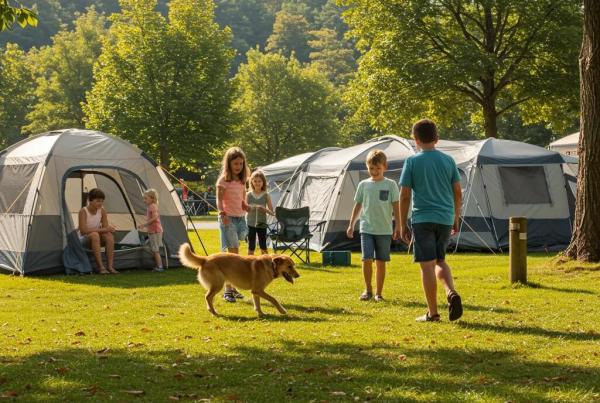
Camping with a dog encourages shared activities that help families connect through play, hikes, and water fun. Dogs often inspire children to get involved in outdoor chores like hiking or setting up camp, fostering responsibility and strengthening social bonds. Shared discoveries—like spotting wildlife or navigating a new trail—create lasting memories and increase positive interactions among family members. These experiences often make outdoor trips more engaging and inclusive for everyone.
What Health and Lifestyle Advantages Come from Pet-Friendly Camping?
Regular hikes, lake swims, and active play during camping trips boost cardiovascular activity for both owners and pets, directly supporting fitness goals. Spending time outdoors also reduces stress and improves mood by exposing you to nature, a benefit highlighted in recent studies and industry reports for mental well-being. Maintaining routines while traveling helps dogs stay calm and socialized, minimizing behavioral issues back home. These health benefits underscore why camping with pets is an appealing lifestyle choice for many families.
Why Is Walnut Hills Ideal for Pet-Friendly Camping in Michigan?
Walnut Hills Family Campground stands out as a family-friendly outdoor adventure destination with dedicated pet amenities designed for safe, active stays. The property features a large dog park and designated pet roaming areas, alongside family-focused activities like a Wibit water park and a swimming lake where supervised pet interactions are welcome. Spread across approximately 42 acres with rolling hills and access to the Shiawassee River, Walnut Hills offers natural settings and float trip opportunities perfect for adventurous pet owners. The campground’s diverse accommodation choices and pet-friendly infrastructure make it a practical choice for experiencing the benefits we’ve discussed.
What Pet Amenities and Facilities Should You Expect at a Pet-Friendly Campground?
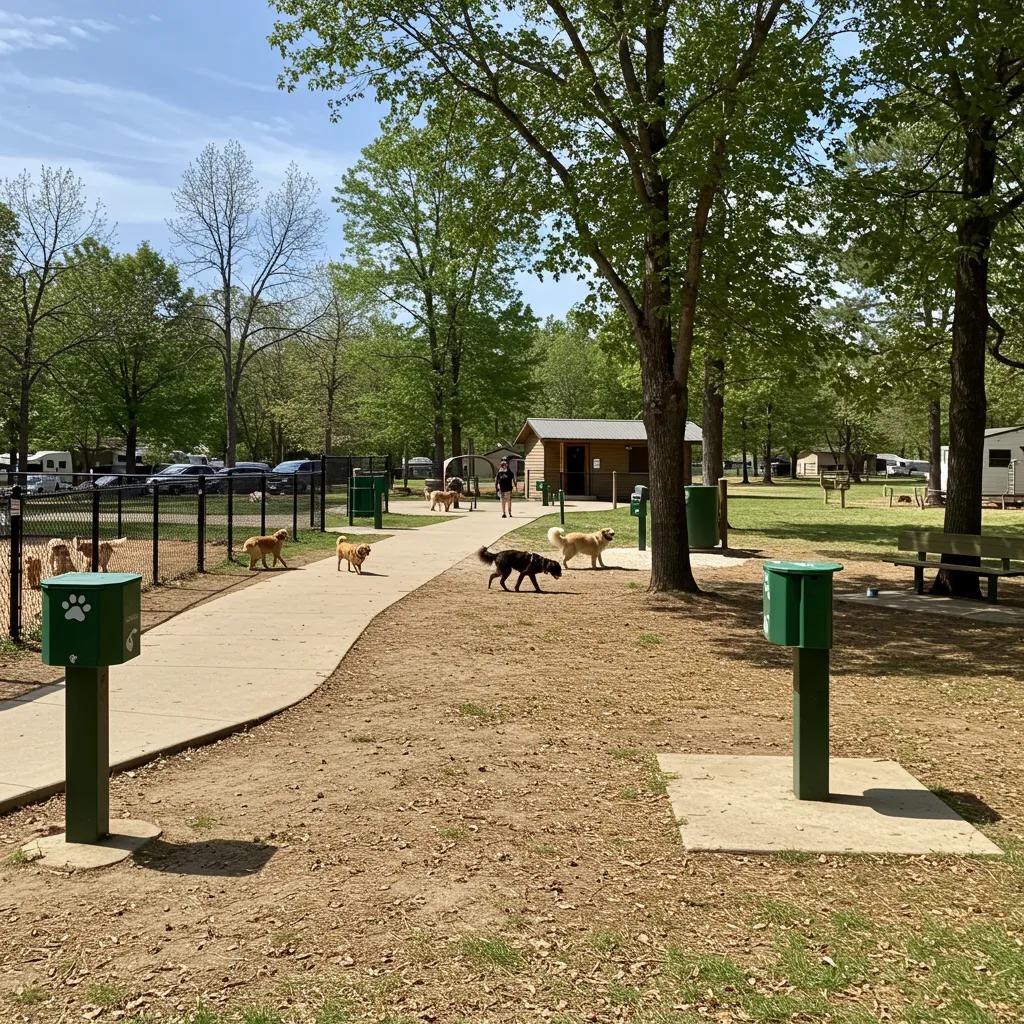
A reliable pet-friendly campground will offer off-leash areas, waste stations, pet wash facilities, and accessible trails to make pet care and play manageable right on site. These amenities protect both pets and guests by concentrating pet activity in safe zones and providing the tools needed for responsible cleanup. Good facilities also include clear signage, secure fencing in play areas, and convenient proximity between pet zones and campsites.
The table below compares core amenities and explains why they matter for pets and their owners.
This table highlights how essential amenities can reduce the friction of pet care and enhance the overall camping experience. Next, let’s look at specific design elements that make a dog park truly valuable on a campground.
What Makes a Dog Park Essential for Pet-Friendly Campgrounds?
A dog park provides a controlled environment for off-leash exercise and positive socialization, which benefits your pet’s behavior and fitness. Proper fencing, separate areas for small and large dogs, and shaded seating for owners all contribute to safety and comfort during visits. Regular maintenance and clearly posted rules help ensure respectful interactions and minimize conflicts among visitors. Highlighting these features helps campers choose sites that truly prioritize pet welfare and community harmony.
How Do Pet Waste Stations and Leash Policies Support Responsible Camping?
Pet waste stations and clear leash policies are fundamental expectations that protect sanitation and wildlife while ensuring enjoyable campsite experiences for all guests. Providing bags and disposal points reduces unattended waste and the spread of parasites, while leash rules limit uncontrolled encounters and protect local fauna. Campers should always carry extra bags, adhere to posted leash lengths, and respect designated off-leash zones to maintain pet privileges at the campground. These practices directly influence whether pet-friendly access remains available long-term.
Which Trails and Outdoor Activities Are Best for Pets at Walnut Hills?
Trails featuring short loops, firm surfaces, and shaded sections are ideal for most dogs, helping owners manage their energy and heat exposure safely. Water access along the Shiawassee River and the campground’s swimming lake offer opportunities for supervised swimming and gentle float trips when conditions are favorable. Being mindful of seasonal conditions—like avoiding peak heat or high water levels—is crucial for keeping pets safe during active days. Walnut Hills’ natural setting and river proximity make short hikes and controlled water play reliable options for pet-centered adventures.
What Pet-Friendly Accommodation Options Are Available for Outdoor Adventures?

Pet-friendly accommodations generally fall into three practical categories: RV sites, tent sites, and cabins, each offering different trade-offs in terms of space, surfaces, and convenience. RV sites provide shade and hookups that support longer stays and offer containment options for pets, while tent camping keeps animals close to nature but requires extra gear for comfort and protection. Cabins offer solid floors and climate control, making them a great choice for families seeking a balance between outdoor access and indoor comforts.
This comparison helps clarify which accommodation best suits your travel style and your pet’s needs. When selecting a site, consider space, surfaces, and access to pet amenities.
How Do Pet-Friendly RV Sites Cater to Campers with Dogs?
Pet-friendly RV sites often include level pads, shade, and convenient access to dog areas, which helps reduce stress for animals during longer stays. Hookups allow owners to maintain climate control and lighting for a stable environment, while tie-out points and secure perimeters help prevent escapes. Proximity to pet waste stations and trails makes routine care simple. These conveniences make RV camping a practical choice for pet owners who desire extended outdoor adventures with reliable creature comforts.
What Should You Know About Tent Camping with Pets?
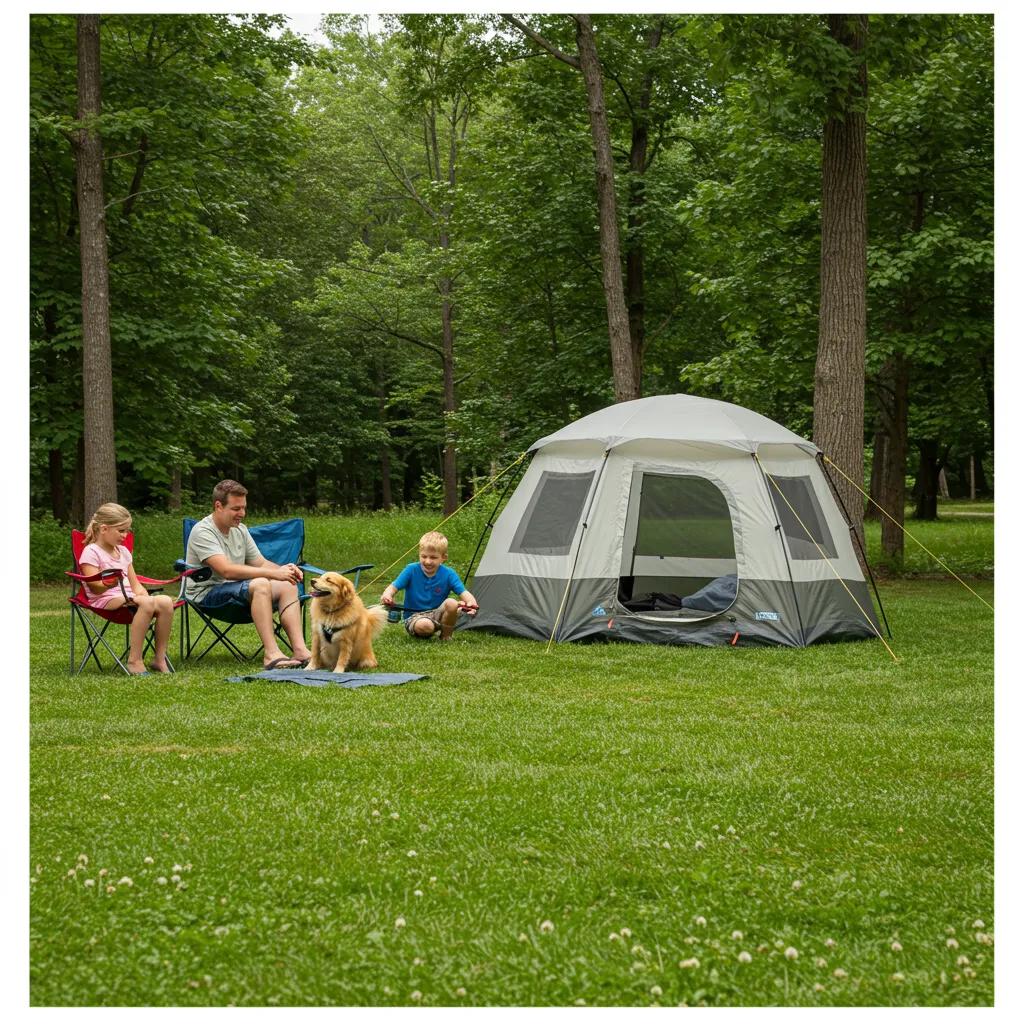
Tent camping places pets close to nature but requires careful attention to bedding, insulation, and protection from insects or wildlife. Bring elevated pads and weather-appropriate blankets, and establish a secure tent-entry routine to prevent escapes. Position your tent near established trails and pet areas to minimize disturbance, and store food securely to avoid attracting wildlife. Tent camping offers close interaction but demands extra planning for comfort and safety.
Why Choose Pet-Friendly Cabins for a Comfortable Outdoor Stay?
Pet-friendly cabins provide stable indoor conditions, solid flooring, and easier cleanup compared to tents, which is particularly beneficial for families with young children or older pets. Cabins may require additional cleaning deposits or have specific pet rules to protect furnishings. The indoor/outdoor transitions make supervising dogs simpler while still offering quick access to trails and amenities. Choosing a cabin is ideal for those who want outdoor access without sacrificing indoor comfort for their pets.
What Are the Essential Pet Policies and Etiquette for a Safe Camping Experience?
Clear pet policies and courteous behavior are key to preserving safe, shared outdoor spaces and helping campgrounds maintain pet privileges for all visitors. Expect rules regarding leashes, quiet hours, waste removal, and wildlife interactions, all designed to ensure safety and community comfort. Following these guidelines minimizes conflicts and protects natural habitats near camping areas.
This policy table helps campers act responsibly and maintain access to pet-friendly amenities. Observing these norms supports a safer and more enjoyable camping community.
What Are Common Leash and Noise Policies at Pet-Friendly Campgrounds?
Common leash policies require pets to be leashed in most public areas, with designated off-leash parks available for exercise and play. Quiet hours typically fall during evening and early-morning windows to ensure rest for all campers. Non-compliance can result in warnings or the loss of pet privileges, which is why adhering to leash lengths and managing barking with training or temporary separation is crucial. Respectful behavior ensures long-term access to pet-friendly features.
How Should Campers Manage Pet Waste and Interactions with Wildlife?
Campers should carry extra bags, utilize provided waste stations, and pack out waste when necessary to maintain cleanliness and health. Securely store food and scented items to avoid attracting wildlife, and never allow pets to chase or harass wild animals. Report any wildlife encounters to campground staff for safe handling. These steps reduce disease risk and protect local ecosystems for future visitors.
Why Is Respecting Pet Policies Important for All Campers?
Respecting pet rules helps preserve shared spaces and prevents restrictions that could limit pet access in the future. When campers follow guidelines, the campground maintains its reputation for safe, family- and pet-friendly experiences that benefit everyone. Compliance also minimizes conflicts, legal risks, and environmental harm. Collective responsibility ensures that pet privileges remain a valued part of outdoor culture.
How Can You Explore Michigan’s Pet-Friendly Outdoor Adventures from Walnut Hills?
Walnut Hills serves as a practical base for exploring Michigan’s pet-friendly trails, river activities, and nearby attractions that welcome dogs. From the campground’s direct access to the Shiawassee River to short local loops perfect for leashed hikes, the property puts pet-friendly outdoor options within easy reach. Planning day trips that respect seasonal conditions and local regulations will maximize safety and fun.
- Short, shaded hikes with firm footing are best for dogs to prevent overheating and paw damage.
- Supervised river swims or calm float trips allow for safe water play when conditions are appropriate.
- Local parks and pet-friendly points of interest offer quick day-trip options for variety and convenience.
These activity choices ensure balanced days of exercise, exploration, and rest for both pets and owners. For ease of planning, many campers appreciate having on-site pet amenities and varied accommodations at a single campground base.
What Are the Best Dog-Friendly Hiking and Water Activities Near Walnut Hills?
Short loop trails and riverbank walks near the campground provide reliable exercise options that minimize navigation challenges. Calm stretches of the Shiawassee River and the campground swimming lake allow for supervised water play and gentle float experiences when water levels are safe. Always assess water currents, temperature, and seasonal hazards before allowing dogs to swim. Choosing moderate-distance hikes with shaded returns keeps pets comfortable and energized.
Which Nearby Attractions Support Pet-Friendly Outdoor Fun?
Nearby parks and open spaces that permit leashed dogs offer convenient alternatives to full-day hikes and create flexible outing options. Look for locations that post clear pet rules, have parking close to trailheads, and provide shaded areas for rest. Selecting attractions with short loops and water access yields the best results for families traveling with pets. These choices make day trips simple and rewarding without long drives.
How Does Michigan’s Pet-Friendly Camping Policy Enhance Your Adventure?
Recent trends show increasing inclusivity for pets at many recreation sites, which helps campgrounds expand their pet accommodations and amenities. State-level guidance and local regulations influence leash rules, trail access, and facility offerings, so checking current policies before travel improves planning. Understanding these frameworks helps campers anticipate campground rules and choose suitable activities. With that context, reserving a pet-friendly site and packing accordingly becomes a straightforward part of trip preparation.
For owners ready to book a pet-positive stay, Walnut Hills Family Campground highlights pet-friendly camping accommodations and amenities, including RV sites, tent sites, and cabins that welcome pets. Reservations and details about on-site pet features are available through the campground’s booking channels, making it simple to plan a Michigan outdoor adventure with your pet.
Frequently Asked Questions
What should I pack for a camping trip with my pet?
When camping with your pet, it’s essential to pack items that ensure their comfort and safety. Bring a sturdy leash, a comfortable bed or blanket, food and water bowls, and enough food for the duration of your stay. Don’t forget waste bags for cleanup, a first-aid kit, and any medications your pet may need. Additionally, consider packing toys to keep your pet entertained and a secure crate or carrier for travel. Preparing these essentials will help create a stress-free camping experience for both you and your pet.
Are there specific health considerations for pets while camping?
Yes, there are several health considerations to keep in mind when camping with pets. Ensure your pet is up-to-date on vaccinations and flea and tick prevention, as these can be more prevalent in outdoor environments. Monitor your pet for signs of heat exhaustion, especially during warm weather, and provide plenty of fresh water. Be cautious of wildlife encounters, as some animals can pose a threat to your pet’s safety. Lastly, keep an eye on your pet’s food and water intake to prevent dehydration and digestive issues.
How can I ensure my pet is safe around wildlife while camping?
To keep your pet safe around wildlife, always supervise them when outside and keep them on a leash, especially in unfamiliar areas. Avoid letting your pet chase or interact with wild animals, as this can lead to dangerous encounters. Store food securely to prevent attracting wildlife to your campsite. Familiarize yourself with local wildlife and their behaviors, and report any sightings to campground staff. By taking these precautions, you can help protect your pet and the local ecosystem during your camping trip.
What are the best practices for socializing my dog at a campground?
Socializing your dog at a campground involves introducing them to other pets and people in a controlled manner. Start by allowing your dog to observe other animals from a distance before approaching. Use positive reinforcement, such as treats or praise, to encourage calm behavior. Always ask other pet owners for permission before letting your dog interact with theirs. Monitor your dog’s body language for signs of stress or discomfort, and be prepared to intervene if necessary. Gradual exposure to new experiences will help your dog feel more comfortable in social settings.
What should I do if my pet gets lost while camping?
If your pet goes missing while camping, remain calm and act quickly. Start by searching the immediate area, calling your pet’s name, and using familiar sounds, like a whistle or treat bag. Inform campground staff and fellow campers about your lost pet, as they can help keep an eye out. Utilize social media or local lost pet groups to spread the word. Consider microchipping your pet or using a GPS collar for added security, as these measures can significantly increase the chances of a safe return.
How can I find pet-friendly campsites in Michigan?
To find pet-friendly campsites in Michigan, start by researching online resources that specialize in pet-friendly accommodations. Websites like Michigan’s official tourism site or camping directories often provide filters for pet-friendly options. Additionally, read reviews from other pet owners to gauge the suitability of a campground for your furry friend. Social media groups and forums dedicated to pet travel can also offer recommendations and personal experiences. Always check the campground’s specific pet policies before booking to ensure a smooth stay.
Conclusion
Choosing pet-friendly campsites in Michigan enhances family bonding while ensuring your furry friends can join in on outdoor adventures. With amenities designed for both pets and their owners, you can enjoy a stress-free experience that promotes health and happiness for everyone involved. Explore the diverse accommodation options at Walnut Hills Family Campground to find the perfect fit for your next getaway. Start planning your unforgettable camping trip today!