Best Family Campgrounds in Michigan for Summer Fun with Young Children
Finding the best family campgrounds means prioritizing safety, easy logistics, and activities that engage toddlers and preschoolers while giving parents manageable supervision and comfort. This guide explains what makes a campground top-rated for families with young children, from essential amenities like shaded play areas and clean family bathrooms to age-appropriate water play and gentle river floats. Parents searching for “what are the top rated campgrounds for families with young children” or “kids camping activities Michigan” will learn how to evaluate sites, choose accommodations, and plan a smooth booking process. Many families worry about noisy crowds, limited kid facilities, or complicated reservations; this article offers clear checklists, comparisons, and planning steps that solve those pain points. The sections below cover core kid-friendly features, where to find water-park-equipped campgrounds in Michigan, activity and event ideas by age, accommodation comparisons, and simple booking steps to secure a summer stay.
What Makes Michigan’s Top Family Campgrounds Perfect for Young Children?
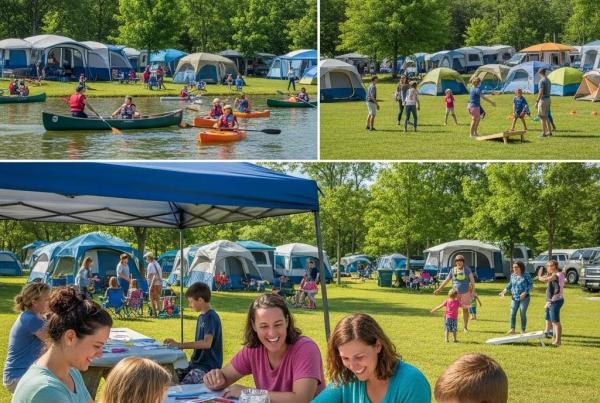
A top family campground combines safety, convenience, and playful amenities to create memorable and low-stress summer stays for young children. Parents value lifeguarded swim areas, shaded play spaces, clean family restrooms, and short walking distances between lodging and activities because these features reduce supervision challenges and streamline routines. Prioritizing these elements helps toddlers and preschoolers explore comfortably while caregivers manage naps, meals, and safety. The next subsections break down must-have amenities and show how a Michigan campground example meets these criteria to help families decide where to stay.
Which Amenities Are Essential for Kid-Friendly Campgrounds?
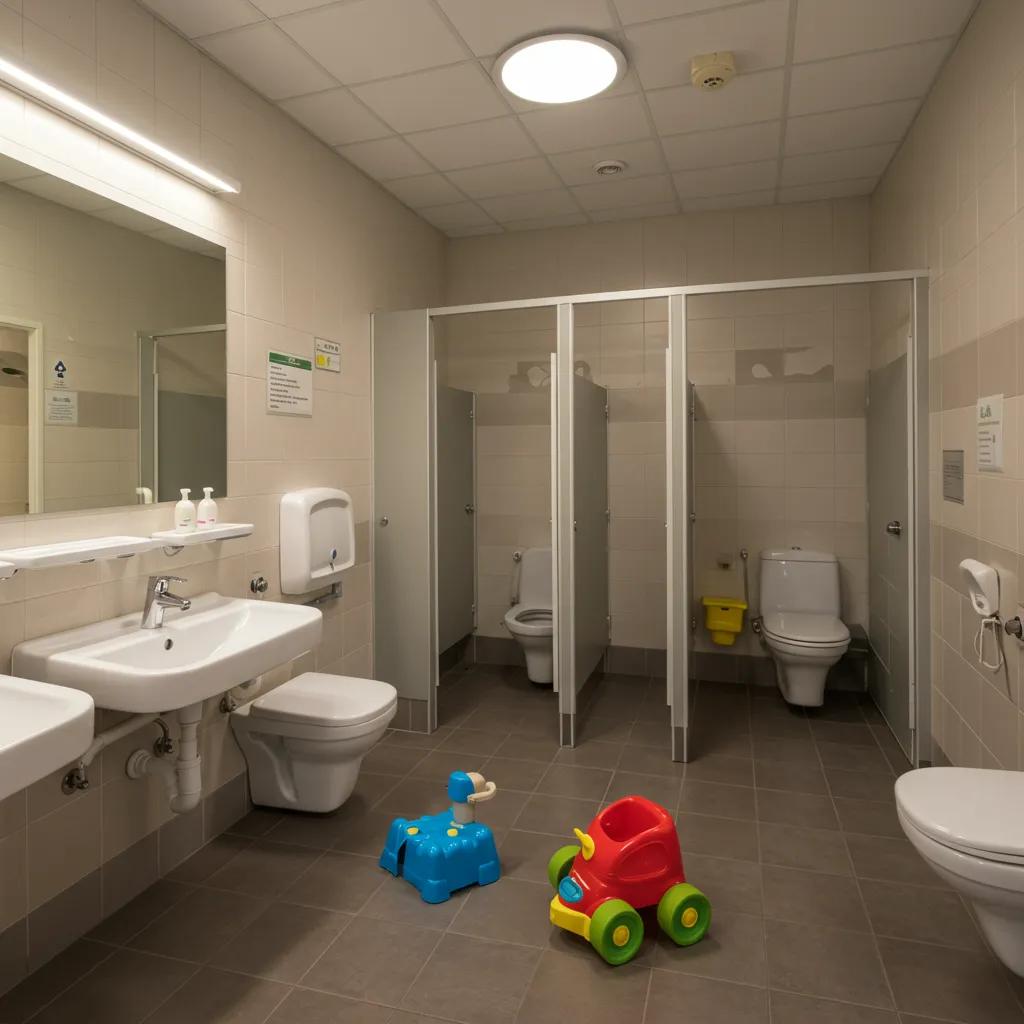
Essential amenities for families reduce friction and increase safety, making camping with young children enjoyable and manageable. Clean, renovated bathrooms with family stalls and changing areas speed up routines and reduce stress, while fenced playgrounds and shaded picnic pavilions offer secure play zones that cut down on constant chasing. Supervised water play—lifeguarded swimming lakes or clearly marked shallow areas—lets parents relax while children splash, and on-site stores or pavilion rentals simplify forgotten-gear runs. Understanding these basics helps parents plan packing and supervision strategies before arrival, which leads into how local campgrounds implement these features.
- This list highlights three essential amenities parents should check before booking:
- Clean family bathrooms with changing facilities to streamline diaper and clothing changes.
- Fenced or clearly defined play areas and shaded seating for safe, sun-protected play.
- Lifeguarded swim zones or shallow designated beach areas for supervised water activities.
These essentials form the baseline expectation for family comfort and safety, and they should guide campsite selection and packing decisions.
How Do Campgrounds Like Walnut Hills Stand Out in Michigan?
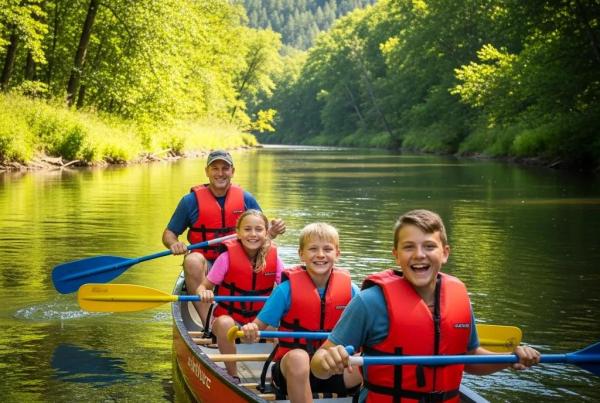
Some campgrounds combine multiple family-first features in one convenient location, making day-to-day logistics easier for parents and more fun for children. Walnut Hills Family Campground, operated by GatherGrounds Resorts in Durand, Michigan, is one local example that pairs a Wibit water park and a swimming lake with beach access, direct Shiawassee River access for floats, renovated bathrooms, and a campground store to reduce errands. These combined amenities create opportunities for short supervised water play, easy meal runs, and river-based exploration tailored to families, which simplifies both playtime and rest periods. Seeing how one property bundles these services clarifies the practical benefits families should look for when choosing a summer destination.
Where Can Families Find Campgrounds with Water Parks for Kids in Michigan?
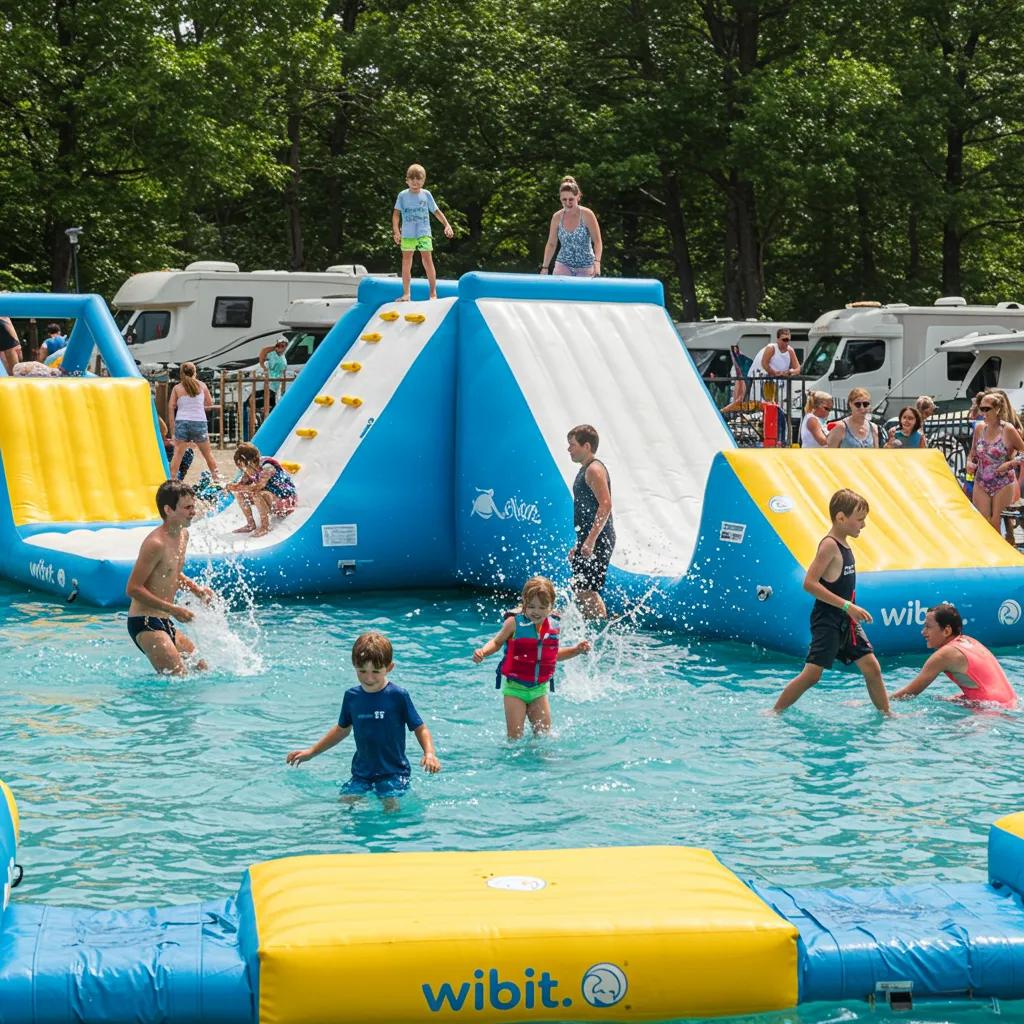
Campgrounds with on-site water attractions provide convenient, contained aquatic play spaces that lower transit time and increase supervision ease for families with young children. Water-park-equipped campgrounds often include inflatable courses, shallow splash areas, and nearby beaches, and families should prioritize sites with clear safety rules, lifeguards, and designated toddler zones. Below is a compact comparison of common water attractions and the safety features families should verify before visiting.
Campgrounds and water attractions can be compared by the safety features and age-appropriateness they offer:
This table helps families compare water options quickly and choose attractions matching their child’s comfort level. Understanding these differences guides packing (lifejackets, water shoes) and supervision planning for the stay.
What Activities Does the Wibit Water Park Offer for Children?
A Wibit inflatable water course combines climbing, balancing, and sliding elements that build motor skills while offering sensory-rich play for young children under close supervision. The course typically includes low obstacles and small slides that encourage confidence, while its inflatable nature reduces hard-impact injuries compared with rigid structures; lifejackets and adult spotters remain essential. For very young children, parents should assess recommended age ranges and stay in shallow adjacent areas or on the beach, transitioning to the Wibit as balance and swimming skills improve. Framing Wibit play as progressive skill-building helps parents set expectations and encourages safe, staged participation.
How Do Swimming Lakes and Water Attractions Enhance Family Camping?
Swimming lakes and natural beaches provide open-ended play and sensory exploration that pool-only sites may not, offering sand play, shallow wading, and gentle nature observation for toddlers and preschoolers. Lakes encourage cooperative family activities such as shore scavenger hunts and supervised wading, while lifejackets and defined swim zones preserve safety during free play. Natural settings also promote quiet exploration and sensory learning—feeling sand, spotting small fish, and watching river floats—complementing structured event programming. Combining lake access with supervised water features gives families flexible options for active and calm play throughout the day.
Which Kid-Friendly Activities and Events Are Available at Top Family Campgrounds?
Top family campgrounds mix daily low-key activities with periodic special events so young children stay engaged without overstimulation, creating a predictable rhythm that parents appreciate. Typical programming includes short crafts, story times, gentle nature walks, and scheduled splash sessions designed for limited attention spans and frequent rest breaks. Themed weekends and special events amplify the fun by providing memorable activities like mini-parades or costume contests appropriate for small children. The next subsections outline age-appropriate activity examples and explain how themed events enhance family bonding during a stay.
What Are the Best Age-Appropriate Activities for Young Children?
Age-appropriate activities should align with toddlers’ and preschoolers’ developmental stages, favoring short-duration, supervised, and sensory-rich experiences. For ages 0–3, recommended activities include supervised sand and water play, short stroller-friendly nature walks, and quiet story times that allow for naps and downtime. For ages 4–6, short scavenger hunts, simple craft stations, and beginner swim skills in shallow zones provide active learning with manageable attention demands. Grouping activities by age helps families plan daily schedules that balance stimulation with rest, improving overall enjoyment for both kids and caregivers.
Quick activity suggestions for young children:
- Short, guided nature scavenger hunts with picture checklists for toddlers.
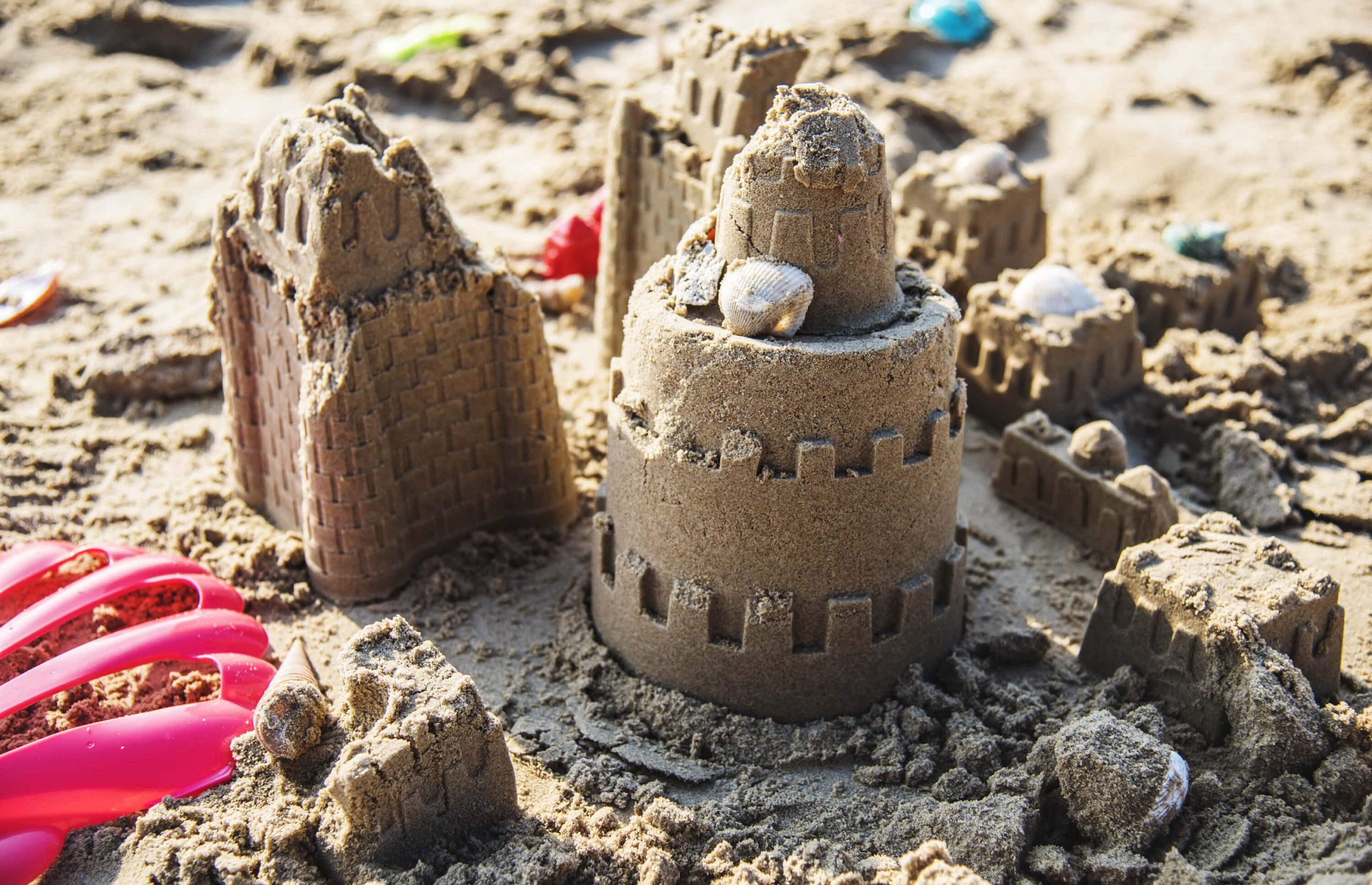
- Supervised sandcastle or beach-play sessions near shallow entry points.
- Craft corners with simple materials for 20–30 minute sessions.
These focused activities make days predictable and fun, helping parents maintain routines while encouraging discovery.
Research indicates that shared family experiences, such as camping, can significantly contribute to a child’s personal and social development.
Impact of Family Camping on Personal and Social Development
The impact of families camping together: Opportunities for personal and social development. Our research focused on the summer camping experience in 2012, in which 13 families participated.
The impact of families camping together: Opportunities for personal and social development, I Jirásek, 2012
Themed weekends add structure and novelty to a camping stay, offering shared experiences like family-friendly parades, costume days, or kids’ contests that create photo-ready memories and simple routines for young children. Events are typically scheduled during daylight hours to fit nap and meal schedules and often include safe, supervised activities tailored to small children’s energy levels. Preparing props or simple costumes beforehand and checking event timing helps families participate without stress. These events foster bonding across generations and give children small performance or participation moments that become the highlights of a trip.
What Accommodation Options Are Best for Families Camping with Young Children?
Choosing between RV sites, tent sites, and cabins depends on family needs for comfort, privacy, and logistics; each option supports different parenting priorities like proximity to rest areas, storage, or simplified sleeping arrangements. RV sites with hookups offer conveniences that reduce daily setup complexity, tent sites provide nature immersion in short, supervised stays, and cabins deliver bed-ready, lockable shelter ideal for younger kids who need predictable sleep spaces. The table below compares core accommodation attributes to help families select the best fit for their child’s age and family routines.
This comparison clarifies trade-offs and helps parents match lodging to their comfort and supervision needs, which informs packing and daily planning for a successful trip.
How Do RV Sites with Full Hookups Support Family Comfort?
RV sites with full hookups provide stability and creature comforts—electricity for refrigeration and heating, on-site water, and sewage connections—that simplify meal prep, storage of perishable snacks, and maintaining comfortable sleep environments for young children. These conveniences reduce time spent on campsite chores and increase time for supervised play, napping, and family meals, which is particularly helpful during multi-night stays. RV sites also create indoor-like spaces for quiet time while remaining right next to play areas, enabling quick transitions between child care and leisure. Families who prioritize routine and predictability often find full-hookup RV sites easiest for managing young children outdoors.
Why Choose Tent Sites or Cabins for a Family Camping Experience?
Tent sites are ideal for short, supervised outdoor exposure and encourage sensory play, while cabins minimize setup and offer immediate indoor shelter, stable beds, and doors that lock for security—useful with toddlers who wake at night. Tent camping works well for families comfortable with naps on-site and brief overnight stays, and parents should plan extra gear like padded sleeping systems and insect protection. Cabins suit parents who want the camping atmosphere without complex setups, providing easy meal times and predictable sleep routines. Selecting the right accommodation depends on how much hands-on setup parents want versus how much convenience they need for child routines.
How Can Families Easily Plan and Book Their Summer Camping Stay?
Booking a family-friendly campsite efficiently involves gathering basic information (dates, group size, accommodation type), checking amenity availability, and confirming reservation policies to avoid surprises. A simple step-by-step approach reduces booking friction and clarifies what to expect on arrival, which is especially helpful for families managing naps, car seats, and children’s schedules. Below is a practical checklist and a brief table of common booking offer types to guide planning and ensure families secure the best-fit site for their needs.
Follow these concise steps to plan and reserve a family camping stay:
- Choose preferred dates and identify accommodation type (RV, tent, cabin) to match family needs.
- Confirm amenities required (lifeguarded swim area, playgrounds, family bathrooms) to ensure child safety.
- Review reservation policies (deposit, cancellation) and any event schedules for themed weekends.
- Book early for popular summer weekends to hold spots near amenities.
These steps streamline planning and reduce last-minute stress, letting families focus on packing and activity preparation.
This table explains common booking structures so families know what to ask before finalizing reservations and can plan accordingly.
What Are the Typical Rates and Booking Options for Family Campgrounds?
Families should expect site-based fees that vary by accommodation type and season, with common models including nightly site rates, multi-night packages, and event weekend bundles; asking about deposits, cancellation policies, and what’s included prevents billing surprises. Many campgrounds adjust rates for peak summer weekends, so booking early secures preferred spots near amenities that matter for young children, such as shallow beach areas or close playground access. Confirming whether packages include event access or extra person fees helps families accurately budget. Clear questions at booking time simplify arrival and ensure the stay matches family expectations.
How Does Walnut Hills Facilitate Hassle-Free Online Reservations?
Walnut Hills Family Campground, operated by GatherGrounds Resorts in Durand, Michigan, lists RV sites, tent sites, and cabin rentals and supports families by offering an online reservation process and rate information to reduce phone wait times and hold preferred dates. The campground’s combination of family amenities—Wibit water park, swimming lake with beach, and Shiawassee River access—paired with renovated bathrooms and an on-site store makes it a practical option for parents who prefer to confirm details and reserve specific accommodation types in advance. Using online booking tools helps families compare available dates and plan around themed weekends, which streamlines arrival logistics and maximizes quality family time.
Frequently Asked Questions
What should families consider when choosing a campground for young children?
When selecting a campground for young children, families should prioritize safety, convenience, and engaging amenities. Look for campgrounds with clean, family-friendly bathrooms, shaded play areas, and lifeguarded swimming zones. Proximity to activities is also crucial, as it allows for easier supervision and less stress during transitions. Additionally, consider the availability of age-appropriate activities and the overall atmosphere of the campground to ensure it aligns with your family’s needs and preferences.
Are there specific safety measures families should look for at campgrounds?
Yes, families should check for several safety measures when choosing a campground. Look for lifeguarded swimming areas, clearly marked play zones, and well-maintained facilities. Ensure that playgrounds are fenced or have defined boundaries to keep children safe. Additionally, inquire about the presence of staff or volunteers who supervise activities, as this can enhance safety and provide peace of mind for parents while their children play.
What types of activities are typically offered for young children at campgrounds?
Campgrounds often provide a variety of activities tailored for young children, including supervised sand and water play, nature walks, and arts and crafts sessions. Many campgrounds also host themed weekends with special events like mini-parades or costume contests. These activities are designed to be short and engaging, allowing for frequent breaks and rest periods, which are essential for maintaining the energy levels of toddlers and preschoolers.
How can families prepare for a camping trip with young children?
Preparation is key for a successful camping trip with young children. Start by creating a packing list that includes essentials like diapers, snacks, and comfort items. Familiarize your children with camping activities and routines to set expectations. Plan a flexible schedule that accommodates naps and downtime, and consider bringing along outdoor toys or games to keep them entertained. Lastly, ensure you have safety gear, such as life jackets for water activities, to enhance their safety during the trip.
What are the benefits of themed weekends at family campgrounds?
Themed weekends at family campgrounds offer structured activities that enhance the camping experience for young children. These events create opportunities for family bonding through shared experiences, such as costume contests or themed crafts. They also provide a sense of routine, which can be comforting for young children. Additionally, themed weekends often include special programming that caters to various age groups, ensuring that all family members can participate and enjoy the festivities together.
How can families ensure they get the best rates when booking a campground?
To secure the best rates when booking a campground, families should plan ahead and book early, especially for popular summer weekends. Compare different accommodation types and inquire about any available packages, such as multi-night discounts or event weekend bundles. Always ask about cancellation policies and what amenities are included in the rate. By being proactive and informed, families can maximize their budget and ensure a memorable camping experience without unexpected costs.
Conclusion
Choosing the best family campgrounds in Michigan ensures a safe, enjoyable, and engaging experience for young children, allowing parents to relax while their kids explore. With essential amenities like clean bathrooms, supervised water play, and age-appropriate activities, families can create lasting memories without the usual camping stress. By following our practical planning tips and exploring options like Walnut Hills Family Campground, you can secure the perfect spot for your summer adventure. Start planning your family camping trip today and discover the joy of outdoor bonding!