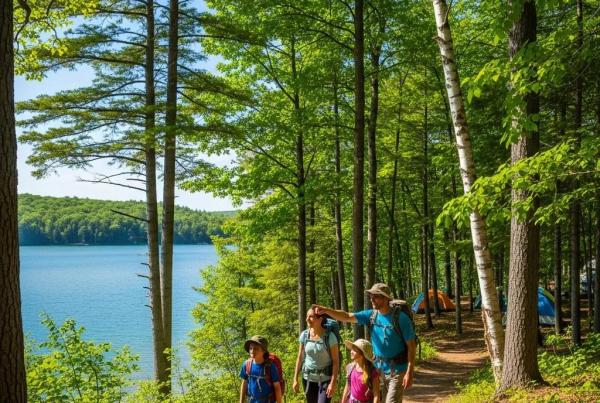
Why Michigan Campgrounds Make Ideal Bases for Hiking: Trails, Family-Friendly Camping, and Scenic Adventures
Michigan’s campgrounds are perfect launch points for hikers of every experience level — from short family nature strolls to multi-day backpacking trips. In this guide we explain how the state’s glacial terrain, connected state-park trail systems and close proximity to cities create standout hiking opportunities. You’ll also see how a campground can serve as a practical staging area for day hikes or overnight treks. We’ll cover trail choices, seasonal timing, wildlife to look for, and practical logistics for accessing major routes like the Waterloo‑Pinckney Trail. Along the way you’ll find family-friendly routes reachable from The Oaks Campground by GatherGrounds Resorts, packing and safety tips, plus mapped options for multi-day plans — all aimed at helping you plan a hiking-first camping trip in Michigan.
What Makes Michigan Campgrounds Ideal for Hiking Enthusiasts?
Michigan campgrounds set themselves apart because the region’s geology and public lands produce a wide range of trail experiences — lakeshore walks, kettle ponds, wetlands and gentle ridgelines — suitable for quick daytime outings and longer backpacking routes. State parks and recreation areas tie many of those trails together, so you can often step from your campsite onto a connected network like the Waterloo‑Pinckney Trail. Close drives from metropolitan areas make weekend trips realistic, and on-site amenities at many campgrounds — parking near trailheads, camp stores for last-minute supplies and RV hookups — reduce the hassle of staging. Put simply, these campgrounds help you spend more time on the trail and less time organizing the trip. That’s why searches for campgrounds with hiking trails in Michigan and Michigan hiking trails near campgrounds are so common with outdoorsy families and trail fans.
This section highlights three concise reasons Michigan campgrounds work so well for hikers:
- Close to varied ecosystems: trails span lakeshores, forest loops and wetland boardwalks.
- Linked trail systems: many campgrounds sit beside multi-use networks and public lands.
- Helpful amenities: on-site resupply, parking and family facilities make logistics easier.
Each point supports using a campsite as a basecamp, which naturally leads into how a specific property like The Oaks serves as a gateway to nearby trails.
How Does The Oaks Campground Serve as a Gateway to Premier Hiking Trails?

The Oaks Campground by GatherGrounds Resorts is designed as a family-friendly gateway to the Waterloo State Recreation Area and its surrounding trail networks. Sitting on roughly 160 acres, The Oaks offers both RV and tent sites so hikers can stage short section hikes or park for multi-day treks. Helpful on-site features include a camp store for resupply, a swimming lake and fishing pond for easy relaxation after a hike, and accessible parking for day-trip departures. Because The Oaks is close to the Waterloo‑Pinckney Trail, you can plan half-day or full-day loops that start and end at the campground — which keeps shuttle needs to a minimum. Booking a site at The Oaks gives you a practical base for trail access while offering the family comforts that make outdoor trips fun for everyone.
Which Amenities Support Hikers at Michigan Campgrounds?
A campground’s amenities can make or break a hiking trip by smoothing gear, food and vehicle logistics so you can focus on the trail. Key features for hiking-focused campers are potable water, restrooms, an on-site camp store, secure parking near trailheads and optional RV hookups for longer or weather-sensitive stays. The Oaks’ family-minded amenities — playgrounds, planned water-park features, golf-cart riding trails (marketed as easy nature walks) and themed weekend activities — support warm-up walks and short, low-impact outings for younger companions. Practical tips: refill water at the camp store before you leave, use designated trailhead lots to avoid congestion, and treat the campground as a shuttle staging area for one-way segments. Those small habits help you turn a comfortable campsite into a true trailhead resource.
Which Family-Friendly Hiking Trails Are Accessible from The Oaks Campground and Waterloo State Recreation Area?
Waterloo State Recreation Area and its nearby routes offer a range of easy-to-moderate loops and short hikes that are ideal for families. Trails here pass kettle lakes, boardwalked wetlands and mixed oak‑hickory woods — many sections are stroller-friendly and excellent for wildlife viewing. Packing basic safety items — water, sunscreen and a small first-aid kit — keeps outings pleasant, and mapping restroom and picnic locations ahead of time makes trips smoother with children. The table below summarizes family-friendly options so you can compare length, difficulty and standout features at a glance.
Intro to trail table: The table below lists family-oriented loops and short hikes accessible from The Oaks Campground and the adjacent Waterloo area to help you choose an outing based on distance and features.
This quick comparison highlights short, accessible routes that let families match outing length to attention spans and mobility. Pick one for a morning loop and save the afternoon for campground fun or a lakeside picnic.
What Easy Nature Walks and Golf Cart Riding Trails Are Available On-Site?
On-site nature routes can be perfect warm-ups or alternatives to a full hike, offering short, flat loops for less-mobile visitors and young kids. The Oaks features golf-cart riding trails laid out as easy nature walks — generally flat, well-marked and suited to relaxed exploration after setup. Safety reminders: keep speeds low around pedestrians, have life jackets handy near water, and plan 20–40 minute loops for younger children’s attention spans. A common morning plan pairs a 30-minute golf-cart loop, a playground visit and a midday swim — a simple schedule that keeps everyone happy without leaving the campground. These short routes are also great for teaching trail etiquette and spotting local plants and wildlife.
What Are the Features of Oak Woods Trail and Green Lake Loop for Families?
Oak Woods Trail and Green Lake Loop are both reliable family picks with different strengths. Oak Woods is compact and mostly flat — easy access to kettle ponds and shaded oak stands makes it ideal for very young hikers and quick turnarounds. Green Lake Loop is a bit longer, with lakeshore views and sandy stretches that appeal to older kids and birdwatchers. Both have manageable parking and trailhead access; just plan restroom and snack stops in advance to avoid mid-hike needs. Together they show how short loops and slightly longer circuits let families tailor outings to energy levels while enjoying classic Waterloo scenery.
How Can Campers Explore the Waterloo-Pinckney Trail from The Oaks Campground?

The Waterloo‑Pinckney Trail is made up of many segments that thread together state lands, offering everything from short day-hike sections to multi-day backpacking opportunities. Campers at nearby sites like The Oaks can use the campground as a staging area for section hikes or as a resupply point between longer days. Knowing segment mileage and difficulty helps you pick sections that match your time and experience, while mapping access points makes parking and overnight planning straightforward. Think of The Oaks as a hub for food, rest and recovery between hiking days — the on-site services make longer efforts more manageable. The table below ties common trail segments to nearby access points and overnight options to help you plan.
Intro to segment table: This table connects common Waterloo-Pinckney segments with the nearest trailheads and the overnight options that hikers typically use when planning section hikes from a campground base.
That mapping clarifies parking and overnight options so you can pair a morning section hike with an afternoon return to campground amenities for recovery and resupply.
What Are the Trail Segments, Lengths, and Difficulty Levels?
Segments on the Waterloo‑Pinckney Trail range from short connector links to long stretches for experienced backpackers. Typical day-hike sections span about 3–8 miles and are rated easy to moderate on well-kept trails; longer, continuous sections can hit double digits and demand backcountry skills and planning. Gear recommendations change with the segment: short, easy walks need supportive shoes and water; moderate-to-long days call for trail shoes, layered clothing, navigation aids and emergency gear. Match your section to experience and daylight to avoid late-night navigation — understanding difficulty helps with access and overnight planning.
Where Are the Access Points and Overnight Camping Options Along the Trail?
Access points along the Waterloo‑Pinckney Trail are clustered at marked trailheads with parking and signage; many provide day-use parking but limit overnight vehicle stays, so check local rules before leaving a car. Overnight options include designated backcountry campsites on longer stretches and developed campgrounds near trail junctions. Using a developed campground like The Oaks as your base simplifies logistics with secure parking, resupply and rest facilities. For multi-day treks, arrange shuttles between trailheads or plan looped segments that return to your starting point, and reserve developed sites ahead during busy seasons to lock in a reliable base. Mapping trailhead distances from the campground and confirming overnight permissions reduces uncertainty so you can focus on hiking.
What Other Michigan State Parks Offer Exceptional Hiking Near The Oaks Campground?
Beyond Waterloo, several state parks and recreation areas within a short drive offer distinct hiking flavors — dunes and lakeshores, rugged ridges and long-distance trail sections — letting campers add variety with day trips. Highlighting nearby parks helps you pick excursions by interest: photography, birding or more strenuous ridge hikes. The table below lists a few accessible parks, estimated drive times from The Oaks Campground, and each park’s standout hiking feature to help you plan day trips and build itineraries.
Intro to parks table: Use this table to identify complementary hiking destinations within a practical drive radius of The Oaks Campground for day trips that broaden your trail experiences.
Short drives like these expand your hiking options, letting you combine a comfortable campground base with varied single-day outings to different ecosystems. Pick parks with features that match your group — birding mornings, panoramic photo sessions or tougher ridge routes.
Which Nearby Parks Provide Diverse Hiking Experiences?
Nearby state parks offer different terrain for different goals: lakeshore and dune parks deliver open views and gentle walking, while inland recreation areas feature longer loops and ridge climbs for more challenge. Families often favor shorter lakeside circuits, while experienced hikers may pursue lengthy forested loops to test endurance. These nearby options pair well with an overnight at The Oaks, giving single-day variety without extra nights on the road.
How to Plan Day Trips to Top Michigan Hiking Destinations?
Good day-trip planning starts by matching trail length and difficulty to daylight and group ability, packing layered clothing, water, snacks, navigation tools and a basic first-aid kit. Start early on long days to beat afternoon storms and fading light, check seasonal trail conditions, and confirm parking fees or permit needs. Sample plans might pair a morning two-hour hike with an afternoon picnic and short interpretive walk, or schedule a full-day loop with breaks at overlooks and a late-afternoon return to camp. Allow time to resupply and rest at your campsite after a day trip so you’re refreshed for the next outing — that keeps multi-day family trips sustainable.
When Are the Best Times to Hike Michigan Trails from The Oaks Campground?
Season strongly affects trail conditions and experiences in Michigan. Spring brings wildflowers and muddy trails, summer offers lake access and long days, fall delivers peak foliage, and winter opens options for snowshoeing and quieter trails. Choose a season based on what you want to see — blooms, bird migrations or fall color — and plan for insects, daylight hours and changing weather. Use campground amenities to smooth seasonal challenges, like cooling off at the lake in summer or booking an RV hookup during cold snaps. The seasonal highlights below summarize the best windows for hiking and recommended packing choices.
This seasonal list outlines top highlights and considerations:
- Spring (April–June): Wildflowers and migratory birds; expect muddy stretches and bring traction as needed.
- Summer (June–August): Swimming and warm-weather hikes; plan for insects, sun protection and heat management.
- Fall (September–October): Peak foliage and crisp days; reserve early for popular weekends.
- Winter (December–March): Snowshoeing and peaceful trails; use insulated layers and check trail maintenance.
These seasonal notes help you decide when to visit and what gear to bring so your hikes are comfortable and safe.
What Seasonal Highlights Enhance Spring, Summer, Fall, and Winter Hiking?
Each season brings its own appeal: spring’s fleeting wildflowers and active wildlife, summer’s lake-side recreation and long daylight, fall’s vibrant foliage and cool hiking weather, and winter’s quiet, snowy landscapes for snowshoeing where allowed. Photographers often time visits for peak color, while families tend to prefer summer for easy water access and full amenities. Trail conditions can change quickly — wet springs can be muddy and early snow may close routes in late fall — so plan accordingly to match your trip goals with the season.
How to Prepare for Seasonal Hiking Adventures in Michigan?
Season-tailored prep improves safety and enjoyment: pack waterproof layers and traction devices for spring, sun protection and insect repellent for summer, warm layers for crisp fall mornings and insulated boots, gaiters and traction or snowshoes for winter. Layer clothing to handle temperature swings, carry extra water and electrolytes in warm months, and bring a map, headlamp and emergency blanket when daylight is short. The Oaks Campground’s camp store can fill last-minute needs, and reserving a site with electricity makes cold-season stays more comfortable. With the right prep, Michigan’s variable weather becomes part of the adventure.
What Wildlife and Natural Ecosystems Can Hikers Discover Near The Oaks Campground?
The Waterloo region and nearby parks host oak‑hickory forests, kettle lakes, wetlands and bog edges that support a wide variety of plants and animals. Hikers can expect migratory songbirds, waterfowl, small mammals and seasonal wildflowers on short walks from campground bases. Knowing where ecosystems concentrate certain species helps you target birding or flower-spotting, and respectful observation preserves habitat. Interpretive signs and local resources add context about glacial landforms and wetland ecology, which is great for families wanting to learn as they explore.
Which Flora and Fauna Are Commonly Seen on Local Trails?
On Waterloo-area trails you’ll often find waterfowl along lakeshores, songbird migrations in spring and fall, white-tailed deer and small mammals in shaded woods, and spring wildflowers in open meadows. Plant communities include oak-hickory stands, emergent wetland vegetation and bog species in low areas. Birdwatchers should scan lakes at dawn, and families can look for tracks or other signs along forest edges. Always observe wildlife from a distance, avoid disturbing habitats and use binoculars for close views without intruding.
What Interpretive Nature Walks and Ecosystem Features Are Available?
Many state recreation areas offer self-guided interpretive loops with educational signage about wetland dynamics, glacial kettles and native plants. These compact routes are ideal for families and school groups interested in short, informative walks. Use interpretive stops to focus on a topic — wetland ecology or glacial geology — and pair them with online resources from state natural-resource agencies for deeper learning. Families can turn interpretive points into simple activities like tree identification or pond-life spotting from boardwalks. These elements add meaning to a hike and encourage stewardship of local ecosystems.
Reserve your campsite at The Oaks Campground by GatherGrounds Resorts to simplify logistics for hiking excursions and to take advantage of on-site amenities for resupply, rest and family recreation. The Oaks offers an accessible, family-focused base that complements nearby trail systems and delivers practical conveniences — camp store, RV and tent sites, and easy parking — so you can spend your time enjoying trails rather than managing details. Staying near Waterloo State Recreation Area and the Waterloo‑Pinckney Trail turns regional trail variety into hands-on day trips and multi-day adventures tailored to your group.
Frequently Asked Questions
What types of wildlife can hikers expect to see near The Oaks Campground?
Near The Oaks you’ll commonly see migratory songbirds, waterfowl, white-tailed deer and small mammals. The mix of oak‑hickory forest, kettle ponds and wetlands supports these species. Spring and fall migrations are prime times for birdwatching, and families often spot tracks or other signs on forest edges. Always observe wildlife from a respectful distance and use binoculars for a closer look without disturbing habitats.
Are there any guided hiking tours available in the area?
Yes — local organizations and parks often run guided hikes in the Waterloo region. Guided outings are great for families and newer hikers who want expert insight into plants, wildlife and geology. Check with The Oaks Campground or nearby visitor centers for current schedules, availability and any fees.
What should I pack for a day hike in Michigan?
Pack season-appropriate gear: water, snacks, a small first-aid kit, sunscreen and insect repellent. Bring layered clothing, a hat and a rain jacket if the forecast calls for changeable weather. Supportive footwear and a map or GPS device are important, too. Always check weather and trail conditions before you head out.
How can I ensure a safe hiking experience for my family?
Choose trails that fit your group’s abilities, and pack essentials like water, snacks, a first-aid kit and a map. Plan restroom and snack breaks, especially for young children, and teach basic trail etiquette — stay on marked paths and respect wildlife. Watch the weather and be ready to change plans if conditions worsen.
What are the best practices for hiking with children?
Pick shorter, easy trails to match kids’ energy. Schedule frequent breaks, bring snacks and make the hike fun with nature games or a scavenger hunt. Teach simple safety rules, ensure proper footwear and keep a flexible schedule to match their pace and interests.
What amenities are available at The Oaks Campground for hikers?
The Oaks offers potable water, restrooms and a camp store for last-minute supplies. There’s convenient parking near trail access and family amenities like playgrounds and swimming areas for post-hike relaxation. These services help make The Oaks a comfortable home base for your hiking plans.
Conclusion
Using Michigan campgrounds as your hiking base opens up a wide range of trails and family-friendly conveniences that make outdoor adventures easier and more enjoyable. The Oaks Campground, close to the Waterloo‑Pinckney Trail and equipped with practical facilities, helps simplify logistics so you can focus on the fun parts of hiking. Plan your next trip to this scenic region, reserve your campsite, and get ready to make memories on the trail.