Top Reasons to Choose Fishing Campgrounds Near Waterloo, Michigan for Family Outdoor Adventures
Picking a family-friendly fishing campground near Waterloo State Recreation Area starts with knowing what makes a visit simple, safe, and fun for everyone — from little anglers to grandparents. This guide explains why being close to Waterloo helps, how on-site stocked ponds and nearby lakes widen your options, and which family-focused amenities cut setup time so parents spend more minutes fishing and less time troubleshooting. You’ll get practical RV setup tips, seasonal fishing pointers, and activity ideas that balance child-centered play with productive angling. Each section walks through the main decision points — safety, species, access, and scheduling — so you can plan weekend getaways from Detroit, Ann Arbor, Jackson, and beyond with confidence. We’ll also use helpful search phrases like campgrounds with fishing near Waterloo park, family fishing near Waterloo State Recreation Area, and RV camping with fishing near Waterloo to make comparing sites easier.
What Makes The Oaks Campground the Best Fishing Destination Near Waterloo?
A great family fishing spot combines easy water access, stocked fish that are good for beginners, and on-site services that remove common hassles. The best campgrounds offer shallow, walkable shorelines, visible fish activity to keep kids engaged, and practical supports like bait sales, cleaning stations, and comfortable places to rest between casts. Those features help new anglers catch more often while keeping the relaxed pace family trips need — so short weekend stays feel productive, not rushed. Below are the main reasons families choose campgrounds near Waterloo for fishing-focused getaways and what to prioritize when you compare options.
Top reasons families pick a fishing campground near Waterloo:
- Accessible, stocked water: Shallow, kid-safe shorelines and stocked ponds make learning to fish easier.
- On-site conveniences: Camp stores, pavilions, and gear support cut down what you need to pack.
- Proximity to diverse lakes: Close access to Waterloo’s lakes gives you more species and trip choices.
- Family amenities: Playgrounds and swimming areas keep non-anglers happy while others fish.
All of these make our next point practical: The Oaks Campground by GatherGrounds features a stocked fishing pond plus family-friendly amenities, so it’s a solid pick for families looking for fishing campgrounds near Waterloo State Recreation Area. The section that follows explains how a stocked pond is set up to help beginners succeed.
How Does Our Stocked Fishing Pond Cater to Families and Beginners?
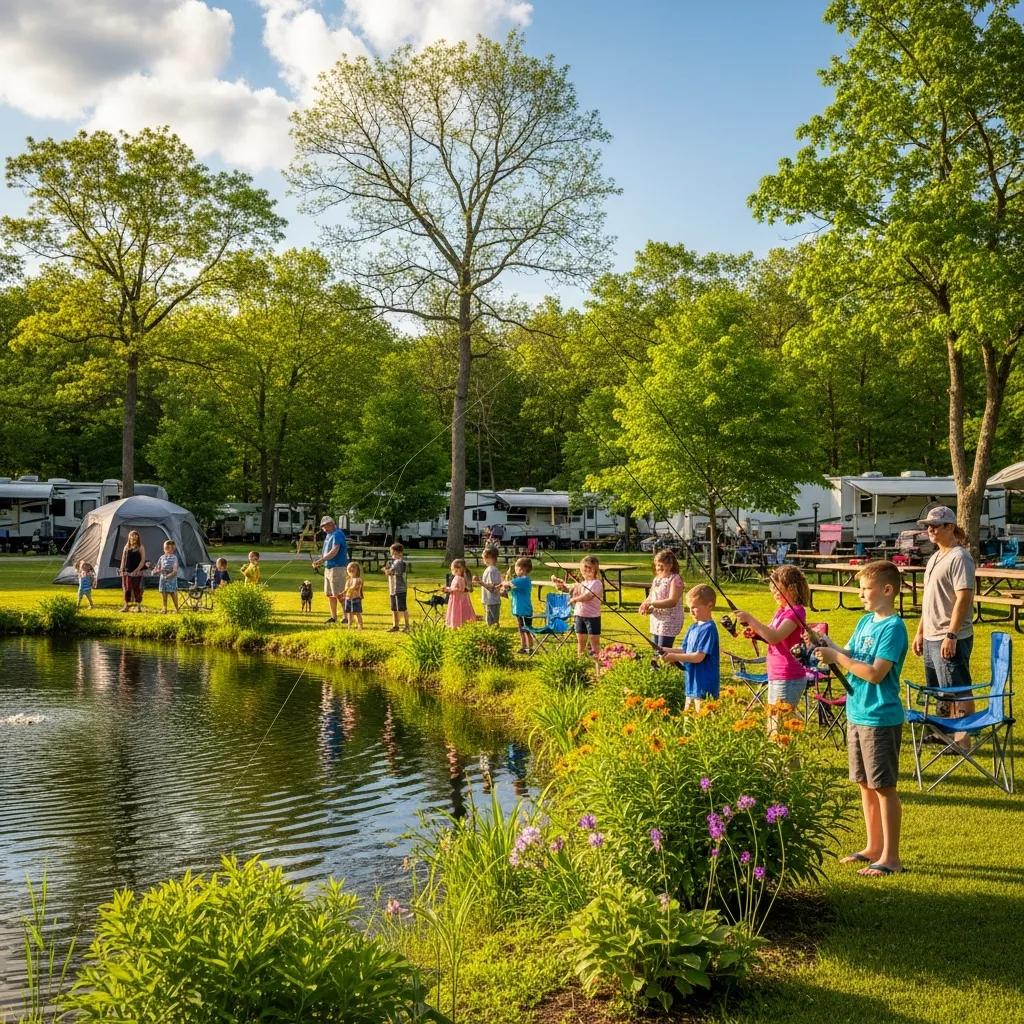
Our stocked pond is arranged to give beginners quick wins: we select forgiving species, keep banks shallow and easy to monitor, and manage fish populations so bites are reasonably consistent. Family-friendly fish like bluegill and largemouth bass take well to simple tackle and teach rod control without long dry spells. Shallow edges and multiple access points reduce safety concerns and let several kids cast at once. For most families, light rods, bobbers, and basic live or artificial bait deliver the best early results — fast feedback keeps interest high while kids learn the basics. These beginner-focused features tie directly into the on-site supports that make a full day of fishing and family play comfortable.
Before you go, compare the pond’s features in the table below to see how they support family fishing success.
This table highlights why a stocked pond often leads to faster learning and higher family satisfaction than remote, unstocked waters. Next, we’ll look at the additional amenities that make the day easier and more fun.
What Unique Amenities Enhance Your Fishing Experience at The Oaks?

Amenities that directly support fishing trips turn a good pond into a great family outing by adding convenience, safety, and options for everyone. A camp store with basic tackle and bait saves last-minute runs to town, pavilions and picnic spaces provide a comfortable base for meals and gear, and cleaning stations simplify handling catches for families without extra equipment. Playgrounds, golf cart trails, and a swimming lake keep non-anglers entertained so adults can rotate fishing duties without missing family time. Those conveniences mean more time on the water and fewer logistics headaches—especially helpful for short weekend stays and first-time anglers.
To compare these amenities quickly, the table below highlights the site-level supports families value most.
Choosing a campground with these targeted supports trades travel complexity for more productive fishing time, which makes planning day trips to nearby Waterloo lakes easier.
Why Is Proximity to Waterloo State Recreation Area Ideal for Fishing Campers?
Being close to Waterloo State Recreation Area gives campers access to a patchwork of lakes, wetlands, and trails that expand fishing options while keeping a single campground as your home base. That proximity lets families switch between shore fishing, small-boat access, and quiet coves without moving campsites, adding variety and learning opportunities to each stay. The nearby trails and birding spots also give non-anglers things to do, balancing time off the water for mixed-interest groups. Below are quick benefits that explain why location matters and how to use a nearby campground as a springboard into the larger park.
Proximity benefits of camping near Waterloo:
- Multiple fishing environments: Ponds, inland lakes, and river edges within easy reach.
- Activity variety: Trails and paddling give non-anglers options between fishing sessions.
- Reduced travel time: More fishing minutes per day thanks to short drives.
These advantages make a nearby campground an efficient hub for multi-day family adventures. The next section lists lake types around Waterloo that extend your angling options.
Which Nearby Lakes Offer Additional Fishing Opportunities?
Waterloo State Recreation Area includes several lakes that offer different fishing experiences — shoreline bass action, panfish-rich coves, and boat-access zones. Many nearby lakes are within a short drive of adjacent campgrounds and provide varied shore access for family day trips. When planning an excursion from your campsite, check shore access points, pack appropriate gear for your target species, and choose safe launch areas for small boats or shore fishing. Families should favor lakes with easy parking and gentle banks when traveling with young children to combine fishing and nature exploration comfortably.
Here are lake types and family-friendly features to look for when moving from an on-site pond to a larger body of water:
- Shoreline lakes: Gentle banks where kids can cast safely and learn.
- Cove-rich lakes: Sheltered pockets that often hold panfish.
- Boat-access lakes: Better for boats or canoes — great for older kids and adults.
Knowing which lake type matches your family’s skills and safety needs helps you plan half-day trips that complement on-site fishing without sacrificing comfort. Next, we’ll cover trails and wildlife experiences that pair well with fishing outings.
How Can Campers Explore Trails and Wildlife Around Waterloo?
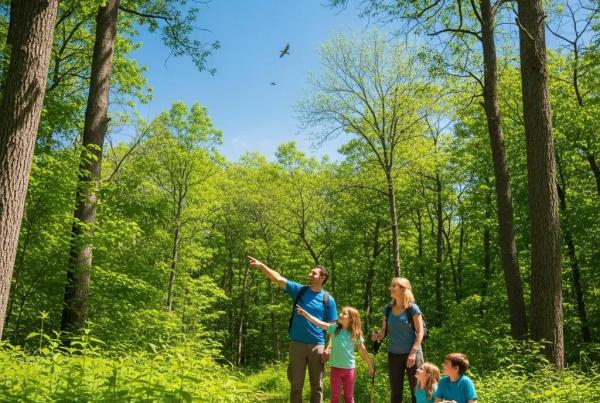
Trails near Waterloo offer short, family-friendly hikes that pair well with fishing stops, giving families chances to spot wildlife between casts. Look for loop trails rated easy to moderate with boardwalks or viewpoints where children can safely watch birds and frogs before heading back to the pond. Wildlife viewing — songbirds, waterfowl, and small mammals — adds a great educational element and helps keep tired kids engaged. Pairing brief hikes with morning or late-afternoon fishing creates a daily rhythm that balances activity and rest for all ages.
When combining hikes and fishing, bring binoculars, a simple field guide, and plan timing so fishing lines up with prime activity windows — this approach boosts enjoyment across both activities.
How Does The Oaks Campground Provide Convenient Access for Metro Area Campers?
Campgrounds within an easy drive of metro areas turn weekend trips from a big production into an achievable family habit, increasing trip frequency and cutting planning stress. The Oaks Campground, in Munith, Michigan and next to Waterloo State Recreation Area, is a convenient option for families from Detroit, Ann Arbor, and Jackson who want quick nature escapes. Shorter drives mean later departures and earlier fishing starts — a real advantage for families juggling school and work. Below are practical reasons why proximity to population centers matters and how a nearby campground streamlines logistics and on-water time.
To illustrate commuter-friendly benefits, consider these points:
- Time savings: Short drives let you arrive the same day and enjoy longer fishing windows.
- Lower travel cost: Less fuel and fewer expenses for frequent weekend trips.
- Flexible scheduling: Easier to plan one- or two-night trips that fit busy family calendars.
Those conveniences encourage repeat visits and reduce the friction that can keep families from getting outdoors. Next, we offer sample short-stay itineraries.
Why Is The Oaks a Stress-Free Choice for Detroit, Ann Arbor, and Jackson Residents?
For metro-area families, a stress-free campground minimizes prep while maximizing relaxation and activities. The Oaks’ on-site amenities and its proximity to Waterloo deliver just that. A typical one- or two-night stay might include an afternoon arrival and quick gear check, a morning pond session for kids, an afternoon hike or swim, and an evening pavilion cookout — all without long drives or complicated transfers. Short itineraries lighten planning load and make it easy for parents to rotate duties while kids try new skills. Those logistics make families more likely to return and build traditions without long lead times.
Seeing how short drives translate into more time fishing helps explain why nearby campgrounds are a favorite for repeat family outings.
What Are the Benefits of Shorter Drives to Quality Fishing Campgrounds?
Shorter drives bring clear benefits: more frequent trips, less stress, and safer travel with children. Less road time reduces fatigue, gives flexible departure windows for spontaneous trips, and makes it simpler to transport bulky items like rods, coolers, and small boats. Financially, shorter drives lower fuel and incidental costs, making regular weekend camping more affordable. Mentally, reduced planning friction encourages families to get outside more often, which helps novice anglers build skills faster and strengthens intergenerational bonds around fishing and nature.
These practical benefits make proximity an important factor when choosing a fishing campground. Next, we’ll look at family-centered activities that expand a multi-day stay beyond fishing.
What Family-Friendly Activities Complement Fishing at The Oaks Campground?
A strong family campground pairs productive fishing with activities that entertain non-anglers and let anglers recharge. The Oaks offers amenities — playgrounds, a swimming lake (with a Wibit water park planned for 2025), golf cart trails, and pavilions — that give mixed-age groups options throughout the day. Scheduling activities around fishing shifts lets every family member pursue preferred pastimes without conflict. The variety also creates moments to teach kids about aquatic ecology and conservation while keeping the focus on shared outdoor experiences.
Below are common complementary activities families use to structure balanced days at a fishing campground:
- Morning fishing sessions followed by afternoon swims to cool off.
- Playground time while adults prep a picnic or clean fish.
- Short trail walks between fishing spots to observe wildlife and stretch legs.
These activities raise overall satisfaction and make it easier to enjoy longer stays with varying interests. The next section explains how the swimming lake and playgrounds boost family fun.
How Do Swimming Lakes and Playgrounds Enhance Family Fun?
Swimming lakes and playgrounds turn a fishing trip into a fuller family getaway by offering reliable alternatives when kids need a break from casting. A simple schedule — fish in the cooler morning hours, swim or play during warm afternoons — helps manage energy and keeps younger children engaged. Safety features, supervised swim times, and shaded pavilions increase comfort and lower parental stress, so adults can swap fishing turns without worrying. These amenities also reduce the need to drive off-site for entertainment and let families keep gear centralized at their campsite.
By coordinating fishing and play times, families create predictable rhythms that make each day satisfying for anglers and non-anglers alike. The next section highlights weekend events and trail options that add even more family engagement.
What Weekend Events and Trails Are Available for All Ages?
Many family-focused campgrounds offer weekend programs like fishing derbies, guided nature walks, and kid crafts that complement independent angling and ease the planning load for parents. Trails suited to families typically include short loops with interpretive signs, easy grades, and wildlife viewing spots — perfect for pairing brief hikes with fishing breaks. Event schedules change by season, so families benefit from checking posted activities on arrival and planning flexible windows around peak fishing times.
These options encourage participation across ages and introduce new anglers to local species and basic conservation practices. Regular events and easy trails add community and structure to a campground stay, increasing its overall value beyond fishing alone.
How Can RV Campers Maximize Their Fishing Trips Near Waterloo?
RV campers planning fishing-focused trips should prioritize site selection, gear organization, and on-site services that cut setup time and protect equipment. Pick an RV site with full hookups, convenient access to the pond, and room for fish-friendly gear — boats, trailers, or golf carts — to make transitions smoother. An organized packing plan keeps rods, tackle, and bait ready for quick launches and ensures cleaning and refrigeration are handled without affecting living spaces. Below is a handy checklist to help RV families boost comfort and fishing productivity on short stays.
RV checklist for fishing trips:
- Choose full-hookup sites near the pond or main amenities to shorten transitions.
- Organize gear by readiness: day bag, cleaning kit, and secure rod storage.
- Plan waste and water logistics: bring containers for fish cleaning and reliable coolers.
These steps simplify daily routines and lower the mental load of managing family needs. Next we’ll review RV amenities that support comfortable fishing vacations.
What RV Amenities Support Comfortable Fishing Vacations?
RV anglers get the most from sites with full hookups, level pads long enough for trailers, and nearby dump and water-fill stations for quick turnarounds. Full hookups — electric, water, and sewer — let families keep bait and catches chilled, run onboard climate controls, and use comforts without constant trips to shared facilities. Sites close to the pond cut down on gear hauling and make early-morning fishing sessions feasible for kids. On-site camp stores and shower buildings further lower barriers to comfortable stays so families can travel lighter and focus on fishing.
To help RV campers compare site types, the table below lays out common options and how they affect anglers.
Picking the right site type affects daily fishing efficiency and family comfort, and that naturally leads into setup tips for gear and campsite organization.
Are There Tips for Setting Up Fishing Gear at RV Sites?
Efficient gear setup starts with a dedicated “fishing station” that keeps rods, bait, and cleaning tools separate from living spaces. Use vertical rod racks or simple holders to avoid breakage, and store bait in sealed coolers inside the RV to prevent pests and smells. A portable cleaning kit and disposable gloves make post-catch work cleaner at shared stations, and a small first-aid kit handles minor cuts or hook incidents quickly. Plan safety measures — store sharp items out of children’s reach and supervise casting near shorelines — so fishing stays fun and low-risk for every family member.
These practical steps protect RV comfort and make repeat fishing outings quicker and easier, preparing families for the seasonal changes described in the next section.
What Seasonal Fishing Opportunities and Tips Should Campers Know at The Oaks?

Seasonal patterns determine which species are most active, the best times of day to fish, and what gear families should prioritize. Spring often brings increased shallow-water activity as fish move to feed and spawn — a great time for panfish and early bass strikes. Summer offers long daylight hours with productive early-morning and late-evening windows, while fall can deliver strong feeding periods as fish prepare for cooler months. Being aware of these rhythms, and dressing for the weather, helps boost catch rates and family comfort. The sections below list likely species and offer quick tips to help families plan.
Which Fish Species Are Available Throughout the Year?
In stocked ponds and nearby Waterloo lakes, you’ll commonly find bluegill, largemouth bass, and other panfish that perform well across seasons and suit beginner anglers. Bluegill bite readily in warm months along shallow, vegetated edges; bass often respond to topwater lures in spring and early fall. Seasonal behavior matters: spawning pushes fish into shallow water in spring, summer concentrates activity into cooler hours, and fall increases feeding before winter slows things down. Always check Michigan Department of Natural Resources regulations for limits and rules; understanding species cycles helps you pick the best times and gear for productive family outings.
These species and seasonal trends guide simple gear and schedule choices. The next section condenses those ideas into practical tips for family success.
What Are Expert Tips for Successful Family Fishing Adventures?
Simple, experience-based strategies make fishing with kids more fun and productive: keep sessions short, rotate tasks, and turn the day into a light-hearted game with age-appropriate goals. Use light rods, bobbers, and live bait for quick feedback, and bring shade, water, and snacks to keep energy up between bites. Teach catch-and-release early and model safe handling to protect the fishery and pass on stewardship. Pack a basic repair kit — extra line, a small tackle selection, pliers, and a cooler — to handle common hiccups without interrupting the day. Pair these tips with seasonal timing and you’ll build repeatable, rewarding family traditions around fishing.
When you’re ready to book a family-friendly, fishing-focused campsite, consider The Oaks Campground by GatherGrounds as a nearby base for exploring Waterloo’s lakes and trails; reservations and RV site options are available through the campground’s reservation channels.
Frequently Asked Questions
What should families consider when choosing a fishing campground?
Focus on accessibility, safety, and practical amenities. Look for campgrounds with shallow, stocked ponds that are easy for kids to use and supervise. Check for on-site conveniences like bait and tackle, cleaning stations, and recreational facilities. Nearby lakes and rivers add variety, and family-friendly features such as playgrounds and picnic areas keep non-anglers entertained.
How can families ensure a successful fishing trip with children?
Keep trips short and engaging. Use light tackle and simple bait for fast results, rotate responsibilities so everyone stays involved, and set small goals to keep things fun. Bring snacks, water, shade, and a first-aid kit. Teaching catch-and-release and safe gear handling helps kids learn respect for the outdoors.
What types of fish can families expect to catch in the area?
Expect bluegill, largemouth bass, and other panfish in stocked ponds and nearby lakes — species that are beginner-friendly and bite frequently. Seasonal patterns affect activity: bluegill are often more active in warm months, while bass can be more responsive in spring and fall. Always confirm current regulations with the Michigan Department of Natural Resources.
Are there any safety tips for fishing with children?
Supervise kids closely around water and use life jackets for young children when boats or deeper water are involved. Teach safe handling of hooks and sharp tools, set clear boundaries for play areas, and keep a first-aid kit handy. Make sure everyone stays hydrated and protected from sun exposure.
What are some recommended activities for non-anglers at the campground?
Playgrounds and swimming areas give children reliable entertainment, while nature trails support wildlife viewing and short family hikes. Simple crafts or group games at the pavilion can engage non-anglers, letting everyone enjoy the trip even when they’re not fishing.
How can families maximize their time at the campground?
Plan a flexible itinerary that balances fishing with other activities. Arrive early when possible, schedule breaks for swimming or hiking, and organize gear for quick starts. Use on-site amenities like cleaning stations and camp stores to cut downtime, and join campground events to add structure and memories to your stay.
Conclusion
Choosing a fishing campground near Waterloo, Michigan gives families access to easy fishing, helpful amenities, and varied outdoor activities that make trips enjoyable for every age. The Oaks Campground combines a stocked pond with family-focused facilities, creating a practical, low-stress base for exploring Waterloo’s lakes and trails. With a little planning, you can build memorable family traditions, teach new skills, and spend more time outside together. Explore our campground options today and start planning your next outdoor adventure.