
Discover Family-Friendly Campgrounds in Your Area: Top Michigan Spots & Kids’ Activities
Family-friendly campgrounds are specially designed outdoor havens built to make stays for families of all ages safe, easy, and unforgettable. They blend kid-focused amenities with comfortable lodging. This guide dives into how these campgrounds boost family connection, support your child’s growth, and cut down on planning stress for parents, especially for Michigan families seeking the best spots nearby. You’ll learn the key perks of family-first facilities, the activities that create cherished memories, how to pick the right local options, the proven health and developmental benefits of camping, and practical tips for a smooth family getaway. Many parents find it tough to balance safety, fun, and comfort when picking a camping spot. This guide offers clear criteria, packing lists, and comparison tools to simplify your choice. We’ll highlight local Michigan examples and features, like water attractions and lodging types, so you can easily compare options and decide if a family campground is your perfect vacation fit.
Why Family-Friendly Campgrounds Are Your Family’s Best Bet
Family-friendly campgrounds put safety, engaging activities, and age-appropriate facilities front and center, making group trips smoother and more rewarding. It’s simple: curated amenities and planned activities lighten the load and boost chances for shared fun, leading to stronger bonds and less worry for parents. This setup means predictable routines, built-in entertainment for kids, and amenities that let parents unwind while the children play, all adding up to happier family memories. Understanding these advantages helps families pinpoint key features when searching for the best family campgrounds near me and prepares them to choose lodging that truly fits their needs.
Family campgrounds enhance togetherness through shared activities and quality time free from distractions, strengthening relationships. Working together on tasks and playing games creates small, repeatable traditions that families remember long after the trip. Recent surveys on outdoor recreation show that families feel more satisfied when their trips include planned activities and safe play areas. Grasping these bonding principles leads us to the next important point: why specific child-focused amenities are vital for daily comfort and safety.
Benefits of Family Camping for Child Development and Bonding
Our findings indicated that the children focused on four areas of the camping experience: the natural environment, the campsite itself, the activities undertaken, and the social interactions with family and friends. These authors discuss the benefits of camping for development and bonding within the family.
The impact of families camping together: Opportunities for personal and social development, I Jirásek, 2017
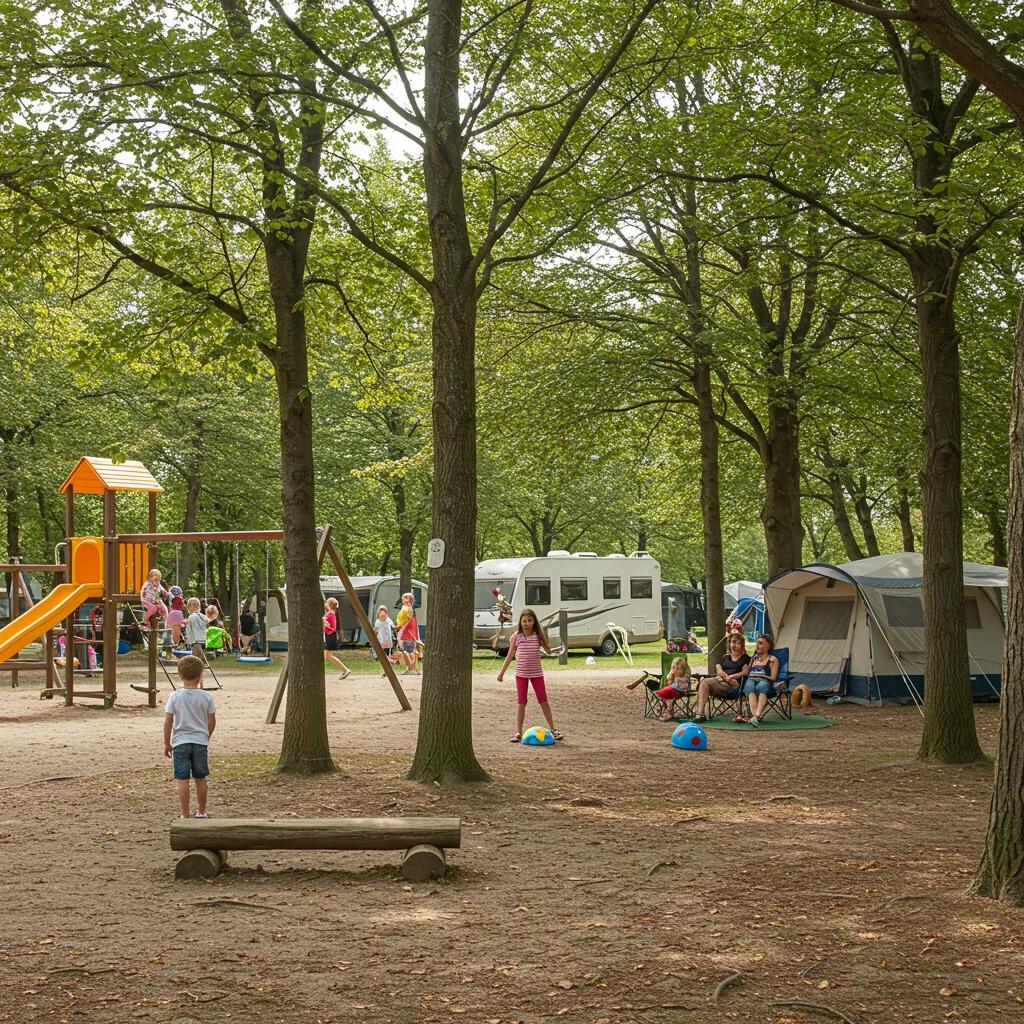
Child-focused amenities reduce the need for extensive preparation and offer safe, engaging options for kids, lessening the burden on parents while boosting fun. Playgrounds, supervised swimming areas, clean restrooms with showers, and organized events allow parents to relax and participate more, rather than constantly managing logistics. When amenities are suitable for the age group and well-kept, parents can pack lighter and enjoy longer, more frequent stays. These practical advantages make checking amenities a must when evaluating campgrounds.
The best accommodation types for families depend on your goals, comfort preferences, and children’s ages, but each main category offers unique benefits. To help families decide, the table below compares RV sites, tent sites, and cabin rentals based on comfort, space, essential amenities, and ideal family scenarios. This comparison clarifies which lodging option best matches your priorities and family size.
This table compares common family lodging options and highlights who benefits most from each choice.
These comparisons make it easier to select the right lodging for your objectives and explain why many families opt for cabins or RVs when convenience is a top priority. Choosing the right accommodation reduces stress and allows the family to focus on activities and connection.
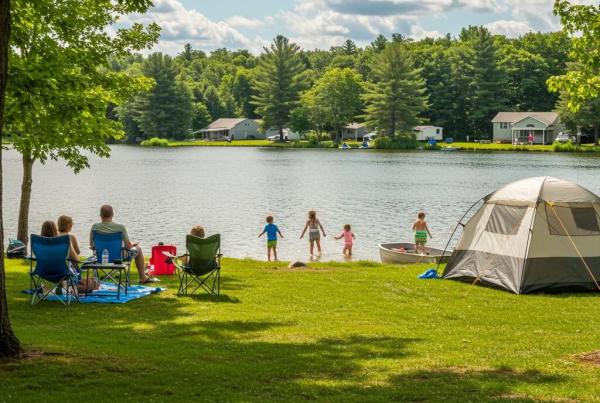
After reviewing the general benefits, families can also explore real-world examples that deliver these amenities. Walnut Hills Family Campground, part of the GatherGrounds Resorts family, is a Michigan property showcasing a wide range of family-oriented features and demonstrating how amenities translate into a superior stay. Walnut Hills boasts a Wibit water park, a swimming lake with beach access, multiple playgrounds, updated bathrooms and showers, sports courts, and both cabin and RV options, illustrating these amenities in action. Consider checking reservation availability and event schedules at local family campgrounds like Walnut Hills when planning your visit to align with weekend family programming.
How Do Family Campgrounds Foster Bonding and Child Development?
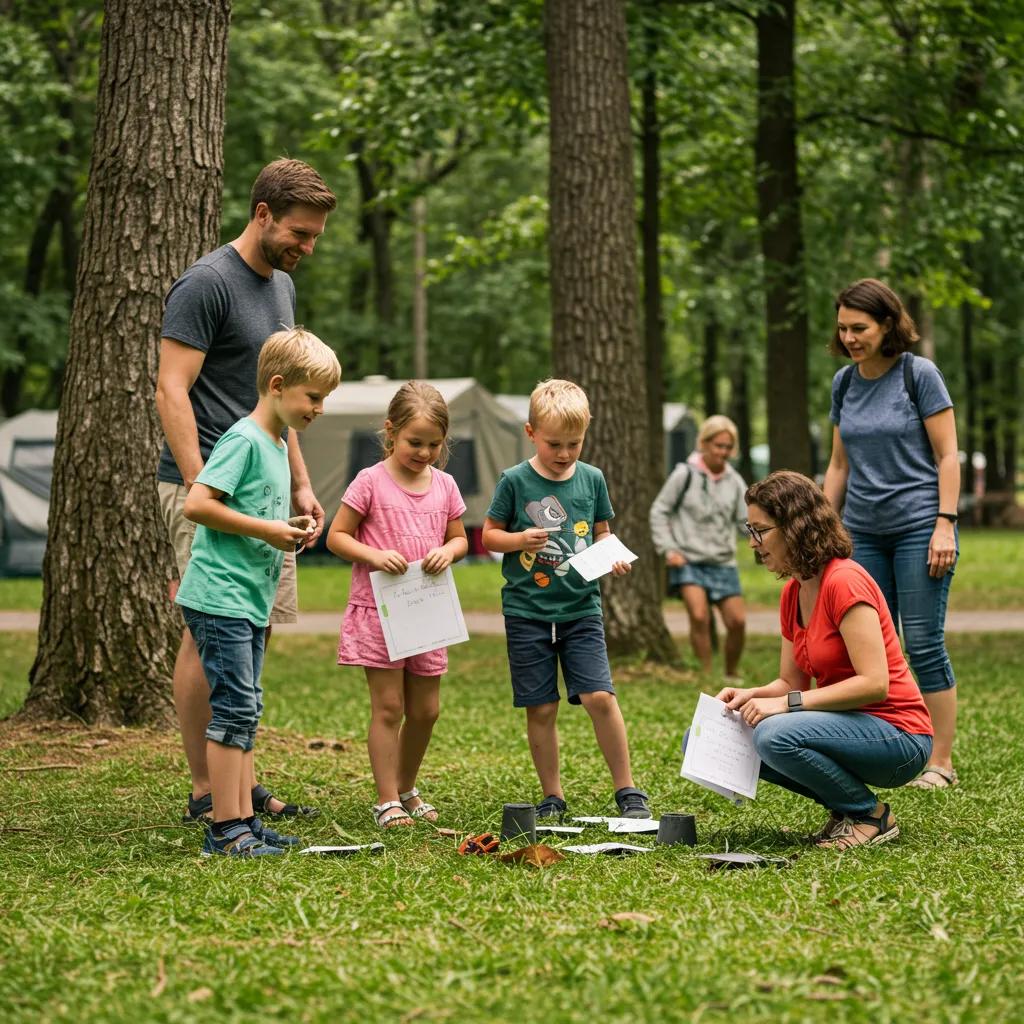
Family campgrounds promote bonding and child development by creating shared environments with fewer distractions, where families can play, solve problems, and build routines together. Group activities and small challenges—like scavenger hunts on trails or cooperative games—encourage communication and teamwork among siblings and parents. Outdoor play supports physical development, social skills, and emotional resilience through managed risks and peer interactions. Recognizing these developmental pathways helps families choose activities suited to their children’s ages and plan trips that intentionally nurture growth through experience.
Why Are Kid-Focused Amenities Crucial at Family Campgrounds?
Amenities designed for children are essential because they reduce the workload for parents and provide safe, engaging outlets for kids’ energy and curiosity. Features like secure playgrounds, supervised swim areas, and nearby restrooms minimize interruptions and help families maintain routines such as naps and meals. Age-specific programming keeps children entertained and supports parents who want downtime without sacrificing enjoyment. Knowing which amenities are most important makes it easier to vet local sites and ensures the trip supports both fun and comfort.
What Types of Accommodations Are Best for Families?
Families typically choose between RV sites, tent sites, and family cabins based on their comfort needs, packing capacity, and the ages of their children. RV sites offer hookups and familiar facilities that simplify meal preparation and nighttime routines, making them ideal for families with infants or children who thrive on predictability. Tent sites provide a more immersive nature experience for families seeking a rustic adventure and budget-friendly option. Family cabins and glamping options require less setup, secure belongings, and offer climate-controlled sleeping spaces that benefit both parents and young children. These accommodation choices align with common family priorities: convenience, immersion, or affordability.
Which Family Camping Activities Create Lasting Memories?
Family campgrounds offer activities that combine novelty, cooperation, and safe challenges to create memorable shared experiences. The principle is straightforward: both structured and free-play activities generate emotional engagement and shared stories that families will recount later, strengthening their bonds. Activities that involve mild risk, teamwork, and sensory novelty—such as water play, river floats, and themed events—tend to create the most vivid memories for both children and adults. Understanding which activities offer the most benefits helps families prioritize their time during their stay and plan for necessary gear or supervision.
Popular outdoor activities at family campgrounds are diverse and cater to a wide range of ages and interests. Short nature walks, playground time, and sports courts allow children to safely explore movement and social play. Nature-focused activities like scavenger hunts encourage curiosity and observational skills in younger children. Below is a brief list of top outdoor activity types families should look for and why they are important.
- Nature walks and scavenger hunts: Foster curiosity and observational skills in young children.
- Playground and sports courts: Offer opportunities for unstructured physical play and social skill development.
- Organized nature programs: Teach basic ecology and create shared learning moments.
Co-Created Camping Experiences Enhance Family Cohesion and Resilience
The results indicate that co-created camping experiences have a positive influence on family cohesion, place identity, and resilience. Moreover, campers’ place identity has a positive influence on family cohesion and resilience. Furthermore, the study highlights the importance of shared activities and decision-making in fostering these positive outcomes.
Unveiling the dynamics of co-created camping experiences: Influence of co-production on family cohesion and resilience via place identity, YD Dai, 2024
This table matches popular activities with age suitability, gear requirements, typical duration, and benefits to help families select activities that best suit their children.
What Outdoor Activities Are Best for Kids at Family Campgrounds?
Outdoor activities for children should balance novelty, safety, and achievable challenges that build confidence. Short, guided hikes, playground sessions, and sports court games provide children with options for both independent and group play. Activities focused on discovery—like simple bug hunts or leaf identification—enhance attention and curiosity. Parents can weave these choices into a daily rhythm that alternates high-energy play with calmer nature exploration to keep children engaged and well-rested.
How Do Water Parks and Lakes Enhance Family Camping Fun?
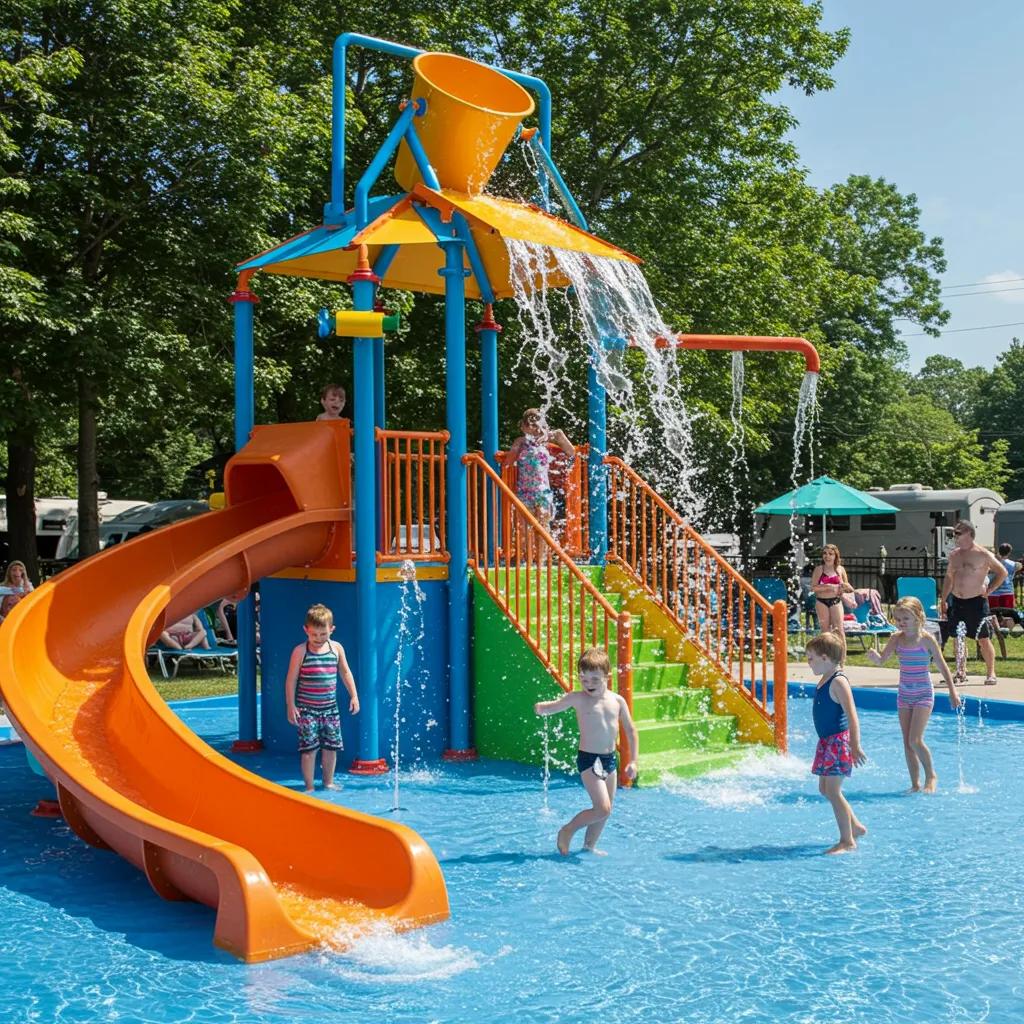
Water attractions like small water parks and swimming lakes add a layer of high-energy play and shared excitement that often becomes a highlight of a child’s trip memory. These features encourage physical activity, social interaction, and repeated moments of joy that turn into family stories. Practical considerations—such as life jackets, supervision rules, and shaded rest areas—make these spaces safe and accessible for a wide range of ages. Families prioritizing high-energy fun often choose campgrounds with structured water features for predictable entertainment and bonding opportunities.
What Special Events and Programs Are Offered for Families?
Many family campgrounds host themed weekends, family game nights, and kid-focused workshops that simplify planning and add a touch of novelty to stays. These programs offer easy entertainment and create structured chances for families to connect with others, enhancing social play for children. Booking stays that coincide with special events can significantly increase the value of a visit, but it requires early planning to secure lodging near the activity hubs. Knowing the event schedule allows families to plan around naps and mealtimes so that programs add enjoyment rather than disruption.
How to Find the Best Family-Friendly Campgrounds Near You
Finding a family-friendly campground nearby means prioritizing essential amenities, flexible lodging options, and reliable family programming during your search. This focused approach pays off because not all campgrounds offer the same level of child-centric services; knowing what to ask and compare saves time and prevents disappointment. Use review summaries, amenity checklists, and event calendars to confirm suitability before booking. These strategies increase your chances of selecting one of the best family campgrounds near me that perfectly matches your family’s ages and activity preferences.
When evaluating Michigan family campgrounds, specific amenities are more important than general descriptions because they directly impact daily comfort and fun. Water features, playgrounds, bathrooms with showers, and organized weekend events tend to make stays easier and more enjoyable for families. Below is a quick checklist of amenities to prioritize and questions to ask when comparing options.
Children’s Recreation: A Comparative Advantage for Camping Businesses
nature leisure tourism activities constitute a market opportunity for the camping industry. Children’s recreation is a comparative advantage tool for camping businesses. The study also reveals that children’s recreation is a comparative advantage tool for camping businesses.
Children’s recreation as a comparative advantage tool for camping businesses, K Grande, 2024
What Amenities Should You Look for in Michigan Family Campgrounds?
Prioritize amenities that reduce stress and extend playtime: secure swim zones, conveniently located restrooms, playground clusters, and clear event schedules. These features shorten transitions between activities and simplify meal and nap routines for young children. Confirm lifeguard coverage, shower cleanliness, and rules for pets or dogs to avoid any surprises. Asking these specific questions makes site comparisons more objective and helps you choose a campground suited to your family’s needs.
How Do Cabin Rentals and Glamping Options Benefit Families?
Cabins and glamping units are ideal when families prefer fewer logistics and more secure sleeping spaces; they reduce setup time and minimize exposure to the elements. For parents with infants or toddlers, cabins make nighttime awakenings and naps easier while still offering outdoor access for kids. Glamping provides many home comforts while preserving the outdoor ambiance for children. These options are recommended for shorter stays or for families who value convenience over a fully immersive experience.
Why Are RV and Tent Sites Important for Diverse Family Needs?
RV sites and tent sites cater to different family goals: RVs prioritize convenience and consistent routines, while tents emphasize a closer-to-nature experience and lower cost. Knowing whether you prefer a home-like setup or outdoor immersion helps narrow down your choices and packing needs. For RV users, confirm hookups and site size; for tent campers, check proximity to restrooms and shade. Choosing the right site type ensures the campground supports your family’s daily rhythm.
What Are the Key Benefits of Camping with Your Family?
Camping offers emotional, developmental, and health benefits by combining active outdoor time with shared experiences that build resilience and connection. The setting, with limited distractions, allows physical play and cooperative tasks to foster meaningful interaction and learning. Recent studies on recreation indicate that families who camp report improved communication and greater satisfaction with their shared time. These benefits make family camping an effective, economical way to support well-being and strengthen relationships.
Time spent camping enhances family relationships by encouraging face-to-face interaction and collaborative routines like cooking and evening storytelling. These shared moments promote openness and reduce screen-based distractions that can hinder communication. The predictable flow of outdoor days—activity, meal, rest—helps children feel secure and provides parents with structured opportunities for meaningful engagement. Understanding these emotional dynamics supports intentional planning of activities that maximize bonding.
Camping also fosters practical independence and outdoor skills through age-appropriate responsibilities like setting up a tent, safe water play, and simple navigation. Assigning small tasks helps children gain confidence and contributes to the family’s functioning. Guided activities such as supervised river floats or group games teach safety and teamwork while building competence. These developmental gains extend beyond the trip when families intentionally practice and reflect on the skills they’ve learned.
Connecting with nature is important because regular outdoor exposure improves attention, reduces stress, and encourages physical activity for both children and adults. Short activities like birdwatching, mindful nature walks, or simple plant identification can increase attention spans and curiosity. Incorporating these low-cost activities into a camping itinerary yields immediate mood benefits and a long-term appreciation for the outdoors. Planning a mix of active and reflective nature tasks helps families gain both energy and a sense of calm during their stay.
How Does Camping Improve Family Relationships and Well-Being?
Camping improves family relationships by creating uninterrupted time for cooperative activities, which boosts communication and shared memory-building. Shared challenges and successes, such as learning to paddle or preparing a meal together, create stories that strengthen bonds. Reduced screen time and scheduled family tasks increase presence and participation from all members. These factors support both immediate enjoyment and long-term relational benefits.
In What Ways Does Camping Foster Independence and Outdoor Skills?
Children develop independence through practical responsibilities like packing, gear care, and supervised navigation during hikes. Guided tasks, scaled to their age, build competence and encourage problem-solving in safe environments. Leaders—whether parents or program staff—can scaffold tasks so children experience success and grow in confidence. This progression turns simple camping tasks into valuable skill-building opportunities.
Why Is Nature Connection Important for Children and Parents?
Connecting with nature supports attention restoration, stress reduction, and curiosity-driven learning for both children and adults. Activities like short hikes or observational games enhance focus and mood, benefiting learning and family interactions. Encouraging simple, repeatable nature tasks increases appreciation and motivates future outdoor engagement. Families who plan short, regular nature experiences often report better overall well-being during and after their trips.
How Can You Plan a Successful Family Camping Trip?
Planning a family camping trip is successful when your booking, packing, and activity choices align with your children’s ages and family routines. Planning is crucial because predictable schedules and appropriate gear reduce on-site friction and increase enjoyment. Follow clear booking procedures, use checklists for packing, and identify nearby attractions that add variety without requiring long drives. This structured approach transforms potential stress into reliable family fun.
Follow these practical booking tips to secure a comfortable, child-friendly stay.
- Reserve early for popular weekends and themed events: Popular family weekends fill up fast.
- Choose accommodations based on sleep routines: Opt for cabins or RV sites for nap-friendly setups.
- Confirm amenities and rules: Inquire about lifeguards, restroom locations, and pet policies.
These steps minimize surprises upon arrival and allow you to focus on activities and family time.
When packing, prioritize safety, comfort, and compact entertainment so you bring essentials without overpacking the car. Include basic first-aid supplies, life jackets for water activities, layered clothing for variable Michigan weather, and small activity kits for quiet moments. Bring comfort items for young children—like a blanket or favorite toy—to ease transitions. This packing strategy minimizes stress and supports smooth days at camp.
A concise packing checklist helps families prepare efficiently and avoid common omissions.
- Essentials: First-aid kit, sunscreen, insect repellent.
- Water safety: Life jackets, towels, waterproof bags.
- Comfort items: Pillows, blankets, favorite toys for kids.
Using a checklist simplifies departure and increases the likelihood of an enjoyable, less interrupted stay.
Walnut Hills Family Campground provides an events calendar and reservation system that families can check to coordinate visits with weekend programming and available lodging. When planning, verify reservation availability and event dates at local campgrounds like Walnut Hills to ensure your trip aligns with desired family activities and to secure the right accommodation type. Checking event schedules before booking helps families maximize value and ensures the trip delivers the experiences they anticipate.
What Are the Best Tips for Booking Family Campground Stays?
Book early for weekends and special events to secure spots near playgrounds and activity centers that are important for young children. Choose lodging that accommodates nap and sleep routines, and confirm facility details before arrival to avoid surprises. Ask about cancellation and weather policies so you can adjust plans if necessary. These steps ensure a smooth arrival and that your stay supports family routines.
What Should Families Pack for a Comfortable Camping Experience?
Pack multi-use items to reduce bulk, prioritize safety gear for water activities, and bring comfort objects for children to ease transitions. Include weather-appropriate clothing, basic cooking supplies, and simple games for evenings. Organize gear into labeled bins to streamline setup and retrieval. This practical packing approach keeps daily logistics manageable and reduces stress.
Which Nearby Attractions Complement Your Family Camping Adventure?
Pairing a campground stay with nearby nature centers, short family hikes, or child-friendly museums adds variety without requiring long travel times. Select attractions that offer short, flexible time slots to avoid overtiring children. Combining a campground base with local day activities extends the vacation’s value and keeps days fresh. Checking local options around Durand, Michigan, helps families design an itinerary that balances active days with restful camp evenings.
Frequently Asked Questions
What should families consider when choosing a campground for their children?
When selecting a campground for children, families should prioritize safety features, such as lifeguarded swimming areas and secure playgrounds. Additionally, consider the availability of age-appropriate activities and amenities that cater to various interests. Proximity to restrooms and showers is also crucial for convenience. Families should look for campgrounds that offer structured programming, which can enhance engagement and provide opportunities for social interaction among children. Ultimately, the right campground should create a balance between fun, safety, and comfort.
How can families ensure a successful camping experience with young children?
To ensure a successful camping experience with young children, families should plan ahead by creating a detailed itinerary that includes activities suitable for their children’s ages. Packing comfort items, such as favorite toys or blankets, can help ease transitions. It’s also important to maintain a flexible schedule that accommodates naps and meal times. Engaging children in simple camping tasks, like setting up tents or gathering firewood, can foster a sense of responsibility and make them feel included in the experience.
What are some tips for managing meals while camping with kids?
Managing meals while camping with kids can be simplified by planning easy, kid-friendly recipes that require minimal preparation. Pre-packaged meals or simple ingredients for sandwiches, wraps, and snacks can save time. Involve children in meal prep to make it a fun activity. Bring along portable cooking gear, such as a camp stove or grill, and ensure you have a cooler for perishables. Additionally, consider meal timing to align with children’s routines, making mealtime a relaxed and enjoyable part of the camping experience.
How can families balance outdoor activities with downtime during camping trips?
Balancing outdoor activities with downtime during camping trips is essential for keeping children engaged and rested. Schedule a mix of high-energy activities, like hiking or swimming, with quieter moments, such as reading or nature observation. Create a daily rhythm that includes structured playtime followed by relaxation periods. Encourage children to engage in independent play or crafts during downtime, allowing parents to recharge. This balance helps maintain enthusiasm for activities while ensuring everyone has time to unwind and enjoy the natural surroundings.
What are the benefits of involving children in camping preparations?
Involving children in camping preparations offers numerous benefits, including fostering a sense of responsibility and ownership over the trip. When children help with packing, meal planning, and setting up the campsite, they develop practical skills and confidence. This engagement can also enhance their excitement about the trip, as they feel more connected to the experience. Additionally, it provides opportunities for parents to teach children about nature, safety, and teamwork, making the camping experience more enriching and memorable for the whole family.
How can families find campgrounds that offer special events or programs?
To find campgrounds that offer special events or programs, families can start by researching online through campground websites, social media pages, and local tourism boards. Many campgrounds publish event calendars that detail upcoming activities, such as themed weekends or workshops. Reading reviews from other families can also provide insights into the quality and variety of programs available. Additionally, contacting campgrounds directly to inquire about their event offerings can help families choose a location that aligns with their interests and enhances their camping experience.
Conclusion
Choosing family-friendly campgrounds enhances your family’s outdoor experience by providing safe, engaging environments that foster bonding and child development. With amenities tailored for children and structured activities, these campgrounds simplify planning and maximize enjoyment for all ages. By prioritizing the right features, you can ensure a memorable and stress-free camping trip. Start exploring local family campgrounds today to create lasting memories together.