
Why Local Campground Real Estate Agents Matter: Understanding Their Role and Value for Sellers
Local campground real estate agents are specialists who connect campground owners with qualified buyers, manage complex recreational-property transactions, and help translate campsite operations into market-ready sale packages. This article explains what agents do, when a broker adds measurable value, and how sellers can choose between a traditional brokerage route and a direct-sale alternative. Many owners asking how to “sell my campground” or “sell my RV park” face trade-offs among price, timeline, and legacy preservation, and this guide maps those trade-offs in practical terms. You will learn the core broker services, scenarios where market exposure matters, common downsides of brokered sales, valuation drivers for campgrounds and RV parks, and how a family-owned direct buyer can be a low-friction alternative. The guide closes with decision checklists, EAV-style comparison tables, and suggested next steps so owners can decide whether to pursue a broker, an off-market buyer, or a direct buyer campground sale.
What Do Local Campground Real Estate Agents Do?
Local campground real estate agents act as intermediaries who prepare a property for sale, promote it to relevant buyer networks, negotiate terms, and shepherd the deal through due diligence to closing. They work by converting operational metrics—revenue, occupancy, site count, and amenity profiles—into financial narratives that buyers understand, which often improves buyer confidence and can increase the number of offers. The primary benefit to sellers is access to specialized marketing channels and buyer pools that can translate into higher sale prices or better terms. Understanding these core functions helps owners decide whether market exposure or a confidential, direct sale better fits their goals.
How Do Campground Brokers Assist in Selling Recreational Properties?
Campground brokers assist by conducting market analysis, qualifying prospective buyers, structuring offers, and coordinating due diligence and closing logistics. They begin with comparative market analysis and financial normalization so revenue and EBITDA trends are presented consistently to potential buyers. Brokers also leverage targeted outreach and industry networks to surface qualified buyers who understand variables like site mix and amenity value. These activities reduce seller workload and often create competitive bidding environments, which is why owners weighing “campground broker” services should evaluate the trade-off between exposure and control.
What Services Do Recreational Property Agents Provide to Campground Owners?

Recreational property agents provide valuation support, professional marketing materials, buyer screening, negotiation expertise, and due diligence coordination to campground owners. Valuation support typically includes compiling rent rolls, revenue histories, cap rate analysis, and gross revenue multiples to establish a market-based asking price. Marketing collateral often features high-quality photography, site maps, and an anonymized financial packet for confidential listings. These services improve buyer confidence and reduce transactional friction, and sellers who value market reach and price discovery commonly choose broker representation.
How Do Agents Market and List Campgrounds and RV Parks?
Agents market campgrounds through specialized industry listings, broker networks, targeted outreach to RV park investors, and professional presentation assets such as site maps and financial packages. Listings are crafted to highlight site count, amenity features, occupancy trends, and potential upside so buyers can quickly assess fit. Agents may run phased exposure campaigns—starting with confidential outreach to known buyers, then moving to broader listings if necessary—to balance confidentiality and competition. Understanding these listing tactics helps owners decide whether wider exposure will likely improve offers or risk operational disruption.
When Should Campground Owners Consider Using Local Real Estate Agents?
Owners should consider local real estate agents when their property is complex, high-value, or requires market exposure to attract specialty buyers; agents add value by expanding the buyer pool and managing multifaceted transactions. Brokers are particularly helpful when financing complexity, zoning nuances, or multi-stakeholder arrangements could deter unsophisticated buyers. Choosing a broker is less compelling when confidentiality, speed, or legacy-preservation are the seller’s primary goals and a direct buyer campground option exists. Mapping property features to selling routes clarifies which approach aligns with owner priorities.
What Types of Campgrounds Benefit Most from Broker Representation?
Properties with extensive amenities, complex revenue streams, statutory or zoning constraints, or high site counts often benefit most from broker representation. Complex properties may include mixed-use elements, long-term leases, or ancillary businesses whose valuation requires specialized modeling. Brokers can present these complexities clearly and attract buyers with the appetite and capital to transact. For owners of multifaceted parks, broker expertise frequently outweighs the commission cost by unlocking higher-value buyers.
How Does Market Exposure Affect Selling Your RV Park?
Market exposure increases the pool of potential buyers and can lead to competitive offers, but it also raises the risk of confidentiality breaches and longer listing timelines. Broad exposure can surface buyers willing to pay premium multiples, particularly when cap rates are compressed and demand is high. Conversely, public listings may alert staff, guests, and neighbors and generate operational disruption or unintended pressure. Owners must weigh whether an open-market auction approach is likely to materially outperform a discreet sale given their park’s characteristics.
Are Agents Necessary for Complex or High-Value Campground Sales?
Agents are often necessary when transactions require specialized financing, phased ownership transfers, or regulatory navigation that typical buyers cannot manage alone. Complex deals—such as partial equity sales, seller financing arrangements, or multi-parcel transfers—benefit from a broker’s negotiation experience and legal coordination. However, some high-value owners prefer to pursue direct buyer conversations or solicit offers from family-owned buyers who can perform focused diligence without the layers of market exposure. This sets the stage for comparing brokered pathways to direct-sale alternatives.
What Are the Potential Downsides of Selling Through Campground Brokers?
Selling through campground brokers can reduce net proceeds due to commissions, extend the time-to-close because of marketing and buyer financing cycles, and compromise confidentiality when listings attract public attention. These downsides matter for owners prioritizing speed, privacy, or legacy preservation, and they often prompt consideration of off-market or direct buyer options. Clear understanding of these trade-offs enables owners to choose the selling route that best balances proceeds, timeline, and community impact.
Before the table below, note this list summarizes common downsides that owners should quantify before engaging a broker.
- Broker commissions reduce net proceeds and vary by deal size, often structured as a percentage of sale price.
- A brokered sale frequently takes longer due to listing periods, showings, and buyer financing contingencies.
- Public listings can create confidentiality risks that affect staff morale, guest relations, and local relationships.
This comparison table highlights how direct-sale alternatives can address common broker-related drawbacks and frames the decision owners must make about exposure versus control.
How Do Broker Commissions Impact Your Sale Proceeds?
Broker commissions are typically calculated as a percentage of the sale price and can materially lower the seller’s net proceeds when commissions are in the typical range used by recreational property marketplaces. For example, removing a 3–6% commission from a sale price changes the seller’s net significantly and may alter the seller’s post-transaction liquidity and tax planning. Sellers should model commission scenarios against expected pricing uplifts from market exposure to decide whether the marginal price improvement offsets commission costs. Evaluating net proceeds after commission is essential before choosing a broker-led strategy.
Why Can Broker-Assisted Sales Take Longer to Close?
Broker-assisted sales can take longer because they involve marketing, buyer vetting, multiple rounds of offers, and extended financing or inspection periods that buyers use to mitigate risk. Listing campaigns introduce calendar time for exposure and scheduling showings, while buyer diligence can uncover issues requiring negotiation or remediation. Lenders and institutional buyers often impose longer financing timelines, which further stretches closing dates. Recognizing these delay points helps owners estimate realistic timelines under a brokered approach.
What Are the Risks of Reduced Confidentiality When Using Agents?
Reduced confidentiality arises when public listings or broad broker outreach reveal the sale intent to staff, campers, or local communities, potentially disrupting operations and stakeholder relationships. Even confidential broker processes may leak details unintentionally through marketing materials or buyer outreach. Mitigation strategies include anonymized marketing packets, NDAs for prospective buyers, and phased exposure approaches that prioritize a targeted buyer list. Owners who prioritize discretion should weigh these confidentiality risks against the benefits of market exposure.
How Does Selling Directly to a Family-Owned Buyer Like GatherGrounds Resorts Compare?
Selling directly to a family-owned buyer like GatherGrounds Resorts offers an alternative path that emphasizes speed, confidentiality, legacy preservation, and a simplified negotiation process without broker layers. A direct buyer campground transaction typically eliminates commission fees and reduces the number of intermediaries, which can accelerate timelines and reduce seller workload. GatherGrounds Resorts positions itself as a family-owned operator focused on preserving the heart of acquired properties, and that orientation can matter when legacy and community continuity are primary seller goals. Comparing direct-sale advantages and trade-offs helps owners decide if a family-owned buyer aligns with their sale objectives.
What Are the Benefits of a Direct Sale Over Using a Campground Broker?
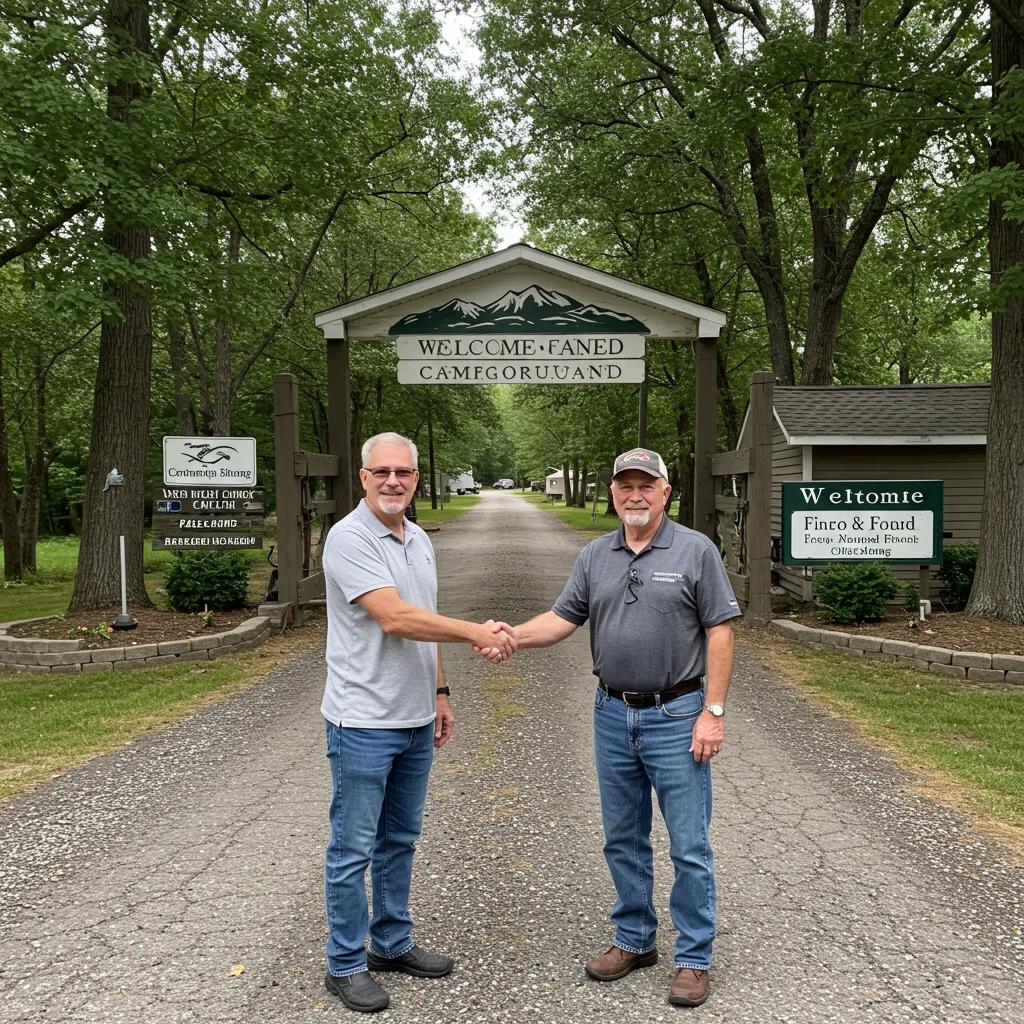
Direct sales offer several benefits including no commissions, faster negotiation cycles, and confidential transitions that limit operational disruption for staff and guests. Sellers can avoid broker fees and potentially preserve more of the sale proceeds, while also retaining greater control over transition timing and communication plans. Confidential direct conversations reduce public scrutiny and can protect fragile staff or community relationships during the transfer. For owners seeking an orderly, respectful handoff, a direct buyer campground route can be a strong fit.
How Does GatherGrounds Preserve Your Campground’s Legacy During Transition?
GatherGrounds Resorts emphasizes legacy preservation through family-focused operating priorities, staff retention practices, and a thoughtful transition that aims to maintain established traditions at acquired properties. Their stated approach centers on operating campgrounds and RV parks in ways that honor prior ownership and community relationships, which can reduce cultural disruption post-sale. For owners who value continuity—keeping site character, amenities, and local practices intact—that family-owned orientation provides an alternative to corporate roll-ups that may reprioritize assets. That focus on meaningful continuity often informs seller decisions about their preferred buyer type.
What Is the Streamlined Acquisition Process Offered by GatherGrounds Resorts?
GatherGrounds Resorts follows a streamlined acquisition workflow that begins with a confidential conversation, proceeds through transparent valuation and offer steps, and culminates in focused due diligence and closing activities managed directly between seller and buyer. The simplified process reduces layers of approval and typically avoids the marketing calendar of a public listing, which can shorten overall time-to-close. Sellers who prefer a no-pressure conversation and a direct buying process that avoids corporate layers may find the direct acquisition of campgrounds and RV parks an efficient alternative. This process detail helps owners set realistic expectations for timelines and required documents.
How Do Local Campground Real Estate Agents Influence Campground Valuation?
Local campground real estate agents influence valuation by interpreting operational metrics, applying market multiples, and leveraging buyer competition to justify higher pricing or structured terms. Agents translate site count, amenities, revenue history, and local demand into valuation models such as cap-rate analysis or gross revenue multiples, and then present those models to buyers to stimulate offers. The agency role can therefore change perceived value through both analytical framing and market exposure effects. Understanding the specific valuation factors and how agents versus direct buyers treat them is essential for informed seller decisions.
The table below compares how agents and a direct buyer like GatherGrounds typically treat key valuation attributes to illustrate decision impact.
What Factors Do Agents Consider When Pricing Campgrounds and RV Parks?
Agents consider revenue history, occupancy rates, site mix, amenity profiles, location desirability, and prevailing cap rates or gross revenue multiples when pricing campgrounds and RV parks. They typically normalize owner-related expenses and present pro forma EBITDA to prospective buyers so that financial comparability across listings is clear. Local market dynamics in 2025—such as investor appetite for experiential outdoor assets—also affect multiples and cap-rate expectations. Sellers should understand these inputs because they determine whether a brokered sale will likely yield a price premium over off-market alternatives.
How Do Broker Networks Affect Buyer Competition and Offers?
Broker networks extend listings to experienced park investors, private equity players, and regional operators, increasing the probability of competitive offers that can push final sale prices higher. A larger buyer pool can create bidding dynamics where scarcity of comparable properties raises perceived value. However, increased competition can elongate the process and require more robust confidentiality management. Owners must weigh whether the potential price uplift from network-driven competition is worth longer timelines and the exposure that comes with broad outreach.
How Does GatherGrounds Approach Fair Valuation Differently?
GatherGrounds’ Campground Acquisition Service emphasizes transparent, factor-based valuation that weighs seller priorities—such as timeline and legacy preservation—alongside financial performance. Rather than relying solely on market exposure to create bidding pressure, this approach models value using clear inputs like site count, normalized revenue, and amenity condition and then aligns offers with seller goals. This method can produce fair, efficient outcomes especially for owners who prefer a straightforward negotiation and a thoughtful transition that preserves the property’s character.
What Are Common Questions Sellers Ask About Campground Brokers vs. Direct Buyers?
Sellers commonly ask whether they need a broker, how long a sale typically takes with an agent, and which companies will buy RV parks directly without broker fees. These questions reflect the core seller concerns of net proceeds, timeline, and confidentiality, and the answers vary based on property complexity, owner priorities, and market conditions. Clear, concise guidance helps owners move from uncertainty to an informed decision about listing with a campground broker or pursuing a direct buyer campground sale.
Do I Need a Broker to Sell My Campground or RV Park?
You need a broker when your property requires market exposure to attract specialized buyers, when transaction complexity demands negotiation expertise, or when you want an arms-length marketing process to maximize price discovery. Brokers add value by expanding buyer pools and managing complex closing logistics, which can be critical for parks with layered revenue streams or regulatory issues. Conversely, if your priorities emphasize confidentiality, speed, or preserving legacy through a family-owned buyer, a direct sale could be preferable. This decision checklist helps determine the right path.
How Long Does It Typically Take to Sell a Campground Through an Agent?
A broker-assisted sale commonly takes several months from listing to closing due to marketing, buyer vetting, and financing timelines, with variability driven by market demand and property complexity. In contrast, direct buyer transactions can often compress that timeline by reducing marketing phases and limiting the buyer pool to serious, vetted parties. Factors such as buyer financing, due diligence complexity, and required regulatory approvals will influence both paths. Estimating timelines accurately requires assessing those variables early in the process.
What Companies Buy RV Parks Directly Without Broker Fees?
Direct buyers include family-owned buyers, corporate consolidators, and private investor groups, each offering different mixtures of speed, confidentiality, and post-sale operating approaches. Among direct buyers, family-owned operators often emphasize preserving traditions and offering a thoughtful transition, which appeals to owners with strong legacy concerns. For sellers evaluating direct-sale options, weighing the buyer type—family-owned versus institutional—helps anticipate the likely post-closing operating philosophy and the degree of cultural continuity.
How Can Sellers Choose the Right Selling Option for Their Campground?
Choosing the right selling option requires assessing property size, revenue complexity, timeline needs, and legacy goals, then matching those attributes to a brokered or direct-sale path. A practical decision framework clarifies whether market exposure and price discovery should be prioritized or whether confidentiality, speed, and legacy preservation are the dominant concerns. Using a simple checklist and comparing the typical attributes of broker representation versus a direct buyer campground sale helps sellers make a defensible choice and prepare for next steps.
Owners can use the following checklist to weigh broker versus direct buyer advantages before making a choice.
- Net Proceeds Priority: Choose a broker if maximizing sale price through market exposure is the primary goal.
- Timeline Priority: Choose a direct buyer if speed and a shorter time-to-close are essential.
- Confidentiality Priority: Choose a direct buyer if protecting staff, guests, or community relationships is critical.
What Are Key Considerations When Comparing Brokers and Direct Buyers?
Key considerations include net proceeds after commissions, expected timeline to close, confidentiality impact, and how important legacy preservation is to the owner. Brokers may drive higher gross sale prices but at the cost of commissions and public exposure; direct buyers can offer a simpler, commission-free path that preserves privacy and may better protect local traditions. Owners should quantify these trade-offs by modeling net proceeds, projected timelines, and the likely operational outcomes after transfer. Clear prioritization of these factors guides a final choice.
How Does Your Campground’s Size and Legacy Influence Your Selling Choice?
A park’s size, site count, revenue scale, and sentimental legacy strongly influence whether a brokered sale or direct buyer route is preferable. Larger parks with institutional attributes and predictable cashflows often attract investors through broker channels and may command higher multiples. By contrast, smaller, family-operated campgrounds with deep community ties often benefit from direct-sale conversations with family-owned buyers who prioritize continuity and thoughtful transitions. Selecting the route that aligns with both financial and non-financial seller goals ensures a smoother transfer.
How Can You Start a Confidential Conversation with GatherGrounds Resorts?
If you are considering a confidential, no-pressure conversation about selling, GatherGrounds Resorts offers direct acquisition of campgrounds and RV parks and positions itself as a family-owned buyer focused on preserving legacies. Sellers preparing to reach out should have key details ready—site count, recent revenue summaries, major amenity features, and any pressing timeline constraints—to enable a focused initial discussion. GatherGrounds’ stated approach emphasizes thoughtful transitions and a direct buying process that avoids corporate layers, making it an option for owners who value discretion and legacy continuity. Starting with a confidential inquiry can clarify whether a direct sale aligns with your priorities and timelines.
Frequently Asked Questions
What Should I Consider When Choosing Between a Broker and a Direct Buyer?
When deciding between a broker and a direct buyer, consider factors such as your property’s complexity, desired timeline, and legacy goals. Brokers can provide market exposure and potentially higher sale prices, but they come with commissions and longer timelines. In contrast, direct buyers often offer quicker sales and confidentiality, which may be crucial for preserving community ties. Assessing your priorities will help you choose the best option for your unique situation.
How Can I Prepare My Campground for Sale?
Preparing your campground for sale involves several steps. Start by gathering financial documents, including revenue histories and occupancy rates, to present a clear picture of your property’s performance. Enhance curb appeal by maintaining the grounds and amenities, and consider professional photography for marketing materials. Additionally, having a clear understanding of your selling goals—whether maximizing price or ensuring a smooth transition—will guide your preparation efforts and help attract the right buyers.
What Are the Key Differences in Valuation Approaches Between Brokers and Direct Buyers?
Brokers typically focus on market-driven valuation methods, emphasizing revenue history, site count, and local market trends to attract buyers. They may use cap rates and gross revenue multiples to justify pricing. In contrast, direct buyers like GatherGrounds prioritize seller-specific factors, such as legacy and operational quality, alongside financial performance. This difference can lead to varying offers, so understanding these approaches is crucial for sellers when evaluating potential buyers.
How Do I Ensure Confidentiality During the Selling Process?
To maintain confidentiality during the selling process, consider using anonymized marketing materials and limiting the exposure of your listing to a select group of qualified buyers. Engaging a broker who understands the importance of discretion can help, as they can implement non-disclosure agreements (NDAs) with prospective buyers. Additionally, opting for a direct sale with a family-owned buyer can further protect your privacy and minimize operational disruptions.
What Are the Common Mistakes Sellers Make When Selling Their Campground?
Common mistakes include overpricing the property based on emotional value rather than market data, neglecting to prepare financial documentation, and failing to consider the impact of public listings on confidentiality. Additionally, some sellers may rush the process without fully understanding their options, leading to unfavorable terms. Taking the time to research, prepare, and consult with professionals can help avoid these pitfalls and lead to a more successful sale.
How Can I Evaluate the Right Time to Sell My Campground?
Evaluating the right time to sell your campground involves analyzing market conditions, your financial situation, and personal goals. Look for signs of a strong market, such as increased demand for recreational properties and favorable pricing trends. Additionally, consider your own readiness to transition, including any financial needs or legacy concerns. Consulting with a real estate professional can provide insights into market timing and help you make an informed decision.
What Should I Expect During the Due Diligence Process?
During the due diligence process, buyers will typically review financial records, property conditions, and legal compliance. Expect requests for documentation such as revenue reports, occupancy rates, and maintenance records. Buyers may also conduct inspections and assessments to evaluate the property’s condition and potential liabilities. Being prepared with organized documentation and transparency can facilitate a smoother due diligence phase and help build buyer confidence in your campground.
Conclusion
Engaging local campground real estate agents can significantly enhance the selling process by providing specialized marketing, negotiation expertise, and access to a broader buyer pool. This guidance empowers sellers to make informed decisions that align with their financial and legacy goals. For those considering a direct sale, exploring options with family-owned buyers like GatherGrounds Resorts can offer a streamlined, confidential alternative. Take the next step in your selling journey by reaching out to us for a no-pressure conversation today.