

Top features to look for near Waterloo State Park — a friendly guide to family and RV camping amenities
Waterloo State Recreation Area and the campgrounds around it blend wide-open nature with practical comforts for families and RV travelers. This guide walks you through the features that matter most—what amenities to prioritize, the kinds of on-site programs you’ll find, and how nearby trails and lakes add to the experience. Many visitors look for full hookups, safe swimming areas, and kids’ activities; knowing which campgrounds offer those makes planning easier and helps ensure a relaxed, fun stay. You’ll find side-by-side comparisons, quick checklists, and booking tips here—whether you’re towing a big rig, pitching a tent, or organizing a multigenerational getaway near Waterloo.
What are the key amenities offered by campgrounds near Waterloo State Park?

Campgrounds around Waterloo serve a mix of campers—from tent-only visitors to RVers who need full services. Typical offerings cover convenience (full hookups, showers, restrooms), recreation (swimming lake, fishing pond, playgrounds), and social spaces (pavilions, camp stores). Knowing what each amenity actually does for your trip—like keeping kids busy, making meal prep easier, or supporting longer RV stays—helps narrow your options before you compare specifics like trail access or event schedules. Below are the most common amenities to watch for when comparing properties.
Common amenities across local campgrounds include:
- Full hookups: Electrical (30/50 amp), water, and sewer connections that make RV stays easy and comfortable.
- Swimming lake with sandy beach: Designated swim areas for families and kids; lifeguards may be seasonal or absent depending on the campground.
- Fishing pond or access to lakes: Stocked ponds or nearby public fishing spots for anglers.
- Playgrounds and organized activities: Play spaces and planned programs that keep children entertained.
- Camp store and pavilions: Onsite supplies and covered group areas for meals and gatherings.
These basics help you quickly rule in or out certain campgrounds before you dig into details like trail networks or special events. The table below shows how common features usually translate into advantages for different types of campers.
Intro to amenity comparison table: the table below summarizes typical setups and benefits campers can expect at area campgrounds.
That quick comparison makes it easier to match amenities to your trip priorities—families often favor beaches and playgrounds, while RVers focus on hookup reliability and site length. Next, we’ll cover the different campsite types you’ll find and what to check before you reserve.
Which full hookup RV and tent camping sites are available?
Near Waterloo you’ll typically find full-hookup RV sites, partial-hookup sites, tent-only sites, and seasonal plots—each built for different rigs and preferences. Full-hookup pads usually offer 30- or 50-amp service plus water and sewer at the site, which is ideal for long stays and running air conditioning. Partial hookups might include electricity and water but require a dump station for sewer, better for shorter visits. Tent sites put you closer to nature and often have limited utilities; they can be walk-in or drive-up. Always confirm pad length and hookup type before booking, especially if you have a long trailer, and ask whether seasonal sites come with different utility terms during peak months.
What lakeside and water activities can campers enjoy?
Water recreation is a big draw here—think sandy beaches, swim zones, fishing, and small-craft paddling. Swimming lakes with shallow entries are great for kids; lifeguard coverage depends on the campground and the season. Many properties have fishing ponds or give quick access to nearby lakes for shore and small-boat fishing—stocking and species vary by site. Non-motorized boating like kayaks, canoes, and paddleboards is usually allowed in designated areas. Some private campgrounds add seasonal attractions, like inflatable lake features, to boost summer fun. Always check posted safety rules and local regulations for boating permits or seasonal water restrictions before you head out.
How do campgrounds near Waterloo State Park cater to family-friendly camping experiences?
Campgrounds around Waterloo design facilities and activities with families in mind—think play areas, kid-safe beaches, group pavilions, and easy-to-use restrooms and showers. Many host weekend crafts, themed events, and seasonal kids’ clubs that help create shared family memories without extra planning for parents. When comparing properties, look at playground density, any supervised swim times, and the on-site store offerings—those small conveniences often make a big difference for caregivers. Booking early is smart for holiday weekends and peak summer dates, when family-focused campgrounds fill fastest.
Short case example
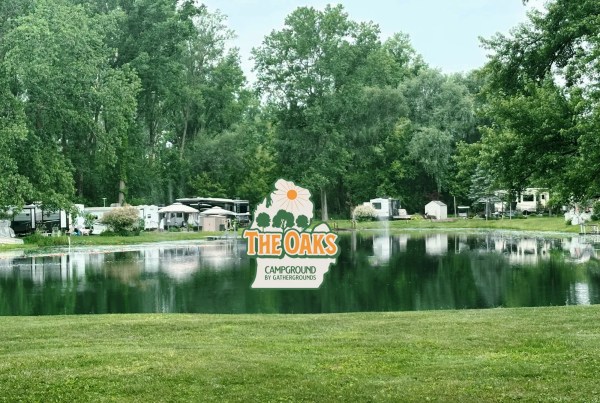
The Oaks Campground, a family-focused private property next to Waterloo State Recreation Area, includes multiple playgrounds, a sandy-beach swimming lake, a large fishing pond, pavilions for reunions, and a camp store stocked with essentials and treats—perfect for families who want on-site entertainment and convenience. When choosing between options, compare playground locations, supervised swim schedules (if offered), and what the camp store carries to pick the campground that fits your group’s ages and interests. And remember—reserve early for holidays and busy summer weekends.
What on-site recreational features support family fun?

Playgrounds, pavilions, fishing ponds, and golf-cart trails are common on-site features that keep kids active and provide low-effort fun for adults. Play areas are often grouped by age and may include soft-surface zones; pavilions are handy for group meals or sheltered programs during bad weather. Fishing ponds usually offer close, kid-friendly angling—sometimes stocked to encourage success—while golf cart trail networks let families explore without long hikes. Always follow posted safety rules, use helmets where required, and check for age or hour restrictions on certain activities.
Many activities are scheduled through campground staff, so confirm times and rental availability before arrival to avoid disappointed kids and missed opportunities.
Which seasonal events and activities are offered for all ages?
Seasonal calendars often include weekend crafts, movie nights, themed holiday events, and busy summer lake programming that bring families together. Summer tends to feature lake games, talent or bingo nights, and kids’ clubs; shoulder seasons highlight fall foliage hikes and harvest-style activities for all ages. These events can fill sites fast, so check event calendars when you book if you want to stay for a specific activity—fishing tournaments, nature programs for kids, or holiday weekends often book months in advance. If your plans are flexible, prioritize refundable or flexible bookings to protect your reservation.
Because event weekends sell out faster than regular dates, plan ahead and read cancellation policies carefully.
What outdoor adventures are accessible from campgrounds near Waterloo State Park?
Campgrounds here put you close to a big variety of outdoor options: trail networks for hikes, lakes for paddling and fishing, and habitat good for birdwatching and wildlife viewing. The area’s hardwoods, kettle lakes, and trail corridors suit day hikes, mountain biking, equestrian rides, and seasonal activities like fall-color drives or winter cross-country skiing in designated spots. Some campgrounds connect directly to park trailheads; others are a short drive from main access points—checking proximity helps you plan daily logistics and packing. For safer trips, carry maps, check trail difficulty, and respect wildlife and posted notices.
Here’s a quick look at popular outdoor activities and how campers usually access them from nearby campgrounds.
- Hiking trails: From short family loops to multi-mile routes accessed at local trailheads.
- Mountain biking: Singletrack and multi-use trails inside the park for varied skill levels.
- Fishing and boating: Shore access and boat launches at lakes; small-craft rentals may be available nearby.
- Equestrian riding: Designated bridle trails for riders with proper permits.
- Scenic drives and wildlife viewing: Roadside pull-offs and seasonal viewing spots for quieter wildlife watching.
How can campers explore Waterloo State Recreation Area?
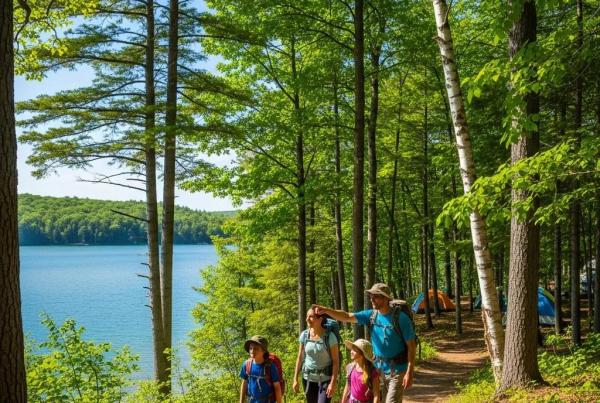
Start by finding the trailheads closest to your campground and pick routes that match your group’s fitness—short loops for families, longer trails for experienced hikers. Use park visitor resources and official maps to check seasonal trail conditions and safety notices before you go. The park’s lakes and launch points accommodate paddlecraft and small motorboats—confirm any permit or registration needs ahead of time. Smart planning—layered clothing, water, a basic first-aid kit, and parking at official lots—keeps your day trips focused on enjoyment instead of logistics.
Practical travel tips: pack layers for changing weather, bring water and basic first-aid supplies, and always park in designated trailhead lots to avoid access issues.
What local trails and lakes are ideal for outdoor activities?
Local trails and lakes suit a wide range of abilities—family-friendly loops for short outings, tougher trails for experienced hikers or mountain bikers, and calm lakes for paddling or easy fishing. Short, well-marked loops are a great choice with young kids. More rugged routes reward experienced explorers with views and wildlife. Lakes with gentle shorelines and designated swim areas combine beach fun and fishing, while deeper lakes can support small-power boats where allowed. Check parking, signage, and seasonal closures before you head out to make sure access is open.
To pick the best spots for your group, prioritize trail difficulty, how close a site is to your campground, and what activities are permitted at each lake—this keeps everyone safe and happy.
Why choose campgrounds near Waterloo State Park for your next camping trip?
Campgrounds near Waterloo offer a strong mix of accessibility, outdoor options, and family-minded amenities—perfect for quick weekend escapes or extended stays. Whether you want the convenience of full hookups, the fun of on-site programming for kids, or a quieter spot for nature immersion, the variety of private and park-run campgrounds makes it easy to match the site to your goals and budget. Think about what matters most—ease of access, activity variety, or family services—and that will narrow the choice quickly. The next two sections outline how location and unique features help campers decide.
How does location enhance accessibility from major cities?
Waterloo’s location makes it an easy weekend destination for people coming from nearby metro areas—shorter drives mean more time outdoors and flexible arrival windows. Being close to towns also makes resupply and emergency services simpler. Popular campgrounds can fill fast during holiday weekends, so plan ahead—reserve two to three months out for summer weekends and several weeks for shoulder-season visits to secure the exact site type you need. Off-peak weekdays and shoulder seasons are good choices if you want fewer crowds while still enjoying trails and lakes.
Timing your trip for weekdays or shoulder seasons often gives you lower crowds without sacrificing access to trails and lake activities.
What unique features differentiate these campgrounds?
Some campgrounds stand out with features like long golf cart trail systems, mini waterparks, large fishing ponds, and well-stocked camp stores. Families who like to get around easily appreciate extensive golf cart trails, while on-site water attractions are a huge summer draw for kids. Camp stores and multiple playgrounds cut down on errands and make short stays more convenient. For example, The Oaks Campground combines golf cart trails across 120 acres, a large fishing pond, multiple playgrounds, pavilions, a sandy-beach swimming lake, and a camp store with treats—creating a resort-style, family-friendly camping experience. Future additions, like a planned Wibit water park for 2026, will add even more summer lake fun.
How can you plan and book your stay at campgrounds near Waterloo State Park?
Good planning means knowing rate types, booking windows, and a few key site details so your stay goes smoothly. Rates typically include nightly tent and RV fees, weekend premiums for busy dates, and seasonal contracts for long-term stays. Peak summer weekends and holidays fill first and usually cost more, so reserve early if you need a lakeside or full-hookup pad. The checklist below helps you gather the right info before you book and pack.
Intro to booking checklist: use the short checklist below to ensure a smooth reservation and arrival.
- Decide site type: Choose full hookup, partial hookup, tent-only, or seasonal based on your vehicle and how long you’ll stay.
- Confirm site specifications: Verify pad length, hookup amperage, and any vehicle restrictions before booking.
- Check event calendars: Look for campground events or high-demand weekends that affect availability.
- Reserve early: Book peak-season and holiday weekends several months in advance when possible.
- Prepare arrival info: Note check-in procedures, quiet hours, and any required permits.
Summary paragraph for the checklist: following these steps lines up site choice with your vehicle, group needs, and budget—cutting down on last-minute changes and ensuring a smoother arrival.
Intro to the EAV pricing table: the table below presents typical rate categories and sample seasonal ranges to guide expectations when comparing campgrounds near Waterloo.
What are the rates and seasonal options for camping sites?
Rates change by site type and season—tent sites tend to be the most affordable, while full-hookup, lakeside, or pull-through RV sites command higher nightly fees during peak months. Peak summer weekends, holidays, and event weekends usually push prices up and reduce last-minute availability. Extras like boat rentals, pavilion reservations, or late check-in fees will add to the total, so factor those in when comparing. For best value, compare what’s included at each rate—utilities, beach access, or equipment rentals—so you can balance cost and convenience.
Booking earlier for known busy dates is the most reliable way to lock in the site you want and keep costs predictable.
How do you make reservations and prepare for your visit?
To reserve, have your dates, site type, vehicle length, and party size ready, then follow the campground’s booking process to pick and secure a site. Bring any required documentation to check-in and note arrival windows and quiet hours so your onboarding goes smoothly. Pack layered clothing, water-safety gear for kids, a basic first-aid kit, and any equipment for planned activities (paddles, fishing gear, helmets for golf carts). Aim to arrive during posted check-in hours, park only in your assigned spot, and review rules about pets, generator hours, and campfires to avoid surprises.
If you prefer a family-focused private campground with lots of on-site options, contact The Oaks Campground to confirm site availability, amenity access, and seasonal event schedules; their reservation team can confirm site features such as full hookups, lakeside pads, and pavilion rentals.
- Confirm dates and site needs: Know your rig length and desired amenities before booking.
- Book early for peak dates: Reserve lakeside or full-hookup sites months in advance.
- Pack for safety and comfort: Bring layers, water-safety gear, and basic tools.
- Check-in during posted hours: Avoid late arrivals when staff may be unavailable.
Following these steps helps you hit the ground running at check-in so your group can start enjoying campground amenities and nearby Waterloo attractions quickly.
Frequently Asked Questions
What types of wildlife can campers expect to see near Waterloo State Park?
Expect to see deer, foxes, a variety of birds, and occasionally coyotes—Waterloo’s mix of forests, wetlands, and lakes supports lots of wildlife. Spring and fall are prime birdwatching times for migratory species. For the best viewing, go out at dawn or dusk, keep a respectful distance, and follow park rules to protect both you and the animals.
Are campfires allowed at campgrounds near Waterloo State Park?
Most campgrounds allow campfires in designated rings or pits, but rules vary by site and change with weather conditions. Check for local fire bans during dry spells, always fully extinguish your fire before leaving it, and use locally sourced firewood when possible to avoid spreading pests. For current fire rules, check the campground’s website or call ahead.
What should I pack for a camping trip to Waterloo State Park?
Pack basics for comfort and safety: tent, sleeping bags, cooking gear, and food. Add sunscreen, insect repellent, and a first-aid kit. Layered clothing helps with changing weather. If you’ll be on the water, bring swimwear and life jackets. Recreational gear—fishing rods, bikes, or kayaks—depends on your plans. Use a checklist to make sure you don’t forget essentials.
Are there any pet-friendly campgrounds near Waterloo State Park?
Yes—several nearby campgrounds welcome pets, but policies differ. Check leash rules, designated pet areas, and any breed or size limits before you book. Be sure to clean up after your pet and keep them under control to ensure a pleasant stay for everyone. Some campgrounds also offer dog-friendly amenities like walking trails or fenced play areas.
What are the best times of year to visit campgrounds near Waterloo State Park?
Late spring (May–June) and early fall (September–October) are often the best times to visit: pleasant weather, active wildlife, and great hiking conditions. Summer brings busy weekends and full event calendars, while winter limits some activities. Always check campground availability and local event schedules when planning your trip.
What safety measures should campers take while at the park?
Safety comes first: learn the park and campground rules about fires and wildlife, store food securely to avoid attracting animals, and carry a map when hiking. Tell someone your plans, stay on marked trails, and pack a first-aid kit. Know how to contact park rangers or emergency services if needed, and supervise children closely—especially around water.
Conclusion
Campgrounds near Waterloo State Park offer a mix of nature, convenience, and family-focused fun—whether you need full hookups for your RV or kid-friendly beach time. By weighing amenities, location, and event schedules against your priorities, you can pick the perfect spot for a weekend escape or a longer family trip. Ready to plan? Check availability, pick your dates, and reserve the campsite that fits your group—your next outdoor memory is waiting.