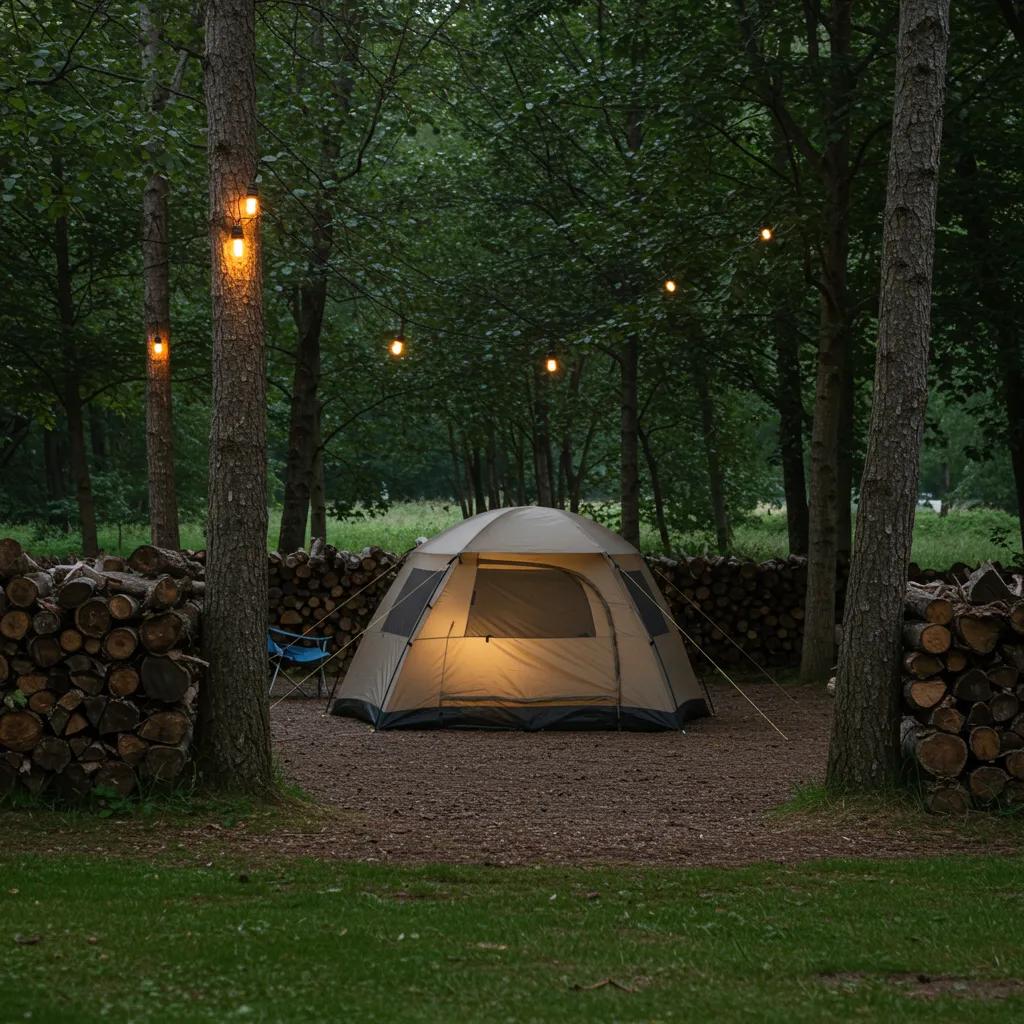
Top 10 Tips for Ensuring Privacy at Your Campsite Near Home: Effective Campsite Privacy Ideas and Secluded Camping Strategies
Camping near home can still deliver genuine privacy when you know how to choose sites, set up boundaries, and use a few portable solutions to block sightlines and noise. This article teaches practical, actionable strategies to ensure your campsite near home feels secluded, comfortable, and safe while traveling with family or friends. Campsite privacy means controlling visual and acoustic exposure through site selection, natural barriers, gear, and etiquette; together these elements improve comfort, safety, and sleep quality. Many campers struggle with crowded campgrounds, noisy neighbors, and poor site orientation, but targeted selection criteria and simple gear choices can solve those problems quickly. Below you’ll find clear selection checklists, essential gear breakdowns, etiquette dos and don’ts, Ridge Ranch–specific guidance for local booking and site types, and top setup tips that work for tent and RV camping alike. Throughout the article we use terms like private tent sites, secluded RV sites, privacy screens, and natural barriers to help you find and create quieter, more private camping experiences near home.
How Can You Choose the Most Private Campsite Near Home?
Choosing the most private campsite near home requires evaluating visible buffers, site spacing, and proximity to traffic-generating facilities; these factors determine how effectively a site blocks sightlines and sound. The underlying mechanism is simple: natural vegetation, elevation, and orientation reduce line-of-sight and dampen noise, producing a stronger sense of seclusion and improved rest. Selecting the right site delivers benefits including fewer interruptions, safer kid play areas, and more enjoyable evenings outdoors. Use maps and host notes to target wooded edge sites, end-of-row seasonal spots, or sites set back from playgrounds to maximize privacy. Next we’ll break this into specific selection criteria and a compact checklist to help you pick the best site quickly.
What Are the Best Criteria for Selecting Secluded RV and Tent Sites?
A strong selection checklist focuses on tree cover, site spacing, elevation, and distance from common areas because these attributes directly reduce visibility and sound carry. Trees and shrubs act as sightline blockers and acoustic buffers, making wooded tent sites and secluded RV sites preferable when privacy matters. Choose end-of-row seasonal sites or sites with natural berms for additional separation; those spots often have less foot traffic and greater buffer zones. When reading campground maps, look for symbols indicating shade, tree clusters, or “edge” spots and prioritize sites that face away from roads and playgrounds. These map-reading techniques lead into how specific campground layouts, like Ridge Ranch’s mix of wooded and lakefront sites, support privacy selection.
How Does Ridge Ranch Campground’s Layout Support Privacy?
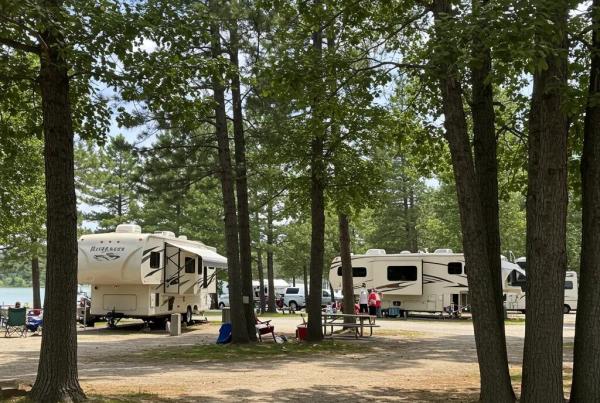
Ridge Ranch Campground includes a variety of site types—wooded RV sites, tent sites, and seasonal sites—arranged across 76 scenic acres with pockets of tree cover and open lakefront areas that provide distinct privacy options. The mechanism at work is site diversity: wooded clusters offer visual and sound buffering, while lakefront spots create orientation advantages where views and activity are directed toward the water rather than neighboring sites. The benefit is flexibility—families and RVers can choose wooded seclusion or lakeside spacing based on needs, balancing privacy with proximity to amenities. When reserving, identify wooded or end-of-row seasonal sites on the map to maximize seclusion and reduce evening foot traffic. Mentioning Ridge Ranch’s site types helps campers match privacy priorities to available accommodations.
Which Natural Barriers Can Enhance Your Campsite Privacy?
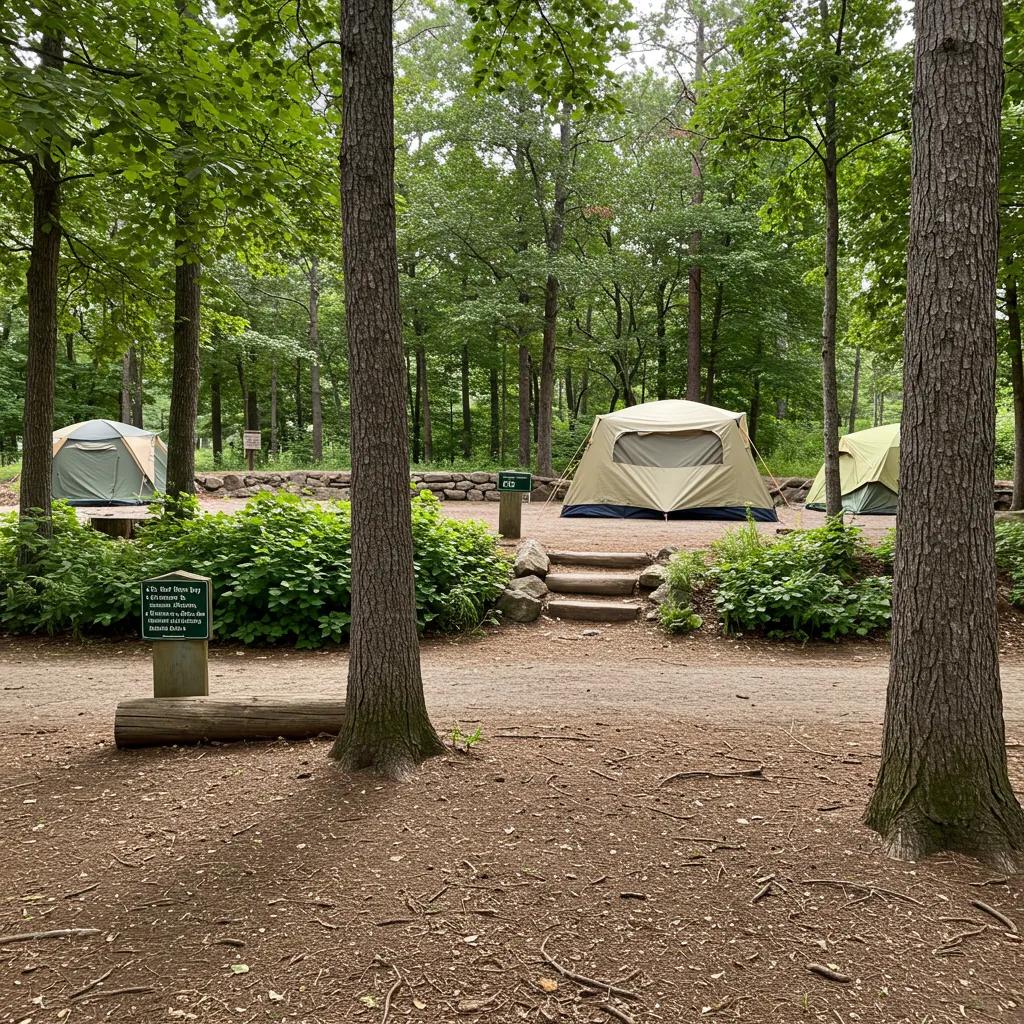
Natural barriers such as trees, shrubs, elevation changes, and the shoreline act as both visual screens and sound dampeners, making them essential elements for campsite privacy. Trees block sightlines and absorb sound, shrubs create lower-level visual buffers for seating and play areas, and changes in terrain can limit direct views between sites. Position tents or RV living areas so the sleeping area faces away from neighboring sites and toward natural cover to capitalize on these barriers. Simple interventions—like situating your cooking area where shrubs block sightlines—preserve privacy without altering the environment. Understanding these options leads directly into tactics for avoiding high-traffic areas that undermine privacy.
How Can You Avoid High-Traffic Areas to Maximize Privacy?
Avoiding high-traffic areas means identifying and steering clear of footpaths, playgrounds, restrooms, and store entrances because those nodes generate repeated movement and noise that reduce privacy. The mechanism here is behavioral: sites near common nodes increase exposure to passersby and communal activity, whereas peripheral or back-row sites have fewer passersby and more predictable quiet. Use campground maps, arrival timing, and host guidance to pick sites with low adjacent traffic and consider arriving off-peak to inspect sightlines before committing. When booking, request sites noted for low traffic or ask hosts to recommend quieter corners; this strategy connects naturally to gear choices that further enhance privacy.
What Essential Gear Helps You Create Privacy at Your Campsite?
Essential privacy gear includes portable privacy screens, tarps and awnings, privacy tents, and windbreaks or camo netting; each tool blocks sightlines or reduces wind and sound to create private zones. These items work by adding physical barriers that interrupt direct lines of view and, in some cases, diffuse sound or wind, resulting in more comfortable living and sleeping spaces. Choosing the right gear yields benefits such as private changing areas, sheltered cooking spaces, and quiet outdoor lounges for families. Below you’ll find comparative details, short how-tos, and an EAV table that helps you decide which solution fits your campsite type and use-case. After the table we’ll explain setup principles and safety considerations that matter for both tents and RVs.
Different portable privacy solutions have distinct trade-offs in portability, setup time, privacy level, and common uses.
This comparison clarifies which gear will meet your portable privacy needs and helps you choose solutions matched to your campsite layout and family requirements.
How Do Portable Privacy Screens Improve Your Camping Experience?
Portable privacy screens provide immediate visual separation for changing, screening a cooking area, or creating a private seating nook because they create an opaque barrier that blocks sightlines. These screens usually deploy quickly and fold down compactly, which makes them useful for short stays or when you want privacy only during certain hours. The benefit is flexible, temporary privacy without altering the site; screens avoid ground disturbance and can be anchored to chairs or stakes for stability. Safety notes include anchoring against wind and ensuring screens do not obstruct emergency access paths. Understanding screens leads naturally to tarps and awnings, which offer broader coverage for shade and larger sightline blocking.
What Are the Best Ways to Use Tarps and Awnings for Privacy?
Tarps and awnings add broad coverage that shades living areas and blocks lateral sightlines when oriented correctly relative to neighboring sites and prevailing winds. Common setups include creating an L-shaped tarp wall between your cooking area and neighboring sites, or angling an awning to direct sightlines away from sleeping areas and toward a natural barrier. Use sturdy anchor points and guy lines to stabilize tarps against gusts, and choose weather-resistant fabric for longevity and safety. Always maintain a clear emergency egress route and avoid tying tarp lines across common footpaths. After mastering tarp placement, consider privacy tents when enclosed privacy is required.
Why Should You Consider Privacy Tents for Personal Space?
Privacy tents deliver enclosed space for changing, portable showering, or toilet use by creating a fully shielded compartment that isolates occupants from view and often provides a sense of security. These tents come in various sizes for individuals or families, and pop-up models reduce setup complexity while larger models offer more interior room for changing and storage. Choosing the right size depends on intended use—solo changing tents versus family shower tents—and compatibility with site spacing; ensure the tent fits without blocking neighbors’ access. Privacy tents are particularly useful at busier campgrounds where natural barriers are limited. Having a privacy tent connects to windbreaks and netting options that manage both wind and intermittent privacy needs.
How Can Windbreaks and Camouflage Netting Add Privacy?
Windbreaks and camouflage netting function by reducing lateral visibility and minimizing wind-driven sound transfer, which helps create calmer, more private outdoor areas on exposed sites. Windbreaks are typically low-profile fabric panels on poles that block wind and obscure sightlines at seating height, while camo netting can be draped across tree lines or between supports to reduce direct views without fully enclosing a space. These options are lightweight and versatile, but you must anchor them securely and respect Leave No Trace principles by avoiding damage to vegetation. Use netting sparingly to maintain natural aesthetics and avoid blocking wildlife corridors. These gear choices prepare you to practice respectful etiquette that preserves both privacy and campground harmony.
How Do You Practice Respectful Camping Etiquette to Maintain Privacy?
Respectful camping etiquette preserves privacy by aligning behavior with campground norms on noise, lighting, and boundaries; good etiquette minimizes conflicts and promotes quieter, more private stays for everyone. The mechanism is social reciprocity: when each party limits intrusive behavior, overall privacy and enjoyment increase across the campground. Practicing etiquette yields tangible benefits such as better sleep for kids, safer play areas, and reduced neighbor friction—especially in family-oriented campgrounds. Below are concrete do/don’t lists for noise, boundaries, and lighting followed by a short EAV-style comparison to make etiquette decisions easier. Adopting these practices also supports natural privacy measures described earlier.
Typical etiquette behaviors to manage noise and quiet hours include predictable actions that reduce late-night disturbance and respect communal rest periods.
- Observe posted quiet hours: Keep voices and music low during designated times.
- Use headphones for personal audio: Avoid broadcasting music or television that reaches adjacent sites.
- Manage children’s play schedules: Zone active play away from neighbors during quiet times.
These steps reduce nighttime disturbance and help maintain privacy for everyone. Following noise management naturally brings up boundary marking and respectful communications.
What Are the Best Practices for Managing Noise and Quiet Hours?
Managing noise starts by knowing campground quiet hours and planning activities so that active or loud events occur earlier in the day, reducing conflicts at night. Practical steps include using low-volume speakers, moving noisy gear away from sleeping areas, and planning energetic games for playgrounds rather than campsite courtyards. For families, set expectations with kids about late-evening quiet times and prepare quiet activities such as board games or stargazing to preserve night-time calm. If neighbors are noisy, approach politely during daylight, or request staff assistance rather than escalating. Respecting quiet hours supports mutual privacy and preserves the campground’s family-friendly environment.
How Can You Define and Respect Campsite Boundaries?
Defining campsite boundaries with temporary, non-invasive markers—such as rope lines, ground rugs, or tarps—creates clear visual perimeters that communicate your intended space without altering the environment. The mechanism is visual signaling: clear boundaries instruct other campers where foot traffic should pass and where play areas are located, reducing accidental encroachment. Use low-impact markers that are removable and do not damage vegetation; politely inform neighbors of shared plans when appropriate. If conflicts arise, communicate courteously and bring staff in only if needed to maintain a friendly atmosphere. Clear boundaries maintain privacy while preserving campground harmony.
Why Is Light Pollution Awareness Important for Campsite Privacy?
Light pollution reduces privacy by making interiors and activity areas visible from neighboring sites and by degrading nighttime ambiance for everyone at the campground. The mechanism is simple: directional and high-intensity lighting increases visibility and can disturb neighbors’ sleep or stargazing experiences. Use low-intensity, shielded lanterns and point lights downward to preserve privacy and minimize light spillover; prefer warm-color LEDs at lower lumens for camp tasks. Adopt a “lights out” policy when possible to support communal quiet hours and preserve the natural night environment. Mindful lighting practices maintain privacy while enhancing safety and the camping experience.
How Can You Utilize Ridge Ranch Campground’s Features for a Private Stay?
Ridge Ranch Campground’s mix of wooded sites, lakeside orientation, and seasonal site options offers practical ways to secure a private stay, because site diversity allows campers to match privacy needs to specific accommodations. The mechanism is choosing the right site type: wooded tent sites and secluded RV sites provide natural buffers, while seasonal sites at row ends or back corners typically reduce neighbor traffic. The benefit is that Ridge Ranch’s layout can accommodate family-friendly privacy strategies without sacrificing access to on-site activities like the lake and communal events. Below we outline seasonal and group site options, explain how upcoming amenities may influence privacy choices, and provide a short booking walkthrough to secure private sites online.
Which Seasonal and Group Sites Offer Enhanced Seclusion?
Seasonal and group sites often occupy end-of-row or clustered locations with larger buffers, making them preferable for family reunions or groups that want an isolated base while still accessing campground amenities. The mechanism is spatial allocation: organizers can reserve sites with larger footprints that limit neighboring exposure and create private courtyards for group activities. Benefits include dedicated space for play and socializing away from smaller individual sites and predictable proximity to parking and camping facilities. When reserving, ask about end-of-row seasonal sites or group areas that historically have larger buffer zones. These choices help families and groups balance privacy with convenient access to Ridge Ranch’s facilities.
What Future Amenities Will Improve Privacy at Ridge Ranch?
Planned improvements—such as renovated swimming beaches, new bathroom and shower buildings, playground upgrades, and a large dog park—will change traffic patterns and may concentrate or diffuse foot traffic depending on placement; understanding these changes helps you choose sites that stay quiet. The mechanism is amenity-driven traffic: relocating facilities or adding attractions like a Wibit water park can create new activity hubs that increase traffic near certain sites while leaving other sections quieter. When amenities open, review updated maps and consider booking sites farther from high-traffic features; benefits include improved comfort and modern facilities while still maintaining options for secluded spots. Monitor site maps and plan bookings as amenities come online to retain the best privacy outcomes.
How Can You Book the Most Private Campsites Online?
Booking private campsites online starts with reading site descriptions and maps carefully to identify wooded, end-of-row, or seasonal sites that list tree cover or buffer zones; these details directly indicate better privacy. The mechanism is informed selection: maps and filters reveal shading and spacing information that predict sightlines and noise exposure. Use the reservation tools to view site layouts, and if map details are limited, contact campground staff for recommendations on quieter corners or sites that face the lake rather than neighbors. The benefit is higher confidence in site privacy before arrival and fewer surprises. After booking guidance, consider gear and setup strategies to further enhance your chosen site.
What Are the Top Tips to Make Your Campsite Feel More Secluded?
Creating a more secluded-feeling campsite combines layout decisions, temporary barriers, sound management, and lighting choices that together reduce visual exposure and perceived crowding. The mechanism is composition: arranging vehicles, tents, and seating into a private courtyard and adding screens manipulates sightlines to give you a private core area. Immediate tips include positioning vehicles as wind and sightline blocks, placing seating behind a tarp screen, and using white-noise strategies like a small tabletop fountain to mask distant sounds. Below are numbered actionable tips and a short table of portable solutions to help you implement these ideas quickly at any site.
- Create a courtyard: Park your vehicle to one side and face seating toward a natural barrier.
- Raise temporary screens: Use a privacy screen or tarp to block neighboring sightlines at eye level.
- Mask ambient noise: Soft background sounds like a small fan or tabletop fountain reduce the sensation of distant voices.
These changes deliver immediate privacy improvements and prepare you to fine-tune safety and connectivity while secluded.
How Can Strategic Campsite Layout and Setup Increase Privacy?
Strategic layout means arranging vehicles and tents so that sleeping areas are shielded by the RV or car, and social spaces face natural barriers or screens that block neighbors’ views. The mechanism of layout is line-of-sight control: placing the vehicle between sleeping quarters and common paths creates a physical barrier that reduces direct views. The benefit is an enclosed-feeling courtyard that keeps play and cooking zones private while keeping sleeping areas quieter. Examples include angling tent entrances away from footpaths and placing rugs and screens to visually extend your personal space. Layout strategies naturally lead into augmenting natural barriers with portable solutions.
What Role Do Natural Barriers Play in Creating a Private Campsite?
Natural barriers provide passive, maintenance-free privacy by interrupting sightlines and absorbing sound, which is especially valuable for families who want safe play areas and quiet nights. The mechanism is physical obstruction and sound damping; trees, shrubs, and earth contours reduce direct view paths and muffle voices. Small interventions—like placing seating behind a shrub line or situating the firepit near a berm—amplify privacy without altering the site. Benefits include reduced need for heavy gear and a more natural camping experience. Respecting vegetation and Leave No Trace principles ensures these barriers remain available for future campers.
How Can You Use Portable Privacy Solutions to Block Views?
Portable solutions rank by ease of setup and effectiveness: privacy screens are fastest for small areas, tarps/awnings cover larger sightlines and provide shade, and privacy tents offer full enclosure where needed. The mechanism is additive privacy—combining these tools with natural barriers and layout choices multiplies isolation and comfort. Choose solutions based on site size, likely wind exposure, and family needs, and always secure anchors and respect campground rules on structures. These portable options complement site selection and etiquette practices to create reliably private stays.
How Do You Balance Privacy with Safety and Convenience While Camping?
Balancing privacy with safety and convenience means weighing seclusion benefits against potential risks such as reduced visibility to staff, weaker cell signal, and distance from restrooms; smart planning mitigates those trade-offs. The mechanism is risk management: choose sites that offer a compromise—enough buffers for privacy but within sightline or quick access to staff and facilities when needed. Benefits include solitude with reasonable emergency access and better connectivity for scheduled check-ins. Below is an EAV table that compares safety trade-offs and a short checklist for staying safe while preserving privacy through modest compromises.
This table clarifies how simple mitigations let you keep privacy while maintaining safety and convenience. Next we explore safe practices and connectivity options in more detail.
What Are Safe Practices When Choosing Remote or Secluded Sites?
Safe practices include telling a trusted contact your itinerary, parking for quick vehicle access, and keeping a basic first-aid kit and flashlight within reach because these steps improve emergency response while remaining private. The mechanism is preparedness: being proactive about communication and access reduces the risks associated with secluded locations. For families, choose sites within reasonable distance to staff or facilities and confirm emergency procedures at check-in. Simple preparations preserve both privacy and readiness, which ties into connectivity solutions to stay reachable without sacrificing solitude.
How Can You Stay Connected While Maintaining Privacy?
Staying connected while maintaining privacy uses low-impact tools—portable hotspots, discreet antennas, and scheduled check-ins—that preserve personal data and avoid broadcasting presence to adjacent campers. The mechanism is selective connectivity: prioritize secure networks and short, scheduled communications rather than continuous public signals that might draw attention. Use password-protected personal hotspots, keep devices on low-power modes during quiet hours, and establish family check-in times to balance solitude with safety. These practices maintain privacy without sacrificing the convenience of modern connectivity.
How Can Families and Groups Ensure Privacy During Camping Trips?

Families and groups ensure privacy by combining scalable partitioning, activity zoning, and pre-trip agreements that set expectations for noise, boundaries, and shared responsibilities; these actions prevent friction with neighbors and preserve safety. The mechanism is coordination: planning site layout and activity schedules reduces overlapping use of communal spaces and ensures children have safe, private play zones. Benefits include calmer adult space for conversation, safer supervised child play areas, and reduced neighbor disturbance. Below are family-specific privacy solutions, an etiquette checklist for groups, and a subtle booking suggestion referencing available accommodations that fit family needs.
- Partition family zones: Use rugs and screens to visually separate kids’ play from adult spaces.
- Stagger activities: Schedule loud play earlier in the day and quieter family time in the evening.
- Agree on group etiquette: Share simple rules with everyone before arrival to avoid conflicts.
These approaches help groups enjoy private gatherings without overwhelming neighboring sites and lead to practical gear and booking choices.
What Privacy Solutions Work Best for Family-Friendly Camping?
Family-friendly solutions include using larger privacy tents for changing and showering, creating fenced play areas with portable, removable markers, and designing a courtyard layout that keeps kids within sight while adults enjoy private seating. The mechanism is layered privacy: combine physical partitions with supervisory layout to keep children safe and adults private. Choose gear sized for families, such as larger pop-up privacy tents, and position play areas away from common footpaths. These measures balance privacy, child safety, and convenience for extended family stays.
How Do Group Campers Respect Privacy and Shared Spaces?
Group campers can respect privacy by minimizing their footprint, rotating noisy activities to central areas away from neighbors, and communicating plans upon arrival so adjacent campers know what to expect; clear agreements prevent surprises. The mechanism is cooperative planning: advance communication and modest spatial adjustments reduce neighbor impact while preserving group needs. Implement a simple arrival briefing that covers quiet hours, parking, and shared resource use, and designate one point person to address neighbor concerns. This cooperation keeps group gatherings enjoyable and considerate for all campers, and suggests when to reserve larger sites that provide natural buffers and greater privacy.
Frequently Asked Questions
What are the benefits of camping in secluded areas?
Camping in secluded areas offers numerous benefits, including enhanced privacy, reduced noise, and a stronger connection to nature. Secluded sites often provide a more tranquil environment, allowing campers to relax without the distractions of crowded campgrounds. Additionally, these locations can foster a sense of safety, especially for families, as they minimize interactions with other campers. The natural surroundings can also enhance the overall camping experience, providing opportunities for wildlife observation and peaceful stargazing away from light pollution.
How can I ensure my campsite remains private during peak seasons?
To maintain privacy during peak camping seasons, consider booking your site well in advance and choosing less popular days for your stay. Arriving early in the day can also help you secure a more secluded spot. Additionally, using portable privacy solutions like screens or tarps can create visual barriers, while strategic layout choices can enhance your sense of seclusion. Communicating with fellow campers about noise levels and respecting quiet hours can further contribute to a peaceful camping experience.
What should I do if my neighbors are being noisy?
If your neighbors are being noisy, the first step is to approach them politely and express your concerns. Often, people are unaware of the noise they are making and will appreciate the feedback. If the noise continues, consider relocating to a quieter area if possible. Additionally, using white noise devices or sound-masking solutions can help drown out unwanted sounds. If the situation does not improve, you may need to involve campground staff to mediate the issue and ensure a peaceful environment for all campers.
Are there specific camping etiquette rules to follow for privacy?
Yes, there are several camping etiquette rules that can help maintain privacy. Always observe quiet hours and keep noise levels low, especially during the night. Use headphones for personal audio and manage children’s play to minimize disturbances. Additionally, define your campsite boundaries with non-invasive markers to prevent accidental encroachment. Communicating openly with neighbors about your plans and respecting their space fosters a friendly atmosphere and enhances everyone’s camping experience.
How can I choose the right privacy gear for my camping needs?
Choosing the right privacy gear depends on your specific camping needs and site layout. Consider factors such as the size of your group, the type of camping (tent or RV), and the level of privacy required. For example, portable privacy screens are great for quick setups, while larger privacy tents offer enclosed spaces for changing or showering. Evaluate the ease of setup, portability, and effectiveness of each option to ensure you select gear that enhances your privacy without complicating your camping experience.
What are some common mistakes to avoid when camping for privacy?
Common mistakes to avoid when camping for privacy include selecting sites too close to high-traffic areas, neglecting to use natural barriers effectively, and failing to communicate with neighbors about noise levels. Additionally, not planning your campsite layout can lead to unintentional exposure to passersby. It’s also important to avoid using overly bright lights that can disturb others. By being mindful of these factors, you can create a more private and enjoyable camping experience.
Conclusion
Ensuring privacy at your campsite near home enhances your overall camping experience by providing a sense of seclusion and comfort. By utilizing strategic site selection, natural barriers, and essential privacy gear, you can create a tranquil environment that promotes relaxation and safety. Embrace these practical tips to transform your camping trips into peaceful retreats, free from disturbances. Start planning your next adventure today and discover the perfect private campsite that meets your needs.