Family River Floating at Walnut Hills: A Friendly Safety Guide
Floating the Shiawassee River is a relaxing way to make family memories. At Walnut Hills Family Campground the river is a favorite for gentle floats. This guide explains what to expect, essential safety gear, hazard spotting, and basic protocols so your family stays safe and has fun.
Knowing the bigger picture of water safety — including common drowning risk factors — helps families plan smarter, safer outings.
Drowning Prevention & Risk Factors in Open Water
Drowning happens when a person’s airway is submerged and breathing becomes difficult (Idris et al., 2003). Outcomes range from nonfatal incidents to fatalities. Patterns differ by age, activity and type of water (bathtub, pool, open water), but studies show consistent trends: drowning is among the top three causes of injury death in many places. Rates are highest for preschoolers (ages 1–4) and remain high for older teens and young adults (15–24). In North America, many preschool incidents occur after falling into pools; older children and adults more often drown while swimming or boating. Adults have the highest case fatality rates, and males account for most drowning cases — among older teens and young adults the male-to-female ratio can reach 6:1.
Interventions to prevent drowning, 2007
What to Expect Floating the Shiawassee River at Walnut Hills
Cheff’s Canoe Rental runs April–October and offers two route lengths: a short easy float and a longer option for more time on the water. Rentals include pick-up or drop-off, making access simple for families.
Why the Shiawassee Is Great for Families
The Shiawassee’s gentle currents and pleasant scenery suit all skill levels. Cheff’s on-site livery and flexible pick-up/drop-off let families choose a comfortable route.
How Cheff’s Canoe Rental Helps Keep Your Trip Safe
Cheff’s provides canoes and kayaks, handles pick-up/drop-off, and offers current-condition advice and basic safety tips.
Safety Gear You Should Bring for River Floating at Walnut Hills
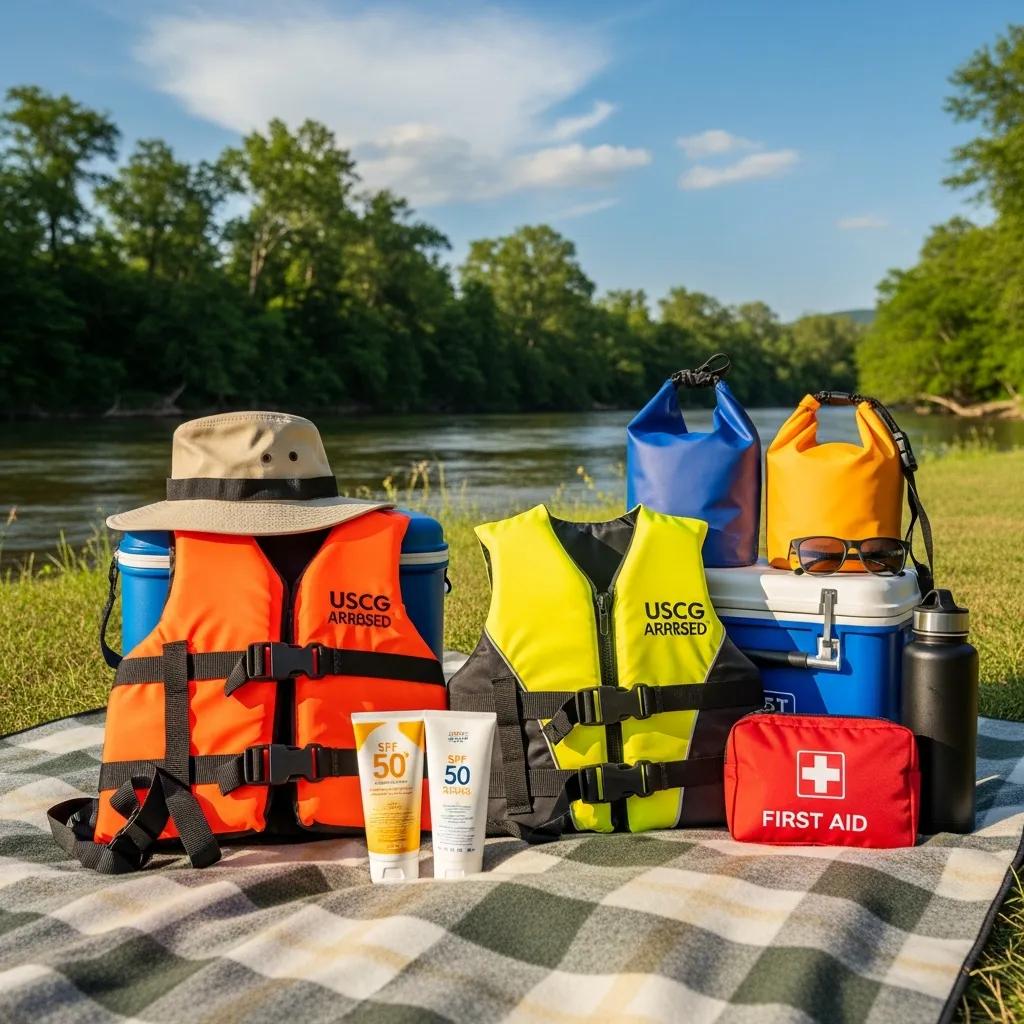
Bring the right gear — basics below keep families safe on the Shiawassee.
These items help you handle common issues and enjoy the river.
Why USCG‑Approved PFDs Are Required
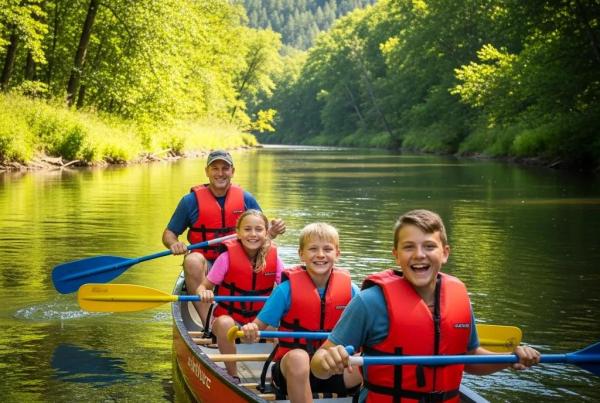
USCG‑approved life jackets are tested for flotation and fit. A properly fitted PFD lowers drowning risk for everyone, so ensure each person wears the correct size while on the water.
Research supports clear, practical protective steps — like supervision and life‑jacket use — that lower drowning risk in open water settings.
Open Water Safety Messages & Drowning Prevention
Open‑water recreation is a common setting for drowning incidents in countries with easy access to water. To simplify global safety advice, 18 experts from 12 countries formed the International Task Force on Open Water Drowning Prevention and produced 16 general (non‑boating) safety messages. A review of literature from 1990–2010 and expert input supported those messages. The strongest evidence supports active supervision and avoiding alcohol around open water. Other messages — like using lifeguards, CPR training, and life‑jacket use — are backed by some evidence. The review also highlights areas where more research is needed.
Where the evidence and expert opinion meet: A review of open-water recreational safety messages, R Franklin, 2011
What Else Should Families Pack?
- Water bottles
: Keep everyone sipping regularly to avoid dehydration. - Dry bags
: Keep phones, snacks, and spare clothes dry. - Whistles
: Easy, reliable way to signal for help if needed.
Small extras make a float more comfortable and safer.
Spotting and Avoiding Hazards on the Shiawassee
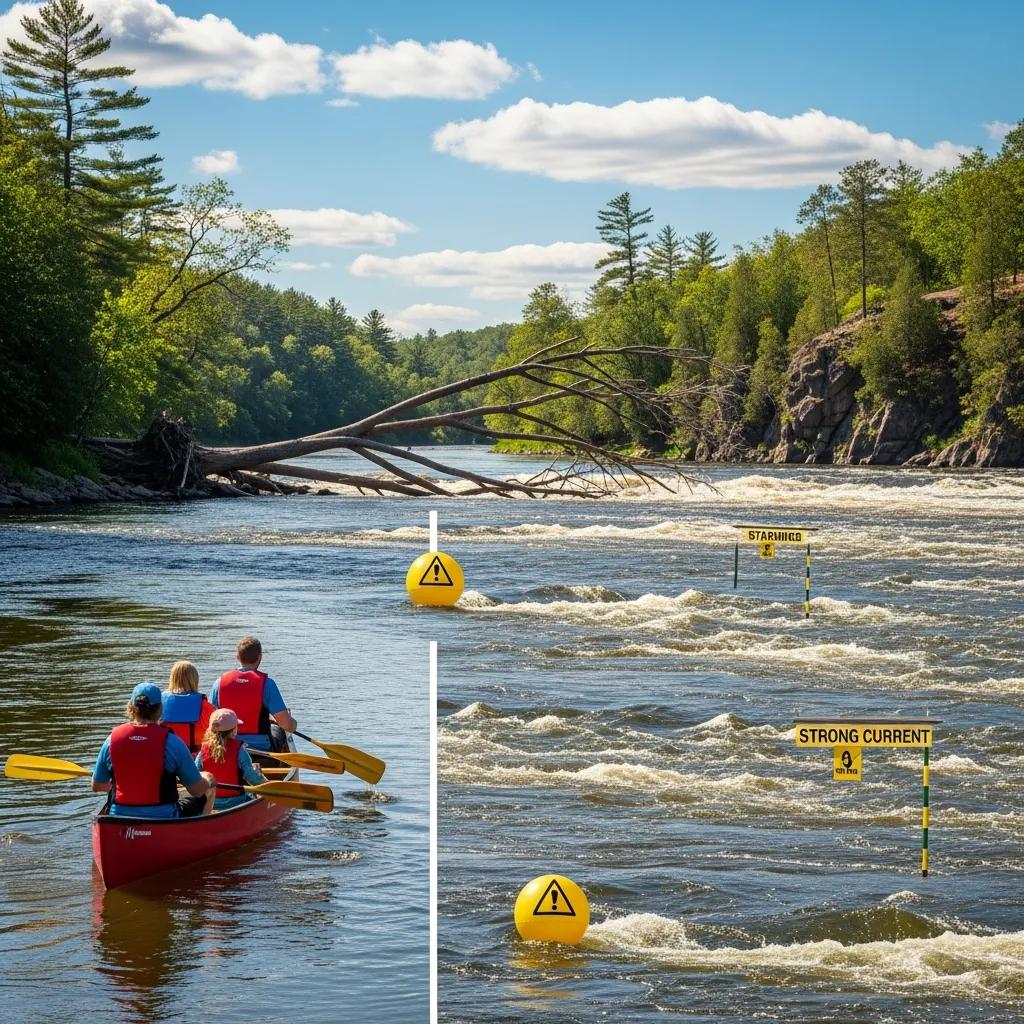
Identify hazards before and during your float — it’s one of the best safety measures.
The Shiawassee has typical river risks; awareness goes a long way.
Common Hazards: Strainers, Currents, and More
Watch for strainers (fallen trees that trap people), stronger currents, rocks, low bridges, and snaggy sections. Scout ahead and stay in a safe line.
How to Recognize Local Safety Zones and Caution Areas
Follow posted signs for safe passages or danger zones. Ask Cheff’s or campground staff and check local maps for tricky stretches and current conditions before you launch.
Key Safety Protocols and Emergency Steps for River Floating
Agree on simple group protocols before launch so everyone knows the plan.
Group Basics and Hydration Tips
Float with another boat when possible and set a meeting point. Use simple hand or whistle signals for stop, go, or help. Remind everyone to drink regularly and bring extra water.
What to Do in an Emergency
- Stay calm
: Assess before acting. - Signal for help
: Use a whistle, wave, or shout. - Follow the plan
: Use agreed signals, throw a flotation aid, and move to safety.
Practice these steps so emergencies are easier to manage.
Frequently Asked Questions
What should families consider when choosing a river floating location?
Choose a location that matches your group’s experience: check current strength, depth, and hazards. Look for easy access, parking, launch points, and nearby restrooms. Rental services and on-site staff can recommend suitable routes.
Are there age restrictions for river floating at Walnut Hills?
No strict age limits, but assess each child’s comfort in the water. Young children should stay with an adult and wear properly fitted USCG‑approved life jackets. Choose shorter, gentler routes for younger paddlers and ask rental staff for recommendations.
What should you do if someone falls out of the canoe?
If someone falls out, stay calm. Instruct them to float on their back with their face up and call for help. If safe, paddle back and offer a flotation device, rope, or paddle to hold. Avoid endangering yourself.
How can families prepare for changing weather while on the river?
Check the forecast and pack layers and waterproof gear like ponchos or dry bags. If storms or high winds appear, head for shore and shelter. Agree on a regroup point before launch.
What are the best practices for staying hydrated during a float?
Bring plenty of water and encourage regular sips — aim for every 30–60 minutes in warm weather. Avoid alcohol and sugary drinks. For long days, consider electrolyte drinks to replace salts.
How can families ensure their safety gear works properly?
Inspect gear before you go: check life jacket fit and damage, restock the first‑aid kit, and ensure sunscreen is usable. Practice putting on PFDs and know where emergency items are stored.
Conclusion
River floating at Walnut Hills is a relaxed, family-friendly way to enjoy the outdoors when you bring the right gear and follow basic safety steps. Learn the river, pack essentials, and use local experts like Cheff’s Canoe Rental for route and condition advice. With planning, your float will be safe and full of family moments.