Your First Camping Adventure: Essential Gear for a Comfortable and Safe Trip
Last year, over 5.8 million Americans discovered the joy of pitching their first tent, and having the right gear can truly make or break that initial outdoor escapade. In this guide to essential camping equipment for newcomers, you’ll learn how to pick out the perfect shelter, sleeping setup, cooking essentials, and safety tools to ensure both comfort and peace of mind. We’ll also highlight how Ridge Ranch Campground’s spacious tent sites, convenient on-site camp store, and family-friendly features perfectly complement your gear choices. Follow our roadmap covering must-have items, tent selection, sleep systems, camp kitchens, safety gear, preparation tips, and a final checklist to make your first camping trip a breeze.
What Are the Must-Have Camping Essentials for First-Time Campers?
Camping essentials are the core items that cover your basic needs—shelter, rest, food, and safety—while you’re out in nature. Having the right equipment reduces discomfort, prevents unexpected issues, and lets you fully immerse yourself in enjoying the great outdoors. For example, a dependable tent shields you from the elements, while a warm sleeping bag and pad protect you from the cold ground. Equipping yourself with the right cooking gear and first-aid supplies ensures you’re ready for anything. These four key areas—shelter, sleep, cooking, and safety—form the foundation of any beginner’s outdoor kit and pave the way for more specialized choices.
Which Shelter Options Are Best for Beginner Campers?

A sturdy shelter offers protection from wind, rain, and bugs, thanks to breathable, waterproof materials. Three-season tents use lightweight fabric and sealed seams to handle moderate weather, while pop-up tents are incredibly easy to set up with just a few simple steps. For larger groups, cabin tents provide ample headroom and vertical walls. Simple rain tarps offer versatile extra coverage during unexpected showers.
This comparison helps clarify how different shelters balance space, ease of use, and weather protection before we dive into sleep systems.
What Sleeping Gear Ensures Comfort and Warmth?
Sleeping gear combines insulation and cushioning to help you get a good night’s rest on uneven terrain. A sleeping bag rated at least 10°F below the expected nighttime lows provides a crucial insulation buffer, while a sleeping pad with an R-value of 3 or higher prevents heat from escaping to the ground. Inflatable air mattresses offer extra plushness but require careful inflation. Always test your pad’s firmness and your bag’s weight before you head out to ensure they’re comfortable and packable.
- A down or synthetic sleeping bag rated for cooler shoulder-season temperatures offers warmth and packs down small.
- Closed-cell foam pads provide durable insulation and can also be used as a seat pad.
- Inflatable pads balance comfort with compact storage but can be susceptible to punctures.
- A camp pillow or a small stuff sack filled with clothing can provide essential neck support.
These layers of insulation set the stage for enjoyable meals under the stars, which we’ll explore next.
How Do You Choose the Right Tent for Easy Setup and Comfort?
Selecting a tent that’s both easy to set up and comfortable means looking at key features like pole design, capacity, seasonality, and weather resistance, and then matching them to your camping style. A tent with color-coded, shock-corded poles makes setup much faster, while straight walls maximize the interior living space. Three-season models are designed to handle light rain, and vestibules offer convenient storage for your gear. By focusing on these attributes, beginner campers can find a shelter that suits their skill level and trip plans.
What Tent Features Matter Most for Beginners?
Tent features are designed to simplify setup and improve your living experience in the tent with thoughtful design elements. Color-coded poles and pre-attached clips take the guesswork out of assembly, while freestanding designs allow you to set up your tent just about anywhere. Mesh panels enhance ventilation and offer great views for stargazing, and taped seams help keep water out. A lightweight rainfly that’s easy to attach ensures quick protection from sudden showers.
- Color-coded poles make assembly steps much simpler
- Freestanding design allows you to set up the tent without needing to anchor it
- Mesh walls improve airflow and keep bugs out
- Taped seams prevent water from leaking in at critical points
These considerations lead into choosing the right tent style for your group’s size and how you plan to use it.
Which Tent Types Are Ideal for Family and Group Camping?
Family camping often calls for tents with spacious vestibules and walls that are nearly vertical, allowing everyone to stand up and move around comfortably.
Choosing the right style ensures your group can relax comfortably indoors and store gear away from the elements before we explore how Ridge Ranch Campground can accommodate each type.
How Do Ridge Ranch Tent Sites Accommodate Different Tent Types?
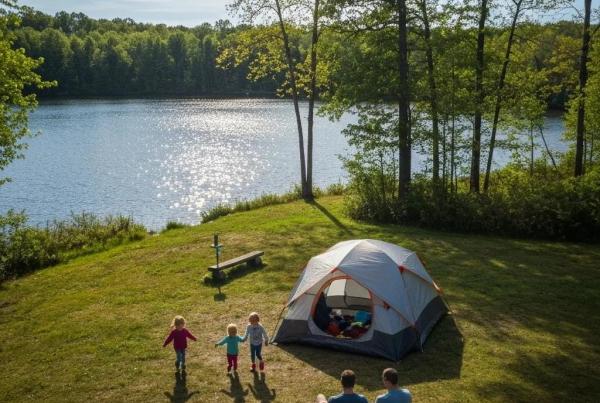
Ridge Ranch Campground offers level, wooded sites perfect for both dome and cabin tents, with clear markers and easy access to water. Our spacious tent pads are at least 12×15 feet, easily accommodating larger family tents without feeling cramped. The sites are conveniently located near fire rings and picnic tables, making evening meals and games a breeze. These well-designed sites are ideal for pop-up and cabin setups, ensuring consistent comfort no matter which model you choose.
What Are the Basic Tent Maintenance Tips for Longevity?
Regular tent care helps preserve the materials and prevent damage through simple practices:
- Wipe off mud and dirt after each trip to prevent fabric wear.
- Air-dry your tent completely before storing it to prevent mildew.
- Store it loosely in a breathable bag rather than compressed for long-term care.
- Periodically check seams and zippers, applying seam sealer or lubricant as needed.
Proper maintenance extends your tent’s lifespan and performance, setting you up for comfortable nights under the stars.
What Sleeping Bags and Pads Are Best for First-Time Campers?
Quality sleep systems combine thermal insulation and ground cushioning to maximize your rest in outdoor conditions. Choosing a sleeping bag based on its temperature rating, pairing it with an appropriate pad, and adding simple sleep accessories ensures you wake up feeling refreshed, not stiff. Let’s explore these decisions in detail.
How to Select Sleeping Bags Based on Temperature Ratings?
Temperature ratings indicate the lowest temperature at which a sleeping bag is designed to keep you warm, based on lab tests and user feedback. A three-season bag rated for 20°F is suitable for spring through fall, while a 0°F bag is better for chilly shoulder-season nights. Synthetic fills tend to handle moisture better, whereas down compresses more compactly.
- Choose a rating at least 10°F lower than the expected lowest temperatures for a safety buffer.
- Synthetic insulation maintains its loft even when damp, making it ideal for unpredictable weather.
- Down offers a superior warmth-to-weight ratio, perfect for backpackers.
Understanding these choices helps you select the right sleeping pad for optimal sleep system performance.
Why Are Sleeping Pads Important for Insulation and Comfort?
Sleeping pads act as both a thermal barrier and cushioning, preventing heat loss to the cold ground while softening hard surfaces. The R-value measures a pad’s insulation: an R-value of 4 or higher is best for cooler climates, while a value of 2–3 works well in moderate weather.
Selecting the right pad completes your insulation strategy before you add extras for ultimate comfort.
What Additional Sleep Accessories Improve Rest?
Small additions can significantly enhance your sleep quality by addressing specific comfort needs:
- A camp pillow or inflatable pillow for proper neck support.
- A sleeping bag liner to boost warmth by 5–10°F and make cleaning easier.
- A camp blanket for an extra layer when temperatures drop unexpectedly.
These extras work with your sleeping bag and pad choices to create a personalized sleep oasis, even in Ohio’s changeable weather at Ridge Ranch.
How Does Ohio’s Climate Affect Sleeping Gear Choices at Ridge Ranch?
Ohio’s climate typically brings warm summer days and cool nights, especially near Ridge Ranch’s lake. Summer campers will find 20°F-rated sleeping bags paired with light liners to be ideal, while visits in spring and fall call for 10°F bags and R-value 4 pads. Expecting dew on grassy sites means choosing moisture-resistant pads and synthetic fills. Adapting your sleep system to local conditions ensures restful nights and energized days for enjoying lakeside fun.
What Are the Essential Camp Kitchen Items for Beginner Campers?
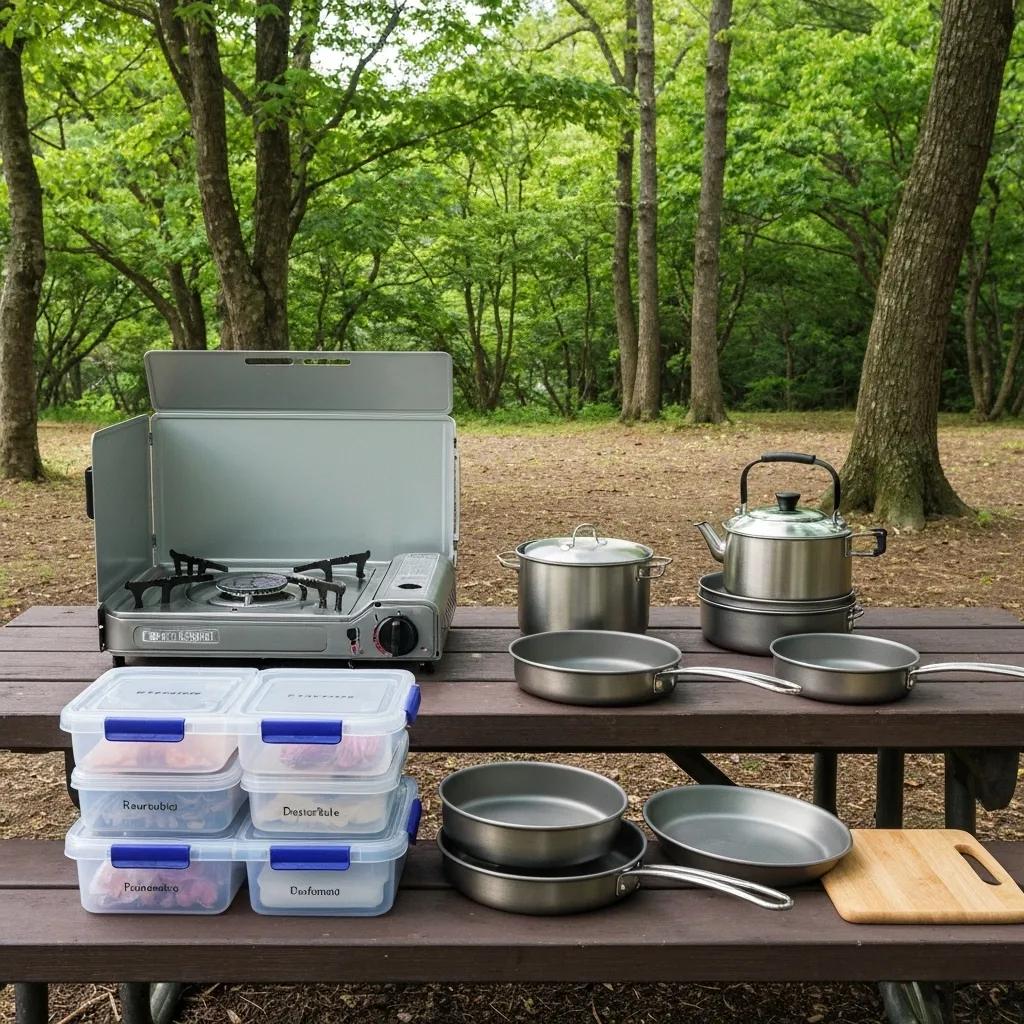
Camp kitchen essentials help you transform raw ingredients into delicious meals with reliable heat sources and smart storage solutions. From compact single-burner stoves to airtight containers, the right items ensure safe, simple cooking and food preservation. Let’s break down each component before we explore some easy meal ideas.
Which Portable Camp Stoves and Cookware Are Easy to Use?
A beginner-friendly stove typically features push-button ignition, stable pot supports, and adjustable flame control. Compact cookware sets nest together efficiently, often with nonstick surfaces for easy cleanup.
- Propane stove with a push-button igniter for instant flame without needing matches.
- A two-pot cookware set with locking handles for space-saving convenience.
- Lightweight utensils made from nylon or stainless steel that can withstand heat.
These tools will prepare you for simple stovetop meals and that spontaneous sunrise coffee before we discuss keeping your ingredients fresh.
How to Keep Food Fresh: Choosing the Right Cooler and Storage?
A high-performance cooler uses thick insulation and tight seals to keep ice frozen for several days. Pairing it with reusable silicone bags and airtight containers helps prevent spills and deter critters.
- Choose a cooler that can keep ice frozen for at least 48 hours.
- Use stackable, BPA-free containers to organize perishable snacks.
- Pack zip-top bags for marinating food or for easy trail snacks to minimize waste.
Organized storage leads into simple meal plans that are perfect for first-time campers and busy families.
What Simple Meal Ideas Work Well for First-Time Campers?
Easy, low-prep recipes make camp cooking a breeze:
- One-pot pasta with pre-chopped veggies and jarred sauce for quick cleanup.
- Foil-pack meals featuring seasoned meat and potatoes, wrapped and cooked directly on the grill.
- Over-the-fire skewers with pre-marinated meat and vegetables on metal or soaked wooden skewers.
- No-cook snacks like trail mix, fresh fruit, and cheese sticks for energy on the go.
These meal strategies allow beginners to focus on flavor rather than complicated techniques before we see how Ridge Ranch’s camp store can help if you forget any supplies.
How Can Ridge Ranch’s Camp Store Support Your Food and Gear Needs?
Ridge Ranch Campground’s store carries propane canisters, basic cookware, ice, and common pantry staples, ensuring you’ll never run out of essentials. You can also rent or purchase forgotten utensils and extra coolers, and our friendly staff can offer advice on local firewood regulations. This support means you can pack lighter and rely on on-site convenience, making meal prep a hassle-free part of your trip.
What Safety and Lighting Gear Should First-Time Campers Pack?
Safety and illumination gear are crucial for keeping everyone secure and oriented after dark. Combining basic medical supplies, reliable light sources, and situational awareness tips allows families to focus on fun rather than emergencies. We’ll cover what to include and how it enhances every campground activity.
What Should a Basic Camping First Aid Kit Include?
A first-aid kit designed for camping should address common trail and campsite injuries with a compact collection of supplies. Be sure to include adhesive bandages, antiseptic wipes, gauze pads, adhesive tape, blister treatments, and a mylar emergency blanket. Adding insect bite relief and over-the-counter pain medication will complete your personal care package. Properly stocking your kit ensures that minor issues don’t derail your adventure before we discuss lighting choices.
How to Choose Between Headlamps, Lanterns, and Flashlights?
Selecting the right light source depends on the task at hand, how long you need it to last, and convenience. Headlamps keep your hands free for setting up tents or navigating trails, lanterns provide general illumination for campsites, and handheld flashlights offer a focused beam for detailed work. Rechargeable batteries help reduce waste, while waterproof ratings ensure they’ll function even in damp conditions.
- Headlamp for hands-free trail use (100+ lumens recommended)
- Lantern for lighting up a communal table area (200+ lumens)
- Flashlight for quick tasks and keeping in your glove compartment
Bright, reliable lighting sets the mood for evening safety tips at Ridge Ranch Campground.
What Are Key Safety Tips for Families Camping at Ridge Ranch?
Ridge Ranch Campground is very family-focused, so supervisors should establish clear meeting points, teach children how to identify park staff, and store food securely to keep wildlife away. When fishing from the shore, ensure young anglers wear flotation devices, and always supervise children in playground areas. Remember to pack sunscreen and insect repellent to protect against sunburn and ticks. These precautions combine gear choices with on-site safety measures before we look at how preparedness enhances the overall experience.
How Does Proper Safety Gear Enhance Your Camping Experience?
Reliable safety equipment builds confidence, allowing first-time campers to explore Ridge Ranch’s hiking trails, fishing spots, and evening fire pits without worry. Knowing you have a well-stocked medical kit, bright lighting, and secure food storage lets families relax and truly enjoy their activities. This sense of preparedness translates directly into better rest, stronger memories, and a desire to return for future stays.
How Can First-Time Campers Prepare for a Successful Stay at Ridge Ranch Campground?
A smooth camping trip at Ridge Ranch starts with matching your gear to our amenities, planning your logistics, and considering rental options. By aligning your equipment with campground features—like our waterfront access and playgrounds—you’ll simplify setup and focus on having fun. Follow these steps to book your site, supplement your gear as needed, and take full advantage of Ridge Ranch’s offerings for an effortless stay.
What Gear Best Matches Ridge Ranch’s Family-Oriented Amenities?
Gear that complements Ridge Ranch’s 16-acre lake includes lightweight fishing rods, life jackets for non-swimmers, and quick-dry towels for paddleboat adventures. Visits to the playground are enhanced by portable chairs and a shade canopy, while breaks in the game room are perfect for compact board games. Matching your gear to your planned activities will boost your schedule flexibility and family enjoyment.
How to Plan and Book Your First Camping Trip at Ridge Ranch?
Start by selecting a tent or RV site through the Ridge Ranch reservation portal, paying attention to its proximity to amenities like restrooms and the camp store. Check the calendar for planned activities and consider visiting on weekdays for fewer crowds. Schedule your arrival and departure times to align with store hours, and review campground rules regarding firewood and pets. This preparation ties in perfectly with your gear packing strategies for efficient load-outs.
What Rental Gear Options Are Available for Beginners?
Ridge Ranch Campground offers rentals for tents, sleeping bags, and coolers for visitors who prefer to travel light. Propane stoves and lanterns are also available on a first-come, first-served basis at the camp store. Rental gear allows you to try out equipment before investing in your own, helping to keep your initial costs down and stress levels low.
How to Use Ridge Ranch’s Facilities to Complement Your Camping Gear?
Make the most of the fire rings and picnic tables provided at each site by bringing portable grill grates and dish-washing kits. Use the communal water spigots to refill your hydration packs and rinse cookware. The on-site laundry and shower facilities mean you can pack fewer changes of clothes. Combining your personal gear with the campground’s infrastructure optimizes weight distribution and overall trip comfort.
What Are the Top Tips and Checklists for First-Time Camping Gear Preparation?
A final set of tips and a comprehensive checklist will ensure you don’t forget anything and pack in an organized manner. Efficient loading, avoiding common mistakes, and knowing where to find support resources will perfect your preparation process and set you up for success on your adventure.
What Is the Ultimate Beginner Camping Gear Checklist?
Bring these essentials in priority order to cover your basic needs, comfort, and safety:
- Shelter: Tent, footprint, stakes, rainfly
- Sleep System: Sleeping bag, pad, pillow, liner
- Cooking Gear: Stove, fuel, cookware set, utensils
- Food Storage: Cooler, containers, ice
- Safety Kit: First-aid kit, headlamp, lantern, compass
- Personal Items: Clothing layers, toiletries, insect repellent
- Extras: Camp chairs, firestarter, waterproof matches
This list forms the foundation of any novice camper’s packing routine and leads into smart loading strategies.
How to Pack Efficiently for Your First Camping Trip?
Organized packing saves time and prevents last-minute panic by grouping items by use and weight. Place heavier items—like your stove and cooler—at the bottom of your vehicle or pack. Use zippered bins or duffel bags for each gear category, labeling them for quick access. Keep items you’ll use daily, such as water bottles and bug spray, in a small daypack. Efficient organization helps preserve your mental energy for setting up camp and exploring, rather than rummaging through your gear.
What Common Mistakes Should First-Time Campers Avoid?
New campers often overlook weather forecasts, which can lead to insufficient insulation or rain protection. Packing too many clothes instead of essential gear can make transport and setup more difficult. Failing to test equipment—like inflating pads or lighting stoves—before you leave can lead to frustration. Not securing food properly can also result in unwanted wildlife encounters. Avoid these common pitfalls by planning ahead, testing your gear, and following established packing routines.
Where to Find Additional Resources and Support for Beginner Campers?
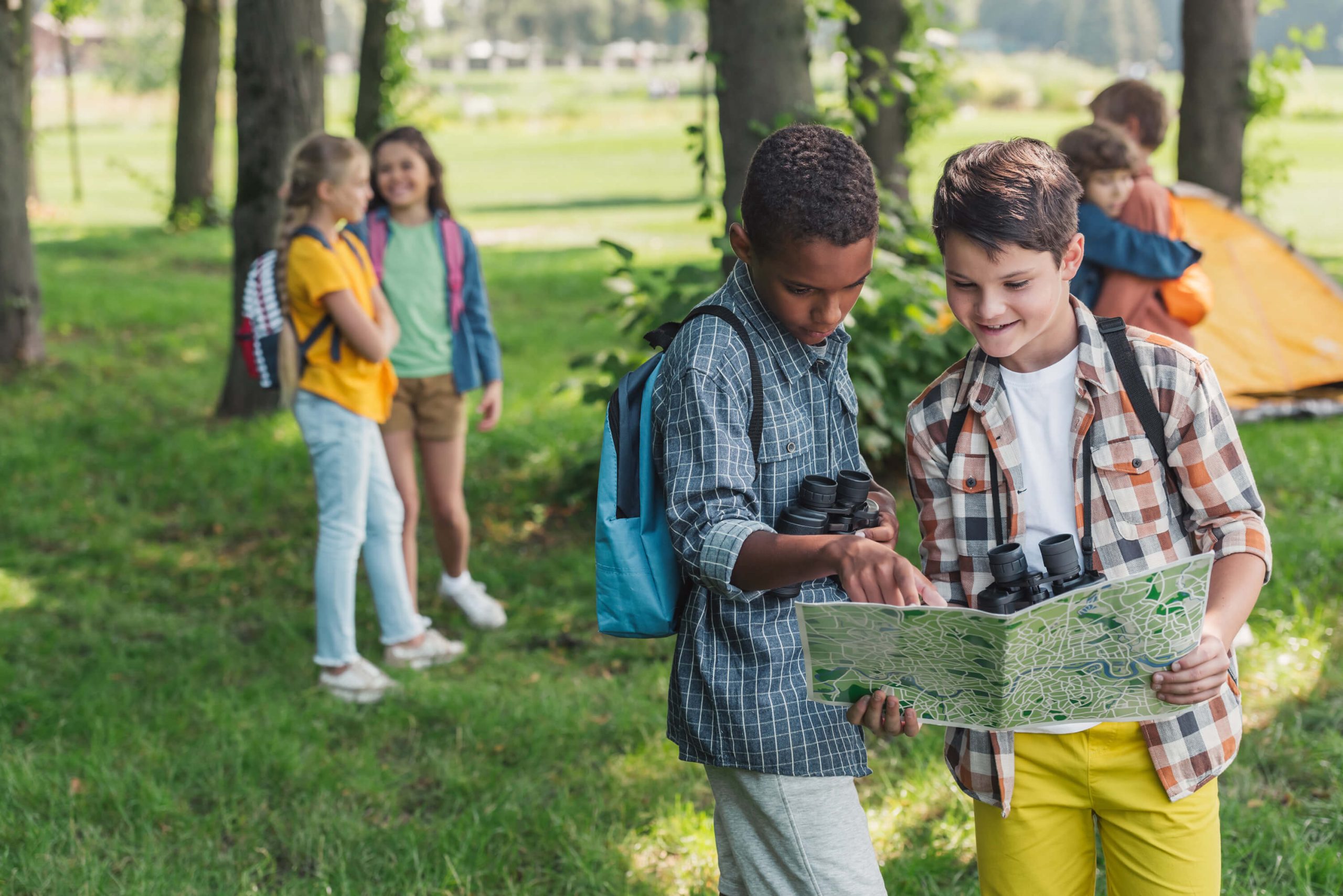
Beyond this guide, first-time campers can find valuable information on online camping forums, in the advice sections of local outdoor retailers, and through instructional videos on setting up tents or operating stoves. Ridge Ranch Campground’s website and front-desk staff also offer gear rental options, equipment recommendations, and local trail maps. These resources will bolster your preparedness and foster ongoing confidence as you transition from a novice to a seasoned camper.
With the right preparation and gear that complements Ridge Ranch Campground’s amenities, first-time campers can confidently embrace the outdoors, create lasting family memories, and return to the wilderness with growing enthusiasm. Enjoy your first adventure under the stars—equipped, prepared, and ready for everything nature has to offer.