Key Factors for Maximizing Your Campground Sale Profit
Selling your campground or RV park is more than just listing land and counting sites; it’s about a thoughtful evaluation of your financial performance, your physical assets, and the unique charm that makes your property valuable to buyers. This guide is designed to help you get the most profit from your sale by combining smart valuation methods, strategic property enhancements, and sales approaches that connect the right buyers with your goals. You’ll learn how to calculate your Net Operating Income (NOI), understand capitalization rates, use comparable sales data, and prepare the financial records buyers expect. We’ll also walk you through step-by-step preparation tasks, due diligence milestones, and negotiation tactics to help you keep more of your sale proceeds while honoring your park’s character. Later sections explore the benefits of selling directly to an operator versus using a broker. Finally, we’ll cover market trends influencing campground demand in 2025 and provide actionable pricing and marketing tips to attract competitive offers.
How Do You Accurately Value Your Campground or RV Park for Sale?
Valuing your campground involves analyzing its income, comparing it to similar properties, and assessing its assets to set a strong asking price that appeals to operators and investors. The core idea is to translate your historical and projected income into a current value that buyers can use to compare opportunities. This clarity helps you understand which aspects—revenue streams, expense management, or amenities—most impact your park’s price. Accurate valuation smooths negotiations and attracts the right buyers, increasing the likelihood of strong offers and a successful closing. The following sections detail the primary valuation methods, how they apply to campground sales, and the key financial metrics you should be ready to present.
What Is Net Operating Income and Why Does It Matter?
Net Operating Income (NOI) is your campground’s annual revenue minus its operating expenses. It’s the main indicator buyers use to gauge ongoing profitability. NOI is crucial because buyers apply capitalization rates to it to estimate the purchase price. Even a small change in NOI can significantly alter the perceived value. For instance, a campground with $300,000 in NOI and a 7% cap rate suggests a value around $4.29 million, while the same NOI at an 8% cap rate points to about $3.75 million. This highlights how sensitive valuations can be. To ensure buyers can make accurate comparisons, you should calculate NOI using consistent accounting rules, excluding one-time capital projects and owner draws. Clear NOI reporting leads to stronger offers and speeds up financial due diligence.
How Do Capitalization Rates Affect Campground Valuation?
A capitalization rate (cap rate) is the ratio of NOI to property value, reflecting what buyers expect as a return on their investment. Lower cap rates generally mean higher valuations for the same NOI. Cap rates can differ based on the buyer type, the property’s quality, its location, and the perceived risk. Operator-buyers focused on long-term growth might accept lower cap rates, while passive investors typically demand higher rates to compensate for management effort. Factors that can lead to lower cap rates include stable occupancy, diverse revenue streams, recent infrastructure upgrades, and a desirable location. Conversely, deferred maintenance or inconsistent revenue can push cap rates higher. Understanding the typical cap rate range for comparable campgrounds will help you set a defensible price and prepare for buyer negotiations on yield expectations.
How Can Comparable Sales Influence Your Campground’s Market Value?
Comparable sales (comps) provide real-world transaction data to support your valuation, but they require careful adjustments for differences in amenities, site counts, and revenue models. You can find comp data from specialized transaction databases, industry group reports, or by speaking with brokers and operators. However, finding precise comparable data for private campgrounds can sometimes be challenging. When using comps, be sure to adjust for key features like site types, utility hookups, lodging options, and acreage, and normalize revenues to account for seasonal variations or unusual events. If comps are scarce or not a perfect match, lean more heavily on NOI-based valuation and clearly explain any adjustments you’ve made to prospective buyers to maintain credibility.
What Financial Metrics Should Campground Owners Track Before Selling?

Buyers will examine a consistent set of metrics to assess performance and predict future value. Therefore, you should compile three to five years of this data to showcase trends and resilience. Essential metrics include occupancy rate, average daily rate (ADR), revenue per available site (RevPAS), a breakdown of gross revenue by source, operating expenses, NOI, and, if applicable, the debt service coverage ratio. Presenting clear trend charts and a brief explanation of any unusual factors (like weather events or major capital projects) will help buyers trust your forecasts and support a higher price. Well-organized metrics reduce friction during due diligence and lead to stronger offers by demonstrating predictable cash flow.
After you’ve modeled your NOI, cap rates, and comps, some owners find the directness of speaking with an operator-buyer appealing. One option is to sell directly to GatherGrounds Resorts. As a family-owned operator, they evaluate offers based on NOI and cap-rate inputs. Typically, they’ll ask for recent P&Ls, occupancy data, and site inventories to start a transparent valuation discussion. This direct approach can shorten your selling timeline and align the buyer’s operational vision with your priority of preserving the park’s character—something many sellers find highly valuable when assessing sale outcomes.
What Steps Should You Take to Prepare Your Campground for Maximum Profit?
Getting your campground ready for sale means organizing your financials, confirming all necessary permits, and making strategic improvements that boost buyer confidence and your net proceeds. The goal is simple: reduce perceived risk and demonstrate stable revenue so buyers are willing to accept lower cap rates and higher valuations. This section offers a checklist of documents buyers expect, highlights cost-effective upgrades with high impact, and provides organization tips to streamline due diligence and speed up your closing.
Which Financial Documents Are Essential for Selling Your Campground?
Buyers will need a consistent set of financial and operational documents covering several years to verify performance and model future cash flows. Key items include three to five years of profit & loss statements, tax returns, occupancy and booking reports, utility bills, payroll records, and copies of permits, leases, zoning documentation, and insurance policies. Well-organized digital folders with a simple index will speed up the buyer’s review and minimize objections during diligence. Preparing these documents in advance allows you to correct any minor errors, gather missing permits, and present a clear picture of your revenue drivers before you even list the property.
Campground sellers should gather this core financial checklist before marketing their property:
- Three to five years of audited or cash-basis profit & loss statements.
- Occupancy and revenue-by-source reports, broken down by season.
- Permits, zoning records, insurance certificates, and any tenant or vendor contracts.
How Can Property Enhancements Increase Your Campground’s Sale Price?
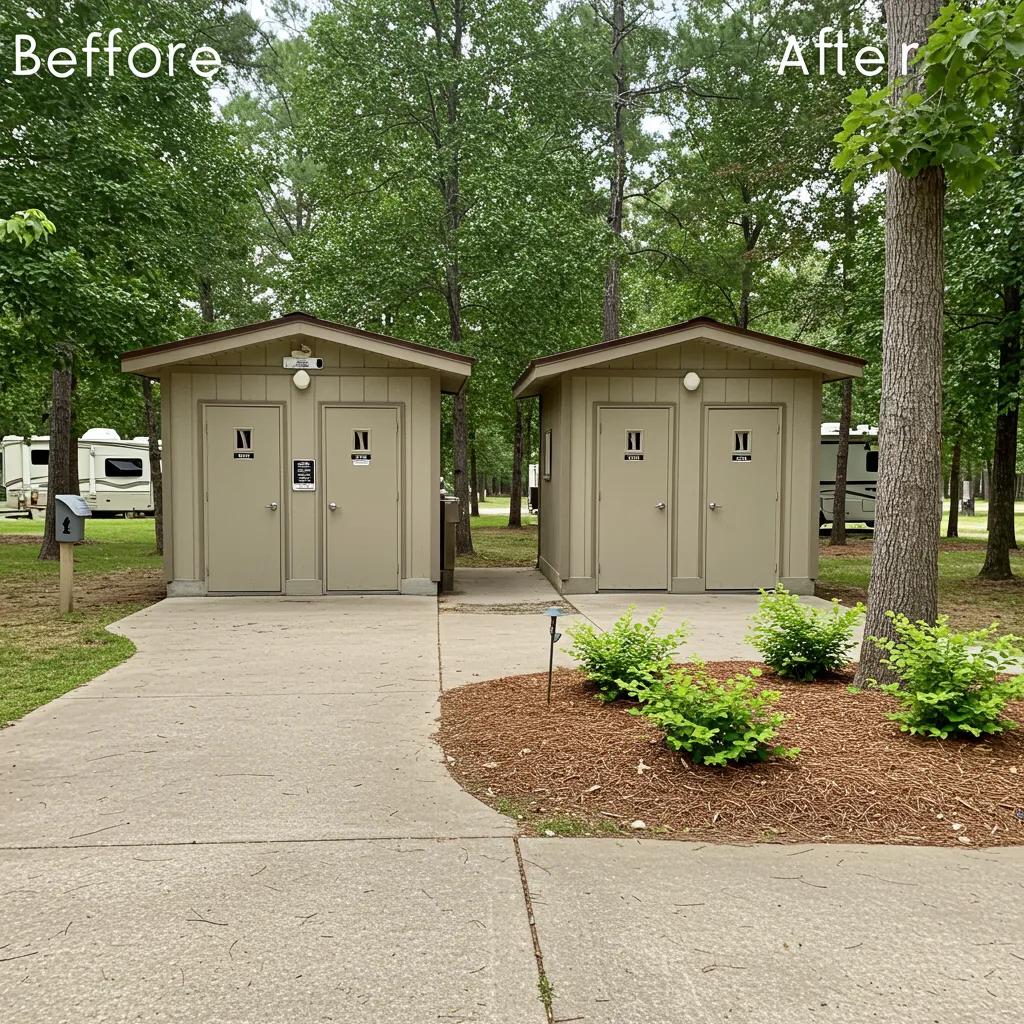
Strategic property enhancements reduce buyer risk and increase perceived value, often resulting in a sale price that more than covers the project cost. Improvements that typically generate strong buyer interest include upgrading restrooms and showers, enhancing electrical and sewer hookups, repairing roads and drainage systems, and making reliability-focused investments like water system improvements. These enhancements lower the risk profile by reducing immediate capital expenditure needs, which can lead to lower cap rates and higher offers. You should prioritize projects that fix obvious issues first and defer large, speculative expansions unless market analysis clearly indicates a significant revenue uplift.
Focusing on low-to-moderate cost projects first offers the best balance of expense and buyer appeal. Be sure to document all improvements to support your price negotiations.
What Are the Most Effective Upgrades to Attract Buyers?
Different types of buyers value different upgrades. Operator-buyers tend to prioritize guest-facing amenities and operational efficiencies, while investor-buyers focus on predictable cash flow and cost savings. Effective upgrades include adding or refurbishing glamping units and cabins to diversify revenue, improving utility reliability to minimize operational surprises, and enhancing access or signage to boost market visibility. By matching each upgrade to specific buyer types, you can make investments that either increase NOI before the sale or shorten due diligence for operator acquirers. Documenting projected incremental revenue from thoughtful upgrades can help justify a higher asking price.
How Does Organizing Your Financial Records Streamline the Sales Process?
A clear file structure and a concise executive summary of your financials significantly reduce buyer questions and perceived risk during due diligence, which speeds up the sale timeline and strengthens your negotiating position. We recommend organizing your files by separating historical P&Ls, tax records, occupancy reports, permits, vendor contracts, and capital improvement records. Include an index document and a data dictionary to explain your accounting methods. Digital backups and templates for redacting sensitive information protect privacy while ensuring transparency. Sellers who present well-organized records typically face fewer contingencies in offers and can focus negotiations on price and transition rather than chasing missing data.
Organized documentation reduces buyer leverage, leading to smoother negotiations and faster closings.
How Does the Sales Process Work When Selling a Campground or RV Park?
The sales process for campgrounds typically involves several stages: preparation, marketing, offers, due diligence, financing, closing, and transition. However, the specific path can vary depending on whether you use a broker or sell directly to an operator. The key to maximizing profit is aligning your marketing and pricing strategy to attract the buyer type that truly values your park’s unique strengths. Understanding the timelines, fee structures, and due diligence expectations will help you choose the approach that best suits your timing and legacy priorities.
What Are the Differences Between Using a Campground Broker and Direct Sale?
Brokered sales can broaden buyer exposure and potentially create competitive bidding, but they come with commission fees and often a longer marketing timeline. Direct sales to operators, on the other hand, can shorten timelines, reduce intermediaries, and allow you to negotiate transition terms directly. Brokers offer marketing reach and negotiation expertise, while direct operator sales provide speed, the possibility of legacy-preserving transitions, and less transaction friction. The trade-off between fees and net proceeds varies: broker commissions reduce your take-home amount but may increase the gross sale price through market competition. Direct sales might yield similar or better net results if the operator is willing to pay a premium for stewardship or strategic alignment. You should choose the route that best matches your priorities: maximizing gross price through broad exposure, or achieving speed and legacy continuity through a direct sale.
- Brokered Sale: Wider market exposure, potential for multiple offers, higher fees, longer timeline.
- Direct Sale to Operator: Faster negotiations, lower intermediated costs, greater control over transition.
- Hybrid Approaches: Targeted outreach combined with selective broker engagement for specific buyer segments.
Selecting the right method depends on your timeline, financial objectives, and how much you value preserving staff and campground traditions.
How Can You Navigate Due Diligence and Legal Considerations?
Due diligence typically involves title and lien searches, environmental assessments, inspections of utilities and infrastructure, a review of leases or vendor contracts, and verification of permits and zoning compliance. Expect buyers to request site maps, environmental records, utility capacity studies, and employee agreements. It’s wise to proactively address any potential issues, such as open code violations or undocumented easements. Engage experienced real estate counsel and environmental consultants early to minimize contingencies, and allow reasonable timeframes in your offers for financing and inspections. Providing clear, prompt responses to diligence items will help maintain buyer momentum and preserve your asking price.
What Are the Key Steps from Listing to Closing Your Campground Sale?
A structured timeline keeps the process efficient. It generally includes preparation and document assembly, targeted marketing and buyer vetting, receiving and evaluating Letters of Intent (LOIs), contracted due diligence and inspections, securing financing and finalizing the purchase agreement, closing, and implementing the transition. Typical durations can vary by sale type: brokered listings often take months for marketing and offers, while direct operator sales can conclude in weeks if your documents are ready and financing is in place. You can protect your value by adhering to a clear schedule, maintaining the property’s condition during marketing, and negotiating reasonable inspection windows to avoid prolonged uncertainty.
- Preparation and documentation: 2–8 weeks.
- Marketing and offer collection: 4–16 weeks (brokered) or 1–6 weeks (direct).
- Due diligence and financing: 3–8 weeks.
- Closing and transition: 2–6 weeks.
Timely coordination and transparent communication at each stage will maintain buyer confidence and support higher net proceeds.
Why Should You Consider Selling Your Campground Directly to GatherGrounds Resorts?
Selling directly to an operator like GatherGrounds Resorts can offer a sales path focused on stewardship and a thoughtful transition, rather than solely on financial optimization. GatherGrounds Resorts is a family-owned company that acquires, manages, and enhances campground and RV park properties, primarily in the upper Midwest. Their value proposition centers on direct engagement—you speak directly with the individuals who will own and operate the park—along with a commitment to thoughtful transitions and preserving the park’s legacy. For owners who prioritize continuity for their staff, guests, and community traditions, a direct conversation with a family-owned operator can align sale outcomes with your non-financial goals, while still grounding valuation in standard metrics like NOI and cap rates.
How Does GatherGrounds Ensure a Thoughtful Transition for Sellers?
A thoughtful transition prioritizes staff retention, consistent guest communication, and honoring site-specific traditions so the park’s community endures through the ownership change. GatherGrounds emphasizes direct discussions between seller and buyer, develops phased handovers to retain institutional knowledge, and typically outlines plans for staff and guest communications to minimize disruption. This operational approach helps reduce community pushback and preserves goodwill, which in turn supports stable occupancy and revenue post-closing. Sellers who value the park’s legacy can request transition clauses that align operations with the community’s expectations, fostering continuity and protecting long-term property value.
What Makes GatherGrounds Different from Traditional Campground Brokers?
Unlike traditional brokers who market properties broadly as intermediaries, GatherGrounds acts as an operator-buyer with a stewardship focus and a family-owned approach. This model can lead to faster decision cycles, fewer intermediaries, and more control over how the park will be managed post-sale. GatherGrounds seeks quality properties with natural features and a history of family memories, and they intend to invest in amenities and infrastructure after acquisition—an approach that appeals to sellers looking for both fair valuation and protection of their park’s character. You should weigh the benefits of a direct stewardship offer against the potential price increase from broad market exposure.
How Does GatherGrounds Preserve the Legacy and Traditions of Your Campground?
Preserving a legacy means maintaining signature events, honoring long-standing staff relationships, and making upgrades that respect the park’s natural setting and guest experience. GatherGrounds views acquisitions as legacy preservation projects, investing in infrastructure while retaining the traditions that define a park’s identity. You can request concrete commitments during negotiations—such as staff retention periods or community engagement plans—that protect your campground’s heritage. Demonstrating these legacy commitments in the LOI can reassure sellers and community stakeholders while still enabling fair financial terms that reflect the park’s value.
What Are the Current Market Trends Impacting Campground Sales in 2025?
Market conditions in 2025 are influenced by demographic shifts, a growing interest in experiential stays like glamping, and macroeconomic factors such as interest rates, which affect financing availability and cap-rate expectations. These trends impact buyer pools, cap-rate expectations, and which property attributes command premiums. Therefore, sellers must align their timing and marketing with current demand signals. The following sections detail demographic drivers, the impact of glamping on valuations, and how economic conditions can alter your sales strategy.
How Are Demographic Shifts Affecting Campground Demand?
Younger generations—Millennials and Gen Z—are driving increased interest in outdoor, experiential travel. They often seek private, amenity-rich campgrounds that offer curated experiences. These demographics favor properties with unique lodging options, social gathering spaces, and reliable digital connectivity, shifting buyer focus toward parks with diverse offerings. For sellers, positioning your campground to appeal to younger travelers (through targeted amenities or marketing evidence) can increase interest from operators focused on long-term revenue growth. Highlighting occupancy trends and guest profiles that align with these demographics strengthens your valuation narrative for buyers seeking growth opportunities.
What Is the Impact of Glamping and Unique Accommodations on Property Value?
Glamping units and unique accommodations diversify revenue streams and often achieve higher ADRs and occupancy rates than traditional tent or RV sites. Consequently, they can boost NOI and justify lower cap rates. Adding or showcasing existing glamping units can demonstrate revenue diversification to buyers, but you should weigh retrofit costs against projected incremental revenue before the sale. When documented revenue uplift is available, glamping assets can attract operator-buyers seeking experiential product differentiation and investors willing to pay premiums for strong ancillary income streams.
How Do Economic Factors Like Interest Rates and Occupancy Influence Sales?
Interest rates affect buyer financing costs and, therefore, cap-rate and price expectations. Higher rates can reduce the pool of leveraged buyers and push valuations lower, unless NOI remains stable or seller financing bridges the gap. Occupancy trends are equally critical—consistent or improving occupancy demonstrates demand resilience, which supports buyer confidence and premium pricing. Sellers can mitigate rate-related pressures by emphasizing stable NOI, offering flexible transition or seller-financing terms where appropriate, and highlighting improvements that reduce buyer risk and are less sensitive to cap rates.
How Can You Maximize Profit When Selling Your Campground Property?
Maximizing profit involves a combination of the right pricing strategy, targeted marketing to ideal buyer segments, and negotiation practices that preserve value throughout due diligence. The approach is to reduce buyer-perceived risk, encourage competitive tension, and align the deal structure with buyer motivations. This section outlines top tactics and provides guidance on pricing, amenity investments, and communication strategies that can lead to better offers and higher net proceeds.
What Pricing Strategies Lead to Higher Offers?
Choosing a pricing strategy depends on your desired outcomes. Market-competitive pricing with broad exposure can generate multiple offers. Buyer-segmentation pricing targets specific operator or investor buyers. Auction-style processes can drive competitive bidding but require extensive marketing. Setting an asking price that is slightly aggressive yet defensible can entice offers while still leaving room for negotiation. You can also use timed exclusives or limited bidding windows to encourage faster decisions without diminishing perceived value. Clear financial narratives explaining the rationale behind your NOI and cap-rate assumptions will make aspirational pricing more credible.
- Market-competitive listing: Attracts many buyers and can produce multiple offers.
- Targeted operator outreach: Focuses on buyers willing to pay premiums for strategic fit.
- Controlled auction or bid window: Creates urgency but requires strong marketing.
Selecting the right approach depends on your timeline and the park’s unique strengths.
How Does Enhancing Amenities and Infrastructure Boost ROI?
Investments in core infrastructure—water, sewer, electric, and reliable roads—reduce buyer-perceived near-term capital needs, which often translates into higher offers or fewer requested concessions. Amenities that directly increase ADR or occupancy, such as glamping units or upgraded bathhouses, can demonstrably increase NOI and, therefore, valuation under income-based approaches. You should apply a cost-benefit framework: prioritize projects with a short payback period or those that directly address buyer objections during due diligence. Documented projections of incremental revenue tied to specific upgrades will strengthen your negotiation leverage.
Choosing the right strategy aligns your marketing with the buyer most likely to pay a premium for your park’s attributes.
What Role Does Clear Communication Play in Negotiations?
Transparent disclosure of financials, known issues, and improvement plans reduces buyer leverage and shortens negotiation cycles. Timely responses during diligence, pre-prepared explanations for anomalies, and a collaborative tone help preserve value by minimizing surprise-driven concessions. Use concise executive summaries, standardized data templates, and pre-emptive remediation plans for common red flags to keep negotiations focused on price and transition terms. A consistent communication approach helps sellers maintain bargaining power and accelerates the path to closing.
What Resources and Support Are Available for Campground Owners Selling Their Property?
Sellers should assemble a team of professionals—specialized brokers, accountants, attorneys, and environmental consultants—alongside practical templates and case-study evidence to navigate the sale successfully. These resources reduce transaction risk and help you decide between listing broadly or pursuing direct operator conversations. The following sections explain advisor roles, recommended case-study formats, and where to find checklists that make the process repeatable and defensible.
How Can Real Estate Agents and Campground Brokers Assist in the Sale?
Specialized campground brokers offer market exposure, buyer vetting, pricing advice, and negotiation experience tailored to hospitality assets, typically charging a commission for these services. Brokers bring knowledge of comparable transactions and marketing channels that attract both investor and operator buyers. You should vet brokers for their campground-specific experience, transaction volume, and alignment with your seller goals, and ask for their targeted marketing plans, expected timelines, and references. When broad exposure is desired to maximize price, a specialized broker often delivers measurable value.
What Case Studies Demonstrate Successful Sales with GatherGrounds Resorts?
When evaluating direct-operator offers, sellers benefit from concise case-study formats that show acquisition outcomes: the challenge, the action taken by the buyer, and concrete results such as changes in occupancy or NOI post-acquisition. Even if public case studies are limited, you can request before-and-after summaries that highlight preservation actions, capital improvements, and community continuity outcomes. Presenting such evidence in LOI discussions helps sellers compare offers not only on price but also on long-term stewardship and operational follow-through.
Where Can You Find Financial and Legal Checklists for Selling Your Campground?
Practical checklists bundle the documentation and legal items buyers commonly request, including financial statements, occupancy reports, permits, insurance, and lease or employment agreements. Assemble downloadable templates for P&L presentation, an index of permits, and a due-diligence package outline to streamline buyer review. Sellers who compile standardized checklists reduce back-and-forth during diligence, which tends to shorten timelines and protect sale value.
- Financial checklist: P&Ls, tax returns, occupancy logs, utility bills.
- Legal checklist: Title records, permits, insurance, vendor contracts.
- Operational checklist: Site inventory, maintenance logs, staffing records.
Sellers interested in a direct, legacy-focused alternative can discuss selling their property directly to GatherGrounds Resorts, which evaluates acquisitions with operator-level diligence and an emphasis on thoughtful transition. For owners prioritizing stewardship and a transparent conversation grounded in NOI and cap-rate analysis, a direct discussion with a family-owned operator may be a practical next step. If you prefer a no-obligation conversation to explore your options—whether pursuing a broad market listing or a direct sale to an operator such as GatherGrounds Resorts—prepare your core P&Ls, occupancy reports, and site inventory to facilitate an efficient valuation discussion and a legacy-preserving transition plan.
Frequently Asked Questions
What are the key factors to consider when choosing a selling strategy for my campground?
When selecting a selling strategy for your campground, consider factors such as your timeline, financial goals, and the importance of preserving the park’s legacy. A brokered sale may offer broader market exposure and potentially higher offers, while a direct sale to an operator can lead to faster negotiations and a smoother transition. Evaluate the trade-offs between commission fees and the potential for competitive bidding, and choose a strategy that aligns with your priorities, whether maximizing price or ensuring continuity for staff and guests.
How can I effectively market my campground to attract the right buyers?
To effectively market your campground, identify your target buyer segments—such as operators or investors—and tailor your messaging to their specific interests. Highlight unique features, recent upgrades, and financial performance metrics that demonstrate value. Utilize online listings, social media, and industry networks to reach potential buyers. Engaging a specialized broker can also enhance visibility. Consider creating a compelling narrative around your campground’s history and community ties to resonate with buyers who value legacy and stewardship.
What common mistakes should I avoid when selling my campground?
Common mistakes to avoid when selling your campground include inadequate preparation of financial records, neglecting necessary property improvements, and failing to understand market conditions. Ensure your financial documents are organized and transparent to build buyer trust. Avoid overpricing your property based on emotional attachment; instead, rely on data-driven valuation methods. Additionally, don’t overlook the importance of marketing—failing to effectively promote your campground can limit buyer interest and reduce potential offers.
How can I ensure a smooth transition for the new owner of my campground?
To ensure a smooth transition for the new owner, develop a comprehensive transition plan that includes staff retention strategies, guest communication protocols, and a timeline for handover. Engage in direct discussions with the buyer to address their operational plans and expectations. Providing training and support during the transition period can help maintain continuity and preserve the campground’s character. Documenting key operational processes and community relationships will also facilitate a seamless changeover and enhance the new owner’s confidence.
What role does seller financing play in campground sales?
Seller financing can be a valuable tool in campground sales, especially in a market with high interest rates or limited buyer financing options. By offering financing, sellers can attract a broader pool of potential buyers who may struggle to secure traditional loans. This arrangement can also facilitate a quicker sale and allow sellers to negotiate better terms. However, it’s essential to assess the buyer’s creditworthiness and establish clear repayment terms to mitigate risks associated with seller financing.
How can I leverage technology to enhance my campground’s appeal before selling?
Leveraging technology can significantly enhance your campground’s appeal before selling. Consider implementing online booking systems, improving Wi-Fi connectivity, and utilizing social media for marketing. High-quality photos and virtual tours can showcase your campground’s amenities and attract tech-savvy buyers. Additionally, using data analytics to track occupancy trends and guest preferences can provide valuable insights into operational performance, which can be highlighted during negotiations to demonstrate the campground’s potential for growth.
Conclusion
Maximizing profit when selling your campground property involves strategic pricing, targeted marketing, and thorough preparation of financial records. By understanding key valuation metrics and aligning your property’s unique attributes with buyer expectations, you can enhance your chances of achieving a favorable sale. Consider engaging in a direct conversation with GatherGrounds Resorts to explore a legacy-focused sale that prioritizes stewardship and community continuity. Take the first step towards a successful transaction by preparing your financial documents and reaching out for a no-obligation discussion today.