Essential Kayaking Safety Tips
Read the river and run a quick safety check to make your outing safer and more enjoyable. Below we show how to read the Shiawassee, what gear to bring, and the on-water habits Walnut Hills Family Campground recommends before you put in.
How can campers check Shiawassee River conditions before heading out?
Check current river levels and recent weather forecasts; avoid stretches that exceed your skill and planned time on the water.
What affects river currents and water levels?
Heavy rain, spring snowmelt, and upstream releases raise flows and speed. Local activity can change conditions quickly—know typical causes for your stretch.
How do I check real-time Shiawassee conditions and forecasts?

Use nearby river gauges and a trusted weather app for levels, flow, and alerts. Ask rental staff for recent local observations when available.
What safety gear and prep should campers bring for kayaking?
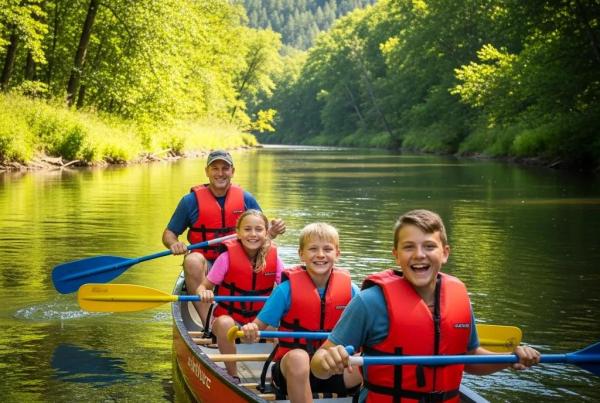
Bring a correctly sized PFD, a dependable paddle, a helmet where appropriate, and dry storage for your phone and extra layers.
Which personal flotation devices and other equipment are essential?
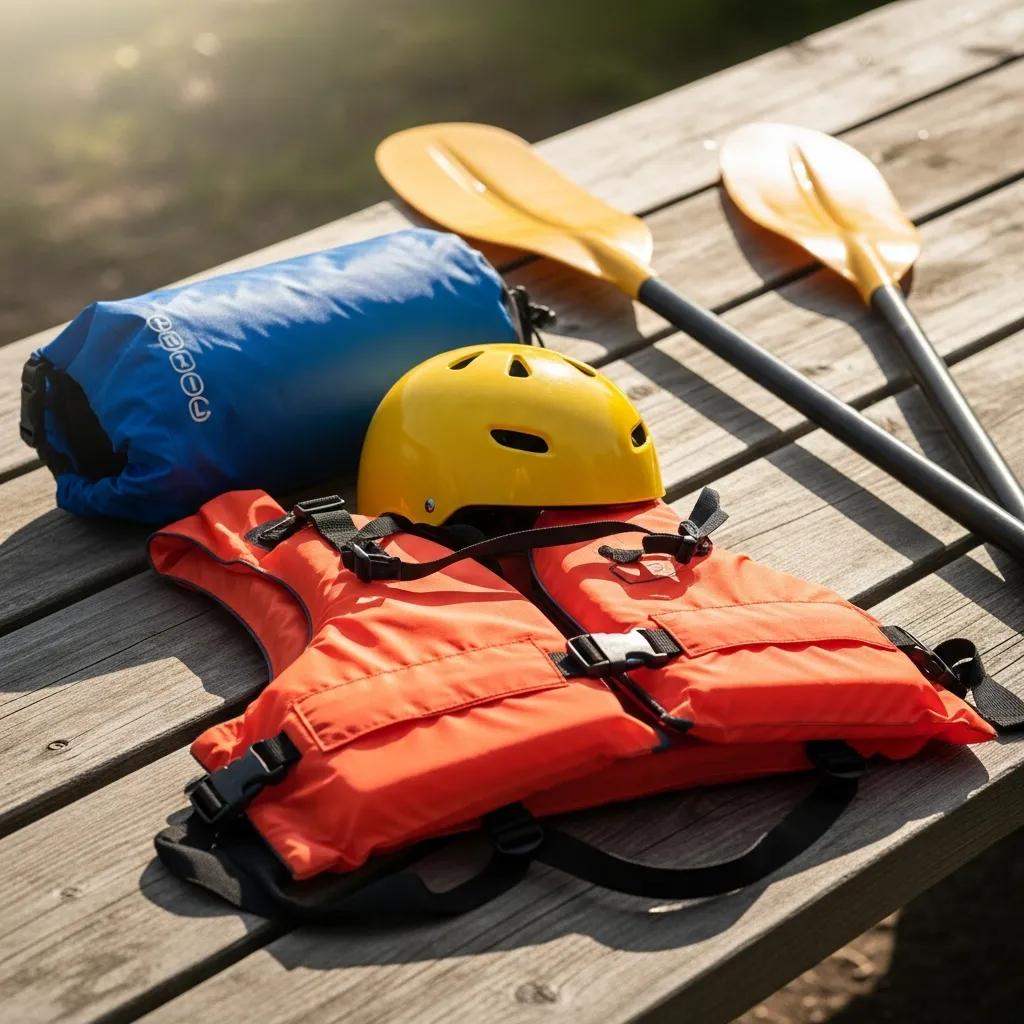
Wear a properly fitted PFD on every trip. Bring a reliable paddle and a helmet for rocky or swift sections. Stow valuables and warm layers in dry bags and check gear before launch.
How does the 120 Rule help prevent cold-water hazards?
120 Rule: air temperature plus water temperature should equal at least 120°F. If lower, add insulation, shorten the trip, or avoid going out.
What on-water safety practices should campers follow?
Follow simple habits: choose clear lines, rehearse basic rescues, and maintain steady communication while paddling.
How do I navigate the river safely and handle emergencies?
Scan ahead for hazards, paddle with a partner, keep visual contact, carry a whistle and a small first-aid kit, and rehearse rescue moves.
What group safety measures and wildlife guidelines should we follow?
Agree on a plan and lead paddler, stay close enough to assist but spaced to avoid collisions, and give wildlife a wide berth—especially near nests or young.
How does Walnut Hills Family Campground support kayaking safety?
We prioritize safety by monitoring conditions, posting advisories, and offering practical guidance to campers and renters.
How are river conditions monitored and safety checks done?
Staff checks gauge readings, weather reports, and does quick on-site inspections when conditions are marginal; advisories are posted as needed.
What safety briefings and rental rules does Cheff’s Canoe Rental provide?
Cheff’s gives each renter a brief safety talk covering PFD use, gear checks, suggested routes, and local hazards—ask for extra instruction if you’re new to paddling.
Different types of safety gear and their importance can be summarized in the following table:
This table highlights the key gear to consider for a safe day on the water.
In short: read the river, bring the right gear, and paddle with a plan. Walnut Hills Family Campground provides resources and local guidance to keep your next Shiawassee trip safe and memorable.
Frequently Asked Questions
What should I do if I encounter strong currents while kayaking?
Stay calm, point the bow toward calmer water or the nearest bank, and use steady, controlled strokes; call for help if needed.
How can I prepare for unexpected weather changes while kayaking?
Check the forecast, dress in layers, pack waterproof outerwear, keep extra warm clothing in a dry bag, and carry a whistle and light.
What are the signs of hypothermia to watch for while kayaking?
Watch for intense shivering, confusion, slowed reactions, slurred speech, and extreme fatigue; warm gradually and seek medical help if needed.
How can I ensure my kayak is in good condition before heading out?
Perform a quick pre-launch check for cracks or leaks, sealed hatches, secure seats and footrests, and undamaged paddles. Confirm your PFD fits.
What should I do if I capsize while kayaking?
Stay calm, float to the surface, try to recover and re-enter if safe, or swim to shore with your PFD and signal for help if needed.
Are there specific wildlife safety tips I should follow while kayaking?
Keep distance, move quietly, never feed wildlife, and avoid areas with nests or young animals to protect both you and the habitat.
What should I do if I encounter strong currents while kayaking?
Assess quickly, angle toward calmer water, use controlled strokes, and call for help if you can’t regain control; avoid risky solo moves.
What should I do if I encounter strong currents while kayaking?
Stay calm; steer toward calmer water or the bank and use steady strokes. Signal for help if necessary.
How can I prepare for unexpected weather changes while kayaking?
Monitor forecasts, wear layers, stow waterproof outerwear in a dry bag, and bring a whistle and a small light.
What are the signs of hypothermia to watch for while kayaking?
Look for severe shivering, confusion, slowed reactions, slurred speech, and extreme tiredness; warm the person and seek help if they appear.
How can I ensure my kayak is in good condition before heading out?
Inspect for damage, confirm hatches are sealed, ensure seats and footrests are secure, and check paddles and PFD fit.
What should I do if I capsize while kayaking?
Float to the surface, stay with your PFD, attempt a safe re-entry, or swim to shore while signaling for assistance if needed.
Are there specific wildlife safety tips I should follow while kayaking?
Keep distance, move slowly and quietly, never feed animals, and avoid nests and young wildlife.
What should I do if I encounter strong currents while kayaking?
Decide quickly, angle toward calmer water, use controlled strokes, and signal for help if you can’t regain control.
How can I prepare for unexpected weather changes while kayaking?
Watch updates while out, wear layers, stow waterproof outerwear in a dry bag, and seek shelter if conditions worsen.
What are the signs of hypothermia to watch for while kayaking?
Spot intense shivering, confusion, slowed reactions, slurred speech, and extreme tiredness; warm and call for medical help if needed.
How can I ensure my kayak is in good condition before heading out?
Do a pre-launch inspection: check for damage, sealed hatches, secure fittings, and a properly fitted PFD; repair or replace damaged gear.
What should I do if I capsize while kayaking?
Rely on training, stay with your PFD, use your paddle for stability, try to re-enter or swim to shore, and call for assistance if required.
Are there specific wildlife safety tips I should follow while kayaking?
Respect wildlife by keeping distance, avoiding feeding, and following local rules to protect animals and habitat.
Final thoughts
Good river sense, the right gear, and simple team habits make kayaking safer and more enjoyable. Use the checks above and ask campground staff or Cheff’s Canoe Rental for local advice before you head out.
Conclusion
Reading river conditions, carrying essential gear, and practicing safe on-water habits reduce risk and build confidence. Prepare, ask local experts when in doubt, and enjoy a safe Shiawassee trip.
Conclusion
Know how to read conditions, carry the right safety gear, and follow common-sense practices to make your kayaking trips safer. Rely on local guidance and visit Walnut Hills Family Campground for resources and support.