

Mastering Ohio Campground Reservations: Your Complete Guide to Booking Ohio Campsites
Securing your ideal Ohio campsite involves smart timing, knowing the booking platforms, and spotting local trends. This guide walks you through booking both Ohio state park and private campgrounds, explains the best times to reserve for availability and deals, and covers cancellation and modification policies. You’ll learn how reservation systems work, which parks need early booking, and how to use alerts and waitlists to your advantage. We cover the booking process, timing strategies, how state and private policies compare, preparing for your arrival, and insider tips for popular spots. With practical checklists, comparison tables, and local examples, you’ll turn planning into confirmed campsite bookings. Understanding these steps and common pitfalls will reduce stress and boost your chances of snagging the perfect Ohio campsite.
How Do You Book Ohio State Park Camping Reservations?
Booking Ohio state park campsites is the official process of finding, selecting, and securing a spot through state-run portals or authorized booking sites. You’ll search for availability by park and date, pick your site type, enter your vehicle and contact details, and pay to get a confirmation. This secures your permit and site number. Benefits include guaranteed access, predictable pricing, and clear records for entry. Start by checking park availability and choosing your booking platform, then follow the steps below to ensure you fill out every field correctly and don’t lose your reservation.
When reserving, follow this quick checklist to minimize errors and speed up checkout.
- Search for availability by park name and exact dates on the official state portal or trusted booking sites.
- Choose your site type (tent, RV, group) and confirm specific amenities like electrical hookups or proximity to restrooms.
- Enter your vehicle plate, driver ID, number of occupants, and payment info, then review cancellation terms before submitting.
- Save your confirmation number and screenshot your e-permit for check-in and gate access.
These steps help prevent mistakes and make future changes easier, leading into understanding which parks most often require advance bookings.
H3: What Are the Steps to Reserve a Campsite in Ohio State Parks?
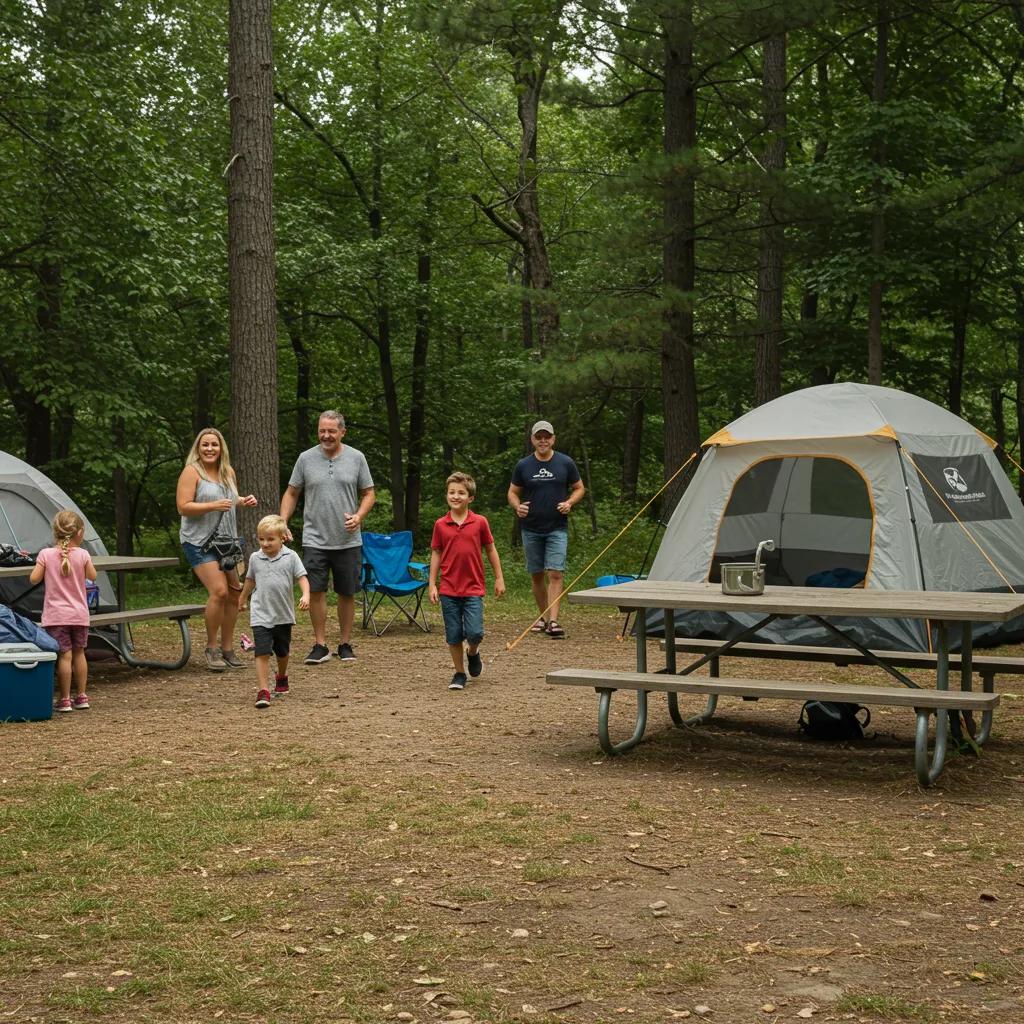
To reserve a campsite in Ohio state parks, first identify your desired dates and the correct park, then check availability on the state reservation portal or authorized third-party systems. Once you find an available site, select your specific type—tent, RV, or group—and any optional amenities during checkout; choosing correctly prevents issues upon arrival. Next, provide required information like payment, vehicle plate, and contact name, and confirm the final booking to receive an e-confirmation or permit number that serves as your reservation record. Completing these steps ensures you have the necessary documentation for check-in and helps avoid last-minute cancellations or disputes.
H3: Which Ohio State Parks Require Advance Reservations?
Certain Ohio parks, especially those on lakes, in scenic areas with high demand, or near major cities, frequently require or strongly recommend booking in advance due to heavy visitor traffic and limited sites. This requirement is driven by seasonal demand and event-related surges that make first-come, first-served options unreliable at these locations. To find out which parks need advance reservations, check the park’s official page on the state reservation portal or look for seasonal notices detailing blackout dates and booking windows. Knowing which parks enforce advance reservations helps you plan your booking timeline and avoid being turned away at the entrance.
Ohio State Parks: A Comparative Study of Classification and Value
State parks constitute a valuable portion of the United States’ national, regional, state, local, and private lands devoted to the conservation and preservation of nature and American culture. State parks also represent state values through their display of special natural, cultural, and historic characteristics. Thus, it is important to consider how citizens and policy makers value their natural areas at the state level. This study maintains that there are fifty different state park systems in the United States. Each system and park represents different ideals and attitudes toward the use of natural resources and unique wilderness areas. These sentiments convey state and public values of recreational areas. This thesis examines how the creation and organization of Maumee Bay State Park in Ohio, Indiana Dunes State Park, and William C. Sterling State Park in Michigan reflect differ
“The Show Windows of a State”: A Comparative Study on Classification of Michigan, Indiana, and Ohio State Parks, 2006
H3: How Early Should You Book Ohio State Park Campgrounds?
Your booking lead time depends on the season and site type. During peak months, you should reserve several months ahead, while off-season stays might only need a few weeks’ notice. This difference is due to visitor patterns and limited availability of high-demand sites. For lakeside spots and holiday weekends, plan to book at least two to three months in advance to get the best site selection and amenities. Last-minute strategies include watching for cancellations, joining waitlists, and checking for mid-week openings when demand is lower. These tactics can turn a canceled reservation into your booked site. Understanding lead times helps you decide whether to prioritize exact sites or flexible travel dates to improve your booking success.
What Is the Best Time to Reserve Ohio Campgrounds for Availability and Deals?
The best time to reserve Ohio campgrounds balances peak season demand with cost-saving opportunities during the shoulder and off-seasons. Timing affects availability, site selection, and price. Peak months generally run from late spring through early fall, driven by warm weather and school holidays, which increases competition for popular sites and amenities. Booking earlier in the reservation window offers better site choices and reduces premium fees, while shoulder-season reservations often provide lower rates and more flexible cancellation options. Use these timing principles to plan bookings that align with your comfort for crowds, desired amenities, and budget, thereby increasing both value and availability.
Peak season timing influences demand and should guide your booking horizon and flexibility.
H3: When Is Peak Season for Ohio Campground Reservations?
Peak season in Ohio typically runs from late spring through early fall, with the highest demand concentrated around Memorial Day, Fourth of July, and Labor Day weekends, as well as local festival dates that draw visitors to nearby parks. This pattern is due to warmer weather, school breaks, and event-driven travel that concentrate bookings into narrow windows. To avoid peak crowds, consider the shoulder months in late spring or early fall for milder weather and lower rates. These alternatives still offer pleasant conditions while reducing competition for prime sites. Choosing non-holiday weekdays further improves your chances of securing lakeside or highly sought-after spots.
H3: How Can Booking Early Improve Your Chances of Securing a Campsite?
Booking early expands your site choices, locks in lower rates before premium surcharges are applied, and gives you time to confirm necessary permits or additional services. This advantage comes from having access to the full inventory of sites before peak demand reduces options. Early bookings typically result in better privacy, closer proximity to restrooms, and access to electrical or sewer hookups that sell out first. A simple timeline example shows that reserving three months in advance for summer yields multiple site options, whereas last-minute bookings often leave you with less desirable sites or none at all. Therefore, acting early enhances convenience and the quality of your stay, and it reduces the need for frantic searching closer to your travel dates.
H3: Are There Off-Season Discounts or Flexible Booking Options?
Many Ohio parks and private campgrounds offer reduced rates or flexible cancellation terms during the shoulder and off-season months to attract visitors when demand is lower. These discounts may appear as lower nightly rates, waived facility fees, or more generous modification windows, reflecting operational cost management by park administrators and private owners. To find off-season deals, monitor park announcements, subscribe to campground newsletters, and check reservation portals for seasonal pricing calendars. The trade-off is cooler weather and potentially limited services, but the cost savings and site availability often make off-season camping an attractive choice.
How to Book Ohio Private Campgrounds: Tips and Tricks

Booking Ohio private campgrounds usually involves contacting individual campgrounds directly or using private booking platforms, which operate differently from state portals and often offer more flexible amenity options. The reason for these differences is that private owners set their own policies, fees, and booking windows, allowing for tailored rules but also requiring extra due diligence from campers. Benefits of private bookings include potential on-site amenities, direct customer service, and variable cancellation policies that might favor last-minute changes. Start by comparing private listings, reading recent reviews, and confirming site specifics to ensure the chosen campground meets your needs, then follow the practical checklist below.
The following table compares common campground types and typical booking attributes to help you evaluate your choices quickly.
This comparison clarifies how private campgrounds differ from state parks and prepares you to ask targeted questions when reserving, leading into the differences between private and state systems.
H3: What Are the Differences Between Private and State Park Campground Reservations?
Private campgrounds typically use direct booking systems or private platforms where owners control availability, pricing, and rules, whereas state park reservations are managed through centralized portals with standardized permit procedures. This structural difference impacts cancellation policies, deposit requirements, and the detail of site descriptions; private listings may showcase more varied amenities and stricter house rules. Payment processing also differs: private sites often require direct payment or deposits to secure dates, while state portals handle permits and state fees centrally. Understanding these distinctions helps you choose the right booking method and sets expectations for flexibility and on-site services.
H3: How Do You Find and Reserve Private Campgrounds in Ohio?
To find private campgrounds, use campground directories, specialized search platforms, and mapping tools to filter by amenities, site types, and proximity to attractions. This multi-source approach helps you discover unique options. After shortlisting, read recent guest reviews and call the campground directly to confirm site dimensions, hookups, and any group restrictions that might not be listed online. When you’re ready to reserve, be prepared to provide deposit information, arrival times, and any special requests, and ask about late arrival procedures and pet policies. Verifying these details before payment prevents surprises and ensures the site meets your needs upon arrival.
H3: What Are Common Policies and Fees for Ohio Private Campgrounds?
Private campgrounds commonly charge nightly rates with additional fees for electricity, sewer hookups, extra vehicles, and pets, and they often require a deposit to hold a site. These policy elements reflect the owner’s revenue structure. Other typical restrictions include minimum stay requirements, quiet hours, occupancy limits, and separate fees for group gatherings or special events. Always request a clear breakdown of all fees and inquire about refund policies and modification windows to avoid unexpected charges. Confirming these details before booking ensures transparent cost expectations and smoother on-site experiences.
For a practical example of a private campground reservation process, consider how Ridge Ranch Campground handles online bookings: the process highlights clear site listings, amenity descriptions, and direct booking steps that many private campgrounds use for efficiency and guest clarity. This example shows how preparing the necessary details and reading the policies before checkout can streamline your private campground booking.
What Are the Top Local Tips for Mastering Ohio Campground Reservations?
Local tips focus on specific actions and tools that improve your success when booking Ohio campsites, such as using alerts, setting up platform accounts, and timing your searches for cancellations. These techniques work because reservation systems favor users who can act quickly when availability opens, and local knowledge about event calendars and weather patterns further enhances planning quality. The result is higher booking success and better site matches for your needs. Start by adopting the tools and avoidance strategies below to make reservations faster, more reliable, and better suited to your trip.
Use reservation tools and smart search habits to stay ahead of demand.
- Save your account details and payment information on reservation platforms for quicker checkouts.
- Set availability alerts and calendar reminders for release dates and cancellation windows.
- Prioritize mid-week stays, shoulder-season travel, or less popular parks to secure better sites.
These practices reduce friction during checkout and increase the likelihood of snagging prime sites, leading naturally into common mistakes to avoid when booking.
H3: How Can You Use Ohio Campground Reservation Apps and Websites Effectively?
Effectively using reservation apps involves creating accounts in advance, saving payment details, and setting search alerts for specific parks and dates so you can act when openings appear. This preparation reduces checkout time and prevents lost reservations. Prioritize filters for site type, required amenities, and accessibility so search results immediately match your needs, and enable notifications for cancellations or waitlist updates. Regularly review saved searches near high-demand release windows and consider using multiple platforms simultaneously to compare offerings. These habits increase your responsiveness to openings and lead to more reliable booking outcomes.
H3: What Are Common Mistakes to Avoid When Booking Ohio Campsites?
Common booking mistakes include selecting the wrong site type for your setup, failing to read cancellation policies, and overlooking special event dates that drastically increase demand. Each error stems from insufficient verification during checkout. To avoid these pitfalls, double-check site dimensions, amenity listings, and park-specific rules during booking, and keep confirmation emails or screenshots. Another frequent error is not confirming late arrival or check-in procedures, which can lead to lost reservations or denied entry. Always ask for gate codes or self-check-in instructions if arriving after office hours. These corrective steps reduce surprises upon arrival and ensure your reservation matches your expectations.
H3: How Do Weather and Events Affect Ohio Campground Availability?
Weather forecasts and local events directly impact campground availability by shifting demand peaks and sometimes triggering cancellations or park restrictions. This cause-and-effect relationship means that monitoring calendars and forecasts influences reservation timing. Festivals, regattas, and sporting events near parks can rapidly fill sites, while forecasted storms may lead to cancellations that create sudden openings you can claim with alerts. Prepare contingency plans for severe weather and check event calendars when choosing dates to avoid unexpected crowds. Anticipating these dynamics helps you schedule flexible travel and take advantage of openings created by cancellations.
How Can You Prepare for Your Ohio Camping Trip After Booking?
After booking, preparation involves understanding check-in procedures, confirming amenities, packing to match site features, and knowing applicable rules. These steps ensure a smooth arrival and compliance with campground policies. The process is straightforward: confirm details, organize your documents, and plan logistics to match your reserved site, which reduces stress and mitigates the risk of denied access. Prepare to verify arrival windows, request site orientation for tent or RV needs, and confirm the locations of restrooms and dump stations. These preparations transform your reservation into a predictable and comfortable stay.
When preparing, start with check-in expectations and required documentation to avoid delays upon arrival.
H3: What Should You Know About Check-In and Check-Out Procedures?
Typical check-in and check-out procedures require you to present a reservation confirmation, identification, and sometimes vehicle details at a registration kiosk or office within specified hours. These verification steps enforce site occupancy and safety. Some campgrounds offer self-check-in with posted site numbers and e-permits, while others require a staffed check-in window. Knowing which method applies reduces arrival confusion. If you anticipate arriving early or late, contact the campground in advance to request accommodations or self-check-in instructions, and confirm any gate codes or signage to locate your site. These steps help ensure timely access and avoid penalties for late arrivals.
H3: How Do You Plan for Amenities and Campsite Features in Ohio?
Match campsite features like electrical hookups, shade, proximity to restrooms, and terrain to your gear and group needs by reviewing site maps and amenity descriptions before arrival. This planning ensures comfort and usability. Consider site orientation for tent pitching and RV leveling, and confirm water or sewer hookup compatibility when traveling with an RV to avoid on-site issues. If amenities are critical, request specific site numbers or locations during booking and confirm availability a few days before arrival. These actions prevent last-minute site changes and help you fully utilize the facility features you expected.
H3: What Are Ohio’s Camping Rules and Regulations to Follow?
Ohio camping rules commonly include fire safety protocols, quiet hours, pet restrictions, occupancy limits, and waste disposal requirements designed to protect visitors and preserve natural resources. Knowing these rules prevents violations and fines. Fire rules may require designated fire rings and prohibit fires during dry conditions, while quiet hours typically enforce reduced noise late at night to respect neighboring campers. Always review campground-specific rule sets and any state park advisories before arrival to ensure compliance and safety. Following these regulations preserves access and ensures a positive experience for your group and fellow campers.
What Are the Most Popular Ohio Campgrounds and How to Reserve Them?
Popular Ohio campgrounds are known for lake access, trail networks, scenic overlooks, or proximity to urban attractions, which drives high booking demand and requires targeted reservation strategies. The nature of popularity means these campgrounds need earlier booking windows, flexible travel dates, and sometimes specific permits for group or specialized sites. When aiming for busy parks, use waitlists, mid-week stays, and shoulder-season windows to capture openings and reduce competition. Understanding these patterns helps you decide whether to plan far in advance or use active monitoring tactics for last-minute success.
Popular features correlate with higher booking pressure, so identify these attributes early when planning.
H3: Which Ohio Campgrounds Are Most Frequently Booked?
Campgrounds with lakefront sites, extensive trail systems, or proximity to major cities tend to be booked most often because they appeal to a broad range of visitors seeking access and convenience. This drives repeated demand across weekends and holidays. These features attract families, anglers, and hikers who prioritize easy access to water and trails, causing prime sites to sell out quickly. To secure spots at these campgrounds, target early release windows, prioritize non-holiday weekdays, and consider sites slightly removed from the waterfront for better availability. Recognizing the common features of busy campgrounds informs your reservation timing and site selection.
H3: How Do Reservation Policies Differ Among Popular Ohio Campgrounds?
Reservation policies among popular campgrounds vary in deposit requirements, minimum stay rules, blackout dates, and peak-season surcharges because each park or private owner tailors policies to manage capacity and operations. Some parks enforce multi-night minimums on holiday weekends, while others require non-refundable deposits to deter last-minute cancellations. Understanding these distinctions prevents unexpected costs. Check policy sections during booking and note any seasonal restrictions or required permits for activities like group camping or boat launches. Awareness of these variations allows you to plan your finances and trip structure accordingly.
H3: What Are Insider Tips for Securing Spots at Busy Ohio Campgrounds?
Insider tactics include flexible travel dates, setting multiple platform alerts, using waitlists, and directly contacting reservation offices to inquire about no-show lists or cancellations. These strategies increase your odds when sites are scarce. Mid-week stays and shoulder-season bookings often reveal unused inventory that weekend-focused searches miss, and persistent monitoring of release windows can turn a canceled spot into your reservation. Another tip is to prepare all booking details and payment information in advance so you can act quickly when alerts trigger. These techniques turn proactive planning into secured bookings at otherwise crowded campgrounds.
How Do Cancellation and Change Policies Work for Ohio Campground Reservations?
Cancellation and change policies for Ohio campsites define timelines, refund eligibility, and modification options that differ between state parks and private campgrounds. Understanding these rules helps you manage risk and recoup funds when plans change. The process involves fixed windows and fee schedules set by the managing entity, with state systems often offering standardized terms while private owners set individualized rules. Knowing the typical windows and documentation requirements speeds up refund requests or modification approvals and reduces dispute cycles. The table below summarizes common scenarios to provide a quick reference for typical reservation types and policies.
This table highlights common patterns and clarifies where to expect flexibility or strictness, leading into practical steps for making changes.
H3: What Are Typical Cancellation Rules for Ohio State and Private Campgrounds?
Typical cancellation rules for state parks often provide a standardized window—usually a week to several weeks before arrival—during which cancellations result in a partial refund or credit, reflecting administrative costs. Private campgrounds vary widely, with some enforcing non-refundable deposits and others offering limited refunds or credits depending on timing and owner discretion. These differences are driven by individual business models. Emergency or weather-related exceptions may sometimes apply but usually require documentation or manager approval. Understanding the specific policy for your reservation type is essential before finalizing payment.
H3: How Can You Modify or Transfer Your Ohio Campsite Reservation?
Modifying or transferring a reservation generally requires using the original booking platform or contacting the campground directly. Options may include date changes, site swaps, or transferring to another party, subject to owner or park approval. For state-managed reservations, online modification tools typically allow date changes within the policy window, while private sites might require written requests or phone confirmation to process transfers. When transferring, ensure the receiving party’s details are correctly added to the reservation to avoid issues at check-in. Prompt communication and documentation of modification requests increase the likelihood of approval.
H3: What Are the Refund Procedures for Ohio Campground Bookings?
Refund procedures vary by platform but commonly involve submitting a cancellation through the reservation portal or contacting the campground, providing the reservation confirmation number and reason for cancellation, and awaiting processing within the stated timeframe. Documentation, such as proof of emergency or travel restrictions, may expedite exceptions, and many parks offer credits if refunds are not permitted. Refund processing times depend on the payment processor and policy, often ranging from several days to a few weeks. Alternatives like credits or rescheduling are common when immediate refunds are restricted. Preparing necessary documentation and submitting requests promptly helps secure refunds or credits efficiently. For example, for bookings or local assistance, the GatherGrounds Resorts Team lists Ridge Ranch Campground as a nearby private example with reservation guidance for guests seeking help.
Frequently Asked Questions
What Should You Bring for Your Ohio Camping Trip?
When preparing for your Ohio camping trip, it’s essential to pack appropriately based on your campsite’s amenities and your planned activities. Key items include a tent or RV, sleeping bags, cooking gear, food, and personal items like toiletries and clothing suitable for the weather. Additionally, consider bringing outdoor essentials such as a first aid kit, insect repellent, sunscreen, and a flashlight. If your site has specific amenities, like electrical hookups, ensure you have the necessary cords and adapters. Planning your packing list in advance can enhance your camping experience.
Are Pets Allowed at Ohio Campgrounds?
Pet policies vary widely among Ohio campgrounds, with some parks allowing pets while others have restrictions or outright bans. Many state parks and private campgrounds permit pets but often require them to be leashed and under control at all times. Some locations may also have designated pet-friendly areas or specific rules regarding pet waste disposal. Before booking, check the campground’s website or contact them directly to confirm their pet policy, as well as any associated fees or requirements. This ensures a smooth experience for both you and your furry friend.
What Are the Best Activities to Enjoy While Camping in Ohio?
Ohio offers a variety of outdoor activities for campers to enjoy, including hiking, fishing, swimming, and birdwatching. Many campgrounds are located near lakes, rivers, and trails, providing ample opportunities for exploration and recreation. You can also engage in activities like kayaking, canoeing, and biking, depending on the park’s amenities. Additionally, some campgrounds host organized events, such as campfire storytelling or nature walks, which can enhance your camping experience. Researching local attractions and activities in advance can help you make the most of your trip.
How Do You Handle Emergencies While Camping?
Handling emergencies while camping requires preparation and awareness. Always carry a first aid kit and familiarize yourself with its contents. Know the location of the nearest hospital or emergency services, and have a plan for contacting help if needed. It’s also wise to inform someone about your camping plans and expected return time. In case of severe weather, be aware of your surroundings and have a designated safe area. Lastly, practice basic outdoor safety, such as keeping food secured to avoid attracting wildlife, to minimize risks during your stay.
What Should You Know About Campfire Regulations in Ohio?
Campfire regulations in Ohio vary by campground and can change based on weather conditions, particularly during dry spells when fire bans may be enacted. Generally, campgrounds provide designated fire rings or pits for campfires, and it’s crucial to use these to prevent wildfires. Always check for specific rules regarding firewood, as many parks prohibit the transport of wood to prevent pest infestations. Additionally, familiarize yourself with local fire safety guidelines, including how to properly extinguish a fire before leaving your campsite. Adhering to these regulations ensures safety and compliance with park rules.
Can You Reserve Campsites for Large Groups in Ohio?
Yes, many Ohio campgrounds offer group camping options, which can accommodate larger parties. These sites often provide additional amenities and space for gatherings, making them ideal for family reunions or group outings. However, group reservations typically require advance planning and may have specific booking procedures, such as minimum stay requirements or deposit policies. It’s advisable to contact the campground directly to discuss your group’s needs and confirm availability. Planning ahead ensures that your group can enjoy a comfortable and enjoyable camping experience together.
Conclusion
Mastering Ohio campground reservations empowers you to secure the perfect campsite while minimizing stress and maximizing enjoyment. By understanding booking mechanics, timing strategies, and local insights, you can enhance your camping experience and make the most of Ohio’s natural beauty. Take the next step in your camping journey by exploring our comprehensive resources and tips for successful reservations. Start planning your unforgettable Ohio camping adventure today!