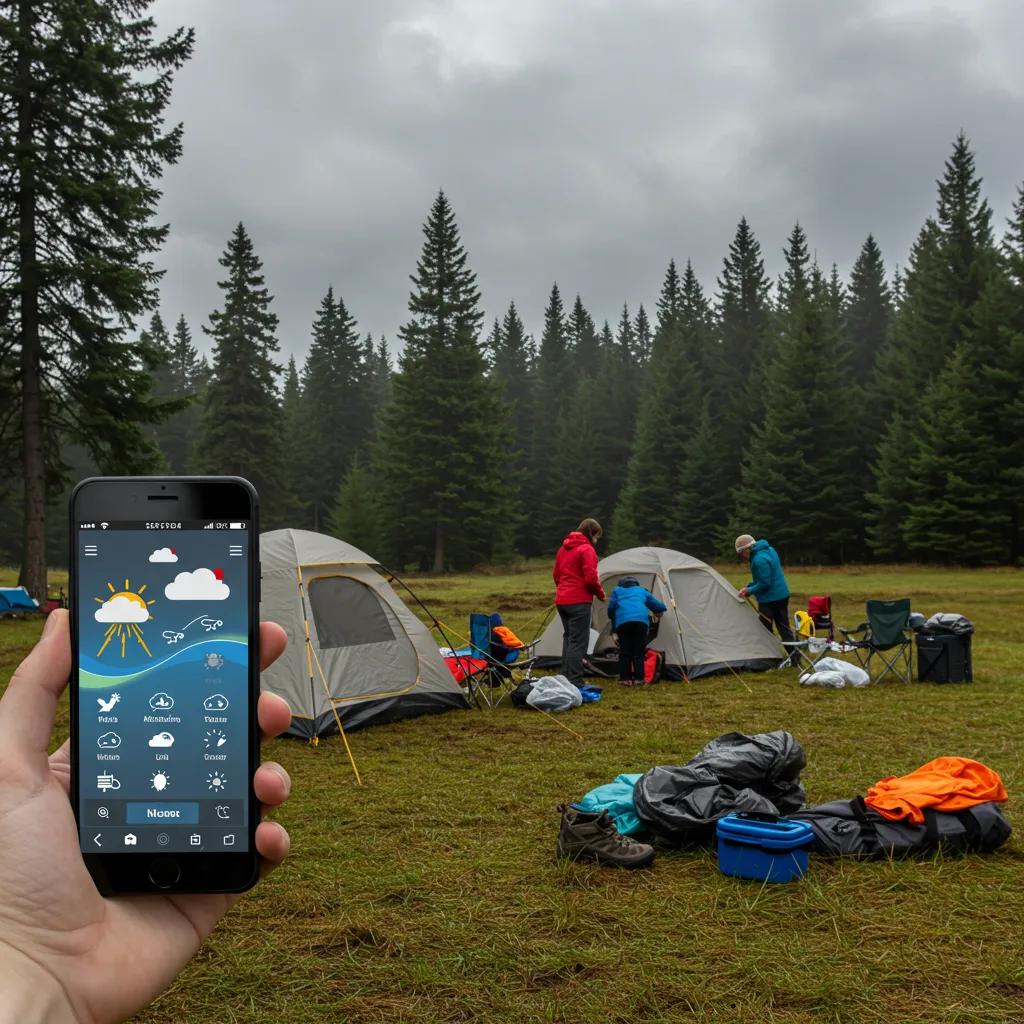
Essential Tips for Safely Navigating Unfavorable Weather During Your Camping Adventure
When camping, unfavorable weather means conditions that could impact your comfort, safety, or planned campsite activities. Think heavy rain, thunderstorms, strong winds, or sudden drops in temperature. This guide offers practical, actionable steps for before and during your trip to minimize risks, protect your gear, and keep your family safe while camping in Michigan and similar climates. You’ll discover which forecasts and alerts are crucial, what to pack in a compact, effective emergency kit, how to choose lodging or campsite locations for better protection, and how to use on-site facilities when the weather turns. We’ll highlight specific responses for heavy rain, lightning, wind, and cold, and connect them to on-site options like cabins, pavilions, and communal amenities available at Walnut Hills Family Campground by GatherGrounds. Read on for clear checklists, quick-action references, easy-to-scan tables, and family-friendly activities that can make even rainy days enjoyable.
How Can You Prepare for Severe Weather Before Your Camping Trip?
Getting ready for severe weather starts with keeping an eye on reliable forecasts and packing the right gear to reduce risk and maintain comfort. Understanding the difference between watches and warnings helps you decide whether to postpone your trip or find alternative lodging. Planning also involves selecting a lodging option that offers more protection from the elements, packing reinforcement items for your tent or RV, and ensuring your communication methods are set up. These pre-trip steps build readiness and lead directly to specific on-site strategies for shelter and safety.
What Weather Forecasts and Alerts Should You Monitor?
Weather monitoring means relying on trusted sources that provide timely watches and warnings, primarily national and regional services, along with local alerts specific to your campground area. A watch indicates that conditions are favorable for hazardous weather, so you should prepare and review your shelter plans. A warning means hazardous weather is imminent or occurring, so you need to take immediate protective action. Set up phone alerts, enable severe-weather notifications, and check local campground communications before you leave. This ensures you have a clear trigger for following your pre-planned response and for switching to weather-resistant lodging if necessary.
- The most useful alerts include watches, warnings, flash-flood advisories, and severe thunderstorm warnings.
- Local campground messages and regional forecasts provide location-specific timing and impact.
- Enable persistent phone notifications and have a backup crank or battery radio for power outages.
These monitoring steps inform your packing decisions and lodging choices, helping to reduce exposure upon arrival.
Which Essential Gear Should You Pack for All Weather Conditions?
Below is a compact packing checklist that compares items, their purpose, and a recommended minimum specification to help you choose gear that performs well in rain, wind, and cold. Use the table to prioritize items if pack space is limited and to confirm your gear meets basic performance needs before you depart.
This table helps you prioritize essential gear and clarifies minimum specs that meaningfully reduce risk. Choosing items that meet these specs is the next step before confirming lodging and travel plans.
How Do Walnut Hills Cabin Rentals Provide Weather-Proof Shelter?

Cabins offer a weather-proof alternative to tents and are often a more comfortable option than an exposed RV site during storms. A cabin keeps families dry, frequently provides secure lockable storage, and eliminates the need to reinforce tent stakes or chase awnings in high winds. For families with children or pets, reserving a cabin reduces exposure and simplifies sheltering during extended periods of bad weather. If you prefer a dry option, consider Walnut Hills Family Campground by GatherGrounds cabin rentals and plan your reservations ahead of travel to ensure a weather-resistant stay.
What Are the Best On-Site Strategies to Stay Safe During Bad Weather?
On-site safety depends on your campsite selection, how well you secure your shelter, and knowing where communal facilities offer reliable interim protection. Choosing a site with good drainage and protection from prevailing winds lowers the risk of flooding and wind damage. Securing tents, stabilizing RVs, and identifying nearby covered pavilions or bathhouses gives you layered shelter options. These on-site steps prepare you for quick action when forecasts escalate or when warnings are issued.
How Do You Choose a Safe Campsite at Walnut Hills for Weather Safety?
Selecting a safe campsite emphasizes elevation, drainage, and proximity to shelter facilities so you can reduce flood risk and reach help quickly if needed. Avoid low-lying areas where runoff accumulates and instead choose sites on higher ground with natural windbreaks or near communal buildings. Consider proximity to pavilions, bathhouses, and access roads for quick relocation if conditions worsen. This campsite selection leads into the next practical step: securing tents and stabilizing RVs before storms hit.
- Look for level ground that drains away from your sleeping area.
- Choose sites with easy access to main roads and campground facilities.
- Avoid camping under large dead limbs or lone tall trees that attract lightning.
These selection priorities help you minimize immediate hazards and simplify evacuation or sheltering choices.
What Are Effective Ways to Secure Your Tent or RV Against Storms?
Securing your shelter relies on reinforcing anchor points, reducing exposed surface area, and stowing loose items that can become projectiles in high winds. For tents, add extra stakes, use guylines on all anchor points, and orient the tent so its low profile faces prevailing winds. For RVs, lower the vehicle profile when possible, retract or remove awnings, and use wheel chocks and stabilizers to prevent shifting. If the wind or water threat exceeds safe thresholds, move people into sturdier structures or vehicles and follow campground staff directions.
How Can You Utilize Walnut Hills Covered Pavilions and Facilities for Shelter?
Covered pavilions and on-site facilities serve as practical interim shelters during rain or moderate wind, offering dry space for meals and activities while you assess next steps. Bring ground mats, blankets, and portable lighting to make pavilion time more comfortable and safe; follow staff guidance on shared use and capacity. The camp store at Walnut Hills can supply small essentials you might need during sheltering, such as batteries, dry snacks, or rain gear. Coordinate with staff if you anticipate needing communal space so sheltering is orderly and respectful of other campers.
These facility comparisons clarify when each option is most useful and guide rapid decision-making during deteriorating weather.
How Should You Handle Specific Unfavorable Weather Conditions While Camping?
Handling specific weather types requires short, prioritized actions that minimize exposure and reduce injury risk. For each condition—heavy rain, lightning, high winds, and cold—use a clear action hierarchy and decide quickly whether to shelter in place, seek sturdier structures, or evacuate. Recognizing the primary risk for each condition allows you to apply the appropriate immediate actions and to anticipate follow-up needs like drying gear or treating hypothermia. The following subsections provide concise, actionable steps for each weather type.
What Are the Best Practices for Staying Dry and Comfortable in Heavy Rain?
Staying dry starts with layered protection for people and gear and managing campsite drainage to keep sleeping areas elevated and dry. Use a tarp or rainfly to extend a dry vestibule, store clothing and electronics in waterproof sacks, and keep a change of dry clothes sealed for emergencies. Position cooking and living areas uphill of sleeping areas and create shallow drainage channels to divert runoff away from tents. These waterproofing and layout steps reduce prolonged exposure and make post-storm recovery faster.
- Keep gear in waterproof containers and elevated off the ground.
- Use a vestibule or tarp for a dry change area and gear storage.
- Re-route surface water away from sleeping zones using shallow trenches.
These practical measures reduce hypothermia risk and speed recovery after downpours.
How Do You Stay Safe During Thunderstorms and Lightning?
Lightning safety requires immediate movement to the safest available shelter and strict avoidance of isolated high points, metal objects, and open water. The preferred shelters are sturdy buildings, followed by fully enclosed vehicles; avoid tents, open shelters, and lone trees. When you hear thunder, move people to shelter promptly and wait at least 30 minutes after the last thunder before resuming outdoor activities. This clear rule helps families decide when to pause activities and when it is safe to continue.
Thunderstorm Safety for Campers: Lightning Risks and Shelter Strategies
During a thunderstorm, it is likely that campers will be exposed to lightning. The primary danger to campers is from direct lightning strikes, ground current, and cloud-to-ground flashes. The best strategy is to head off to the right of the path of the storm, if possible, and seek shelter in a sturdy building or a hard-top vehicle. If no such shelter is available, campers should avoid isolated tall trees, hilltops, and open fields. They should also avoid water and metal objects.
Thunderstorms and Camping Safety, 2001
What Precautions Should You Take in High Winds to Protect Yourself and Gear?
High winds demand lowering your shelter profile, securing guylines and stakes, and stowing loose items that can become dangerous projectiles. Take down awnings, tie down canopies, move vehicles to sheltered parking if available, and place heavy items inside cabins or vehicles. If gusts approach levels that could compromise tent stability or tree safety, relocate people to cabins or vehicles as a precaution. Prioritizing human safety over gear preserves lives and allows gear recovery later.
Camping Safety During Thunderstorms: Lightning Protection and Avoidance
The primary danger to campers is from direct lightning strikes, ground current, and cloud-to-ground flashes. The best strategy is to head off to the right of the path of the storm, if possible, and seek shelter in a sturdy building or a hard-top vehicle. If no such shelter is available, campers should avoid isolated tall trees, hilltops, and open fields. They should also avoid water and metal objects.
Thunderstorms and Camping Safety, 2001
How Can You Stay Warm and Avoid Hypothermia in Cold Weather Camping?
Preventing hypothermia is about layered insulation, dry sleep systems, adequate nutrition, and early recognition of symptoms so you can act quickly. Use base, insulating, and outer layers; choose a sleeping bag rated below expected lows; and keep a dry change of clothing available. Warm fluids, sheltered rest, and immediate warming measures (dry clothes, warm blankets) are essential if someone begins to show hypothermia signs. Early action preserves health and prevents escalation to a medical emergency.
This quick-reference table helps you match the hazard to the correct immediate response and shelter choice.
What Indoor and Covered Activities Are Available for Rainy Day Camping at Walnut Hills?

Rainy-day activities keep families engaged and safe while using on-site indoor and covered amenities to maintain comfort and morale. Walnut Hills Family Campground by GatherGrounds offers communal options such as a game room and scheduled indoor crafts that provide structured entertainment during inclement weather. Bring card and board games, craft supplies, and small portable activities; the camp store can supply batteries, craft kits, and other items you might need. Reserving a cabin or an RV site provides a dry, private base for family activities when outdoor space is unusable.
Which Indoor Games and Crafts Can Keep Families Entertained?
Indoor activities work best when they are simple, require minimal supplies, and accommodate mixed ages to keep everyone included and safe. Pack or purchase board games, decks of cards, portable scavenger-hunt prompts adapted for indoor areas, and simple craft kits from the camp store to keep younger children engaged. Supervised projects like nature scrapbooks (assembled from weather-safe materials) and timed trivia contests add structure and fun. These indoor options reduce stress and help families enjoy time together while waiting out poor weather.
- Board games and card games suitable for all ages.
- Simple crafts and scavenger hunts adapted for indoor play.
- Rechargeable toys and batteries available at the camp store.
These ideas maximize comfort and engagement and make rainy days a positive part of the trip.
How Do Covered Pavilions Support Family Fun During Bad Weather?
Covered pavilions provide sheltered communal spaces suitable for group meals, crafts, and family gatherings while maintaining airflow and space for social distancing when needed. Set up seating, lighting, and dry activity zones under a pavilion to create a comfortable day-use area that keeps gear dry. Coordinate with campground staff for scheduled pavilion events or to avoid conflicts with other campers. Using pavilions for organized activities transitions naturally into understanding campground emergency plans and designated shelter locations.
These facility uses explain how pavilions and indoor areas can be repurposed for family time while protecting everyone from the elements.
What Emergency Weather Plans and Support Does Walnut Hills Family Campground Offer?
Walnut Hills Family Campground by GatherGrounds maintains staff-led procedures and designated sheltering options to assist campers during severe weather events. Staff coordinate alerts, direct campers to appropriate shelters, and help manage communal spaces like pavilions and bathhouses during incidents. Familiarize yourself with campground announcements, staff instructions, and pre-identified meeting points upon arrival so you can act quickly. Knowing these procedures reduces confusion during emergencies and helps families move to safety promptly.
How Does Walnut Hills Staff Assist Campers During Severe Weather?
Campground staff play a central role in issuing alerts, coordinating the use of communal shelters, and assisting vulnerable campers with relocation when needed, ensuring an organized response. Staff may guide families to pavilions, cabins, or other safe areas and can advise on access to supplies via the camp store. Campers should follow staff directions and report urgent needs to ensure timely assistance. Clear staff coordination shortens the time to shelter and supports safer outcomes for all campers.
Where Are the Designated Shelter Locations Within the Campground?
Designated shelters typically include sturdy buildings, cabin units, covered pavilions, and vehicles parked in safe locations, each prioritized for different hazards and durations. Primary shelters are enclosed structures and cabins; secondary shelters include pavilions and personal vehicles when buildings are unavailable. Check the campground map and staff instructions on arrival to learn meeting points and the quickest routes to shelters. Walnut Hills Family Campground by GatherGrounds offers multiple accommodation types and encourages advance online reservations to secure weather-resistant lodging and simplify sheltering plans during unpredictable conditions.
Climate Impacts on Michigan Outdoor Recreation and Tourism
To date, however, impacts of both current and future climate on ORT in Michigan have not been extensively studied. For providers, the economic ramifications of climate variability and change are particularly important, as these can affect the length of the recreational season, the types of activities that can be offered, and the overall demand for outdoor recreation.
IMPACT OF CLIMATE ON RECREATION AND TOURISM IN MICHIGAN, S Nicholls
Frequently Asked Questions
What should I do if severe weather occurs while camping?
If severe weather occurs while camping, prioritize safety by seeking immediate shelter. Move to a sturdy building or vehicle if available, and avoid open areas, tall trees, and metal objects during thunderstorms. For heavy rain, ensure your gear is elevated and waterproofed. Stay informed by monitoring weather alerts and campground staff instructions. Always have a plan in place for quick evacuation or relocation to safer areas, and be prepared to wait out the storm until conditions improve.
How can I keep my family entertained during bad weather while camping?
To keep your family entertained during bad weather while camping, utilize indoor facilities like game rooms or covered pavilions. Bring along board games, craft supplies, and portable activities that can engage all ages. Organize group activities such as trivia contests or scavenger hunts adapted for indoor play. This not only keeps spirits high but also fosters family bonding during inclement weather. Always check with campground staff for scheduled events or additional resources available during your stay.
What are the signs of hypothermia, and how can I prevent it while camping?
Signs of hypothermia include shivering, confusion, slurred speech, and fatigue. To prevent hypothermia while camping, dress in layers, ensuring you have a moisture-wicking base layer, insulating mid-layers, and a waterproof outer layer. Keep your sleeping bag rated for temperatures lower than expected lows, and always have dry clothing available. Stay hydrated and consume warm fluids to maintain body temperature. If someone shows symptoms, act quickly by moving them to a warm shelter and providing dry clothing and blankets.
What should I include in my emergency kit for camping?
Your camping emergency kit should include essential items such as a first-aid kit, flashlight with extra batteries, multi-tool, whistle, waterproof matches, and a mylar emergency blanket. Additionally, pack non-perishable food, bottled water, a portable phone charger, and a map of the area. Consider including a crank or battery-operated radio for weather updates. Regularly check and update your kit to ensure all items are functional and within their expiration dates, ensuring you are prepared for any situation.
How can I ensure my tent is secure during high winds?
To secure your tent during high winds, use heavy-duty stakes and guylines on all anchor points. Position the tent so its low profile faces the prevailing winds to minimize resistance. Stow away any loose items that could become projectiles and consider adding extra stakes for stability. If winds become dangerously high, relocate to a more secure structure or vehicle. Regularly check the tent’s integrity and make adjustments as needed to ensure safety throughout your camping experience.
What are the best practices for cooking during inclement weather while camping?
When cooking during inclement weather, prioritize safety and efficiency. Use a portable stove or grill in a sheltered area, such as a covered pavilion, to protect against rain and wind. Ensure proper ventilation to avoid carbon monoxide buildup. Prepare meals that require minimal cooking time and can be made in advance. Keep cooking gear organized and easily accessible, and always have a backup plan for meals in case conditions worsen. Stay hydrated and maintain a stock of easy-to-prepare snacks.
How can I stay informed about weather changes while camping?
To stay informed about weather changes while camping, regularly check reliable weather sources, such as local news stations or weather apps. Enable severe weather alerts on your phone for real-time updates. Familiarize yourself with campground communication methods, including bulletin boards or staff announcements. Consider bringing a portable weather radio for continuous updates, especially in remote areas with limited cell service. Staying informed allows you to make timely decisions regarding safety and shelter during your camping trip.
Conclusion
Successfully navigating unfavorable weather during your camping adventure ensures safety, comfort, and enjoyment for the entire family. By preparing with the right gear, monitoring forecasts, and utilizing available facilities, you can mitigate risks and make the most of your experience. Explore the various options at Walnut Hills Family Campground to secure a weather-resistant stay and enjoy your time outdoors, rain or shine. Start planning your next adventure today and make unforgettable memories with your loved ones.