

What to Know About Pet Policies at Michigan Campgrounds for Dog Friendly Camping and Pet-Friendly Stays
Pet policies at Michigan campgrounds lay out which animals are welcome, where they can roam on-site, and the responsibilities owners have to safeguard wildlife and fellow campers. Getting a handle on these guidelines helps pet parents plan a secure, compliant getaway and sidesteps those last-minute headaches when booking your dog friendly Michigan camping or Michigan RV parks pet friendly options. This guide walks you through the types of pets most campgrounds welcome, how private campgrounds differ from state-run parks, the usual leash and cleanup rules you’ll encounter, and the conveniences that make pet-friendly stays a breeze. You’ll also find handy packing lists, safety tips for wildlife and weather, and step-by-step booking advice so you can reserve a pet-friendly cabin, RV spot, or tent site with total confidence. Keep reading to compare Michigan campground policies, learn how to prep your pet for camping, and see examples of pet-focused perks at private spots like Walnut Hills Family Campground, managed by GatherGrounds Resorts.
Which Michigan Campgrounds Allow Dogs and Other Pets?
Most Michigan campgrounds fall into two main camps—private campgrounds and state-managed parks—and each has its own take on pet access, so it’s key to check the rules before you head out. Private campgrounds often welcome dogs and smaller domestic pets, usually with more on-site amenities and flexible lodging. Michigan state parks, on the other hand, stick to Department of Natural Resources regulations that standardize leash requirements and define exclusion zones. Knowing this difference helps you pick a spot that truly fits your needs. Double-checking pet allowances through campground listings, official park pages, or the operator’s booking info helps prevent unwelcome surprises and ensures you snag dog friendly Michigan camping options that suit your pet’s personality. The next section dives into what kinds of pets are commonly permitted and any notable exceptions to keep an eye on as you research your stay.
What Types of Pets Are Allowed at Michigan Campgrounds?
Campgrounds generally permit common household pets because they’re predictable and easier to manage in shared outdoor settings, though policies do shift from one operator and site to another. Dogs are the most widely accepted pets at both private campgrounds and many state parks, followed by cats and smaller caged critters like rabbits or guinea pigs. Exotic animals or livestock are typically a no-go for safety and regulatory reasons. Owners should always confirm if less common pet types are welcome before arriving, including any breed or size restrictions for dogs, and have proof of vaccinations and microchip details handy to speed up check-in and clarify responsibilities. Understanding which species are allowed helps you steer clear of being turned away or scrambling for last-minute rebooking.
How Do Private Campgrounds Like Walnut Hills Compare to Michigan State Parks?
Private campgrounds often roll out pet-centric amenities and more relaxed rules, while state parks focus on consistent public safety regulations and environmental preservation. Private operators might offer off-leash dog parks, pet-friendly cabins, and convenient on-site services that enhance family outdoor fun. State parks, however, typically enforce standardized leash lengths and keep pets out of certain natural areas to protect wildlife and their habitats. This contrast means pet owners who value socialization and on-site services often lean towards private campgrounds. But if you’re after rugged, natural settings, be sure to research state park exclusions and any seasonal limitations. Knowing these distinctions will guide your site selection and inform what pet supplies and training you should pack.
Are There Campgrounds in Michigan With Dog Parks and Pet Amenities?

Absolutely—many private campgrounds add amenities specifically for pets to meet owner expectations and elevate the guest experience, and these features can really tip the scales when you’re choosing a spot. Common pet perks include fenced dog parks for off-leash romps, pet wash stations for cleaning up after adventures, trails that welcome dogs, and water access points where your furry friend can take a dip under supervision. These conveniences cut down on logistical hurdles for pet owners and encourage socialization and exercise for dogs, making a stay more enjoyable for the whole family. The following table breaks down typical amenity availability and the practical benefits they offer.
These amenities make planning and enjoying pet-friendly stays so much easier, and the next section dives into the common rules that govern pet behavior at campgrounds.
What Are the Common Pet Policies and Rules at Michigan Campgrounds?
Campground pet policies set clear expectations for leash use, waste management, and any associated fees or limits, all designed to protect wildlife, other guests, and the pets themselves. Leash and exclusion policies typically specify where pets must be leashed and which areas—like beaches, playgrounds, or swim zones—might be off-limits. Understanding these fundamental rules helps you plan for containment, cleanup, and supervised outdoor time, assisting you in avoiding conflicts and fines while ensuring your trip supports conservation efforts. The following paragraphs break down leash expectations, waste practices, and fee structures into practical advice.
What Are Typical Leash Laws and Restricted Areas for Pets?
Leash rules most commonly require pets to be physically restrained in shared spaces and within specified lengths, ensuring control in busy areas and protection for wildlife. Restricted areas often include designated swim zones, playgrounds, and nature preserves where wildlife or visitor safety takes precedence; enforcement can range from friendly reminders from staff to penalties on your reservation. Owners should use sturdy leashes, pay attention to posted signs, and choose campsites that suit their dog’s comfort level with nearby activity. Clear containment and respectful leash use minimize disturbances and foster safer interactions among guests.
How Are Pet Waste and Cleanup Managed at Campgrounds?
Campgrounds expect owners to promptly remove and properly dispose of pet waste to safeguard water quality and public health. Some sites even provide waste bag dispensers and dedicated disposal bins. Best practices include carrying extra bags, using sealed containers for transport to park receptacles, and never leaving waste near trails or campsites where it might attract wildlife. Proper cleanup shows courtesy to your neighbors and aligns with environmental stewardship that preserves the outdoor experience for everyone. Following these habits also smooths interactions with staff and other campers during your stay.
Do Michigan Campgrounds Charge Pet Fees or Have Restrictions?
Pet fee policies can vary; operators might charge per pet, per night, a flat pet cleaning fee, or even waive fees for certain bookings. Some private companies offer flexible fee structures that can be a real plus for pet owners. Limits on the number of pets, their weight, or even restricted breeds can also apply depending on the property and local regulations. Confirming these rules before booking helps prevent unwelcome surprises. GatherGrounds Resorts listings often highlight flexible pet fee practices for their properties, and verifying the specific campground’s rules when you book ensures you understand potential charges and limits. Confirming fees and restrictions during your reservation lets you budget accurately and choose the right accommodations.
This table sums up common policy aspects and why they matter, and the next section focuses specifically on amenities that enhance pet stays.
What Pet-Friendly Amenities Can Campers Expect at Michigan Campgrounds?
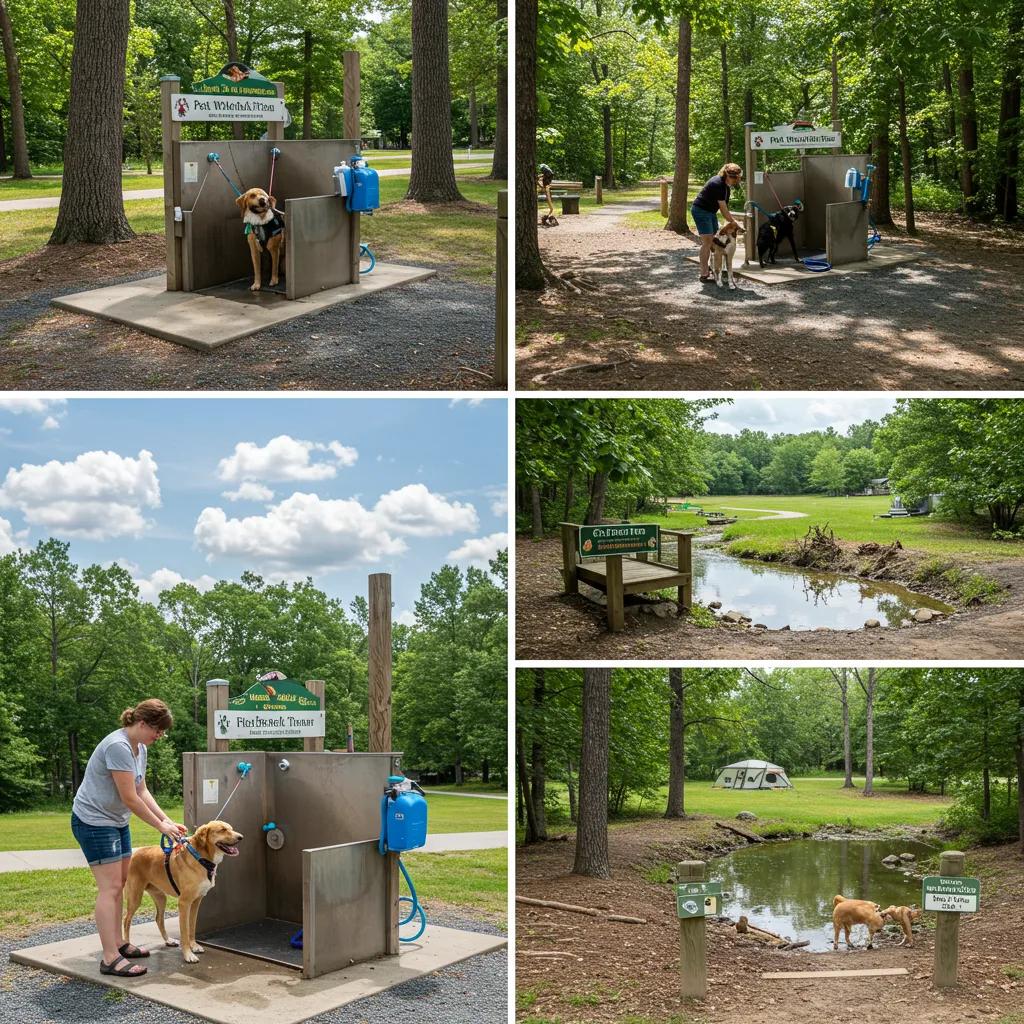
Amenities designed with pets in mind range from simple conveniences to dedicated off-leash zones, and they significantly impact how comfortable and easy a camping trip will be for both animals and their owners. Typical features include fenced dog parks for safe exercise, pet wash stations for rinsing off mud and salt after water play, trails that permit leashed dogs, and water access points where supervised swimming is allowed. These features cut down on cleanup time, encourage healthy activity, and support socialization for dogs, which in turn can minimize behavioral issues at campsites. Below is a focused look at a real example at a private campground to illustrate how such amenities come to life.
What Features Does Walnut Hills Family Campground Offer for Pets?
Walnut Hills Family Campground (managed by GatherGrounds Resorts) is known for its pet-friendly camping experiences and boasts a “large dog park” among its on-site amenities, alongside accommodations that cater to families, campers, and groups. The campground offers RV and tent sites, as well as cabins, and features family-oriented attractions like a swimming lake and playgrounds. These indirectly benefit pet owners by providing supervised areas for family activities while dogs get their exercise elsewhere. Presenting these factual details helps pet owners compare private campground offerings with state park limitations and plan their logistics accordingly. Understanding the available amenities helps you pinpoint the right site for your pet’s specific needs.
How Do Dog Parks and Pet Wash Stations Enhance Camping Experiences?
Dog parks and pet wash stations significantly reduce the logistical challenges of camping with pets by offering safe spaces for exercise and cleaning. This keeps campsites tidier and less stressful for owners. After a hike or a river float, a wash station lets you rinse off mud and debris before heading back to your cabin or RV, minimizing mess and making shared spaces more pleasant for everyone. Socialization in fenced areas can also tire dogs out, leading to calmer nights and less nuisance barking. These conveniences translate into higher guest satisfaction and easier management of pet needs during your stay.
Are There Pet-Friendly Trails and Beaches Near Michigan Campgrounds?
Many campgrounds are situated near local or private trails and shorelines that welcome dogs on leash, but access can vary by location and season. It’s always essential to check signage and local ordinances. Trail types include wooded loops, lakeside paths, and river corridors that often welcome leashed dogs. Beaches, however, might restrict pets during peak swim seasons to balance human enjoyment with habitat protection. Confirming rules before you arrive and timing your visits for off-peak hours helps you enjoy outdoor access while staying compliant with local regulations. Paying attention to signage and seasonal notices prevents conflicts and enhances outdoor fun for your pets.
How Should You Prepare for a Pet-Friendly Camping Trip in Michigan?
Thorough preparation ensures comfort, safety, and compliance when camping with pets by addressing nutrition, containment, first aid, and behavior management well in advance. A well-thought-out packing checklist and simple training or acclimation steps can reduce in-trip stress, while contingency planning for wildlife encounters and weather helps you manage potential risks. The following lists provide essential packing items and pre-trip actions to get your pet ready for a successful camping adventure. After packing and planning, the final section explains where to book pet-friendly stays and what to expect during the reservation process.
What Should You Pack for Camping With Dogs and Other Pets?
A clear packing list ensures you bring all necessary supplies and documentation for a safe camping trip with pets, minimizing the chance of emergency supply runs or rule violations. Pack food and measured portions, water and bowls, a sturdy leash and harness, waste bags, bedding, a pet first-aid kit, vaccination records, and microchip information. Don’t forget comfort items like favorite toys to help reduce stress. Bringing weather-appropriate gear—like cooling mats or insulated pads—aids in temperature management, and having extra supplies on hand is a lifesaver if plans change. Keeping these items organized supports a calm, compliant camping experience.
- Essential food, bowls, and secure water containers for hydration.
- Leash, harness, and a familiar collar with ID tags.
- Waste bags, sealing container, and any site-required cleanup supplies.
How Can You Ensure Pet Safety and Comfort While Camping?
Prioritize shade, hydration, and secure containment to keep pets safe and comfortable, and keep a close eye on their behavior for any signs of heat stress or anxiety. Provide a sheltered sleeping area in tents or RVs, use sturdy leashes at night, and keep pets supervised near water and wildlife. Have emergency contacts and nearby veterinary resources readily available. Recognizing symptoms—like excessive panting, lethargy, or vomiting—allows for prompt action and prevents escalation. Thoughtful preparation helps pets thrive outdoors and keeps other campers comfortable.
What Are Best Practices for Camping With Reactive or Nervous Pets?
For reactive or nervous pets, opt for quieter campsites away from busy communal areas and consider crate training, desensitization exercises, and short practice stays before a longer trip. Implement calming routines, identify low-stimulus walking times, and bring visual barriers or familiar blankets to create a secure, den-like space for your pet. Professional trainers can offer behavior plans if needed, and choosing private campgrounds with separate dog-park access can help reduce triggering encounters. These strategies promote peaceful stays and protect other visitors.
Where Can You Book Pet-Friendly Stays and What Are the Reservation Policies?
Booking pet-friendly sites involves a few clear steps: filter search results for pet acceptance, read the property’s pet policy thoroughly, and confirm pet limits and fee structures before finalizing your reservation. Many private campground operators allow online bookings or direct inquiries, and it’s always a good idea to document the stated pet policy at the time of booking. When in doubt, reach out to the campground operator—like GatherGrounds Resorts for Walnut Hills Family Campground—to confirm details and any special requests, ensuring a smooth check-in and compliance with site rules. The following subsections outline the exact booking steps at Walnut Hills, typical fee scenarios, and how to interpret pet-owner reviews.
How Do You Reserve Pet-Friendly Cabins, RV, and Tent Sites at Walnut Hills?
To reserve a pet-friendly accommodation at Walnut Hills Family Campground, first identify the accommodation type that permits pets, then review the property’s specific pet policy, and finally, complete your reservation through the operator’s booking channel or by contacting the property directly to confirm any limits or special needs. Confirming pet allowances and any site-specific rules before arrival reduces the chance of denied entry and clarifies expectations regarding on-site amenities like the large dog park. Inquiring about peak-season rules and campsite placement helps match your reservation to your pet’s temperament. Clear confirmation ensures a stress-free arrival.
Are There Pet Fees or Limits When Booking at GatherGrounds Resorts?
Fee practices at GatherGrounds Resorts properties can differ by location, but many listings showcase flexible approaches to pet fees. Some properties waive pet fees entirely, while others apply per-pet or per-stay charges. Because policies can vary from one property to another, always verify whether fees apply, how many pets are allowed, and any breed or weight restrictions at the time of booking to avoid unexpected charges. Confirming these details when you reserve helps keep your budgeting accurate and ensures you comply with the chosen campground’s rules. Advance clarification minimizes surprises at check-in.
What Do Other Pet Owners Say About Their Experiences at Michigan Campgrounds?
Pet-owner reviews commonly highlight amenities like dog parks, helpful staff, and cleanliness as positive aspects, while complaints often focus on inconsistent rule enforcement or limited waste disposal facilities. When evaluating reviews, filter for pet-specific feedback to get a real sense of on-site experiences—look for mentions of off-leash areas, noise levels at night, and how staff handle rule infractions. Using reviews to set your expectations helps you select campgrounds that align with your needs and avoid properties that might not consistently enforce their pet-friendly policies. This approach sharpens your decision-making when booking pet-friendly camping in Michigan.
Frequently Asked Questions
What should I do if my pet has special needs while camping?
If your pet has special needs, it’s crucial to communicate these requirements when booking your campsite. Many campgrounds, especially private ones, may offer accommodations to help. Consider bringing necessary supplies such as medications, special food, or comfort items. Additionally, check if the campground has accessible facilities or quiet areas that can cater to your pet’s needs. Preparing in advance ensures a comfortable and enjoyable experience for both you and your pet.
Are there specific health requirements for pets at Michigan campgrounds?
Yes, many Michigan campgrounds require pets to be up-to-date on vaccinations and may ask for proof upon check-in. Common vaccinations include rabies and distemper. Some campgrounds may also require pets to be microchipped for identification purposes. It’s advisable to carry your pet’s vaccination records and microchip information to avoid any issues during your stay. Ensuring your pet meets health requirements not only protects them but also other guests and wildlife.
Can I leave my pet unattended at the campsite?
Leaving pets unattended at campsites is generally discouraged and may be against campground policies. Many campgrounds require pets to be supervised at all times to prevent disturbances and ensure safety. If you need to leave your pet for a short period, consider using a crate or a secure area within your tent or RV. Always check the specific campground’s rules regarding unattended pets to avoid potential fines or issues during your stay.
What should I do if my pet gets lost while camping?
If your pet goes missing while camping, immediately notify campground staff and fellow campers. Provide a description of your pet and any identifying features. It’s also helpful to have a recent photo on hand. Search the immediate area thoroughly, including nearby trails and common gathering spots. To prevent this situation, ensure your pet is wearing a collar with ID tags and consider microchipping them before your trip for added security.
Are there any seasonal restrictions for pets at Michigan campgrounds?
Yes, many Michigan campgrounds impose seasonal restrictions on pet access, particularly during peak tourist seasons or specific weather conditions. For example, some beaches may not allow pets during the summer months to protect wildlife and ensure visitor safety. Always check the campground’s website or contact them directly for the most current pet policies and seasonal restrictions. Being informed helps you plan your visit and avoid any surprises upon arrival.
How can I help my pet adjust to camping?
To help your pet adjust to camping, start with short practice trips to familiarize them with the environment. Bring familiar items like their bed, toys, and food to create a sense of comfort. Gradually expose them to different sounds and sights they may encounter while camping. Training commands such as “stay” and “come” can also enhance safety and control. Patience and positive reinforcement will help your pet feel more secure and relaxed during your camping adventure.
Conclusion
Understanding pet policies at Michigan campgrounds empowers pet owners to make informed decisions for enjoyable camping experiences. By knowing what types of pets are allowed, the amenities available, and the rules in place, you can ensure a smooth and stress-free trip for both you and your furry companions. Take the next step in planning your adventure by exploring our comprehensive listings of pet-friendly campgrounds. Start your journey today and create unforgettable memories with your pets in the great outdoors!