Essential Tips for Evaluating Cleanliness and Safety at Ohio Campgrounds Before You Go
Picking a campground that hits the mark for cleanliness and safety starts with knowing what to look for, why it’s a big deal, and how Ohio’s own rules shape what happens on the ground. This guide walks families and outdoor adventurers through practical, actionable steps to check out campground hygiene, understand who’s responsible for what, and verify safety measures in Ohio, so you can book with total confidence. You’ll learn how Ohio Administrative Code 3701-26 sets the stage for water, sewage, and sanitation requirements, what signs on-site point to good upkeep, and the key safety features to confirm before you even arrive. Many campers struggle to translate official rules into simple checks; our solution is a straightforward checklist, easy-to-use comparison tables, and guided questions to help you compare sites. We’ll cover state regulations and inspections, cleanliness benchmarks for restrooms, waste and water systems, playground and electrical safety, a close look at how Ridge Ranch Campground measures up, and a pre-booking checklist to verify safety and sanitation. Throughout, we’ll weave in real-world examples and checklists to help you quickly assess any Ohio campground for cleanliness and safety.
What Are the Ohio Campground Safety Regulations and Inspection Requirements?
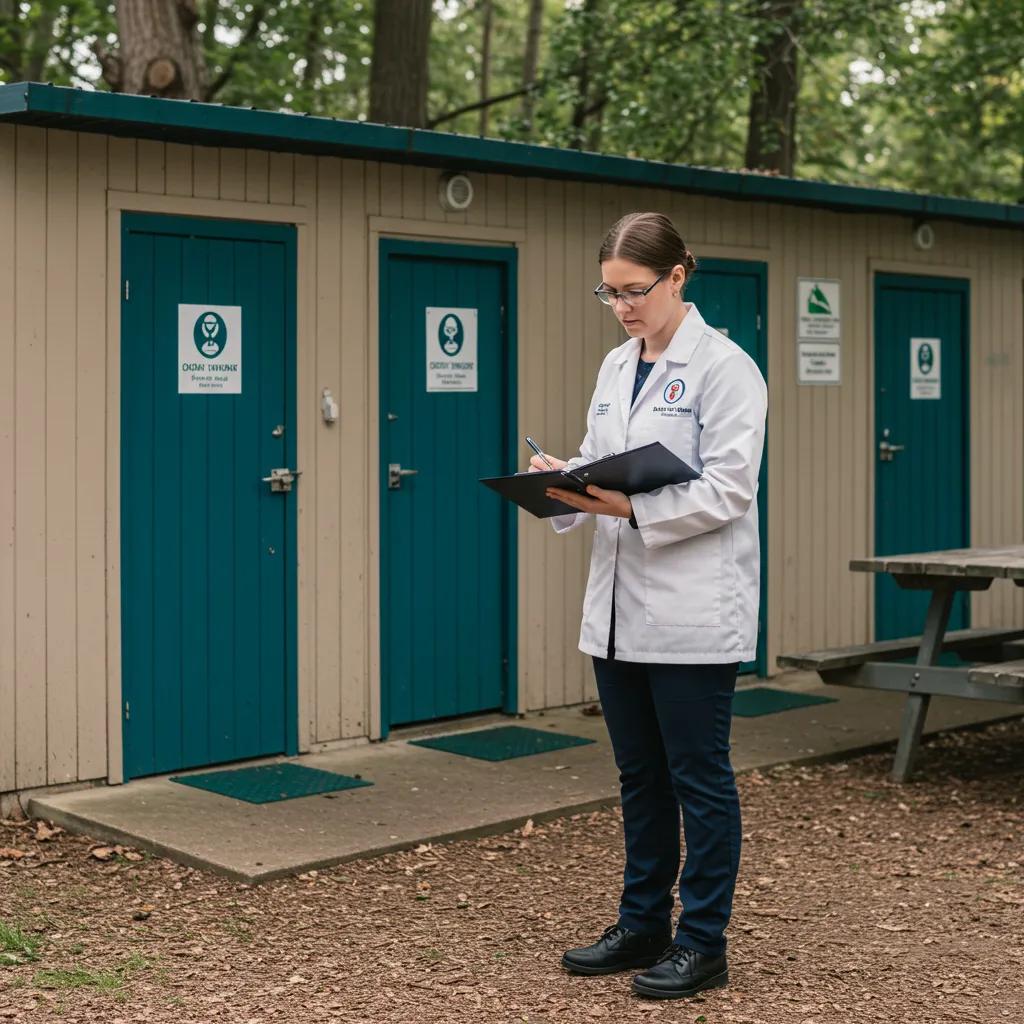
Ohio campground safety regulations lay down the legal groundwork, establishing the minimum standards for sanitation, water quality, and facilities to keep everyone healthy. These rules mandate that campgrounds provide safe drinking water, sufficient toilet and handwashing facilities, proper sewage handling, and well-designed sites. Enforcement typically follows Ohio Administrative Code 3701-26 and related public health statutes. The way these rules protect campers is simple: regular requirements and inspections cut down on contamination risks and ensure facilities work as they should, directly leading to fewer illnesses and injuries. Understanding these rules helps you make sense of inspection findings and ask the right questions to see if a campground is following best practices. The next section dives into the specifics of Ohio Administrative Code 3701-26 and what it means for you as a camper.
What Does Ohio Administrative Code 3701-26 Require for Campgrounds?
Ohio Administrative Code 3701-26 clearly outlines expectations for campground design and sanitation. This includes requirements for safe drinking water, sewage disposal, accessible toilet and handwashing facilities, and proper waste containment. The code mandates that potable water sources be tested and maintained, that toilet and bathing facilities be accessible and equipped with soap and hand-drying options, and that sewage systems meet safe construction and maintenance standards. The purpose behind these specifications is to minimize the spread of disease and environmental contamination, benefiting both campers and nearby communities. As a camper, you should look for posted evidence of water testing, visible and clean handwashing stations, and well-maintained restroom fixtures as practical signs of compliance. Knowing these code elements will help you spot gaps in facility upkeep and ask camp managers for details before you book.
How Often Are Ohio Campgrounds Inspected by Health Departments?
Inspections of Ohio campgrounds happen on a regular schedule and also in response to complaints. How often depends on local health department policies, the size of the campground, and risk factors like on-site food service or swimming areas. Routine inspections check that sanitation and water safety rules are being followed, while extra inspections might occur after complaints, reports of illness, or significant changes to facilities. This multi-layered approach helps reduce ongoing risks for guests. The inspection scheduling process is risk-based, focusing resources on higher-risk sites and responding quickly when problems arise. Campers can use inspection frequency as a gauge of regulatory oversight: sites with regular, documented inspections usually maintain steadier compliance. Knowing how inspections work helps you interpret posted inspection results and decide if you want to seek further verification from health authorities.
Who Licenses and Regulates Ohio Campgrounds?
The responsibility for licensing and regulating Ohio campgrounds is shared between the Ohio Department of Health and local health departments. The state sets the overall rules, while local agencies handle inspections and enforcement. Licensing ensures campgrounds meet basic standards before they can open, and local departments conduct regular checks and address complaints to enforce those standards in practice. The benefit for campers is that this dual oversight creates multiple points of accountability. State rules set the expectations, and local departments verify day-to-day compliance, making it easier for guests to report issues and seek resolutions. When evaluating a campground, ask which local health authority oversees the site and if inspection results are publicly available. This step directly links the regulatory framework to your booking decision.
How Can You Identify Cleanliness Standards at Ohio Campgrounds?
Identifying cleanliness standards at a campground means looking closely at restrooms, showers, waste systems, and how potable water is handled, using clear, observable criteria that reduce contamination risks. Effective cleanliness practices include documented cleaning schedules, visible supplies like soap and hand-drying options, sealed waste containers, and water testing records. Together, these reduce the likelihood of gastrointestinal and skin-related illnesses. The specific advantage is that these observable practices offer reliable signals of ongoing operational diligence, not just a one-time cleaning effort, helping families choose safer sites. Below are practical items to check, along with an evaluation-style comparison table that summarizes common cleanliness attributes across key campground components to simplify on-site assessment and pre-booking questions.
What Are the Key Cleanliness Criteria for Restrooms and Shower Facilities?
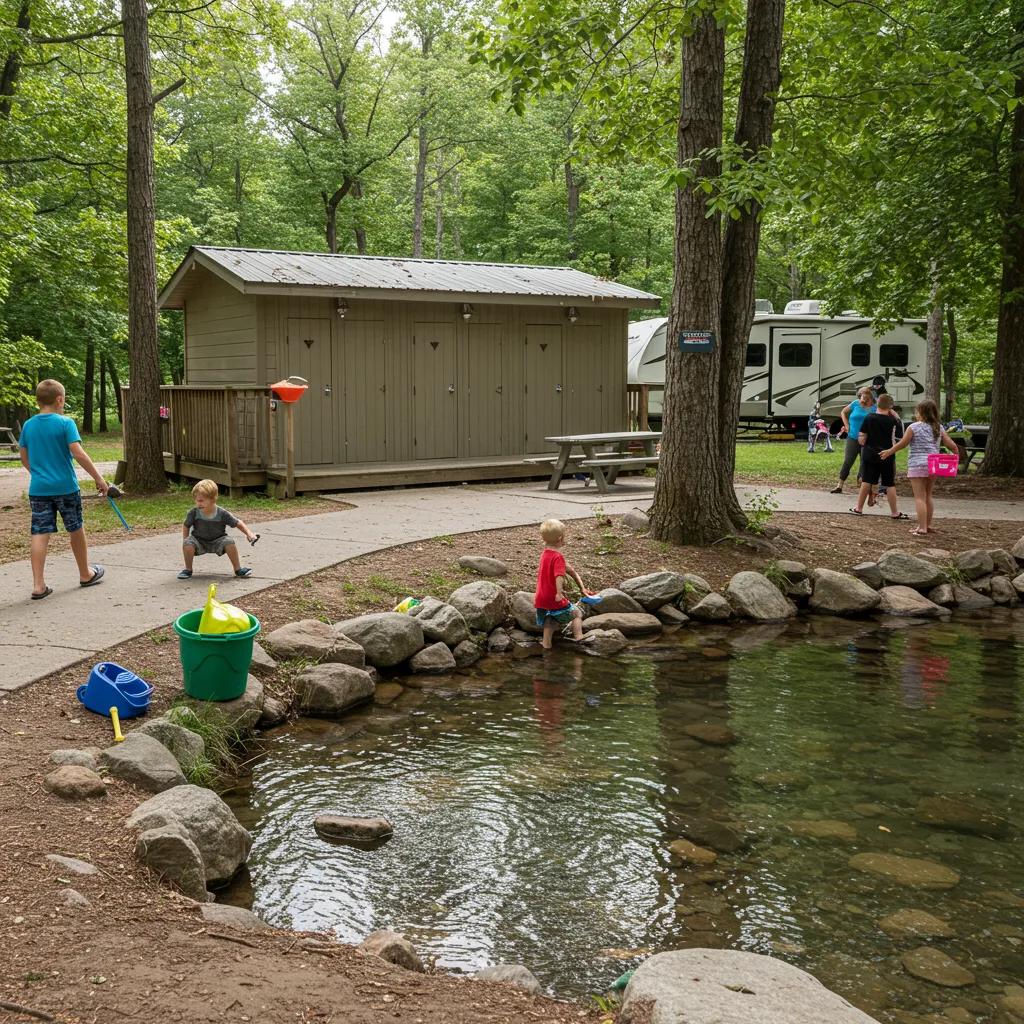
Restroom and shower cleanliness is defined by frequent, documented cleaning, functioning fixtures, and a consistent supply of soap and hand-drying options to prevent disease transmission and ensure guest comfort. Campgrounds that clean toilets and showers daily, or display visible cleaning logs, reduce the risk of surface contamination. Good ventilation and intact surfaces help minimize mold and odors. In practice, look for posted cleaning schedules, fully stocked dispensers, no standing water, and solid locks on stall doors. These indicate systematic maintenance rather than haphazard attention. If any of these elements are missing, ask staff about cleaning frequency and how issues are handled. Transparent responses often reflect better operational practices that protect guest health.
Intro to table: The table below compares cleanliness attributes across common campground facilities to help campers quickly interpret what to expect and what to ask.
How Is Waste Management and Sewage Disposal Handled at Campgrounds?
Proper waste management at campgrounds involves secure dumpsters, clear pickup schedules, and safe sewage systems—either municipal sewer connections or well-maintained septic systems with documented pump-out routines. These systems prevent pests, odors, and environmental contamination by separating waste streams, ensuring secure containment, and facilitating timely removal. Visible signage and covered receptacles further reduce litter and deter wildlife. Look for sealed, regularly emptied dumpsters, clearly marked recycling options, and straightforward rules about greywater and generator use. These operational details signal an organized waste program. If there are on-site dump stations for RVs, ask about pump-out certification and frequency to confirm that wastewater is handled in compliance with health expectations.
What Water Quality Standards Must Ohio Campgrounds Meet?
Campground water quality standards require that potable water sources be routinely tested, treated as needed, and that guests be promptly notified if any issues arise, all of which protects campers from waterborne illnesses. The process involves regular monitoring and documented corrective actions to reduce contamination risks in drinking water systems and at beach areas. Posted advisories keep guests informed and safe during advisories or closures. When evaluating a site, ask about the date of the last potable water test, look for posted beach safety signs at lakes or swimming decks, and note whether staff communicate advisories promptly. Clear testing and notification practices directly translate into reduced health risks and greater peace of mind during your stay.
What Safety Measures Should You Look for When Choosing an Ohio Campground?
A safe campground combines well-maintained recreational equipment, clear emergency procedures, and properly designed RV sites with electrical protections to reduce injuries and speed up emergency response times. Safety measures include regular playground inspections, on-site emergency equipment and posted plans, and correctly installed electrical hookups with clear labeling and protective devices. These measures lower the risk of both common and severe incidents. The benefit for families is fewer injuries, quicker emergency responses, and predictable operational rules that minimize hazards during a stay. The following subsections explain how playground safety, emergency preparedness, and RV site electrical and spacing practices work in real life and what to verify when choosing a campground.
How Is Playground Safety Ensured at Ohio Campgrounds?

Playground safety is ensured through regular inspections, appropriate surfacing, and age-appropriate equipment designed to reduce fall and entrapment hazards. These measures directly lower injury rates among children. Inspections should be documented, and inspection tags or dates should be visible on equipment. Impact-absorbing surfacing, such as engineered wood fiber or rubber, helps reduce serious injuries from falls. When evaluating a campground, look for intact equipment, clear age-zone signage, and recent inspection tags. The absence of these signs suggests a higher maintenance risk. Asking staff about inspection frequency and repair protocols helps you understand how quickly hazards are addressed and whether the playground is safe for your children.
Intro to list: Playground safety features to verify upon arrival include the following observable items.
- Inspection Tags: Visible dates and documented maintenance records on equipment.
- Safe Surfacing: Impact-absorbing material under play structures and no exposed hard surfaces.
- Age-Appropriate Zones: Separate areas for toddlers and older children with clear signage.
These items collectively indicate an active maintenance program and reduce the likelihood of playground-related injuries, so prioritize sites that display these cues.
What Emergency Preparedness Plans Should Campgrounds Have?
Campground emergency preparation includes documented plans for medical events, severe weather, fire evacuation, and clear methods for notifying guests to ensure rapid, organized responses that minimize harm. Mechanisms such as staff training, posted evacuation routes, and the availability of emergency equipment like AEDs and first-aid kits translate planning into actionable response. These elements reduce response times and improve outcomes during incidents. Ask whether staff receive periodic emergency training, where evacuation assembly points are located, and how guests are notified of urgent situations. These questions reveal procedural readiness. Knowing a campground’s emergency posture helps you judge whether the site will support safe family stays in both routine and exceptional situations.
How Are RV Site Electrical and Site Spacing Safety Managed?
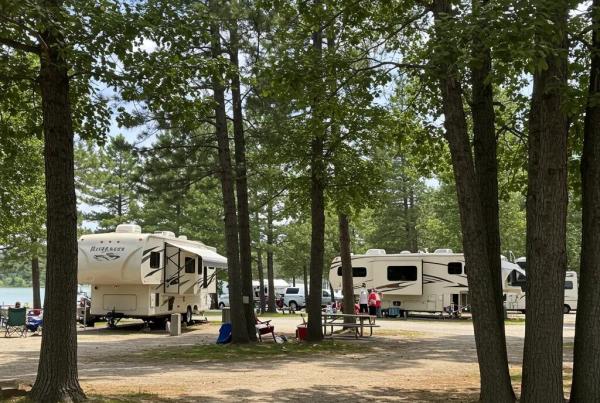
RV site electrical and spacing safety depend on properly installed hookups, labeled circuits, and generous site clearances to prevent electrical hazards, vehicle collisions, and fire spread. These measures protect both property and people. Safe implementations include GFCI protection where required, well-marked breaker boxes, and adequate distance between RVs for ventilation and emergency access. When inspecting an RV site, check for clearly labeled hookups, the absence of exposed wiring, and unobstructed clearance around the unit. Also, confirm generator rules and placement requirements. These practical checks reduce electrical faults and enable safer campground circulation during busy periods.
How Does Ridge Ranch Campground Meet and Exceed Ohio Cleanliness and Safety Standards?
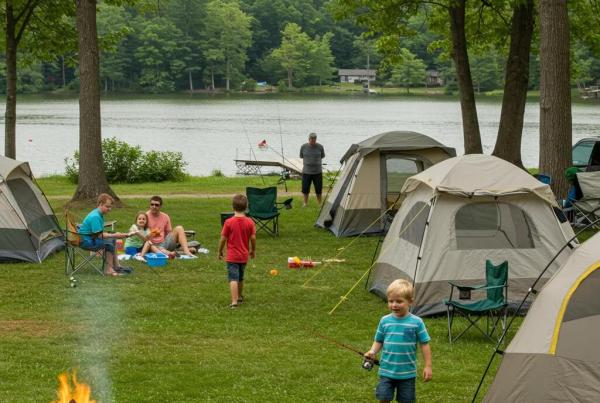
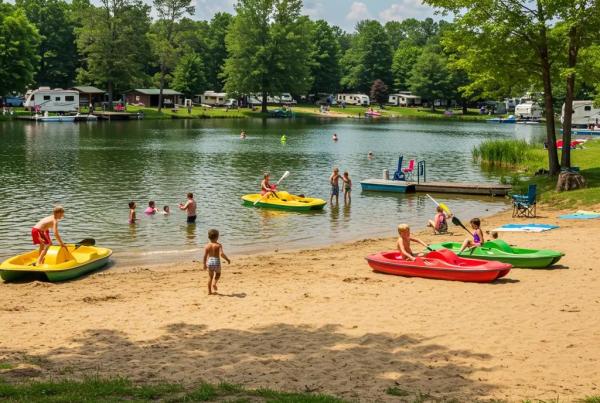
Ridge Ranch Campground by GatherGrounds demonstrates a practical commitment to cleanliness and safety features by combining family-focused amenities with operational practices that align with Ohio guidelines for campsites and recreation areas. The campground offers various camping accommodations, including RV sites with full hookups and tent camping, as well as a 17-acre lake with a sandy beach and a swimming deck. These amenities require ongoing sanitation, water monitoring, and equipment maintenance to remain safe for families. By mapping common sanitation and safety protocols to guest benefits, Ridge Ranch shows how facility-level practices create a safer, cleaner stay for visitors. The subsections below outline restroom hygiene routines, waste and water management practices, and playground and emergency safety features as concrete examples of how a campground can operationalize Ohio standards.
What Are Ridge Ranch’s Restroom and Shower Hygiene Protocols?
Ridge Ranch maintains visible restroom and shower hygiene measures that align with best practices for frequent cleaning, consistent supply availability, and modern fixtures to support guest health and comfort. Daily cleaning routines and documented maintenance help keep surfaces sanitary and reduce microbial transmission, while stocked soap and hand-drying options promote proper hand hygiene among visitors. These protocols enhance the guest experience by reducing odors and maintenance complaints and by signaling operational transparency to families who prioritize cleanliness. If questions arise during a stay, Ridge Ranch offers direct reporting channels so guests can notify staff about issues, helping ensure problems are addressed promptly and consistently.
How Does Ridge Ranch Manage Waste and Water Systems Safely?
Ridge Ranch manages waste containment and water safety through controlled waste receptacles, scheduled removal, and water monitoring practices suitable for a site with significant lake and beach access. These measures reduce environmental contamination and protect swimmer health. Regular water testing for the potable supply and beach advisories, combined with secure dumpsters and clear disposal policies, limit contamination pathways and maintain shoreline cleanliness. These practices deliver tangible benefits: reduced odors, fewer pest issues, and confidence in the safety of recreational water activities around the 17-acre lake and sandy beach. Guests benefit from transparent communication about any advisories and from consistent operational procedures that prioritize sanitary conditions.
What Playground and Emergency Safety Features Does Ridge Ranch Provide?
Ridge Ranch supports family safety with well-maintained playgrounds, visible inspection and maintenance practices, and preparedness measures such as posted emergency information and trained staff to respond to incidents quickly. Regular equipment checks and clear age-appropriate zones promote safer play, while staff readiness and posted emergency procedures reduce response times during medical or severe weather events. These features translate into tangible benefits for families: safer recreation, faster assistance when needed, and predictable protocols for evacuation or incident reporting. Ridge Ranch’s emphasis on visible safety measures helps families feel comfortable bringing children to on-site activities and amenities.
What Should Campers Check Before Booking to Ensure a Safe and Clean Ohio Campground?
Before booking, campers should verify inspection history, cleanliness indicators, emergency procedures, and site-specific safety rules to ensure a stay that meets their health and safety expectations. These verification steps allow prospective guests to translate regulatory requirements into actionable booking criteria, such as asking about the last potable water testing, restroom cleaning schedules, and playground inspection records. The next subsections provide a ready-to-use inspection checklist, guidance on interpreting reviews, and specific on-site observations that confirm whether a campground delivers consistent cleanliness and safety.
What Is the Ohio Campground Inspection Checklist for Cleanliness and Safety?
Use this compact inspection checklist to evaluate a campground’s readiness and compliance before or upon arrival. It turns complex regulations into simple, observable items you can inspect or ask staff about. The checklist includes restroom and shower cleanliness, potable water testing and advisories, waste containment and pickup schedules, playground inspection records, and visible emergency procedures and contact information. Each item serves as a pass/fail indicator: a restroom with daily cleaning logs passes, while missing soap or damaged fixtures suggests a failure to maintain standards. Documenting or photographing issues and asking staff for clarification supports constructive resolution and provides evidence if a complaint to local authorities becomes necessary.
Intro to numbered checklist: The following numbered list offers a prioritized sequence for pre-booking or arrival inspections.
- Verify Water Safety: Ask about recent potable water testing and beach monitoring.
- Confirm Restroom Maintenance: Look for cleaning logs and stocked soap and hand-drying options.
- Check Waste Handling: Observe sealed dumpsters, recycling, and clear disposal policies.
- Inspect Play Areas: Find inspection tags, safe surfacing, and age-appropriate signage.
- Review Emergency Info: Ensure evacuation routes and emergency contacts are posted.
Using this checklist makes it easier to assess compliance quickly and systematically, turning regulatory standards into guest-focused checks that improve safety outcomes.
How Can You Read and Interpret Campground Reviews for Safety and Cleanliness?
Interpreting reviews effectively requires looking for consistent patterns, recent complaints, and reviewer specificity, such as photos and descriptions of incidents. These approaches help distinguish one-off issues from chronic problems. The mechanism is pattern recognition: repeated mentions of dirty restrooms, water advisories, or electrical problems across reviews suggest systemic issues, while isolated negative comments with no corroborating evidence are less decisive. Prioritize recent reviews with photos, weigh multiple sources, and check for responses from the campground that indicate accountability and remediation. This method helps you discern whether negative mentions reflect transient events or persistent operational gaps that affect safety and comfort.
What On-Site Observations Help Verify Campground Hygiene and Safety?
Quick on-site observations provide immediate evidence of a campground’s operational standards. This includes visible cleaning schedules, staff presence, posted emergency procedures, and the condition of communal areas and play equipment. These observable cues act as proxies for underlying maintenance programs: clean, stocked restrooms signal regular cleaning; visible staff and uniforms suggest active oversight; and well-kept grounds show consistent waste management. When you encounter gaps—such as overflowing trash, broken play equipment, or missing emergency signage—ask staff about remediation timelines to gauge responsiveness. These focused checks give you practical confirmation of whether a campground meets everyday cleanliness and safety expectations.
Why Is Understanding Ohio RV Park Sanitation Guidelines Important for Campers?
Understanding RV park sanitation guidelines is important because compliance reduces exposure to waterborne and waste-related illnesses and ensures communal facilities operate safely for all guests. The guidelines require proper potable water provision, safe sewage disposal, and well-maintained shared restrooms and showers. The mechanism by which these rules protect campers is through contamination control and predictable maintenance. Knowing these expectations helps campers recognize when sanitation practices are sufficient and when to raise concerns, improving both health outcomes and the quality of the camping experience. The subsections below summarize required sanitation practices and how they impact camper health.
What Sanitation Practices Are Required for Ohio RV Parks?
Ohio RV park sanitation practices commonly require potable water testing, secure and regularly serviced sewage systems or municipal hookups, appropriate restroom/shower facilities, and policies governing greywater and generator use to prevent contamination and maintain public health. These measures function by preventing cross-contamination between sewage and potable systems and by ensuring shared facilities remain hygienic for all users. Campers should verify that potable water is routinely tested and that dump stations and hookups are clearly maintained to avoid contamination risks. These practices establish a predictable baseline of safety that protects both individual campers and the broader campsite environment.
How Do Sanitation Guidelines Impact Camper Health and Safety?
Sanitation guidelines reduce disease transmission, limit environmental contamination, and improve overall comfort by ensuring clean water and properly functioning waste systems. This lowers risks such as gastrointestinal illness and skin infections. The mechanism is straightforward: effective containment and treatment of waste and consistent provision of potable water prevent exposure to pathogens that cause outbreaks. For campers, adherence to sanitation guidelines means fewer illness-related disruptions and greater confidence in shared amenities. Recognizing how sanitation policies translate into health outcomes empowers campers to select and enjoy sites that prioritize public health.
How Can You Book a Safe and Clean Camping Experience at Ridge Ranch Campground?
Booking a safe and clean stay at Ridge Ranch Campground by GatherGrounds is straightforward when you prioritize the same cleanliness and safety criteria outlined above and confirm site-specific practices at the time of reservation. Ridge Ranch provides camping accommodations, including RV sites with full hookups and tent camping, as well as family-focused amenities like a 17-acre lake with a sandy beach and a swimming deck. These offerings benefit from operational cleanliness and safety protocols that support recreational use. When reserving, ask about restroom cleaning schedules, water testing, playground inspection frequency, and any policies related to RV hookups to ensure your needs are met. The steps below guide practical reservation actions and where to verify safety commitments.
What Makes Ridge Ranch a Trusted Choice for Families Seeking Clean and Safe Camping?
Ridge Ranch’s family-oriented amenities and programmed events create a recreational environment that emphasizes safe, maintained facilities, which is important for families seeking predictable and enjoyable stays. The combination of RV sites with full hookups, tent camping options, and a 17-acre lake with a sandy beach supports a range of activities that require ongoing sanitation and lifeguard or monitoring practices to remain safe. These features, when paired with visible maintenance and safety procedures, provide families with reassurance about cleanliness and risk management. Confirming Ridge Ranch’s operational protocols before booking helps match family expectations with on-the-ground practices for a safer visit.
How to Reserve Your Spot at Ridge Ranch Campground Online?
When reserving a site at Ridge Ranch, follow a simple sequence: choose the accommodation type you need—camping accommodations, including RV sites with full hookups and tent camping—ask about site-specific sanitation and safety measures, and request clarification on policies such as pool or beach advisories and playground inspection schedules. This reservation approach ensures you select the right site type and receive confirmation that cleanliness and safety practices meet your standards. During booking, request any relevant documentation that confirms water testing or cleaning schedules if you require added reassurance. These steps turn a routine reservation into a proactive safety check that reduces surprises at check-in.
Where Can You Find Additional Information About Ridge Ranch’s Cleanliness and Safety?
For detailed questions about operational protocols at Ridge Ranch, reference the campground’s public information channels and customer feedback sources to learn about recent practices and guest experiences. These resources frequently contain updates on amenities and safety commitments. Asking staff directly about documented cleaning routines, water testing frequency, and playground inspections provides the most actionable information and ensures you have up-to-date details before arrival. Combining public feedback with direct confirmation helps you validate that Ridge Ranch’s amenities and services align with the cleanliness and safety standards described earlier in this article.
- Ask for Documentation: Request visible cleaning logs or testing records for reassurance.
- Check Recent Guest Feedback: Look for patterns regarding sanitation and safety in recent stays.
- Confirm Site-Specific Rules: Verify policies for RV hookups, generators, and water advisories.
Frequently Asked Questions
What should I look for in campground reviews regarding cleanliness and safety?
When reading campground reviews, focus on consistent themes related to cleanliness and safety. Look for mentions of restroom conditions, water quality, and the responsiveness of staff to issues. Reviews that include photos or detailed descriptions can provide valuable insights into the campground’s actual conditions. Pay attention to recent reviews, as they reflect the current state of the facilities. A pattern of complaints about cleanliness or safety can indicate systemic issues, while positive feedback suggests a well-maintained environment.
How can I ensure my family’s safety while camping in Ohio?
To ensure your family’s safety while camping in Ohio, familiarize yourself with the campground’s emergency procedures and safety measures. Check for visible emergency equipment, such as first-aid kits and fire extinguishers, and inquire about staff training in emergency response. Additionally, assess the condition of recreational equipment and playgrounds, ensuring they meet safety standards. Always have a plan for emergencies, including knowing evacuation routes and having a communication method in case of separation from your group.
What are the common signs of a well-maintained campground?
Common signs of a well-maintained campground include clean and stocked restrooms, clear signage for safety and emergency procedures, and well-kept communal areas. Look for visible cleaning schedules posted in restrooms and regular maintenance of playground equipment. Additionally, well-managed waste disposal systems, such as sealed dumpsters and clear recycling options, indicate a commitment to cleanliness. A friendly and responsive staff presence can also be a good indicator of overall campground management quality.
What should I ask campground staff before booking?
Before booking, ask campground staff about their cleaning protocols, inspection history, and safety measures. Inquire about the frequency of restroom cleaning, the last potable water test, and any recent safety inspections. It’s also helpful to ask about emergency procedures and how they handle guest concerns. These questions can provide insight into the campground’s commitment to cleanliness and safety, helping you make an informed decision for your stay.
How can I verify the water quality at a campground?
To verify water quality at a campground, ask for documentation of recent water testing and any advisories related to water safety. Campgrounds should have records of routine testing for potable water and should be transparent about any issues that arise. Look for posted signs indicating water quality status, especially near swimming areas. If the campground has a beach or lake, inquire about the frequency of water quality checks and how they communicate any concerns to guests.
What are the benefits of choosing a campground with regular inspections?
Choosing a campground with regular inspections offers several benefits, including enhanced safety and cleanliness. Regular inspections ensure compliance with health and safety regulations, reducing the risk of illness and injury. Campgrounds that are frequently inspected are more likely to maintain high standards for sanitation, water quality, and facility upkeep. This proactive approach not only protects guests but also fosters a more enjoyable camping experience, as well-maintained facilities contribute to overall comfort and peace of mind.
How can I prepare for potential health risks while camping?
To prepare for potential health risks while camping, familiarize yourself with the campground’s sanitation practices and health guidelines. Bring your own hand sanitizers, disinfectant wipes, and personal hygiene supplies to maintain cleanliness. Stay informed about any local health advisories, especially regarding water quality or disease outbreaks. Additionally, ensure that your family is up-to-date on vaccinations and consider packing a first-aid kit for minor injuries. Being proactive can significantly enhance your camping experience and reduce health risks.
Conclusion
Evaluating cleanliness and safety at Ohio campgrounds is essential for ensuring a healthy and enjoyable outdoor experience. By understanding state regulations and implementing practical inspection strategies, campers can confidently choose sites that prioritize hygiene and safety. Ridge Ranch Campground exemplifies these standards, offering families a secure and clean environment for their adventures. Start planning your next camping trip by exploring Ridge Ranch and confirming their commitment to cleanliness and safety today.