Discover the Fun at Indian Creek Campground
Indian Creek–style campgrounds offer comfortable, full‑service RV sites, family‑friendly activities, and easy access to nearby trails and water — and this guide walks you through exactly what to check when planning your next RV trip. You’ll learn which site features matter most — full hookups, amperage, pad size, and layout — how to reserve the best spot for your rig, which on‑site activities keep kids busy, and why being near Waterloo State Recreation Area expands your outdoor options. Many RVers struggle to match their rig to campground listings or to spot kid‑friendly amenities that save time and hassle; this guide gives practical checklists, reservation steps, and side‑by‑side comparisons so you can pick a site with confidence. We also point to a nearby example, The Oaks Campground by GatherGrounds, to illustrate typical full‑hookup layouts and family amenities while keeping the advice broadly applicable. Read on for quick amenity checklists, booking tips, site‑selection advice, activity ideas, and simple comparison tables to help plan your trip.
Choosing the right RV campground starts with the basics: site utilities and how they affect comfort and safety. We begin by defining full hookups and why amperage, sewer placement, and pad surface matter for different rig sizes. From there we cover site selection strategies and the reservation flow so you can book the correct space, then highlight family programming and nearby outdoor draws that make a stay memorable. Each section includes practical lists, comparison tables, and booking examples so you can act on these tips and arrive prepared.
What RV Amenities Does Indian Creek Campground Offer for a Comfortable Stay?
Full hookups are the feature that turns a campsite into a true RV home base: potable water, shore power, and a sewer connection let your coach run appliances, heating or A/C, and onboard systems without relying on tanks. Knowing the difference between 30‑amp and 50‑amp service tells you whether your rig can run multiple appliances and rooftop A/Cs at once — 50A supports larger fifth‑wheels and motorhomes while 30A covers many travel trailers. Pad surface (gravel, concrete, paved) and site length affect leveling, slide‑out clearance, and tow‑vehicle parking. In short, full hookups reduce generator use, simplify waste handling, and let families focus on fun instead of utility logistics.
Below is a quick checklist of common features to confirm when comparing Indian Creek–style campgrounds or when you call to reserve.
- Full hookups (water, electric, sewer): Ask where the sewer connection is and whether your hose will reach.
- Amperage options: Confirm whether 30A, 50A, or both are available for your rig.
- Site length and pad type: Compare your rig’s overall length to the advertised site length.
- On‑site utilities: Look for dump stations, potable water spigots, and Wi‑Fi availability.
- Comfort features: Check bathhouse quality, laundry availability, and camp store hours.
These basics make it easier to decide between pull‑through and back‑in sites — we compare those next so you can match your arrival preferences to the right site.
Below is a quick table that summarizes common hookup setups and the typical benefits for different rigs.
Use these attributes as decision criteria and prioritize sites that match your rig’s amperage and holding‑tank capacity.
Full Hookup RV Sites: What to Look For at Indian Creek Campground
Full hookup sites differ by length, amperage, and pad surface. A full hookup typically provides potable water, a sewer connection, and shore power — in plain terms: water, electric, sewer. For rigs under about 30 feet, a 30A hookup on a level gravel pad often works well; larger rigs with multiple rooftop A/C units or residential appliances usually need 50A on a paved or concrete pad. When you review listings, check where the sewer cleanout sits for easy hose routing and whether the pad includes a picnic area or fire ring for family time. As a nearby example, The Oaks Campground by GatherGrounds lists full‑hookup sites that illustrate these common layouts and can serve as a local reference for expectations in the Munith, Michigan area.
Before you book, confirm three practical details: amperage compatibility, pad levelness and surface, and the site’s usable length including tow‑vehicle space. Those checks reduce surprises at arrival and help your RV systems run reliably during the stay.
Pull‑Through vs Back‑In: Which Site Type Fits Your Trip?
Pull‑through and back‑in sites mainly differ in arrival convenience, space use, and privacy. Pull‑through sites let you drive straight through without unhooking — a big plus for long rigs, families with small kids, or short stays where convenience matters. Back‑in sites often feel more private and can offer better shade or pond views, plus extra green space for kids to play, but they require more skill to position, especially with large tow vehicles. If one person is handling arrival or you have a long rig, pull‑throughs reduce reversing stress; if you prioritize campsite ambiance and don’t mind backing in, a back‑in can be a nicer spot.
When choosing, think about who will drive the rig on arrival, how often you’ll come and go, and whether site orientation affects solar panels or shade needs. Those points help match the site type to your travel style and daily routine.
How Can You Secure the Best RV Sites at Indian Creek Campground?
Booking the right RV site takes timing, accurate rig details, and smart site selection based on your family’s needs. Reservation forms usually ask for overall rig length, hookup type, preferred site orientation (pull‑through or back‑in), and dates — giving precise info upfront reduces rebooking and helps staff assign a compatible pad. Seasonal peaks and weekend events affect availability, so understand booking windows and deposit rules for both short‑term and seasonal stays. A little planning up front saves time on arrival and keeps your trip running smoothly.
Use this quick reservation checklist to book efficiently.
- Confirm rig dimensions and hookup needs: Note overall length including hitch and any towed vehicle.
- Choose site attributes: Pick pull‑through vs back‑in, pad surface, and how close you want to be to amenities.
- Book early for peak dates: Reserve holiday weekends and summer dates well in advance.
- Review payment and deposit policies: Know cancellation windows and required deposits.
- Ask for confirmation and site number: Request an assigned site to avoid last‑minute changes at check‑in.
These steps create a clear path from planning to arrival. Below is a simple table comparing reservation types and recommended lead times so you can choose the right approach.
What to Expect During the Reservation Process
Most bookings ask for your rig’s exact length, desired dates, and hookup type; giving accurate details prevents mismatches. Reservations usually include a deposit and spell out cancellation rules — knowing those reduces the risk of unexpected fees. When you reserve, ask if site maps or photos are available to confirm pad surface and nearby features, and check the events calendar for noise or crowds on your dates. The Oaks Campground by GatherGrounds, for example, offers online booking and a reservation team that lists full‑hookup options and site attributes — use that process as a model for what information to have ready.
After booking, make sure you have the site number and arrival instructions handy so check‑in and parking go smoothly.
Are Seasonal and Long‑Term RV Sites an Option?
Seasonal and long‑term sites are for guests planning extended stays and typically involve a separate application and deposit process. Seasonal spots usually cover a defined camping season and may include perks like on‑site storage or a dedicated placement. The upside is predictable location and often lower nightly rates; the trade‑off is a longer commitment and fewer switch‑outs during busy periods. To secure a seasonal site, contact management early — often in the offseason or right after the prior season ends — to join waitlists or submit an application. For long‑term stays, discuss utilities, site upkeep responsibilities, and any facility access rules.
If you’re considering a seasonal or long‑term placement, be ready to provide rig details, proof that you’ll follow campground rules, and a deposit — those steps increase your chance of getting the location you want for multi‑month stays.
What Family‑Friendly Activities Make Indian Creek Campground Great for RV Stays?
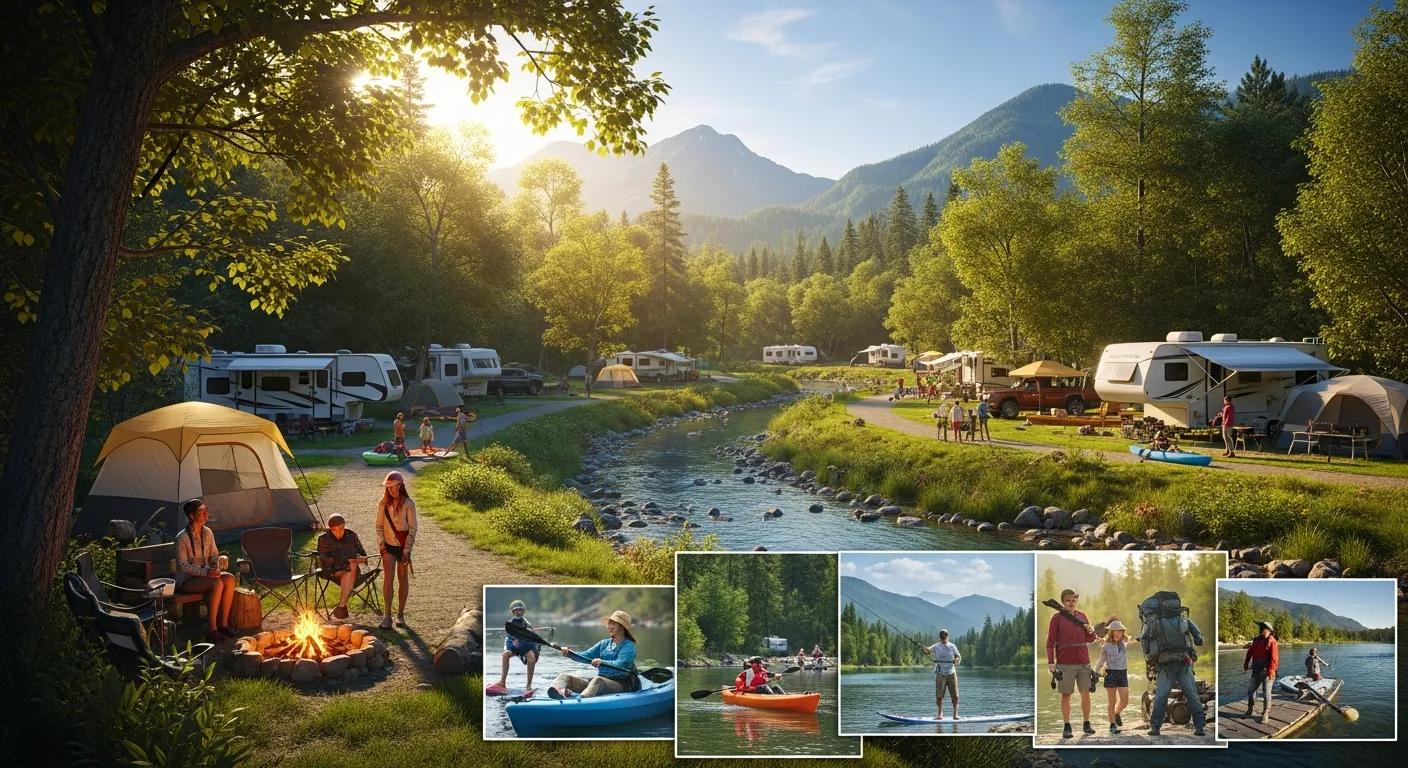
Family‑focused programming is a big draw at Indian Creek–style campgrounds: scheduled weekend events, playgrounds, and water features keep kids busy while adults unwind. On‑site attractions like fishing ponds, golf‑cart riding trails, playgrounds, and weekend activities give families options for all ages and energy levels. The payoff is less driving to separate attractions and more time enjoying organized recreation right near your campsite — perfect for multigenerational trips where everyone wants something different.
- Fishing at on‑site ponds: Bring basic gear and verify local license rules before you go.
- Golf‑cart riding trails: Plan short loops, bring helmets, and match cart size to kids’ ages.
- Playgrounds and supervised events: Check the event schedule for crafts, games, and kid‑friendly programs.
- Weekend programming: Look for movie nights, scavenger hunts, and guided nature walks.
These activities create a balanced stay that works for toddlers through teens; after mapping your plan, confirm logistics like lifeguard coverage for water play and trail rules for young riders.
The Oaks Campground by GatherGrounds is a nearby example that highlights these family features: a large fishing pond, roughly 120 acres of golf‑cart riding trails, playgrounds and pavilions — and plans to add a Wibit water park and a swimming lake in 2025. Those additions show the kind of family‑centered amenities you might prioritize when choosing a campground.
Kid‑Friendly Amenities and Playgrounds
Kid‑focused amenities commonly include fenced play areas, age‑appropriate structures, shaded picnic spots near play zones, and scheduled children’s programs on weekends. When you evaluate a playground, look for safe surfacing, barriers or buffer zones from roads, and clear sightlines from common seating so adults can keep an eye on kids. Pack life jackets for water play, helmets for cart rides, and sunscreen for long days outdoors to keep everyone safe and comfortable. Knowing what’s available ahead of time helps shape daily plans and reduce packing guesswork.
With those basics covered, let’s look at pond and trail activities families can enjoy.
Fishing, Trails, and Other Outdoor Adventures
On‑site fishing ponds offer relaxed angling right from camp — bring simple gear, check bait rules, and aim for morning or evening when fish are most active. Golf‑cart trails, often stretching across many acres, provide family exploration with less environmental impact than larger off‑road vehicles; trails vary in difficulty and may have age or helmet rules for passengers. Before you head out, give kids a brief safety talk about trail etiquette and set meeting points to prevent separations. These activities are ideal for mixed‑age groups and pair nicely with a short hike or picnic near the campground.
Trail and pond outings make excellent half‑day plans that balance downtime at your site with light adventure.
Why Indian Creek Campground’s Location Works for RV Trips
Location shapes how much you’ll explore off‑site and how convenient the trip is for different starting points. Indian Creek–style campgrounds often trade deep remoteness for proximity to large recreation areas and manageable drive times from regional cities. Key location benefits include access to Waterloo State Recreation Area for extended hiking and boating, short drives to urban centers for weekend getaways, and scenic rural surroundings that balance quiet evenings with practical highway access. That mix lets families plan day trips into nature while returning to comfortable full‑hookup sites each night.
- Close to public lands: Easy day trips into state parks and trail networks.
- Short drives from regional cities: Makes weekend escapes realistic for urban families.
- Scenic rural setting with highway access: Quiet evenings but still near services.
Knowing these location traits helps you plan the mix of on‑site and off‑site activities and informs what to pack and how long day trips will take.
How City Proximity Improves Accessibility
Being within reasonable drive times of several cities makes Indian Creek–style campgrounds attractive for short escapes and longer stays alike. Urban families can take a weekend without losing a whole travel day; regional visitors can stretch into multi‑day trips. This accessibility also means you can pick up forgotten supplies or groceries without a long detour. In practical terms, being near cities gives you flexibility in trip length and reduces packing pressure for quick getaways.
That accessibility can influence whether you prioritize arrival convenience (favoring pull‑through sites) or site amenities and privacy for longer stays.
Nearby Natural Attractions for Easy Day Trips
Local attractions usually include state recreation areas, trail systems, lakes, and wildlife spots that make short excursions varied and easy. Good half‑day plans include a morning hike, a picnic on a nearby trail, or an afternoon paddle on a local lake — each pairs well with relaxed afternoons back at camp. These nearby options broaden what you can do during an RV stay without long drives and support multi‑day itineraries that mix on‑site comforts with off‑site adventure. A simple two‑stop day — morning trail, picnic lunch, afternoon pond visit — maximizes family time without extensive travel.
Adding nearby parks and preserves to your itinerary expands the recreational possibilities of your RV trip beyond the campground itself.
What On‑Site Features Make Your RV Stay Easier?
Amenities beyond your site — bathhouses, camp stores, laundry, group pavilions, and event programming — shape day‑to‑day convenience. Clean, accessible bathhouses and laundry support longer stays, while a stocked camp store covers last‑minute needs like ice or propane. Group pavilions and weekend events give covered spaces for family gatherings and community activities. Together, these features create a lodge‑like support layer that keeps your RV trip comfortable and minimizes trips into town.
How Clean Facilities and a Camp Store Help Your Visit
Clean restrooms, hot showers, and a well‑stocked camp store often turn a good stay into a great one: they affect comfort, hygiene, and your ability to handle small emergencies like a missing fuel canister or a snapped tent pole. Typical camp store items include basic food, ice, propane, batteries, and a few camping essentials — knowing what’s likely available helps you decide what to pack. Look for cleanliness cues such as posted cleaning schedules, visible supplies, and clear signage for laundry and showers. Asking about these at check‑in sets expectations and helps staff address issues quickly.
These support features naturally complement group spaces and programmed weekend events that build community and entertainment on site.
Group Spaces and Weekend Events
Reservable pavilions give families space for reunions, birthday dinners, or group cookouts and often include picnic tables, grills, and power. Weekend events — themed family nights, outdoor movies, and guided walks — add programmed entertainment that reduces planning for parents and keeps kids busy. When booking these spaces, ask about capacity limits, reservation windows, and any fees or rules. These communal areas turn a collection of campsites into a shared vacation setting where families can gather, celebrate, and enjoy activities together.
Group spaces and events provide structured options for rainy days or high‑energy family gatherings, rounding out an RV visit with convenience and fun.
If you’re ready to book a full‑hookup RV site and use these amenities, consider The Oaks Campground by GatherGrounds as a local example that pairs full hookups with family features; check their reservation page or contact options for site availability and policies.
Frequently Asked Questions
What should I consider when choosing an RV site at Indian Creek Campground?
Think about your RV’s size and type, the hookups you need (30A vs 50A), and whether you prefer a pull‑through or back‑in site. Also consider how close you want to be to bathhouses, laundry, and recreational areas. Match the site length to your rig’s overall length (including hitch and tow vehicle) and confirm utility placements to avoid surprises on arrival.
Are there any specific rules or regulations for fishing at Indian Creek Campground?
Yes — local fishing rules typically apply. You may need a fishing license, and there may be specific bait or gear restrictions and catch limits. Check campground guidelines for designated fishing spots and hours. Always supervise children near water and use life jackets where appropriate to keep everyone safe.
What types of wildlife can visitors expect to see near Indian Creek Campground?
Expect common woodland and wetland species such as songbirds, waterfowl, deer, and small mammals. The nearby Waterloo State Recreation Area supports diverse habitats, which makes birdwatching and wildlife spotting rewarding. Bring binoculars and a field guide, and observe animals from a respectful distance for both their safety and yours.
What are the best times of year to visit Indian Creek Campground?
Spring and fall are popular for mild temperatures, blooming wildflowers, and colorful foliage. Summer is busiest and best for warm‑weather water activities, while winter offers a quieter experience for snow enthusiasts or those who want solitude. Pick the season that matches your activity interests and crowd tolerance.
How can families prepare for a successful camping trip at Indian Creek Campground?
Make a checklist with essentials: camping gear, food, safety items, and any required permits or licenses. Plan activities — fishing, hikes, and campground events — and pack accordingly (life jackets, helmets, sunscreen). Confirm reservations and know where facilities like bathhouses and the camp store are located to streamline your stay.
What types of events are typically held at Indian Creek Campground?
Expect family‑friendly events through the season: themed weekends, outdoor movies, crafts, scavenger hunts, and nature walks. These activities are designed to engage all ages and build community among campers. Check the campground’s website or ask at check‑in to stay current on the event schedule.
Conclusion
Picking the right Indian Creek campground makes an RV trip easier and more fun: the right hookups, family activities, and a convenient location add up to memorable weekends or extended stays. This guide gives the checks and steps you need to book smart and enjoy your time outdoors. Ready to start planning? Explore local options like The Oaks Campground by GatherGrounds and book the site that fits your rig and your family’s rhythm. Get out there and make some great memories.