

Why Choose Campgrounds With Mountain Biking Trails: Discover Michigan’s Best Bike-Friendly Camping Experiences
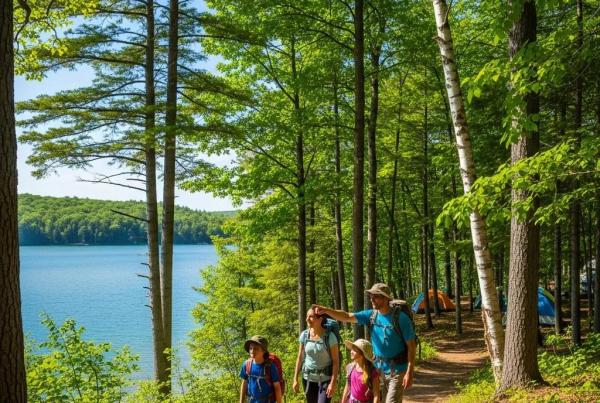
Picking a campground with mountain biking trails turns a regular weekend outdoors into an active, restorative getaway — perfect for families, solo riders, and RV travelers. Bike-friendly sites bring trail access to your doorstep, pair singletrack nearby with family-focused amenities, and simplify logistics so more time is spent riding and relaxing, not driving. Many campers want a short pedal from their site to varied terrain, safe kid-friendly loops, and the comfort of returning to a campsite each evening — and that is exactly what this guide covers. Read on for the benefits of mountain bike camping, practical planning tips for Michigan trips, family-friendly rides near Munith, state-park comparisons, a quick gear checklist, and a local example of a family resort that works well as a basecamp for Waterloo-area trails. Throughout, we focus on clear planning, realistic trail expectations, and safety tips that keep rides fun for everyone.
What Are the Benefits of Camping at Campgrounds With Mountain Biking Trails?
Campgrounds with mountain biking trails combine exercise, mental refreshment, and easy logistics by putting riding and lodging in one place. Mountain biking gives solid cardio and leg work while camping adds restorative time in nature, which helps lower stress and lift mood. Families get flexible activities that scale by ability, and riders can enjoy low-impact recreation when they stick to established trails and follow etiquette. Below is a short list of the main perks, followed by a practical mapping of how riding benefits show up on the trail and at camp.
Mountain biking at campgrounds delivers these key advantages:
- Better cardiovascular fitness and leg strength from varied terrain and interval efforts.
- Improved mental health from time outdoors, scenic views, and the feel-good effects of exercise.
- Smoother logistics: pack once, ride multiple trails, and return to the same campsite for meals and rest.
- Family-friendly options: looped routes and gentle trails let mixed-ability groups ride together.
- Smaller environmental impact when riders stick to marked trails and follow leave-no-trace practices.
The table below links common mountain biking benefits to how they actually play out on trips, helping you prioritize what matters when picking a bike-friendly campground.
That mapping shows why many campers favor sites with integrated trails: they stretch the value of travel time and make healthy, social outdoor time easier to achieve. Next, we look at how mountain biking specifically improves fitness and mood while you’re camping.
How Does Mountain Biking Enhance Physical and Mental Health During Camping?

Mountain biking blends steady aerobic work, short bursts of effort, and technical handling — a combination that builds cardiovascular fitness and practical strength. Short singletrack rides during a camping trip elevate heart rate in manageable intervals, which supports heart and lung health while burning calories. Beyond the physical side, being in green spaces intensifies the mood benefits of exercise, helping reduce cortisol and creating a stronger sense of restoration. A simple, effective routine when camping is 30–60 minute mixed-intensity rides: warm-up loops, a main singletrack outing, then an easy pedal back to camp. That structure lets riders at different levels make progress and still have energy for family time and evenings around the fire.
In What Ways Does Combining Camping and Mountain Biking Strengthen Family Bonds?
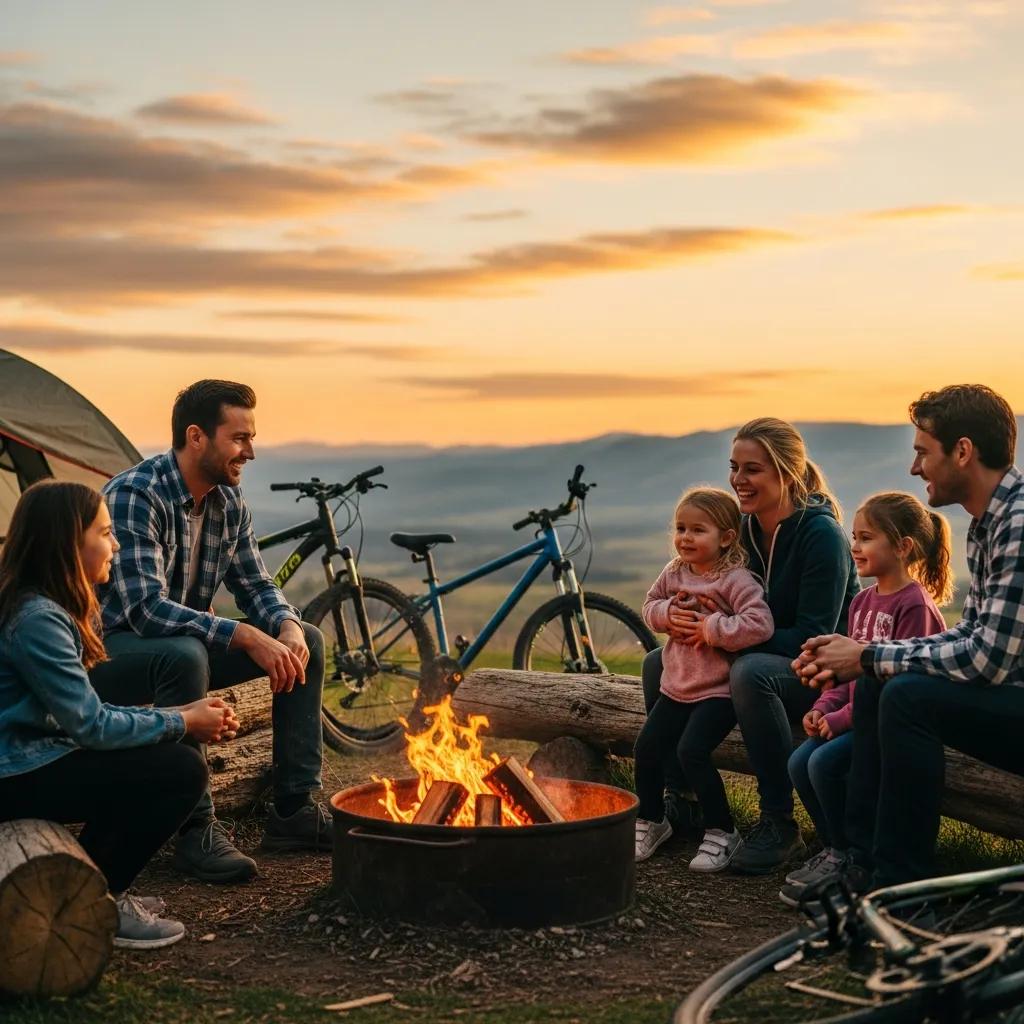
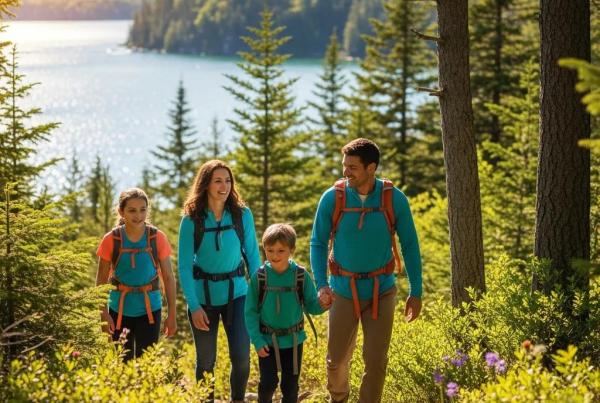
Pairing camping with mountain biking creates shared goals, teachable moments, and repeatable memories that bring families closer. On the trail, parents and kids can practice balance, cornering, and short climbs together. Back at camp, simple activities — cooking, fishing, or playground time — turn those rides into stories and relaxed conversation. Because rides can be scaled (short loops for kids, longer routes for experienced riders), you can keep the group together for much of the day without splitting activities. Useful tips: agree on shared goals, use a buddy system on trails, and schedule rest-day activities so everyone can participate in their own way. These small decisions keep biking from becoming a logistical headache and make it a bonding activity instead.
Why Is The Oaks Campground Ideal for Mountain Biking Camping in Michigan?
The Oaks Campground by GatherGrounds is set up as a family-first camping resort that complements mountain biking with nearby natural areas and on-site riding features. Located in Munith, Michigan, the property sits next to Waterloo State Recreation Area and covers roughly 160 acres, with about 120 acres of on-site golf-cart riding trails that work great as warm-ups and easy family circuits. Family-friendly amenities — like a fishing pond, playgrounds, weekend events, and a planned Wibit water park expected in 2026 — make it simple to balance active riding days with relaxed off-bike time. The Oaks’ central Midwest location also keeps travel time down for weekend trips, making it a convenient basecamp for riders who want to explore Waterloo-area singletrack without lengthy daily drives. If you’re ready to make plans, consider booking The Oaks to lock in a campsite that supports both riding and downtime for the whole family.
What makes The Oaks a strategic pick is the mix of on-site riding for warm-ups and safe loops plus access to broader trail networks in nearby public lands. That lets groups choose beginner-friendly days or shuttle to more technical routes, tailoring each day to the group’s mood and skill level. The next section outlines trail access and route suggestions for riders staying on the property.
What Mountain Biking Trails Are Accessible From The Oaks Campground?
Riders at The Oaks can use the property’s riding network immediately and reach Waterloo State Recreation Area trailheads with a short drive. On-site golf-cart riding trails offer gentle terrain and looped practice areas that are ideal for kids and less-experienced riders, while Waterloo provides mixed singletrack for beginner-to-intermediate progression. Logistically, expect short transfers to trailhead parking and trail maps at park kiosks to help plan half-day or full-day rides. For families, focus on short loops and connector routes; more experienced riders can link Waterloo segments for longer efforts. Always check trail conditions and give yourself time to get back to campground activities.
What On-Site Amenities Support Bike-Friendly Camping at The Oaks?
The Oaks offers infrastructure that eases bike logistics and supports mixed-activity stays: large open areas for staging gear, family-focused facilities, and weekend programming that pairs well with riding days. The property doesn’t currently list dedicated bike wash stations or repair stands, but parking areas, open riding trails, and family amenities like playgrounds and the fishing pond make casual maintenance and secure daytime storage manageable near campsites. Guests usually bring compact toolkits for basic repairs and use the campground’s proximity to trailheads for more extensive maintenance before or after rides. Those features make The Oaks a practical choice for families and mixed-ability groups wanting easy access to both on-site loops and nearby state-park singletrack.
How to Plan Your Mountain Biking Camping Trip at Michigan Campgrounds?
Good planning balances gear, trail choices, seasonal weather, and campsite logistics so you get the most riding time with the least fuss. Start with a prioritized checklist covering bike maintenance, safety gear, and camping essentials. Pick a campground based on trail proximity, family amenities, and reservation rules. Michigan seasons matter—expect spring mud, summer heat, and fall foliage—so choose dates that match your group’s comfort and ability. Safety planning means riding within limits, carrying a repair kit and a basic first-aid pack, and pacing daily mileage so evenings remain free for family time. Below you’ll find a step-by-step planning list and a compact gear table to simplify packing decisions.
Follow these planning steps to keep your trip running smoothly:
- Choose dates with seasonal trail conditions and campground availability in mind.
- Pick a campground near trails that match your group’s skill levels and activity needs.
- Create a prioritized gear list and do bike maintenance at home before you go.
- Schedule daily ride windows that leave time for family activities and weather contingencies.
- Book campsites early for peak weekends and double-check campsite logistics.
This simple framework reduces surprises and keeps riding the trip’s highlight. Basing your stay at a family-focused campground often simplifies logistics, which is why many riders prefer properties that pair on-site amenities with quick access to state parks.
What Essential Gear and Tips Should You Prepare for Bike Camping?
Essential gear covers both bike-specific items and campsite basics for multi-day riding in remote or semi-remote areas. For the bike: multi-tool, at least one spare tube, compact pump, tire levers, and a chain quick-link or patch kit — these handle most roadside fixes. Safety gear should include a properly fitted helmet, gloves, eye protection, and a small first-aid kit for scrapes. For camp life, bring layered clothing for changing Michigan weather, a hydration plan (pack or bottles), and basic navigation tools so you can reroute if needed. Do a pre-trip bike check—brakes, tire pressure, and drivetrain—so downtime at the trailhead is minimal and the group can ride together.
How to Choose the Right Campground Near Michigan State Parks for Biking?
When comparing campgrounds near state parks, use a simple scoring system that weighs proximity to trailheads, on-site amenities, family appeal, and reservation flexibility. Closer campsites mean less driving and more time on the trail, so proximity is important. Amenities like playgrounds, restrooms, and on-site activities help non-riding companions, while RV hookups and parking matter for larger rigs. Reservation policies and booking windows can make or break a peak-season plan, so favor campgrounds with clear booking systems and fair cancellation terms. Score potential campsites on these factors to find the basecamp that matches your group’s priorities.
Which Family-Friendly Mountain Biking Adventures Are Available Near Munith, Michigan?
Munith’s location gives you gentle local loops, on-site family riding, and access to longer singletrack at adjacent public lands — a good mix for families who want variety. Short, safe loops on campground grounds let kids learn handling skills in a low-traffic setting, while nearby trail networks offer slightly more technical routes as confidence grows. Complementary campground activities — playgrounds, fishing ponds, and weekend events — give meaningful alternatives for rest days and help keep energy balanced across the group. Below are family-focused ride formats and itinerary ideas that work well for mixed-ability groups around Munith.
Family ride options near Munith include:
- Short skills loops: low-traffic paths for balance and braking practice.
- Connector rides: easy pedals from camp to trailheads for quick access.
- Progressive loops: slightly longer, low-technical routes that introduce short climbs and simple singletrack.
Pairing a short morning ride with afternoon family activities keeps energy steady and makes the trip fun for riders and non-riders alike. The next section lists kid-friendly trails and safety notes for families staying nearby.
What Are the Best Safe and Kid-Friendly Bike Trails Near The Oaks Campground?
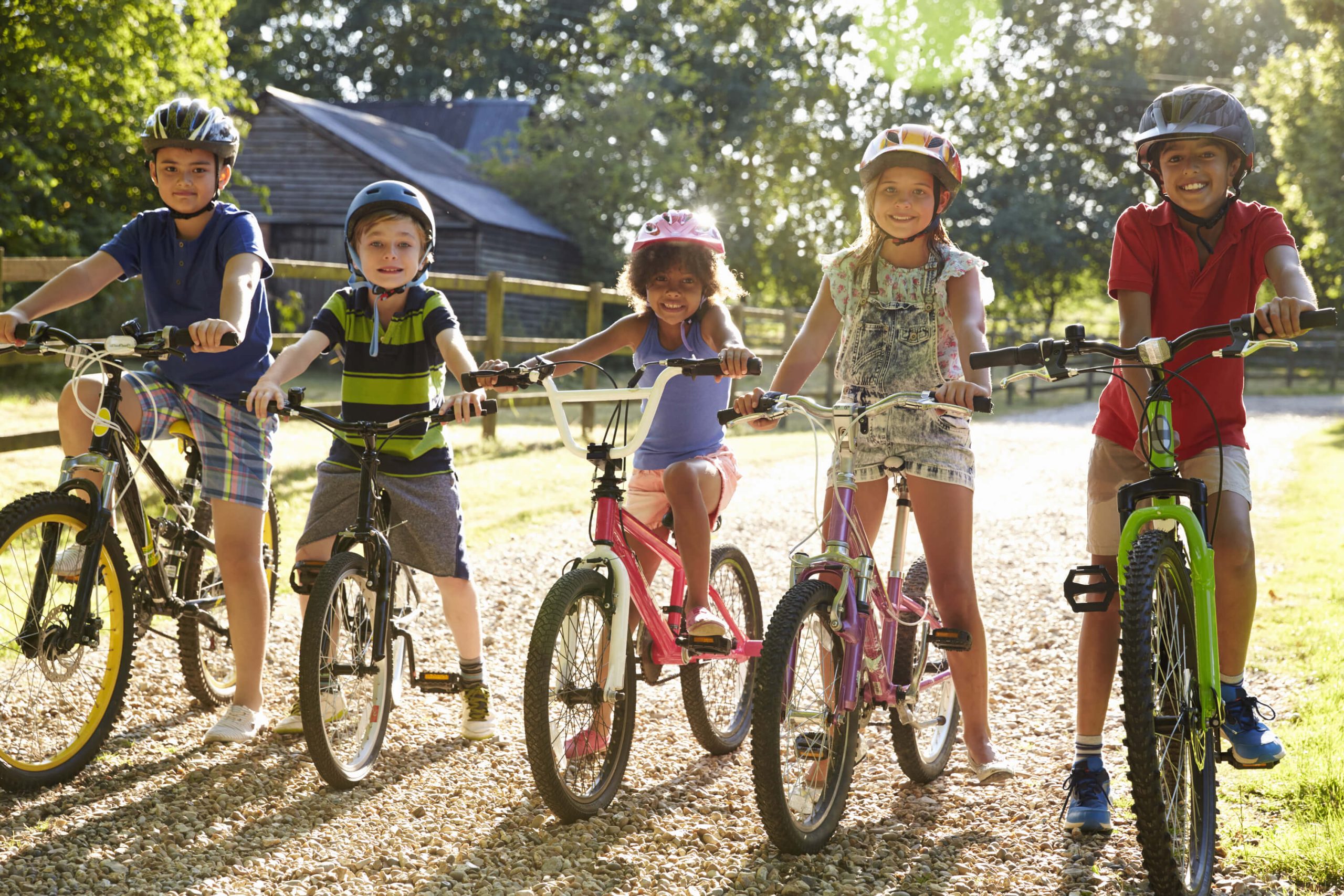
The most kid-friendly options for guests at The Oaks are the property’s on-site riding loops and nearby recreational trails with low technical demands. On-site golf-cart riding trails serve as safe practice circuits for balance and cornering, where parents can easily supervise. For longer outings, pick short connector routes that drop into beginner sections of the adjacent recreation area — aim for loops under an hour with younger children. Safety tips: check trail footing for roots and loose rock, set conservative time limits, and outfit kids with full protective gear and water. These steps keep rides positive and help kids build skills with confidence.
How Do Family Activities Complement Mountain Biking at These Campgrounds?
Non-riding activities give riders time to recover, broaden the trip’s appeal, and let every family member enjoy the getaway. Playgrounds, fishing ponds, and scheduled events provide relaxing afternoon options, while group activities encourage community among families. A sample day: a short morning loop for kids and adults, lunch back at camp, an afternoon at the playground or pond, and an early-evening campfire to celebrate the day. Those complementary activities reduce burnout, add variety, and create a complete vacation rhythm that keeps everyone looking forward to the next day’s rides.
What Are the Top Michigan State Parks Offering Mountain Biking and Camping?
Several Michigan public lands run trail systems and campgrounds that pair well with stay-and-ride trips; for Munith-based campers, Waterloo State Recreation Area is the closest standout. When comparing parks, look at trail difficulty, campground amenities, and practical access like parking and trailhead info. The table below gives a compact comparison to help you decide where to ride and where to reserve a campsite based on skill level and family needs.
This quick comparison shows Waterloo is the most relevant nearby public land for mixed singletrack and camping suitable for families and intermediate riders, while other DNR-managed areas offer scalable options across Michigan. Use these differences to prioritize routes and campsite choices.
Which State Parks Near The Oaks Campground Feature Mountain Biking Trails?
The most directly relevant public land for riders at The Oaks is Waterloo State Recreation Area, offering a range of trail experiences and trailhead access within a short drive. Waterloo’s mixed singletrack supports beginner-to-intermediate progression and offers looped rides or longer connecting routes for experienced riders. Nearby regional recreation areas and other DNR-managed properties also offer trail options, though offerings and amenities vary. For campers, choose parks with clear trailhead parking, posted maps, and nearby campgrounds to keep daily logistics simple and maximize ride time.
How Do These Parks Compare in Trail Difficulty and Camping Amenities?
Parks balance technical singletrack and family-oriented loops differently; understanding that mix helps you pick the right destination. Difficulty typically breaks down into beginner (flat, wide trails), intermediate (moderate climbs, singletrack), and advanced (technical features, sustained climbs). Camping amenities to check include reservable sites, restrooms and showers, playgrounds, and how close campsites are to trailheads. For family trips, prioritize parks with mixed trails and full-site amenities; for focused training, choose parks with continuous singletrack and fewer family features. Aligning park attributes with your group ensures a positive experience on and off the bike.
Frequently Asked Questions
What should I consider when choosing a mountain biking campground in Michigan?
Look at how close the campground is to trailheads, what amenities are on-site, and whether the trails match your group’s skill levels. Choose campgrounds with a mix of beginner and intermediate trails for family trips. Also check for family-friendly facilities like playgrounds and restrooms and review reservation rules so your plans are protected.
Are there specific safety tips for mountain biking with children?
Yes. Make sure kids wear properly fitted helmets and other protective gear, pick trails that suit their skill level, and set short time limits to avoid fatigue. Supervise closely on technical sections, use a buddy system, and carry a first-aid kit and a small repair kit for minor issues.
What types of trails are best for beginner mountain bikers?
Beginners do best on wide, relatively flat, well-maintained trails with minimal technical obstacles. Short loops with gentle turns and small slopes give new riders a chance to build confidence without long distances. Many family-friendly campgrounds designate beginner routes for this reason.
How can I ensure my bike is ready for a camping trip?
Do a full pre-trip check: inspect brakes, tires, and drivetrain. Carry a multi-tool, spare tube, mini-pump, and tire levers for common repairs. Clean and service your bike before you go so mechanical problems are less likely while you’re away.
What are some fun non-biking activities to do while camping?
Try fishing, hiking, or exploring nearby nature trails. Campgrounds often have playgrounds, swimming areas, or planned events that are great for kids and non-riders. Evenings at the campfire — roasting marshmallows and sharing stories — are classic ways to round out the day.
How do I find the best mountain biking trails for my skill level?
Start with local trail maps and resources that rate difficulty. Use mountain biking apps and websites for trail descriptions and user reviews, and ask local biking groups for recommendations. Campground staff often know nearby trails, so ask them for route suggestions that match your group.
Conclusion
Choosing a campground with mountain biking trails makes your outdoor trip active, restorative, and memorable for the whole family. The mix of exercise, nature time, and convenient logistics delivers real health and bonding benefits. If you want a family-friendly basecamp with easy access to trails, consider booking a stay at The Oaks — where amenities and nearby routes make it simple to plan a great riding weekend. Start planning your next bike-and-camp getaway today!