Find Scenic Campgrounds Close to You With Great Accessibility Features for All Visitors in Michigan
Accessible scenic campgrounds blend inclusive design with nature’s restorative benefits, making outdoor recreation available to people with mobility, sensory, and caregiving needs. This article explains what accessibility features matter, how family-friendly campgrounds in Michigan balance scenic views with inclusive facilities, and practical steps to plan and book a stay. Readers will learn which ADA-style features to look for, how river access and overlooks can be made accessible, where family amenities are adapted for all ages and abilities, and a checklist for verifying accessibility before arrival. The guide covers specific verification methods, local examples, and booking tips for accessible RV parks near me and accessible cabin rentals, so you can find wheelchair friendly camping Michigan without guesswork. Finally, we map actionable tips and recommend how to confirm accommodations, including a short example of a campground that offers comprehensive family camping experiences, including RV sites, tent sites, and cabin rentals.
What Accessible Features Make Campgrounds in Michigan Ideal for All Visitors?
Accessible campgrounds are designed so people with mobility or sensory challenges can reach and enjoy core areas; thoughtful features remove barriers and increase independence. Paved pathways, ADA compliant restrooms, and accessible parking connect campsites to shared facilities and scenic overlooks, improving safety and comfort for visitors who use mobility aids. These core features directly reduce setup friction, enable caregivers to assist more easily, and broaden participation in outdoor recreation for families and groups. Understanding these elements helps when comparing options such as state parks, private campgrounds, and aggregator-listed sites.
This section lists the most impactful accessibility features to evaluate and why they matter before you reserve a site.
- Paved pathways: Smooth routes connect parking, restrooms, and common areas for safer movement.
- ADA compliant restrooms: Roll-in showers and grab bars support independent hygiene and dignity.
- Accessible parking and ramps: Close parking and ramped entries reduce distance and obstacle barriers.
These three features set a baseline for inclusivity and directly influence how scenic vistas and activities are used by all visitors. Below is a compact comparison of common accessibility attributes to help you evaluate options quickly.
This table clarifies which features most directly affect usability across campsite types and supports quick comparisons when you search for accessible campgrounds. Concrete examples of renovated restrooms and paved routes make it easier to confirm what to expect on arrival.
Which ADA Compliant Restrooms and Shower Facilities Are Available?
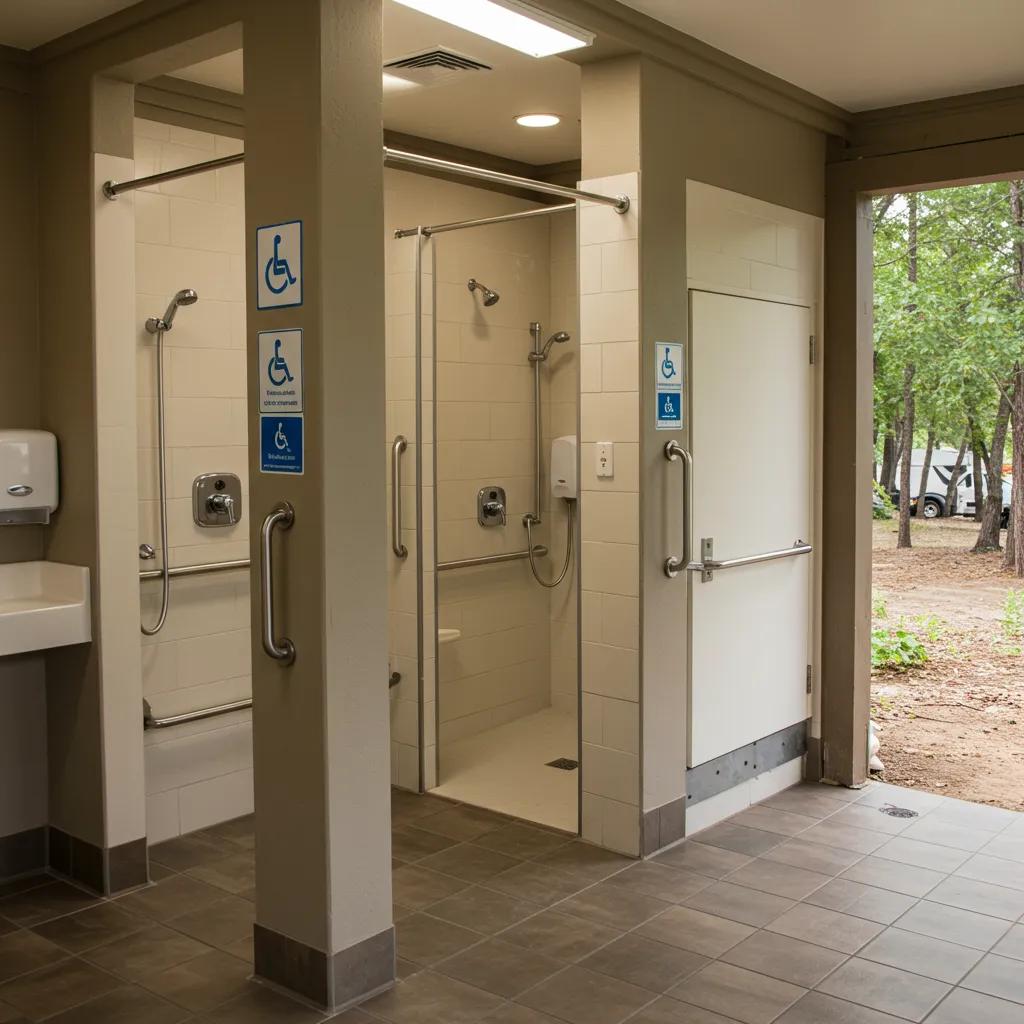
ADA compliant restrooms include several design elements that make bathing and toileting usable for many visitors, including roll-in showers, grab bars, and ample maneuvering space. These attributes reduce the need for assistance and increase privacy; a roll-in shower, for example, removes an entry lip so wheeled mobility devices can enter safely. When verifying restrooms, ask whether stalls meet turning radius requirements and whether transfer benches or handheld showerheads are available. Recent renovations at some private campgrounds emphasize accessible fixtures, which can be useful proof when choosing a site.
Knowing typical restroom features leads to the next consideration: how accessible site surfaces and layouts affect daily living at a campsite.
How Do Wheelchair Accessible RV and Tent Sites Enhance Camping Comfort?
Wheelchair accessible RV and tent sites provide level ground, paved or compacted pads, and proximity to accessible restrooms to reduce physical strain during setup and daily use. Level sites allow vehicle and trailer positioning without steep grades, improve stability for tents and chairs, and minimize trip hazards for adults and children. Accessible RV sites often include clear pathways from parking to hookups and to shared facilities, which supports independence for people using mobility aids. Checking site dimensions and surface materials ensures the site will meet practical needs; these site attributes directly influence safety and ease of movement.
Accessible site attributes naturally lead to considering enclosed, permanent lodging that can further increase independence for some visitors.
What Accessible Cabin Rentals Offer Inclusive Outdoor Experiences?
Accessible cabin rentals typically include ramp access, widened doorways, and adapted bathrooms to allow visitors to relax in private lodging with fewer barriers. These cabins can provide a sheltered base for families who need more stable surfaces and controlled indoor environments, which is especially valuable during adverse weather or when medical equipment is needed. Inside, features such as lower counters, clear circulation space, and accessible fixtures contribute to independence and reduce caregiver strain. When booking cabins, confirm which features are standard and which are available on request so expectations align with on-site realities.
Cabin accessibility supports family trips and connects directly to the kinds of family-focused amenities campgrounds may offer.
Where Can Families Find Scenic and Family-Friendly Accessible Campgrounds in Michigan?
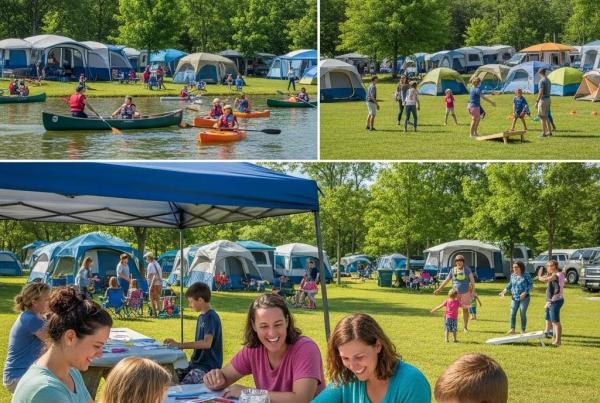
Scenic, family-friendly accessible campgrounds blend views and play with inclusive design so multi-generational groups can share outdoor experiences safely and comfortably. Look for campgrounds that place accessible amenities—playgrounds with firm surfacing, accessible picnic tables, and gentle-graded waterfront access—near scenic overlooks and common areas. Private campgrounds and regional parks often tailor family amenities to be more accessible than larger remote parks, while aggregators list options that might lack detailed accessibility descriptions. Localized searches for “inclusive family camping Michigan” or “campgrounds with playgrounds Michigan” help identify nearby choices.
Family amenities that support accessible recreation often include water play, playgrounds, and off-leash areas; the list below highlights common family attractions and their accessibility considerations.
- Wibit water park: Requires assisted entry or nearby accessible platforms for safe use.
- Playgrounds: Firm, impact-attenuating surfaces and adaptive equipment enable play for children of varying abilities.
- Dog park: Fenced, level entries and channels for service-animal access support pet inclusion.
These family-oriented features make camping enjoyable for a wide age range and connect to programs and events that encourage participation. As an example of family-focused accessibility, Walnut Hills Family Campground provides recently renovated bathrooms and showers, paved pathways, and accessible cabins/sites alongside family amenities, illustrating how a scenic property can combine play and access while offering comprehensive family camping experiences, including RV sites, tent sites, and cabin rentals.
Intro to how family amenities are adapted and why policies matter.
What Family Activities and Amenities Are Available at Accessible Campgrounds?

Accessible campgrounds offer organized activities and modified amenities so all family members can participate in events, sports, and water-based play. Adaptations include accessible floating aids or assisted float trips, inclusive game formats, and accessible seating at picnic areas to enable social engagement. Staff-led programs that account for mobility and sensory needs enhance safety and inclusion, while clear scheduling and signage help caregivers plan participation. Verifying what assistance or equipment is available ahead of time avoids last-minute limitations and ensures children and adults of varying abilities can join activities.
Activities designed for inclusion strengthen group cohesion and connect to natural features like river views and trails that many visitors prioritize.
How Do Campgrounds Cater to Kids and Pets With Inclusive Facilities?
Campgrounds cater to kids and pets by balancing play infrastructure with safe circulation, service-animal policies, and programming that supports diverse abilities. Kid-focused events should provide alternative participation methods when needed, such as quiet spaces or adapted games, while dog parks should allow service-animal access and include firm footing for wheelchairs. Clear policies on service animals versus pets, along with accessible waste stations and shaded rest areas, make visits smoother for families traveling with assistance animals or children who need predictable environments. Always confirm specific policies and on-site supports before arrival to ensure expectations match facility offerings.
Inclusive kids-and-pet planning helps visitors move from play into scenic experiences, which is explored next.
How Do Scenic Views and Nature Immersion Enhance Accessible Camping Experiences?
Scenic views and nature immersion deliver measurable wellbeing benefits—reduced stress, improved mood, and restorative attention—for visitors of all abilities when access is thoughtfully designed. Accessible overlooks, paved viewing platforms, and low-gradient trails make rolling hills, rivers, and wildlife viewing available without physical barriers. When scenic elements are paired with seating, shade, and clear signage, people with limited stamina or mobility can still enjoy extended time outdoors. Emphasizing accessible vantage points increases the number of visitors who can experience photography spots and river vistas in comfort.
Below are common scenic features that can be adapted for accessibility and what to check when planning a visit.
- River views: Look for paved or gently sloped approaches to viewing areas.
- Rolling hills: Accessible overlooks with guardrails provide safe sightlines.
- Wildlife sites: Accessible blinds or platforms improve viewing without disturbance.
These adapted scenic elements invite repeated visits and link directly to water-based access strategies that campers often request.
What Are the Best Scenic Features Near Accessible Campsites?
The best scenic features near accessible campsites are those intentionally paired with accessible routes and resting points, such as paved river overlooks, gentle-graded hill viewpoints, and accessible trailheads that lead to photo-friendly locations. These features allow people using mobility aids to reach quality views without excessive exertion and provide predictable terrain for caregivers. Timing visits for golden hour or quieter weekdays can also improve wildlife viewing with fewer crowd-related barriers. Confirm whether overlooks include seating and shade to maximize enjoyment during longer stays.
Accessible scenic design naturally leads to how water access and river activities are made safe and usable.
How Is River Access and Outdoor Recreation Made Accessible for All Visitors?
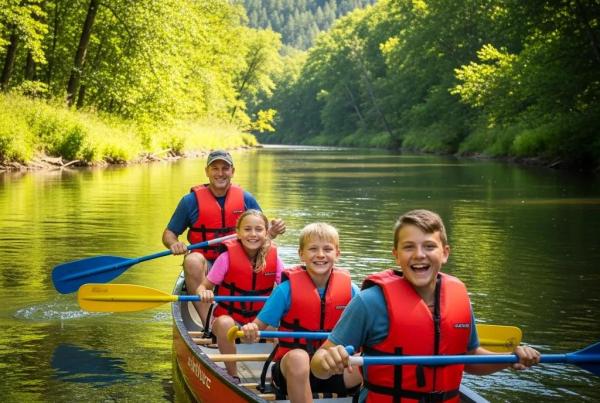
Making river access accessible typically involves designated launch points with stable surfaces, assisted entry systems for float trips, and accessible fishing piers that provide space for wheelchairs and secure transfer. Assisted float programs connect trained staff or volunteers with visitors who need help entering watercraft, and accessible piers include widened pathways and railings to support safety. When planning river activities, ask about required reservations, available assistance, and safety equipment to ensure a smooth experience. These adaptations allow recreation to be shared across abilities without compromising scenic immersion.
Understanding access options helps when choosing and reserving sites that support desired outdoor activities.
How Can Visitors Plan and Book Their Stay at Accessible Campgrounds in Michigan?
Planning and booking an accessible stay begins with listing required features, verifying them directly, and documenting confirmations to avoid surprises on arrival. Start by identifying must-have elements—restroom type, ramped cabins, paved site surfaces—and then use targeted questions and photos to confirm availability. Contact campgrounds directly and request written confirmation of specific features; aggregator listings can help find options but often lack detailed accessibility fields. Keep a checklist during booking to ensure door widths, bathroom fixtures, and pathway materials are all verified before you travel.
Use the checklist below when preparing to reserve an accessible campsite or cabin.
- Confirm bathroom features: Ask about roll-in showers, grab bars, and turning space.
- Verify site surfaces: Request pad material and site level information for RVs and tents.
- Check cabin access: Confirm ramps, doorway widths, and in-cabin fixtures before booking.
Documented confirmations reduce on-site issues and set expectations clearly for everyone in your party. The table below summarizes reservation types and typical accessibility options to compare before choosing a stay.
Introductory comparison of reservation types and included accessibility options.
What Types of Accessible Sites and Cabins Are Available for Reservation?
Accessible reservation types include wheelchair accessible RV sites with paved pads, wheelchair accessible tent sites with leveled compacted surfaces and nearby restroom access, and accessible cabin rentals with ramped entrances and adapted bathrooms. Each type offers different levels of built-in accessibility: RV sites often provide the most stable vehicle-based access, tent sites may require advance requests for level spots, and cabins offer enclosed comfort with built-in fixtures. Knowing which features are standard versus available on request helps match needs to a specific type of reservation. This clarity makes the booking decision easier and less risky.
Understanding reservation types leads into how to communicate requirements effectively during booking.
How Does the Booking Process Accommodate Accessibility Needs?
The booking process should include explicit accessibility questions, requests for photos or floor plans, and a method to receive written confirmation of promised features. Ask about door widths, ramp grades, distance from parking to site, and whether staff can assist with transfers or equipment setup. Keep a short record of responses—email or booking notes—so both parties share the same expectations. If a property is managed by a resort operator, mention any centralized reservation system name when asking about available accessible offerings to ensure your needs are directed to the right team.
When a property meets your accessibility checklist, reserve with confidence and note any special requests clearly in your booking record. For example, many properties operated by GatherGrounds Resorts list availability online; where applicable, use that booking channel and confirm accessibility details directly with the campground to ensure accommodations for your stay that align with your needs and preferences for comprehensive family camping experiences, including RV sites, tent sites, and cabin rentals.
What Are the Top Tips for Finding Wheelchair Accessible Camping Near Me?
Locating truly accessible camping requires targeted searches, direct verification, and use of multiple evidence sources such as photos, structured accessibility pages, and first-person reviews. Start by searching for specific terms like ADA compliant campgrounds Michigan, then narrow by amenities and proximity to your location. Use maps to confirm distances between parking, restrooms, and campsites, and prioritize properties that publish accessibilityFeature details or visual proof. Combining several verification methods reduces the risk of surprises and increases the likelihood of a satisfying accessible outdoor experience.
Practical, high-value tips to find and confirm wheelchair-accessible campsites:
- Search targeted keywords: Use phrases like “wheelchair friendly camping Michigan” and “accessible RV parks near me.”
- Request photos and floor plans: Visual proof is the most reliable verification of features.
- Ask direct questions: Confirm door widths, ramp presence, and restroom fixtures with staff.
These tips form a reliable verification workflow that increases certainty about on-site accessibility. As a final step, consider reserving an accessible, scenic stay with Walnut Hills Family Campground if their published features match your checklist; they highlight comprehensive family camping experiences, including RV sites, tent sites, and cabin rentals, and can be contacted through their reservation channels to confirm specific accessibility accommodations.
Impact of ADA on Parks and Recreation Accessibility
The Americans with Disabilities Act has been in effect since January 26, 1992. During that time, a tremendous change has occurred in the field of parks and recreation. The federal government has developed and issued regulations governing the design and construction of new recreation facilities and areas and continues to work in this area. Courts and administrative decisions have balanced the right to leisure and recreation opportunities for persons with disabilities, with the fundamental nature of certain leisure experiences. And through it all, states, counties, cities, and special purpose districts that do provide park and recreation experiences, and yes, private entities too, have changed the way in which they plan, allocate resources, and promote their facilities and sites.
A work in progress: Accessible trails, campsites, and other outdoor recreation areas, 2001
Frequently Asked Questions
What should I consider when choosing an accessible campground in Michigan?
When selecting an accessible campground, consider essential features such as paved pathways, ADA-compliant restrooms, and accessible parking. Evaluate the proximity of these amenities to your campsite and common areas. Additionally, check for specific accommodations like wheelchair-accessible cabins or RV sites. It’s also beneficial to read reviews from other visitors with similar needs to gauge the campground’s overall accessibility and service quality. Always contact the campground directly to confirm the availability of these features before making a reservation.
Are there any specific resources for finding accessible campgrounds in Michigan?
Yes, several resources can help you find accessible campgrounds in Michigan. Websites dedicated to outdoor recreation often have filters for accessibility features. Local tourism boards and state park websites may also provide detailed information on accessible facilities. Additionally, social media groups and forums focused on accessible travel can offer personal recommendations and insights. Utilizing these resources can streamline your search and ensure you find a campground that meets your accessibility needs.
How can I ensure my specific accessibility needs are met during my stay?
To ensure your accessibility needs are met, communicate directly with the campground staff before your visit. Prepare a list of specific requirements, such as the need for grab bars in restrooms or the width of doorways. Request written confirmation of these features to avoid any surprises upon arrival. Additionally, consider visiting the campground’s website for photos and detailed descriptions of their facilities. This proactive approach will help ensure a comfortable and enjoyable camping experience.
What types of activities are available for families at accessible campgrounds?
Accessible campgrounds often offer a variety of family-friendly activities designed to accommodate all abilities. These may include organized events, nature walks, and water-based activities with adaptive equipment. Many campgrounds also feature accessible playgrounds, picnic areas, and sports facilities. Staff-led programs that cater to diverse needs can enhance participation and enjoyment for everyone. Always check the campground’s activity schedule and inquire about specific accommodations to ensure a fun-filled experience for your family.
Can I find accessible campgrounds that allow pets?
Yes, many accessible campgrounds in Michigan are pet-friendly, allowing families to bring their furry companions along. However, it’s essential to verify the campground’s specific pet policies, including leash requirements and designated pet areas. Some campgrounds may have accessible dog parks or trails that accommodate service animals. Always confirm these details when making your reservation to ensure a smooth experience for both you and your pet during your stay.
What are the benefits of camping in accessible locations for families?
Camping in accessible locations offers numerous benefits for families, including enhanced comfort and safety for all members, regardless of ability. Accessible campgrounds provide features that promote independence, such as paved pathways and ADA-compliant facilities, allowing everyone to participate in outdoor activities. Additionally, these environments foster family bonding and create lasting memories in nature. The inclusive design of accessible campgrounds ensures that all family members can enjoy the beauty of the outdoors together, enhancing overall well-being.
How can I provide feedback about my experience at an accessible campground?
Providing feedback about your experience at an accessible campground is valuable for both the facility and future visitors. You can share your thoughts through online reviews on platforms like Google, Yelp, or the campground’s social media pages. Be specific about the accessibility features that worked well and any areas for improvement. Many campgrounds also appreciate direct feedback via email or phone calls, which can help them enhance their services. Your insights can contribute to better experiences for future guests.
Conclusion
Finding accessible campgrounds in Michigan allows families to enjoy nature together, ensuring everyone can participate in outdoor activities regardless of ability. By prioritizing essential features like paved pathways and ADA-compliant facilities, you can enhance comfort and safety during your stay. Take the next step towards a memorable camping experience by exploring our recommended campgrounds that cater to diverse needs. Start planning your inclusive adventure today!