

Your Guide to Top Dog Friendly Campgrounds in Michigan and Their Unique Pet Policies
Dog-friendly campgrounds welcome canine companions while balancing safety, comfort, and local regulations to create enjoyable outdoor stays. This guide explains what makes a campground truly dog friendly, how specific pet policies work, and practical steps families can take to plan RV, tent, or cabin trips with dogs. Readers will learn the common leash and waste rules, how pet fees and cabin restrictions typically operate, and how to choose sites with amenities like fenced dog parks and pet wash stations. The article maps five key topics: core pet policies across Michigan campgrounds, a localized example of Walnut Hills Family Campground’s pet amenities, dog-friendly activities and water options, dog park etiquette and amenities, and a packing checklist for safe travel with dogs. Throughout, we use semantic relationships—entities like Shiawassee River and GatherGrounds Resorts—to clarify rules and suggest best practices for booking and staying at dog-friendly sites in Michigan.
What Are the Key Pet Policies at Michigan Dog Friendly Campgrounds?

Pet policies at Michigan campgrounds define leash rules, waste removal, noise control, cabin restrictions, and potential fees to protect people, pets, and natural resources. These policies require owners to control their dogs, clean up waste, and follow campsite-specific rules so that shared spaces remain safe and welcoming. Understanding these core rules reduces conflicts and keeps pets included in family outings. Below is a concise comparison of common policy attributes travelers should check before booking to avoid surprises and ensure compliance.
Campground policy highlights travelers often encounter:
- Leash requirements and typical leash length expectations.
- Waste cleanup responsibilities and available disposal stations.
- Rules about leaving pets unattended and noise or behavior standards.
These highlights prepare readers to dig into specific leash and fee details, which follow in the next subsections.
What Are Common Leash and Behavior Rules for Dogs?
Leash and behavior rules typically require dogs to be under control on a leash outside fenced areas, with a common leash length standard used by many sites to promote safety and predictability. Leashes prevent wildlife disturbance and reduce the risk of altercations between dogs or people, and many campgrounds specify six-foot leashes as a model standard to maintain consistent control. Owners are expected to address excessive barking and to intervene immediately if a dog shows aggression; this protects other campers and their pets. Knowing these rules lets owners practice recall and short-leash handling before arrival so they meet campground expectations.
Are There Pet Fees or Restrictions for Dogs at Campgrounds?
Many campgrounds use transparent fee systems that either include pets in nightly site fees or charge a per-pet or per-stay supplement, and checking policies in advance avoids unexpected costs at check-in. Restrictions commonly include limits on the number of pets per site, vaccination proof requirements, and occasional breed or size limitations tied to safety and insurance concerns. Campgrounds may waive fees for service animals while maintaining documentation requirements for all dogs to protect public health. Confirming fees and restrictions at booking ensures travelers plan responsibly and prevents administrative complications during arrival.
The following table compares typical pet policy attributes across campgrounds and shows how travelers can evaluate options at a glance.
This comparison helps travelers prioritize campgrounds that match their dogs’ needs and their own comfort levels.
Can Dogs Stay in Cabins, RV Sites, and Tent Sites?
Accommodation rules vary: RV and tent sites commonly accept dogs with owner responsibility and registration, while cabins are often the most restricted due to cleaning and wear concerns. Owners should expect cabin-specific rules such as non-carpeted cabins only, limits on dog size, and mandatory cleaning fees in some venues to protect future guests. Registration on arrival and clear communication about where pets can roam on-site removes ambiguity and ensures compliance with campground expectations. Knowing these accommodation distinctions helps travelers select the right lodging for their dog’s temperament and the family’s needs.
Accommodation allowance overview:
This table clarifies which lodging types usually permit dogs and what to verify when booking.
Why Choose Walnut Hills Family Campground for Dog Friendly Camping in Michigan?
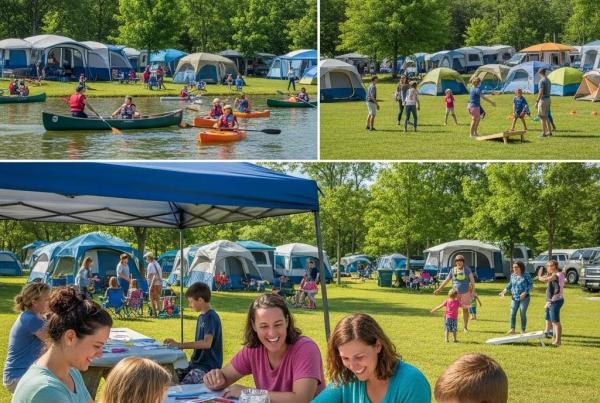
Walnut Hills Family Campground serves as a local example of how a family-oriented property can integrate pet amenities while preserving a safe environment for all guests. As a 42-acre destination in Durand, Michigan, Walnut Hills balances RV and tent sites, recreational features, and a dedicated large dog park to support active dogs and families. The property’s design includes water-based activities and on-site recreation that families can enjoy alongside supervised pet play areas. For travelers seeking an example of comprehensive pet-friendly facilities that illustrate best practices at private campgrounds, Walnut Hills’ Dog-Friendly Camping Accommodations and Activities demonstrates how amenities and clear policies work together.
What Dog Friendly Amenities Does Walnut Hills Offer?

Walnut Hills highlights include a dedicated large dog park and pet-welcoming RV and tent sites that allow dogs to exercise and socialize in a contained area while owners use campground amenities. The presence of a swimming lake and nearby river float opportunities provides families with multiple outdoor activities that can be combined with supervised dog outings. Amenities like fenced play areas, waste stations, and clearly posted rules make daily pet care easier for campers. Image suggestions for the property should use alt text that describes the dog park, fenced areas, and family-friendly activity spaces.
How Does Walnut Hills Ensure a Family and Pet-Friendly Experience?
Walnut Hills enforces clear policies, designates pet areas, and maintains rules that prioritize family safety while accommodating pets, creating a predictable environment for all guests. Staff communication at booking and check-in clarifies expectations about leash use, noise control, and waste removal so families arrive informed and ready to comply. Practical measures such as separated activity zones and scheduled programming reduce friction between pet play and family activities. These operational practices illustrate how a campground can maintain a welcoming atmosphere for both children and dogs without compromising safety.
Where Is Walnut Hills Located and What Nearby Dog Friendly Attractions Are Available?
Walnut Hills is located at 7685 E Lehring Rd, Durand, MI 48429, positioning it within reach of local outdoor resources that families can access with dogs under control. The property’s proximity to the Shiawassee River and nearby parks supports day trips, river floats, and off-site walks, though visitors should verify specific trail and launch rules before heading out. Local trail options and park facilities commonly have leash or seasonal restrictions; checking those regulations ahead of time prevents surprises during outings. Mapping the nearby dog-friendly sites helps families plan balanced days that mix on-site play and local exploration.
How Can You Explore Dog Friendly Activities and Trails Near Michigan Campgrounds?
Exploring local trails and dog-friendly activities requires matching your dog’s needs to the terrain, leash rules, and seasonal conditions so that outings are safe and enjoyable for everyone. Travelers should identify short trails for quick relief breaks, longer paths for energetic dogs, and water access points where dogs are permitted. Verifying local regulations through authoritative sources like state park notices ensures compliance and reduces the chance of fines or closed access. Planning routes that include shade, water, and easy exit points supports a stress-free outing for both dogs and owners.
What Are the Best Dog Friendly Trails and Parks Near Walnut Hills?
Nearby trails and parks offer varied experiences: short riverside walks for calm dogs, forested loops for scent work, and open fields for leashed running where permitted; always confirm leash rules before arrival. Selecting trails within a short drive from the campground maximizes usable time and reduces stress for dogs sensitive to long car rides. Many local parks specify on-leash use in developed areas while permitting off-leash activity in designated dog parks. Preparing a list of three to five vetted spots with brief directions and leash rules helps families choose appropriate daily excursions.
The following tips can help families plan outings that match their dog’s fitness and training level:
- Choose trails with shade and water access to protect dogs from heat.
- Prefer sites with clear signage about dog rules to avoid ambiguity.
- Bring a portable bowl and waste bags for convenience and compliance.
Are River Float Trips and Swimming Lakes Dog Friendly?
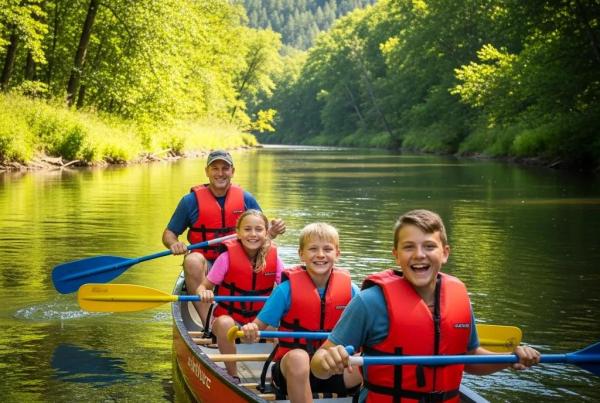
River floats and lakes can be dog-friendly if owners prioritize safety equipment, local rules, and the dog’s comfort with water and current conditions. Using canine life jackets, securing easy-access launch points, and practicing water exit techniques reduce risk when dogs join river floats. Some launch sites or public beaches restrict dogs seasonally, so checking regulations before planning a float trip is essential. When well-prepared, river and lake activities expand recreational options for families traveling with dogs.
What Should You Know About Using Dog Parks and Pet Amenities at Michigan Campgrounds?
Dog parks and pet amenities at campgrounds provide controlled spaces for exercise, socialization, and hygiene, but they require responsible ownership to protect health and safety. Amenities commonly include fenced areas, water access, waste bag dispensers, and sometimes pet wash stations that simplify post-play cleanup. Campgrounds expect owners to supervise their dogs, ensure vaccinations are current, and follow posted rules to maintain a pleasant experience for all visitors. Recognizing the typical amenity mix helps campers choose sites that meet their dog’s activity and care needs.
What Are the Rules and Etiquette for Walnut Hills Large Dog Park?
Walnut Hills’ large dog park example emphasizes vaccination proof, owner supervision, and leash rules at entry and exit to minimize conflicts and disease transmission. Owners should keep dogs leashed until fully inside fenced areas, intervene promptly for aggressive behavior, and remove waste immediately using provided disposal stations. Quiet hours and noise expectations apply across the campground and are part of maintaining a family-friendly atmosphere. These clear expectations allow off-leash play inside the fenced park while preserving safety in shared spaces.
The following table illustrates what to look for in a campground dog park and why each feature matters for safe, convenient pet care.
Dog Park Rules: Understanding Off-Leash Area Regulations
All researched areas had similar rules pertaining to off-leash dog areas, which proved to be consistent with the rules here at the Park District.
Unfinished Business, 2011
Top dog-friendly campgrounds commonly offer fenced dog parks, pet wash stations, waste bag dispensers, and clear signage to guide responsible use; these amenities reduce owner burden and enhance guest experience. Pet wash stations help remove mud and lake residue before entering cabins or vehicles, while signage clarifies leash zones and quiet hour expectations. Verifying amenity availability when booking avoids surprises and helps travelers pack appropriately. Seeking campgrounds with these features supports cleaner, safer stays for families and their dogs.
Key amenity checklist:
- Fenced dog play areas: Enables safe off-leash play within campground boundaries.
- Waste bag and disposal stations: Ensures sanitary conditions and environmental protection.
- Pet wash or rinse stations: Facilitates clean-up after water activities.
These amenities make a measurable difference in comfort and convenience while camping with dogs.
How Do You Prepare and Pack for a Dog Friendly Camping Trip in Michigan?
Preparing for dog-friendly camping means assembling essential gear, health documents, and behavior plans so dogs stay healthy and respectful of campground rules. Core packing covers food, water, bowls, a sturdy leash and harness, and a pet first-aid kit to handle minor injuries or issues. Including vaccination records and any medications in an accessible folder speeds check-in and satisfies registration requirements. A well-thought plan reduces stress on travel days and ensures that families can focus on outdoor enjoyment.
What Essential Gear Should You Bring for Camping with Dogs?
Essential gear includes a leash, harness, food and water supplies, collapsible bowls, a canine life jacket for water outings, and a pet first-aid kit for emergencies or minor injuries. Bringing bedding, a secure crate for tent or RV stays, and tick/flea prevention items safeguards comfort and health during variable Michigan weather and terrain. Pack extra waste bags, a copy of vaccination records, and any prescription medications in clearly labeled containers. These items cover routine care and many common contingencies.
How Can You Ensure a Safe and Enjoyable Camping Experience for Your Dog?
Ensuring safety involves hydration, shade, tick checks, supervised socialization, and practicing recall and quiet behaviors before arrival so dogs meet campground expectations. Planning for emergency contingencies—knowing the nearest veterinary clinic and carrying a basic first-aid plan—improves response times if problems occur. Monitoring weather, avoiding overexertion, and rotating restful periods keep dogs comfortable throughout the day. Proactive behavior training and preparedness let families enjoy outdoor activities together with minimal disruption.
If you want a local example of a campground that combines family activities with pet-friendly features, consider Walnut Hills Family Campground as an illustrative option. Walnut Hills’ Dog-Friendly Camping Accommodations and Activities showcase pet-welcoming RV and tent sites, a dedicated large dog park, and nearby river and lake recreation that families can enjoy with their dogs. For travelers ready to book pet-friendly sites, use the campground’s reservation channels to confirm specific pet rules and available amenities before arrival.
Frequently Asked Questions
What should I consider when choosing a dog-friendly campground in Michigan?
When selecting a dog-friendly campground, consider factors such as leash rules, pet fees, and the types of accommodations available. Look for campgrounds that offer amenities like fenced dog parks, waste disposal stations, and pet wash areas. Additionally, check the campground’s proximity to dog-friendly trails and activities, as well as any specific breed or size restrictions. Reading reviews from other pet owners can also provide insights into the campground’s overall pet-friendliness and the experiences of fellow travelers.
How can I prepare my dog for a camping trip?
Preparing your dog for a camping trip involves ensuring they are comfortable with the outdoors and familiar with camping environments. Start by taking them on short hikes or visits to local parks to acclimate them to new surroundings. Practice commands like “come” and “stay” to reinforce good behavior. Additionally, pack essential items such as a sturdy leash, food, water, and a first-aid kit. Familiarizing your dog with their sleeping area and maintaining a routine can help reduce anxiety during the trip.
Are there specific health considerations for dogs while camping?
Yes, there are several health considerations to keep in mind when camping with dogs. Ensure your dog is up-to-date on vaccinations, especially for diseases that can be transmitted in outdoor environments. Be vigilant about ticks and fleas, particularly in wooded areas, and consider using preventive treatments. Hydration is crucial, so provide plenty of fresh water, especially in warm weather. Monitor your dog for signs of fatigue or overheating, and always have a plan for accessing veterinary care in case of emergencies.
What are the best practices for dog park etiquette at campgrounds?
Dog park etiquette is essential for ensuring a safe and enjoyable experience for all pets and their owners. Always supervise your dog and intervene if they exhibit aggressive behavior. Clean up after your pet immediately to maintain a clean environment. Keep your dog leashed until entering the park and follow any posted rules regarding off-leash play. Additionally, respect quiet hours and noise regulations to ensure a pleasant atmosphere for all campground guests, including those without pets.
How can I find dog-friendly activities near campgrounds?
To find dog-friendly activities near campgrounds, start by researching local parks, trails, and recreational areas that allow dogs. Websites and apps dedicated to pet-friendly travel can provide valuable information on nearby attractions. Additionally, inquire at the campground office for recommendations on local dog-friendly activities, such as hiking trails, swimming spots, or events. Social media groups and forums for pet owners can also be excellent resources for discovering hidden gems and popular spots in the area.
What should I do if my dog has a behavioral issue while camping?
If your dog exhibits behavioral issues while camping, such as excessive barking or aggression, it’s important to address these concerns promptly. Remove your dog from the situation to prevent escalation and give them time to calm down. Use positive reinforcement techniques to encourage good behavior, and consider engaging in activities that can help expend their energy, like playing fetch or going for a walk. If issues persist, consult with a veterinarian or a professional dog trainer for tailored advice and strategies.
Conclusion
Choosing a dog-friendly campground in Michigan, like Walnut Hills Family Campground, ensures a memorable experience for both pets and their owners, with amenities designed for comfort and safety. Understanding pet policies, leash rules, and available facilities enhances your camping adventure while keeping your furry friends happy and engaged. By planning ahead and confirming specific campground regulations, you can enjoy a stress-free getaway that caters to the needs of your entire family. Start your journey today by exploring our recommended campgrounds and booking your next pet-friendly escape!