
What to Expect: Kid-Friendly Experiences in Michigan Campgrounds for Family Fun and Activities
A great family camping trip balances active kid-focused play, safe water time, and simple logistics that let parents relax and make memories. This guide explains what to expect from kid-friendly campground experiences in Michigan, covering inflatable water attractions, gentle river floats, dry-land play spaces, accommodations, and planning steps for families. “What to Expect: Kid-Friendly Experiences in Michigan Campgrounds for Family Fun and Activities” centers on pragmatic details—ages, durations, safety tips, and packing lists—so parents can select the right campground and activities. Many families worry about safety, age-appropriateness, and how to fit themed events into a weekend; this article solves those pain points with clear comparisons, tables, and step-by-step booking guidance. You will find the top kid activities at family campgrounds, a comparison of RV, tent, and cabin options, planning and reservation advice, sample weekend events, and nearby day-trip ideas to extend the fun. Throughout, we use concrete examples and entity-rich descriptions—like inflatable Wibit water parks and Shiawassee River canoe floats—to help you plan a memorable Michigan camping getaway.
What Are the Best Kid-Friendly Activities at Michigan Family Campgrounds?
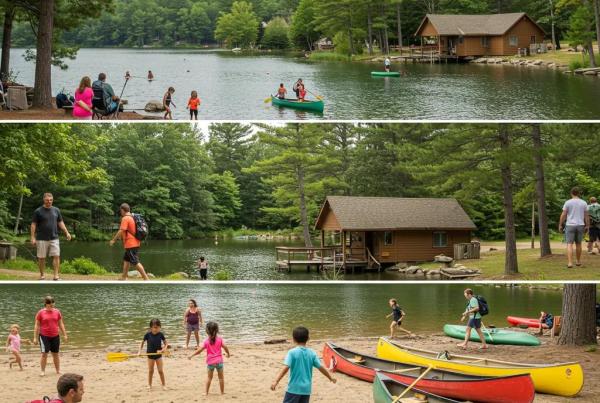
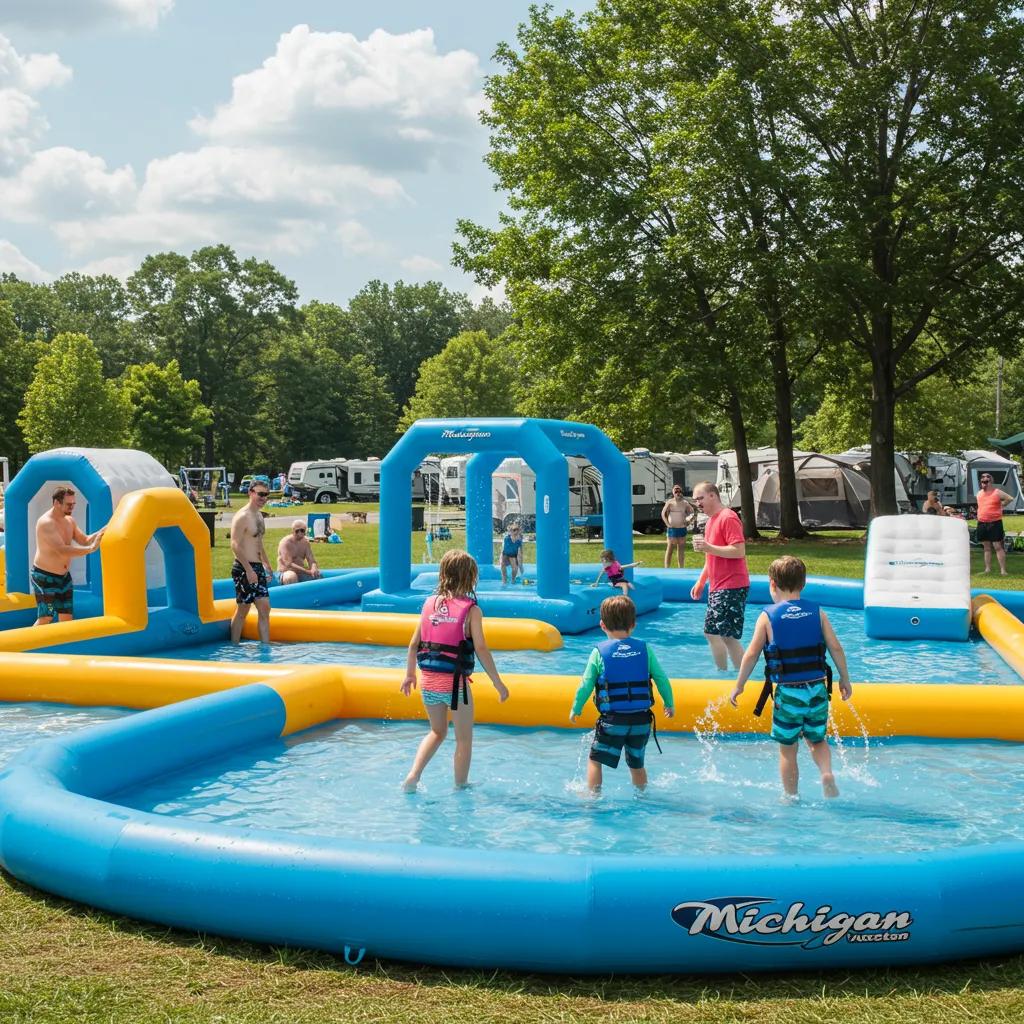
Kid-friendly activities at Michigan family campgrounds combine water play, river floats, playgrounds, and structured events to suit a wide range of ages and energy levels. Activity-rich sites use inflatable obstacle courses, swimming lakes, river canoe trips, and on-site game zones to provide varied stimulation and easy supervision, which helps parents rotate children through safe, supervised options. These activities promote physical play, confidence in water, social skills through group events, and low-prep entertainment for busy caregivers. Below is a short list of the most common high-value activities families should look for when comparing Michigan campgrounds.
Top kid-friendly campground activities families should expect:
- Inflatable water parks and lake obstacle courses that encourage active play and climbing.
- Shallow swimming lakes with supervised swim areas suited for younger children.
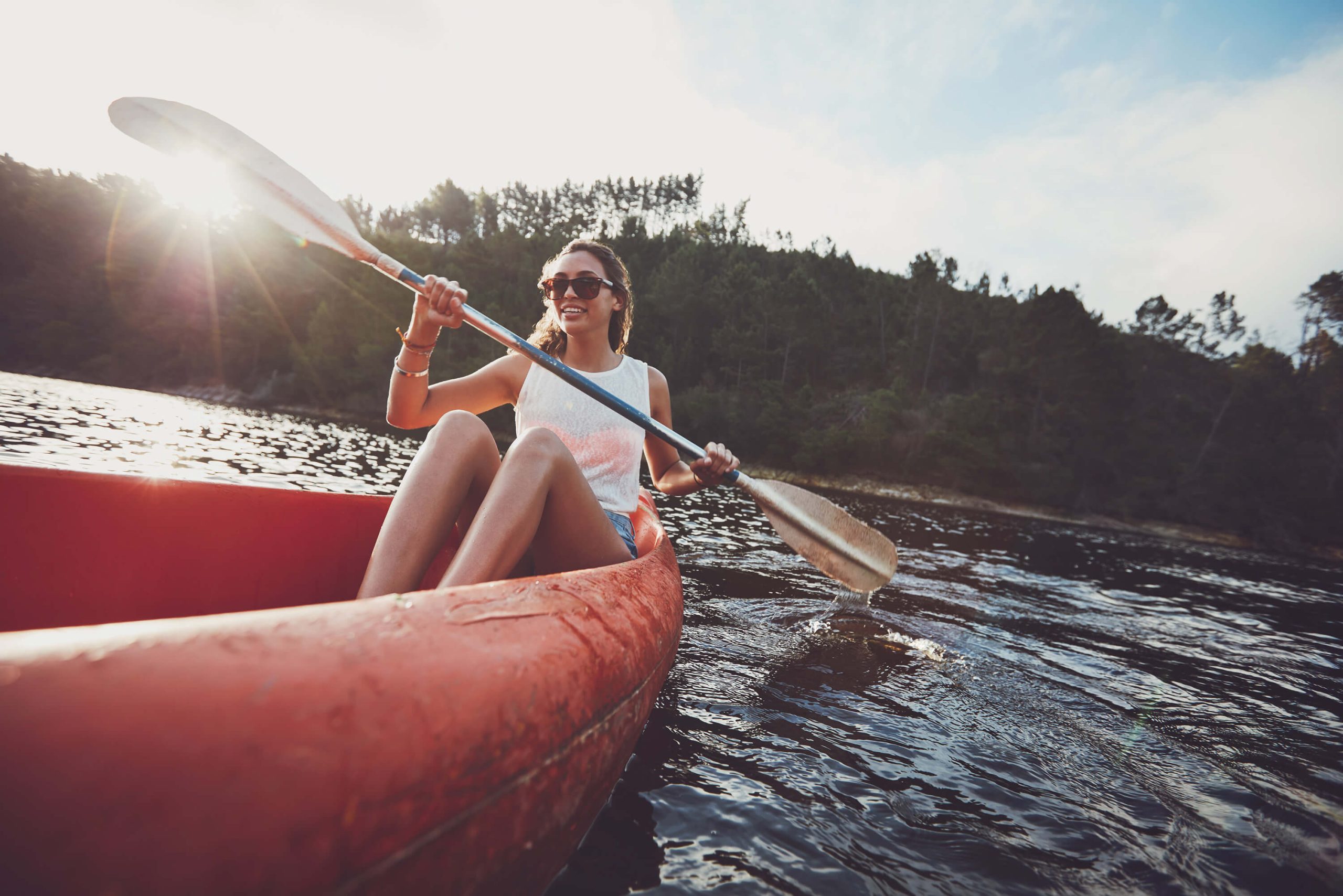
- Guided or self-guided river canoe and kayak floats for family bonding and gentle exploration.
- Playgrounds, sports courts, and game rooms that provide dry-land options between water sessions.
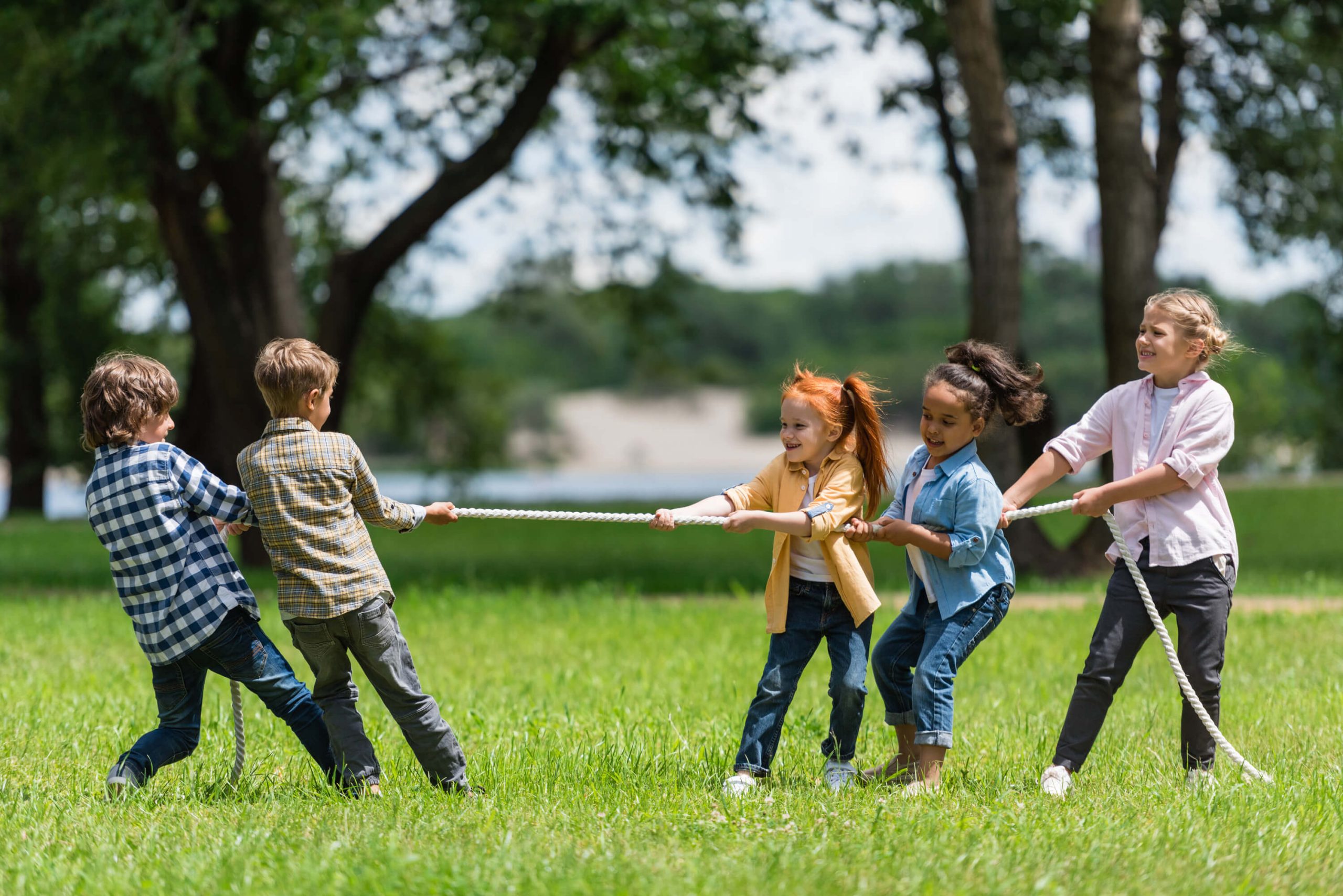
- Scheduled kid events like crafts, scavenger hunts, and themed evenings that structure the day.
These activities work together to create a balanced weekend where kids switch between high-energy water play and calmed creative sessions, and the next subsection explains the inflatable Wibit experience in detail.
How Does the Wibit Water Park Provide Fun for Kids of All Ages?
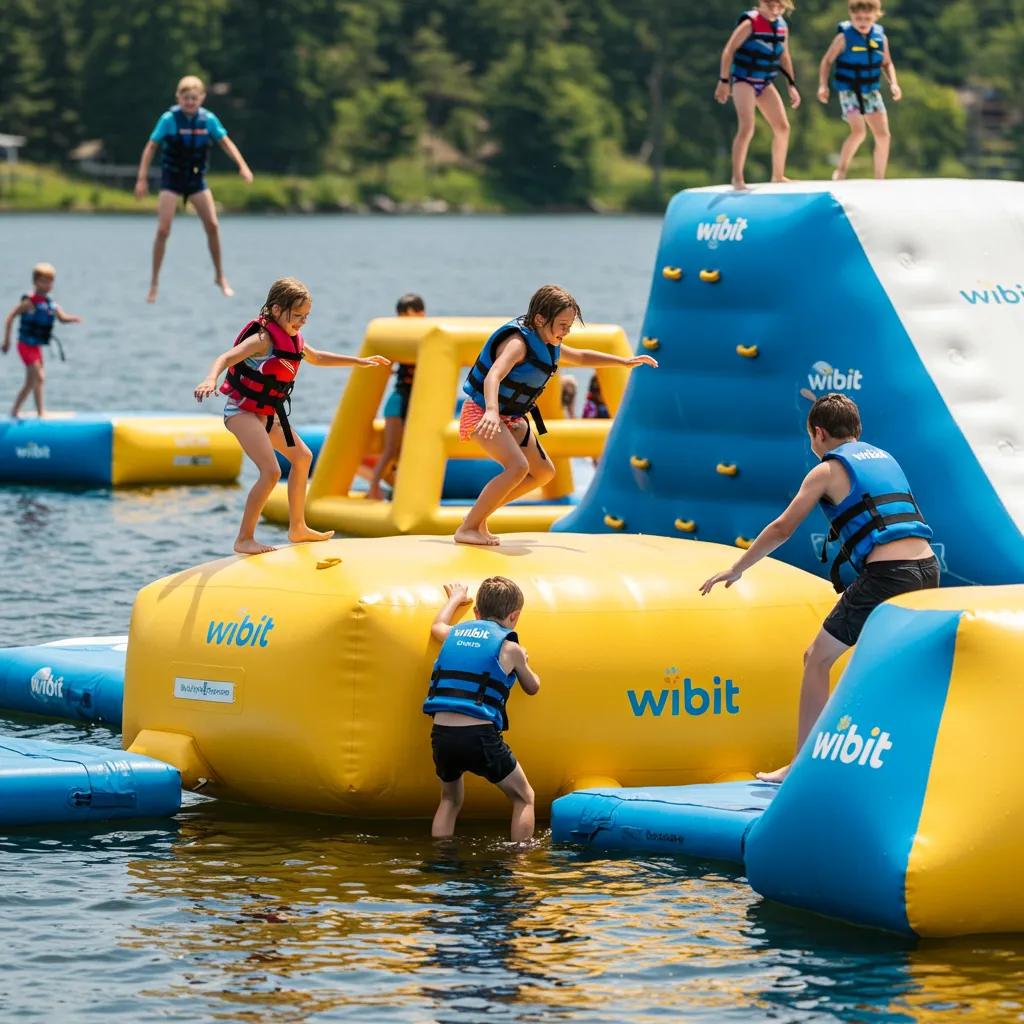
The Wibit Water Park is an inflatable obstacle course placed on a swimming lake that offers climbing, jumping, and sliding challenges which build coordination and confidence. This structure appeals across age ranges because sections can be navigated at different speeds and difficulty levels; children as young as elementary age often enjoy supervised sessions while older kids race each other. Supervision, life jacket use, and session limits keep play safe and predictable, and parents appreciate quick session rotations so waiting lines stay short. For families considering a Wibit session, bring properly fitted life jackets, plan for 20–40 minute play blocks, and alternate with shaded dry activities to avoid fatigue.
In Michigan, several campgrounds and parks offer Wibit Water Park experiences:
- Jellystone Park™ North Port Huron: Located in Carsonville, MI, this park features a Wibit floating water obstacle course open from Memorial Day through Labor Day. Sessions are 50 minutes long, with prices ranging from $10 for the Fun-Sized Wibit to $20 for the Colossal Wibit. (northporthuronjellystone.com)
- Dow Bay Area Family YMCA: Situated in Bay City, MI, the YMCA hosts Wibit Weekends featuring the Wibit Kids Run, a playful obstacle course for children. Sessions are held on select weekends throughout the year, including October 25–26. (ymcabaycity.org)
- Pearl Lake Beach: Located in South Beloit, IL, just south of the Michigan border, Pearl Lake Beach offers a Wibit inflatable obstacle course with 45-minute sessions priced at $10. (pearllakebeach.com)
The historical context of recreational planning in Michigan’s state forests provides a foundational understanding for the development of such family-friendly amenities.
Michigan State Forest Campground Recreational Planning
ABSTRACT: KREBS, CHARLES FREDERIC.University of Michigan ProQuest Dissertations & Theses, 1967. 1301427.
Factors Relevant To More Efficient Recreational Planning And Design For Michigan’s State Forest Campgrounds., 1967
What Family-Friendly Water Activities Are Available on the Shiawassee River?
Shiawassee River floats typically involve short guided sections or longer half-day trips that combine sightseeing, gentle rapids-free paddling, and supervised stops for snacks and wildlife viewing. On-site canoe and kayak rentals—operated by local outfitters when available—allow families to choose craft size, rental duration, and level of assistance, which suits mixed-age groups who want flexibility. Safety essentials include life jackets for every rider, sunscreen, waterproof storage for phones, and a clear plan for pick-up or shuttle logistics when trips start and end at different points. Families should pick float lengths that match younger kids’ endurance and schedule floats in cooler morning hours to avoid peak sun exposure.
For example, Cheff’s Canoe Rental in Fenton, MI, offers canoe and kayak rentals on the Shiawassee River, providing options for families to enjoy gentle river floats together.
These water activities offer families the chance to bond while exploring the natural beauty of Michigan’s rivers.
The following table summarizes typical durations and age suitability for various activities:
This comparison table clarifies activity choices by duration and age so you can align plans with your children’s stamina and interests, and the next section examines dry-land play options that complement water time.
Which On-Site Games and Playgrounds Entertain Children at Campgrounds?
Playgrounds, gaga ball pits, sand volleyball, basketball courts, and indoor game rooms create alternatives when water activities are full or weather changes, giving families flexible afternoon options. These amenities encourage cooperative play, basic sports skills, and a place for parents to socialize while supervising; most sites design play areas near central facilities for visibility and convenience. Sample daily schedules that alternate 30–45 minute water sessions with 20–30 minute playground breaks prevent overtired kids and ease transitions to meal or nap times. When choosing a campsite, prioritize proximity to playgrounds and restrooms to minimize long walks and simplify supervision.
What Types of Family Accommodations Are Offered at Michigan Campgrounds?
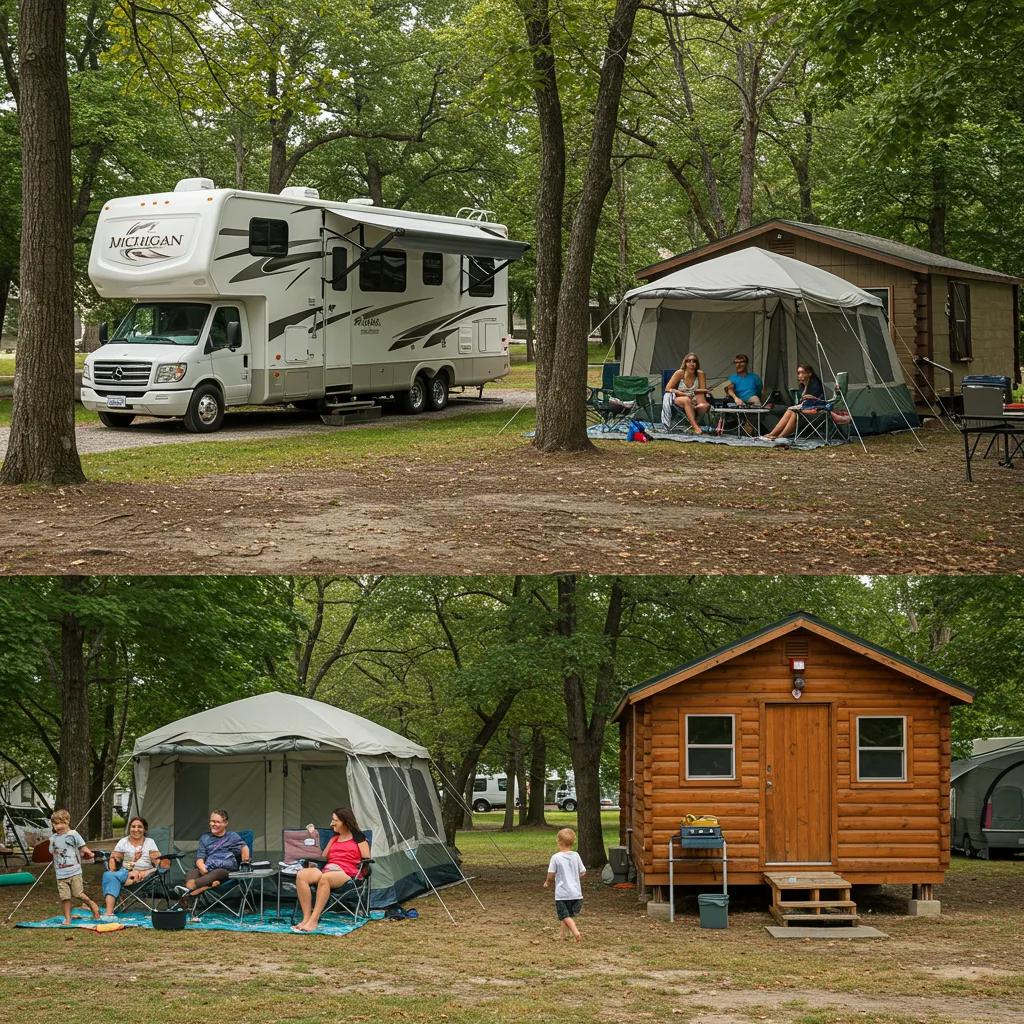
Family accommodations at Michigan campgrounds range from full hookup RV sites to tent campsites and cabin rentals, each offering trade-offs between comfort, convenience, and outdoor immersion. RV sites with full hookups provide power, water, and sewer connections that simplify meal prep, child nap schedules, and bathroom access, making them efficient for families with young children. Tent sites are often the most affordable and immersive option, but they require more setup and proximity planning for restrooms and play areas; tent camping suits families who prioritize nature immersion and are prepared for variable weather. Cabin rentals serve families wanting glamping comforts—indoor beds, shelter from weather, and easier packing—which can be especially attractive for toddlers or families trying themed weekends.
The following table provides a quick scan of amenities and which family profiles match each option:
This table helps families match accommodation type to their needs, and the next subsections explore RV/tent differences and cabin benefits in practical terms.
How Do RV Sites and Tent Sites Cater to Families with Kids?
RV sites with full hookups reduce the need for repeated restroom trips, enable easy food storage and prep, and keep children in a contained space that parents can manage more easily during evenings. Tent sites encourage outdoor skills, closer-to-nature experiences, and lower costs, but require extra planning for sleeping arrangements, weatherproofing, and restroom proximity—important for toddlers and nighttime routines. Choose a campsite near playgrounds or activity centers to shorten supervision time, and pack site-specific gear like headlamps, extra tarps, and a compact portable potty if needed. These choices directly affect how smoothly daily rhythms—meals, naps, and activity rotations—fit into a family weekend.
What Are the Benefits of Cabin Rentals for Family Camping in Michigan?
Cabin rentals provide the simplest transition between home comforts and the outdoors by offering indoor sleeping, protection from weather, and often basic furnishings that reduce packing and setup stress. For families with very young children or those preferring minimal tent setup, cabins shorten bedtime routines and make themed weekend participation easier during inclement weather. Booking cabins early for busy themed weekends or holidays helps secure close proximity to event hubs and playgrounds. Consider cabin size, bedding layout, and any available kitchen amenities when comparing options to match family routines and meal planning.
How Can Families Plan Their Stay and Book Kid-Friendly Camping Adventures in Michigan?
Effective planning for family camping focuses on choosing dates that align with kid-friendly events, selecting accommodation that fits your family’s comfort needs, and reserving activities with the right lead time to guarantee participation. A structured reservation workflow helps families avoid last-minute disappointment: review event calendars, pick site types near amenities, add equipment or rental options, and confirm safety rules for water features. Packing lists, on-site schedules, and simple contingency plans for weather maintain calm when kids are tired or a session fills up. The short checklist below outlines actionable booking steps parents should follow.
Simple steps to reserve family camping spots online:
- Check campground event calendars and choose dates that feature kid activities your family wants.
- Select the accommodation type that matches your family’s needs (RV, tent, cabin) and site location.
- Add rentals or extras like canoe/kayak gear, life jackets, or activity passes when available.
- Confirm reservation details, arrival times, and any required waivers or safety briefings.
These booking steps streamline reservations and reduce last-minute surprises, and the next subsection provides compact FAQ-style prep tips families commonly ask.
What Is the Best Way to Reserve Family Camping Spots Online?
The best reservation practice is to pick weekend dates early, verify the event schedule for family programming, select a site close to central amenities, and add any rental gear you’ll need to reserve in advance. Many family campgrounds reach capacity for themed weekends, so planning several weeks ahead increases the chance of securing cabins, full hookup RV sites, or desired lake-front locations. When a campground offers on-site canoe/kayak rentals or inflatable water park sessions, confirm availability and any session limits as part of checkout to avoid scheduling conflicts. Keep digital copies of reservation confirmations and a printed itinerary for camp staff and family reference.
Which FAQs Help Families Prepare for Kid-Friendly Camping Experiences?
Parents frequently ask about age limits for water attractions, life jacket policies, restroom accessibility, pet rules, and how to sign up for weekend events; concise answers reduce booking friction and set clear expectations. For water features, always assume life jackets are required for younger children and that supervision is mandatory; for events, ask whether signup or an extra fee is needed during booking. Check restroom and shower facilities in advance if you have toddlers who require frequent changes, and confirm quiet hours and safety rules to help manage bedtime routines. Clear answers to these points make packing and arrival smoother and reduce stress when kids are excited.
Below is a short packing checklist to help families prepare quickly before departure.
- Properly fitted life jackets for each child and extra sunscreen.
- Quick-dry towels, swim shoes, and a small first-aid kit.
- Weather-appropriate layers, headlamps, and a compact shade or canopy.
- Activity-specific items like reusable water bottles, art supplies for crafts, and dry bags for float trips.
Packing smart ensures you can move between water sessions, playground time, and themed events without scrambling for missing items, and the next section shows how weekend programming enhances kid experiences.
After explaining typical kid activities above, note that Walnut Hills Family Campground (operated by GatherGrounds Resorts) in Durand, Michigan offers on-site Wibit Water Park sessions and Shiawassee River float trips via Cheff’s Canoe Rental as concrete examples of these amenities and reservation prompts.
What Special Events and Themed Activities Enhance Kid Experiences at Michigan Campgrounds?
Special events and themed weekends convert a standard camping stay into a memory-rich experience by adding crafts, tie-dye, scavenger hunts, family games, and seasonal attractions that appeal to different age groups. These events create routines that guide the day—morning crafts, midday water sessions, and evening group activities—so children know what to expect and parents can plan meals and naps around programming. Themed weekends like summer water festivals or fall haunted trails promote creativity, social interaction, and low-prep entertainment for parents, while structured schedules help manage group participation and safety. The list below presents common event types families can expect at family-oriented Michigan campgrounds.
- Crafts and tie-dye sessions that foster creativity and leave kids with take-home mementos.
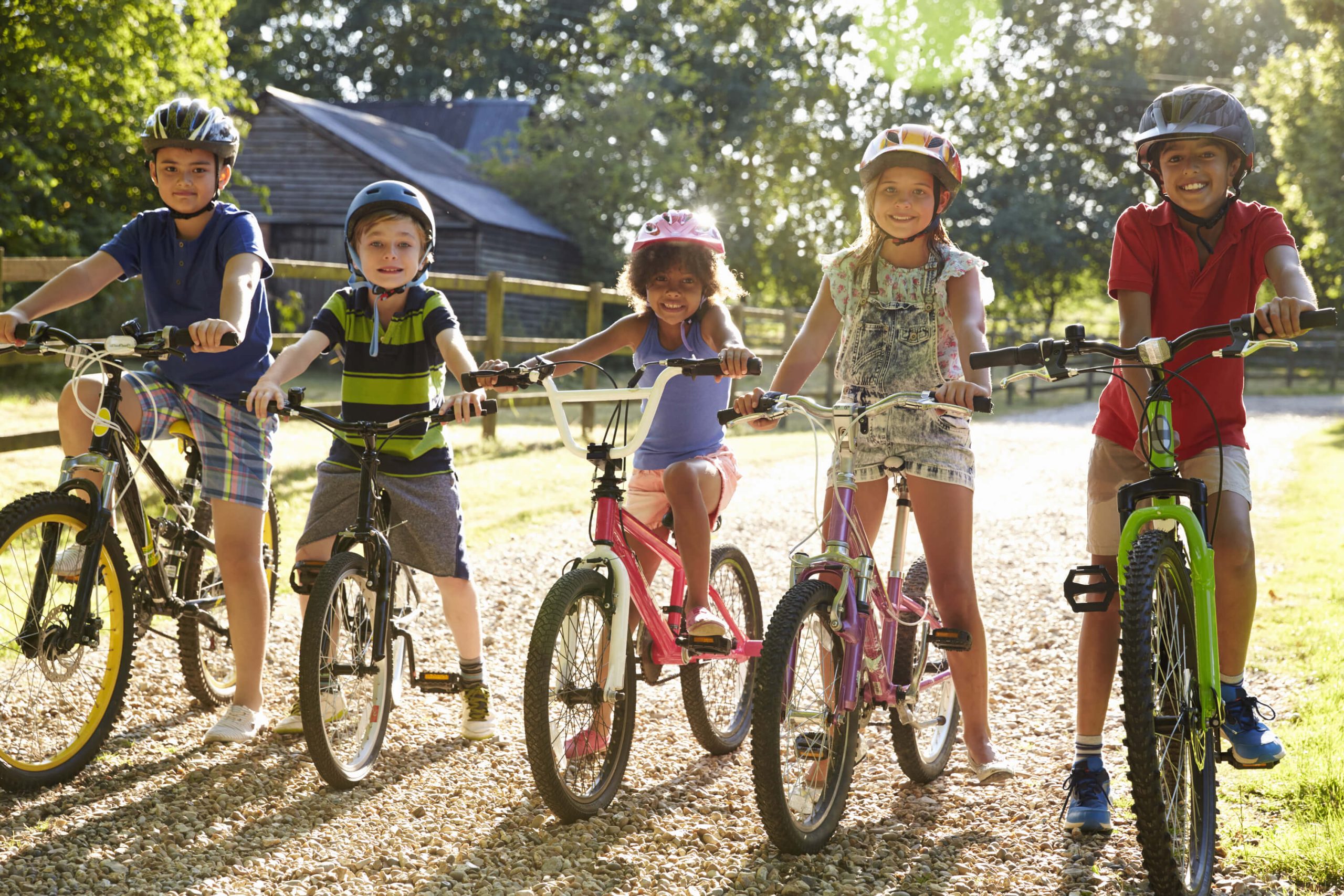
- Scavenger hunts and bike parades that encourage exploration and safe outdoor play.
- Water balloon wars and splash contests that provide supervised group water fun.
- Seasonal attractions like haunted trails that offer age-appropriate thrills in autumn.
These programmed moments balance free play with organized fun, and the EAV table below compares event types with schedule and benefits for quick planning.
This event matrix helps families choose weekends that match their children’s interests, and the following subsection explores the developmental benefits of themed programming.
What Weekend Family Events Are Popular for Kids at Campgrounds?
Popular weekend events cater to wide age ranges and often repeat across family campgrounds: crafts and tie-dye for younger kids, scavenger hunts for mixed ages, and seasonal evening activities for pre-teens and teens. Event logistics commonly require sign-up or have limited spots, so families should check schedules before arriving and factor small participation fees into their budgets. Participation promotes social skills, structured play, and easy photo opportunities that document the trip, while rotating activities throughout the day prevents overstimulation. Planning arrival times around event sign-up windows increases the chance of securing spots for favorite activities.
How Do Themed Weekends and Seasonal Activities Engage Children?
Themed weekends engage children by combining narrative play with activity stations that reinforce a theme—pirate days, superhero weekends, or harvest festivals create cohesive experiences that enhance memory formation. These programs encourage role-playing, cooperative crafts, and themed scavenger hunts that support creativity and peer interaction in a controlled environment. Parents can maximize engagement by packing simple costume elements, labeling craft materials, and arriving early for sign-ups to avoid last-minute disappointment. The predictable schedule of themed weekends also reduces decision fatigue for caregivers and makes it easier to synchronize meals, naps, and activity blocks.
What Nearby Attractions and Outdoor Adventures Complement Family Camping in Michigan?
Nearby attractions and outdoor adventures—beaches, state parks, gentle hiking trails, and nature centers—extend the campground experience with short day trips that add variety without long drives. Choosing local day-trip options that match kids’ stamina and interests helps families diversify activities: a morning at a shallow beach, a midday picnic, and an afternoon nature walk create a balanced day. Integrating river floats or short hikes into multi-day itineraries enriches outdoor education opportunities while keeping logistics simple for parents. The next subsection lists curated day-trip ideas and practical travel tips for families.
Which Nature Spots and Parks Are Ideal for Family Day Trips from Campgrounds?
Ideal family day trips near campgrounds include shallow lakeside beaches for swimming, short trail loops in nearby parks for easy hiking with kids, and small nature preserves with interpretive signs that engage curious minds. When selecting a destination, consider drive time, restroom availability, and shade for toddler naps, and pack snacks and sun protection accordingly. Shorter drives and nearby options let families return for afternoon activities or themed events at the campground without missing scheduled programming. Planning flexible day-trip windows around the campground’s event schedule maintains balance between exploration and on-site fun.
How Do River Floats and Hiking Trails Add to the Family Camping Experience?
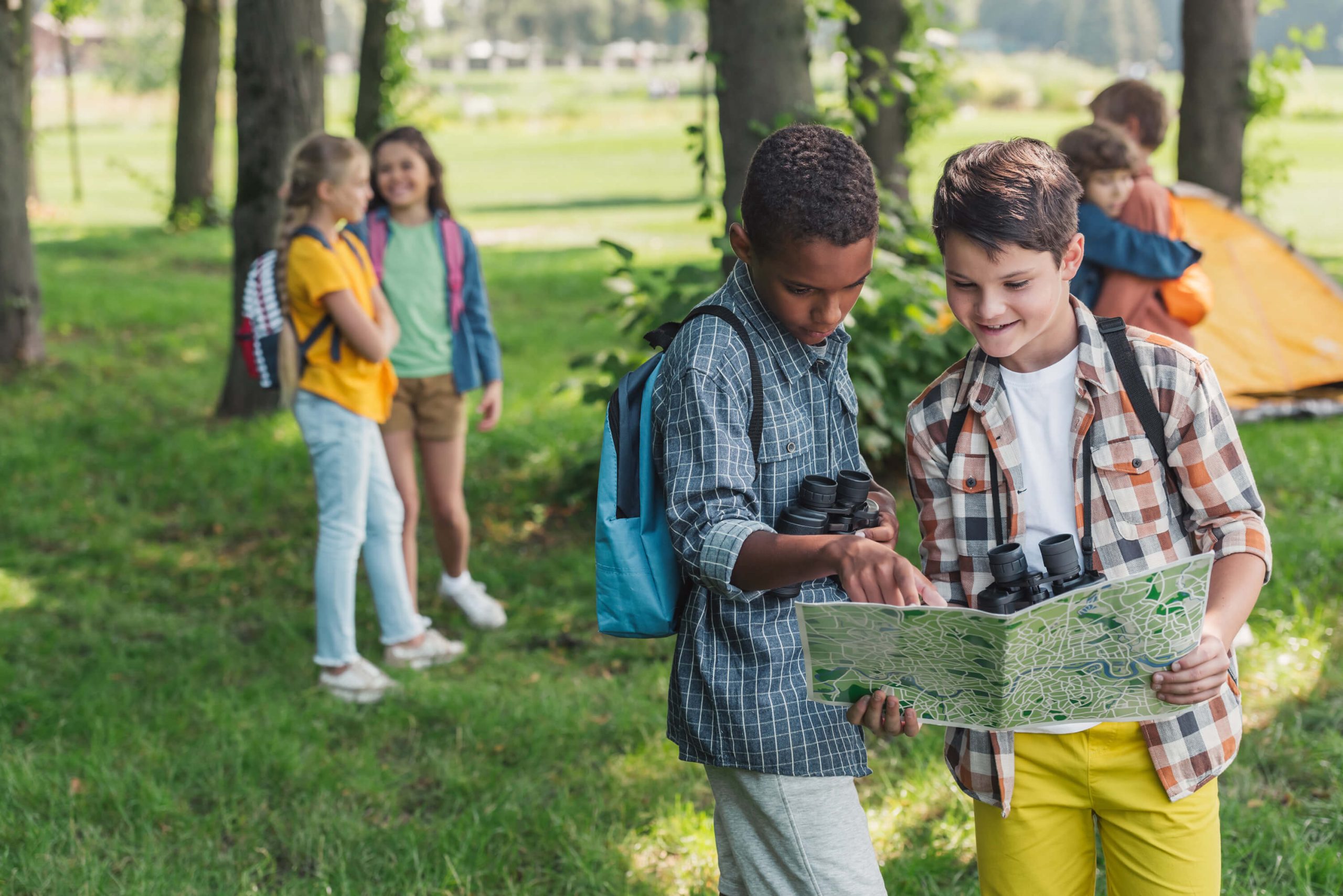
River floats and gentle hikes add exploration, low-impact exercise, and nature-based learning to family camping, helping kids observe wildlife, learn basic map or paddling skills, and experience unstructured outdoor play. Choose family-friendly float routes and trails with clear difficulty ratings, predictable durations, and easy access points to minimize risk and maintain predictable nap and meal times. Bring basic safety gear—life jackets for floats, sturdy shoes for trails, and a small first-aid kit—and schedule activities during cooler parts of the day for comfort. Combining a morning float with an afternoon playground visit creates a varied day that appeals to multiple age groups and keeps energy balanced.
This article provides a practical roadmap for families planning kid-focused camping in Michigan by combining activity comparisons, accommodation guidance, reservation steps, and sample event planning to help you choose the right campground and dates for family fun.
Frequently Asked Questions
What safety measures should families consider when camping with kids?
When camping with children, safety is paramount. Always ensure that kids wear properly fitted life jackets during water activities and that adult supervision is constant. Familiarize yourself with the campground’s safety rules, including emergency procedures and first-aid resources. Additionally, pack a first-aid kit, sunscreen, and insect repellent. It’s also wise to establish a meeting point in case anyone gets separated. Teaching children about outdoor safety, such as staying on marked trails and respecting wildlife, can enhance their camping experience.
Are there any age restrictions for specific activities at Michigan campgrounds?
Yes, many activities at Michigan campgrounds have age restrictions to ensure safety and enjoyment. For instance, inflatable water parks often require participants to be at least six years old, while younger children may need to be accompanied by an adult. Canoeing and kayaking may also have minimum age requirements, typically around five years old, depending on the outfitter. Always check with the campground or activity provider for specific age guidelines and safety regulations before planning your activities.
What should families pack for a kid-friendly camping trip?
When preparing for a family camping trip, packing smart is essential. In addition to the usual camping gear, include items specifically for kids, such as properly fitted life jackets, quick-dry towels, swim shoes, and a small first-aid kit. Don’t forget weather-appropriate clothing, hats, and sunscreen. Activity-specific items like reusable water bottles, art supplies for crafts, and dry bags for float trips can enhance the experience. A compact shade or canopy can provide relief during hot afternoons, ensuring comfort for the whole family.
How can families manage meal planning while camping?
Meal planning is crucial for a successful camping trip, especially with kids. Opt for simple, nutritious meals that require minimal preparation. Pre-packaged snacks, sandwiches, and easy-to-cook items like hot dogs or foil-wrapped vegetables are great options. Consider bringing a portable grill or camp stove for cooking. Involve kids in meal prep to make it fun, and plan meals around the campground’s schedule to ensure everyone is fed before activities. Always pack extra snacks for energy during busy days filled with fun.
What are some tips for keeping kids entertained during downtime at the campground?
Keeping kids entertained during downtime is key to a successful camping trip. Bring along games, books, or art supplies for creative activities. Encourage outdoor play with items like frisbees, balls, or kites. Organizing scavenger hunts or nature walks can also engage children and promote exploration. Additionally, consider scheduling quiet time for reading or napping to recharge. Having a flexible itinerary that includes both structured activities and free play will help maintain a fun and relaxed atmosphere for the whole family.
How can families find the best campgrounds for their needs?
Finding the right campground involves considering your family’s specific needs and preferences. Start by researching campgrounds that offer kid-friendly amenities, such as playgrounds, water activities, and organized events. Read reviews from other families to gauge the suitability of the campground. Check for proximity to attractions and outdoor adventures that align with your family’s interests. Finally, consider the type of accommodations available, whether RV sites, tent camping, or cabins, to ensure a comfortable stay for everyone.
Conclusion
Planning a family camping trip in Michigan offers a wealth of kid-friendly activities, from inflatable water parks to guided river floats, ensuring a memorable experience for all ages. By understanding the various accommodation options and event programming, families can tailor their adventures to fit their unique needs and preferences. Embrace the opportunity to create lasting memories while exploring the great outdoors together. Start planning your perfect family camping getaway today!