Why pick campgrounds with horseback riding trails in Michigan?

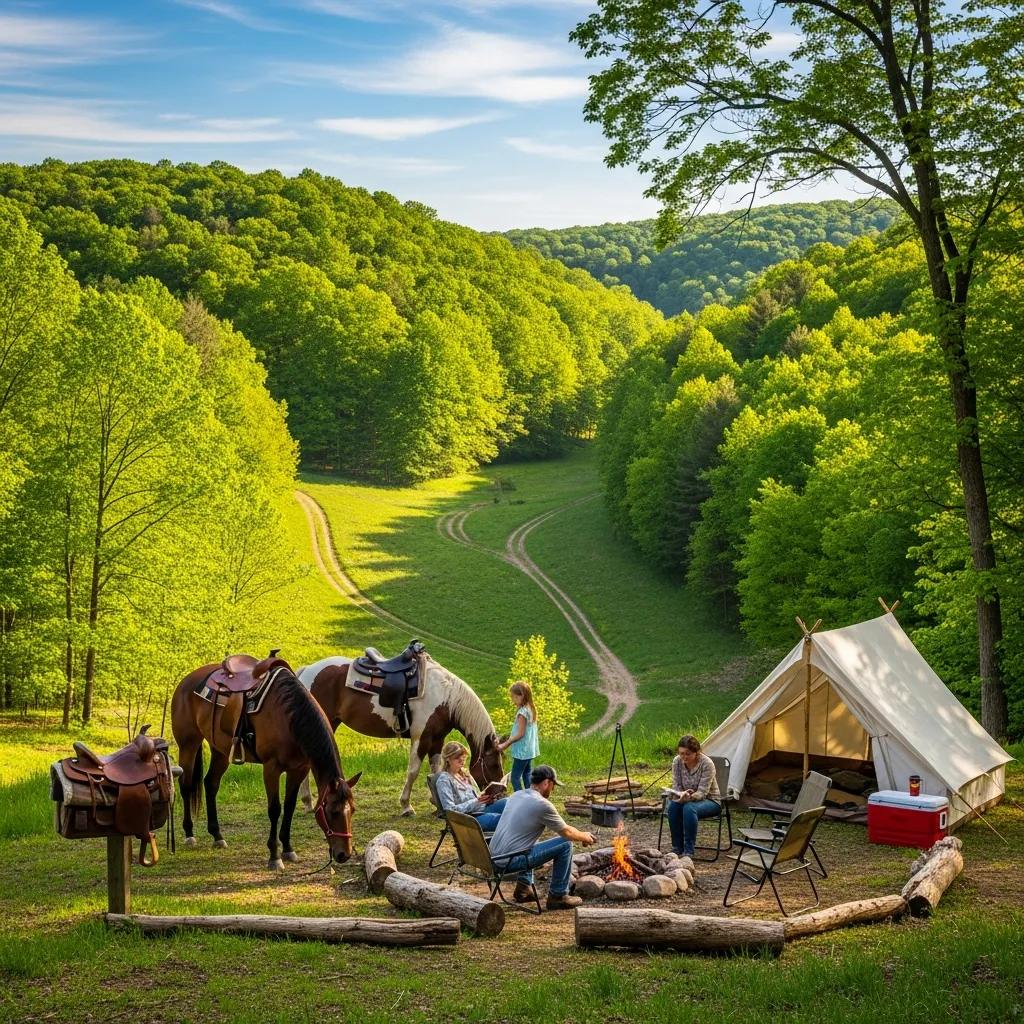
Camping with your horse in Michigan blends trail riding and overnight outdoor life, giving riders direct access to diverse terrain across state parks, private campgrounds, and connected public lands. This guide walks you through why campgrounds with horseback riding trails in Michigan matter for riders and families, how landscape variety and public access shape the riding day, and how to pick the right basecamp for quick day rides or multi-day loops. Many riders wrestle with finding sites that balance solid trail access with family-friendly amenities and trailer logistics; here you’ll find practical choices, planning steps, and local resources to make that easier. Read on to learn why Michigan is ideal for equestrian camping, which campgrounds are worth considering, how The Oaks Campground by GatherGrounds fits into the Waterloo corridor, the perks of camping with your horse, a simple planning checklist, and nearby services that support a horse camping trip. We also weave in helpful search phrases like Michigan equestrian camping, Waterloo State Recreation Area horse trails, and campgrounds with horseback riding trails Michigan to make comparisons and reservations simpler.

What makes Michigan a great place for equestrian camping?

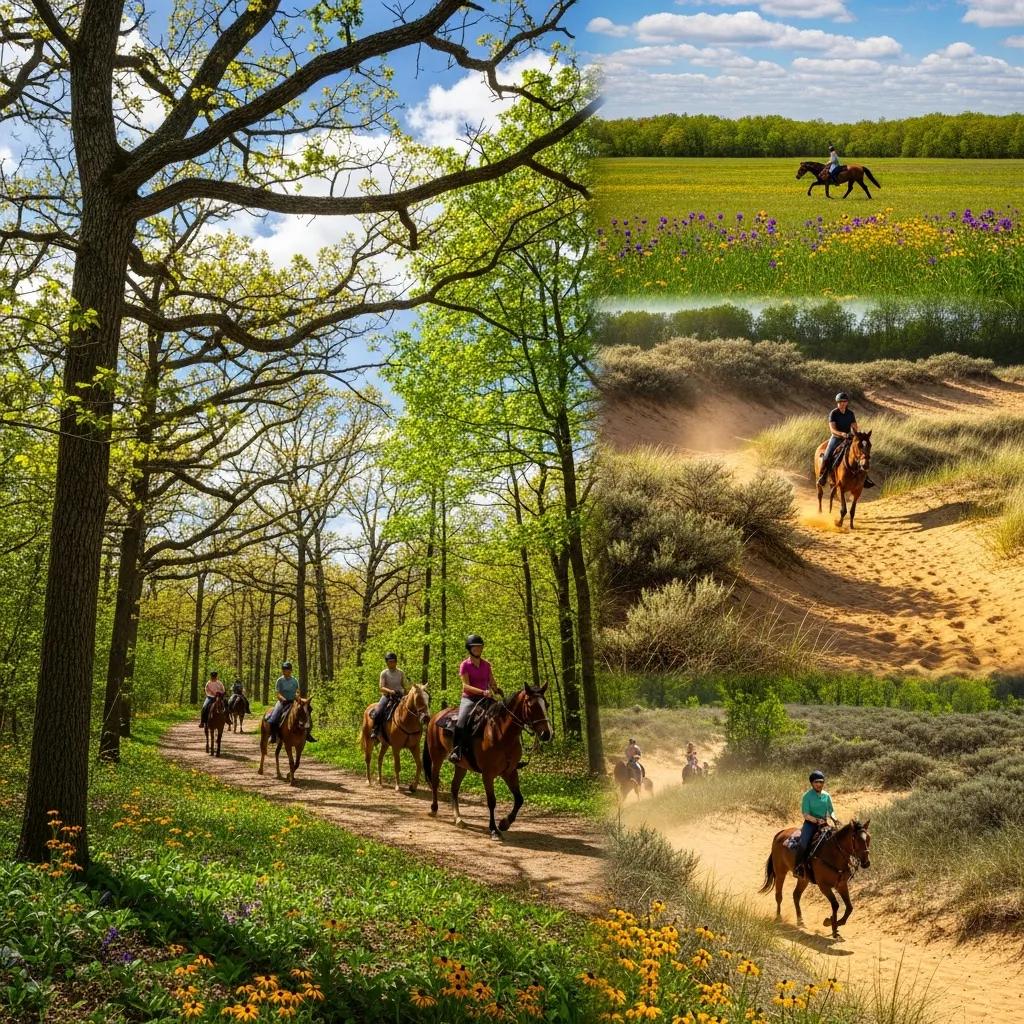
Horseback riders on mixed terrain trails — woods, fields, and sandy stretches in Michigan

Michigan works well for equestrian camping because it pairs large, state-managed recreation lands with a variety of trail types that suit casual family outings and longer endurance rides alike. In short: big public parcels and linked trail systems give you the ride length and landscape variety riders want, whether you plan a short loop or an overnight route. Riders benefit from predictable riding seasons, trailer-friendly trailheads, and active stewardship that keeps footing and route continuity in good shape. Those factors make Michigan accessible to riders from nearby metros and to families looking for a multi-activity outdoor getaway.

Michigan’s trail variety supports different goals:

  • Diverse trail ecosystems that make Michigan ideal for equestrian camping:Varied terrain — everything from woodland singletrack to sandy glades and wide multi-use paths to match different skill levels.Public lands — state parks and recreation areas offer long, connected tracts for extended rides.Seasonal windows — spring through fall usually provide the most reliable conditions.Family amenities — many campgrounds pair riding access with features that keep non-riders comfortable and entertained.

Those points explain why riders planning a weekend or a week away should weigh both trail type and campground services. Next, we look at how specific trail features affect your ride experience and what to expect out on the trail.

How do Michigan’s varied trails improve the riding experience?

Michigan’s trails give you a mix of surfaces and scenery that change how you plan, condition your horse, and manage safety. Tight woodland singletrack offers a more technical, immersive ride for experienced pairs, while wider multi-use paths are perfect for relaxed family outings or groups with mixed abilities; shoreline routes and grassy corridors add scenic breaks and good wildlife viewing. For instance, a family looking for a 45–90 minute loop will likely pick wider, low-traffic trails, while an endurance rider will search for contiguous public lands to string together longer miles. That range lets you match trail choice to horse fitness and group expectations, making Michigan flexible for many equestrian goals.

Trail surface and your objectives affect gear and pacing decisions — which leads naturally into the wellness and experiential benefits of riding and camping in nature.

Why does connecting with nature matter for equestrian campers?

Getting out on the trail combines physical conditioning, mental refreshment, and equine fitness. Trail time gives riders steady aerobic work and stress relief, while horses gain conditioning from varied footing and new environments. Multi-day active trips boost perceived wellbeing and family bonding, and equestrian camping multiplies that effect through shared chores, animal care, and simple teamwork. A common example: one group alternates morning rides with afternoon pond time or playground visits so non-riding companions have plenty to do while riders are out on looped excursions.

Knowing these wellness benefits helps you decide which features matter most — trail length, campsite comfort, or companion activities — when comparing Michigan equestrian campgrounds.

Which campgrounds are top picks for equestrian stays in Michigan?

The best equestrian campgrounds in Michigan blend trail access, basic horse facilities, and clear reservation policies. State park equestrian campgrounds usually offer direct trailheads and large networks, while private horse-friendly campgrounds and ranches add services like corrals or guided rides. Your choice depends on whether you prioritize long trail loops, family conveniences, or on-site services such as boarding.

Consider these popular options and what riders like about them:

  1. Waterloo State Recreation Area — Large, interconnected trail networks and wide acreage for full-day loops.
  2. Fort Custer Recreation Area — Well-marked equestrian routes and a good mix of trail difficulty and upkeep.
  3. Ortonville Recreation Area — Established horse trails with convenient staging for local day rides.
  4. The Oaks Campground by GatherGrounds — A family-focused base near Waterloo with on-site activities for companions.

To make choices easier, the table below compares features to weigh when picking a campground.

Intro: This quick comparison shows how state-run and private equestrian campgrounds differ in trail access, horse facilities, reservation steps, and proximity to metro areas.

CampgroundEquestrian FeatureNotes
Waterloo State Recreation AreaLarge, connected trail systemBest for extended loops and varied terrain
Fort Custer Recreation AreaMarked equestrian trailsGood balance of difficulty and maintenance
Ortonville Recreation AreaConvenient staging and trailheadsPopular for day rides and local access
The Oaks Campground by GatherGroundsFamily-friendly base near WaterlooOn-site recreation for companions and easy regional access

This table shows that state parks supply the primary trail mileage while private campgrounds like The Oaks act as useful staging points and family hubs. The next section outlines which state parks are especially known for equestrian routes.

Which state parks have standout horseback riding trails?

Several Michigan state parks support well-established equestrian trail networks with different lengths and difficulty levels for both new and experienced riders. Places like Waterloo and Fort Custer offer multi-mile loops, and some areas allow overnight horse camping with designated trailhead staging. Riders should check Michigan DNR guidance on permits and seasonal restrictions before heading out. These parks usually keep clear signage, trailer-friendly parking, and benefit from volunteer trail stewardship that helps preserve footing. Verifying current trail conditions and permit rules before arrival reduces surprises and helps you pack and plan appropriately.

A quick check of park information ahead of time sets realistic expectations for ride length and trail difficulty.

Where can you find private, horse-friendly campgrounds in Michigan?

Private horse-friendly campgrounds and ranches often offer extras like corrals, short-term boarding, and guided rides that differ from state offerings and make multi-day stays easier. These places commonly provide paddocks, tack storage, and staff help to simplify logistics, though availability and booking rules vary by operator. Private sites shine when you want on-site services like lessons or managed turnout, while state campgrounds usually win on raw trail access and contiguous mileage. Choose based on whether you need extra amenities or the widest trail options.

Understanding that trade-off helps you match trail access with the level of accommodation and support you want for your itinerary.

How does The Oaks Campground by GatherGrounds support equestrian campers near Waterloo?

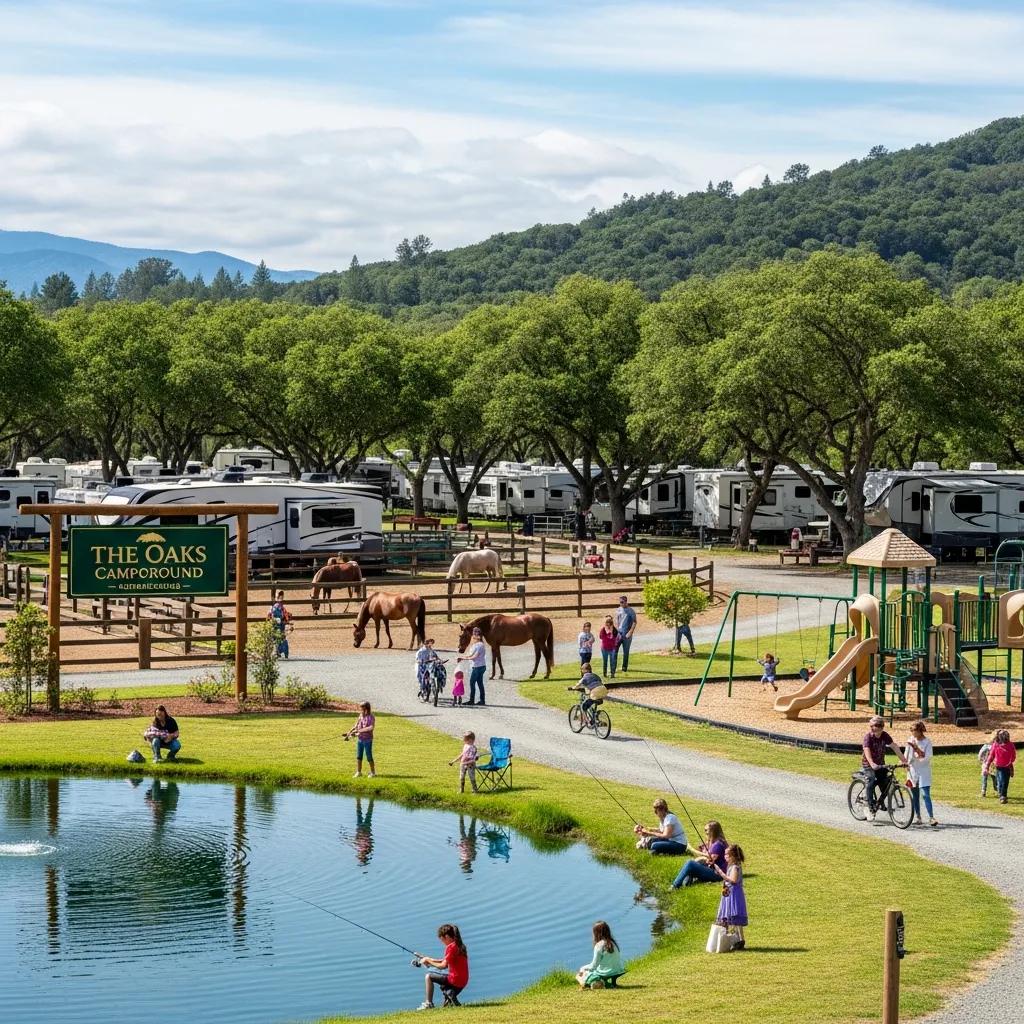
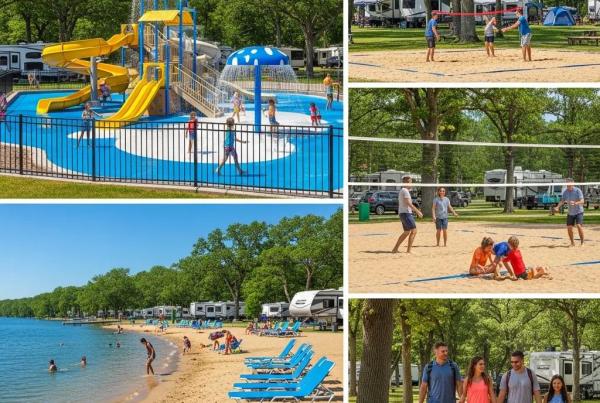
The Oaks Campground by GatherGrounds with family-friendly spaces and nearby trail access

The Oaks Campground by GatherGrounds serves as a handy regional base for riders headed to Waterloo State Recreation Area horse trails, offering family-focused amenities that complement equestrian groups traveling with non-riders. The key value is proximity: you can camp at The Oaks and make day trips into Waterloo, then return to a camp that keeps companions entertained — a large fishing pond, playgrounds, and golf cart riding trails on the property. Weekend events and planned additions like a Wibit water feature (expected 2026) increase appeal for mixed-interest groups. The Oaks accepts reservations through its booking channels and functions as a practical staging point for riding in the Waterloo area.

Because it balances trail adjacency with family amenities, The Oaks makes it easier to plan early-morning or late-afternoon rides while companions enjoy on-site recreation.

What amenities at The Oaks help horseback riders?

The Oaks Campground by GatherGrounds lists several family-friendly amenities that indirectly support equestrian groups by keeping companions engaged and comfortable. On-site features include a large fishing pond and roughly 120 acres of golf cart riding trails for non-riding guests, plus playgrounds and weekend programming that fill afternoons while riders are out. These options let riders plan longer loops into Waterloo knowing there are activities back at camp for others. If you’re using The Oaks as a basecamp, capture trailhead and property photos with clear ALT text that shows the Waterloo skyline, the pond, and family spaces to illustrate your trip visually.

Calling out these amenities makes it easier for groups to divide time between riding and companion activities without stress.

Why does being close to Waterloo State Recreation Area matter?

Being near Waterloo State Recreation Area is a practical advantage because Waterloo offers thousands of acres of connected trail options that extend ride possibilities beyond what a single campground can provide. Put plainly: The Oaks Campground → sits near → Waterloo State Recreation Area, and Waterloo → offers → extensive equestrian trails. That proximity means riders can plan short loops, half-day rides, or full-day circuits without moving camp, cutting down on trailer shuttles and staging hassles. For example, you might tack up at The Oaks, trailer a short distance to a Waterloo trailhead in the morning, then be back at the campsite for family time in the afternoon.

That adjacency explains why many riders pick campgrounds close to big recreation areas — you get more ride variety while keeping your campsite steady and companions happy.

What are the benefits of camping with your horse in Michigan?

Camping with your horse in Michigan combines wellness, family bonding, and cost-effectiveness in a way that strengthens local equestrian culture and encourages repeat visits. Bringing your horse mixes daily care routines with outdoor recreation, boosting fitness for horses through variable footing and improving riders’ mental health via time in nature. It also lets families split up activities — some members ride while others fish or use campground amenities — creating a vacation that serves multiple interests. From an economic angle, equestrian tourism supports local businesses and helps maintain trails and staging areas through trail-user advocacy.

These combined benefits help explain why family horse camping is growing in popularity across the region.

How does horseback riding support wellness for riders and horses?

Horseback riding supports rider wellness through steady aerobic activity, core engagement, and restorative time outdoors, which together improve fitness and mood. For horses, trail work across varied terrain builds balance, hoof health, and cardiovascular conditioning while offering mental enrichment from new environments. Trends in outdoor recreation show active trips lower stress and increase life satisfaction — effects that are stronger when the trip includes animal care and shared responsibilities. Practical approaches include alternating conditioning rides with turnout or light hack days to support recovery and long-term soundness.

Understanding these health dynamics helps riders plan balanced itineraries that support both equine and human wellbeing.

Why are family-friendly equestrian vacations gaining traction in Michigan?

Family-friendly equestrian vacations are popular because they pair trail access with companion-friendly activities and reasonably short drives from metro areas, making weekend trips feasible. The Oaks Campground by GatherGrounds models this approach by combining Waterloo proximity with on-site features like a fishing pond, golf cart trails, playgrounds, and scheduled weekend events to keep non-riders engaged. Easy travel from regional population centers opens equestrian camping to more families and creates intergenerational experiences that people repeat. When families plan these trips, they usually pick campgrounds that offer both ride access and varied leisure options so everyone stays involved.

That mix of accessibility and multi-activity programming explains steady demand for equestrian family getaways in Michigan.

How do you plan a smooth horseback riding camping trip in Michigan?

Successful horse camping in Michigan comes down to coordination: pick a trail system that matches your goals, confirm trailer and parking logistics, secure campsite and any required permits, and pack gear for the season. Align trail difficulty, horse readiness, companion activities, and logistics like parking and veterinary contacts before you arrive. The checklist below covers the essentials and helps reduce surprises when you arrive at your basecamp.

Use this step-by-step checklist to streamline planning:

  1. Pick trails that match rider skill and horse conditioning.
  2. Confirm trailer parking and staging at your chosen trailhead.
  3. Reserve camping and verify any equestrian permits or trail rules.
  4. Pack essential tack, a first-aid kit, and season-appropriate gear.
  5. Arrange local services (vet, farrier) and share arrival times.

Following these steps cuts down on last-minute problems and sets the stage for a safe, enjoyable trip. The table below is a simple trailhead checklist comparing common riding areas and their usual access traits.

Intro: This trailhead checklist summarizes difficulty, trailer access, and permit notes for common Michigan equestrian areas.

Trailhead / AreaTypical DifficultyParking / Trailer AccessPermits / Notes
Waterloo State Recreation AreaVaried — easy to advancedTrailer-friendly staging at select trailheadsCheck state permits and seasonal closures
Fort Custer Recreation AreaModerateDesignated trailer parking areasReview multi-use rules before arrival
Ortonville Recreation AreaBeginner to moderateLocal trailer parking availableConfirm horse camping rules and reservations

This quick comparison helps you prioritize trailheads that match horse conditioning and trailer logistics. Next, we cover the gear you’ll want for Michigan trails.

What gear should horse and rider bring for Michigan trails?

Essential trail gear includes well-fitting tack, rider safety items like a helmet and reflective gear, plus horse-care supplies such as a first-aid kit, water buckets, and enough feed. These items address common trail risks — weather changes, minor injuries, and hydration — and help you handle variable surfaces like sand, mud, or packed dirt. A prioritized list: saddle and bridle in good repair, helmet, rain layers, hoof pick, spare lead ropes, lightweight first-aid components, and navigation aids. Make seasonal adjustments — waterproofing for spring mud or extra insulation on cool shoulder-season rides — to stay prepared for typical Michigan conditions.

Organizing gear by priority prevents overpacking and helps you adapt quickly if weather or trail conditions change.

How do reservations and permits work for equestrian camping?

Reservation and permit rules vary between state parks and private campgrounds: state areas usually require campsite reservations and sometimes equestrian trail permits, while private campgrounds follow their own booking processes. The best approach is to contact the park or campground well ahead of your trip, confirm equine rules, and lock in campsite availability. For state areas, check seasonal regulations and any horse-specific trail restrictions; for private sites, review amenity listings and booking policies. Reserving early reduces the chance of limited availability during peak riding windows.

Completing bookings and permit checks early keeps your trip legal and logistically solid. Next we list nearby attractions and services that can support your stay.

What nearby attractions and services boost a Michigan horse camping trip?

Nearby attractions and services add value by offering veterinary care, feed and tack supplies, and companion activities, creating a hub-and-spoke model where campgrounds act as central bases. The Oaks Campground by GatherGrounds functions as one such hub near Waterloo; riders should identify local vets, farriers, and supply stores in advance to streamline care and emergency response. Complementary attractions — lakes, scenic overlooks, and family recreation — provide options that keep mixed-interest groups satisfied and encourage longer stays.

Which local services support equestrian campers near The Oaks? The table below lists typical service categories, rough proximity, and notes to help with planning.

Intro: This service table highlights essentials and planning notes to help equestrian visitors coordinate care and supplies near The Oaks.

ServiceDistance from The Oaks (general)Contact / Notes
Large-animal veterinarianShort driveArrange appointments in advance and note emergency options
Feed and tack supplyShort driveStock up before multi-day outings
FarrierShort drive / regionalSchedule visits before arrival if needed
Trailer service / fuelRegionalConfirm diesel availability and repair options en route

Planning core equine support ahead of time is key to a smooth trip. Below we outline the local services and attractions common to equestrian campgrounds.

What local services support equestrian campers near The Oaks Campground?

Local support usually includes large-animal vets, feed and tack shops, farriers, and trailer service providers within a short drive of popular campgrounds. Contact these services before you arrive to confirm availability and share estimated arrival times — that reduces emergency response lag and stress. The Oaks’ weekend events and on-site activities also help groups stagger schedules between riders and non-riders. Putting together a local contact list and confirming key appointments is a smart part of trip prep.

Proactive coordination shortens response times for animal care and ensures needed supplies are on hand during your stay.

Which natural and recreational attractions are reachable from equestrian campgrounds?

Nearby natural attractions include lakeside beaches, birding areas, scenic overlooks, and multi-use parks where companions can fish, hike, or bike. Combining activities — a morning ride in Waterloo followed by an afternoon at a nearby lake or playground — builds balanced days for mixed-interest groups and broadens the trip beyond riding alone. Campgrounds adjacent to state recreation areas offer the most options for this kind of programming, letting riders alternate equine time with family recreation and downtime.

Pairing rides with local attractions makes horse camping a richer, more appealing multi-activity vacation for families and riding groups.

Frequently Asked Questions

What should I consider when choosing a campground for horseback riding in Michigan?

Look for trail access first: direct trailheads and well-maintained routes are a priority. Then check horse facilities (corrals, water), trailer parking, and reservation rules. If you’re traveling with non-riders, confirm family-friendly amenities and on-site activities. Match the campground to your planned rides — day loops or multi-day routes — and the needs of everyone in your group.

Are there specific riding seasons to be aware of in Michigan?

Yes. The best window is generally spring through fall, with late April to early October offering the most reliable trail conditions. Early spring and late fall can be wet or muddy, and some areas restrict access seasonally. Always check current trail conditions and park notices before you go.

What types of horses are best suited for Michigan trails?

Michigan trails suit many breeds, but you should consider your horse’s fitness and experience with varied terrain. Horses accustomed to hills, sand, and woods — and with solid stamina — do especially well. Breeds like Quarter Horses, Arabians, and some warmbloods are commonly used, but comfort and conditioning matter more than breed alone.

How can I ensure my horse is prepared for a camping trip?

Start a conditioning program over varied terrain, practice loading and unloading, and get your horse used to tying and standing in a camp environment. Pack essentials such as feed, water buckets, a first-aid kit, and any familiar gear. Doing short trail rides near home that mimic trip conditions helps reduce stress on arrival.

What are the benefits of horseback riding for families?

Riding promotes fitness, reduces stress, and creates shared experiences that strengthen family bonds. Equestrian camping also combines outdoor play and chores — everyone has a role — making it a versatile vacation where riders and non-riders both find things to enjoy.

What should I pack for a horseback riding camping trip in Michigan?

Prioritize safety and basics: well-fitting tack, a horse first-aid kit, water buckets, and enough feed. For riders, bring a helmet, layered clothing, rain gear, and reflective items if you’ll be out early or late. Add navigation tools, spare lead ropes, hoof picks, and season-appropriate extras like waterproof boots or extra blankets.

Conclusion

Choosing campgrounds with horseback riding trails in Michigan gives you direct access to a wide range of terrain plus family-friendly amenities that keep everyone happy. With a little planning — picking the right trails, confirming trailer logistics, and lining up local services — you can make an equestrian camping trip that’s safe, restorative, and fun for riders and companions alike. Explore our recommended campgrounds and start planning your next Michigan horseback getaway.