
Best Family Campgrounds in Michigan: Top Kid-Friendly Resorts
Michigan’s family-friendly campgrounds blend secure, amenity-rich sites with easy access to lakes, rivers, and outdoor adventures for unforgettable vacations for parents and kids alike. This guide dives into what makes a campground truly family-friendly, compares RV sites, tent camping, and cabin rentals, and walks you through water activities, events, and practical planning steps for families searching for the best campgrounds near them and Michigan family glamping options. Many families struggle to balance energetic kids, nap schedules, and safety while maximizing outdoor time; the right campground solves these challenges by offering supervised play, convenient facilities, and multiple accommodation choices. You’ll discover which amenities matter most, how water features like a Wibit water park and river floats elevate the experience, and which booking and packing strategies ease stress on busy weekends and peak seasons. The article covers: what makes resorts ideal for kids, accommodation comparisons, water-activity guides, event examples, and a step-by-step planning checklist with seasonal considerations to help families choose and book with confidence.
What Makes Michigan Family Camping Resorts Ideal for Kids and Families?
A family-friendly campground prioritizes safe play, varied amenities, and on-site programming so parents can relax while kids stay engaged. These sites work by clustering supervised areas—like splash zones and playgrounds—near family-size accommodations to reduce walking time and increase visibility, which improves safety and convenience for mixed-age groups. The result is longer stays, happier children, and simpler logistics for caregivers who want family camping near Detroit or elsewhere in Michigan. The next paragraphs identify essential amenities, explain how water parks contribute to satisfaction, and describe why proximity to natural attractions matters for day trips and variety.
Which Family Amenities Are Essential at Michigan Campgrounds?
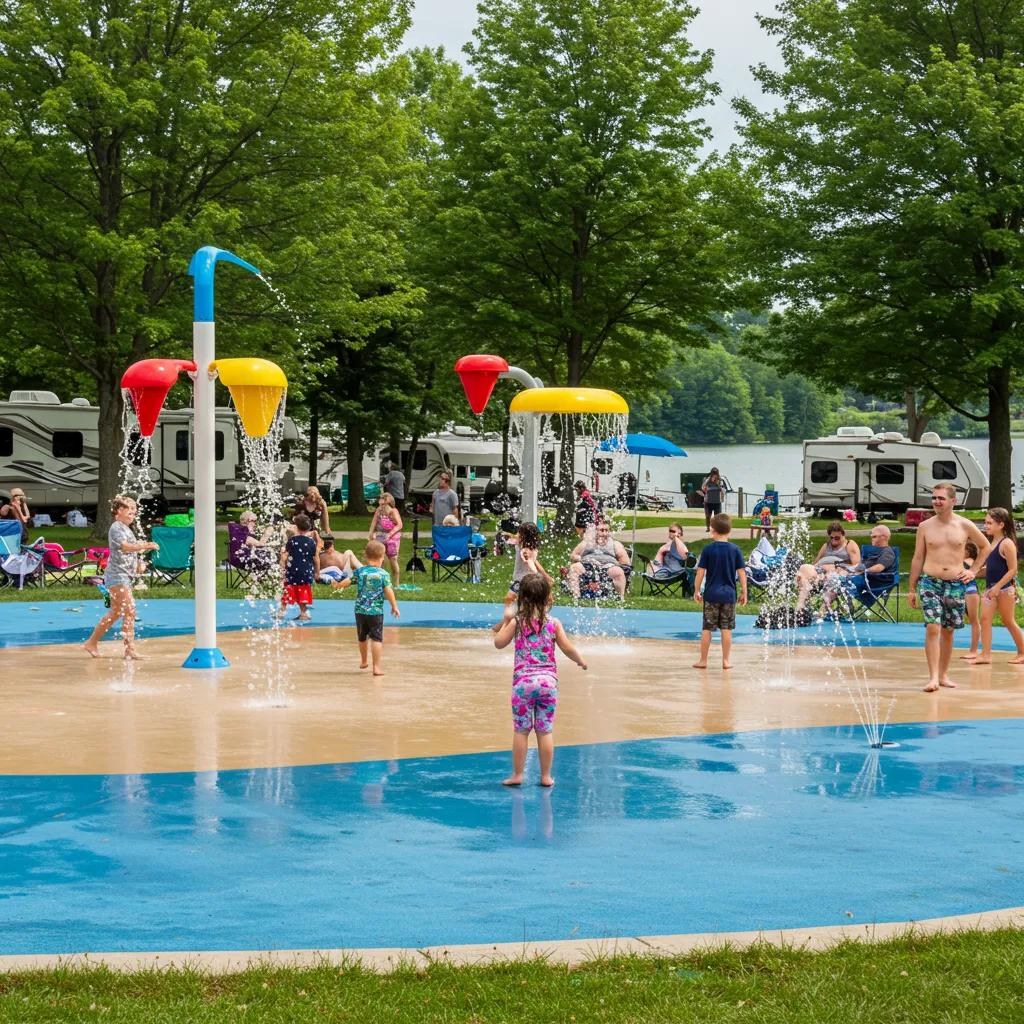
Essential family amenities provide structure, safety, and year-round entertainment for children of different ages. Campground designers typically include fenced play areas, multiple playgrounds, family restrooms, and supervised splash features that reduce parental anxiety while enabling kids to play freely. Families also benefit from dog parks and accessible walking paths that let parents exercise pets and toddlers simultaneously. These amenity choices lead directly into why water parks and organized activities are pivotal for family satisfaction and repeat visits.
Families should look for three core amenity categories when choosing a site:
- Supervised water play: Lifeguarded splash areas and Wibit water park features keep kids active and reduce parental supervision burden.
- Age-diverse play zones: Multiple playgrounds and sports courts support toddlers through teens with developmentally appropriate equipment.
- Convenience features: Family restrooms, changing areas, and nearby picnic shelters minimize transit time and simplify routines.
These amenities work together to create a predictable, manageable environment that supports family routines and leads into how water parks amplify on-site entertainment.
How Do Water Parks Enhance Family Camping Experiences in Michigan?

On-site water parks transform a campsite into a multi-day entertainment hub by offering contained, high-energy play that appeals to older children and promotes family bonding. Inflatable courses like a Wibit water park provide supervised, supervised play sessions that encourage teamwork and physical activity while keeping families on-site even during unpredictable weather. The presence of these features increases the perceived value of a stay and often motivates families to extend weekends into midweek trips. This discussion leads naturally to river floats and how access to local waterways broadens activity options for families.
Why Choose Campgrounds Near Michigan’s Natural Attractions?
Campgrounds located close to rivers, lakes, and state parks enable short day trips and varied outdoor learning experiences that complement on-site recreation. Proximity reduces drive time, which is critical for families with young children or for planning half-day activities like short hikes, wildlife viewing, or beach play. Natural-attribute access also supports diverse programming—fishing outings for beginners or guided nature walks—that enhances educational value. Understanding these benefits helps families prioritize campgrounds that balance on-site amenities with nearby nature access.
What Are the Best Accommodation Options for Families at Michigan Campgrounds?
Choosing between RV sites, tent sites, and cabin rentals depends on family size, comfort needs, and seasonality; each option supplies different tradeoffs in space, privacy, and convenience. RV sites deliver hookups and convenience for multi-generational groups, tent sites keep costs low and immerse children in classic camping, and cabin rentals provide weather-proof comfort and simplified logistics for naps and infants. Below is a compact comparison table to help families scan differences quickly and decide which accommodation aligns with their priorities.
This table clarifies tradeoffs and prepares families for the H3 details that explain how each option addresses practical needs for meals, naps, and safety.
How Do RV Sites Cater to Family Needs in Michigan Campgrounds?
RV sites support family comfort by providing full hookups, level pads, and space for outdoor play adjacent to vehicles. These sites work well for families who need refrigeration, indoor sleeping, and quick restroom access, reducing setup time and simplifying mealtimes for children. RV setups also allow families to bring familiar bedding and equipment, which can preserve routines for naps and bedtime. Understanding these conveniences leads to a discussion of when tent camping may be preferable for different family goals.
What Should Families Expect from Tent Camping Experiences in Michigan?
Tent camping offers close-to-nature experiences and flexibility but requires deliberate packing and site selection for family comfort. Parents should prioritize tent sites near restrooms and water access, choose sheltered pitches for unpredictable Michigan weather, and bring comfort items like insulated sleeping pads and covered toys to keep children warm and engaged. Tent camping fosters classical outdoor skills and direct nature exposure, and those tradeoffs make cabins appealing when weather or young children are key concerns.
Why Are Cabin Rentals Popular for Family Camping in Michigan?
Cabin rentals blend lodging comfort with campground access by offering enclosed shelters, fixed beds, and simple kitchens that ease cooking and sleeping routines. Cabins are especially useful during shoulder seasons when nights are cooler, or when families prefer quick shelter from storms without dismantling tents. This stability supports mixed-ability groups and families with infants or seniors who need predictable indoor space. These lodging comparisons segue into water activity planning and how accommodation choice affects daily programming.
How Can Families Enjoy Water Activities at Michigan Campgrounds?
Water activities at campgrounds include controlled play areas, lake swimming, and guided river floats, each with distinct supervision and equipment needs that suit different ages. Families benefit from having on-site options like a Wibit water park plus nearby river access for gentle floats; this combination provides high-energy play and low-effort scenic outings. Safety and supervision are core mechanisms: lifeguards at splash areas and flotation requirements on river trips reduce risk while increasing participation. Below are focused subsections and a short table comparing common water activity types to help families plan sessions based on age and attention span.
This table helps families choose activities that match their children’s ages and comfort with water, and it moves into H3 specifics on Wibit features and river floats.
What Are the Benefits of Wibit Water Parks at Michigan Campgrounds?
Wibit water parks deliver contained, inflatable obstacle courses that promote physical play, coordination, and social interaction among older children and teens. These structures operate in supervised sessions with staff oversight or posted rules, which helps parents plan safe activity blocks and reduces continuous one-on-one supervision needs. Wibit sessions are typically energetic and short enough to fit between meals and naps, making them a practical on-site entertainment option. Recognizing these benefits connects directly to planning river-based activities for calmer family outings.
How Do Shiawassee River Float Trips Enhance Family Adventures?
Shiawassee River float trips provide gentle, scenic floats that allow families to enjoy local wildlife and river scenery with minimal exertion. These floats work well for mixed-age groups because options include canoes, kayaks, or tubes, and guided launches often supply safety briefings and basic gear. Floats typically last from an hour to half a day, offering flexible scheduling for families balancing naps and meals. Families interested in river access can combine on-site water parks with a relaxed float to vary activity intensity.
Which Other Lake and Swimming Activities Are Available for Families?
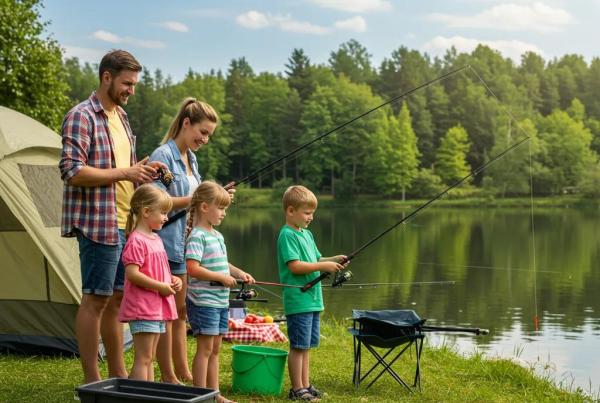
Many campgrounds offer beach-style swimming, fishing spots, and non-motorized rentals that let families diversify their water time beyond inflatables and floats. Supervised swim areas with clear boundaries suit toddlers and inexperienced swimmers, while paddleboarding and canoeing engage older children with basic balance and coordination challenges. Fishing is often a low-intensity, teachable moment activity that appeals to exploratory kids and provides quiet downtime for parents. Understanding the activity mix helps families build balanced daily schedules around naps, meals, and supervised play.
What Family-Friendly Events and Activities Are Offered at Michigan Campgrounds?

Campgrounds that program recurring family events keep children engaged and create consistent expectations for stays, which reduces family planning friction and boosts enjoyment. Typical offerings include weekend crafts, scavenger hunts, themed nights, and organized sports, all designed to invite family participation and cater to specific age groups. These events operate on predictable schedules so parents can reserve time for special activities and plan around naps and peak swim times. The next subsections detail common weekend favorites and the role of playgrounds and sports areas in sustaining daily activity.
Many campgrounds structure their events into predictable weekend rhythms:
This event overview helps families pick stays that match desired programming and leads into specifics about weekend scheduling and play infrastructure.
Which Weekend Events Are Best for Kids at Michigan Campgrounds?
Weekend events that combine structure with flexibility—like scavenger hunts, themed parties, and kid crafts—deliver memorable experiences without disrupting family routines. Scavenger hunts encourage outdoor exploration with low pressure and are typically suited to preschool and elementary ages, while themed nights invite whole-family participation after dinner. Reservation notes matter for popular events, so families should ask about sign-ups for limited-capacity activities. These organized offerings naturally complement playgrounds and sports areas, which provide unstructured play between scheduled events.
How Do Playgrounds and Sports Areas Support Family Fun?
Playgrounds and sports courts offer daily, drop-in options that keep kids active when scheduled events are not running, providing physical outlets and peer interaction across age groups. Play equipment designed for multiple developmental levels extends utility across families with toddlers through teens, and sports areas encourage friendly family competitions. Safety features—soft surfaces, fencing, and visible sightlines—reduce parental stress while enabling independent play. Recognizing the interplay of programmed events and open play prepares families to select sites that match their desired pace of activity.
How Do You Plan a Successful Family Camping Trip to Michigan?
Planning a family camping trip requires booking strategy, a seasonal packing checklist, and local attraction selection so days are balanced between on-site amenities and short excursions. Start by reserving early for popular summer weekends and holidays, choose family sites near restrooms or play areas, and confirm site features such as hookups or cabin amenities. Packing should prioritize layered clothing, life jackets for water play, and comfort items to preserve nap routines. The final paragraphs offer concrete booking tips and local-attraction suggestions to finalize plans and recommend where to secure reservations for family-friendly stays.
Families can follow this simple booking and packing checklist:
- Reserve early: Book peak weekends well in advance to secure family-sized sites.
- Choose location wisely: Prefer sites close to amenities for young children and pets.
- Pack for seasons: Bring layers, waterproof footwear, and safety gear for water play.
These steps lead into specific booking questions and local attractions families should consider when finalizing a Michigan camping itinerary.
What Are the Best Tips for Booking Family Campgrounds in Michigan?
When booking, prioritize site proximity to amenities, cancellation flexibility, and the accommodation type that matches family needs—RV sites for conveniences, tent sites for immersion, or cabin rentals for weather protection. Ask about event schedules, lifeguard availability, and pet-friendly areas if bringing dogs to ensure days run smoothly. Reserving during off-peak weekdays can reduce crowds and increase access to popular activities. These booking principles naturally connect to choosing nearby attractions that extend a stay with simple day trips.
Which Local Attractions Should Families Visit Near Michigan Campgrounds?
Local attractions that pair well with campgrounds include short hikes, nature centers, lakeside beaches, and small-town family events that fit half-day schedules and minimize driving. Choosing attractions within a 30–60 minute radius reduces travel strain and preserves usable daylight hours for children. Planning a mix of restful days and active outings keeps momentum without overtiring younger travelers. With attractions selected, families can finalize packing and seasonal considerations for their visit.
How Can Families Prepare for Seasonal Camping in Michigan?
Seasonal preparation means packing layers for cool nights, rain gear for spring showers, and sun protection for summer water days, with transitional choices best for shoulder seasons when temperatures fluctuate. In autumn, prioritize leaf-peeping plans and warm bedding; in summer, focus on swim safety and sun hats. Reserve campsites earlier for high-demand windows like summer holidays and fall color weekends. Proper seasonal planning ensures that families maximize activities like Wibit sessions and Shiawassee River float trips while staying comfortable.
The historical context of recreational planning in Michigan’s state forests provides a foundational understanding of how these areas have been developed for public use.
Recreational Planning for Michigan State Forest Campgrounds
ABSTRACT: KREBS, CHARLES FREDERIC.University of Michigan ProQuest Dissertations & Theses, 1967. 1301427.
Factors Relevant To More Efficient Recreational Planning And Design For Michigan’s State Forest Campgrounds., 1967
After reviewing these planning steps, families ready to secure a comprehensive family-friendly camping experience can check reservations with Walnut Hills Family Campground, a GatherGrounds Resorts property located in Durand, Michigan, which offers RV sites, tent sites, cabin rentals, a Wibit water park, a swimming lake, multiple playgrounds, a dog park, organized weekend events and activities, and access to Shiawassee River float trips for canoes, kayaks, or tubes. Reservations and site details are available through the campground’s booking channels and help families align accommodation type with desired activities and peak times.
Frequently Asked Questions
What safety measures should families look for at campgrounds?
When selecting a family-friendly campground, safety measures are paramount. Look for features such as fenced play areas, lifeguarded swimming zones, and well-maintained facilities. Additionally, check for clear signage regarding safety rules, emergency procedures, and the availability of first aid stations. Campgrounds that offer supervised activities can also provide peace of mind, allowing parents to relax while their children engage in fun, safe play. Ensuring these safety measures are in place can significantly enhance your family’s camping experience.
Are there any specific packing tips for families camping in Michigan?
Packing for a family camping trip in Michigan requires careful consideration of the season and activities planned. Essential items include layered clothing for fluctuating temperatures, waterproof gear for unexpected rain, and sun protection for outdoor activities. Don’t forget comfort items like sleeping pads, favorite toys, and life jackets for water activities. Additionally, packing a first aid kit and snacks can help manage the needs of children during your stay. A well-thought-out packing list ensures a smoother, more enjoyable camping experience.
How can families find campgrounds that accommodate pets?
Finding pet-friendly campgrounds in Michigan involves a few strategic steps. Start by searching online for campgrounds that specifically advertise pet-friendly policies. Websites and apps dedicated to camping often have filters for pet accommodations. Additionally, calling the campground directly can provide clarity on their pet policies, including any breed restrictions or additional fees. Look for amenities like dog parks or pet-friendly trails to ensure a comfortable stay for both your family and furry friends.
What types of organized activities can families expect at campgrounds?
Many family-friendly campgrounds in Michigan offer a variety of organized activities designed to engage children and promote family bonding. Common activities include scavenger hunts, arts and crafts sessions, themed family nights, and outdoor movie screenings. These events are typically scheduled to fit around family routines, allowing for participation without disrupting nap times or meal schedules. Engaging in these organized activities can enhance the camping experience, providing memorable moments for families to cherish together.
How do families choose the right campground based on their children’s ages?
Choosing the right campground based on children’s ages involves considering the available amenities and activities that cater to different developmental stages. For toddlers, look for campgrounds with safe play areas and family restrooms. For older children, amenities like water parks, sports courts, and organized events can provide engaging experiences. Additionally, consider the campground’s proximity to natural attractions that offer educational opportunities, such as nature walks or wildlife viewing, to ensure a well-rounded experience for all age groups.
What are the benefits of booking campgrounds during off-peak times?
Booking campgrounds during off-peak times can offer several advantages for families. First, it often results in lower rates and better availability of preferred sites. Additionally, off-peak periods typically mean fewer crowds, allowing for a more relaxed experience and easier access to amenities and activities. Families can enjoy a quieter environment, which is especially beneficial for young children who may be sensitive to noise. This can lead to a more enjoyable and stress-free camping trip overall.
How can families ensure they have a memorable camping experience?
To ensure a memorable camping experience, families should prioritize planning and preparation. Start by selecting a campground that aligns with your family’s interests and needs, considering amenities, activities, and safety features. Create a flexible itinerary that balances on-site fun with local excursions. Involve children in the planning process to build excitement and ensure their preferences are considered. Lastly, maintain a positive attitude and be open to spontaneous adventures, as these often lead to the most cherished memories during your camping trip.
Conclusion
Choosing the right family-friendly campground in Michigan ensures a memorable vacation filled with safe, engaging activities for children and relaxation for parents. With amenities like supervised water parks, diverse accommodation options, and proximity to natural attractions, families can enjoy a well-rounded outdoor experience. By planning ahead and considering essential features, you can maximize your family’s enjoyment and comfort during your stay. Start exploring our recommended campgrounds today to create lasting memories with your loved ones.