Navigating Seasonal Sites vs. Nightly Camping: Key Advantages and Disadvantages Explained
Seasonal camping and nightly camping represent two distinct approaches to enjoying outdoor lodging, each with practical trade-offs that matter for budget, family plans, and lifestyle. This article explains what seasonal sites and nightly camping mean, why campers choose one over the other, and how to evaluate cost, convenience, community, and amenity fit for your situation. Many readers decide based on frequency of visits, desire for a stable community, or the need for flexible weekend getaways; this guide clarifies those decision drivers and offers a checklist to reach a clear choice. You will learn the primary benefits of seasonal camping, the top advantages of nightly camping, the common disadvantages and challenges to expect, and a decision framework that maps budget and travel habits to the recommended option. The content integrates specific campground context where relevant so you can apply these trade-offs to a real family-friendly location with lake access, a water park, and canoe rentals. Read on to compare cost versus flexibility, maintenance obligations versus spontaneity, and how amenities shift the value of short stays versus long-term commitment.
What Are the Main Benefits of Seasonal Camping at Walnut Hills?
Seasonal camping means leasing or reserving the same site for an extended portion of the camping season, which delivers predictable access, reduced setup time, and stronger neighbor relationships. This arrangement reduces repetitive packing and towing, because campers keep a dedicated space with personal setup options, saving time on each visit and improving comfort through personalization. Stable site access also enables consistent use of on-site amenities, which increases the practical value of features like swimming areas and playgrounds across the season. Understanding these benefits helps families weigh long-term convenience against upfront commitments and sets the stage for a direct cost and lifestyle comparison.
Seasonal camping at a family campground typically emphasizes three core benefits:
- Predictable access to the same site that supports personalized setups and familiar routines.
- Time savings from fewer arrivals, hookups, and teardowns across the season.
- Stronger community ties because neighbors see each other repeatedly and host recurring events.
These advantages make seasonal camping attractive for people seeking routine and community, and the next section examines the specific cost and convenience mechanics behind those benefits.
Different seasonal-site attributes affect value depending on cost structure and community features.
This table illustrates how site-level attributes translate into convenience and social value for long-term campers. The following subsection explains cost mechanics and practical conveniences in greater detail.
How Does Seasonal Camping Offer Cost Savings and Convenience?
Seasonal camping saves money by bundling many nights into a single seasonal rate, which generally lowers the effective nightly cost compared with frequent transient visits. The mechanism is simple: a fixed seasonal fee spreads site costs over many visits, reducing per-visit expenses and removing repetitive reservation fees. Families also capture convenience value because less frequent packing and towing reduces wear on vehicles and frees weekends for recreation rather than setup. These financial and time-saving effects often tip the balance for frequent visitors who plan repeated weekends and want a stable home base.
What Community and Personalization Opportunities Does Seasonal Camping Provide?
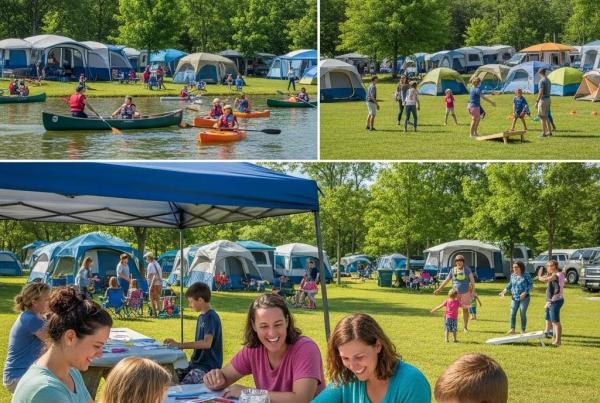
Seasonal campers can personalize sites with furniture, gardens, and storage solutions, creating a home-like camp environment that improves comfort and family routines. This personalization strengthens neighbor interactions because shared aesthetics and recurring activities encourage informal events and mutual support. Community-building mechanisms—like potlucks or weekly children’s games—emerge naturally when sites are occupied regularly, enhancing social value beyond pure cost savings. Those social benefits often become a deciding factor for families seeking longer-term outdoor living.
Which Amenities Enhance the Seasonal Camping Experience at Walnut Hills?
Amenities that support daily life—such as a campground store, renovated bathroom facilities, and recreational features—raise the utility of a seasonal site by reducing the need to leave the property. Recurrent access to features like a Wibit water park and a swimming lake provides repeated recreational value for children and adults, while on-site services simplify logistics. These amenity-driven benefits compound across the season because frequent use captures more value per dollar spent. By linking amenity frequency to seasonal occupancy, campers can estimate whether regular access justifies a seasonal commitment.
After considering seasonal benefits, note that Walnut Hills Family Campground offers seasonal sites including seasonal RV sites, seasonal tent sites, and seasonal cabin rentals, with community events and on-site facilities that amplify these advantages. For readers interested in confirming seasonal availability or specific site details, the campground supports an inquiry process to check seasonal options.
What Are the Key Advantages of Nightly Camping for Flexible Outdoor Adventures?

Nightly camping provides maximum flexibility by allowing visitors to choose different locations, adjust trip lengths, and avoid long-term commitments; this model suits explorers and occasional weekenders. The mechanism is low-commitment reservations that let families experiment with new campsites or coordinate short trips around school breaks or holidays without seasonal contracts. Nightly stays concentrate amenity use into short bursts—making a water park or lake weekend highly valuable for families who want intense, focused recreation. Understanding these attributes clarifies when transient camping beats a seasonal lease.
Nightly camping is particularly strong for these use cases:
- Last-minute getaways that require low commitment and quick bookings.
- Sampling multiple campgrounds to compare sites, amenities, and locations.
- Condensed family experiences where a concentrated weekend of activities delivers high value.
These advantages highlight flexibility, and the next subsection examines spontaneity and exploration mechanics in more detail.
This table clarifies how transient site types match flexible travel patterns and short-term family goals. The next H3 connects these advantages to practical spontaneity tips.
How Does Nightly Camping Support Spontaneity and Exploration?
Nightly camping supports exploration because reservations can be made for individual dates, letting travelers adapt plans based on weather, schedules, or new interests. This mechanism enables multi-stop itineraries and spontaneous escapes, which are ideal for families wanting variety. The lower commitment means you can trial a campground before considering a seasonal spot and retain freedom to change destinations across a season. Spontaneity is therefore both an experiential benefit and a practical strategy for discovering preferred sites.
What Makes Nightly Camping Ideal for Short-Term Family Getaways?
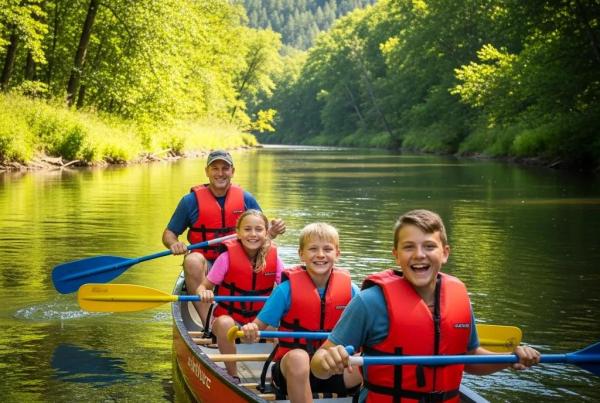
Short-term stays concentrate fun into a compact timeframe, offering access to high-value amenities without long-term maintenance obligations. Families get the benefit of playgrounds, the Wibit water park, and canoe trips on the Shiawassee River during a focused weekend, maximizing memories per visit. Because nightly stays avoid seasonal contracts, they work for households with variable schedules or who prioritize travel diversity. This use-case makes nightly camping a natural fit for weekend explorers and families with sporadic availability.
How Do Walnut Hills Amenities Enhance Nightly Camping Stays?

Walnut Hills’ on-site features—Wibit water park, swimming lake, playgrounds, and Cheff’s Canoe Rental—amplify the value of short stays by providing concentrated activities for children and adults. These amenities turn a single weekend into a packed recreation experience, making nightly reservations highly attractive for families seeking immediate fun. The campground’s renovated facilities and entertainment options reduce the need to travel off-site for supplies or activities, which is especially helpful for brief stays. Readers ready to book a short visit can use the nightly reservation flow to secure a tent site, RV site, or cabin for a weekend.
What Are the Disadvantages of Seasonal Camping to Consider Before Committing?
Seasonal camping limits mobility because committing to one site reduces ability to relocate during the season, and that restriction can conflict with travel or lifestyle changes. The mechanism is contractual and logistical: seasonal agreements or implied expectations create inertia that makes switching parks or jobs more difficult. Additionally, seasonal occupancy often requires ongoing maintenance—winterization, periodic cleaning, and property upkeep—that adds time and cost. Recognizing these trade-offs helps prospective seasonal campers weigh convenience against reduced travel flexibility and potential extra expenses.
Seasonal camping commonly presents these drawbacks:
- Reduced freedom to move since your site is tied to a specific location.
- Ongoing maintenance tasks that require planning or additional expense.
- Potential contract terms and season-related costs such as winter storage.
How Does Seasonal Camping Limit Travel Flexibility and Require Site Maintenance?
Seasonal campers often need to schedule visits around maintenance tasks like securing awnings, routine cleaning, and utility management, which consumes time and coordination. The logistical burden can offset some of the convenience gains from having a permanent site, especially when extended absences require paid services or neighbor support. This maintenance obligation reduces the pure leisure time during some visits and may create recurring costs for storage and winter preparation. Understanding these operational demands is essential before signing a seasonal agreement.
What Contractual and Weather-Related Factors Affect Seasonal Campers?
Seasonal arrangements frequently include payment schedules, deposit requirements, and cancellation terms that obligate campers even when unexpected weather or personal changes occur. Storm risk and seasonal closures mean site responsibility often falls to the seasonal occupant, who must secure equipment and follow campground rules. Prospective seasonal campers should review contract clauses for refunds, transferability, and storage to avoid surprises. Careful contract review and contingency planning mitigate weather and contractual risks associated with seasonal stays.
What Challenges Should You Expect with Nightly Camping at Walnut Hills?
Nightly camping challenges center on reservation timing, repetitive packing, and potentially higher per-night costs compared with an equivalent number of seasonal nights. The mechanism is per-stay logistics: frequent arrivals require more setup time, and peak weekends demand advance bookings to secure desired sites. These procedural burdens can reduce leisure time when trips are short and concentrate costs during busy periods. Knowing these trade-offs helps planners decide when to pay a premium for flexibility versus committing to a seasonal arrangement.
Nightly camping often brings these practical challenges:
- Need to reserve early for holidays and busy weekends to ensure availability.
- Repeated packing and setup that eats into weekend leisure time.
- Higher aggregate cost when many short stays accumulate.
How Do Reservation Requirements and Frequent Packing Impact Nightly Campers?
Frequent short stays require disciplined planning: advance booking during peak periods, efficient packing checklists, and time-saving setup routines cut friction and increase satisfaction. The practical strategy is to maintain a dedicated camping checklist, pre-packed essentials, and arrival-time buffers to reduce stress. Advance planning preserves spontaneity by enabling quick last-minute decisions while minimizing setup overhead. The next subsection explains when nightly pricing remains cost-effective despite these chores.
Why Can Nightly Camping Be More Expensive Per Night Compared to Seasonal Sites?
Nightly rates reflect the convenience of short stays and the operational costs of transient site turnover, which means per-night pricing often exceeds the effective nightly cost of a seasonal lease when visits are frequent. The economic mechanism is arithmetic: repeated per-night charges add up faster than a bulk seasonal fee, especially for families who visit most weekends. However, for infrequent visitors or those valuing flexibility, nightly stays can still be the more cost-efficient choice. Calculating your break-even point clarifies whether seasonal commitment or transient reservations fit your budget.
How to Choose Between Seasonal and Nightly Camping: Key Factors to Guide Your Decision
Choosing between seasonal and nightly camping depends on clear factors: budget, lifestyle, family needs, travel frequency, and amenity priorities. The decision mechanism is a simple mapping of use patterns to stay type: frequent users who value routine often favor seasonal sites, while occasional visitors and explorers prefer nightly stays. Evaluate your annual trip frequency, desired access to amenities like the Wibit water park or canoe rentals, and tolerance for maintenance commitments to pick the best fit. This decision framework helps translate preferences into a practical recommendation.
Use this checklist to guide your choice:
- Budget: Compare seasonal fees versus cumulative nightly rates to find your break-even frequency.
- Travel Frequency: If you plan many weekends at the site, seasonal camping usually becomes more cost-effective.
- Lifestyle Needs: Choose seasonal for routine and community; choose nightly for exploration and flexibility.
These criteria clarify trade-offs, and the following table maps common profiles to recommended options.
What Role Do Budget, Lifestyle, and Family Needs Play in Choosing Your Camping Style?
Budget drives the math: calculate how many nights per season bring seasonal fees below cumulative nightly rates, then weigh that against maintenance time and lifestyle flexibility. Lifestyle factors—such as remote work, children’s school schedules, and desire for local community—determine whether routine presence or travel freedom is a priority. Family needs like play areas, lake access, and canoeing opportunities increase the value of repeated amenity use and often favor seasonal choices. Balancing these elements yields a tailored recommendation.
How Do Desired Amenities and Travel Frequency Influence Your Camping Choice?
Amenity frequency matters because repeated use of a water park, lake, or canoe rental increases the per-visit return on seasonal fees, while rare use makes nightly stays more cost-effective. The mechanism is usage rate: the more you use on-site facilities, the more attractive a seasonal commitment becomes. Travel frequency interacts with amenity importance to form a simple rule: frequent amenity users should consider seasonal sites; occasional users should lean toward nightly bookings. This mapping helps families align their preferences with the campground options.
To maximize occupancy and cater to diverse needs, campgrounds can strategically combine long-term seasonal bookings with short-term nightly reservations.
Seasonal vs. Nightly Camping: Mixed Strategies for Campsites
campsites may benefit from embracing a mixed strategy of combining long-term seasonal and short-term nightly bookings to cater to a wider range of customer needs and maximize occupancy throughout the year.
Why Is Walnut Hills Family Campground Ideal for Both Seasonal and Nightly Campers?
Walnut Hills Family Campground supports both seasonal and nightly preferences through diverse accommodation types—seasonal RV sites, seasonal tent sites, seasonal cabin rentals, nightly stays for RVs and tents, and cabin rentals—paired with family-focused amenities that serve short and long visits alike. The campground’s lake, Wibit water park, playgrounds, renovated bathrooms, and Cheff’s Canoe Rental make concentrated weekend visits fulfilling and long-term stays comfortable, providing flexibility for different travel patterns. If you are deciding today, inquire about seasonal site availability or proceed to book a nightly stay to test the experience and determine which model fits your family best.
Frequently Asked Questions
What should I consider when deciding between seasonal and nightly camping?
When choosing between seasonal and nightly camping, consider factors such as your budget, travel frequency, and lifestyle needs. Seasonal camping is often more cost-effective for frequent visitors, while nightly camping offers flexibility for those with variable schedules. Additionally, think about the amenities you value most, as repeated use of facilities can influence your decision. Evaluating these elements will help you determine which camping style aligns best with your family’s preferences and needs.
Are there any specific maintenance tasks associated with seasonal camping?
Yes, seasonal camping often involves ongoing maintenance tasks such as winterization, cleaning, and general upkeep of your site. These responsibilities can include securing awnings, managing utilities, and ensuring the site is ready for each visit. While having a dedicated site can save time on setup, the maintenance obligations can offset some of the convenience benefits. It’s essential to factor in these tasks when considering a seasonal commitment.
How can I maximize my experience during nightly camping trips?
To maximize your experience during nightly camping, plan ahead by making reservations early, especially during peak seasons. Create a packing checklist to streamline your setup process and ensure you have all essentials ready to go. Additionally, consider arriving at your campsite with enough time to settle in and enjoy the amenities. By being organized and prepared, you can focus on enjoying your time outdoors without unnecessary stress.
What types of amenities should I look for in a campground?
When selecting a campground, look for amenities that enhance your camping experience, such as recreational facilities, clean restrooms, and convenient access to activities like swimming, canoeing, or hiking. Family-friendly features like playgrounds and organized events can also add value, especially for those with children. Assessing the availability and quality of these amenities can help you choose a campground that meets your family’s needs and preferences.
Can I switch from seasonal to nightly camping if my plans change?
Yes, you can switch from seasonal to nightly camping if your plans change, but it may depend on the campground’s policies and availability. If you find that your travel frequency or lifestyle needs have shifted, consider contacting the campground to discuss your options. Many campgrounds offer flexibility in booking, allowing you to adapt your camping style as needed. Always review the terms of your seasonal agreement to understand any potential restrictions.
What are the potential drawbacks of nightly camping?
Nightly camping can present some drawbacks, including the need for early reservations during busy periods and the repetitive nature of packing and setting up your campsite. Additionally, the per-night costs can accumulate quickly, making it more expensive than a seasonal commitment for frequent visitors. Understanding these challenges can help you weigh the benefits of flexibility against the logistical demands of nightly stays.
How do I determine if seasonal camping is worth the investment?
To determine if seasonal camping is worth the investment, calculate your expected number of visits and compare the cumulative cost of nightly stays to the seasonal fee. If you plan to visit frequently, seasonal camping may offer significant savings. Additionally, consider the value of community and routine that comes with a seasonal site. Assessing both financial and experiential factors will help you make an informed decision about your camping investment.
Conclusion
Choosing between seasonal and nightly camping at Walnut Hills Family Campground allows families to tailor their outdoor experiences based on budget, lifestyle, and travel frequency. Seasonal camping offers stability and community, while nightly camping provides flexibility and spontaneity, making it easier to explore new locations. Understanding these benefits empowers you to make an informed decision that aligns with your family’s needs. Whether you’re ready to secure a seasonal site or book a short getaway, explore your options today.