Family Camping Adventures: Dogs or No Dogs? Exploring Pet-Friendly Camping in Michigan
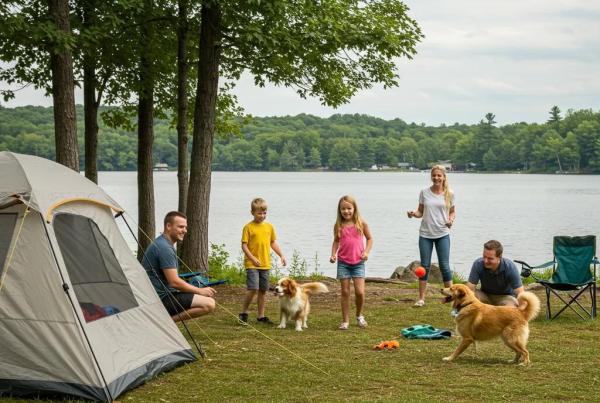
Bringing your furry family members along for camping adventures in Michigan is all about blending outdoor fun with responsible pet care for truly unforgettable trips. This guide dives into how family camping with dogs in Michigan works, why clear pet policies are a must, and the practical steps to plan safe, enjoyable stays. You’ll get the lowdown on Walnut Hills’ pet policy basics, dog park perks, on-site and nearby dog-friendly activities (including tips for Shiawassee River floats!), accommodation choices, and essential packing and behavior strategies to keep everyone comfortable. We know many families worry about leash rules, extra fees, or if river excursions are safe for their pups – this article tackles those concerns head-on with specific guidelines, handy checklists, and quick-reference tables. You’ll find details on pet policies and leash/waste management, the Walnut Hills dog park and its etiquette, trails and river trips suitable for dogs, accommodation options (RV, tent, cabins), and concrete trip-prep steps to help you decide if bringing your dog is the right move. Throughout, we’ll weave in local context—Michigan campgrounds, GatherGrounds Resorts’ family camping experiences, and Shiawassee River considerations—so you can plan with total confidence.
What Are the Pet Policies for Family Camping at Walnut Hills Campground?
Pet policies are key to setting expectations for whether pets are welcome and how responsible ownership is maintained to ensure a great experience for other campers and local wildlife. At its core, a campground pet policy outlines the types of pets allowed, leash requirements, waste management protocols, vaccination expectations, and any associated fees. These rules are in place to minimize conflicts and environmental impact. Understanding Walnut Hills’ specific pet policy will help you plan a smooth stay with your dog and avoid any surprises at check-in. The following sections break down the rules into leash/waste management and fees/restrictions, so you can quickly confirm compliance before you start packing.
What Are the Leash and Waste Management Rules for Dogs?
Leash and waste rules are designed to ensure dogs remain under control and that owners promptly clean up after them, maintaining hygiene and comfort for all guests. Walnut Hills requires dogs to be leashed in common areas, with off-leash play restricted to the dedicated dog park. This approach balances the need for exercise with overall safety. Waste stations and disposal procedures are readily available on-site, and owners are expected to carry bags and use the provided receptacles to avoid fines and protect local waterways. Clear leash rules help prevent unexpected encounters near playgrounds and the campground store, and following them ensures a pleasant stay for both families and their canine companions.
Are There Any Pet Fees or Breed Restrictions to Know?
Campground policies often include pet fees, limits on the number of pets per site, and vaccination checks to help cover additional cleaning and wear, ultimately protecting both guests and facilities. At Walnut Hills, you can expect standard pet policies that may involve nominal fees, a need for vaccination documentation, and site-specific pet limits to ensure safety and comfort for everyone. The table below summarizes the key policy points for a quick overview before you book.
Policy overview for quick comparison:
This table clarifies your main responsibilities, helping you prepare necessary documents and supplies before you arrive. Knowing these details in advance reduces stress, speeds up check-in, and helps protect the campground’s resources and other guests.
For families planning an actual visit, Walnut Hills Family Campground (operated by GatherGrounds Resorts) is dedicated to providing excellent family camping experiences. You can find reservation tools and a full pet policy to confirm specifics and secure your pet-friendly site. Checking these resources beforehand will help you match a site to your dog’s needs before you even arrive.
Does Walnut Hills Family Campground Have a Dog Park for Your Pets?
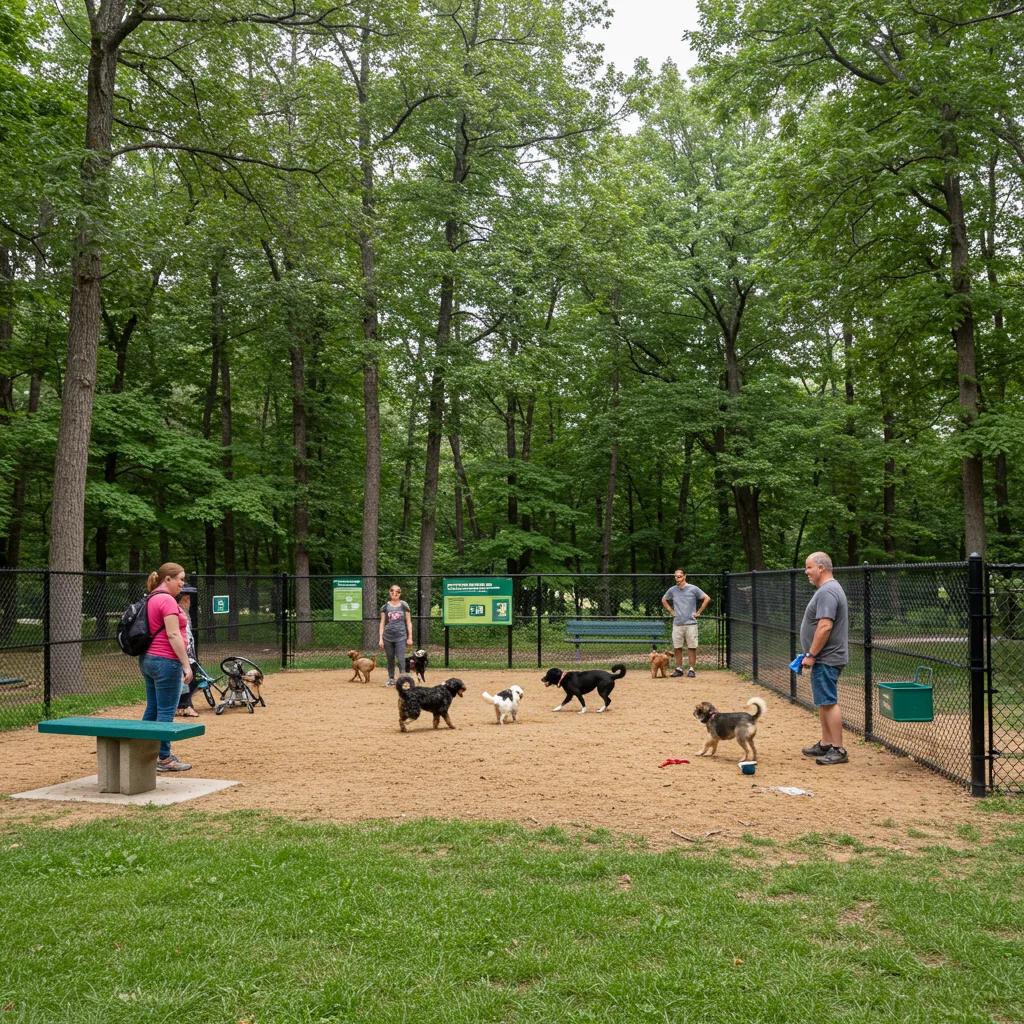
An on-site dog park offers a fantastic controlled environment for off-leash exercise and socialization, which is especially helpful for families juggling kids and pets. Walnut Hills features a spacious dog park amenity, providing a safe, fenced area for play, complete with water access and waste stations. These features make it easy to give your dog plenty of exercise without having to leave the campground. The dog park helps minimize leash-related conflicts across campsites and encourages positive socialization for dogs. The next subsection details its size, amenities, and practical tips for visiting.
What Are the Size and Amenities of the Walnut Hills Dog Park?
The dog park at Walnut Hills offers a secure, fenced off-leash space equipped with water access and multiple waste stations to promote safe play and good hygiene. Benches and shaded areas allow parents to comfortably supervise both children and dogs without standing for extended periods. Plus, separate areas for small and large dogs help reduce potential mismatches during busy times. These amenities encourage frequent, shorter exercise sessions that can help dogs settle down at their campsite and reduce nighttime noise. Families should aim to visit during cooler parts of the day and consider bringing collapsible bowls and portable shade for longer stays.
Next, we’ll cover dog park etiquette and rules so you can use the area respectfully and safely.
- Etiquette list intro: The following etiquette points summarize essential behaviors for safe, family-friendly use of the dog park.
- Supervise Continuously: An adult should always watch children and dogs while in the park.
- Vaccination Proof: Keep vaccination records accessible if staff request verification.
- Clean Up Promptly: Use waste stations immediately to maintain sanitation.
- Separate by Size: Use designated small/large areas to reduce injury risk during peak times.
By following these four guidelines, you help ensure the dog park remains a welcoming amenity for family camping experiences and contributes to long-term campground stewardship.
Which Dog-Friendly Activities and Trails Are Available at Walnut Hills and Nearby?

Dog-friendly activities abound, from on-site trails and water access to nearby attractions, allowing families to choose options that best suit their dog’s size and temperament. On-site offerings often include short, shaded trails perfect for kids and dogs, supervised beach or lake access, and scheduled river float trips on the Shiawassee River, which require specific precautions for canine participants. The following subsections will explore trail options, considerations for river floats, and nearby attractions that are great for families traveling with dogs.
What On-Site Dog-Friendly Trails Can Families Explore?
On-site trails at family campgrounds typically feature loop paths with varied terrain, suitable for leashed dogs and children, offering exercise without requiring long drives. Trails at Walnut Hills boast shaded, easy-grade routes that connect to playgrounds and the swimming lake, making them practical for short family outings and allowing for quick returns for naps or meals. Leash laws are enforced on all trails to protect wildlife and other guests, and it’s recommended to carry water and waste bags to maintain trail cleanliness. These shorter loops are ideal for morning or evening walks that help tire out your dog before quiet hours.
Can Dogs Join the Shiawassee River Float Trips?
Dogs can sometimes join families on river float trips, provided safety conditions are met. Owners should assess their dog’s comfort with moving water and use life vests where appropriate. For Shiawassee River floats, families should bring canine life jackets for dogs that will be on inflatables and plan for easy entry and exit points; trips during calm weather are the safest choice. If your dog is anxious or not a strong swimmer, it’s best to opt for alternative activities like gentle shoreline walks. Practicing short floats beforehand and using secure gear can significantly increase the chances of a relaxed and safe river experience.
What Nearby Dog-Friendly Attractions Are Recommended?
Nearby dog-friendly spots can extend your family’s itinerary beyond the campground, offering variety for multi-day stays. These can include state parks, additional dog-friendly trails, and open play areas that welcome leashed pets. Families should always research local leash laws and bring up-to-date vaccination records when visiting nearby attractions. It’s also wise to factor in travel time to ensure your dogs remain rested between outings. Planning a mix of on-site and nearby activities helps balance stimulation and rest for your dog, making the trip enjoyable for children and pets alike.
- Activities list intro: Use this short list to plan mixed-activity days that suit dogs and children.
- Short Loop Hikes: Easy trails near campsites for morning exercise.
- Dog Park Sessions: Off-leash socialization periods in the on-site park.
- Shoreline Play: Supervised lake access for cooling off.
- Nearby Park Visits: Leashed walks at local dog-friendly parks.
Balancing these activities helps families maintain routines while enjoying a variety of experiences during their stay.
What Pet-Friendly Accommodation Options Does Walnut Hills Offer?
The type of accommodation you choose impacts what you can bring and how your dog will be managed overnight, influencing comfort and logistics for your group. Walnut Hills offers typical family camping accommodation types—RV sites, tent sites, and cabins—each with different space, proximity to amenities, and pet rules that affect their suitability for dogs and children. Understanding which options allow pets and any associated limits will help you select lodging that minimizes conflicts and provides easy access to the dog park and facilities. The table below compares common accommodation pet attributes to help you decide efficiently.
This comparison highlights the trade-offs: RV and tent sites offer outdoor flexibility, while cabins provide shelter from the weather. Choosing a site near the dog park can also reduce transit time for supervision.
After reviewing the accommodation types, families who prefer on-site options can book their family camping experiences at Walnut Hills Family Campground, operated by GatherGrounds Resorts. Be sure to specify your pet needs during the reservation process to ensure you get the right site type and amenities.
Are RV and Tent Sites Pet-Friendly at Walnut Hills?
RV and tent sites generally permit pets under leash and noise regulations, with recommendations to choose sites near services for convenient pet care. RV sites offer space and shade that can help larger dogs settle in, while tent sites place families closer to natural surfaces for play. Both require adherence to quiet hours and tethering rules when owners are away. Selecting a site near waste stations and the dog park streamlines care routines and minimizes on-site movement. Families should plan their site activities around quiet hours to respect neighbors and maintain a restful environment.
Are There Pet-Friendly Cabins Available for Families?
Pet-friendly cabins provide sheltered sleeping quarters and can be ideal for families traveling with young children or older dogs that might need softer surfaces. Cabins that allow pets may have limits on size or number and sometimes require a cleaning fee for extra maintenance, so it’s important to clarify terms when booking. Inside the cabins, crate training and covering furniture can help protect interiors while keeping dogs comfortable. Choosing a cabin near playgrounds and trails balances convenience for parents with enrichment for pets.
How Can Families Prepare for a Stress-Free Camping Trip with Dogs?
Thorough preparation helps reduce stress by aligning expectations, supplies, and behavior plans, ensuring dogs and children can enjoy the trip safely. A structured packing list, health checklist, and behavior management routine will help families meet campground rules, respond to emergencies, and maintain courtesy toward other campers. The following H3 subsections offer actionable packing items, health and safety precautions, and behavior strategies to keep your trips smooth and enjoyable for everyone.
What Should You Pack for Camping with Your Dog?
Packing the right items ensures basic needs are met and emergencies can be handled promptly, boosting your confidence during outdoor stays. Essentials include food, bowls, leash, harness, bedding, waste bags, and a basic first-aid kit. Optional items for water activities might include a canine life vest and towel. Bringing familiar toys and maintaining routines can help dogs settle into new surroundings, and packing duplicates of critical items prevents last-minute shopping. The checklist below is a compact reference that families can adapt for multi-day trips and river activities.
Packing checklist intro: Use the list to ensure comfort, safety, and compliance with campground rules.
- Food & Bowls: Familiar food and at least two bowls for water and meals.
- Leash & Harness: Secure control for trails and common areas.
- Waste Bags & Towels: For cleanup and drying after water play.
- First-Aid Kit & Meds: Include tick removal tools and any prescriptions.
A concise packing plan helps prevent omissions and simplifies arrival routines.
How to Ensure Your Dog’s Health and Safety While Camping?
Health checks and preventive measures minimize risks from ticks, heat, and unfamiliar terrain, while keeping vaccination records accessible if requested. Pre-trip vet visits, appropriate parasite prevention, and bringing hydration tools and shade options can reduce common threats to your dog’s well-being. Monitoring their behavior and offering rest breaks prevents overexertion, especially for puppies and senior dogs. Having local emergency vet contact information and a basic plan for transport increases preparedness for unexpected incidents.
How to Manage Dog Behavior at the Campground?
Behavior management involves pre-trip training, exercise scheduling, and equipment choices to prevent excessive barking, chasing wildlife, and stressful interactions. A routine of morning hikes and dog park sessions can tire dogs out physically, while crates or tents provide quiet downtime during rest periods and at night. Positive reinforcement and brief training refreshers help keep commands reliable in new environments, and a long-line can offer safer, supervised freedom near campsites. Planning behavior strategies ahead ensures peaceful shared spaces for all campers and fosters enjoyable family memories without disruptions.
Frequently Asked Questions
What are the best practices for introducing your dog to a new camping environment?
Introducing your dog to a new camping environment requires gradual acclimatization. Start by allowing your dog to explore the campsite while on a leash, ensuring they feel secure. Familiarize them with the sounds and smells of the area, and provide a safe space, such as a crate or a designated area with their bedding. Gradually increase their exposure to other campers and pets, monitoring their behavior for signs of stress. Positive reinforcement, such as treats and praise, can help them associate the new environment with positive experiences.
How can families ensure their dogs stay hydrated while camping?
Keeping dogs hydrated while camping is crucial, especially during warm weather. Always carry fresh water and a portable bowl to ensure your dog has access to hydration throughout the day. Plan for regular water breaks, especially after physical activities like hiking or playing in the dog park. If you’re near a water source, ensure it’s safe for dogs to drink. Additionally, consider bringing a collapsible water bowl for convenience during outings. Monitoring your dog’s water intake and behavior can help prevent dehydration.
What should you do if your dog gets lost while camping?
If your dog gets lost while camping, remain calm and take immediate action. Start by retracing your steps and calling your dog’s name. Use familiar commands or sounds, like a whistle, to attract their attention. Inform fellow campers and campground staff about your lost dog, providing a description and any identifying features. Utilize social media or local community boards to spread the word. To prevent future incidents, ensure your dog is microchipped and wears a collar with an ID tag containing your contact information.
Are there specific dog breeds that are better suited for camping?
While many dog breeds can enjoy camping, some are better suited due to their temperament and energy levels. Breeds like Labrador Retrievers, Golden Retrievers, and Beagles are often friendly, adaptable, and enjoy outdoor activities. Smaller breeds may also thrive if they are active and social. It’s essential to consider your dog’s personality, energy level, and comfort with new environments. Regardless of breed, ensure your dog is well-trained and socialized to handle the camping experience effectively.
What are the signs that a dog is uncomfortable or stressed while camping?
Recognizing signs of discomfort or stress in dogs while camping is vital for their well-being. Common indicators include excessive barking, whining, panting, or pacing. A dog may also exhibit avoidance behaviors, such as hiding or trying to escape. Physical signs like drooling, trembling, or a tucked tail can indicate anxiety. If you notice these behaviors, provide a quiet space for your dog to relax, and consider reducing stimulation by limiting interactions with other pets and people until they feel more comfortable.
How can families manage their dog’s energy levels during a camping trip?
Managing your dog’s energy levels during a camping trip involves a combination of structured activities and downtime. Schedule regular exercise sessions, such as hikes or playtime in the dog park, to help burn off excess energy. Incorporate mental stimulation through training games or puzzle toys during quieter moments. Ensure your dog has a comfortable resting area to recharge, especially after active periods. Balancing physical and mental activities will help keep your dog calm and content throughout the camping experience.
Conclusion
Family camping with dogs in Michigan offers a unique blend of adventure and companionship, ensuring that both pets and children can enjoy the great outdoors together. By understanding pet policies, utilizing on-site amenities like dog parks, and planning dog-friendly activities, families can create memorable experiences while keeping their furry friends safe and happy. Preparing adequately with the right supplies and behavior strategies enhances the overall camping experience for everyone involved. Start planning your next family camping trip today and explore the pet-friendly options available at Walnut Hills Family Campground.