Why Your Family Will Love Campgrounds With Playgrounds: Family Friendly Campgrounds With Play Areas
Family-friendly campgrounds with playgrounds are outdoor sites designed to combine safe, age-appropriate play areas with camping accommodations and family-focused amenities, making them ideal for multi-generational trips and weekend getaways. This article explains why playground-equipped campgrounds boost children’s physical, social, and emotional development while giving parents practical planning tools for a smoother trip. Many families struggle to balance active kids, parental supervision, and varied activities; playgrounds act as a central hub that organizes play, socialization, and downtime for caregivers. You will learn what to look for in playground design and complementary amenities, how specific features like water play and sports enhance the experience, why Michigan properties can be great choices, and step-by-step planning tips for booking and packing. Throughout, we include clear lists, comparison tables, and a local example—Walnut Hills Family Campground in Durand, Michigan—to illustrate how playgrounds pair with water parks, river floats, cabins, and RV or tent sites. By the end you’ll know how to choose a campground with play areas that match your children’s ages, safety needs, and family rhythms for a memorable outdoor trip.
What Makes Family Friendly Campgrounds With Playgrounds Ideal for Kids?
Family-friendly campgrounds with playgrounds are purpose-built outdoor spaces where play equipment, sightlines, and nearby facilities work together to promote safe, active play; they succeed because they combine intentional design with supervision-friendly layouts. Playgrounds enhance motor skill development and offer structured yet imaginative environments that reduce parental stress by concentrating activity in visible zones. The result is longer play sessions, easier supervision, and more opportunities for peer interaction, which helps parents enjoy other campground features while kids stay engaged. The next subsections break down exactly how playgrounds shape outdoor experiences, the most popular play-area types you’ll encounter, and why playgrounds become essential anchors for family camping trips.
How Do Playgrounds Enhance Children’s Outdoor Experience?
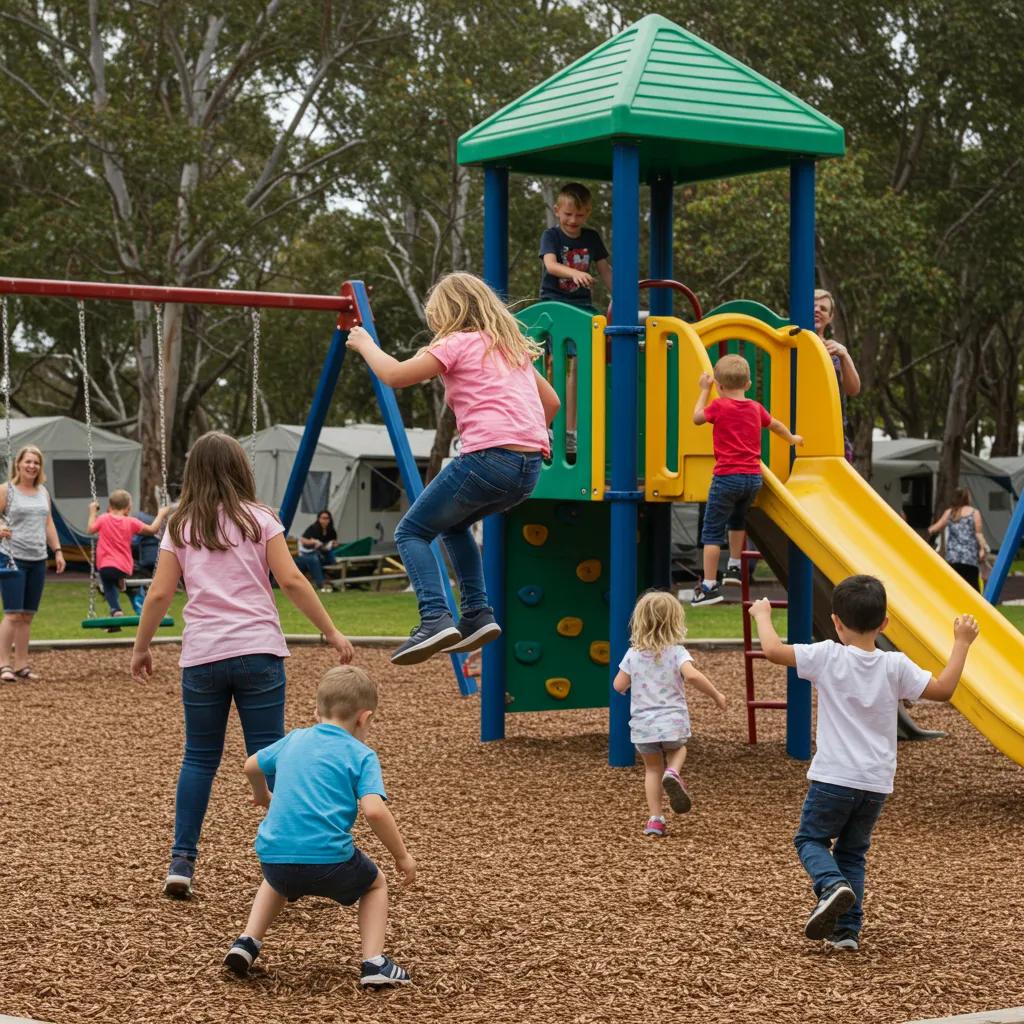
Playgrounds enhance outdoor experiences by providing diverse equipment and open-ended materials that develop balance, coordination, and imaginative play through climbing, swinging, and role-play. Children practice risk-managed exploration on slides and low climbing structures, which builds confidence and gross motor skills while allowing caregivers to observe from nearby benches or picnic areas. Playgrounds also encourage spontaneous social interactions—sharing, turn-taking, and cooperative games—that support emotional regulation and communication. These benefits translate directly to calmer family routines at the campsite, making it easier for parents to rotate supervision, prepare meals, or join organized activities.
What Types of Play Areas Are Most Popular at Family Campgrounds?
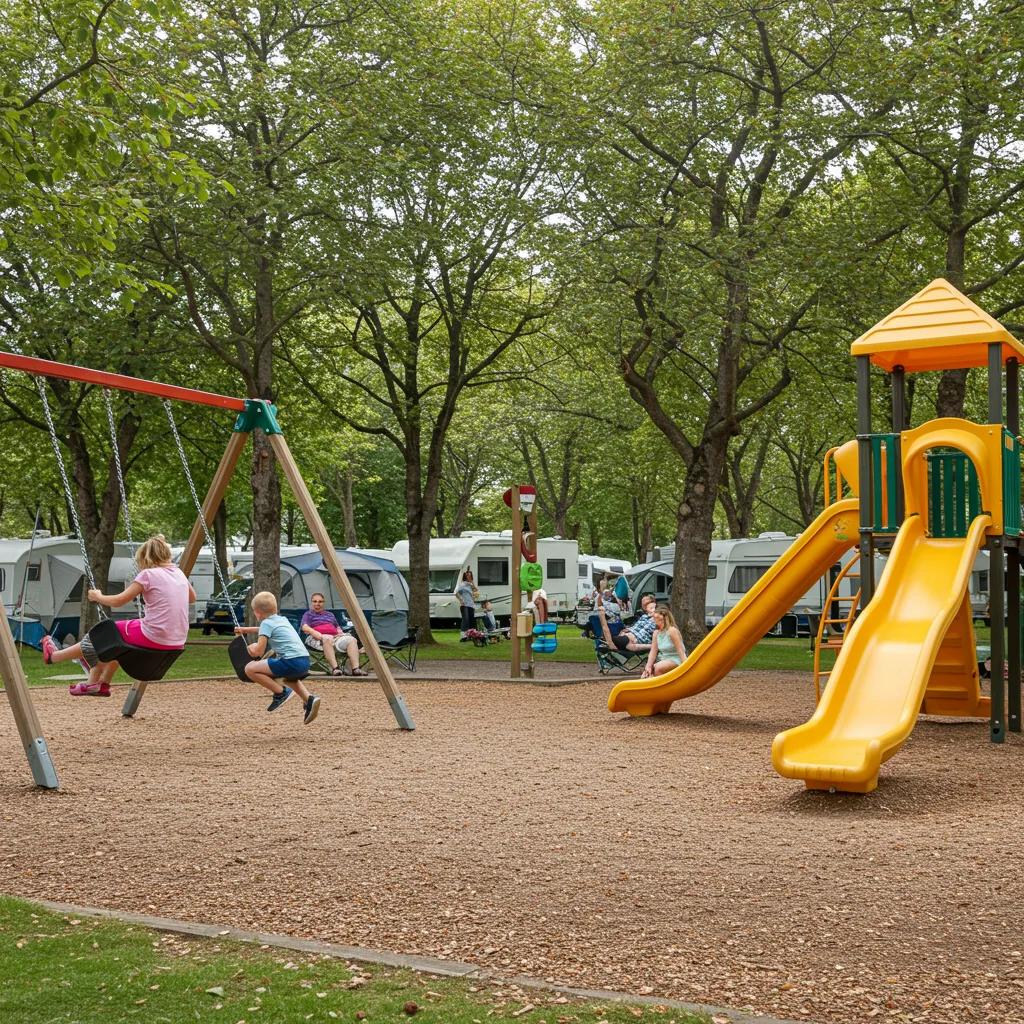
Campgrounds commonly offer a mix of traditional and nature-based play areas: classic playgrounds with slides and swings, nature play zones using logs and boulders, inflatable or adventure courses, and water play features like splash pads. Each type matches different ages and energy levels—traditional equipment suits preschoolers and early elementary kids, while adventure courses and inflatables appeal to older children seeking challenge. Nature play areas foster creativity and sensory exploration, and water play provides cooling variety on hot days. Choosing a campground that offers multiple play-area types helps families spread activities across age groups and preferences.
Why Are Playgrounds Essential for Family Camping Trips?
Playgrounds are essential because they serve as reliable anchors that keep children safely occupied while allowing adults to handle campsite tasks, relax, or participate in separate activities without losing sight of kids. A nearby play area shortens the distance between supervision and campsite logistics, which is particularly helpful during meal times, packing, or transitions to scheduled events. Playgrounds also structure the day—kids anticipate play sessions, which reduces boredom and screen time and creates shared routines that strengthen family bonds. When choosing a site, prioritize campsites with clear sightlines to play areas to maximize both safety and convenience.
Which Amenities Complement Playgrounds at the Best Campgrounds for Kids?
Complementary amenities amplify the playground experience by offering variety, cooling options, and activities for different age groups, making a single campground an all-day destination for families. Water attractions, sports courts, dog parks, and indoor game rooms extend play into multiple settings and weather conditions, creating balanced days of active and restful options. Below are common complementary amenities and why families value them, followed by a comparative table that highlights suitability and supervision needs.
Playground-adjacent amenities families often seek include water play (for cooling and multi-age fun), sports areas (for older kids and parents), dog parks (for pet-owning families), and indoor game rooms (for rainy-day alternatives). These amenities interact with playground use by offering rotation options so different family members can pursue parallel activities. The table below compares these complementary amenities by age suitability, supervision level, and typical seasonality.
How Do Water Parks and Splash Pads Add to Family Fun?

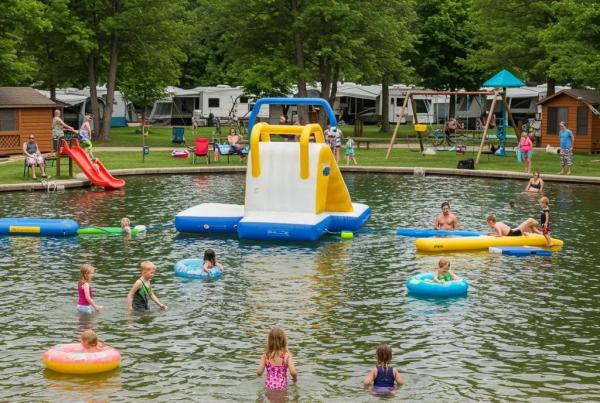
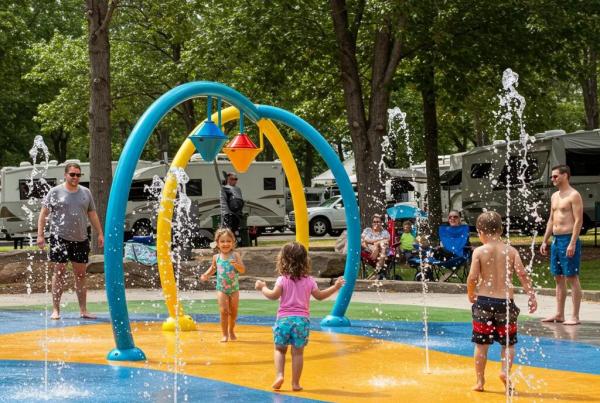
Water parks and splash pads complement playgrounds by offering cooling, dynamic play that suits multiple age groups and extends activity into the hottest hours of the day. Inflatable water courses like Wibit-style setups invite coordination, balance, and team play among older kids, while splash pads provide safe, shallow water play for younger children. Safety measures—life jackets, designated shallow zones, and adult supervision—are essential, and families should plan alternating sessions near dry-play areas so caregivers can rotate watch duty. Integrating water play with playground time gives families varied rhythms and reduces overheating during summer visits.
What Sports and Recreational Activities Are Available Near Playgrounds?
Sports and recreational offerings commonly found near playgrounds include sand volleyball, basketball, horseshoes, and gaga ball courts, which provide outlets for older children and family tournaments. These activities encourage teamwork, friendly competition, and physical endurance while giving parents options to join in or spectate. Organized events may structure play with small leagues or round-robin matches, while open courts support drop-in pickup games that suit mixed-age family groups. Scheduling sports and playground time intentionally helps families balance high-energy play with quieter campsite routines.
How Do Dog Parks and Game Rooms Enhance the Family Camping Experience?
Dog parks and indoor game rooms enhance camping by broadening who can fully enjoy a stay: pet-owning families can exercise dogs safely without leaving the grounds, and game rooms offer weatherproof entertainment for rainy days. Dog parks require owner responsibility for cleanup and supervision, which fosters considerate community behavior and reduces conflicts at play sites. Game rooms provide alternative social hubs with board games, arcade options, or low-impact activities that benefit younger siblings or adults seeking downtime. Together, these amenities help families with varied needs find satisfying ways to spend their stay.
Why Choose Michigan Family Campgrounds With Playgrounds for Your Next Trip?
Choosing a Michigan family campground with playgrounds offers central-region accessibility, seasonal outdoor variety, and the potential to combine playgrounds with water features and river activities for diverse family experiences. Walnut Hills Family Campground in Durand, Michigan, provides a concrete example of how a single property can deliver multiple play formats and services on a manageable 42-acre layout. Families can compare accommodation types and on-site activities to match group size and interests before booking, and local positioning in central Michigan supports convenient weekend travel for many regional families. The next subsections highlight Walnut Hills’ features, the travel advantages of Durand, and typical weekend programming families can expect.
What Unique Features Does Walnut Hills Family Campground Offer Families?
Walnut Hills Family Campground, a flagship property of GatherGrounds Resorts, showcases a combination of family-focused amenities: a Wibit water park, a swimming lake, multiple playgrounds, a large dog park, and sports facilities including sand volleyball and gaga ball. These features allow families to mix water play, playground sessions, and organized sports across a single visit, catering to toddlers through teens. On-site renovated bathrooms, a campground store, pavilions, cabins, RV, and tent sites add logistical convenience that keeps families comfortable during multi-day stays. Considering these feature pairings helps families predict daily routines and plan equipment or packing choices.
How Does Durand, Michigan’s Location Benefit Family Campers?
Durand’s central Michigan location makes it a convenient base for families in the region seeking short drives and weekend escapes, reducing travel fatigue for young children. Proximity within central Michigan supports day-trip flexibility and easier logistics for families balancing school calendars or short holiday breaks. Local access means less time on the road and more time enjoying playgrounds, water features, and campground events, which is especially valuable for families with toddlers or multiple children. Planning trips around quick drives maximizes playtime and reduces the stress of lengthy transfers.
What Family-Friendly Events and Activities Are Hosted on Weekends?
Family-friendly campgrounds often schedule weekend events—crafts, organized games, kid-focused competitions, and themed family nights—to create predictable entertainment that complements playground time. Walnut Hills, for example, hosts family and kid-friendly weekend events and organized activities that encourage participation across age groups and help guests meet neighboring families. These programmed sessions allow parents to plan blocks of supervision and free time, and they help create shared memories that extend beyond individual play sessions. Expect a mix of low-cost crafts, group games, and occasional organized outdoor activities that align with family rhythms.
How Does Family Camping With Playgrounds Benefit Children’s Growth and Wellbeing?
Camping with playgrounds supports children’s physical health, social development, and emotional wellbeing by providing sustained outdoor movement, peer interaction, and reduced screen time in natural settings. Active play on playgrounds and water features builds endurance, balance, and coordination, while group games foster communication and cooperation skills. Time in nature and structured family routines reduce stress and improve mood for both children and adults, supporting restorative benefits of unplugged outdoor time. The following table maps specific activities to developmental outcomes to help families choose activities that match their growth goals.
What Are the Physical Benefits of Outdoor Play at Campgrounds?
Outdoor play at campgrounds improves cardiovascular fitness, muscular strength, and coordination through climbing, running, and water activities that vary movement types. Unstructured play encourages children to pace themselves, explore varied terrain, and adapt motor patterns, which supports motor planning and balance. Repeated exposure to these activities builds stamina and reduces sedentary tendencies common at home. These physical gains also underpin greater confidence in new physical challenges and smoother transitions into organized sports or school-based activities.
How Does Camping Encourage Social Skills and Family Bonding?
Camping environments create shared tasks—setting up tents, preparing meals, organizing games—that promote cooperation, communication, and turn-taking among siblings and peers. Group play and organized campground events offer natural contexts for negotiation, leadership, and empathy as children learn to share space and equipment. Family routines like evening campfire time and joint nature walks foster storytelling and memory-making that strengthen emotional bonds. These shared experiences translate into improved family cohesion and lasting memories that reinforce social learning.
Why Is Disconnecting From Daily Stress Important for Families?
Disconnecting from screens and daily obligations during campground stays lowers stress hormones, improves sleep quality, and increases present-moment engagement between parents and children. Intentional device limits, scheduled family activities, and nature-based tasks help families reset routines and prioritize face-to-face interaction. Reduced screen time encourages creative play and observational skills while enabling parents to model calm, engaged behavior. These practices produce short-term relaxation and long-term improvements in family communication and resilience.
How Can Families Plan a Memorable Camping Trip to Campgrounds With Playgrounds?
Planning a campground trip with playgrounds involves choosing the right accommodation, reserving popular activities early, and packing for safety and comfort so families can maximize playtime and minimize stress. Decide whether cabins, RV sites, or tent sites match your family’s mobility and supervision needs, check activity schedules and reservation requirements for things like river float trips, and prepare a packing list that covers layered clothing, safety gear, and play essentials. The table below compares common accommodation choices to help families pick the best option for their group size and supervision preferences.
What Are the Best Accommodation Options for Families?
Cabins offer built-in comforts, predictable sleeping arrangements, and closer proximity to facilities, making them ideal for families with infants or toddlers who need routines and quick bathroom access. RV sites provide family familiarity and storage for gear but require vehicle-based logistics and hookups. Tent sites deliver immersive outdoor experiences and closer proximity to nature play areas, which suit families comfortable with camping routines. Selecting accommodation that minimizes transit between sleeping areas and playgrounds reduces nighttime disruptions and enables easier supervision.
How Can Families Book Activities Like River Float Trips and Sports?
Reserve popular activities early, check group size limits, and verify safety requirements, such as age limits or life jacket rules, to ensure everyone can participate. For example, families at Walnut Hills often plan river float trips on the Shiawassee River as part of weekend itineraries, so booking ahead and checking equipment needs secures spots and smooths logistics. Arrive early for activity check-ins, confirm any waiver requirements, and coordinate pick-up times to align playground sessions with scheduled excursions. Early planning prevents last-minute disappointment and helps families maintain consistent supervision.
What Should Families Know About Campground Facilities and Services?
Know what the campground supplies—bathrooms, renovated facilities, store items, and pavilion rentals—versus what you must bring, like children’s life jackets, sun protection, and favorite comfort items. Ask about rules for supervised play, pet policies near dog parks, and availability of on-site food options or camp store essentials to avoid overpacking. Familiarize yourself with restroom locations, pavilion reservation processes, and any event schedules to coordinate playground time with meals and organized activities. Clear planning around facilities reduces friction on arrival and keeps the focus on play and family connection.
Frequently Asked Questions
What age groups benefit most from playgrounds at campgrounds?
Playgrounds at campgrounds cater to a wide range of age groups, from toddlers to teens. Younger children benefit from traditional equipment like swings and slides, which help develop gross motor skills. Meanwhile, older kids can enjoy adventure courses and nature play areas that challenge their physical abilities and encourage imaginative play. By offering diverse play options, campgrounds ensure that all family members can engage in age-appropriate activities, promoting social interaction and physical development across different age ranges.
How can families ensure safety while using playgrounds at campgrounds?
Safety is paramount when using playgrounds at campgrounds. Families should always supervise children, especially younger ones, and familiarize themselves with the playground’s layout and equipment. Look for age-appropriate play structures and check for safety features like soft ground surfaces and secure equipment. Additionally, parents should encourage children to follow playground rules, such as taking turns and using equipment correctly. Regularly inspecting the area for hazards, such as broken equipment or debris, can further enhance safety during playtime.
What should families pack for a camping trip with playgrounds?
When planning a camping trip to a campground with playgrounds, families should pack essentials that enhance comfort and safety. Key items include layered clothing for varying weather, sunscreen, insect repellent, and first-aid supplies. Additionally, bringing along outdoor toys, sports equipment, and picnic gear can enrich the camping experience. Don’t forget safety items like life jackets for water activities and comfortable seating for parents supervising play. A well-thought-out packing list ensures families are prepared for both active play and relaxation.
Are there any specific health benefits associated with outdoor play at campgrounds?
Yes, outdoor play at campgrounds offers numerous health benefits for children. Engaging in physical activities like climbing, running, and swimming enhances cardiovascular fitness, builds muscular strength, and improves coordination. Additionally, outdoor play promotes mental well-being by reducing stress and anxiety, fostering creativity, and encouraging social interactions. Exposure to nature has been linked to improved mood and cognitive function, making camping an excellent opportunity for families to support their children’s overall health and development through active play.
How can families balance structured activities and free play during their camping trip?
Balancing structured activities and free play is essential for a fulfilling camping experience. Families can create a flexible schedule that includes designated times for organized events, such as sports or crafts, while also allowing ample time for unstructured play at the playground. Encouraging children to explore and engage in spontaneous play fosters creativity and social skills. Parents can also participate in both types of activities, joining in on organized games while allowing kids to enjoy free play, ensuring a well-rounded camping experience.
What are some tips for choosing the right campground with playgrounds?
When selecting a campground with playgrounds, consider factors such as location, amenities, and safety features. Look for campgrounds that offer a variety of play areas suitable for different age groups, as well as complementary amenities like water parks or sports facilities. Check reviews and ratings to gauge the experiences of other families. Additionally, prioritize campgrounds with clear sightlines to playgrounds for easier supervision. Finally, consider the campground’s proximity to other attractions or activities that can enhance your family’s overall camping experience.
Conclusion
Choosing family-friendly campgrounds with playgrounds ensures a fun and engaging environment that supports children’s physical, social, and emotional development. These campgrounds provide a safe space for kids to play while allowing parents to relax and enjoy their time outdoors. By selecting a site that combines playgrounds with complementary amenities, families can create memorable experiences that cater to all ages. Start planning your next adventure today by exploring our recommended campgrounds that prioritize family fun!