
Discover Pet Friendly Campgrounds in Michigan: Uncover Hidden Gems for Dog Friendly Camping Near You
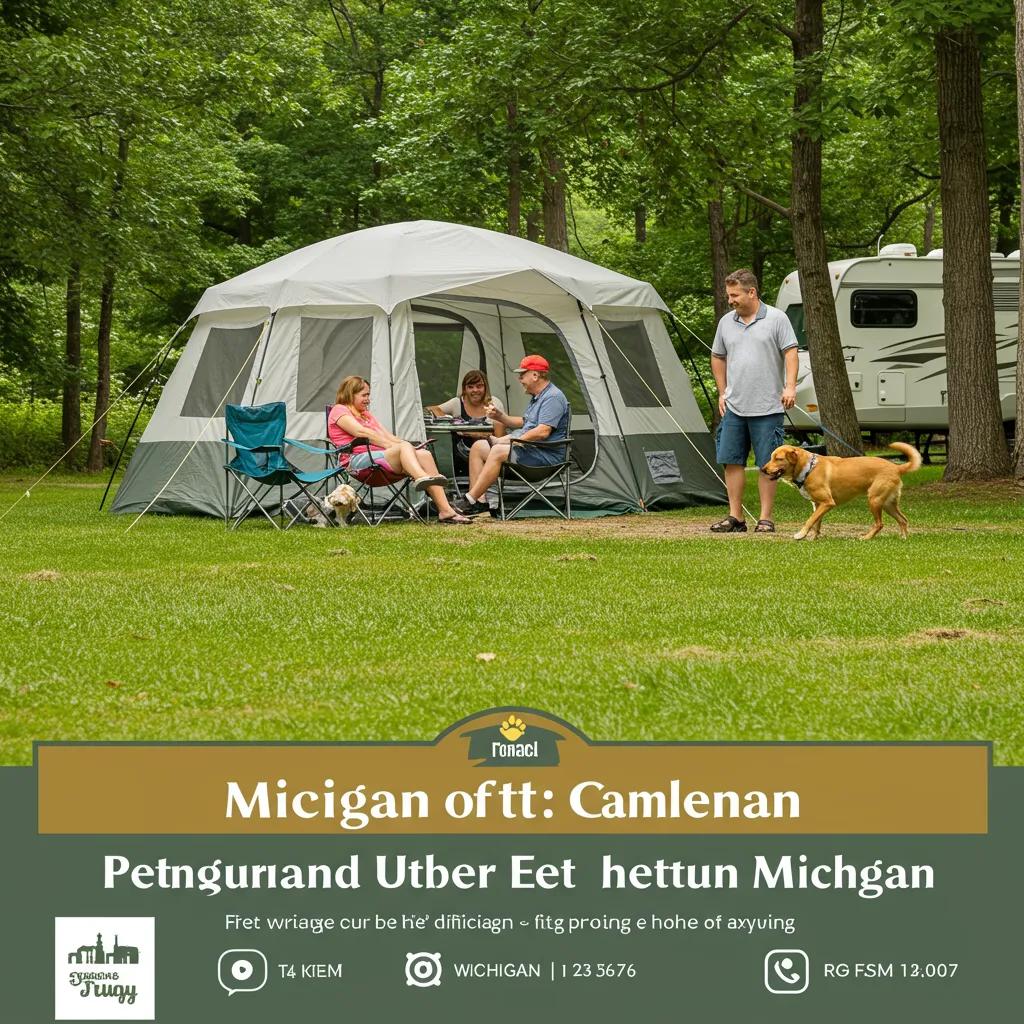
Pet-friendly camping means bringing your dog to campsites that welcome pets and offer on-site amenities — like fenced dog parks and pet-friendly cabins — so families can enjoy outdoor trips together. This guide shows how to find dog friendly campgrounds near you in Michigan, what to pack, and how to plan safe, joyful outings with your pet. Many owners struggle with site selection, leash etiquette, and knowing which activities welcome dogs; this article answers those practical needs with local context and actionable checklists. You will learn what makes a top pet-friendly campground, where spacious dog parks fit into the camping experience, how to camp with dogs in RVs or tents, pet-friendly activities around Durand, Michigan, and essential packing and safety tips. Throughout, the content highlights Walnut Hills Family Campground by GatherGrounds as a nearby option with pet-focused amenities and reservation options while keeping the emphasis on general best practices for dog camping. Read on to pinpoint hidden gems, prepare confidently, and plan a family-and-pet friendly escape.
What Makes Walnut Hills Family Campground a Top Pet Friendly Destination in Michigan?
A top pet-friendly campground welcomes dogs with clear amenities, practical policies, and conveniences that reduce owner stress while improving pet wellbeing. Walnut Hills Family Campground by GatherGrounds in Durand, Michigan offers a combination of pet-focused amenities and family activities that create that value: a large dog park, pet waste stations, and pet-friendly lodging options that integrate with onsite recreation. These features lower barriers to bringing dogs and increase time spent outdoors together, improving exercise and socialization for pets and convenience for owners. The following subsection breaks down the specific amenities and how accommodations support pet stays, then closes with key policy notes owners should confirm before booking.
Which Pet Amenities Does Walnut Hills Offer for Your Dog’s Enjoyment?

Walnut Hills Family Campground provides core pet amenities that help dogs exercise, clean up easily, and stay comfortable during a stay. The campground features a dedicated dog park area, visible pet waste stations around common areas, and proximity to on-site water access that supports brief swims or river-edge play when permitted. These amenities reduce logistical friction for owners and support pet safety, while a nearby camp store and family events create social opportunities for owners and dogs alike. Understanding these basics leads into how specific accommodation types accommodate pets.
Introductory table: quick comparison of core pet amenities and attributes at Walnut Hills Family Campground.
This table summarizes the main onsite pet assets to help campers prioritize what matters most for a pet-friendly stay. The amenity combination supports both convenience and responsible pet care.
How Do Walnut Hills’ Diverse Accommodations Cater to Pet Owners?
Walnut Hills offers multiple accommodation types that suit different dog needs, including RV sites, tent sites, and pet-friendly cabins that permit pets under campground rules. RV and tent sites provide flexible outdoor space for dogs that need exercise, while cabins offer a contained indoor option for older or smaller dogs that prefer stable flooring and limited outdoor exposure. When choosing, consider proximity to the dog park, shade, and walking access to restrooms; these practical factors improve daily routines and reduce disruption to other campers. The next section outlines key policies that owners must understand before arriving.
What Are the Key Pet Policies to Know Before Your Stay?
Pet policies create predictable expectations that protect dogs, people, and the campground environment, and Walnut Hills maintains standard rules that align with good pet etiquette and safety. Expect leash requirements in common areas, designated waste disposal points, and specified restrictions for certain lodging types; owners should verify any deposit or size rules directly with the campground prior to booking. Vaccination and basic behavior standards are commonly required to ensure community safety, and respecting quiet hours helps maintain good neighbor relations. Confirming these policy elements before arrival reduces surprises and helps you plan appropriate gear and training.
Where Can You Find Spacious Dog Parks at Michigan Campgrounds?
A spacious dog park is a fenced area where dogs can exercise and socialize safely, providing owners a controlled space that reduces on-leash time and increases play opportunities. Excellent dog parks combine secure fencing, shade, water access, and clearly posted rules so dogs can run and owners can supervise without constant leash tension. In Michigan, many campgrounds offer such areas and Walnut Hills positions its dog park as a convenient onsite option that complements cabins and sites for pet-focused stays. Below we describe specific park features and how the dog park enhances daily camping life.
What Features Make Walnut Hills Dog Park a Haven for Happy Paws?
A quality dog park includes secure fencing, varied terrain, accessible shade, and water availability so dogs can play safely and cool down as needed. Walnut Hills’ dog park focuses on space for running and supervised play, with nearby waste stations for easy cleanup and owner convenience. Visitors are encouraged to supervise dogs, separate toys for multiple dogs, and visit during off-peak hours for quieter experiences. Noting these features helps owners decide when to schedule playtime and how to prepare for visits to the park.
Introductory list: common dog park features to look for and pack for.
- Secure fencing: Keeps dogs contained and reduces escape risk.
- Shade and water access: Helps prevent heat stress during active play.
- Waste stations and bags: Encourages prompt cleanup and hygiene.
These features make a dog park usable for a wide range of dogs and help integrate park visits into a broader camping schedule. Understanding park amenities leads into how park use improves the camping experience.
How Does the Dog Park Enhance Your Camping Experience?
Dog parks enhance camping by providing focused exercise time, socialization opportunities, and a predictable place to burn energy before family activities. Owners benefit from a safe space to let dogs run while preparing meals or setting up camp, which reduces leash stress and improves rest for both pets and humans. Dog parks also foster community among campers, creating chances to swap local trail tips and coordinate dog-friendly outings. After using the park, owners typically find dogs are calmer during evening family activities, which supports a smoother camping routine.
How Can You Enjoy RV and Tent Camping with Pets at Walnut Hills?
RV and tent camping with dogs works best when owners plan site selection, leash routines, and waste management in advance so pets remain safe and comfortable. Walnut Hills provides site types that accommodate RVs and tents with proximity to pet amenities, and owners should choose sites with shade, flat ground, and reasonable distance to restrooms and the dog park. Practical on-site logistics—like access to water, shaded play areas, and convenient waste stations—determine how smoothly daily routines run for both humans and dogs. The next subsections explain leash and waste guidelines and give a compact site-selection checklist for pet owners.
What Are the Leash and Waste Disposal Guidelines for Pets?
Clear leash rules and easy waste disposal are core to responsible pet camping and to maintain a welcoming environment for all guests. Walnut Hills emphasizes keeping dogs leashed in common areas and supervising them at all times; dog park use is for supervised off-leash play according to posted rules. Pet waste stations are positioned near high-traffic zones so owners can quickly remove waste and help protect local trails and waterways. Observing these guidelines reduces conflicts and keeps the campground clean for everyone.
Introductory list: quick etiquette practices for leash and waste.
- Keep dogs leashed in common areas and walkways.
- Use provided waste stations and carry extra bags.
- Supervise pets near water and at the dog park.
Following these practices protects wildlife, fellow campers, and your pet’s health, and understanding etiquette helps you select appropriate times and sites for outdoor activities.
Which RV and Tent Sites Are Best Suited for Campers with Dogs?
When camping with dogs, choose sites that balance space, shade, and proximity to amenities to minimize stress and walking time for daily needs. For large or active dogs, sites with extra yard space and nearby access to trails or the dog park work best; quieter, more secluded sites suit anxious or elderly dogs who need rest. RV sites that back up to green areas simplify bathroom breaks, while tents near shaded trees reduce heat risks. Consider site orientation, available shade, and distance to water and restrooms when reserving to keep daily routines predictable for your pet.
What Pet Friendly Activities Can You Explore Near Walnut Hills in Durand, Michigan?
Pet-friendly activities near a campground expand options for exercise and exploration by combining local trails, river access, and family events that permit leashed dogs. Around Durand, Michigan, campers can typically find nearby trails and parks suitable for dogs, as well as water-edge spots for supervised play; some commercial river trips may allow pets conditionally. Planning activity timing and gear—like life vests and tick prevention—ensures safety and enjoyment for both dogs and owners. The subsections that follow list nearby trail types and address whether river float activities commonly accept dogs.
Which Pet Friendly Trails and Parks Are Nearby?
Nearby trails and parks that welcome dogs usually offer a mix of easy loops, shaded paths, and open fields that suit different fitness and leash needs for pets. Look for trails with clear footing and gradual grades for older dogs, and fields or wide paths for active dogs that need space to move. Pack water, a bowl, and waste bags; plan walks for cooler parts of the day to avoid heat stress. Having an activity-friendly map and times in mind helps you integrate walks into busy camping days.
Introductory list: trail preparation essentials.
- Water and collapsible bowl: Keep pets hydrated on the trail.
- Waste bags: Pack and dispose properly at trailheads.
- Tick prevention: Apply vet-recommended protection before outings.
Preparing for trail outings minimizes risks and maximizes enjoyable time outdoors with your dog.
Can You Bring Your Dog on Shiawassee River Float Trips?
Bringing a dog on a river float depends on operator policies and your dog’s comfort with water; some float options allow dogs when owners provide a secure life vest and control measures. If commercial trips do not permit pets, secure alternatives include shorter supervised floats from shoreline areas, private launch options where allowed, or guided pet-friendly water activities that emphasize safety. Always prepare a canine life jacket, brief your dog on entering and exiting watercraft, and prioritize gradual introductions to moving water to reduce stress. If floats are not suitable, onsite river-edge walks provide a safer way to enjoy the Shiawassee’s scenery with a dog.
What Essential Tips Should You Know for Camping with Your Dog?
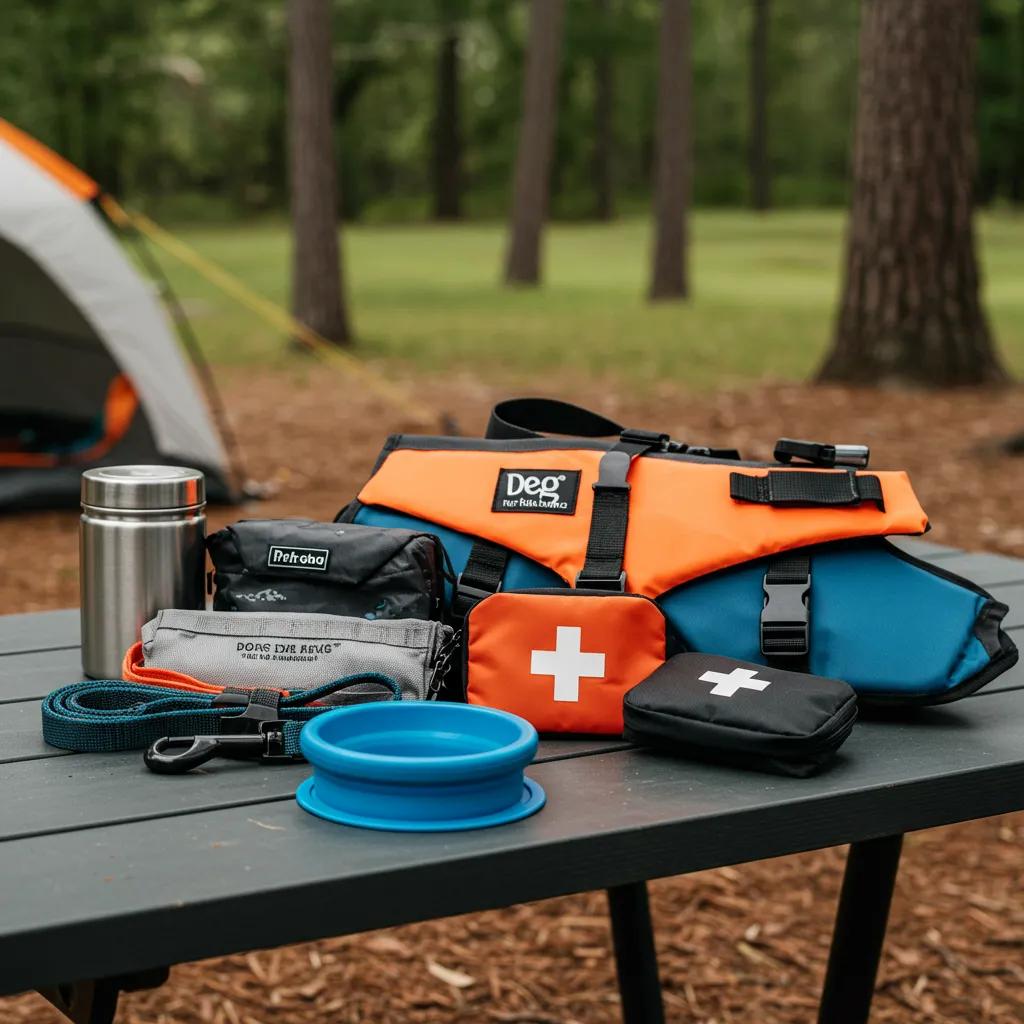
Essential tips for camping with dogs combine a practical packing checklist, safety measures, and behavior guidance to keep pets healthy and neighbors comfortable. Preparing the right gear, understanding wildlife and weather risks, and rehearsing basic commands strengthens safety and enjoyment for everyone. Below, a focused packing table helps organize must-have items and their purpose, followed by concise behavior and safety recommendations for common camping scenarios.
Introductory table: packing essentials for dog camping trips.
This table clarifies why each packing item matters and helps campers prioritize what to bring for safe, comfortable travel with dogs. With gear prepared, owners can focus on safety practices that reduce common risks.
What Should You Pack for a Safe and Comfortable Pet Camping Trip?
Pack items that support feeding, safety, and comfort so your dog stays healthy and calm while away from home. Essential gear includes food, measured portions, collapsible bowls, a secure leash and harness, a first-aid kit with tick removal tools, and bedding or a crate that carries familiar scents. For water activities, include a properly fitted life vest and a towel; for overnight stays, bring any medications and a copy of vaccination records if required. Preparing these items in advance reduces stress and allows you to enjoy activities without repeated trips to shops.
Introductory list: additional comfort and backup items.
- Extra food and treats for schedule changes.
- Favorite toys and a chew to reduce anxiety.
- Copies of vet contacts and vaccination records.
A compact packing routine increases preparedness and prevents common interruptions during a trip.
How Can You Keep Your Dog Safe and Happy While Camping?
Safety and happiness on a camping trip stem from prevention, supervision, and predictable routines that mirror home life as much as possible. Keep dogs hydrated, avoid midday heat, supervise near wildlife, and use a secure containment method at the site to prevent wandering. Reinforce basic recall and leash manners before arrival, and monitor interactions at the dog park to avoid conflicts; early socialization and calm introductions reduce incidents. By prioritizing prevention and consistent routines, owners create a stable environment where dogs can relax and enjoy outdoor exploration.
Introductory list: safety quick-check before leaving the site.
- Check shade availability and move bedding if needed.
- Inspect site perimeter for escape routes or hazards.
- Monitor water temperature and current before allowing swimming.
These checks help you maintain a safe campsite and ensure your dog returns to the tent or RV calm and ready for rest.
Frequently Asked Questions
What should I consider when choosing a pet-friendly campground?
When selecting a pet-friendly campground, consider the amenities offered, such as dog parks, waste disposal stations, and pet-friendly accommodations. Look for campgrounds that have clear pet policies, including leash requirements and designated areas for pets. Additionally, assess the campground’s proximity to pet-friendly activities, such as hiking trails and water access, to ensure a fulfilling experience for both you and your dog. Lastly, check reviews from other pet owners to gauge their experiences and satisfaction.
Are there any specific health precautions I should take for my dog while camping?
Yes, it’s essential to take health precautions for your dog while camping. Ensure your dog is up-to-date on vaccinations and flea/tick prevention before the trip. Bring a first-aid kit that includes items like bandages, antiseptic wipes, and a tick remover. Keep your dog hydrated, especially during hot weather, and avoid strenuous activities during peak heat hours. Familiarize yourself with local wildlife and potential hazards, and supervise your dog closely to prevent any encounters with unfamiliar animals.
How can I help my dog adjust to camping?
To help your dog adjust to camping, start by familiarizing them with the camping environment at home. Practice basic commands and leash manners in a controlled setting. Bring familiar items, such as their bed or favorite toys, to create a sense of comfort. Gradually introduce them to new experiences, like different sounds and smells, during your trip. Maintain a consistent routine for feeding and walks to provide stability, and be patient as they acclimate to the new surroundings.
What are some fun activities I can do with my dog while camping?
There are numerous fun activities you can enjoy with your dog while camping. Explore nearby pet-friendly hiking trails, where you can both enjoy nature and exercise. Engage in games like fetch or frisbee in open areas or at the campground’s dog park. If water access is available, consider supervised swimming or wading. Additionally, plan for quiet evenings around the campfire, where you can relax together. Always ensure activities are safe and suitable for your dog’s energy level and temperament.
Can I leave my dog unattended at the campground?
Leaving your dog unattended at a campground is generally not recommended. Dogs can become anxious or stressed in unfamiliar environments, leading to potential escape attempts or conflicts with other campers. If you must leave your dog for a short period, ensure they are in a secure area, such as a crate or a pet-friendly cabin, and provide them with toys and water. It’s best to plan activities that allow you to spend quality time with your dog, ensuring their comfort and safety.
What should I do if my dog gets lost while camping?
If your dog gets lost while camping, remain calm and take immediate action. Start by searching the immediate area, calling your dog’s name, and using familiar commands. Inform campground staff and fellow campers about the situation, as they can help keep an eye out. Utilize social media or local community groups to spread the word. If your dog is microchipped, ensure your contact information is up-to-date. Consider bringing a GPS tracker for added security during future trips.
Conclusion
Choosing a pet-friendly campground like Walnut Hills Family Campground in Michigan ensures a memorable outdoor experience for both you and your dog, with amenities designed for comfort and convenience. By understanding the essential policies and preparing adequately, you can create a safe and enjoyable environment for your furry friend. Explore the nearby trails and activities that welcome pets, enhancing your camping adventure. Start planning your next family getaway today and discover the joy of camping with your beloved pet!