
Understanding Noise Levels: How Campground Reviews Help You Choose a Peaceful Spot
Finding your perfect, peaceful campsite starts with understanding how noise works at campgrounds and how real guest experiences shared in reviews can guide you. This guide breaks down what “noise levels” really mean for family campgrounds, why those guest reviews are such a powerful indicator of quietness, and how campground policies and guest actions team up to create calm nights. You’ll learn how to decode review language about noise, what campgrounds do behind the scenes to keep things quiet, and simple etiquette tips for ensuring restful nights. We’ll also look at how Walnut Hills Family Campground by GatherGrounds Resorts sets the stage for guest experiences and which spots tend to be the quietest for families looking to unwind. Follow our advice, and you’ll be able to interpret review clues, compare policies, and pick the RV site, tent spot, or cozy cabin that’s just right for your need for peace and quiet.
What Is the Campground Quiet Hours Policy at Walnut Hills?

Quiet hours are that special time when campers are expected to keep noise way down, setting a clear window that prioritizes rest and safety. This works thanks to a formal policy, watchful staff, and campers pitching in to lower sounds from music, generators, and lively gatherings so families can get their sleep and relax. The real perk? Predictable evenings for campers who cherish tranquility, because a clear policy lets you choose your site and plan your fun around these low-noise periods. Understanding the policy framework helps you use reviews and reservation notes to find a spot that truly matches your quiet preferences.
When you’re checking out the policy details, see how enforcement is described and what the rules are for equipment and pets. Walnut Hills really focuses on a family-friendly vibe and operations that support relaxing stays, and those expectations shape how quiet hours are managed. If you’re planning a visit, it’s a good idea to confirm these policy points when you book to make sure your expectations align with your personal noise tolerance.
The table below sums up the typical policy elements to look for when you’re researching any campground policy, laid out for easy comparison and to clarify enforcement language.
This policy snapshot highlights the elements that most directly impact nighttime calm and makes it simple to verify enforcement before you even arrive. Knowing these details lets you compare guest reviews against the official policy language to confirm claims about quietness.
Once you’ve got a handle on the policy basics, take a look at how reviews and on-site information talk about enforcement and equipment rules. That next step helps translate policy speak into real-world expectations for quieter stays.
When Are Quiet Hours Enforced at Walnut Hills?
Quiet hours are enforced as the campground’s designated low-noise window to protect overnight rest, and they operate by signaling a predictable timeframe when amplified sound and loud activities should stop. The mechanism usually centers on overnight hours and may include seasonal or holiday adjustments that reflect occupancy and event schedules. The benefit is that families can plan bedtime routines and site selection knowing when noise should decline. When considering timing, expect posted rules in the campground’s official materials and staff reminders at check-in.
Enforcement timing can shift for special events, so cross-check event schedules during busy holiday periods to avoid surprises. Clear notification of any adjustments allows campers to prepare and choose quieter dates or site types when needed.
How Does Walnut Hills Enforce Noise Rules During Quiet Hours?
Enforcement works through a stepped approach: staff observe and respond, guests can report disturbances, and repeated breaches trigger stronger measures that protect the broader community. The mechanism usually begins with a polite staff reminder, moves to documented warnings, and can escalate to site reassignment or removal for persistent offenders. The benefit is a predictable escalation that balances hospitality with community standards. Campers should note how to contact staff or hosts for complaints and keep communication records when problems arise.
Staff presence, visible signage, and an accessible reporting process help maintain order without constant intervention. Understanding these steps in advance lets you evaluate whether a campground’s approach aligns with your expectations for quiet enforcement.
What Are the Rules for Generators and Loud Equipment?
Generator policies limit hours of operation, define safe placement, and often recommend quieter inverter models to reduce disturbance to neighbors. The mechanism combines time restrictions with distance and safety requirements so that power needs do not become a noise nuisance. The benefit is power availability balanced against community comfort, enabling campers who need electricity to plan low-impact charging and usage. Review common alternatives such as campsite hookups and battery solutions to avoid running noisy equipment during quiet hours.
Practical tips include scheduling charging during daylight, using quieter equipment, and placing generators on stable surfaces away from shared pathways. These precautions both comply with policy and reduce the risk of staff intervention.
For guests ready to book, Walnut Hills offers a range of lodging options that can match noise preferences, including comprehensive camping experiences spanning RV sites, tent camping areas, and comfortable cabin rentals. Those options provide flexibility to choose a quieter site type during reservation.
How Can You Find Peaceful Campgrounds Using Reviews?
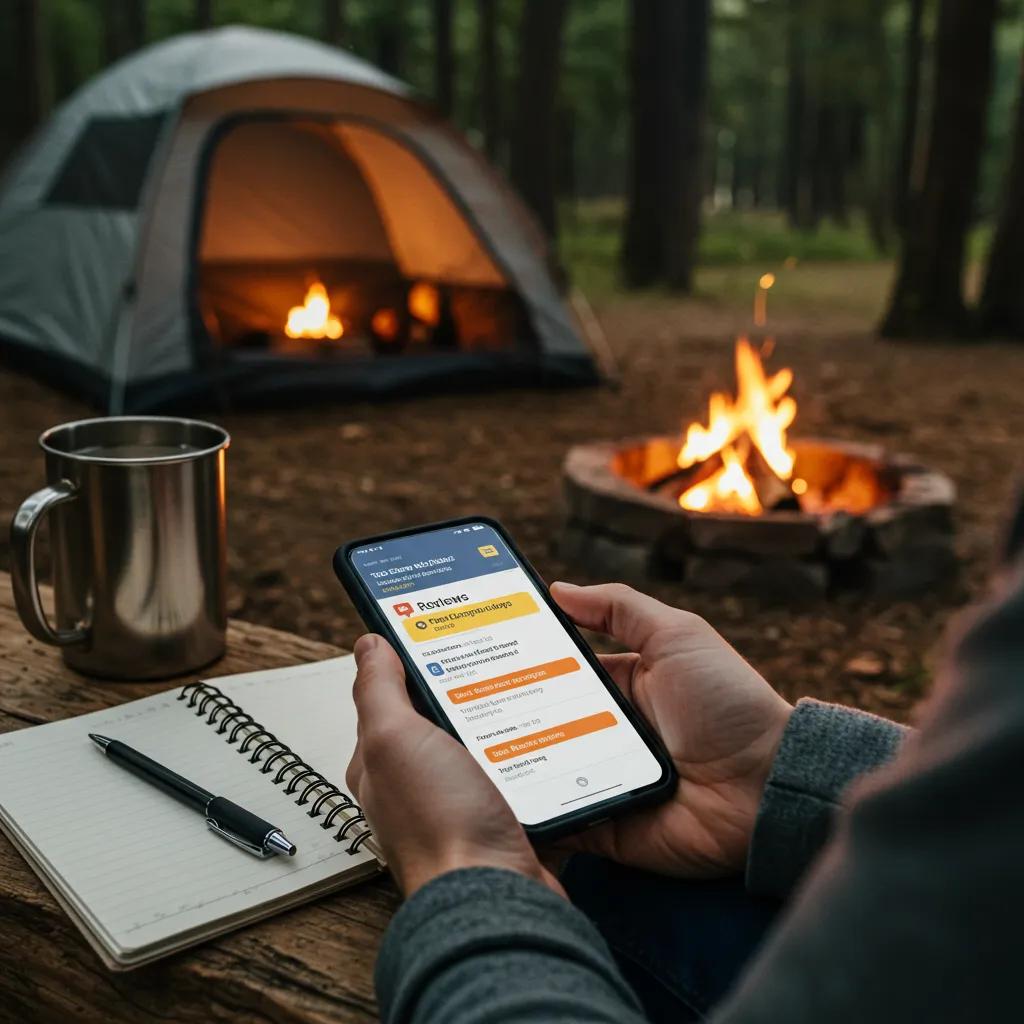
Reviews are your secret weapon for spotting real noise patterns because they share what actual guests experienced, and they work by creating a reliable signal when multiple, specific mentions appear, complementing the official policy language. The trick is pattern recognition: look for recurring keywords and consistent descriptions across different reviews to tell the difference between a one-off incident and a recurring issue. The payoff? A data-driven sense of what noise levels to expect, so you can pick dates and site types with total confidence. Learning how to pull these clues from reviews makes your site selection way more reliable than just glancing at star ratings.
Start by scanning for simple signal words and how often they pop up to catch meaningful trends before you dive into the nitty-gritty details. This approach cuts down the risk of overemphasizing rare complaints when a campground is generally a peaceful place.
The checklist below walks you through concrete steps for reading reviews for noise clues and mapping them to your booking choices.
- Scan for keywords like “quiet,” “noisy after dark,” “music,” “children,” and “events” to spot common themes.
- Note how often and how recently noise is mentioned to see if issues are ongoing or isolated.
- Cross-reference review excerpts that mention loops or site numbers with the campground map to pinpoint calmer areas.
These steps turn qualitative review text into actionable booking intelligence that helps you choose dates and sites that align with your quiet goals.
The table below shows how different rating buckets often line up with noise mentions and what each pattern typically suggests.
Interpreting these buckets helps you weigh review text against numeric ratings and makes it easier to decide whether to trust a venue’s quiet claims. Always give more weight to specific, recent comments over older, general ratings.
What Do Campers Say About Noise Levels in Their Reviews?
Campers often use short, punchy phrases that reveal context, like “quiet at night” for great experiences or “loud after 11 pm” for the not-so-great ones, and these phrases work by signaling the time and the source of the noise. The magic is in the selective mention of events, equipment, or neighbors, which gives you clues about what’s causing the noise and when. The best part? Short reviewer quotes can point you to the exact disturbance and help you figure out if it matters for your trip. Keep an eye out for multiple reviewers using similar language; repetition makes it more reliable.
Think about whether noisy reports are tied to specific dates, events, or site types, because that helps you steer clear of situations that don’t fit your travel plans. Filtering reviews by date and theme clarifies whether a noise mention is an exception or the norm.
How Do Reviews Highlight Quiet Zones and Peaceful Spots?
Reviewers often name specific loops, lakeside spots, or wooded sections when they talk about peaceful stays, and they do this because where you are in the campground really affects how much sound you hear. The clever part is geographic specificity: reviewers link noise observations to physical features, letting you map those comments to your site choices. The win? You can match quiet references to campground maps and book sites far from noisy hubs. Look for terms like “lakeside,” “wooded loop,” or “away from water park” to guide your selection.
Double-check reviewer site mentions against the campground layout to find areas that are consistently calm. This mapping approach turns review language into practical booking decisions.
How Can You Use Review Ratings to Assess Campground Quietness?
Ratings offer a quick overview, but they only truly reveal quietness when you pair them with text that mentions noise sources or timing, and they work because they summarize many experiences. The method is correlation: high ratings plus a lack of noise mentions in the text usually mean peaceful stays, while mixed ratings need a closer look at the words. The benefit is a fast filter to prioritize campgrounds for deeper review reading. Use ratings to create a shortlist and then dig into recent, detailed comments for noise specifics.
Be wary of small review counts or potential manipulation; always favor venues with lots of independent, recent reviews. Reliability goes up with the volume of reviews and consistent descriptive language.
How Does Walnut Hills Manage Campground Noise During Peak Season?
Campgrounds tackle peak-season noise by blending smart site planning, attentive staff monitoring, and careful event scheduling to minimize sound overlap and protect rest periods. The approach relies on physical layout choices, a more visible staff presence, and clear communication protocols to keep disturbances to a minimum, even when the campground is buzzing. The advantage is that these operational strategies create buffer zones and predictable quiet windows so families can enjoy their daytime activities and nighttime peace. Understanding these strategies helps you figure out if a busy weekend will still meet your expectations for tranquility.
Operational examples include placing activity hubs away from quiet loops and increasing staff patrols during high-traffic times. These steps aim to keep noise localized and limit its impact on overnight guests.
This comparison clarifies how different strategies work together to keep noise manageable. When combined with clear guest expectations, these approaches support restful stays even during busy weekends.
Beyond operational measures, event timing and communication are key to preserving quiet hours and letting guests know what to expect during peak times.
What Strategies Are Used to Minimize Noise in Busy Periods?
Typical strategies include setting aside designated quiet loops, strategically placing high-energy amenities, and having a visible staff presence to enforce policies, and these work by keeping noisy activities separate from sleeping areas. The method combines spatial buffers with active management to contain sound. The benefit is fewer disturbances for campers who choose quieter loops and follow posted guidelines. Guests should look for campgrounds that describe loop characteristics and staff availability when booking.
Giving guests a heads-up about peak-period expectations also helps set the tone for behavior. Clear pre-arrival notices reduce surprises and allow for quieter planning choices.
How Are Events and Activities Scheduled to Respect Quiet Hours?
Event scheduling takes into account end times, venue locations, and guest notifications so that family entertainment doesn’t cut into overnight rest, and the process is all about aligning the schedule with the policy windows. The benefit is that well-timed daytime programming offers fun without late-night noise spillover. Campgrounds often announce event end-times and pick locations that limit sound transmission to quiet loops. Checking event calendars before you book helps you avoid clashes with your desired quiet hours.
When events do happen, staff reminders and directional signs further reduce unintended noise impact. This coordination ensures restful nights for everyone.
Highlighting its family-oriented amenities and operational focus, Walnut Hills manages organized events and recreational activities while offering comprehensive camping experiences that let families balance active days with quiet nights. Reserving less central site types can reduce exposure to event noise.
What Camper Etiquette Helps Maintain a Respectful and Quiet Environment?
Camper etiquette helps keep noise down through thoughtful actions like limiting amplification, supervising pets, and scheduling louder tasks for daytime, and this works because it relies on mutual respect and following posted rules. The benefit is a shared standard that keeps nights restful for everyone and reduces the need for staff intervention. Practicing good etiquette not only preserves community calm but also makes the whole camping experience better. Simple tips make it easy for every camper to contribute to a quiet overnight atmosphere.
Here’s a quick etiquette checklist to follow while camping to help ensure peaceful stays:
- Keep amplified music at a low volume and use directional speakers or headphones when possible.
- Run generators only during allowed times and place them away from neighboring sites on stable ground.
- Supervise pets closely, exercise them during daytime, and use designated dog areas to limit barking.
Following these behaviors supports a respectful community and lowers the chance of enforcement actions. When neighbors cooperate, staff can focus on creating positive guest experiences instead of sorting out conflicts.
How Should Campers Use Generators and Music Responsibly?
Using generators and music responsibly means sticking to allowed hours, placing generators on safe, level spots away from adjacent campsites, and opting for quiet inverter models or battery solutions when you can. The method is controlling time and distance, plus choosing your equipment wisely, to minimize decibel impact. The upside is that you can meet your essential power needs without disturbing sleep or causing complaints. Campers should plan their charging and louder activities for daylight hours and consider quieter alternatives like portable power stations.
Planning ahead and chatting respectfully with neighbors can smooth things over and keep the environment peaceful for everyone.
What Are the Guidelines for Pets and Barking Dogs?
Pet guidelines usually require leashes, supervision, and attentive management to prevent constant barking, and this relies on owner responsibility and access to exercise areas to keep noise down. The benefit is fewer pet-related disturbances and a safer, friendlier campground for families. Smart tactics include exercising dogs before quiet hours and using play areas to reduce nighttime anxiety. Owners who manage their pets proactively are less likely to need staff intervention.
If barking becomes an issue, let staff know politely. They can help mediate solutions that protect both pet well-being and campground tranquility.
How Can Campers Contribute to a Peaceful Camping Experience?
Campers contribute by respecting quiet hours, chatting politely with neighbors about gatherings, and reporting issues through the campground’s established channels, and this fosters cooperative community standards. The benefit is a more restful stay for everyone and less need for formal enforcement. Small actions—like moving conversations away from tents late at night—add up to a noticeably calmer campground. Embracing neighborly norms makes camping more enjoyable for families and groups.
Polite, proactive behavior and sticking to posted rules set a positive tone that others are likely to follow. These simple practices create a culture of consideration that preserves quiet for all.
Where Are the Most Peaceful Spots at Walnut Hills Family Campground?
Peaceful spots are usually found where natural buffers and distance from activity hubs keep sound levels low, like along lakeside edges, in wooded loops, or near river-access areas that encourage low-impact recreation. The strategy is physically separating quiet zones from high-traffic amenities, which cuts down on noise transfer and creates calmer microclimates. The advantage is a better chance for restful nights and serene daytime relaxation for families who pick these types of sites. Pinpointing these areas before you book helps you secure a spot that matches your relaxation goals.
Use campground layout clues, review mentions, and proximity to amenities to target quieter loops and steer clear of activity centers. Combining these signals leads to more reliable site selection.
Which Areas Are Designated as Quiet Zones?
Designated quiet zones often include wooded loops and sites set back from high-energy features, and they work by using trees, terrain, and distance to block sound. The method is environmental buffering that lowers the perceived loudness from playgrounds, water parks, or main roads. The benefit is that campers in these zones experience fewer disturbances and a more natural ambiance. When booking, ask about loops described as secluded or shaded to increase your chances of a tranquil stay.
Book early for these sought-after zones, as limited availability makes them valuable for guests who prioritize peace.
How to Choose a Campsite Away from Noise Sources?
To pick a site, cross-reference the campground map with review mentions of calm locations, choose site types away from amenity clusters, and request a quiet spot when booking; this approach combines geographic data with social proof. The benefit is a deliberate selection process that minimizes exposure to predictable noise sources. Practical booking language includes asking for a site “away from activity hubs” and choosing lakeside or wooded site types. Doing this improves your odds of being placed where sound levels are lower.
Polite reservation notes and booking early boost your chances of snagging a preferred quiet spot. Mapping reviews to the site plan is a solid way to pick the best location.
What Activities Promote Relaxation and Tranquility at Walnut Hills?
Low-impact activities like canoeing, lounging by the lake, fishing, and nature walks promote tranquility because they encourage quiet observation and minimal amplified sound. The method is activity selection: choosing gentle pastimes that fit the campground’s natural setting helps preserve the peaceful character of the area. The benefit is restorative recreation that supports family bonding without disturbing neighbors. Look for options that naturally keep noise down, like paddling on calm water or walking wooded trails during off-peak hours.
Walnut Hills’ amenities that support serene experiences include a swimming lake and canoe livery for the Shiawassee River, which are perfect for families seeking relaxing, low-noise activities. Comfortable cabin rentals near these features can offer a quieter base for tranquil days and restful nights.
Frequently Asked Questions
What should I look for in campground reviews to assess noise levels?
When you’re checking out campground reviews for noise levels, zero in on specific keywords like “quiet,” “loud,” “music,” and “events.” Pay close attention to how often these words pop up, because consistent comments from multiple reviewers can signal a reliable pattern. Also, look for details about when noise disturbances happen, like if they’re tied to specific events or times of day. This info will help you get a feel for the overall noise scene and make a smart choice about your campsite.
How can I ensure a peaceful camping experience during peak seasons?
To lock in a peaceful camping experience during peak seasons, think about booking sites in designated quiet zones, which are usually tucked away from busy areas and amenities. Also, peek at the campground’s event calendar to steer clear of busy weekends packed with noisy activities. Chatting about your preferences when you book can also help staff place you in a quieter spot. Lastly, come ready to enjoy low-impact activities that encourage tranquility, like nature walks or fishing.
What are the best practices for managing noise when camping with pets?
When you’re camping with pets, it’s super important to manage noise so everyone can have a peaceful time. Keep pets leashed and supervised at all times, and give them plenty of exercise during the day to cut down on nighttime barking. Use designated pet areas for play and potty breaks to keep disturbances to a minimum. If your pet tends to bark a lot, consider bringing calming aids or toys to help them chill out. Being proactive with your pet’s behavior helps create a respectful camping atmosphere and makes the experience better for all guests.
How can I communicate with campground staff about noise issues?
If you run into noise issues during your stay, it’s key to talk to campground staff promptly and politely. Most campgrounds have specific ways to report disturbances, like a front desk or a designated staff member. When you report, give specific details about what’s making the noise, when it’s happening, and how it’s affecting you. This info helps staff sort out the problem effectively. Remember, friendly communication builds a cooperative vibe and encourages staff to focus on guest comfort.
What types of activities are best for maintaining a quiet atmosphere at campgrounds?
To keep the campground atmosphere quiet, stick to low-impact activities that promote relaxation and keep noise levels down. Think canoeing, fishing, nature walks, and reading by the lake. These activities encourage quiet observation and let you soak in the natural surroundings without bothering others. Also, consider scheduling group activities during the day and keeping evening get-togethers low-key. By choosing gentle pastimes, you help create a peaceful camping experience for yourself and your fellow campers.
How can I find out about the quiet zones in a campground?
To find quiet zones within a campground, check out the campground map and look for areas marked as “quiet loops” or “secluded sites.” Also, read reviews from past guests who might mention specific spots known for their peace and quiet. Campground staff can also give you the inside scoop on which areas are less noisy and best suited for a peaceful stay. Getting this info before you book can really boost your chances of landing a site that matches your desire for a calm camping experience.
Conclusion
Understanding campground noise levels and using reviews wisely can seriously upgrade your camping experience by making sure you get a peaceful stay. By focusing on policies, how campers behave, and picking the right site, families can enjoy restful nights and serene days. Take the time to research and compare campgrounds to find that perfect spot that fits your quiet preferences. Start planning your next camping adventure today and discover the tranquility waiting for you at Walnut Hills Family Campground.