Seasonal Shifts: How They Shape Campground & RV Resort Values Year-Round
Demand and weather patterns tied to the seasons significantly influence how much a campground or RV resort can fetch. Revenue often concentrates in the busiest months, while costs can fluctuate in the shoulder and off-seasons. This article breaks down how these seasonal market dynamics translate into your Net Operating Income (NOI), why buyers consider seasonality when setting capitalization rates, and how you can time and prep your sale to get the most value. Seasonality impacts occupancy, average daily rates, and operating expenses – all key to valuing campgrounds and RV parks in today’s market. If you understand seasonal occupancy trends, regional climates, and current industry benchmarks, you can better present your revenue, show cleaner trailing 12-month results, and attract stronger offers. We’ll explore how seasonality ties into valuation metrics, summarize current industry forces, offer advice on the best timing, suggest practical property and operational upgrades to smooth out NOI, and explain how a family-owned buyer like GatherGrounds Resorts factors seasonality into their offers and transitions. You’ll find checklists, tables illustrating seasonal NOI effects, and clear next steps to get your property ready for sale.
How Do Seasonal Market Trends Affect Campground and RV Resort Values?
Seasonal market trends refer to the predictable ups and downs in campground demand. This concentration of revenue into specific months directly impacts your annual valuation by affecting your predictable NOI and the perceived investment risk. When guest volume peaks in certain months, seasonality increases revenue volatility and can lead buyers to demand a higher risk premium, which in turn affects the cap rate used for valuation and the final offer price. Understanding seasonality helps you normalize monthly revenue into a reliable trailing 12-month (TTM) NOI and present a solid operating plan that reduces perceived risk and supports a lower cap rate. Let’s dive into peak versus off-season demand, how regional climates play a role, and the revenue volatility driven by weather, so you can translate these seasonal dynamics into valuation strategies that attract buyers, not deter them.
What Are Peak Season and Off-Season Demand Patterns?
Peak season and off-season demand patterns define when guests tend to visit most and what types of campers drive revenue during those times. This directly shapes your pricing strategy and staffing needs. Peak months, often tied to family vacations and weekend getaways, typically bring the highest occupancy and average daily rates (ADR) for a campground. Shoulder seasons attract transitional guests, while off-season months might draw long-stay snowbirds or specific groups. In many temperate markets, seasonal occupancy curves show that 40–60% of annual revenue is concentrated in just 3–5 peak months. This creates both cashflow concentration and opportunities to highlight your yield management skills. You should document your monthly occupancy and ADR by guest type to prove predictable peak demand and use these details to introduce operational plans that can extend shoulder seasons and smooth out revenue.
How Do Regional and Climate Variations Influence Seasonal Pricing?
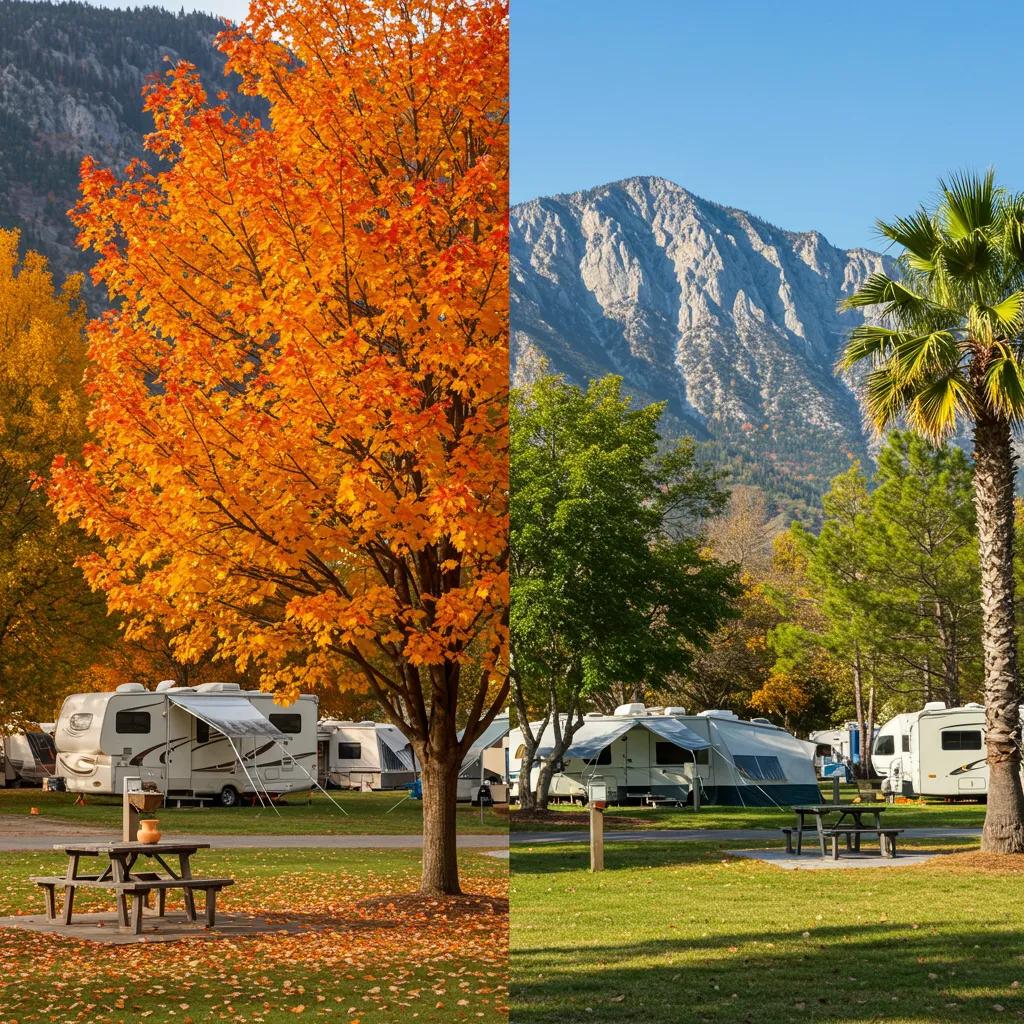
Regional and climate variations alter when peak seasons occur and how intense they are. This means two campgrounds with the same number of sites can have very different price expectations based on how long their operating season is and what infrastructure they need. Northern, temperate markets often have shorter but more intense peak seasons, making winterization and off-season amenities more valuable. Southern or coastal markets, on the other hand, frequently enjoy longer operating windows, leading to higher year-round NOI assumptions. Buyers adjust valuations for climate by considering the rental season length, winter maintenance costs, and customer mix when selecting cap rates. So, if you’re in a climate with a shorter season, you’ll need to document year-round demand drivers or investments in amenities that extend seasonality. Presenting region-specific operating plans and normalized revenue adjustments helps buyers compare properties across different climates fairly and reduces potential discounts due to perceived seasonality risk.
How Does Weather Impact Campground Occupancy and Revenue?
Weather influences seasonality and creates short-term fluctuations that underwriters and buyers factor into their risk assessments. Extreme weather or prolonged rain can significantly reduce occupancy, even during peak periods. These weather impacts show up as weekly or monthly revenue swings and increased variable costs, like storm cleanup or last-minute staffing changes, which can erode your profit margins if not planned for. You should present historical weather-adjusted TTM revenue, insurance recoveries, and contingency spending to demonstrate that your park’s NOI is resilient or that you’ve taken steps to reduce weather sensitivity. Showing weather-mitigation tactics, such as covered common areas, flexible booking terms, or targeted marketing for shoulder months, helps shift a buyer’s focus from short-term variability to long-term stabilized cashflow.
What Key Valuation Metrics Reflect Seasonal Impact on RV Park Prices?
Net Operating Income (NOI) and capitalization rate (cap rate) are the two main valuation tools that reflect the impact of seasonality. NOI captures seasonal revenue and expense patterns, while the cap rate reflects the buyer’s required return and their risk premium for seasonality. Your NOI needs to be normalized to remove one-off events and show a representative annualized cashflow. For campgrounds in 2025, cap rates generally fall within an 8–10% benchmark range, with wider spreads for deals with high seasonality or financing constraints. Comparable sales should be adjusted for seasonality timing, amenity parity, and site count to create defensible price multipliers. Let’s break down how to annualize seasonal revenue into NOI, how cap rates incorporate seasonality risk, and how comparable sales adjustments lead to a market-based value estimate.
How Is Net Operating Income Affected by Seasonal Revenue Fluctuations?
NOI is affected by seasonal revenue because peak months drive the majority of gross receipts, while off-season months might still require fixed overhead, squeezing margins. This necessitates normalization to annualize sustainable cashflow. To calculate seasonal-adjusted NOI, gather your monthly revenue and expense lines over several years, remove any non-recurring items, and apply conservative occupancy assumptions for shoulder months to produce a representative TTM NOI. Expense seasonality—like winter utilities, seasonal staffing, and storm-related maintenance—must be shown as recurring line items so buyers don’t misjudge operating margins. Presenting a normalized NOI that isolates sustainable revenue boosts buyer confidence and narrows the room for cap-rate negotiation, directly benefiting your realized sale price.
What Are Typical Capitalization Rates for Campgrounds in 2025?
Typical capitalization rates for campgrounds in 2025 generally range from 8–10%. The exact rate depends on the interest rate environment, location, asset quality, and the risk premium buyers apply due to seasonality. A stable, year-round resort with diverse accommodations and strong local demand will likely fall toward the lower end of this range. Conversely, a highly seasonal park in a climate with a short season will typically face a higher cap rate, reflecting increased cashflow concentration and financing sensitivity. Buyers and appraisers adjust cap rates based on evidence of occupancy smoothing, infrastructure that extends seasons, and documented NOI normalization. For sellers, demonstrating operational plans and capital improvements that reduce seasonal risk can significantly improve the cap-rate outcome.
How Do Comparable Sales Reflect Seasonal Market Conditions?
Comparable sales must be carefully selected and adjusted to account for differences in season length, amenity mix, and the timing of the sale relative to peak months. Raw sale prices often reflect seasonal buyer sentiment and financing conditions at the time of the transaction. A solid comp adjustment process involves comparing site count, average daily rate, amenity parity, and normalized NOI, then applying seasonal timing adjustments. For instance, you might add a premium for sales closed during peak-performance months or subtract for parks sold at the end of the season. Using trailing 12-month revenue and a weighted adjustment for site and amenity differences helps create an apples-to-apples value comparison. Clearly documenting these adjustments strengthens your asking price and reduces subjective buyer discounts.
This table illustrates how the same cap-rate assumption leads to different implied values when NOI is normalized for seasonality. Presenting similar tables in your offering memorandum can help buyers and sellers reach a consensus on value.
What Are the Current Campground Industry Trends and Economic Factors in 2025?
Industry trends and macroeconomic factors in 2025 are shaping buyer demand and cap-rate expectations. RV shipments and camping participation trends influence long-term demand, while interest rates and inflation affect financing availability and operating cost pressures. Recent indicators show modest growth in the RV industry, which supports camping demand. However, occupancy patterns have softened in some regions, leading to selective buyer interest for well-differentiated parks. Inflation is increasing operating costs—fuel, wages, utilities—so buyers are scrutinizing the sustainability of expenses more closely, especially in seasonally exposed parks. Emerging trends like glamping and technology-driven booking and dynamic pricing are helping properties extend their seasons and stabilize NOI, which investors reward with tighter cap rates when demonstrated effectively.
How Is RV Industry Growth Influencing Campground Demand?
Growth in RV shipments and camper participation increases the baseline demand for campgrounds. It also shifts the seasonal mix as new RV owners explore broader travel patterns and shoulder-season stays, supporting higher long-term revenue potential for parks that capture this new demand. Demographic shifts, such as younger campers seeking glamping-style amenities, also change the product mix that buyers value, favoring properties that offer diverse accommodations beyond traditional RV sites. Regions with rising RV registrations often see stronger year-over-year occupancy and a longer booking horizon, enabling better NOI forecasting. For sellers, linking local RV growth metrics to historical occupancy helps justify optimistic yet realistic revenue normalization assumptions.
What Role Do Interest Rates and Inflation Play in Seasonal Market Prices?
Interest rates and inflation significantly impact buyer purchasing power and the cap-rate spread. Higher borrowing costs compress valuations and raise required returns, while inflation increases operating expenses and can erode NOI if rates rise faster than revenue. Seasonality amplifies these effects because seasonal parks rely on concentrated revenue periods to cover year-round fixed costs, making short-season assets more sensitive to financing. Buyers will model cost-of-capital scenarios that stress-test peak performance months and may lower their price if financing assumptions appear fragile. Sellers facing rising rates often accelerate their sales or present conservative, risk-tested forecasts to maintain buyer interest.
This table summarizes how macro trends translate into valuation pressures and opportunities, helping sellers anticipate buyer adjustments.
How Are Emerging Trends Like Glamping and Technology Affecting Valuation?
Glamping units and technology tools—like online booking platforms, contactless check-in, and dynamic pricing—enhance year-round appeal and smooth seasonal revenue. They do this by attracting off-peak stays and enabling premium rates, leading to measurable NOI uplift when executed well. A modest investment in glamping or high-end cabins can justify significantly higher ADRs in shoulder months, while booking technology and dynamic pricing engines improve occupancy and capture demand elasticity. Buyers recognize the value of demonstrable tech-enabled revenue management and diversified accommodation types because these reduce seasonality risk and support a lower cap rate. Sellers should quantify the uplift from such investments with before-and-after monthly revenue data to show tangible seasonality reduction.
When Is the Best Time to Sell a Seasonal Campground or RV Resort?
The best time to sell balances peak-season visibility with preparation lead time and broader financial cycles. Listing in spring or early summer maximizes traffic evidence and buyer interest. Alternatively, a well-prepared off-season sale can attract buyers looking for renovation windows and financing advantages. A recommended timeline involves 9–12 months of pre-sale preparation to gather season-specific documentation, implement quick capital improvements, and present a normalized TTM NOI. This positions your asset for competitive bidding during prime listing windows. You should also monitor interest-rate direction and local demand trends to decide whether to accelerate or delay your listing. The guidance below details seasonal cycles to consider, macro decision rules, and strategic advantages of an off-season sale.
What Seasonal Cycles Should Owners Consider Before Listing?
Owners should align pre-listing maintenance and marketing to showcase peak operations while also documenting off-season resilience. Key tasks include timing infrastructure repairs for visible peak readiness, assembling multi-year monthly financials, and gathering guest metrics across seasons. A practical checklist involves verifying permits, compiling monthly occupancy and ADR reports, and scheduling capital work so improvements are complete before high-visibility listing periods. Preparing marketing narratives that explain your shoulder-season strategies and proof of off-season revenue builds buyer confidence. Properly timed preparation ensures that when the property is marketed in spring or early summer, the financial story is both compelling and verifiable.
Pre-listing checklist items owners should complete:
- Verify and organize permits, insurance, and environmental documentation.
- Compile three years of monthly revenue and expense reports and booking platform data.
- Complete high-impact repairs and cosmetic improvements timed before the peak season.
These steps create a compelling offer package and reduce common buyer due-diligence objections during negotiations.
How Do Economic Cycles Influence Optimal Sale Timing?
Economic cycles influence whether sellers prioritize speed or price. Rising rates and tightening financing typically favor accelerating a sale before purchaser liquidity shrinks. Conversely, falling rates or improving lending conditions might justify waiting to capture higher multiples. Sellers should use simple decision rules: if interest rates are trending significantly upward, favor an earlier listing; if rates show stable improvement and local demand is rising, allow extra preparation time to enhance value. Scenario planning that models NOI under different financing assumptions helps sellers set realistic price expectations and identify when to accept an off-market offer. Aligning sale timing with macro conditions can preserve negotiating leverage, even in seasonal markets.
Can Off-Season Sales Offer Strategic Advantages?
Yes—off-season sales can attract buyers who value time for renovations, secure better contractor access, and prefer closing schedules that allow for immediate upgrades before the next peak season. This creates a strategic advantage for sellers who provide clear seasonal disclosures. Buyers might seek off-season deals to negotiate lower prices or to arrange financing that includes renovation budgets, but sellers who prepare transparent, seasonally normalized financials can avoid unnecessary discounts. Off-season listings also allow sellers to schedule due diligence and transition planning with less operational distraction and often lead to faster closings when financing is pre-arranged. Present off-season financials clearly—showing monthly revenue drivers and renovation windows—to maintain your negotiating leverage.
How Can Campground Owners Maximize Sale Price Considering Seasonal Factors?

Owners can maximize their sale price by implementing targeted capital improvements that extend the season, adopting operational efficiencies that smooth out expense spikes, and preparing due diligence materials that clearly document seasonal revenue patterns. Investments that increase shoulder-season bookings—such as all-season hookups, glamping units, and improved facilities—often provide a high seasonal ROI and reduce perceived risk in the eyes of buyers. Operational changes like cross-trained staff, energy-efficiency upgrades, and sophisticated booking and dynamic-pricing systems improve margins and stabilize NOI. Below are ranked improvements with cost ranges and expected seasonal benefits, along with operational best practices and a due-diligence checklist that emphasizes season-specific documentation.
Which Property Improvements Boost Seasonal Appeal and Valuation?
Targeted property improvements that extend or diversify seasonality include all-season hookups for colder-weather stays, glamping units that command premium ADRs in shoulder months, and enhanced communal facilities that shift demand into off-peak periods. These improvements vary in cost but generally offer outsized seasonal benefits by broadening the customer base and lengthening stay windows, which increases sustainable NOI. Prioritize capital projects that offer shorter payback periods and clearly demonstrate monthly revenue uplift. Sellers should present historical and projected monthly revenue scenarios showing the incremental contribution of each improvement to justify higher asking prices.
This improvement table helps owners prioritize capital projects based on seasonal ROI and prepares buyers to see explicit valuation uplift.
How Does Operational Efficiency Affect Seasonal Profitability?
Operational efficiency reduces seasonal cost spikes through staffing models, maintenance scheduling, and energy improvements that lower fixed and variable expenses, thereby improving margins during low-revenue months. Implement cross-training for seasonal staff to reduce hiring churn, schedule preventive maintenance during off-peak windows to avoid costly peak-season failures, and invest in energy-efficient infrastructure to reduce winter utility spikes. Revenue management—using promotions for shoulder months and minimum-stay rules during peak weekends—further smooths occupancy and increases average length of stay. Presenting documented operational protocols and cost-savings metrics reduces buyer uncertainty and can tighten bid spreads.
Operational best practices to improve seasonal NOI:
- Cross-train seasonal staff and use flexible scheduling to control labor costs.
- Implement preventative maintenance during off-season to reduce peak repairs.
- Adopt dynamic pricing and targeted shoulder-season promotions to increase occupancy.
These operational steps increase sustainable NOI and make a property more attractive to discerning buyers.
What Are Best Practices for Preparing Campgrounds for Due Diligence?
Best practices for due diligence include assembling season-specific financial statements, guest metrics, permitting documentation, and maintenance records—organized by month to reflect seasonality—and creating a data room that simplifies buyer review. Provide three years of monthly P&Ls, occupancy and ADR reports, booking-platform exports, vendor contracts, and evidence of recent capital improvements and insurance claims related to weather events. Environmental and permitting records specific to season-sensitive features (e.g., wetlands, winter maintenance plans) are critical for reducing transaction friction. A well-organized data room that highlights seasonality normalization steps speeds diligence and helps sustain your asking price during negotiation.
How Does GatherGrounds Resorts Approach Seasonal Valuation and Acquisition?
GatherGrounds Resorts is a family-owned company that acquires and operates campgrounds and RV parks. We focus on preserving the legacy of properties while modernizing amenities and operations to enhance year-round value. We target campgrounds with over 130 sites and emphasize thoughtful conversations with owners, aiming for a no-pressure transition that respects the property’s history and community. GatherGrounds integrates seasonality into valuation by normalizing NOI, applying cap-rate adjustments that reflect location and seasonal risk, and proposing practical modernization plans to shift the income profile toward more consistent year-round revenue. Below, we’ll describe how we normalize seasonal revenue, manage seller transitions, and modernize parks to increase valuation.
How Does GatherGrounds Account for Seasonal Market Fluctuations in Valuation?
GatherGrounds accounts for seasonal fluctuations by using a normalized NOI approach. This relies on trailing 12-month revenue, multi-year monthly patterns, and conservative adjustments for one-off events. We then select cap rates that reflect season length and asset improvements. This process emphasizes transparent underwriting—showing how improvements or operational changes reduce seasonality risk—and compares adjusted comparable sales to justify our offers. GatherGrounds factors operational plans into valuation rather than relying solely on historical peaks, which allows for more constructive negotiations and realistic offer ranges for sellers. Our valuation practices aim to produce fair prices while acknowledging the seasonal realities of campground operations.
What Is the Process for a Thoughtful, No-Pressure Transition?
The GatherGrounds transition process is designed to be seller-centered and gradual. It begins with an initial, no-pressure valuation conversation, followed by collaborative due diligence, transition planning, and post-closing support to preserve the property’s culture. Sellers receive clear timelines and communication expectations throughout due diligence, with an emphasis on minimizing operational disruption during peak seasons. Post-sale, GatherGrounds often implements a modernization roadmap that aligns with the seller’s legacy priorities and community relationships to maintain continuity. This seller-first approach reassures owners that legacy and operational stability are central to our acquisition strategy.
How Does GatherGrounds Modernize Properties to Enhance Year-Round Value?
GatherGrounds frequently modernizes properties by investing in high-impact amenities, infrastructure upgrades, and service-model changes that extend seasonality and increase ADR. Examples include adding premium hookups, introducing diversified accommodations, and deploying booking technology and customer-service improvements. These investments are chosen for their proven ability to smooth seasonal revenue and improve guest experience while preserving the park’s character. By linking modernization actions to projected monthly revenue increases, GatherGrounds frames investments as value-creating rather than purely cosmetic. This helps justify acquisition pricing and shows sellers how pre-sale improvements could similarly increase their sale value.
What Are Common Questions About Seasonal Impact on Campground Market Prices?
This final section answers common seller questions about how seasonal effects influence selling prices, cap-rate benchmarks for 2025, and timing choices. We provide concise, actionable responses that owners can use when preparing to sell or engaging with buyers. Clear, direct answers help sellers anticipate buyer due diligence and valuation adjustments, and prepare documentation that mitigates seasonality-related discounts.
How Do Seasonal Changes Affect Campground Selling Prices?
Seasonal changes affect selling prices because concentrated peak-month revenue increases perceived volatility and can raise the cap rate applied by buyers, reducing price unless NOI is effectively normalized and season-extending strategies are documented. For example, two parks with equal peak revenue but different shoulder-season performance will trade at different cap rates because the more stable park delivers a more predictable annualized NOI. Sellers should therefore present multi-year monthly revenue, expense seasonality details, and documented improvements that extend seasonality to achieve a stronger valuation.
What Is a Good Cap Rate for an RV Park in 2025?
A good cap rate for an RV park in 2025 typically falls in an 8–10% range. The precise point is determined by location, asset quality, seasonality, and prevailing financing conditions. Lower cap rates apply to year-round, high-quality assets, and higher cap rates apply to short-season or highly seasonal properties. Buyers will adjust within this benchmark depending on demonstrated NOI stability, modernization investments, and the park’s regional demand trends. Sellers who reduce seasonality through capital and operational measures can often command cap rates nearer the lower end of the benchmark range.
When Is the Best Time to Sell a Seasonal Campground?
The best time to sell is when you have completed 9–12 months of preparation, can present a normalized trailing 12-month NOI, and can list in spring or early summer to show peak performance—unless macroeconomic indicators or personal timelines suggest an off-season sale is strategically preferable. Off-season sales may suit sellers who need renovation windows or buyers seeking discounted opportunities, but to retain price strength, sellers must present clear, seasonally normalized financials. Align sale timing with both seasonal visibility and current financing conditions to maximize buyer competition and price outcomes.
Frequently Asked Questions
What strategies can campground owners use to extend their peak season?
Campground owners can extend their peak season by investing in amenities that attract off-peak visitors, such as all-season hookups, glamping units, and enhanced communal facilities. Implementing targeted marketing campaigns during shoulder months and offering promotions can also help increase occupancy. Additionally, diversifying accommodation types to appeal to different demographics, such as families and couples, can broaden the customer base and encourage longer stays, ultimately leading to increased revenue during traditionally slower periods.
How can campground owners prepare for unexpected weather events?
To prepare for unexpected weather events, campground owners should develop a comprehensive risk management plan that includes contingency budgets for storm-related expenses and maintenance. Investing in infrastructure improvements, such as storm-resistant facilities and proper drainage systems, can mitigate damage. Additionally, maintaining flexible booking policies allows for adjustments in case of cancellations due to weather. Documenting historical weather patterns and their impact on occupancy can also help owners present a resilient business model to potential buyers.
What role does technology play in enhancing campground operations?
Technology plays a significant role in enhancing campground operations by streamlining booking processes, improving customer service, and optimizing revenue management. Implementing online booking platforms and dynamic pricing tools can help maximize occupancy and revenue during peak and shoulder seasons. Additionally, using customer relationship management (CRM) systems allows owners to better understand guest preferences and tailor marketing efforts. These technological advancements not only improve operational efficiency but also enhance the overall guest experience, making the property more attractive to potential buyers.
How can campground owners effectively document their seasonal revenue patterns?
Campground owners can effectively document their seasonal revenue patterns by maintaining detailed financial records that include monthly revenue and occupancy data over multiple years. This should encompass various guest types and seasonal trends. Utilizing accounting software can help automate this process and ensure accuracy. Additionally, creating visual representations, such as graphs or charts, can make it easier to communicate these patterns to potential buyers, demonstrating the campground’s performance and stability throughout the year.
What are the benefits of conducting a pre-sale property assessment?
Conducting a pre-sale property assessment allows campground owners to identify areas for improvement and address potential issues before listing the property. This proactive approach can enhance the property’s appeal and value by ensuring that all amenities are in good condition and that financial records are accurate and organized. A thorough assessment can also help owners prepare for buyer due diligence, reducing the likelihood of surprises during negotiations and ultimately leading to a smoother transaction process.
How can campground owners leverage local tourism trends to boost sales?
Campground owners can leverage local tourism trends by aligning their marketing strategies with regional events, attractions, and seasonal activities that draw visitors. Collaborating with local businesses and tourism boards can enhance visibility and attract more guests. Additionally, offering packages that include local experiences or discounts for extended stays can entice visitors to choose their campground over competitors. By staying informed about local tourism trends, owners can better position their properties to capitalize on peak travel times and maximize revenue.
What are the implications of rising interest rates on campground sales?
Rising interest rates can significantly impact campground sales by increasing borrowing costs for potential buyers, which may lead to lower offers or reduced buyer interest. Sellers may need to adjust their pricing strategies and be prepared for longer negotiation periods. To mitigate these effects, campground owners should present a strong case for their property’s value by demonstrating stable revenue, effective operational practices, and potential for growth. This can help maintain buyer interest even in a challenging financing environment.
Conclusion
Understanding how seasonal changes impact campground and RV resort market prices is crucial for maximizing your property’s value. By effectively normalizing Net Operating Income and implementing strategic improvements, you can attract buyers and command better offers. Preparing for sale with a clear focus on seasonal dynamics not only enhances valuation but also streamlines the selling process. Start your journey toward a successful sale by exploring our expert resources and insights today.