

Rifle River Kayaking — Essentials for a Smooth Float
Paddling the Rifle River is one of the easiest ways to unwind — slow stretches, cool shade, and wildlife near almost every bend. River conditions matter: water depth and current speed change how safe and enjoyable your trip will be. Read on for what to watch, when the river is usually easiest to paddle, and practical safety tips to help an outing from Walnut Hills Family Campground go smoothly. A little prep makes for a much more relaxing float.
How Rifle River Water Levels Shape Kayak and Float Safety

Water level is a key factor that can turn a calm paddle into a challenging one. High water brings stronger currents, hidden logs, and hydraulics; low water exposes rocks, sandbars, and shallow runs that can pin or flip boats. Knowing the Rifle River’s typical swings helps you choose the right day, equipment, and river stretch for your group.
Typical Water Level Patterns on the Rifle River
The Rifle River follows seasonal patterns. Spring runoff and heavy storms raise levels and speed up the current — which suits experienced paddlers seeking more excitement. Late spring through early fall is often lower and gentler, though dry spells can reveal shallow channels and exposed rocks. Watch seasonal trends and local reports to pick suitable launch points and gear.
How Current Speed Changes Your Time on the Water
Current speed affects effort and risk. Faster flows make steering and stopping harder and raise the chance of capsizing or hitting obstacles. Slower water lets you relax, explore side channels, and paddle at your own pace. Match the day’s conditions to your comfort: calm water for families and beginners; livelier currents for skilled paddlers.
When to Paddle the Rifle River for the Best Experience
The most dependable window for kayaking the Rifle River is late April through September — when Cheff’s Canoe Rental usually operates and water levels are often favorable. That span combines warm weather, rental services, and manageable river conditions. Still, always check recent weather and local river reports before launching.
Which Seasons Tend to Work Best?
Plan trips from late spring into early fall for the most user-friendly conditions. During these months the river usually has enough depth for smooth paddling and readable currents, making stretches welcoming for new and experienced paddlers. Warmer days also make family outings more comfortable.
How Weather Affects River Safety Year-Round
Weather drives the river. Heavy rain can raise levels quickly and create hazardous currents; extended dry spells can lower water and expose obstacles. Check short-term forecasts and recent condition reports before you go, and be prepared to change plans if conditions shift. Flexibility and local updates keep trips safer.
Key Safety Tips for Kayaking and Floating the Rifle River
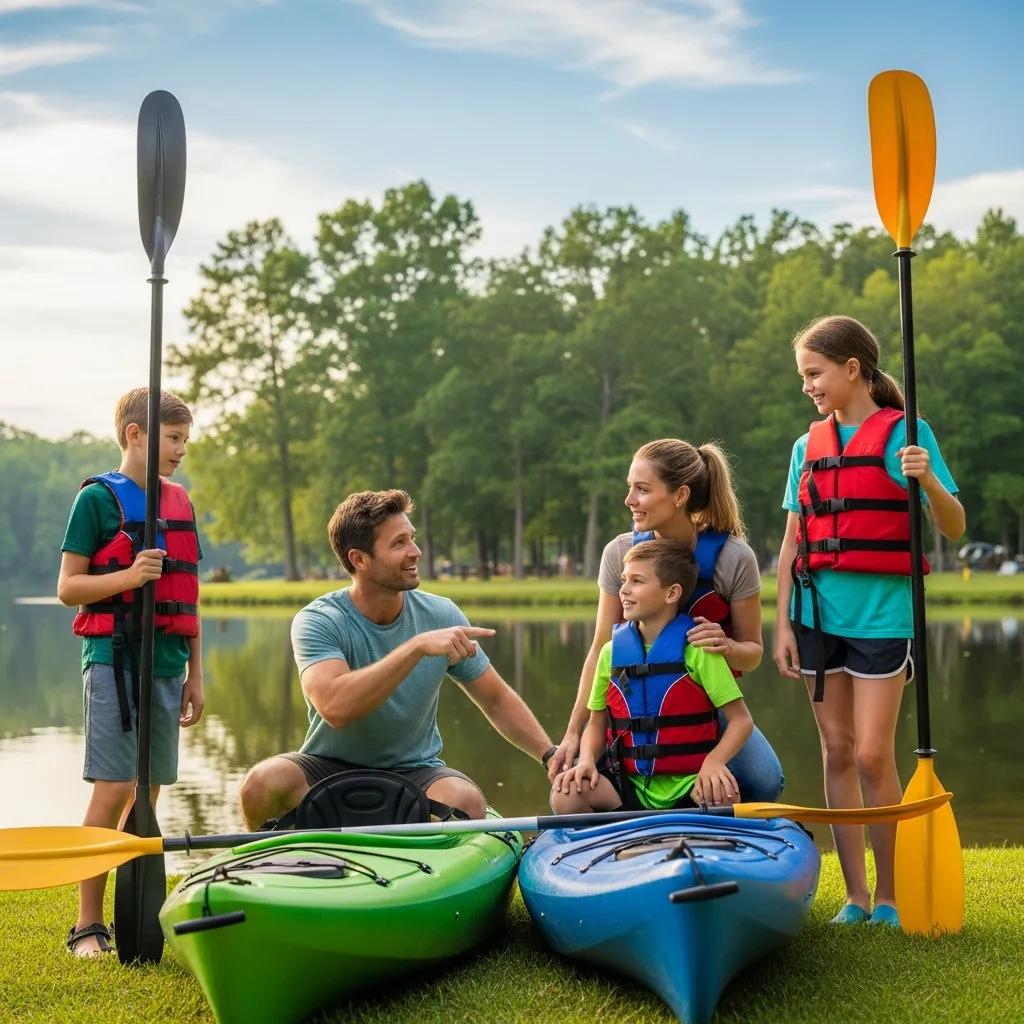
Safety starts with simple planning. The right gear, realistic routes, and attentive supervision keep most trips worry-free. Below are essentials for a safe day on the Rifle River, plus family-focused precautions for guests at Walnut Hills Family Campground.
Recommended Gear for Safe River Trips
Pack items that keep everyone comfortable and protected. At minimum, bring:
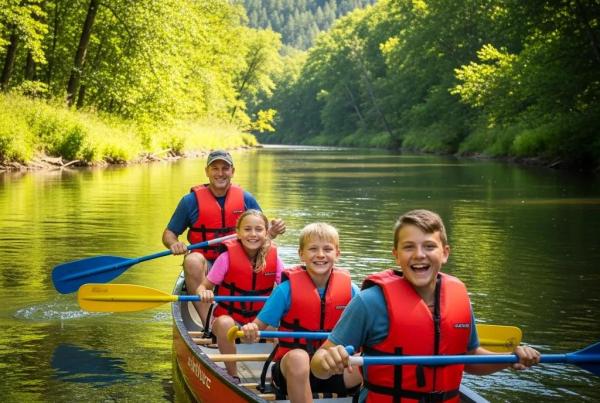
- Life Jackets: Wear a properly fitted personal flotation device — they save lives and should be worn by every paddler.
- Paddles: Pick lightweight, easy-to-handle paddles so steering and control stay simple.
- First Aid Kit: A small kit for cuts, scrapes, or minor sprains helps you handle incidents on the spot.
Having the right equipment makes paddling both safer and more enjoyable for everyone.
Family Precautions at Walnut Hills Family Campground
When paddling with kids or mixed-skill groups, take a few extra steps:
- Supervision: Keep children within arm’s reach near the water and stay alert at launches and landings.
- Safety Briefing: Give a short pre-launch talk covering what to do if someone falls out, how to signal for help, and basic paddle commands.
- Know Your Limits: Choose routes that match your group’s experience and energy. Short, calm stretches work best for families and beginners.
A little extra planning helps families relax and enjoy the river together.
Frequently Asked Questions
What types of kayaks work best on the Rifle River?
Recreational kayaks and sit-on-top models are great choices — stable and easy to use for the river’s calm stretches from late spring through early fall. Experienced paddlers seeking speed can opt for a touring kayak. Always pick a boat that matches conditions and your skill level.
How do I make sure my kayak is properly equipped for safety?
Start with a properly fitted life jacket for every paddler. Add a whistle for signaling, a small first aid kit, and a dry bag for essentials. Consider a bilge pump or sponge to remove water. Inspect gear for wear before you go and practice using it so you’re ready if something happens.
What’s the best way to navigate obstacles on the Rifle River?
Keep distance from submerged logs, rocks, and other hazards. Approach obstacles at an angle to stay in control; if a blockage looks risky, portage around it. Communicate with your group about upcoming hazards and use steady steering to pass safely.
Can I fish from a kayak on the Rifle River?
Yes — fishing from a kayak is popular. Have a valid fishing license and follow local rules for seasons and catch limits. Secure gear so the cockpit stays uncluttered; a rod holder helps keep hands free for paddling.
How should I handle encounters with other boaters or users?
Practice good river etiquette: give others space, yield to larger vessels, and communicate intentions when passing. In a group, keep a staggered formation to ease navigation. Courtesy keeps the river safer for everyone.
Are there local places for rentals or guided trips?
Yes — Cheff’s Canoe Rental is a local option for rentals and guided trips on the Rifle River. They offer a range of kayaks for different skill levels and can help with trip planning and current conditions. Book ahead during peak season to secure gear and guidance.
What if the weather changes suddenly while I’m on the river?
If the weather turns, prioritize safety: head to the nearest shore, get out of the water, and find shelter. Watch for sudden clouds, strong winds, or dropping temperatures. Before launch, check a weather app or radio and keep your plan flexible so you can postpone or shorten the trip if needed.
Are there wildlife considerations on the Rifle River?
You’ll likely see beavers, deer, and many birds. Give animals space, avoid nests and dens, and don’t feed wildlife. Insect activity — especially mosquitoes and ticks — can be higher near the water; wear long sleeves when practical and use repellent to reduce bites.
What are best practices for kayaking with children?
Focus on fitted life jackets, short easy routes, and frequent breaks. Let kids help with simple tasks like handing a paddle or spotting obstacles to keep them engaged. Teach basic safety steps and rehearse what to do if someone tips over so everyone feels prepared.
How should I prepare for my first Rifle River kayaking trip?
Check recent river conditions and aim for the late April–September window when rentals are available from Cheff’s Canoe Rental. Pack a life jacket, paddle, and first aid kit, consider a beginner lesson, and go with an experienced paddler or group on your first outing.
What should I do if I capsize?
Stay calm and keep your life jacket on. Float on your back if needed, then swim to shore or to your kayak. If possible, right the boat and re-enter from shallow water; if not, signal for help. Practicing basic self-rescue before you go makes a real difference.
Are permits or local rules required for kayaking the Rifle River?
Rules can vary by river section and adjacent lands. Check with local authorities or river managers for current regulations on watercraft, fishing, and camping. Following local rules protects the river and keeps paddlers safe.
Conclusion
Knowing how water levels, current speed, and weather affect the Rifle River helps you plan safer, more enjoyable paddling trips. Use the recommended gear, choose routes that match your group’s skills, and stay flexible with timing. A little preparation goes a long way — whether you’re planning a family float from Walnut Hills Family Campground or a solo paddle, you’ll leave the river feeling relaxed and ready to come back. Ready to plan your trip?
Conclusion
Understanding how water levels, current speed, and weather shape the Rifle River is the best way to plan a safe, memorable outing. Equip yourself with the essentials and pick routes that suit your group’s experience. With simple preparation, your next paddle — family or solo — will be safer and more enjoyable. Start planning your Rifle River trip today and make the most of your time on the water.