
Ohio’s Seasonal Weather: Your Guide to Camping Comfort and Adventure
Ohio’s ever-changing seasons play a starring role in your camping adventures, shaping everything from how cozy your tent is to whether the lakefront activities are in full swing. This guide dives into what “seasonal weather impacts” really means for your Ohio camping trips. We’ll explore how temperature, rain, and storms can transform your experience, and why knowing these patterns is your ticket to safer, more memorable getaways. Get ready to discover clear, season-by-season weather expectations, handy packing and safety checklists, how campground amenities and booking dynamics shift with the seasons, and activity ideas perfectly suited for Ohio’s climate. We’ll connect Ohio’s weather realities with your planning choices, helping you pick the best months, snag the perfect site, and pack the right gear for your tent or RV. From spring showers to summer sun, fall colors to winter’s quiet charm, we’ve got you covered, complete with quick-reference tables and checklists to make planning a breeze.
What’s the Weather Like for Camping in Ohio Throughout the Year?
Ohio’s camping weather follows a delightful rhythm: spring brings a mix of sunshine and showers, summer heats things up with warm days and occasional thunderstorms, fall offers crisp air and stunning foliage, and winter blankets the landscape in cold and snow, often limiting some outdoor fun. These patterns are key to your comfort and safety, influencing what activities are even possible. So, it’s smart to match your camping dreams with the season’s offerings. Understanding the typical weather helps you choose the right shelter, pack smart layers, and decide if you’re more in the mood for splashing in the water or exploring hiking trails. Let’s break down each season with a look at temperature, rain, and what it means for your camping plans.
How Does Spring Weather Shape Your Camping Activities and Comfort?
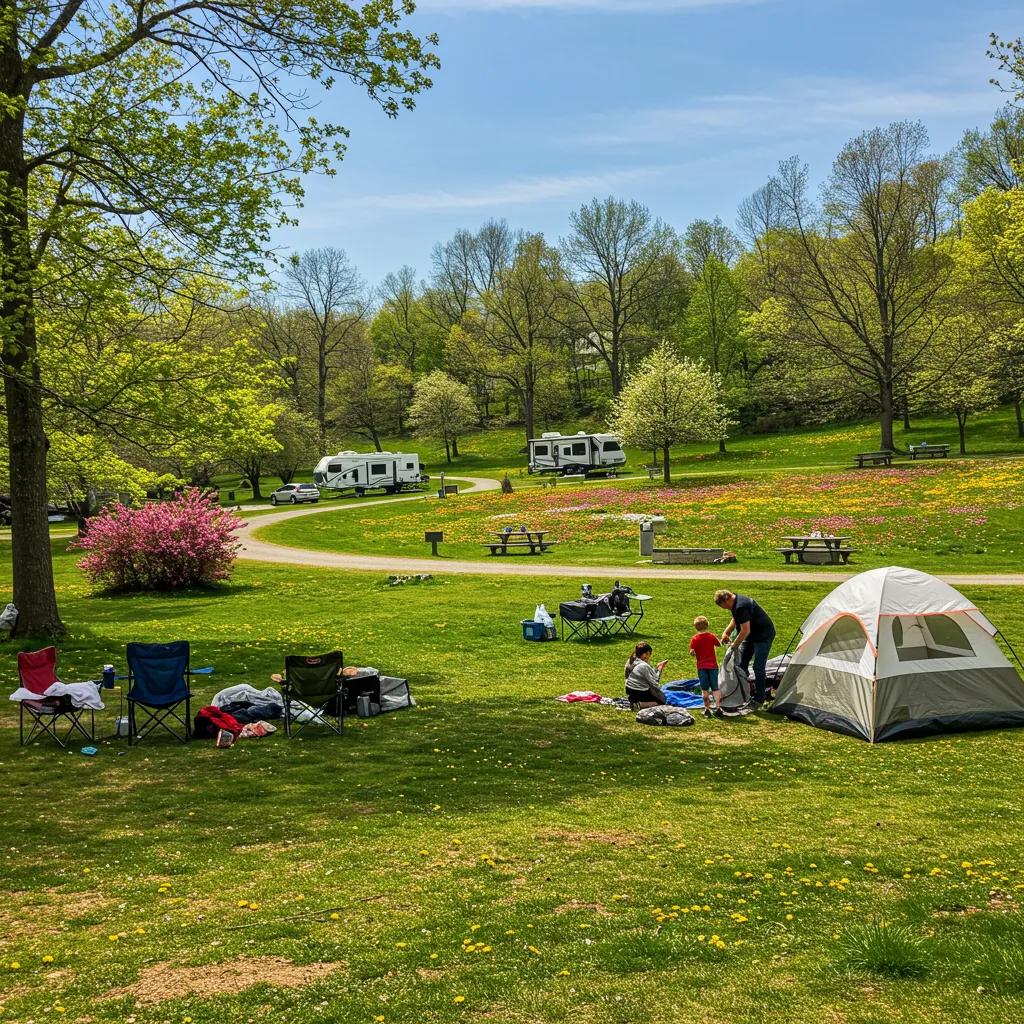
Spring in Ohio usually means daytime highs hovering between the upper 40s and mid-60s Fahrenheit, often accompanied by rain showers that can leave campsites a bit muddy and gear feeling damp. This unpredictable weather calls for smart packing: tent campers should focus on waterproofing, maybe even a raised sleeping setup, and good ventilation to combat condensation. RV campers might find their approach a little squishy at times, and some water-based services might open a bit later. As things warm up, insects start to emerge, so bug spray and netting are your friends. Trails can get soft, so be ready to switch gears and have indoor backup plans if a storm rolls through. Layered clothing is your secret weapon for handling cool mornings and milder afternoons.
What Kind of Weather Can You Expect During Ohio Summers for Camping?

Ohio summers generally bring delightful daytime temperatures from the mid-70s to mid-80s Fahrenheit, though humidity can be high, and you might catch some brief, intense thunderstorms, especially in the late afternoons and evenings. The heat and humidity mean staying hydrated, seeking shade, and cooling down are top priorities. Schedule your more energetic activities for the cooler mornings or evenings. If you’re near the water or in open fields, thunderstorm preparedness and lightning safety are non-negotiable. Summer is prime time for lake fun, so expect swimming, boating, and beach activities to be in full swing at most campgrounds, though services might pause briefly during severe weather. Pack your sun protection, quick-drying swim gear, and a reliable way to get weather alerts – sudden storms can happen!
How Does Fall Weather Influence Camping and Outdoor Adventures?
As fall rolls in, temperatures cool down from the 60s into the 30s Fahrenheit. You’ll typically find more stable weather windows and less humidity than in summer, making it perfect for hiking and gathering around a campfire. Peak foliage often graces Ohio’s landscapes around mid-October, which means campsites can fill up fast on weekends, so booking ahead is a smart move for those scenic views. Cooler nights mean you’ll want warm sleeping gear and layers for daytime comfort. Plus, you can often enjoy fewer bugs and clearer skies for some amazing stargazing. Keep an eye on weekend demand and foliage timing when picking your site and booking your stay to catch those vibrant colors.
What Are the Challenges of Winter Camping Weather in Ohio?
Ohio winters bring sustained cold, frequent freezing temperatures, and the possibility of snow and ice, which can make driving trickier and limit access to unplowed tent areas or shorelines. Tent camping in winter demands specialized cold-weather sleeping systems, insulated pads, and careful setup to ward off frostbite. RV campers have the advantage of enclosed spaces but need to plan for winterization and safe heating. Many campgrounds scale back services in winter – water lines might be shut off, and beach or rental operations could be closed. If you’re planning a winter escape, be sure to confirm which amenities are available and be ready to be self-sufficient. Hypothermia and ice hazards mean you’ll need clear emergency plans, reliable communication tools, and a healthy dose of caution when traveling during storms.
How Does Seasonal Weather Affect Campground Amenities and Services in Ohio?
The changing seasons mean changes in which campground amenities are open, how services run, and what maintenance or closures are happening. This is because water systems, staffing, and the safety of outdoor programs are all sensitive to the weather. Campground operators adjust hours, close or limit beach and rental services during colder months, winterize water lines to prevent freeze damage, and concentrate events during the warmer summer and shoulder seasons. Campers should anticipate these seasonal shifts in amenities and always check current operations before arriving, as showers, boat rentals, and other services can vary. The table below gives you a quick look at common amenities and their typical seasonal status to help you know what to expect at Ohio campgrounds.
This table highlights that campers should plan with the seasons in mind, confirming specific services before heading out and factoring in reduced operations during colder months.
Which Amenities Are Available or Limited During Each Camping Season?
Amenity availability follows the seasonal calendar: summer brings the widest array of services, including beach access and rentals. Spring and fall offer partial access with varying hours, while winter often sees reduced or suspended water-based amenities and rental equipment. Private campgrounds and state parks can differ; private sites might keep some amenities open longer based on demand and their infrastructure, while state-run facilities often stick to strict seasonal maintenance schedules. Campers should always contact the campground or check current notices when planning a trip to confirm amenity status, especially if a key part of your trip depends on a specific service. Understanding these differences helps you choose a destination that matches your desired amenities for the season you’re visiting.
How Do Seasonal Weather Changes Affect RV and Tent Site Availability?
Seasonal weather impacts site usability: low-lying tent areas might be waterlogged or flooded in spring, exposed sites can be uncomfortably hot in summer, shaded sites are gold in fall for leaf-peeping, and some tent loops might close in winter for safety and upkeep. RV sites with full hookups generally offer more year-round convenience, though water lines can be winterized and unavailable during the cold months, requiring you to bring your own water or use antifreeze measures. When choosing between tent and RV sites, think about drainage, shade, wind exposure, and how close you’ll be to facilities. Prioritize sites with hookups and solid access roads for the shoulder and winter seasons. Booking early for those peak foliage weekends and reserving hookup sites for off-season visits can save you from last-minute disappointment.
What Seasonal Adjustments Are Made to Water and Power Hookups?
Campgrounds typically winterize their water systems in late fall to prevent freeze damage, meaning spigots and on-site water access might be shut off or limited during winter. Electrical hookups usually remain available, but you’ll need to ensure clear access and safe cord management, especially if there’s snow. RVers should adopt winterization practices like insulating external plumbing, using heated water hoses or antifreeze, and verifying electrical capacity for safe heater use to avoid damage and safety hazards. Tent campers who rely on communal water should plan for limited availability in winter and bring enough water or on-site storage for colder periods. Confirming specific utility timelines with the campground will help you avoid surprises and plan for the right equipment and safety measures.
How Are Planned Events and Activities Adapted to Seasonal Weather?
Planned events shift with the seasons: summer programming focuses on beach and family fun, spring and fall activities highlight hiking and wildlife spotting, and winter programs—if offered—lean towards indoor gatherings or gentle outdoor experiences. Organizers often build in weather contingency plans, like moving activities to sheltered spots, rescheduling for clear days, or cancelling if conditions become unsafe. Campers should always check event calendars and be prepared for adjustments. Special attractions and future enhancements can also influence programming scope and timing, so keep an eye out for potential expansions in the years to come. Verifying event schedules before you arrive ensures your trip aligns with the available programming and helps prevent disappointment.
What Are the Best Seasons for Camping at Ohio State Parks and Why?
The “best” season really depends on what you’re looking for: fall is often a top pick for its stunning foliage and pleasant, stable weather; summer is perfect for lakeside fun and family activities; spring offers fewer crowds and great wildlife watching; and winter appeals to those seeking peaceful solitude and beautiful snow-covered scenery. Each season has its own set of trade-offs when it comes to comfort, access to activities, and available amenities, so choosing the best time means balancing your weather tolerance with your desired experiences. This section compares the seasons with clear reasons why a camper might pick each one, along with timing tips to help you get the most out of your chosen season. Understanding these trade-offs will help you plan trips that fit both the weather realities and your personal preferences.
Why Is Fall Considered the Best Season for Camping in Ohio?
Fall is highly prized because its moderate daytime temperatures, generally lower humidity, and breathtaking foliage create comfortable days for hiking and photography, and crisp evenings perfect for campfires. Peak leaf color typically arrives in mid-to-late October across many Ohio regions, which means campsite demand spikes on weekends. Booking 2–3 months in advance for popular parks is a good idea. With less insect activity and clearer skies, trail conditions improve, and stargazing opportunities abound. The stable weather windows also mean fewer storm-related cancellations. For campers who love scenic drives, harvest festivals, and pleasant outdoor temperatures, fall offers a fantastic blend of comfort and scenery that other seasons rarely match.
What Makes Summer Ideal for Lake and Water-Based Camping Activities?

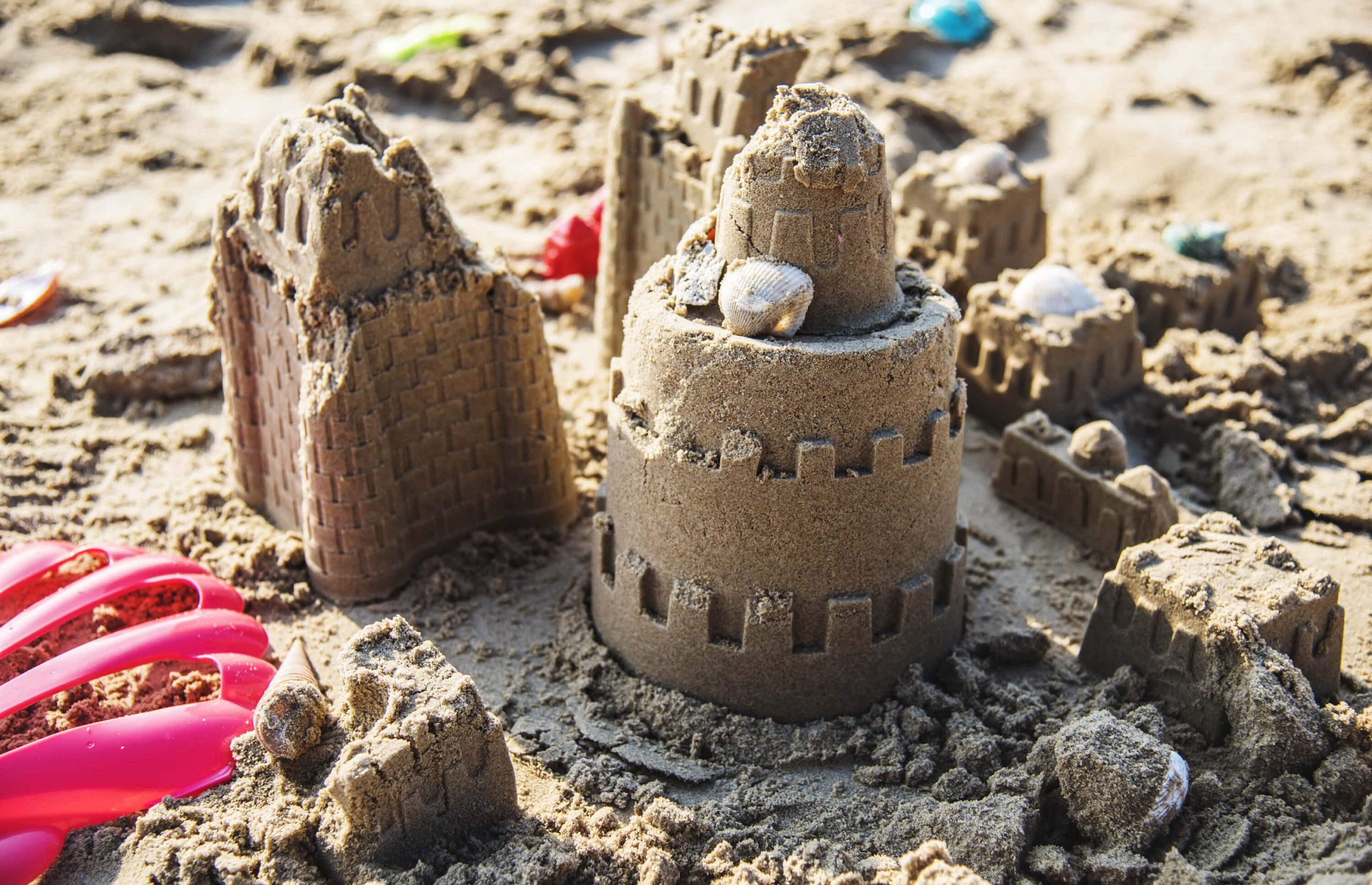
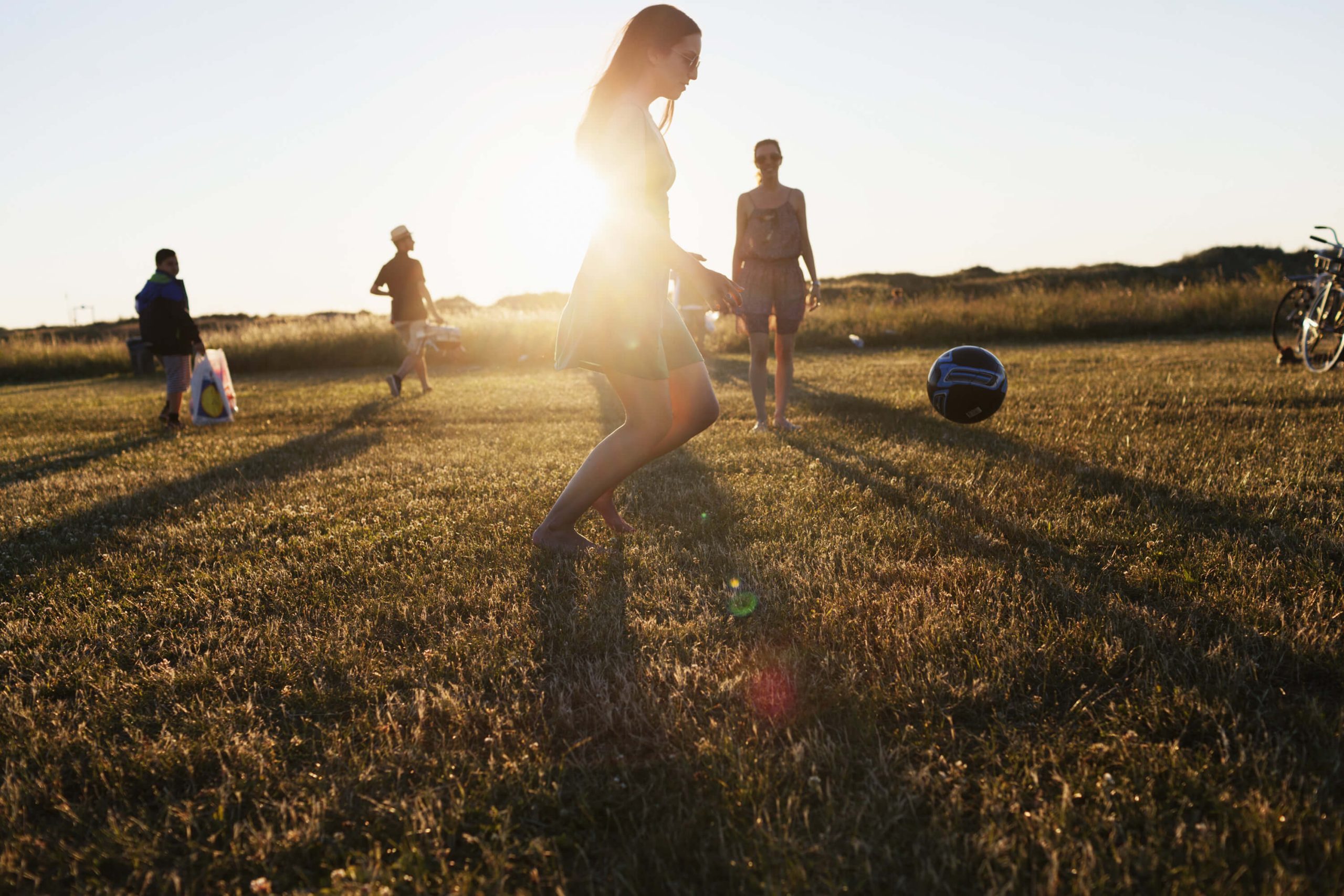
Summer brings the warm temperatures and long daylight hours perfect for swimming, paddleboating, and family beach events, making it the go-to season for lake-based camping and recreational programming. Families and groups will love the organized events, beach access, and rental services that are typically available in summer, making it ideal for group getaways. Safety is key – sun protection, heat management, and lightning readiness are essential parts of any summer plan to minimize risks during high-temperature periods and storm-prone afternoons. If water recreation is your main goal, aim for the heart of summer but stay flexible with the weather and book your reservations early, especially for popular holiday weekends.
Can Spring Offer Unique Camping Experiences Despite Rain?
Spring offers a special charm with abundant wildlife activity, blooming landscapes, and fewer crowds, which is a big draw for birdwatchers and campers seeking quieter trails and better rates. However, rain and muddy conditions mean you’ll need to choose your gear and campsite wisely. Waterproof shelters, raised sleeping platforms, and sturdy footwear are must-haves, and planning activities around dry spells will boost your enjoyment. Early-season fishing and watching migratory birds can lead to incredible encounters you won’t find during peak seasons. Plus, many campers appreciate the emerging greenery and the comfortable daytime temperatures. With a backup plan for wet weather and flexible scheduling, spring can deliver truly rewarding and rejuvenating camping experiences.
Is Winter Camping Feasible and What Are Its Unique Benefits?
Winter camping is definitely doable for well-prepared campers and RVers, offering unparalleled solitude, dramatic scenery, and uncrowded facilities. However, it requires extra preparation for shelter, heating, and safety against cold-related risks. RVs offer significant advantages for year-round shelter, but proper winterization and safe heating are crucial. Tent wintering demands specialized sleeping systems and layered clothing. The trade-off includes fewer amenities and potential road or site closures, so a cautious approach to trip planning and close attention to forecasts are vital. For those who crave quiet trails, perfect photography conditions, or a stripped-back nature experience, winter rewards preparation with peaceful, scenic stays.
How Can Campers Prepare for Ohio’s Seasonal Weather Conditions?
Being prepared is your best bet for reducing risks and boosting enjoyment. Campers should pack gear specific to the season, understand potential seasonal hazards, and choose shelter that matches the expected conditions. This section offers prioritized gear lists for each major season, basic RV winterization tips, and safety checklists for common hazards like ticks and cold injuries. Use the quick-reference packing table below to confirm essential items based on your activities and potential hazards, allowing you to adjust your gear for the season and shelter type. Effective preparation starts with a simple risk assessment of your intended dates, activities, and whether you’ll be in a tent or RV, followed by assembling the right gear and contingency plans.
This table helps campers quickly match equipment to seasonal needs and reduces the chance of forgetting essential items.
What Essential Gear Is Needed for Spring and Summer Camping in Ohio?
For spring and summer camping, focus on waterproof shelter components, sun protection, insect control, and hydration solutions to keep you comfortable and safe in varied conditions. Spring packing lists should emphasize rain gear and quick-drying clothing, along with elevated sleeping setups to combat damp ground. Summer lists add sunscreen, large water containers, and cooling aids. Don’t forget a compact storm kit with a tarp, extra cordage, and a reliable weather-alerting device for thunderstorms. Pack appropriate swim safety gear for lake activities too. Getting your gear ready in these categories will minimize discomfort and keep your outdoor plans flexible when the weather shifts.
- The following list highlights must-have items for spring and summer camping.
- Here’s what you’ll need:
- Waterproof shelter items: footprint, full rainfly, tarp, and seam sealer for your tent.
- Sun and heat protection: broad-spectrum sunscreen, a wide-brim hat, UV sunglasses, and electrolyte packets.
- Insect defense and first aid: EPA-registered repellent, permethrin-treated clothing, and a compact first-aid kit.
How Should Campers Pack for Fall Weather and Leaf Peeping Activities?
Fall packing centers on insulating layers, warm gear for chilly nights, and protective footwear for increasingly cool trails that might be damp. Don’t forget optical tools like binoculars or a camera for capturing those stunning foliage views! Your layering strategy should include a moisture-wicking base layer, an insulating midlayer, and a wind/water-resistant outer shell to adapt from crisp mornings to mild afternoons. Sturdy, water-resistant footwear and gaiters will protect you from wet leaves and slick roots on trails. A compact sit pad or insulated blanket can make those long photo or viewing sessions much more comfortable. Planning your outfits ahead of time saves you hassle and keeps you cozy as the fall conditions change.
- This list offers practical fall clothing and gear suggestions.
- Here’s what to pack:
- Layer system: moisture-wicking base, fleece midlayer, insulated jacket, and shell.
- Footwear: waterproof hiking boots, wool socks, and trail-appropriate traction options.
- Accessories: binoculars, camera, headlamp, and a small thermos for hot drinks.
How to Protect Against Seasonal Hazards Like Ticks and Cold Injuries?
Tick prevention involves pre-trip treatments and post-activity checks, while cold injuries require early recognition and quick action. Both are entirely preventable with consistent practices and the right gear. Treat your clothing with permethrin, use EPA-recommended topical repellents on exposed skin, conduct thorough tick checks after hikes, and remove ticks promptly using proper tools. For cold exposure, watch for early signs of hypothermia—shivering, poor coordination, and confusion—and prioritize warmth, dry clothing, and emergency blankets. Know when to seek medical help. Taking these preventative steps significantly reduces risk and lets you enjoy seasonal activities with confidence.
This hazard-focused advice directly connects to your packing choices and emergency planning for seasonal trips.
What Are the Recommended Winter Camping Gear and Safety Tips?
Winter camping demands insulated sleeping systems, layered technical clothing, and safe heating methods, along with careful communication and emergency planning to manage cold risks. Use a sleeping system rated for temperatures below what you expect, an insulated sleeping pad, and a plan for managing moisture to prevent dampness that accelerates heat loss. Keep a dry set of emergency layers stored separately. Heating devices must be used with carbon-monoxide detectors and proper ventilation; generators and portable heaters require training and safe fuel storage. Finally, share your itinerary, bring a charged backup communication device, and monitor forecasts closely to avoid traveling on storm days.
This winter guidance leads directly into making reservation choices and understanding the importance of timing your trips according to predictable seasonal patterns.
How Do Seasonal Weather Patterns Influence Camping Reservations and Planning in Ohio?
Seasonality dictates demand, affects cancellation risks, and shapes the ideal booking window for different trip goals. Understanding these dynamics helps campers secure their preferred sites and avoid unexpected limitations. Summer and fall foliage periods generally require booking further in advance, while spring and winter often allow for more flexible, last-minute reservations but might have fewer services available. Weather disruptions also influence cancellation policies and on-the-ground flexibility, so campers should consider refundable options, trip insurance, and communication strategies when booking. The table below summarizes the best booking windows and tips for each season to guide your reservation timing and decisions.
The booking window table with recommended lead times follows.
When Is the Best Time to Book Campsites for Each Season?
Booking lead times vary based on the season and the amenities you’re after. Reserve months ahead for summer and peak fall weekends, allow a few weeks for spring visits, and expect more flexibility in winter with shorter lead times. Weekend stays, holidays, and special event weekends call for earlier planning, while midweek trips often offer last-minute availability and lower rates. Consider how much you value certain amenities—if beach access or boat rentals are crucial, book during the season when those services reliably operate and confirm with the campground. Being flexible with your dates and site type can improve your chances of snagging a preferred spot at a reasonable lead time.
How Does Weather Affect Cancellation Policies and Reservation Flexibility?
Weather events increase the likelihood of date changes and cancellations, so it’s wise to ask about flexible or refundable reservation options, trip insurance policies, and the campground’s severe-weather procedures when you book. Many campgrounds have policies in place for weather-related closures or safety-driven cancellations. Travelers should inquire whether parks offer credits, refunds, or rescheduling options in case of storms or utility outages. Carrying travel insurance or opting for refundable rates can protect your investment for multi-day trips during volatile seasons. Clear communication with staff shortly before your arrival can also clarify expectations. Asking these proactive questions during booking reduces ambiguity about weather-related adjustments.
What Are the Benefits of Booking Seasonal Sites at Ridge Ranch and Other Campgrounds?
Securing seasonal sites at family-friendly campgrounds like Ridge Ranch Campground by GatherGrounds offers distinct advantages, especially given its lakefront setting, sandy beach, and diverse RV and tent sites—many equipped with full hookups—all designed to enhance season-specific experiences. Seasonal reservations can guarantee you a spot near the lake for prime summer water access, a reliable hookup location for extended RV stays in the shoulder seasons, and proximity to planned family events that make group experiences even better. Ridge Ranch’s on-site sandy beach and lakefront location make summer and late-spring bookings particularly appealing for water activities, while its full-hookup sites ensure comfort for fall and winter RV stays. Reserving a seasonal site at a campground with these features helps align your accommodation with your seasonal activity goals and the amenities available on-site.
What Activities Are Recommended During Each Camping Season at Ohio State Parks?
Seasonal activities are best planned around the weather windows: spring is perfect for birdwatching and early fishing, summer is all about swimming and boating, fall highlights leaf-peeping and scenic hikes, and winter is ideal for quiet photography and short, well-prepared outings near facilities. Activities should always be matched with safety and gear requirements—water sports need life jackets and awareness of thunderstorm risks, while winter outings require insulated garments and sturdy footwear. Below are activity suggestions tailored for each season, with brief safety notes to help you plan the right pursuits for your trip goals.
Which Spring Activities Are Popular Despite Variable Weather?
Popular spring activities include watching migratory birds, early-season fishing, and hitting the trails during dry spells. Many parks also offer spring interpretive programs that highlight the awakening ecosystem. Because the weather can be unpredictable, keep your schedule flexible and pack waterproof gear to make the most of birding mornings or fishing afternoons. Early blooms and quieter trails offer fantastic photography opportunities, and fewer crowds make interpretive experiences more intimate. Plan for indoor or campground-based activities as backups if heavy rain interrupts your outdoor plans.
What Summer Water and Lake Activities Enhance Camping Fun?
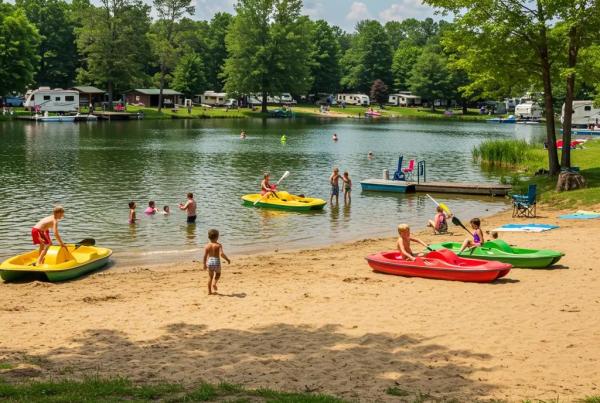
Summer lake activities—like swimming, paddleboating, fishing from the dock, and playing beach games—are central to enjoying warm-weather camping. Make sure you have life jackets, sun protection, and always follow posted swim safety rules. Families will especially appreciate organized beach events and planned programming that typically happens in summer, making this season perfect for group trips. Schedule water activities for the cooler morning or evening hours when storms are less likely, and always keep an eye on local weather for thunderstorm watches. Ridge Ranch’s lakefront and sandy beach provide the perfect setting for these summer water pursuits when they’re in full swing.
How Can Campers Enjoy Fall Foliage and Harvest Events?
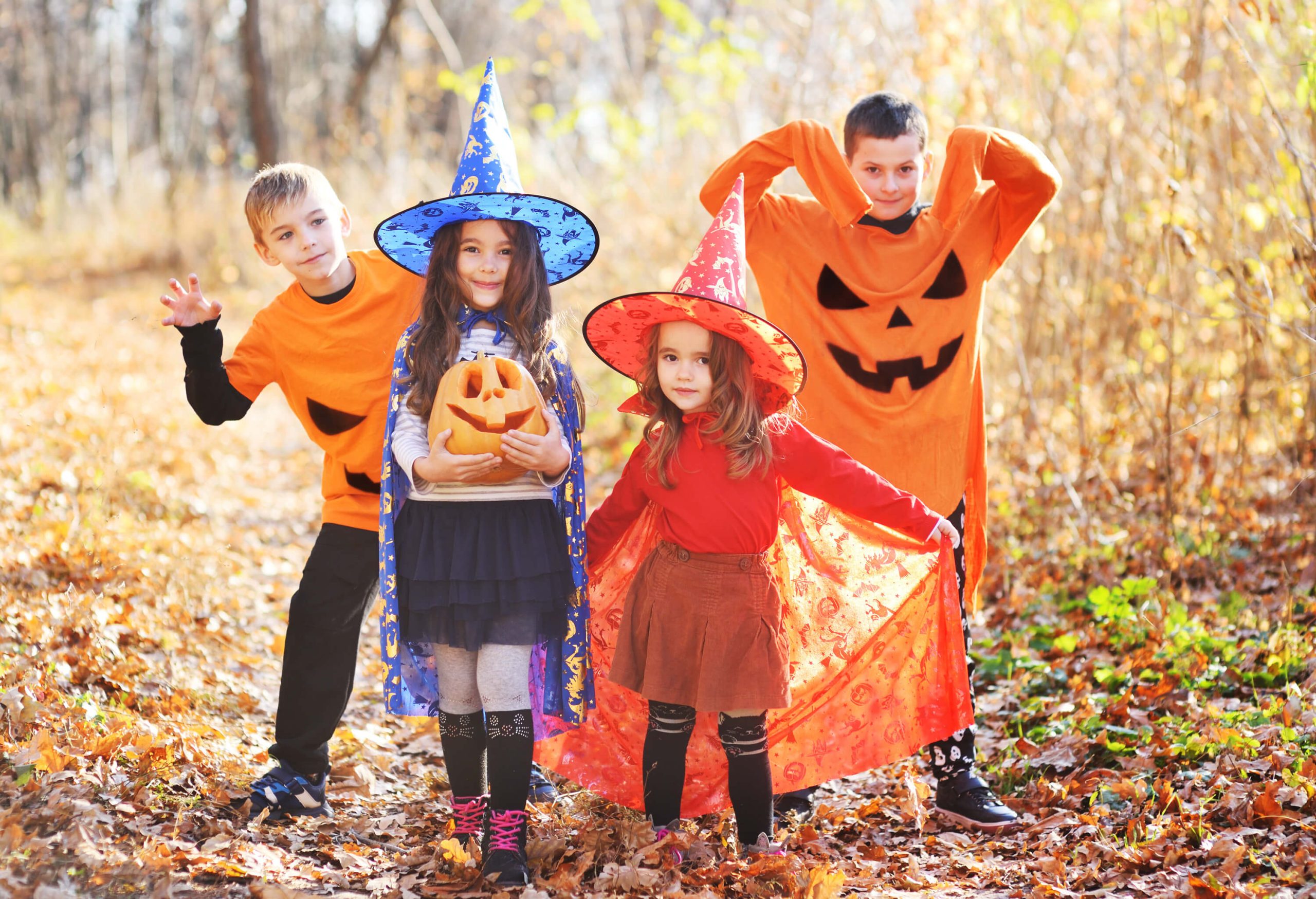
Fall excursions are all about soaking in the leaf-peeping opportunities, taking scenic drives through wooded parkways, and visiting local harvest events for a taste of seasonal culture. Aim for mid-October in many Ohio areas to catch the peak colors. With shorter daylight hours, plan your hikes for earlier in the day and pack headlamps for your return walks. Cooler temperatures call for layered clothing and thermoses filled with warm beverages. Check park calendars for harvest festivals or guided walks that fit your schedule, and reserve campsites near trailheads for easy access to prime viewing spots. Balancing your timing and gear ensures comfortable and memorable fall outings.
What Quiet and Scenic Activities Are Ideal for Winter Camping?
Winter activities lean towards low-impact pursuits such as snow photography, short guided walks, tracking wildlife, and indoor programming where available. Simplicity and safety-focused planning are key. Keep your outings close to maintained trails and facilities to avoid getting caught in sudden weather changes. Use traction devices and insulated gear for short ventures. For those in RVs, winter visits can include cozy indoor cooking, observing wildlife from heated shelters, and mindful exploration on clear days. Prioritizing short, well-prepared activities minimizes risk and makes winter camping both safe and enjoyable.
What Are Common Questions About Ohio Camping Weather and Seasonal Experiences?
Answering frequently asked questions directly helps campers quickly find practical advice for planning and safety. Concise answers here target common queries and provide immediate, usable tips. These answers identify the coldest periods, explain year-round park operations, recommend winter clothing systems, and compare tent and RV suitability across seasons. Clear, brief responses reduce planning friction and point readers to sections above for more detailed checklists and tables.
What Is the Coldest Month for Camping in Ohio and How to Prepare?
The coldest period typically occurs between December and February, with January often seeing the lowest average temperatures and the highest risk of freezing conditions. Preparation involves insulating your sleeping systems, monitoring forecasts, and considering an RV over a tent if extended low temperatures are expected. Immediate actions include packing a sleeping bag rated below forecast lows, an insulated pad, emergency blankets, and warm, dry clothing stored separately to prevent moisture loss. Use heater safety protocols, maintain battery and communication readiness, and avoid tent camping in severe cold unless you have specialized winter equipment. These measures significantly reduce the risk of hypothermia and improve trip safety.
Are Ohio State Parks Open Year-Round for Camping?
Many Ohio state parks welcome campers year-round, but amenities and services vary by season. Some campgrounds or loops may close for maintenance or safety during winter, meaning water, shower, and rental availability can be limited in off-season months. Always verify specific park operations and seasonal closures before you travel, as individual sites and private campgrounds have different schedules. Off-season reservations might require different expectations for on-site services and road clearing. Checking operations in advance helps avoid surprises and aligns your trip plans with the available facilities.
What Should You Wear for Winter Camping in Ohio?
Dress in a layered system: a moisture-wicking base layer, an insulating midlayer, and a windproof/waterproof outer shell. Combine this with insulated boots, a warm hat, and gloves to protect extremities from frostbite. Keep spare dry layers in sealed bags for emergencies. Wool and synthetic fibers retain insulation even when damp, making them preferable to cotton, which loses its insulating properties when wet. Carry emergency blankets, a waterproof outer layer, and extra socks to manage moisture and maintain thermal safety. Using this system reduces cold-related risks and increases comfort during winter outings.
How Does Ohio’s Seasonal Weather Affect Tent vs. RV Camping?
Ohio’s seasons highlight the trade-offs between shelter types: RVs offer superior insulation, reliable power, and better water control in colder months, while tents provide simplicity, immersion in nature, and lower cost in fair weather. Seasonal weather often determines which is the more suitable choice. Tent camping shines in spring through fall when temperatures are moderate, whereas RVs are often the preferred option in winter and shoulder seasons due to their utilities and enclosed shelter. Consider site drainage, access roads, and expected amenity availability when selecting your shelter type seasonally. Opting for sites with hookups can significantly improve comfort during cold or wet periods. Matching your shelter choice to the seasonal conditions enhances both safety and trip satisfaction.
Ridge Ranch Campground by GatherGrounds, located at 5219 State Road 303, Newton Falls, OH, offers a family-focused setting with a 17-acre lake and a sandy beach, a variety of RV and tent sites—many with full hookups—and planned family events that make seasonal planning especially relevant for visitors seeking waterfront recreation and organized programming. For campers prioritizing lake access, beach time, or reliable hookup sites, reserving seasonal placements at a property with these amenities can materially improve the on-site experience. Consider these features when you choose dates and sites so that your seasonal expectations and campsite capabilities align with your goals.
Frequently Asked Questions
What are the best practices for camping during Ohio’s unpredictable spring weather?
When camping in Ohio during spring, it’s essential to prepare for variable weather conditions. Bring waterproof gear, including a rainfly for your tent and waterproof footwear, to handle the frequent rain. Layer your clothing to adapt to fluctuating temperatures, and consider using elevated sleeping platforms to keep your sleeping area dry. Additionally, keep an eye on weather forecasts and have flexible plans for activities, as trails may become muddy and conditions can change rapidly.
How can campers stay safe during summer thunderstorms in Ohio?
To stay safe during summer thunderstorms in Ohio, campers should monitor weather alerts and be prepared to seek shelter quickly. Avoid open fields and water activities during storms, as lightning poses a significant risk. It’s wise to schedule outdoor activities for the morning or early evening when storms are less likely. Always have a reliable method for receiving weather updates, such as a weather app or radio, and pack a storm kit with essentials like a tarp and extra cordage for emergencies.
What should campers know about winter camping in Ohio?
Winter camping in Ohio requires careful preparation and specialized gear. Campers should use insulated sleeping systems rated for low temperatures and ensure their tents are suitable for winter conditions. It’s crucial to have a reliable heating source and carbon monoxide detectors in RVs. Additionally, campers should plan for limited amenities, as many campgrounds reduce services in winter. Always check weather forecasts and be prepared for sudden changes, ensuring you have emergency supplies and a communication plan in place.
How do seasonal changes affect wildlife activity during camping trips?
Seasonal changes significantly influence wildlife activity in Ohio. Spring is ideal for birdwatching as migratory species return, while summer offers opportunities to observe nesting behaviors. Fall is perfect for spotting animals preparing for winter, and winter camping can reveal tracks in the snow. Campers should adjust their activities based on the season to maximize wildlife encounters, such as bringing binoculars for birdwatching in spring or planning quiet hikes in fall to observe animals in their natural habitats.
What are the advantages of booking seasonal sites at campgrounds?
Booking seasonal sites at campgrounds provides several advantages, including guaranteed access to preferred locations during peak times, such as summer and fall foliage seasons. Seasonal reservations often allow campers to secure sites close to water activities or planned events, enhancing the overall experience. Additionally, having a designated site can reduce the stress of last-minute bookings and ensure that amenities like full hookups are available, making for a more comfortable stay throughout the camping season.
How can campers effectively manage their packing for different seasons?
To manage packing effectively for different camping seasons, create a checklist tailored to each season’s specific needs. For spring and summer, focus on waterproof gear, sun protection, and insect repellent. In fall, prioritize warm layers and gear for leaf-peeping activities. For winter, ensure you have insulated clothing and specialized sleeping systems. Regularly review and update your packing lists based on past experiences and seasonal changes to ensure you have all necessary items for a safe and enjoyable trip.
Conclusion
Understanding Ohio’s seasonal weather is your key to unlocking enjoyable camping experiences, as it directly impacts your comfort, safety, and the activities available. By preparing for each season’s unique conditions, you can maximize your enjoyment and ensure a successful trip. Explore our comprehensive guides and resources to help you choose the best time and place for your next adventure. Start planning your Ohio camping experience today!