
Campground Brokers Near Me: How to Choose Wisely to Sell Your Campground Successfully
Selling a campground or RV park presents a distinct choice: engage a traditional campground broker to market the property widely, or pursue a direct sale to a specialized buyer. This article explains how to evaluate “campground brokers near me,” compares brokered sales with direct-buy options, and shows sellers how to maximize value and prepare for a successful sale. Owners will learn practical valuation drivers, step-by-step selling workflows, and 2025 market trends that influence timing and pricing. We also map clear decision criteria so you can determine when a broker makes sense and when selling directly to a family-owned operator may better preserve legacy and speed the process. The following sections define broker roles, outline GatherGrounds Resorts’ alternative Campground Acquisition Service, describe the end-to-end selling process, provide valuation checklists and EAV tables, and answer the most common questions owners ask when choosing brokers or buyers.
What Is a Campground Broker and How Do They Help You Sell?
A campground broker is a real estate professional who lists, markets, and negotiates sales of campgrounds and RV parks, using specialized listings and buyer networks to connect motivated sellers with qualified buyers. Brokers typically structure marketing campaigns, vet potential purchasers, assemble comparable sales and valuation support, and coordinate offers and closing logistics so owners can focus on operations. Their value is control over market exposure and competitive bidding, which can lead to higher sale prices when a property attracts multiple buyers. Below we summarize specific broker services and tradeoffs so owners searching for “campground brokers near me” can decide whether to hire a broker or consider direct buyers.
What Does a Campground Broker Do in RV Park and Campground Sales?
A campground broker manages the full marketing and transactional pipeline for campground sales by preparing property listings, producing financial narratives, and reaching specialized buyer pools. Brokers run targeted outreach to investors, institutional buyers, and operators, coordinate property tours, collect offers, and lead negotiations on price and terms; they also help assemble due diligence packages and liaise with attorneys or lenders. This service can reduce seller workload and increase competitive pressure, but it typically involves commission structures and a longer exposure period. Understanding these broker tasks helps owners evaluate whether the potential price uplift outweighs time and cost.
How Do Campground Real Estate Agents Differ from Direct Buyers?
Campground real estate agents act on behalf of sellers and are incentivized to maximize sale price and manage buyer outreach, while direct buyers evaluate, negotiate, and acquire properties for their own portfolios rather than representing multiple sellers. Agents prioritize marketing strategies, confidentiality controls, and bidding processes to secure the best terms, whereas direct buyers focus on speed, certainty, and stewardship of assets they purchase. This structural difference affects timelines, fees, and confidentiality: agents typically drive market exposure and commissions, while direct buyers can offer faster closings and owner-to-owner negotiations. For owners deciding between routes, weighing expected net proceeds versus speed and legacy outcomes is essential.
When Should You Consider Using a Broker to Sell Your Campground?
You should consider a broker when your priority is broad market exposure, competitive bidding, or when the property has complex assets that benefit from specialized marketing and financing networks. Brokers are particularly useful when multiple buyer segments should be reached, when the site has mixed-use components requiring tailored positioning, or when the seller seeks to test market value through an open-market process. Conversely, owners who prioritize confidentiality, a quick close, or legacy preservation may prefer direct-buyer conversations. Reviewing your goals—price maximization versus speed and stewardship—clarifies whether a broker or another route aligns with your objectives.
After describing broker services above, many owners ask about alternatives to brokers; one such alternative is a direct sale to specialized buyers. GatherGrounds Resorts offers a Campground Acquisition Service as a direct-buyer option that emphasizes family-owned stewardship and direct owner-to-owner communication while pursuing acquisitions in the Upper Midwest states.
Why Choose GatherGrounds Resorts Over Traditional Campground Brokers?
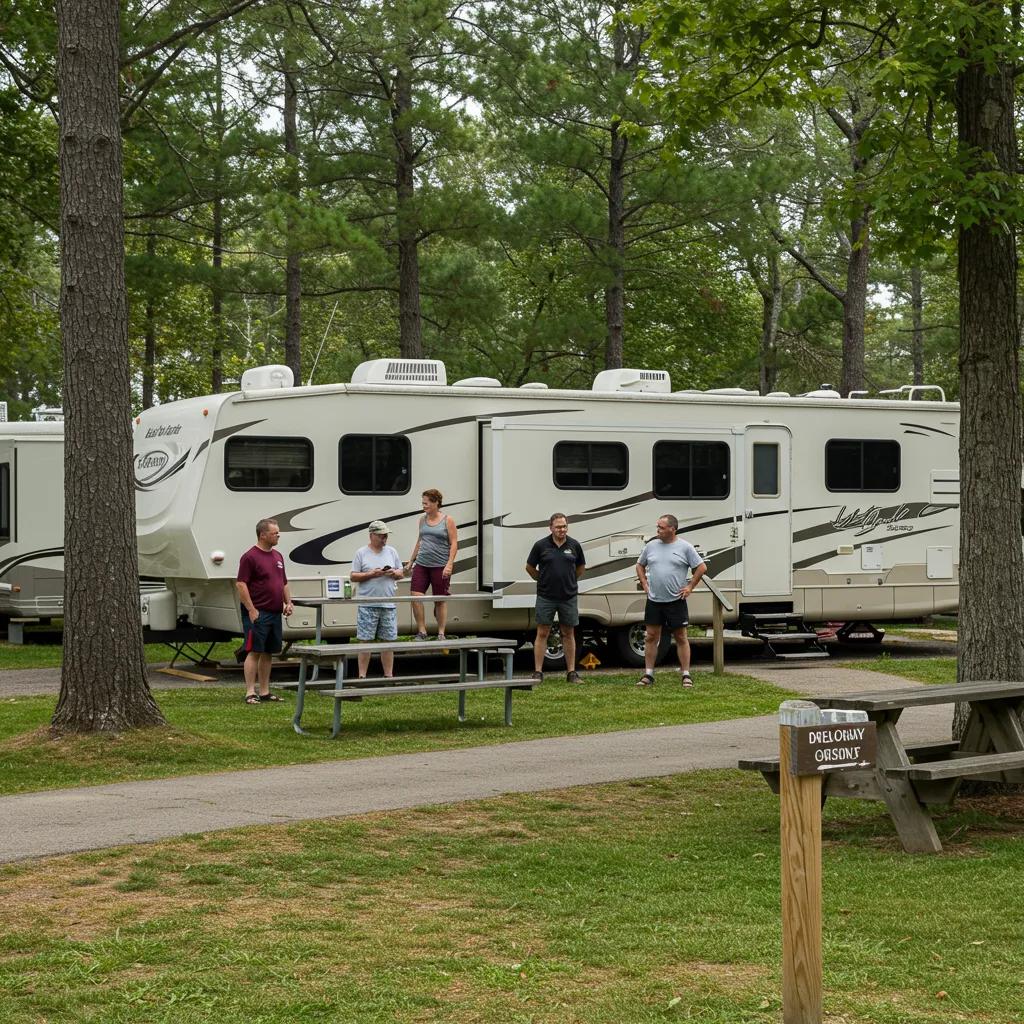
GatherGrounds Resorts presents an alternative to traditional brokered sales by positioning itself as a family-owned operator focused on preserving campground identity while investing in property improvements. Choosing a direct buyer like GatherGrounds reduces intermediaries, can accelerate timelines, and supports continuity for staff and guests through stewardship-minded transitions. This section explains the core value propositions of GatherGrounds’ Campground Acquisition Service so owners can weigh the differences between a brokered sale and a direct transfer to a family operator. The description is factual and aimed at clarifying seller benefits when considering this type of direct acquisition.
How Does GatherGrounds’ Family-Owned Approach Benefit Campground Owners?
A family-owned buyer like GatherGrounds Resorts prioritizes personalized negotiations, faster owner-level decisions, and collaborative transition planning when acquiring campgrounds. That owner-to-owner rapport often reduces bureaucratic delays and preserves key operational knowledge by encouraging staff retention and honoring community relationships. The result is typically a smoother handover with less public marketing exposure, which benefits owners concerned about guest or staff disruption during the sale process. This approach can be especially valuable for sellers prioritizing legacy preservation and a respectful transition.
What Does Preserving Your Campground’s Legacy Mean in the Selling Process?
Preserving a campground’s legacy means maintaining the property’s character, signature events, and community relationships while making improvements that sustain guest experience and revenue. GatherGrounds Resorts frames legacy preservation as balancing modernization—like infrastructure upgrades—with honoring traditions that matter to regulars and local stakeholders. Practically, this can involve agreeing to maintain certain amenities, retaining staff where feasible, and phased operational changes that protect community sentiment. Owners who care about legacy often value buyers who explicitly commit to stewardship during acquisition conversations.
How Does Direct Communication with GatherGrounds Simplify Selling?
Direct communication with owner-operators reduces layers of approval and streamlines negotiations, enabling clearer explanations of offers and quicker responses to seller questions. With owner-level dialogue, valuation assumptions, contingencies, and transition plans can be discussed transparently without repeated intermediaries, which shortens decision cycles and minimizes ambiguity. This clarity is helpful during due diligence when timely answers can preserve deal momentum and reduce escalation risk. Sellers often find that single-threaded communication fosters trust and aligns post-sale expectations more effectively.
What Investments Does GatherGrounds Make to Ensure Your Campground’s Future?
GatherGrounds’ acquisition approach emphasizes targeted investments in infrastructure, amenities, and marketing to improve guest experience and long-term occupancy while preserving site identity. Typical investment categories include utility upgrades, restroom and cabin improvements, road and site repairs, and strategic marketing to increase direct bookings and on-site revenue. These investments aim to stabilize and grow net operating income while maintaining traditions that attract repeat visitors. For owners concerned about the property’s future, understanding the buyer’s planned investment categories clarifies how the transition supports sustained operations.
How Does the Campground Selling Process Work with GatherGrounds Resorts?
A direct sale to GatherGrounds Resorts follows a structured process from initial inquiry through offer, due diligence, and closing, designed for transparency and timely decision making. The process emphasizes owner-level communication, straightforward documentation requests, and pragmatic timelines so sellers understand expectations at each stage. Below is a clear, numbered workflow followed by an EAV-style timeline table that maps stages to likely timelines and outcomes for sellers considering the Campground Acquisition Service.
- Initial inquiry and information exchange to assess property fit and acquisition criteria.
- Preliminary valuation and offer presentation based on financials and site data.
- Due diligence period with document review and inspections to confirm assumptions.
- Final offer, closing logistics, and transition planning for operations and staff.
The table below summarizes these stages with typical timelines and outcomes to help owners evaluate process speed and responsibilities.
What Are the Key Steps from Initial Inquiry to Closing?
The key steps begin with an inquiry that determines mutual fit, followed by a valuation phase that synthesizes financials and occupancy trends into a preliminary offer, and then a due diligence period focused on confirming operational, environmental, and infrastructure conditions. Each step has defined seller responsibilities—providing financial records, facilitating site access, and responding to inspection findings—and the buyer provides transparent rationale for valuation assumptions. Typical durations vary by property complexity, but direct sales often compress the marketing timeline and lead to quicker resolution when both parties are aligned. Clear expectations at each stage reduce surprises and enable smoother closings.
How Is Transparency Maintained Throughout the Acquisition Journey?
Transparency is maintained through regular status updates, clear documentation of valuation inputs, and open discussion of contingencies and timelines, enabling sellers to track progress and understand offer reasoning. GatherGrounds Resorts’ owner-level communications are designed to explain how NOI, occupancy, and site conditions influence price, and to provide straightforward feedback during due diligence. Sharing valuation assumptions and inspection findings early helps sellers identify items that affect pricing and negotiate practical resolutions. This open-book approach fosters trust and reduces delays caused by misaligned expectations.
What Should Campground Owners Expect During Due Diligence and Valuation?
During due diligence, owners should expect requests for at least three years of P&L statements, tax returns, occupancy and rate reports, site maps, utility details, and any environmental or permitting disclosures; inspections of infrastructure and amenities are common. Valuation focuses on stabilized net operating income (NOI), comparable sales, site count and mix, and market demand indicators that influence capitalization rates. Organizing records in advance accelerates the process and improves the accuracy of offers. Clear documentation demonstrates operational consistency and can materially influence final pricing.
How Does Selling Direct to GatherGrounds Differ from Using a Broker?
Selling directly to a buyer like GatherGrounds typically offers faster timelines, direct owner negotiation, and a focus on stewardship rather than maximizing auction-style price through broad exposure. Brokered sales may achieve higher sales prices when multiple buyers compete, but they involve commissions, public marketing, and longer listing periods. The direct route sacrifices some market exposure in exchange for speed, confidentiality, and a collaborative transition plan that can protect staff and traditions. Owners should weigh the tradeoffs between potential price premium and benefits like certainty and legacy preservation.
How Can You Maximize Your Campground’s Value Before Selling?

Maximizing value requires focusing on the metrics buyers prioritize—net operating income (NOI), occupancy stability, site mix, and condition—while ensuring clean, organized financial records. Small targeted investments in high-impact amenities, improved revenue capture, and operational efficiencies often produce outsized returns relative to cost. Below is a practical checklist of improvements and an EAV-style table comparing common amenities and their typical impact on value so owners can prioritize pre-sale actions.
Key pre-sale actions include documenting three-plus years of financials, repairing critical infrastructure, enhancing high-ROI amenities, and clarifying site mix and permit compliance. These steps reduce due diligence friction and strengthen buyer confidence in revenue forecasts.
What Are the Main Factors Influencing Campground and RV Park Valuation?
Valuation centers on net operating income (NOI), occupancy rates and seasonality, site count and mix, physical condition, and market location and demand. NOI measures ongoing profitability, and buyers often apply capitalization or discounted cash flow models to convert NOI into a purchase price, while comparables and market trends provide adjustment context. Site mix—proportions of full-hookup sites, cabins, and seasonal sites—affects revenue diversification and investor appetite. Understanding how buyers interpret each metric enables targeted improvements that lift value.
How Should You Prepare Financial Records and Property for Sale?
Organize at least three years of profit and loss statements, tax returns, occupancy and rate reports, vendor contracts, maintenance logs, and a site map with utility schematics so buyers can quickly verify income and expenses. Preparing a concise executive summary that highlights revenue drivers, expense normalization, and capital improvements clarifies the financial story for buyers and speeds valuation. Address deferred maintenance proactively by documenting planned repairs and associated budgets to reduce negotiation friction. Well-prepared records and a clean property presentation increase buyer confidence and can shorten due diligence timelines.
What Valuation Methods Does GatherGrounds Use to Assess Your Campground?
GatherGrounds evaluates properties using a combination of NOI capitalization, comparable sales analysis, and pragmatic cash flow assessment to account for unique legacy or operational factors. The NOI capitalization approach translates stabilized NOI into a price using market-appropriate capitalization rates, while comparables provide market context for adjustments. Discounted cash flow analysis may be applied for properties with significant planned investments or non-standard revenue streams. Additionally, qualitative stewardship considerations—such as legacy value—can shape final terms when a buyer values continuity alongside financial return.
How Does Market Demand Affect Your Campground’s Selling Price?
Market demand—driven by RV ownership trends, local tourism growth, and limited new site supply—directly influences achievable occupancy and rates, thereby altering NOI and purchase multiples. When demand outpaces supply, buyers anticipate stronger revenue growth and may accept lower capitalization rates, effectively increasing price. Seasonality and local attractions modulate realized rates; strong off-peak demand or diversified amenities reduces seasonal volatility and enhances valuation. Sellers should frame demand indicators and competitive positioning to justify revenue projections.
What Are the Current RV Park and Campground Market Trends in 2025?
The 2025 market shows sustained interest in outdoor hospitality driven by rising RV ownership, growth in experiential travel formats like glamping, and investor demand for resilient, cash-flowing assets. These trends create active buyer pools seeking well-located, well-operated campgrounds and RV parks with modern infrastructure and diversified revenue streams. For sellers, current conditions mean there is meaningful demand, but properties that present clear growth potential and stable NOI will attract the strongest offers. Below we examine growth patterns and their implications for timing and pricing decisions.
How Is the Camping Market Growing and What Does It Mean for Sellers?
Camping participation and RV ownership continue to expand, increasing the travel pool and supporting higher occupancy potential for well-positioned parks, which strengthens seller leverage. This growth implies that properties with modern hookups, appealing amenities, and direct-booking capabilities can capture premium rates and higher margins. Sellers can use growth indicators and booking trends to justify asking prices and to attract strategic buyers focused on expansion. Timing a sale to coincide with positive demand momentum can improve outcomes for motivated sellers.
What Are the Emerging Trends in Camping and RV Park Experiences?
Emerging trends include growth in glamping and premium cabin offerings, nostalgia-driven stays that emphasize low-tech appeal, and enhanced on-site experiences such as curated culinary or outdoor programs that raise per-guest spend. Operators who add differentiated amenities or experiences can improve per-site revenue and reduce reliance on high occupancy alone. These trends push buyers to value thoughtfully curated properties that can monetize experiential demand. Owners should consider which trends align with their park identity and which upgrades will generate measurable revenue increases.
How Does Increased RV Ownership Influence Campground Sales?
Increased RV ownership expands the pool of potential guests, raising occupancy ceilings and reducing seasonal vacancy risk for many markets, which in turn elevates buyer interest and potential valuations. Buyers modeling future performance often forecast occupancy improvements tied to RV registration or shipment trends, which can justify higher offers. However, buyers also factor in infrastructure needs—sewer, electric, and road capacity—to ensure sites can accommodate newer RVs. Sellers that document infrastructure readiness reduce buyer uncertainty and enhance perceived value.
Why Is Now a Good Time to Sell Your Campground?
Now can be an advantageous time if demand indicators, RV ownership trends, and local supply constraints align to support higher multiples and buyer competition; sellers with well-documented financials and upgrade plans can capture premium pricing. Market momentum in 2025 favors properties that present clear growth pathways and minimal deferred capital needs, enabling both brokered and direct transactions to close at attractive terms. Sellers should evaluate market demand, their readiness, and strategic goals—timing a sale to balance price and desired legacy outcomes yields the best result.
What Are Common Questions Campground Owners Ask When Choosing Brokers or Buyers?
Campground owners commonly ask whether they need a broker, how value is estimated, what timelines to expect, and how to ensure a smooth transition post-sale; addressing these questions helps sellers make informed choices. Clear, concise answers reduce uncertainty and enable owners to compare brokered versus direct-buy options effectively. The following short Q&A-style responses reflect typical seller concerns and provide practical next steps.
How Do I Know If I Need a Broker to Sell My Campground?
You need a broker when broad market exposure, competitive bidding, or specialized financing networks are necessary to maximize sale price; use a broker if you want to test the market or if the property has complex, multi-use components. Conversely, choose a direct buyer if you prioritize confidentiality, speed, and stewardship in transition planning. Consider a hybrid approach—selective marketing while exploring direct offers—when you want optionality. Evaluate your objectives and resource tolerance to pick the right path.
How Much Is My Campground or RV Park Worth?
Start by calculating stabilized net operating income (NOI) from normalized revenue and expenses, then compare recent comparable sales and apply market capitalization rates to estimate value; these steps provide a working range for negotiations. Demand-side factors and unique amenities cause adjustments to comparables, while deferred capital needs lower net offers. For a precise figure, assemble three years of financials and consult a valuation professional or a direct buyer who will run NOI-based and comparable analyses. Presenting clean records yields more accurate and confident offers.
What Is the Typical Timeline for Selling a Campground?
Direct sales can close in a matter of weeks to a few months depending on document readiness and inspection complexity, while brokered sales often take several months to a year because of listing periods and buyer sourcing. Variables that extend timelines include financing contingencies, environmental reviews, and major capital repair needs. Preparing documentation and addressing deferred maintenance before listing or inquiry shortens both direct and brokered timelines. Clear communication of expectations and prompt responsiveness during due diligence are key to keeping schedules on track.
How Can I Ensure a Smooth Transition After Selling?
Ensure a smooth transition by documenting standard operating procedures, identifying key staff for retention, preparing guest communication templates, and staging handover of vendor contracts and bookings. Collaborative transition planning with the buyer should define responsibilities for staff retention, ongoing marketing, and phased capital projects. A documented operations manual and overlap period for training reduce operational disruption. Clear timelines and role definitions in sale documents help both parties manage expectations and preserve guest experience.
Where Can I Find Trusted Campground Brokers Near Me and Direct Buyers Like GatherGrounds Resorts?
Finding trusted brokers and buyers begins with vetting specialization, transaction history, and references, and by asking targeted questions about prior campground transactions and confidentiality practices. Local searches for “campground brokers near me” should focus on agents with demonstrable campground or RV park experience and verifiable case studies, while exploring direct buyers requires assessing stewardship commitments and acquisition criteria. Below is a vetting checklist and practical guidance for initiating contact with a direct buyer such as GatherGrounds Resorts, including what information to prepare for an initial inquiry.
- Vetting checklist introduction paragraph: Use this checklist when evaluating brokers and buyers to ensure they understand campground-specific dynamics, valuation methods, and transition planning.
- Confirm specialization in campgrounds or RV parks and request transaction case summaries.
- Ask for references from past sellers and examples of how transitions were managed.
- Verify confidentiality protocols and marketing strategies for sensitive sales.
- Review valuation methodology and how offers account for NOI, site mix, and CapEx needs.
Summary paragraph: These vetting items help you distinguish professionals who understand campground economics and who can protect your operational continuity during a sale.
How to Identify Reliable Campground Brokers and Real Estate Agents Locally?
Identify reliable brokers by confirming their track record on campground or RV park transactions, requesting seller references, and reviewing how they market specialty recreational properties. Ask prospective brokers about buyer networks, sample marketing materials, and confidentiality measures to protect bookings and staff morale. A broker who provides clear valuation rationale and demonstrates familiarity with local market dynamics is more likely to deliver competitive results. Use targeted interview questions to compare approaches and fees before committing.
What Are the Benefits of Selling Directly to a Family-Owned Buyer?
Selling directly to a family-owned buyer often delivers benefits like stewardship-focused transitions, simplified owner-to-owner negotiations, and greater emphasis on preserving community and staff continuity. Family-owned buyers frequently prioritize long-term property health alongside financial returns and can expedite decisions without corporate approvals. These advantages support sellers who value legacy outcomes and want to minimize public marketing disruptions. Weigh these benefits against potential price tradeoffs when evaluating offers.
How to Contact GatherGrounds Resorts to Start Your Campground Sale?
When initiating contact with GatherGrounds Resorts about their Campground Acquisition Service, prepare a concise information packet summarizing site size, number of sites, recent three-year financials, occupancy trends, and notable amenities to expedite evaluation. Expect owner-level dialogue focused on fit, valuation approach, and transition planning; this typically leads to a preliminary valuation and a timeline for due diligence if mutual interest exists. Providing organized records up front accelerates the process and helps GatherGrounds assess stewardship fit and investment needs. If you choose to reach out, include the property basics and a preferred contact window to begin a direct conversation.
Frequently Asked Questions
What Should I Consider When Choosing Between a Broker and a Direct Buyer?
When deciding between a broker and a direct buyer, consider your priorities such as sale price, speed, and confidentiality. Brokers can provide broader market exposure and competitive bidding, potentially leading to higher sale prices. However, if you value a quicker sale and a more personal transition, a direct buyer like GatherGrounds may be preferable. Assess your goals, the complexity of your property, and the importance of legacy preservation to make an informed choice.
How Can I Prepare My Campground for a Successful Sale?
Preparing your campground for sale involves several key steps. Start by organizing financial records for the past three years, including profit and loss statements and occupancy reports. Address any deferred maintenance and consider making targeted improvements to high-impact amenities. Additionally, ensure that your property is clean and well-presented to instill buyer confidence. A well-prepared campground can significantly enhance perceived value and streamline the selling process.
What Are the Risks of Selling Without a Broker?
Selling without a broker can present several risks, including limited market exposure and potential undervaluation. Without a broker’s expertise, you may miss out on competitive bidding, which can drive up the sale price. Additionally, navigating negotiations and legal complexities alone can lead to mistakes or misunderstandings. If you choose to sell directly, ensure you are well-informed about the market and prepared to handle all aspects of the transaction.
How Do I Evaluate Offers from Potential Buyers?
Evaluating offers involves more than just looking at the price. Consider the buyer’s financial stability, their plans for the property, and any contingencies included in the offer. Assess how well the offer aligns with your goals, such as legacy preservation or a quick sale. It may also be beneficial to consult with a real estate professional to understand the implications of each offer and to ensure you are making a well-informed decision.
What Are the Benefits of Selling to a Family-Owned Buyer?
Selling to a family-owned buyer often results in a smoother transition and a focus on preserving the campground’s legacy. These buyers typically prioritize community relationships and staff retention, which can minimize disruption during the sale process. Additionally, family-owned buyers may offer more personalized negotiations and quicker decision-making, as they are less encumbered by corporate structures. This approach can be particularly appealing for sellers who value continuity and stewardship.
How Can I Ensure a Smooth Transition for Staff and Guests After the Sale?
To ensure a smooth transition for staff and guests, create a detailed transition plan that includes communication strategies for both employees and customers. Document standard operating procedures and identify key staff members for retention. Collaborate with the buyer to define roles and responsibilities during the handover period. Providing clear timelines and maintaining open lines of communication can help preserve the guest experience and operational continuity throughout the transition.
What Should I Expect During the Due Diligence Process?
During the due diligence process, expect potential buyers to request comprehensive documentation, including financial records, occupancy data, and property inspections. This phase is crucial for verifying the property’s condition and financial performance. Be prepared to provide at least three years of profit and loss statements, tax returns, and any relevant permits or disclosures. A well-organized presentation of these documents can facilitate a smoother due diligence process and instill buyer confidence.
Conclusion
Choosing the right approach to sell your campground can significantly impact your financial outcome and legacy preservation. Engaging with a specialized buyer like GatherGrounds Resorts offers a streamlined process that prioritizes stewardship and community continuity. By understanding your goals and the current market dynamics, you can make informed decisions that align with your vision for the future. Start your journey today by reaching out to GatherGrounds Resorts for a personalized consultation.