
Top Tips for Choosing the Perfect Campground Real Estate Agent: A Comprehensive Guide for Campground Owners
Selecting the right campground real estate agent—often called a campground broker or RV park broker—is the single most critical decision an owner makes when preparing to sell. This guide walks you through what a specialist agent does, why niche experience truly matters, and how the right broker can significantly influence valuation, timeline, and the lasting legacy of your campground. Many owners grapple with complex questions about campground valuation, qualifying buyers, and preserving community goodwill. This article offers practical, owner-focused steps to evaluate agents, interview brokers, and prepare your property documentation. You’ll discover which agent qualities to prioritize, how NOI and cap rate drive price estimates, a step-by-step interview checklist, when a direct sale might be a better fit, and essential preparation items to maximize your value. The guide also compares agent-led sales to direct acquisition and explains when selling directly to a buyer is a smart alternative. Throughout, keywords like campground real estate agent, RV park broker, campground valuation, and how to sell an RV park are woven into actionable advice you can apply immediately.
Why Is Choosing the Right Campground Real Estate Agent Crucial for Selling Your Campground?
A campground real estate agent acts as a specialized intermediary, connecting campground owners with qualified buyers while expertly navigating campground-specific operational, regulatory, and valuation factors. Their expertise accelerates sales and improves your net proceeds. Specialized brokers know precisely how to present site-specific assets like hookups, cabins, and amenity packages to operators and investors, which directly impacts buyer interest and final offers. Choosing the wrong agent can lead to longer closing times, damage confidentiality, or leave legacy considerations unaddressed. Understanding these stakes helps owners prioritize the traits and verification steps covered in the next section.
Campground sales come with distinct complications—zoning, septic and water systems, and specialized buyer pools—that general commercial realtors often overlook. The next subsection details the unique challenges owners face and why those challenges absolutely require a specialist.
What Unique Challenges Do Campground Sales Present Compared to Other Real Estate?
Campground sales involve operational, environmental, and regulatory complexities that differ significantly from residential or typical commercial real estate, demanding precise technical disclosure and targeted marketing. Buyers focus intently on utility infrastructure (septic, wells, hookups), amenity condition (playgrounds, docks, cabins), and seasonal occupancy patterns, all of which influence financing and inspection contingencies. Environmental factors and local zoning can introduce permit-dependent deal points that extend due diligence or limit buyer pools, making early transparency essential. Recognizing these unique challenges empowers owners to ask the right questions of prospective brokers and avoid avoidable delays.
These operational realities lead directly into how a specialized campground broker can deliver measurable advantages during your sale process.
How Does a Specialized Campground Broker Add Value to Your Sale?
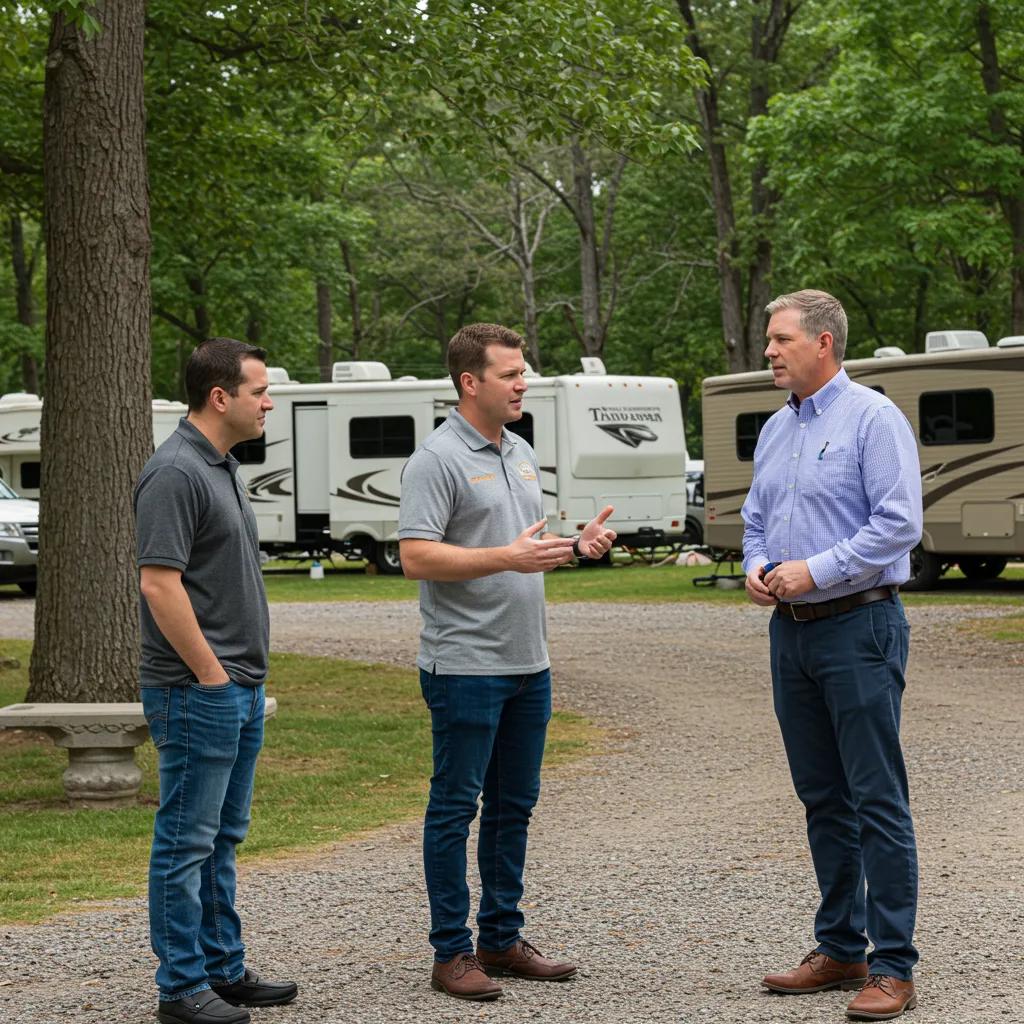
A specialized campground broker adds significant value by providing a targeted buyer network, realistic comparables, and negotiation experience specifically tuned to outdoor hospitality transactions. They skillfully position site attributes to operator buyers—highlighting NOI-driven returns and amenity strengths—often resulting in stronger offers and shorter marketing periods than generalists. A veteran specialist also expertly manages confidentiality and vetting to preserve guest goodwill and owner privacy throughout the listing period. Understanding these value-adds helps owners prioritize evidence of past performance when screening agents.
Knowing common selection mistakes can prevent costly errors; the following subsection identifies what to avoid when choosing representation.
What Are Common Mistakes Owners Make When Selecting an Agent?
Owners frequently hire generalist realtors, prioritize the lowest commission over demonstrated performance, or fail to verify a broker’s campground transaction history. Any of these can reduce sale proceeds and extend timelines. Other common mistakes include accepting vague buyer lists, skipping reference checks, and under-documenting operational financials before listing. Avoid these pitfalls by requesting transaction summaries, case studies, and specific buyer-network examples from any broker you are considering. This preparation significantly improves the odds of a smooth sale and prepares owners for the interview steps outlined later.
What Key Qualities Should You Look for in a Campground Real Estate Agent or RV Park Broker?
A top campground agent combines niche specialization, a verifiable track record, strong local market knowledge, and transparent fee structures to deliver superior outcomes for sellers. Specialization in campground and RV park sales is crucial because these transactions rely on specialized comps, unique buyer motivations, and operational due diligence that general commercial brokers may not fully grasp. Assessing an agent’s proof points—transaction lists, references, and sample marketing materials—allows owners to distinguish capable specialists from inexperienced providers. Confirming these qualities ensures alignment between your seller goals (net proceeds, timeline, legacy preservation) and the broker’s execution.
To help owners map traits to outcomes, the table below clarifies why each trait matters and the seller benefit or indicator to request.
This trait-to-benefit mapping shows which proofs to request when vetting brokers and prepares owners for the interview steps that follow.
Below is a concise checklist owners can use during vetting to prioritize these traits.
- Confirm specialization in campground or RV park transactions with examples.
- Request regional references or case studies, especially for your market.
- Ask for a written marketing plan and buyer qualification process.
Use this checklist to structure interviews and to transition into detailed valuation conversations in the next section.
After evaluating traits, some owners may prefer to bypass brokers entirely; later we explain when a direct sale to a buyer is appropriate and how that alternative compares.
How Do Campground Valuation Methods Influence Your Choice of Real Estate Agent?
Valuation methods—NOI (net operating income), cap rate, and market comparables—define price expectations for campground owners and determine the type of agent expertise required to position your park effectively. NOI summarizes recurring operating performance, cap rate translates NOI into a market value estimate, and comparables calibrate price relative to similar properties. An agent who masters these metrics will present the property to buyers with credible financial narratives. Agents who can produce transparent NOI calculations and justify cap rate selection improve buyer confidence and reduce renegotiation. Choosing an agent who explains and applies these valuation methods aids accurate pricing and stronger offers.
Below is an EAV-style comparison showing how valuation metrics vary by campground type and which attributes most influence value.
This comparison highlights how different site attributes change which valuation metric dominates and why an agent must tailor their approach to your property type.
A short numeric example illustrates NOI-to-value mechanics in practice and targets the “how is a campground valued” question.
- Example: Annual NOI = $150,000.
- If market cap rate = 8%, estimated value = NOI / cap rate = $150,000 / 0.08 = $1,875,000.
- Adjust comparables and site attributes (amenities, occupancy) to refine the final price.
This worked example shows the straightforward relationship between NOI and cap rate; the next subsection explains how agents should use these tools to maximize value for sellers.
What Are the Main Valuation Metrics: NOI, Cap Rate, and Market Comparables?
NOI (net operating income) equals gross operating revenue minus operating expenses and is the foundational cash-flow metric buyers use to assess investment return. Cap rate expresses expected investor yield as NOI divided by property value; lower cap rates imply higher valuations for equivalent NOI, and market comparables help triangulate cap rates with real transactions. An experienced campground broker calculates verifiable NOI, justifies cap-rate selection with regional market data, and adjusts comparables for site-specific amenities. Understanding these definitions enables owners to review offers and counteroffers with clarity.
How Should an Agent Help You Understand and Maximize Your Campground’s Value?
A competent agent helps owners identify high-ROI improvements, clean up financial presentation to improve verifiable NOI, and position the property to the right buyer segment (operator vs investor). Practical steps include suggesting targeted capex that increases nightly rates or occupancy, organizing historical occupancy and revenue data for due diligence, and creating a marketing packet that highlights EBITDA drivers. Agents who can quantify uplift from modest investments typically produce better outcomes than those who only post a listing. Clear, agent-led improvement plans reduce buyer skepticism and strengthen negotiating leverage.
What Role Does Market Trend Knowledge Play in Accurate Valuation?
Market trends—investor appetite, recent cap-rate compression or expansion, and regulatory shifts—change valuation benchmarks and buyer financing conditions. Agents who track these trends set realistic expectations. For example, in current market conditions, owners should expect cap rates to vary by region and buyer type, and an agent’s regional data helps select an appropriate cap-rate range. Agents who can explain trend-driven adjustments reduce the risk of overpricing and missed opportunities. This market-context orientation naturally informs the interview questions owners should ask, covered in the following section.
What Are the Steps to Effectively Evaluate and Interview Potential Campground Brokers?
A structured interview process helps owners compare offerings objectively: prepare financials, request marketing and buyer-network samples, use standardized questions, and score proposals using a simple rubric. Begin with document prep (P&L, occupancy, site maps), then schedule interviews with a consistent set of questions to benchmark responses. Evaluate proposals on marketing reach, buyer vetting, due-diligence support, and transparent fees; scoring each area isolates strengths and weaknesses. This stepwise approach produces defensible selection decisions and reduces emotional bias during negotiation.
The table below organizes interview questions, what they reveal, and red flags or good-answer examples to streamline preparation.
Using a standardized rubric ensures apples-to-apples comparisons and leads directly into sample evaluation steps described next.
Below is a numbered step list owners can follow when conducting interviews to stay organized and consistent.
- Gather core documents (P&L, occupancy, site plans) before interviews.
- Use a fixed set of questions for every broker and take structured notes.
- Score each broker on marketing, buyer access, due diligence support, and fees.
These practical steps prevent surprises and prepare owners to spot red flags, which the next subsection details.
Which Questions Should You Ask to Assess Agent Expertise and Fit?
Ask targeted questions about similar transactions, buyer networks, sample marketing materials, and the agent’s negotiation and due-diligence support to gauge competency and cultural fit. Phrasing examples include: “Show me three closed deals like mine,” and “How will you qualify buyers while protecting confidentiality?” Strong answers include verifiable transaction details, clear marketing timelines, and specific due-diligence checklists. Weak answers are evasive, lack specifics, or prioritize commission details over process. These questions set the stage for objective comparison among proposals.
How Can You Compare Broker Services and Support Offerings?
Compare proposals by scoring marketing reach, buyer vetting, confidentiality protections, and post-offer closing assistance to identify which broker delivers the best overall value for your objectives. Request written marketing plans, sample buyer outreach templates, and examples of how offers were negotiated to closing. Evaluate whether higher fees are justified by demonstrated buyer access or faster timelines. A simple numeric score across categories helps balance cost against expected outcomes.
What Red Flags Should You Watch for When Choosing an Agent?
Red flags include no documented campground deals, unverifiable buyer lists, vague marketing plans, and poor communication responsiveness—each of which increases transaction risk and timeline uncertainty. If an agent promises specific prices without supporting data, treat claims skeptically and ask for comparables or closing statements. Mitigate risk by requesting references, verifying transaction documents, and using a short-list of vetted brokers. Careful vetting reduces the chance of costly missteps and leads into how testimonials and case studies can be validated.
How Do Testimonials and Case Studies Inform Your Decision?
Testimonials and case studies are helpful but require verification through references and supporting documents like closing statements or contactable seller references to confirm outcomes. Ask for reference calls with prior sellers and request redacted closing documents when appropriate to substantiate claimed results. Favor brokers who provide transparent case studies that include timelines, sale price range, and described improvements. Verified case evidence clarifies what to expect and supports confident selection decisions.
When Should You Consider Selling Directly to a Buyer Like GatherGrounds Resorts Instead of Using an Agent?
Selling directly to a buyer is an alternative when speed, certainty, confidentiality, or legacy preservation outweigh the potential advantages of broad-market exposure. Direct acquisition suits owners prioritizing near-term certainty or low-disruption transitions. Direct buyers typically reduce marketing overhead, minimize showings, and centralize negotiation, which can shorten timelines and preserve guest goodwill. For owners considering a direct sale, understanding the buyer’s valuation approach, timeline expectations, and cultural fit is essential. Below we compare advantages and show how a specific buyer model approaches acquisitions.
First, a quick list summarizes direct-sale advantages for owners evaluating alternatives.
- Faster timeline due to fewer marketing steps and a single buyer negotiation.
- Greater confidentiality with reduced public listing exposure.
- Potentially smoother operational handoff with single-party transition planning.
These benefits set the stage for how GatherGrounds Resorts positions its acquisition approach and seller benefits.
What Are the Benefits of Direct Acquisition Compared to Brokered Sales?
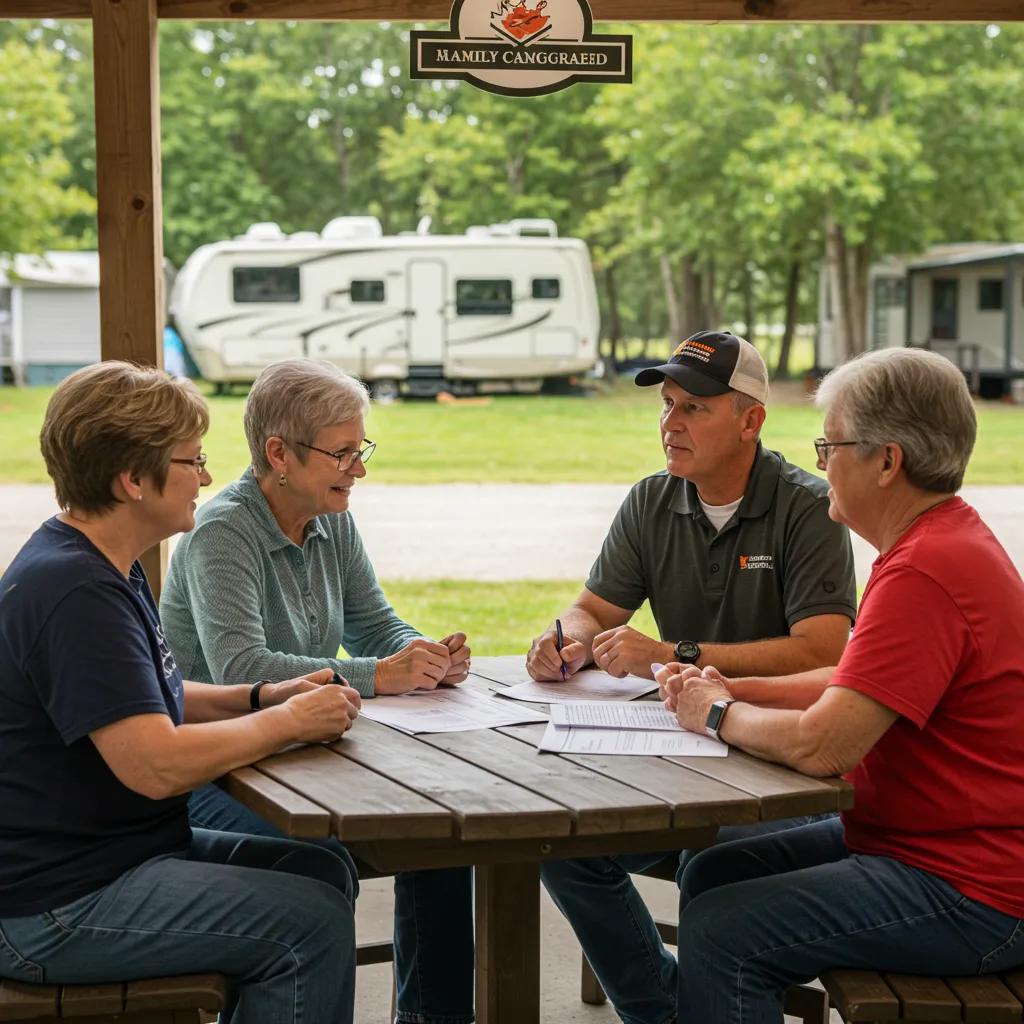
Direct acquisition benefits include speed, reduced transaction complexity, and fewer contingencies, which often result in lower stress for owners and a simpler closing process. Owners trading potential maximum exposure for certainty can avoid protracted listing periods and multiple showings that disrupt operations. Direct buyers can also coordinate transition plans that preserve guest relationships and staff continuity, which matters to legacy-focused owners. Evaluating these trade-offs helps owners decide whether to list widely or pursue a direct discussion.
How Does GatherGrounds Resorts Preserve Legacy and Family Values in Acquisitions?
GatherGrounds Resorts’ service of acquiring campgrounds and RV parks directly from owners emphasizes family-owned values, direct owner-to-owner communication, and a commitment to preserving the heart and soul of acquired properties. The buyer positions itself as a small, close-knit team rather than a large investment firm, highlighting reinvestment plans and continuity of traditions as central seller benefits. This approach appeals to owners who prioritize legacy preservation and desire a low-pressure transition that maintains guest goodwill. Asking specific questions about reinvestment plans and continuity commitments helps verify these claims during initial conversations.
What Is the Typical Timeline and Process for Selling Directly?
A direct sale timeline commonly ranges from an initial conversation and NDA through due diligence to closing, often achieving completion in thirty to one hundred twenty days depending on financing and inspections. Early milestones include an initial information exchange and site visit, a letter of intent, focused due diligence on NOI and site systems, and negotiation of purchase terms. Sellers should prepare the same documentation used for agent-led sales—P&Ls, occupancy data, site plans—to accelerate review. Clear timelines and single-point negotiation reduce the coordination burden on owners.
How Can Direct Sales Reduce Stress and Complexity for Campground Owners?
Direct sales reduce stress by minimizing public marketing, limiting showings, and providing a single buyer contact to manage due diligence and transition logistics. Owners benefit from fewer operational interruptions and more direct conversations about preserving community ties and staff continuity. A buyer that communicates directly with owners can also coordinate reinvestment and transition plans tailored to the property’s culture. Preparing organized documentation and defining clear transition expectations keeps the process efficient and owner-focused.
How Can You Prepare Your Campground for Sale to Support a Successful Agent-Led Transaction?
Preparation improves offers and shortens timelines: organize financial statements that support verifiable NOI, compile site documentation (site maps, permits), and identify small, high-ROI improvements that increase buyer confidence. Clean, well-structured P&Ls and occupancy reports demonstrate reliable cash-flow, while up-to-date site plans and maintenance records reduce friction during due diligence. Prioritizing improvements that affect revenue—improving hookups, repairing cabins, or upgrading reservation systems—often yields better returns than cosmetic upgrades. These steps lay the groundwork for the marketing and negotiation phases described earlier.
The table below lists essential documents owners should organize and why each matters in the sale process.
This documentation table helps owners see which records accelerate buyer review and strengthen price justification.
Below is a short list of high-ROI property enhancements owners should consider prioritizing before marketing.
- Repair and test utility hookups and septic to reduce inspection contingencies.
- Update reservation and payment systems to improve buyer perception of operations.
- Address safety and compliance items (permits, signage) to avoid closing delays.
Executing these targeted improvements pairs with effective presentation tactics explained next.
What Documentation and Financial Records Should You Organize?
Organize reconciled P&Ls, tax returns, occupancy reports, site maps, permits, and maintenance logs so buyers can verify NOI and operational assumptions quickly. Presenting a concise information packet with a summary NOI schedule, three-year occupancy trendlines, and a redacted lease or cabin rental agreements streamlines due diligence. Missing or inconsistent documentation creates buyer skepticism and lengthens negotiation, so resolving discrepancies before marketing increases credibility. Well-prepared financials also support discussions about 1031 exchanges and tax planning with advisors.
How Can Property Enhancements and Amenities Impact Buyer Interest?
Amenities such as full hookups, rentable cabins, playgrounds, and trail access influence buyer segmentation and can significantly affect pricing when they drive ancillary revenue. Buyers evaluating operator returns prize features that improve nightly rates or occupancy. Small investments that increase revenue-per-site often yield better return-on-investment than broad cosmetic work. Present amenities with performance data—rental rates, utilization—to demonstrate economic impact. Framing amenity improvements around NOI uplift helps justify price expectations to buyers.
What Are Best Practices for Presenting Your Campground to Potential Buyers?
Present the property with high-quality photos, an accurate site map, a concise marketing packet, and a clear confidentiality process to protect operations during marketing. Use virtual tours and anonymized teasers to attract qualified buyers while requiring NDAs for detailed information. Organize showing protocols that limit disruptions and provide guided tours focused on revenue drivers and operational strengths. A professional presentation reduces buyer questions and builds trust, leading into the FAQ content that follows.
Frequently Asked Questions
What should I consider when preparing my campground for sale?
When preparing your campground for sale, focus on organizing financial statements, site documentation, and identifying high-ROI improvements. Ensure your P&L and occupancy reports are clear and accurate, as they demonstrate reliable cash flow. Additionally, consider enhancing amenities that can increase buyer interest, such as improving utility hookups or updating reservation systems. A well-prepared property not only attracts more buyers but also helps justify your asking price during negotiations.
How can I ensure my campground’s value is accurately represented?
To ensure your campground’s value is accurately represented, work with a specialized broker who understands the unique valuation metrics for campgrounds, such as NOI and cap rates. Provide them with comprehensive financial records and site details to support their valuation. Additionally, consider making minor improvements that can enhance revenue potential, as these can significantly impact perceived value. A knowledgeable agent will help present your property in the best light to potential buyers.
What are the advantages of using a specialized campground broker over a general realtor?
A specialized campground broker offers several advantages over a general realtor, including a deeper understanding of campground-specific valuation metrics, buyer motivations, and operational complexities. They have access to a targeted network of potential buyers and can effectively market your property to the right audience. Their expertise in navigating regulatory issues and unique challenges associated with campground sales can lead to quicker transactions and better financial outcomes for sellers.
How do I evaluate the performance of a campground real estate agent?
To evaluate the performance of a campground real estate agent, request a detailed transaction history that includes similar campground sales. Look for evidence of successful negotiations and satisfied clients through testimonials or references. Additionally, assess their marketing strategies and buyer qualification processes. A good agent should provide a clear plan for how they will market your property and attract qualified buyers, ensuring that their approach aligns with your selling goals.
What role does local market knowledge play in selling a campground?
Local market knowledge is crucial when selling a campground, as it influences pricing strategies, marketing approaches, and buyer expectations. An agent with strong local expertise understands seasonal demand patterns, zoning regulations, and competitive properties in the area. This knowledge allows them to set realistic price expectations and tailor marketing efforts to attract the right buyers. Ultimately, a well-informed agent can help maximize your campground’s value and streamline the selling process.
What are the potential risks of selling a campground without an agent?
Selling a campground without an agent can pose several risks, including mispricing the property, inadequate marketing exposure, and navigating complex legal and regulatory requirements alone. Without a specialized broker, you may struggle to attract qualified buyers or effectively negotiate terms. Additionally, the lack of professional guidance can lead to oversights in due diligence, potentially resulting in delays or complications during the sale process. Engaging a knowledgeable agent can mitigate these risks and enhance your selling experience.
How can I maintain confidentiality during the sale of my campground?
To maintain confidentiality during the sale of your campground, work with a broker who prioritizes privacy and has established protocols for buyer vetting. Use non-disclosure agreements (NDAs) to protect sensitive information when sharing details with potential buyers. Additionally, consider anonymizing marketing materials to prevent public exposure of your campground’s identity. A specialized agent will understand the importance of confidentiality and implement strategies to safeguard your interests throughout the selling process.
Is There a Realtor Specializing in Campgrounds and RV Parks?
Yes—specialist brokers and campground broker specialists exist and focus exclusively on outdoor hospitality and campground transactions, offering niche marketing channels and buyer lists. To find them, ask for transaction lists, regional references, and sample marketing materials that demonstrate experience in campground or RV park sales. Verify claims by requesting contactable seller references and redacted closing documents when possible. This verification ensures the broker has executed deals similar to your property and reduces the risk of misaligned expectations.
How Long Does It Typically Take to Sell a Campground Using an Agent?
The typical agent-led campground sale ranges from six months to a year, influenced by pricing accuracy, market demand, property size, and buyer financing timelines. Proper preparation—organized NOI data, site documentation, and a targeted marketing plan—can shorten time-to-close, while pricing above market or incomplete records extend it. Expect periods for marketing, negotiations, due diligence, and closing, and plan operations around those milestones. Understanding timeline drivers helps owners choose the sales path that best fits their life and retirement plans.
How Do Agent Commissions Compare to Direct Sale Costs?
Agent commissions typically represent a percentage of sale price and are the primary cost of brokered sales, while direct sales trade commission costs for potential differences in sale price and transaction certainty. Comparing net proceeds requires estimating market price under an agent-led process versus an offer from a direct buyer, then factoring typical commission percentages and closing costs. Owners should weigh the trade-off between potential higher sale prices from broad marketing and the reduced uncertainty and faster timeline of a direct acquisition. This trade-off determines whether to list broadly or pursue a direct conversation with a buyer.
What Should I Know About 1031 Exchanges and Other Financial Considerations?
A 1031 exchange can defer capital gains tax by reinvesting proceeds into like-kind property, but it requires strict timelines and professional tax and legal counsel to execute properly. Discuss 1031 exchange feasibility with qualified advisors early, and coordinate with your broker or buyer to ensure timing aligns with exchange rules. Other considerations include financing contingencies, seller financing options, and allocation of closing costs—areas where specialized brokers can provide transaction-level guidance. Early advisor engagement reduces tax risk and supports strategic sale structuring.
For owners weighing next steps, a final note on direct-sale options: GatherGrounds Resorts offers a no-pressure, direct-acquisition approach for owners who prefer owner-to-owner conversations and legacy-preserving transitions. Specifically, GatherGrounds Resorts’ service of acquiring campgrounds and RV parks directly from owners emphasizes family-owned values, direct communication, and commitments to reinvestment and guest goodwill. If preserving tradition, minimizing disruptions, or accelerating timeline is a priority, initiating a confidential conversation with a buyer like that service can clarify whether a direct sale suits your goals while preserving negotiation flexibility with agents.
Conclusion
Choosing the right campground real estate agent is essential for maximizing your sale’s value and ensuring a smooth transaction process. By understanding the unique challenges and benefits of specialized brokers, owners can make informed decisions that align with their goals. Take the next step in your selling journey by exploring our resources or contacting a qualified agent today. Your campground’s legacy deserves the best representation possible.