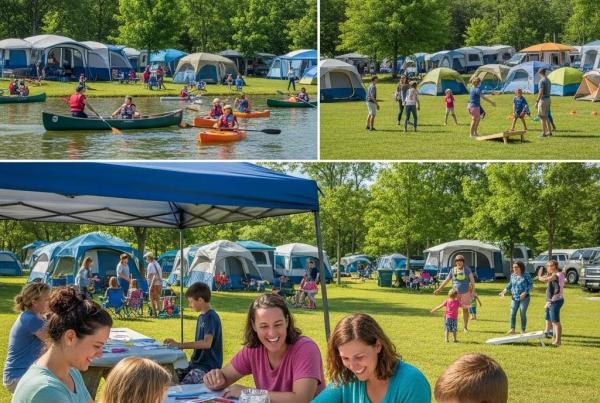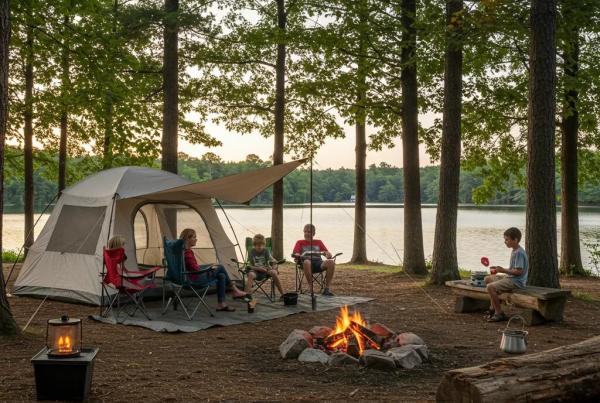


“`html
Understanding Pet Friendly Camping Cost Comparison: Why Pet Friendly Camping Is Often More Expensive Than Traditional Campgrounds
Bringing your furry friends along means allowing pets—most commonly dogs—onto sites like RV spaces, tent sites, or certain cabins. Pet-friendly camping also means providing amenities and services designed for their safety and enjoyment. This guide dives into whether pet-friendly camping costs more than traditional campgrounds, why fees exist, and what pet owners get for that extra charge. Many campers weighing whether to bring a dog face hidden costs, unclear policies, and a desire for on-site amenities that make trips smoother. This guide addresses those concerns with practical comparisons, policy guidance, and budgeting tips. You’ll find explanations of operational cost drivers, a property-specific review of Walnut Hills Family Campground’s pet policies, direct cost comparisons between pet and non-pet stays, a benefits analysis of pet amenities, and concrete money-saving tactics for trips with pets. Throughout, keywords like cost to bring dog camping Durand Michigan, Michigan pet friendly campground prices, and value of pet friendly campgrounds are used to help readers compare options and decide when the premium is justified.
Why Do Campgrounds Charge Pet Fees? Explaining Pet Friendly Camping Costs
Pet fees are charged to cover the additional operational, amenity, and liability costs associated with permitting animals on-site. These fees allow campgrounds to maintain pet-specific infrastructure and cleanliness standards. Charging pet fees helps facilities cover increased cleaning cycles, additional waste removal, and maintenance of dog areas, all while keeping general rates transparent for guests without pets. This mechanism balances customer choice—allowing pets—against the practical costs of providing pet-specific services and reduces cross-subsidization between pet and non-pet guests.
The following subsections break down operational costs, how amenities affect pricing, and typical fee ranges so readers can spot what drives price differences.
What Operational Costs Justify Pet Fees at Campgrounds?
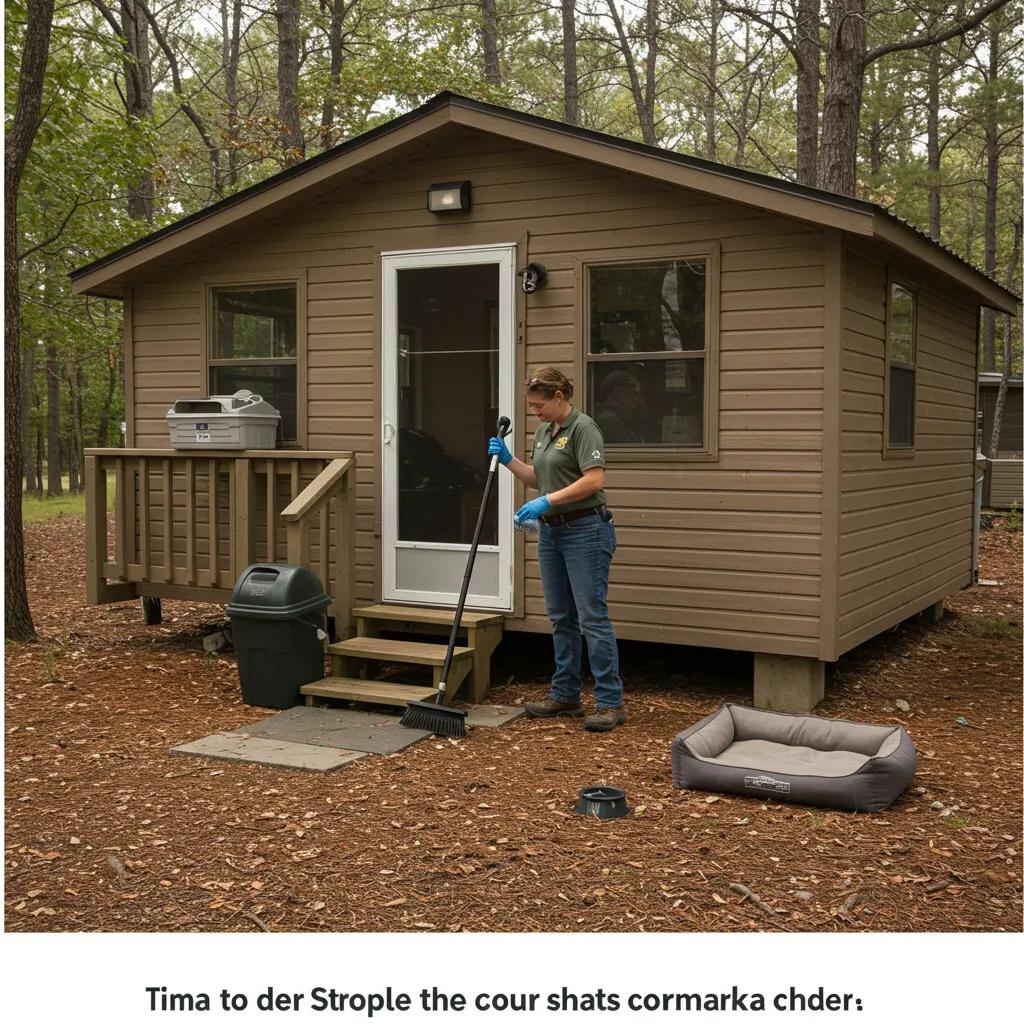
Operational costs that justify pet fees include extra cleaning, more frequent waste disposal, staff time for monitoring pet areas, and specific sanitation supplies that reduce wear on general facilities. Deep-clean cycles for pet-occupied cabins and RV pads require additional labor and materials, and odor-control measures often increase housekeeping time after stays. Campgrounds may also incur higher insurance premiums or administrative costs tied to pet policies and enforcement, which are difficult to absorb without a designated fee. Understanding these line items clarifies why pet fees exist and how they keep overall site rates balanced for all guests.
How Do Pet Amenities Affect Camping Prices?
Pet amenities such as fenced dog parks, pet-focused trails, and waste station networks require upfront capital and ongoing upkeep. These costs are often recouped through pet fees or slightly higher nightly rates for pet-allowed sites. Building a secure dog park involves fencing, appropriate surfacing, and regular maintenance, while trails need signage and seasonal care. These expenses are recurring and scale with usage. When campgrounds promote pet amenities, they attract pet-owning guests willing to pay for convenience and safety, which supports modest premium pricing.
Recognizing amenity-driven costs helps campers evaluate whether a higher price reflects tangible value.
What Are Typical Pet Fee Ranges at Campgrounds?
Typical pet fee ranges vary widely but generally fall into low, mid, and high categories depending on amenities, campground type, and location. This variability explains much of the booking-time sticker shock.
Below is a quick list to illustrate typical ranges and influencing factors.
- Low-range: Small nightly charges for basic pet permissions and waste handling.
- Mid-range: Moderate fees that include access to dog parks and routine maintenance.
- High-range: Higher surcharges for premium pet amenities, cabins, or high-demand seasons.
Pet fee amounts depend on local market pricing, campground amenities, and whether the provider is private or public. See the property policy section below for how a specific campground posts current fees.
After outlining why fees exist, the next section summarizes a real-world property policy so readers can see how these principles apply at a specific family-owned site.
What Is Walnut Hills Family Campground’s Pet Policy and Fee Structure?
Walnut Hills Family Campground permits pets in many on-site accommodations and manages pet-related operational practices to keep spaces clean and enjoyable for all guests while maintaining clear rules for owners. As GatherGrounds Resorts’ flagship Durand, Michigan location, Walnut Hills documents pet responsibilities such as leash expectations and waste removal and specifies which site types accept pets. Readers should consult the campground’s reservation system or pet policy pages for current per-night fee details. The general business approach emphasizes reinvesting revenue from pet accommodations into amenities and maintenance that benefit pet owners and the broader guest community. For booking, guests are advised to select pet-friendly accommodations during reservation to ensure compliance with site-specific rules and availability.
How Much Is the Pet Fee Per Night at Walnut Hills?
Walnut Hills posts pet fee information through its reservation and policy channels rather than embedding fixed rates in every informational page, so exact per-night fees should be checked at booking for accuracy and any seasonal variation. Because fees may change for holidays or special events, the most reliable method is to view the reservation details when selecting a pet-friendly RV site, tent site, or cabin. The campground’s transparency about pet rules and where to find fees supports clear expectations for guests planning a trip with animals. If current fees are not visible, contacting the reservation team via the campground’s official channels confirms the per-night cost before arrival.
What Are the Rules and Restrictions for Pets at Walnut Hills?
Walnut Hills enforces common-sense rules that prioritize safety and cleanliness: pets must be supervised, owners are expected to promptly remove waste, and quiet-hour considerations apply to prevent disturbances for other guests. These practical restrictions protect wildlife, maintain sanitary grounds, and limit liability while enabling a welcoming pet-friendly environment for families. The policy framework balances freedom for pets to enjoy designated areas with responsibilities for owners to maintain standards and reduce facility wear. Guests should review specific restrictions on the campground’s pet policy page when reserving a site to ensure full compliance.
Which Accommodations at Walnut Hills Allow Pets?
Walnut Hills accepts pets across multiple accommodation types—RV and tent sites and select cabins—though certain unit listings may exclude pets, so checking site descriptions during booking is essential. When a cabin or site allows pets, the listing typically notes any size or breed restrictions and whether additional cleaning surcharges apply, helping guests choose the right space. Reservation guidance recommends selecting a labeled pet-friendly accommodation and noting pet counts during the booking process to ensure adequate space and amenity access. This practice reduces surprises at check-in and helps the campground plan staffing and maintenance for pet stays.
How Does Pet Friendly Camping Cost Compare to Traditional Campgrounds?
Pet-friendly camping costs compare to traditional campgrounds by combining the base nightly rate with any pet fee and considering the value of pet-specific amenities versus the often lower base rate of non-pet sites. In many cases, the total cost (nightly rate plus pet fee) exceeds that of a comparable non-pet site, but exceptions exist when pet-inclusive amenities reduce external costs like dog-sitting or off-site exercise fees. Understanding when the differential is material requires looking at site type, included amenities, and whether the campground is private or public. The brief comparison table below outlines sample cost attributes for quick decision-making.
What Are the Price Differences Between Pet Friendly and Non-Pet Sites?
A direct price difference usually equals the pet fee plus any accommodation surcharge. For example, a pet-friendly RV site may carry a small nightly pet fee, while a non-pet site keeps only the base rate. Other drivers that widen the gap include cabin cleaning surcharges and amenity premiums where private campgrounds add fees tied to dog-park upkeep. However, when non-pet campers would otherwise pay for off-site pet care or park access, a pet-friendly campground’s inclusive amenities can narrow effective price differences. Evaluating the total trip cost—fees plus avoided external costs—gives a clearer comparison than looking at nightly rates alone.
How Do Amenities Influence Price Variations?
Amenities influence price variations by changing perceived and actual value. A campground with a maintained dog park and pet-friendly trails delivers conveniences that many owners are willing to pay for, which supports premium pricing. Amenities reduce the need for additional services such as paid dog-walking or off-site exercise areas, so the effective cost of a pet-friendly stay can be lower than it appears when factoring those savings. Amenity-driven demand allows campgrounds to price pet-friendly sites higher because those sites solve practical problems for pet owners. Recognizing this relationship helps campers decide whether the amenities justify the premium.
Are Private Campgrounds More Expensive Than Public Ones for Pet Owners?
Private campgrounds typically charge more than public ones because they invest in amenities, staffing, and marketing that enhance guest experience. Pet-friendly private sites often add targeted services that increase costs. Public campgrounds usually offer lower fees and more basic access, which suits budget-focused campers willing to forgo on-site dog parks or organized pet events. Choosing between private and public options depends on whether the camper values convenience, community events, and maintained pet spaces over the lower baseline cost of public lands. This trade-off frames practical booking decisions for pet owners seeking the best balance of price and amenity.
What Value Do Pet Owners Get for Paying Extra at Pet Friendly Campgrounds?
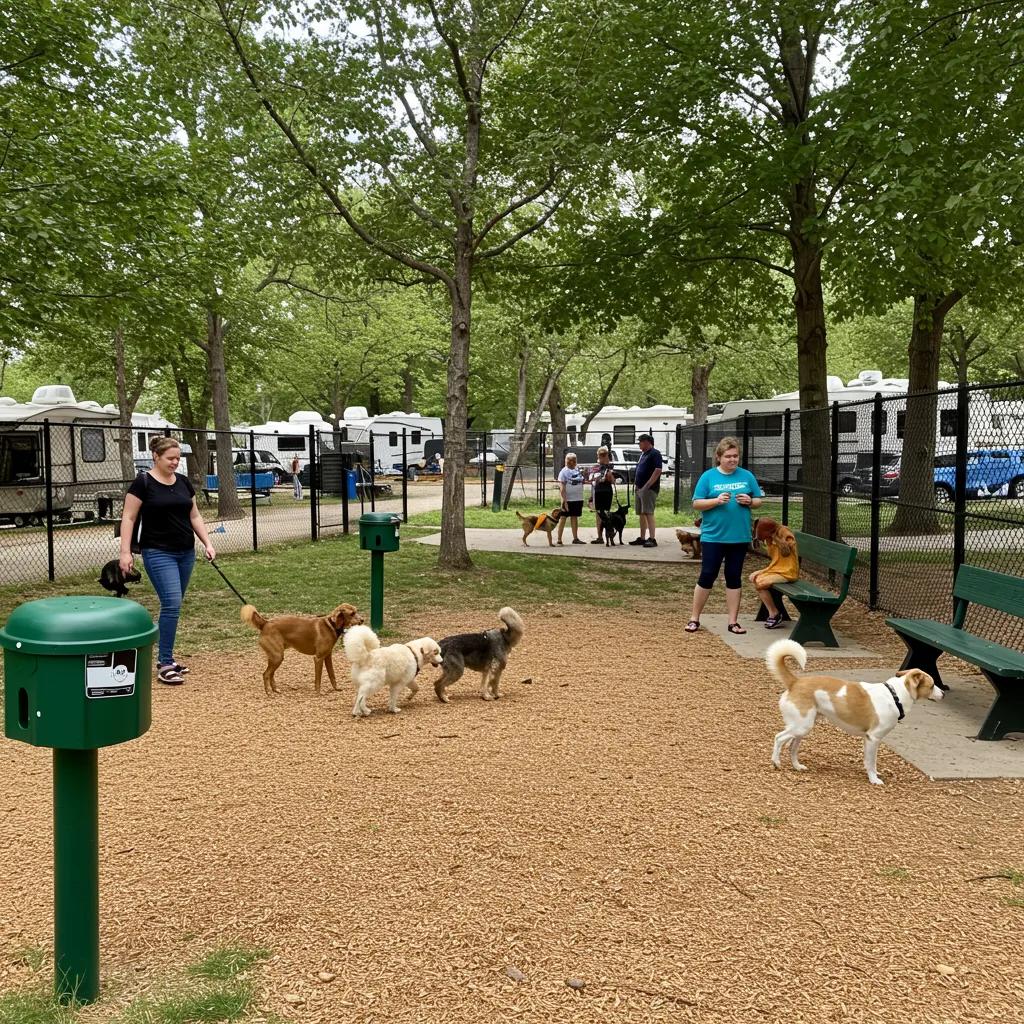
Paying extra at pet-friendly campgrounds delivers tangible conveniences that improve safety, reduce logistical friction, and create social opportunities. Many owners consider these worth the premium when comparing total trip experience. Key value areas include access to secure exercise areas, trails that allow off-leash or supervised exercise where permitted, and organized pet-focused events that foster community and reduce the burden of finding pet care. These benefits translate to less stress, more recreation for animals, and a smoother stay, which often justifies modest additional spending.
The table below summarizes common pet amenities, their maintenance drivers, and guest benefits.
These amenities represent direct value for pet owners and explain why many campgrounds allocate pet fees toward their upkeep. Next, concrete examples of how dog parks and events enhance stays are described.
How Do Dog Parks and Pet Trails Enhance the Camping Experience?
Dog parks and pet trails provide exercise, socialization, and convenience that reduce the time and cost of seeking off-site dog care. They also increase safety by offering contained spaces for play. Exercise benefits animals’ behavior and health, which improves the overall experience for owners and other guests by reducing disturbance and stress. On-site trails allow owners to walk pets without transporting them to distant parks, saving travel time and incidental costs. These practical advantages contribute directly to the perceived value of pet-friendly pricing.
What Services and Events Cater to Pets and Their Owners?
Pet services and events—such as group meetups, casual training sessions, and lighthearted contests—create community and add experiential value that standard campgrounds rarely provide, increasing the appeal of pet-friendly properties. Events encourage social bonding among pet owners and often use existing amenities like open fields or lakes, leveraging infrastructure for low incremental cost while raising guest satisfaction. Even occasional programming enhances the sense of return on investment for pet fees, turning a basic stay into a memorable trip. Owners who value social interaction and structured pet activities frequently choose campgrounds that offer these extras.
Why Are Pet Friendly Campgrounds Worth the Premium?
Pet-friendly campgrounds are worth a premium when the convenience, safety, and amenity access meaningfully reduce external costs and logistical burdens, such as hiring pet-sitters or driving to off-site recreation areas. The emotional benefit—reduced worry about leaving a pet behind—combines with practical savings to create a composite value that many owners prioritize over lower base fees. When amenities and policies are well-maintained, the premium becomes an investment in a smoother, more enjoyable trip rather than an avoidable add-on. This value calculus helps campers decide whether to accept a pet fee or seek cheaper non-pet alternatives.
How Can Campers Save Money When Camping with Pets? Tips for Budget-Friendly Pet Friendly Camping
Budget-friendly pet camping focuses on minimizing avoidable costs through preparation, timing, and smart amenity use. These tactics can lower total trip expense while preserving experience quality. The following numbered tips are practical actions to keep pet travel affordable without sacrificing convenience.
- Pack essential pet supplies (food, bowls, waste bags, first-aid) to avoid on-site purchases or fines.
- Book pet-friendly sites early or off-peak to secure lower nightly rates and avoid premium last-minute pricing.
- Use free on-site amenities like a campground dog park or trails to eliminate paid off-site activities or pet care.
These steps produce immediate savings and make pet-friendly stays more cost-effective compared with ad-hoc approaches that accrue surprise expenses.
What Supplies Should You Bring to Avoid Extra Costs?
Bringing essential supplies prevents replacement purchases and potential fines. At a minimum, pack sufficient food, a leash, waste bags, bedding, and a basic first-aid kit tailored for pets. Preparedness also reduces the risk of needing emergency services or replacement gear that can be expensive in remote areas. A concise checklist keeps packing efficient and avoids overbuying while ensuring compliance with campground rules. Being ready at arrival saves money and reduces stress for both owners and pets.
How Does Booking in Advance Affect Pet Friendly Camping Costs?
Booking in advance increases the chance of securing a labeled pet-friendly site at standard rates and avoids premium pricing during high-demand weekends when pet-friendly inventory tightens. Early reservations also let guests select sites closest to pet amenities, improving convenience without additional fees. Watching for off-peak windows and weekday stays often yields lower nightly rates for both pet and non-pet sites. Smart timing is one of the simplest levers to reduce the effective cost of a pet-friendly trip.
Are There Free or Low-Cost Pet Amenities at Walnut Hills?
Walnut Hills provides on-site amenities such as a large dog park and trails that function as free or low-cost resources for guests who bring pets. This reduces the need for paid alternatives and increases trip value. Using these amenities during a stay helps owners avoid external dog-walking services or transportation to distant parks, producing practical savings. Guests should review property guidelines to understand access rules and maximize amenity use while complying with leash and waste policies. These on-site features are a direct example of how pet-friendly infrastructure creates budget advantages for visitors.
Using these amenities strategically reduces external costs and strengthens the case for paying a modest pet fee when the trip includes reliable on-site pet infrastructure.
Frequently Asked Questions
What should I consider when choosing a pet-friendly campground?
When selecting a pet-friendly campground, consider factors such as the campground’s specific pet policies, available amenities, and the types of accommodations that allow pets. Look for features like dog parks, pet trails, and waste disposal stations, which enhance the experience for both you and your pet. Additionally, check for any size or breed restrictions, as well as the campground’s rules regarding supervision and waste management. Reading reviews from other pet owners can also provide valuable insights into the campground’s suitability for your furry friend.
Are there any hidden costs associated with pet-friendly camping?
Yes, pet-friendly camping can come with hidden costs beyond the standard pet fees. These may include additional cleaning surcharges for accommodations, costs for pet supplies, or fees for off-site pet care if the campground lacks adequate amenities. It’s essential to factor in these potential expenses when budgeting for your trip. Additionally, some campgrounds may charge for specific services or events related to pets, so reviewing the campground’s policies and amenities in detail can help you avoid surprises.
How can I ensure my pet is comfortable while camping?
To ensure your pet is comfortable while camping, bring familiar items such as their bedding, toys, and food to create a sense of security in a new environment. Maintain a consistent routine for feeding and walks to help your pet adjust. Additionally, ensure your pet has access to fresh water and shade, especially during hot weather. Familiarize yourself with the campground layout, including pet-friendly areas, and always supervise your pet to keep them safe and comfortable throughout your stay.
What are the benefits of camping with pets?
Camping with pets offers numerous benefits, including the opportunity for bonding and shared experiences in nature. Pets can enhance your outdoor adventures by encouraging more physical activity, such as hiking and playing in open spaces. Additionally, many campgrounds provide pet-specific amenities that cater to your pet’s needs, making the trip more enjoyable for both you and your furry companion. Socializing with other pet owners at the campground can also create a sense of community and shared enjoyment of the outdoors.
How do I find pet-friendly campgrounds in my area?
To find pet-friendly campgrounds in your area, start by using online resources such as campground directories, travel websites, or apps that specialize in pet-friendly accommodations. You can also check local tourism websites or social media groups dedicated to pet owners. Additionally, word-of-mouth recommendations from fellow pet owners can be invaluable. When researching, be sure to read reviews and verify the campground’s pet policies to ensure a suitable experience for you and your pet.
What should I do if my pet has special needs while camping?
If your pet has special needs, it’s crucial to plan ahead to ensure their comfort and safety while camping. Communicate with the campground staff about your pet’s requirements, such as dietary restrictions or mobility issues, to see if they can accommodate those needs. Bring any necessary medications, special food, or equipment, such as ramps or harnesses. Additionally, consider choosing a campground with accessible facilities and nearby veterinary services in case of emergencies, ensuring a worry-free experience for both you and your pet.
Conclusion
Choosing pet-friendly camping allows you to enjoy the great outdoors with your furry companions while accessing valuable amenities that enhance your experience. Understanding the costs associated with pet fees helps you make informed decisions that balance convenience and budget. By exploring options like Walnut Hills Family Campground, you can find the right fit for your needs and ensure a memorable trip. Start planning your next adventure today and discover the joy of camping with your pets!
“`