Your Guide to Seasonal vs. Standard Camping Sites

Choosing the right campsite makes all the difference for your camping adventures. When you clearly understand the practical differences between seasonal and standard camping sites, you can make smarter choices about cost, convenience, and the kind of community you want to be part of. This guide breaks down what seasonal camping means versus standard (or transient) camping, so you can pick the option that truly fits your needs. You’ll learn how seasonal campsite agreements work, what amenities usually come with them, how nightly sites offer more flexibility, and a clear comparison of duration, costs, and what’s best for families. We’ve also included handy checklists and comparison tables, using Walnut Hills Family Campground in Durand, Michigan, as a real-world example. Whether you’re a weekend warrior or a once-in-a-while visitor, knowing these distinctions will help you find the most cost-effective and enjoyable option for your group.

What’s a Seasonal Camping Site and Why Choose One?

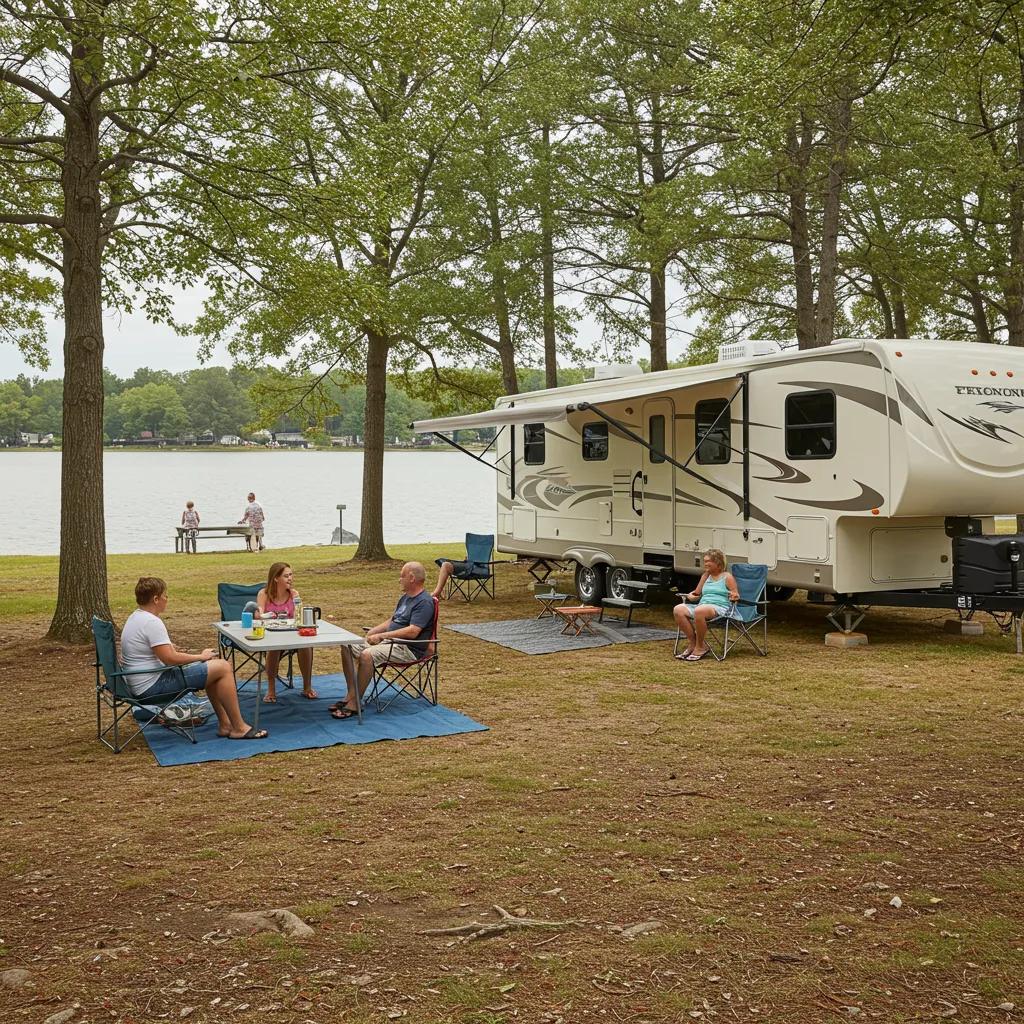
A seasonal camping site is your home away from home for a big chunk of the camping season—think months, not just days. This means your RV or tent can stay put, ready for your next visit without all the packing and setup each time. It works through a seasonal lease or agreement: you pay a long-term fee, and you get to keep your gear there, add some personal touches, and become part of the campground’s community. The biggest perk? Pure convenience. Families get a ready-made base, often with better hookups and closer access to all the fun stuff.

Here are the top reasons campers love seasonal sites:

  • Easy & Consistent: Spend less time packing and unpacking, and more time enjoying your site for repeat weekend getaways.
  • Upgraded Site Features: Often get larger lots, full hookups (water, electric, sewer), and permission for small site customizations.
  • Community & Fun: Build stronger friendships and enjoy recurring family-friendly activities that create a real neighborhood feel.

These benefits naturally lead to thinking about contract terms and rules regarding what you can do to make your site your own.

How Do Campgrounds Define Seasonal Camping?

Seasonal camping is usually defined by a contract that covers a period of several weeks or months, typically matching the campground’s operating season. This contract gives you the right to leave your RV, outdoor furniture, or small storage items on site for the agreed-upon time, which also changes how utilities and maintenance are handled. Seasonal periods can vary by campground and local weather; some run from spring to fall, while others are for specific multi-month blocks. It’s crucial to understand the exact seasonal period and what your lease allows before you commit.

What Amenities and Features Are Common for Seasonal Campsites?

Seasonal sites usually come with more robust infrastructure—often full hookups (water, electric, sewer) or at least reliable electric and water access—plus a bigger site pad and room for storage or minor site enhancements. These features allow the seasonal campsite to feel like a semi-permanent vacation spot for families and longer-term visitors. Being close to key campground attractions like a beach, playgrounds, or waterpark really boosts the value for active families. When you’re looking at options, always confirm which hookups and on-site storage privileges are included in the seasonal agreement.

What Are the Main Perks of Choosing a Seasonal Campsite?

Opting for seasonal camping brings ongoing practical and social rewards: it cuts down on loading and unloading time, helps you make friends with your neighboring seasonal campers, and can often be more cost-effective per visit than booking many separate short-term stays. For families who thrive on routine, the seasonal model offers a stable spot for gear, toys, and kid-friendly setups. Seasonal sites also often give campers priority access to on-site events and community activities that strengthen social bonds. These perks depend on the contract details and what the campground offers, so checking out the event schedule and community vibe is part of the decision-making process.

What Rules and Regulations Apply to Seasonal Camping?

Seasonal camping typically comes with formal rules about how many people can stay, what structures are allowed, and who’s responsible for maintenance, all to keep the campground looking good and safe. Common rules might restrict permanent building, limit storage to approved containers, require current RV insurance, and set standards for how children and pets behave. Campgrounds might also have rules about transferring or reselling seasonal leases and specify what needs to be removed when the season ends. Always read the seasonal lease terms carefully, paying attention to termination clauses, payment schedules, and rules about modifications, so you know exactly what you’re signing up for.

What Is a Standard Camping Site and Why Pick It?

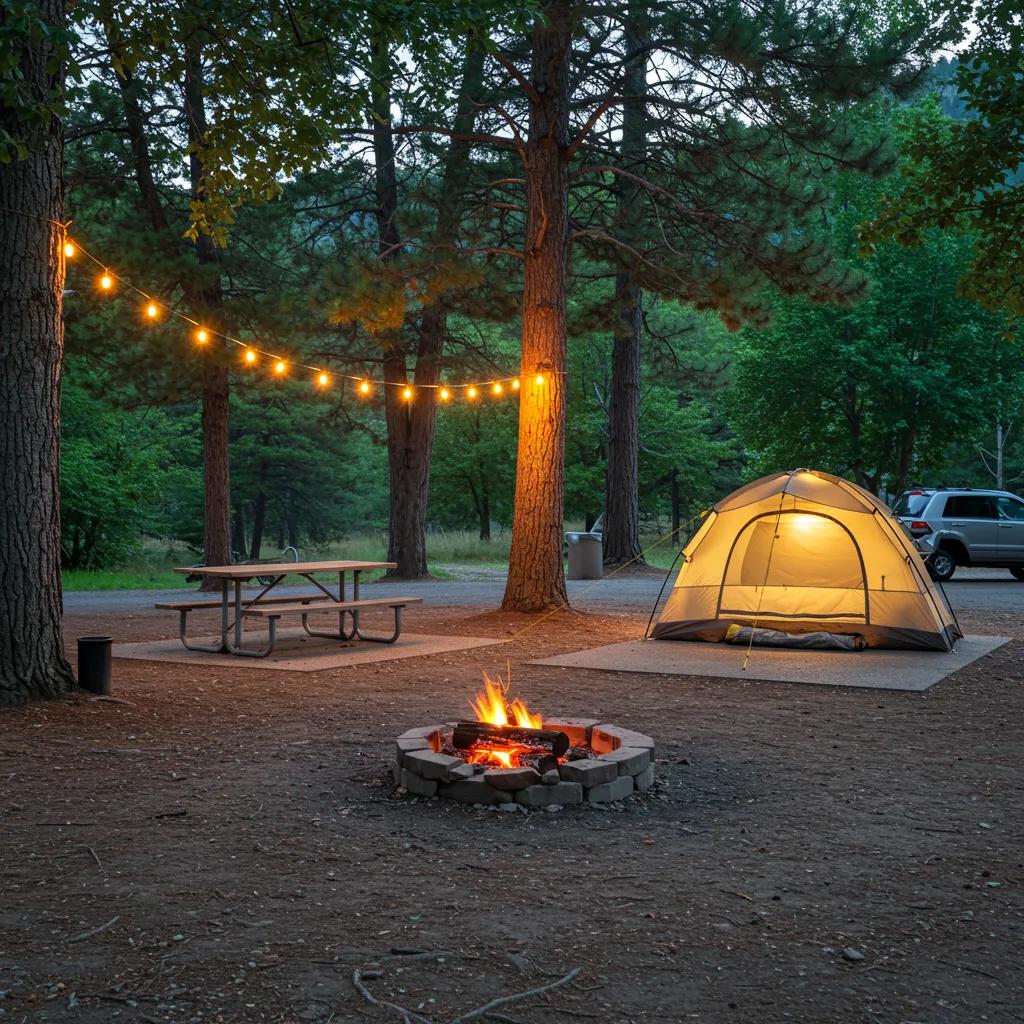
Standard camping site with a tent, campfire, and picnic table, highlighting the flexibility of transient camping

A standard camping site—often called a transient or nightly site—is for short-term stays. It gives you flexible access to a campground for one or a few nights, letting you easily move between locations and try out different parks. The process is simple: book by the night or week. Utilities can range from basic spots for tents only to RV pads with water and electric hookups; sewer access is less common for these sites. The main advantage? Flexibility. Transient camping is perfect for exploring and sticking to varied itineraries without any long-term commitment. Here are the core benefits of standard sites for families and travelers.

Standard campsite advantages include:

  • Flexibility & Variety: Easily change your plans, hop between different campgrounds, or explore new regions.
  • Low Commitment: No long-term lease or seasonal payment needed for short visits.
  • Spontaneous Travel Ready: Great for weekend trips and vacations where visiting multiple spots is key.

These strengths make transient sites ideal for families who love to explore or for those wanting to test out a campground before thinking about a seasonal arrangement.

How Is Standard Camping Defined and What’s the Usual Stay Length?

Standard camping is defined by transient bookings—overnight stays that can last from a single night up to a week—booked on a nightly or weekly basis. During peak season, availability and prices can change, so many families book their sites well in advance for holidays or special events to snag their preferred spots. The transient model is set up for high turnover and works best for travelers who need short-term access without leaving gear on site. Understanding the typical length-of-stay norms helps families plan around events and school schedules.

What Amenities Are Common in Standard Camping Sites?

Standard sites can range from basic tent spots with minimal facilities to RV pads offering water and electric hookups; some parks have shared sewer dump stations instead of individual hookups. Shared amenities like bathhouses, restrooms, and a campground store are common, and being close to playgrounds, lakes, or activity centers is often a big factor for families. When comparing standard RV pads to tent sites, pay attention to the differences in available power levels, ground surface, and how close restrooms are.

What Are the Advantages of Standard Camping Sites?

Standard sites offer practical benefits like a lower upfront cost for occasional users and the freedom to move between campgrounds, which can add variety for adventurous families. Short-term stays mean no long-term obligations, and transient campers can take advantage of seasonal deals or off-peak rates. Families can also try out a campground’s amenities and event calendar before committing to a seasonal spot. These advantages make transient camping a low-risk choice for those who aren’t sure about long-term commitments.

How Does the Booking Process Work for Standard Sites?

Booking a standard site usually involves checking if your desired dates are available, picking your site type (tent, RV electric, RV full hookup if offered), paying a nightly rate with a deposit if needed, and reviewing the cancellation policy. For busy weekends and family events, book early and double-check site-specific details like power ratings and vehicle limits. Common booking tips include being flexible with your dates, choosing mid-week stays to save money, and confirming pet policies before you arrive. Clear booking steps and cancellation expectations help families avoid surprises and secure their preferred site locations.

How Do Seasonal and Standard Camping Sites Compare?

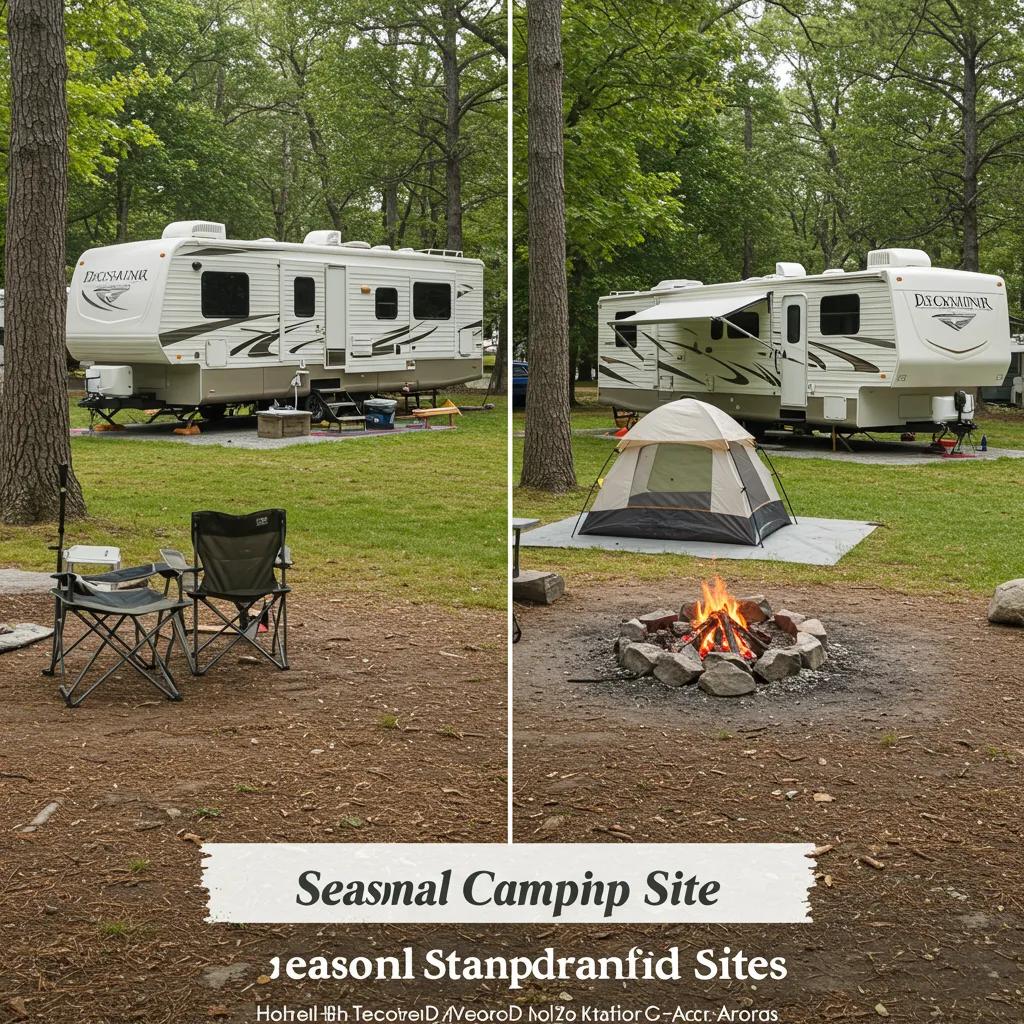
Comparison of seasonal and standard camping sites, showcasing RV amenities versus tent camping features

Seasonal and standard sites mainly differ in how long you stay, the level of commitment involved, and how amenities and community life develop around the site. Seasonal sites are geared towards longer stays with enhanced on-site features, while standard sites focus on flexibility and short-term access. The comparison below uses a simple table to highlight the core differences in duration, cost structure, and typical amenities, so you can quickly scan the distinctions and find the best fit for you.

Site TypeTypical DurationTypical Cost Model
Seasonal SiteMulti-month/seasonal leaseSeasonal fee or monthly payment for site use
Standard (Transient) SiteNightly to weekly staysPer-night rate with potential weekly discounts
Amenities EmphasisFull hookup, larger lot, storage spaceWater/electric common; shared facilities

What Are the Key Differences in Duration, Cost, and Amenities?

The main differences in duration are seasonal leases versus nightly stays; seasonal contracts cover extended periods, while standard bookings are per-night transactions. Cost models reflect this: a seasonal fee can lower the cost per visit for frequent campers, while transient nightly rates are better for infrequent visitors. Amenity differences include full hookups and the ability to customize your site on seasonal spots, compared to more basic hookups and shared services on standard sites. A simple cost calculation—figuring out how many weekend visits you’ll make in a season—can help determine which model saves you money.

How Do Seasonal and Standard Sites Differ in Community and Flexibility?

Seasonal sites help build ongoing neighborly relationships, recurring family events, and a stable social calendar, which appeals to those looking for a sense of community. Standard sites offer more casual social interactions and greater freedom to explore different campgrounds. For families who value routine, seasonal communities provide predictability; for those who prefer travel variety, standard sites offer more scheduling flexibility. These lifestyle trade-offs are key to choosing the right camping model for you.

Which Camping Site Type Offers Better Value for Different Campers?

Value really depends on who you are: frequent weekend visitors and retirees who stay for extended periods often find seasonal sites to be cost-effective and socially rewarding. Occasional campers and travelers, on the other hand, usually prefer standard sites for their lower commitment and the opportunity to explore. Large families needing extra space and storage might lean towards seasonal accommodations, while solo travelers or families on short trips might prefer transient bookings. Consider how many times you’ll visit per season and weigh that against your preferences for convenience and community to make your decision.

How to Choose the Right Camping Site for Your Family or Group?

Deciding between seasonal and standard sites means looking at how often you’ll visit, your budget, how much community involvement you want, your needs for gear storage, and your family’s preferred activities. This checklist can help you match your priorities with practical site features.

Decision checklist for selecting a site:

  • Estimate how often you’ll visit: Count the weekends and multi-day trips you plan for the season.
  • Assess your gear and storage needs: Figure out if you need on-site storage or extra space.
  • Prioritize your must-have amenities: Identify what’s essential, like full hookups, being near a playground, or lake access.

Use this simple table to translate your priorities into recommended site types.

Family/Group NeedKey AttributeRecommended Site Type
Frequent VisitorsLess setup, storage spaceSeasonal Site
Budget-ConsciousLower short-term costStandard Site
Kids & ActivitiesClose to play areasSeasonal or Standard near amenities

What Factors Should Influence Your Choice Between Seasonal and Standard Sites?

Key factors include how often you visit, how much gear you bring, your budget limits, and how much community interaction you’re looking for. For frequency, many suggest considering a seasonal spot if you plan on 8 or more weekend visits in a season; fewer visits usually mean standard bookings are a better fit. Compare the upfront seasonal fees against the total cost of nightly rates to see which saves money per visit, and think about whether you need guaranteed access to specific facilities like full hookups or a nearby beach. These concrete factors can quickly narrow down your options.

How Do Family Needs Affect Camping Site Selection?

Family considerations—like the ages of your children, pet policies, and accessibility needs—play a big role in choosing a site. Younger children benefit from quick access to playgrounds and safe water areas, pets need nearby dog parks or clear on-site rules, and those with mobility challenges will appreciate being close to updated restrooms and paved paths. Walnut Hills Family Campground’s family-friendly features, such as a Wibit water park, beach, multiple playgrounds, and a large dog park, show how campground amenities can influence which site is best. Matching safety and activity access with your site location ensures a smoother family experience.

When Is Seasonal Camping More Suitable Than Standard Camping?

Seasonal camping is usually a better choice for families who visit often, want a consistent home base every weekend, or prefer building long-term community ties and participating in regular events. It’s also ideal when the convenience of leaving your gear set up and having reliable hookups is more important than the flexibility of moving between campgrounds. For those looking at long-term value, seasonal arrangements often become more cost-effective after a certain number of repeat visits, and they offer social continuity that enhances recurring family experiences.

What Are the Seasonal and Standard Camping Site Options at Walnut Hills Family Campground?

Walnut Hills Family Campground in Durand, Michigan, offers a variety of site options that perfectly illustrate how a campground can cater to both seasonal and standard campers with family-focused amenities. The campground features seasonal RV sites and standard RV and tent sites, along with attractions like a Wibit water park, a beach and swimming lake, updated restrooms, a campground store, several playgrounds, a large dog park, sports facilities, river float trips, and frequent family events—all features that enhance both seasonal comfort and transient enjoyment. (thedyrt.com)

Site TypeCommon Hookups / FeaturesFamily-Focused Attributes
Seasonal RV SiteFull hookups (water, electric, sewer typically available)Close to Wibit park, regular community events
Standard RV SiteWater & electric; some full hookup optionsFlexible booking for weekend stays, near activities
Tent SitePrimitive to water access nearbyClose to playgrounds and beach
Cabin Site (standard)N/A (lodge-style)Easy family access, no RV required

What Seasonal Camping Sites Does Walnut Hills Offer?

Walnut Hills provides seasonal RV site options that typically include full or upgraded hookups and are located near family attractions like the Wibit water park and beach, making them an ideal base for families who visit often. Seasonal spots are usually positioned to offer easy access to playgrounds, the dog park, and event areas so seasonal guests can join in weekend activities. The seasonal model at Walnut Hills supports a strong community atmosphere with ongoing events, and prospective seasonal campers should ask about lease terms, included utilities, and any permitted on-site storage.

What Standard Camping Sites Are Available at Walnut Hills?

Walnut Hills’ standard site offerings include RV sites with water and electric hookups and tent sites perfect for overnight and multi-night stays, as well as cabin-style accommodations mentioned in the campground’s materials. Standard sites are great for weekend family trips, float trips on the Shiawassee River, or trying out the campground before deciding on a seasonal spot. During busy weekends and event times, the campground suggests booking early to secure your preferred site types near the main attractions.

How Can You Reserve Seasonal or Standard Sites at Walnut Hills?

  1. Check availability for your desired dates or seasonal openings through the campground’s reservation system.
  2. Confirm the site type and amenities, asking if the selected site is seasonal or transient and what hookups are included.
  3. Review the payment and contract terms, noting any deposits, seasonal lease conditions, and cancellation policies.
  4. Complete your reservation following the campground’s process and keep a copy of your terms.

Following these steps will help ensure you choose the right site type for your needs and understand any seasonal lease responsibilities versus transient booking terms.

Frequently Asked Questions

What should I consider when choosing between seasonal and standard camping sites?

When deciding between seasonal and standard camping sites, think about how often you’ll visit, your budget, and what amenities are important to you. Frequent visitors might find seasonal sites more convenient, while those who value flexibility might prefer standard sites. Also, consider your family’s needs, like space for gear, proximity to activities, and how much community involvement you’re looking for. Evaluating these points will help you match your camping experience to your family’s preferences and lifestyle.

Are there any hidden costs associated with seasonal camping?

Yes, seasonal camping can sometimes have costs beyond the initial lease fee. Campgrounds might charge extra for utilities, maintenance, or specific site upgrades. It’s really important to read the lease agreement carefully to understand all potential expenses, including insurance requirements for RVs and any fees for community events or activities. Knowing these costs upfront can help you budget effectively and avoid surprises during your camping season.

Can I switch from a seasonal site to a standard site during the camping season?

Switching from a seasonal site to a standard site during the camping season is usually possible, but it really depends on the campground’s specific policies. Some campgrounds might allow this change based on availability, while others may have restrictions. It’s best to talk directly with campground management to understand the process, any associated fees, and if standard sites are available. Planning ahead can help ensure a smooth transition if you decide to change your camping arrangement.

What types of families benefit most from seasonal camping?

Families who visit campgrounds frequently, such as those with children involved in summer activities or those who love weekend getaways, benefit the most from seasonal camping. This option provides a stable base for family gatherings, community events, and easy access to amenities. Plus, families who prefer to keep their gear set up and enjoy a consistent camping experience will find seasonal sites especially helpful, as they cut down on the hassle of packing and unpacking for each trip.

How do seasonal and standard camping sites differ in terms of community engagement?

Seasonal camping sites tend to foster a stronger sense of community engagement compared to standard sites. Seasonal campers often build lasting relationships with their neighbors, participate in regular events, and enjoy a more stable social environment. In contrast, standard camping sites typically attract visitors for shorter stays, leading to more casual interactions. Families seeking a lively community atmosphere might prefer seasonal sites, while those who value exploration and variety might lean towards standard options.

What amenities should I look for in a seasonal camping site?

When looking at seasonal camping sites, consider amenities that will enhance your experience, such as full hookups (water, electric, sewer), larger lot sizes, and space for storage or personal touches. Being close to family-friendly features like playgrounds, swimming areas, and community event spaces can significantly improve your stay. Also, ask about on-site facilities, such as bathhouses and recreational areas, to make sure the site meets your family’s needs and preferences.

Is it possible to reserve a seasonal site for just part of the season?

Many campgrounds offer seasonal sites as long-term leases, usually covering the entire camping season. However, some might allow partial seasonal reservations depending on availability and their specific policies. If you’re interested in a shorter commitment, it’s best to ask the campground directly about their options for partial leases or any flexibility they might offer. Understanding these terms can help you find an arrangement that fits your schedule.

Conclusion

Understanding the differences between seasonal and standard camping sites helps families make smart choices that fit their needs and preferences. Seasonal sites offer convenience and community, while standard sites provide flexibility and lower commitment, catering to all sorts of camping styles. By thinking about how often you’ll visit and what amenities you want, you can pick the option that best enhances your outdoor adventures. Explore the different site options at Walnut Hills Family Campground to find the perfect spot for your next getaway.