
How to Utilize Social Media Advertising to Boost Your RV Resort Selling Success
Selling an RV resort or campground requires more than a listing — it requires targeted outreach that surfaces motivated owners and communicates operational value efficiently. This guide explains how social media advertising functions as a seller-acquisition channel, why buyer-focused ads convert better than broad marketplace listings, and how owners can use platform signals to increase perceived value. You will learn practical ad tactics, measurement practices, platform-specific playbooks for Facebook, Instagram, and LinkedIn, and how a values-driven buyer assesses social signals during outreach. The article maps the why, the how, owner preparation steps, ad campaign designs that generate seller-qualified leads, a comparison of direct sale versus brokerage paths, common seller questions, and tangible success patterns that show social media’s role in acquisition funnels. Throughout, we weave in how a family-owned buyer approaches social outreach and what owners should show to attract direct buyers like GatherGrounds Resorts while keeping the focus on actionable, platform-specific strategies to help you market your RV resort for sale.
Why Use Social Media Advertising to Sell Your Campground?
Social media advertising connects seller intent signals with targeted buyer outreach by combining demographic filters, behavioral signals, and community context to surface owners who are likely to consider a sale. This mechanism works because platforms allow advertisers to reach narrow owner-focused cohorts — such as small business owners, retirees, or regional operators — and to test messaging at low cost before scaling. The specific benefit is faster discovery of qualified leads and measurable conversion metrics, which shorten the time between initial contact and a meaningful conversation. Social proof and community engagement shown publicly also enhance perceived valuation by demonstrating recurring demand, guest satisfaction, and stewardship. Understanding these platform strengths leads directly into the concrete benefits owners and buyers can expect when social ads are used to find campground sellers.
What are the benefits of social media for campground selling?
Social media delivers several seller-focused benefits through targeted reach, rapid testing, and reputation signals that traditional listings often miss. First, targeted ads reduce wasted impressions by focusing on likely seller profiles — such as owners nearing retirement or those in industry groups — which increases conversion efficiency. Second, creative testing on social platforms lets sellers and buyers refine messaging about legacy, operations, or upgrade investments before committing to broader campaigns. Third, visible community engagement and positive guest reviews shared on pages and groups act as social proof that supports higher valuation expectations. These benefits combine to make social channels an effective complement to listings and broker outreach, particularly when the goal is to attract values-aligned buyers who care about stewardship.
Social Media Advertising Strategies for Rural Tourism Businesses
The new digital landscape, including Internet and social media usage, represents a critical strategic opportunity to inform, educate and reach these tourism segments. The present research examines the impact of social media advertising on nature-based tourism within rural communities. In this research, we utilize the COBRA (Consumers’ Online Brand-Related Activities) model (Muntinga et al., 2011) of consumer behavior to assess the impact social media advertising plays in generating Pre-Consumption, Consumption, Creation, Contribution, and Engagement in rural
How does social media reach retiring RV park owners effectively?
Platforms reach retiring or transition-minded owners by layering lifecycle and interest signals — for example, retirement planning groups, small-business owner roles, and age-cohort targeting — with custom audiences and engagement behaviors. Advertisers can target users who follow retirement planning pages, show intent signals around selling businesses, or are members of regional campground associations and groups. Organic outreach in owner-focused groups and Sponsored content with empathetic messaging increases trust, because retirement conversations often unfold in community contexts rather than public marketplaces. Identifying these owner signals enables campaigns to shift from broad exposure to curated messaging that opens low-pressure conversations about succession, timeline, and legacy preservation.
Which social media platforms are best for selling RV resorts?
Different platforms serve distinct roles in seller acquisition: Facebook offers community access and deep demographic targeting, LinkedIn surfaces professional ownership signals and industry connections, and Instagram provides visual storytelling that communicates property condition and guest experience. Facebook groups and Marketplace-style posts reach owner-operators and local communities; LinkedIn supports direct outreach to owner profiles and decision-makers; Instagram amplifies amenity upgrades, events, and high-quality imagery that influence perceived operational health. Each platform contributes a unique signal — community engagement, professional intent, and visual quality — which together help buyers and brokers assess a campground’s attractiveness.
How GatherGrounds Resorts Uses Social Media to Find Campground Sellers

GatherGrounds Resorts approaches acquisition outreach with family-owned messaging and targeted social tactics that prioritize respectful conversation and legacy preservation. Their social presence emphasizes trust, continuity, and care for community traditions, which signals to owners that a sale would honor the campground’s history rather than convert it to a purely corporate asset. GatherGrounds uses platform-specific campaigns to surface sellers who match their acquisition filters and initiates low-pressure conversations that focus on thoughtful transitions. This values-centered approach informs creative, audience selection, and follow-up cadence used in outreach campaigns, and it models how buyers and sellers can use social proof and narrative to align expectations early in the acquisition funnel.
What is GatherGrounds’ family-owned acquisition philosophy?
GatherGrounds communicates a family-owned acquisition philosophy by foregrounding stewardship, respect for traditions, and continuity of guest experience in social content and outreach messaging. This philosophy reduces seller anxiety by framing deals around preservation of legacy rather than corporate restructuring, which is particularly compelling for owners seeking a values-aligned transition. Messaging often highlights commitment to respectful transfers and community continuity, signaling that operational practices, staff, and longstanding events are priorities. Framing outreach around these values creates a semantic bridge between owner concerns and buyer intent, inviting more candid conversations about timing and expectations.
How does GatherGrounds target owners on LinkedIn and Facebook?
GatherGrounds targets potential sellers using LinkedIn filters for company size, job title, and regional location, paired with Facebook interest targeting, owner-group engagement, and lookalike audiences seeded from known owner profiles. The outreach cadence typically begins with content that builds credibility — such as thoughtful transition narratives — then moves to targeted direct messaging or lead forms for owners who engage. On LinkedIn, they emphasize professional channels and industry networks; on Facebook, they leverage groups and regional ad placements that reach owners where they discuss operations and community issues. This combined approach narrows the funnel to owners who match acquisition criteria and who have shown signals of openness to a conversation.
This table shows which owner signals GatherGrounds monitors and how those signals guide outreach prioritization. The interpretation phase helps turn social signals into prioritized contact lists for outreach and qualification.
What types of social media content attract potential sellers?
Content that attracts potential sellers centers on owner testimonials, thoughtful transition case studies, and educational posts about valuation and exit options. Short-form videos featuring past transition stories, quote cards emphasizing legacy preservation, and posts that outline a no-pressure conversation template perform well. Educational content demystifies valuation metrics and next steps, while owner-focused narratives reduce anxiety and invite direct messages. When combined with targeted calls-to-action, these content types both generate inbound inquiries and provide qualifying context that speeds follow-up.
What campground criteria does GatherGrounds promote on social media?
GatherGrounds highlights clear acquisition criteria — especially a preference for properties with 130+ sites, family-oriented amenities, and a focus on community traditions — so that owners self-identify fit early. Promoting site-count thresholds and values-aligned attributes helps screen inbound inquiries and ensures conversations are efficient. Messaging that communicates these filters alongside examples of stewardship priorities helps owners understand whether a low-pressure conversation is worthwhile. This upfront clarity reduces mismatched leads and accelerates alignment when owners initiate contact.
This checklist-style table helps sellers understand which attributes attract a family-owned buyer and why those signals matter during initial outreach.
How Can Campground Owners Prepare Their RV Resort for Sale Using Social Media?
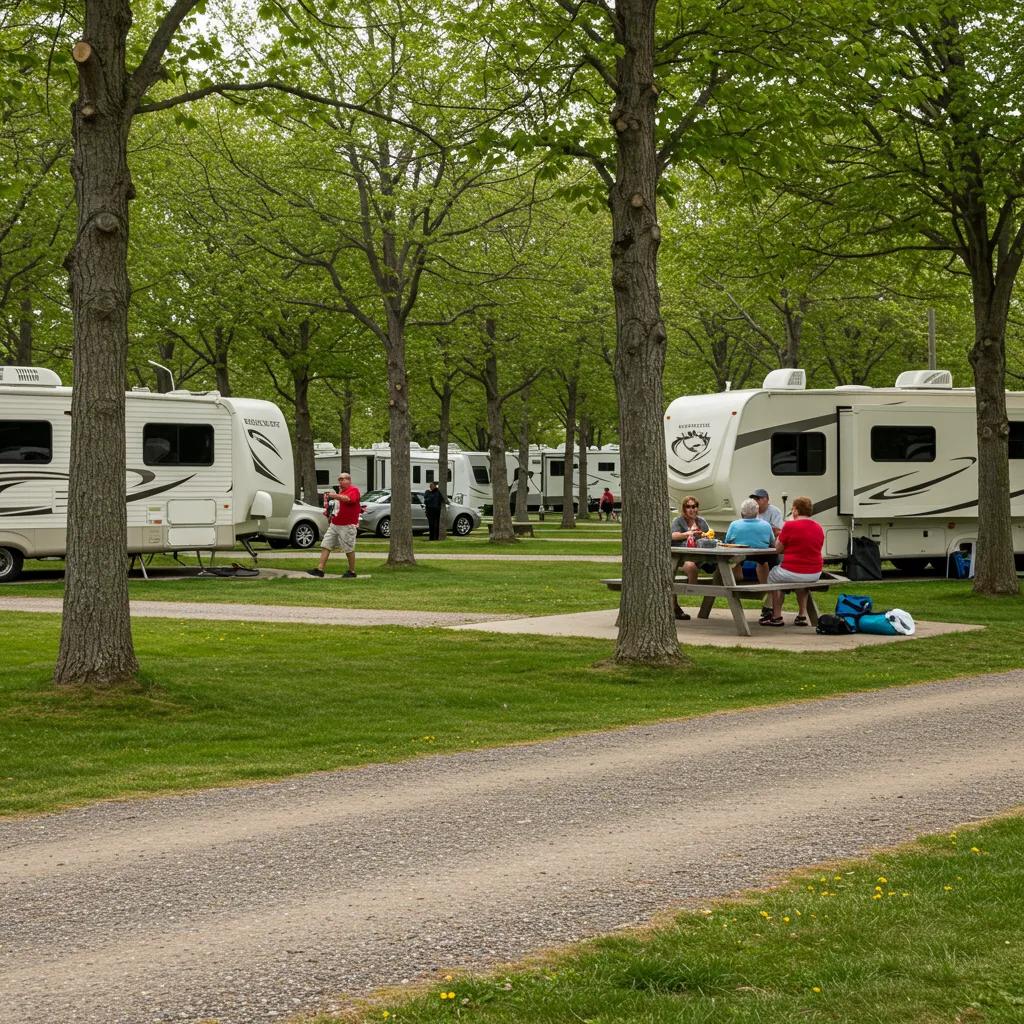
Preparing a campground for sale via social channels means curating assets that demonstrate operational strength, community value, and stewardship — and presenting those assets in a way that attracts qualified buyers and brokers. Owners should optimize public profiles, showcase occupancy trends and amenity investments, and make community testimonials visible without disclosing sensitive financials. These signals reduce buyer discovery time by enabling initial qualification and invite inquiries from values-aligned buyers. Clear social presentation also complements listing platforms and broker outreach by supplying a narrative and visual dossier that buyers can assess before requesting more detailed documentation.
How to showcase your campground’s value on social media before selling?
Showcase value with a consistent feed of high-quality images, short video tours, and posts that highlight occupancy trends and guest satisfaction while avoiding confidential numbers in public posts. Use sample captions that combine metrics (e.g., peak-season occupancy percentages) with narrative about events, upgrades, and repeat customers to communicate operational strength. Short owner-owner interviews, amenity highlight carousels, and event recaps help buyers see recurring demand and stewardship. These public signals prepare the ground for private, qualified conversations where more specific financials can be shared.
Owners should present three core content pillars that map to buyer evaluation:
- Performance Signals: occupancy trends, event attendance, and guest ratings.
- Asset Quality: amenity upgrades, site improvements, and maintenance highlights.
- Community Value: testimonials, long-running events, and local partnerships.
These pillars create a coherent narrative that buyers use to assess both tangible and intangible value, and they naturally lead into targeted outreach strategies that capture broker and buyer attention.
Social Media Advertising Strategies for Rural Tourism Businesses
The new digital landscape, including Internet and social media usage, represents a critical strategic opportunity to inform, educate and reach these tourism segments. The present research examines the impact of social media advertising on nature-based tourism within rural communities. In this research, we utilize the COBRA (Consumers’ Online Brand-Related Activities) model (Muntinga et al., 2011) of consumer behavior to assess the impact social media advertising plays in generating Pre-Consumption, Consumption, Creation, Contribution, and Engagement in rural
What social media strategies help attract direct buyers and brokers?
A hybrid approach that combines targeted paid posts, organic group engagement, and partnerships with industry pages yields both direct-buyer and broker interest. Segment campaigns by audience — one for brokers and listing professionals that emphasizes transaction readiness, another for owners and private buyers that emphasizes legacy and stewardship. Use lead forms with qualifying questions for initial screening, and retarget engaged users with content that deepens trust. Consistent engagement in industry groups and cross-promotion with regional tourism pages increases visibility to both brokers and direct buyers.
How to use social media to build trust and legacy with potential buyers?
Trust grows through authentic storytelling, owner testimonials, and transparent posts about stewardship practices that show long-term commitment to guests and community. Share timeline posts that document improvements, volunteer events, or multi-year programs to demonstrate continuity. Short testimonial videos from staff or long-term guests humanize the operation and illustrate continuity plans. These storytelling approaches lower perceived risk and make values-aligned buyers more comfortable initiating a conversation about a thoughtful transition.
This table maps social assets to buyer evaluation criteria so owners can prioritize what to publish and why it matters when courting buyers or brokers.
What Are the Best Social Media Advertising Strategies to Generate Qualified Leads?
Generating qualified seller leads requires an ad funnel that moves from awareness to consideration to direct outreach while prioritizing lead quality over raw volume. The mechanism is a staged campaign: broad awareness to seeded owner audiences, retargeting to engaged users with owner-specific content, and lead capture flows that screen for fit. Measurement should focus on cost per qualified inquiry, lead-to-contact conversion, and downstream lead-to-offer rate rather than vanity metrics. Using a structured approach lets teams iterate creatives, audiences, and call-to-action sequences to continuously improve lead quality and reduce wasted spend.
How to create targeted Facebook and Instagram ad campaigns for sellers?
Start with saved owner audiences and lookalikes seeded from known owner profiles or newsletter lists, choose lead generation or traffic objectives, and design creative that speaks to owner concerns (legacy, timeline, privacy). Use short video or carousel creatives showcasing stewardship narratives and include lead forms with 3–5 qualifying questions to screen inbound interest. Retarget users who engage with content using more direct messaging that invites a confidential conversation. Testing creative variants and audience segments provides the signal needed to optimize cost per qualified inquiry.
How to leverage LinkedIn for professional connections with campground owners?
LinkedIn works best for professional outreach because it surfaces company roles, ownership titles, and industry affiliations that correlate with sale readiness. Use Sales Navigator filters to find owner-operators, regional decision-makers, and association leaders; publish short articles that address valuation and transition planning; and consider Sponsored InMail to initiate respectful, professional conversations. LinkedIn content should emphasize transactional readiness and credibility, while InMail or connection sequences invite private follow-up from qualified prospects.
What content formats perform best for social media acquisition ads?
Short testimonial videos, carousel property highlights, and single-image ads with concise owner-focused copy tend to produce the highest engagement and qualification rates for seller acquisition. Test formats that show before/after amenity improvements, owner quotes about transition experiences, and simple value propositions about thoughtful, no-pressure conversations. Educational lead magnets — such as a one-page checklist on preparing a campground for sale — can also attract engaged owners who are researching options and ready to share contact information.
Top performing formats include:
- Owner-testimonial video: humanizes buyer intent and demonstrates precedent.
- Carousel property highlights: communicates asset quality and scale quickly.
- Educational lead capture: screens for intent and captures contact details for follow-up.
These formats map directly to different stages of the acquisition funnel and should be A/B tested for creative hooks and CTAs.
How to measure and optimize social media ad performance for campground sales?
Prioritize KPIs that reflect downstream value: cost per qualified inquiry, lead-to-contact conversion, and lead-to-offer ratio, rather than clicks or impressions alone. Implement tracking that ties lead forms to CRM qualification outcomes and run A/B tests on creative, headlines, and audience segments to measure impact on qualified lead rate. Establish a feedback loop where sales insights inform audience refinements and creative updates, enabling campaigns to promote higher-quality conversations rather than simply more leads. Focusing on these metrics reduces wasted spend and accelerates deal flow.
This EAV-style table compares platform-specific ad types, targeting, and CTAs to help structure campaigns for seller acquisition.
How Does Selling Directly to GatherGrounds Resorts Compare to Using a Campground Brokerage?
Selling to a direct buyer like GatherGrounds versus listing with a broker represents a trade-off between speed/privacy and broad market exposure and competitive bidding. Direct sales typically yield faster timelines, lower transaction costs, and more control over the transition narrative, particularly when the buyer prioritizes legacy preservation. Brokers can generate competitive offers by exposing the property to multiple buyers and managing a formal sales process, which can increase sale price but also extend timeline and introduce more public visibility. Owners should weigh goals — speed and stewardship versus maximizing sale price — when choosing a path.
What are the advantages of selling without a broker?
Advantages of direct sale include faster negotiations, fewer fees, and greater privacy, since outreach can be targeted through social channels and discrete networks rather than broad public listings. Direct negotiation enables tailored transition agreements that prioritize staff retention, event continuity, or phased handovers. For owners who value a values-aligned buyer and a thoughtful transition, a direct sale can reduce complexity and focus discussions on stewardship rather than public bidding dynamics. These benefits often outweigh the potential pricing premium brokers might secure for owners prioritizing speed and legacy.
How does GatherGrounds streamline the acquisition process via social media?
GatherGrounds uses social signals to pre-qualify owners and initiate low-pressure conversations that focus on fit and timing, which shortens discovery and reduces unnecessary site visits. Social outreach creates a record of owner engagement and community sentiment that GatherGrounds uses during the initial screening to prioritize high-fit properties. Direct communication channels and clear acquisition criteria speed the negotiation and due diligence phases because both parties have aligned expectations from the outset. This process reduces time-to-offer relative to broad-market listing approaches.
When should owners consider brokers versus direct buyers?
Owners should consider brokers when the primary objective is maximizing exposure and competitive bidding, or when the property benefits from broad investor interest that a broker can efficiently marshal. Conversely, owners who prioritize privacy, speed, and values-aligned stewardship might prefer direct buyers who can engage confidentially and negotiate tailored transition terms. A short decision checklist helps: if timeline is short and legacy matters, prioritize direct outreach; if maximizing market price is the goal and time is available, consider brokered listings.
Decision checklist for seller path selection:
- Goal: prioritize speed/privacy or price maximization.
- Timeline: urgent vs. flexible.
- Transition priorities: stewardship and staff continuity vs. competitive sale process.
This checklist helps owners choose a path that aligns with their personal and operational priorities.
What Are Common Questions About Selling Your RV Park Using Social Media?
Sellers frequently ask how quickly social advertising produces qualified inquiries, which platforms buyers use, how to present valuation data, and whether social can replace brokers. Social media often surfaces initial qualified leads within weeks when campaigns are well-targeted, but closing timelines still depend on due diligence and buyer financing. Buyers and brokers use different platforms for discovery and outreach — LinkedIn and niche marketplaces for professional deals, and Facebook groups for owner conversations — so a multi-platform approach is usually best. Present high-level operational metrics publicly while offering deeper valuation data to qualified inquiries to balance transparency with confidentiality. Social is a discovery channel that complements, rather than wholly replaces, brokers and listing platforms in most sale scenarios.
How quickly can social media advertising help sell my RV park?
Social campaigns can surface qualified inquiries in a matter of weeks if targeting, creative, and budget align with owner profiles, but the path from inquiry to close typically spans months because of diligence, inspections, and financing. Campaign optimization and clear qualification criteria shorten the time to qualified conversation, and buyers who prioritize speed often expedite due diligence when social signals indicate strong fit. Expect initial engagement quickly but plan for transactional timelines that include negotiation and closing processes.
Social Media Advertising Strategies for Rural Tourism Businesses
The new digital landscape, including Internet and social media usage, represents a critical strategic opportunity to inform, educate and reach these tourism segments. The present research examines the impact of social media advertising on nature-based tourism within rural communities. In this research, we utilize the COBRA (Consumers’ Online Brand-Related Activities) model (Muntinga et al., 2011) of consumer behavior to assess the impact social media advertising plays in generating Pre-Consumption, Consumption, Creation, Contribution, and Engagement in rural
What social media platforms do buyers use to find campgrounds for sale?
Buyers and brokers use LinkedIn for professional outreach and network discovery, Facebook groups and pages for owner discussions and community signals, and niche marketplaces or industry forums for formal listings and investor interest. Each platform contributes distinct signals: LinkedIn signals professional intent, Facebook shows community engagement, and marketplaces provide formal sale documentation. Using multiple platforms increases the likelihood of connecting with the right buyer type and accelerates matching of property to buyer priorities.
How do I value my campground before promoting it on social media?
Value your campground using key operational metrics — number of sites, average nightly rate, occupancy trends, and NOI — but present them at a high level in public posts to avoid disclosing sensitive financials. Use summary figures and performance trends in marketing materials and invite qualified buyers to request detailed statements under confidentiality. Offering a clear, concise operational snapshot helps attract informed inquiries while preserving negotiation leverage until private discussions begin.
Can social media replace traditional listing platforms and brokers?
Social media is a powerful discovery and qualification channel but generally does not fully replace the distribution and negotiation capabilities of brokers and formal listing platforms. The most effective strategies combine social outreach to surface and qualify leads with brokered processes when maximizing market exposure is critical. Hybrid approaches let sellers use social media to filter for values-aligned buyers and then engage brokers to create competitive tension when appropriate.
What Success Stories Show the Impact of Social Media in Selling RV Resorts?
Social-driven outreach often initiates conversations that lead to thoughtful transitions, especially when buyers prioritize continuity and community. Short vignettes show owners initiating low-pressure conversations after educational posts or seeing buyer messaging in owner groups that led to confidential discussions about timing. These scenarios frequently emphasize outcomes such as staff retention, continued event programming, and preserved guest experiences, which build trust with other owners watching public transitions. Social proof from these transitions encourages more owners to consider direct conversations with values-aligned buyers.
How have previous owners benefited from selling to GatherGrounds via social media?
Previous owners have reported smoother transitions and continuity of community events when deals began with values-based social outreach that set expectations early. Social dialogue allowed owners to vet buyer philosophy and negotiate transition specifics that preserved local programming and staffing arrangements. These outcomes reduced seller anxiety and helped communities adjust to new ownership while maintaining the campground’s character. Such benefits illustrate how social-originated conversations can deliver outcomes aligned with owner priorities.
How did social media play a role in smooth campground transitions?
Social media facilitated the initial introduction, allowed sharing of testimonial content that built mutual trust, and provided a public record of community support that eased local concerns before closing. Early social exchanges highlighted stewardship commitments and operational plans, which clarified expectations and shortened subsequent negotiation points. Public narratives and owner testimonials also reassured guests and stakeholders during the transition period.
How do owner stories build trust for future sellers on social media?
Owner stories act as social proof and provide templates for other owners contemplating a sale; short video testimonials, quote cards, and timeline posts convey concrete outcomes like staff retention and preserved traditions. These stories reduce perceived risk for sellers by illustrating real-world transitions and showing that values-aligned sales are achievable. When published with consistent branding and concise details, owner narratives become a persuasive element in attracting similarly minded buyers.
For owners curious about a thoughtful, family-minded sale conversation, GatherGrounds Resorts offers a campground acquisition service that emphasizes preserving legacy, a non-corporate approach to ownership, and a no-pressure conversation for owners exploring options. If you want to understand how your property’s social signals and operational narrative might attract a values-aligned buyer, consider initiating a confidential discussion to explore fit and timing.
The key points are:
- Preserve Legacy: GatherGrounds communicates stewardship priorities in outreach.
- Defined Criteria: They look for properties with 130+ sites and family-oriented amenities.
- Low-Pressure: Initial conversations are framed as exploratory and respectful.
These points summarize how a family-owned buyer integrates social discovery with acquisition goals and how owners can position their properties to attract similar buyers.
Frequently Asked Questions
What types of content should I post on social media to attract buyers for my RV resort?
To attract potential buyers, focus on posting high-quality images and videos that showcase your RV resort’s amenities, guest experiences, and community events. Highlight testimonials from satisfied guests and share stories about the history and legacy of your campground. Educational content about the selling process, valuation metrics, and tips for prospective buyers can also be beneficial. Consistent engagement with your audience through posts that invite questions or comments can further enhance interest and trust in your property.
How can I measure the effectiveness of my social media advertising campaigns?
To measure the effectiveness of your social media advertising campaigns, track key performance indicators (KPIs) such as cost per qualified inquiry, lead-to-contact conversion rates, and lead-to-offer ratios. Use analytics tools provided by platforms like Facebook and Instagram to monitor engagement metrics, such as click-through rates and interactions. Regularly review these metrics to identify which ads perform best and adjust your strategies accordingly to optimize for higher-quality leads and better overall performance.
What are the common mistakes to avoid when using social media for selling my campground?
Common mistakes include failing to define a clear target audience, neglecting to engage with followers, and posting infrequently. Avoid using overly technical jargon that may confuse potential buyers. Additionally, do not disclose sensitive financial information publicly; instead, provide high-level operational metrics and invite interested parties to request more details privately. Lastly, ensure that your messaging aligns with the values and interests of your target audience to foster genuine connections.
How can I use social media to build a community around my RV resort before selling?
Building a community around your RV resort can be achieved by actively engaging with your audience through regular posts, responding to comments, and encouraging user-generated content. Host virtual events or Q&A sessions to connect with potential buyers and current guests. Share stories that highlight the unique aspects of your campground and its history. Collaborating with local businesses or influencers can also enhance your visibility and foster a sense of community, making your resort more appealing to prospective buyers.
What role does storytelling play in selling my RV resort on social media?
Storytelling is crucial in selling your RV resort as it humanizes your brand and creates emotional connections with potential buyers. By sharing narratives about the campground’s history, guest experiences, and community involvement, you can illustrate the value and legacy of your property. Engaging stories can differentiate your resort from others on the market, making it more memorable. Use testimonials and case studies to showcase successful transitions and the positive impact on the community, reinforcing the appeal of your campground.
How can I ensure my social media profiles are optimized for selling my campground?
To optimize your social media profiles for selling your campground, ensure that all information is complete and up-to-date, including contact details, location, and a compelling bio that highlights your unique selling points. Use high-quality images and videos as profile and cover photos to create a strong visual impression. Regularly post engaging content that showcases your campground’s amenities and community involvement. Additionally, utilize relevant hashtags and keywords to improve discoverability and attract the right audience to your profiles.
Conclusion
Utilizing social media advertising effectively can significantly enhance the selling process for RV resorts by connecting motivated sellers with values-aligned buyers. The targeted outreach and community engagement foster trust and transparency, ultimately leading to smoother transitions and better outcomes for all parties involved. For those ready to explore this innovative approach, consider initiating a conversation with GatherGrounds Resorts to discuss your unique property and its potential. Start your journey towards a successful sale today.