Selling Your Campground or RV Park: A Guide to Maximizing Value and Navigating the Process
Selling a campground or RV park is a significant undertaking that requires a well-defined strategy, meticulous financial records, and thoughtful improvements to boost both net operating income and buyer interest. This guide is designed for campground owners looking to sell their RV park or resort, offering practical steps for preparation, valuation, marketing, and closing, all while ensuring the legacy and community you’ve built are respected. You’ll discover the essential stages of selling a campground, the documentation buyers expect, how campground valuation works (including key concepts like cap rate and NOI), and the most effective actions to increase your sale price. We’ll also compare traditional brokerage and appraisal methods with the direct-buyer option, and touch upon market trends influencing the optimal selling time in 2025. After a balanced overview, you can consider selling directly to GatherGrounds Resorts, a family-owned buyer committed to stewardship, offering a path that can provide confidentiality and a quicker timeline. Dive in for actionable checklists, EAV tables, and practical lists to make your selling journey smoother.
What Are the Key Steps to Selling Your Campground or RV Park?
The process of selling a campground begins with clarifying your objectives, organizing your records, and preparing the property to enable buyers to readily verify projected earnings. This is achieved through a combination of thorough documentation (like P&L statements and occupancy reports) and visible operational enhancements that reduce buyer risk and increase normalized NOI, ultimately leading to a stronger valuation. The outcome is a more seamless negotiation, more attractive offers, and a shorter due-diligence period. Below are the practical, sequential steps most sellers follow to move from their decision to closing, while maintaining control over timing and confidentiality.
- Decision and exit planning: Clearly define your goals, ideal timeline, and whether you prefer a brokered sale or a direct sale to a buyer like GatherGrounds Resorts.
- Property preparation: Complete necessary repairs, update amenities, and establish standard operating procedures to minimize operational risks for potential buyers.
- Financial documentation: Assemble at least three years of P&Ls, tax returns, occupancy data, and capital expenditure logs for buyer review.
- Marketing and buyer outreach: Develop an information memorandum and a controlled data room, then reach out to potential buyers through targeted outreach or established brokerage networks.
- Due diligence and closing: Manage inspections, title and environmental reviews, and finalize transition and escrow logistics.
This roadmap provides an overview of expected timing and resource allocation, and it directly leads into practical advice on how to prepare your campground.
How Do You Prepare Your Campground for Sale?
Preparing your campground for sale involves enhancing its physical condition, clarifying operations, and documenting performance to build buyer confidence in future earnings. Begin with a thorough site-by-site inspection to address safety concerns and improve curb appeal, then standardize operational processes to demonstrate consistent service levels that maintain occupancy. Practical improvements include repairing roads, servicing utilities, refreshing signage, and confirming ADA or permit compliance, all of which can expedite inspections and reduce contingencies. These visible efforts lower the buyer’s perceived risk and can be the deciding factor between a conditional and a clean offer, so plan for a concise project timeline and prioritize high-impact, low-cost repairs that boost buyer confidence and perceived value.
What Financial Documents Are Needed to Sell an RV Park?

Buyers primarily assess campground value based on normalized net operating income, making it essential for sellers to present clear historical financials and revenue details to support projections. Key documents include at least three years of profit and loss statements, tax returns, occupancy and ADR reports, site-by-site rent rolls, and detailed capital expenditure records outlining recurring and one-off expenses. Below is a practical document checklist table that clarifies period and formatting expectations for common requests.
This checklist simplifies populating a data room and expedites buyer evaluation, naturally leading into the legal considerations sellers commonly encounter.
What Legal Considerations Should Sellers Know?
Legal readiness helps prevent delays and surprises during escrow by addressing zoning, leases, permits, and environmental liabilities before marketing the property. Essential actions include confirming zoning classifications and permitted uses, auditing tenant or cabin leases and vendor contracts for assignability, and ordering baseline environmental reviews or septic compliance checks based on local regulations. Engage a real estate attorney and, when necessary, an environmental consultant to assess risks and draft transfer documents; this converts unknown liabilities into manageable items that can be negotiated rather than becoming deal-breakers. Preparing legal clearances in advance of marketing reduces contingency requests and accelerates closing timelines.
How Does the Closing Process Work for Campground Sales?
Closing a campground sale typically involves offer acceptance, escrow opening, a focused due-diligence period, and final title transfer, along with transition planning for staff and operations. A standard timeline begins with a preliminary offer and NDA, progresses to a 30–60 day due-diligence period for inspections and document review, and concludes with escrow instructions, deed recording, and an agreed-upon handover of accounts and reservations.
Sellers usually provide copies of warranties, leases, and vendor lists at closing and agree on a transition plan for staff or reservation transfers; outlining these obligations early minimizes post-closing disputes. Understanding these steps helps sellers allocate time and resources efficiently and naturally leads into the valuation methods buyers will employ.
How Is an RV Park or Campground Valued for Sale?
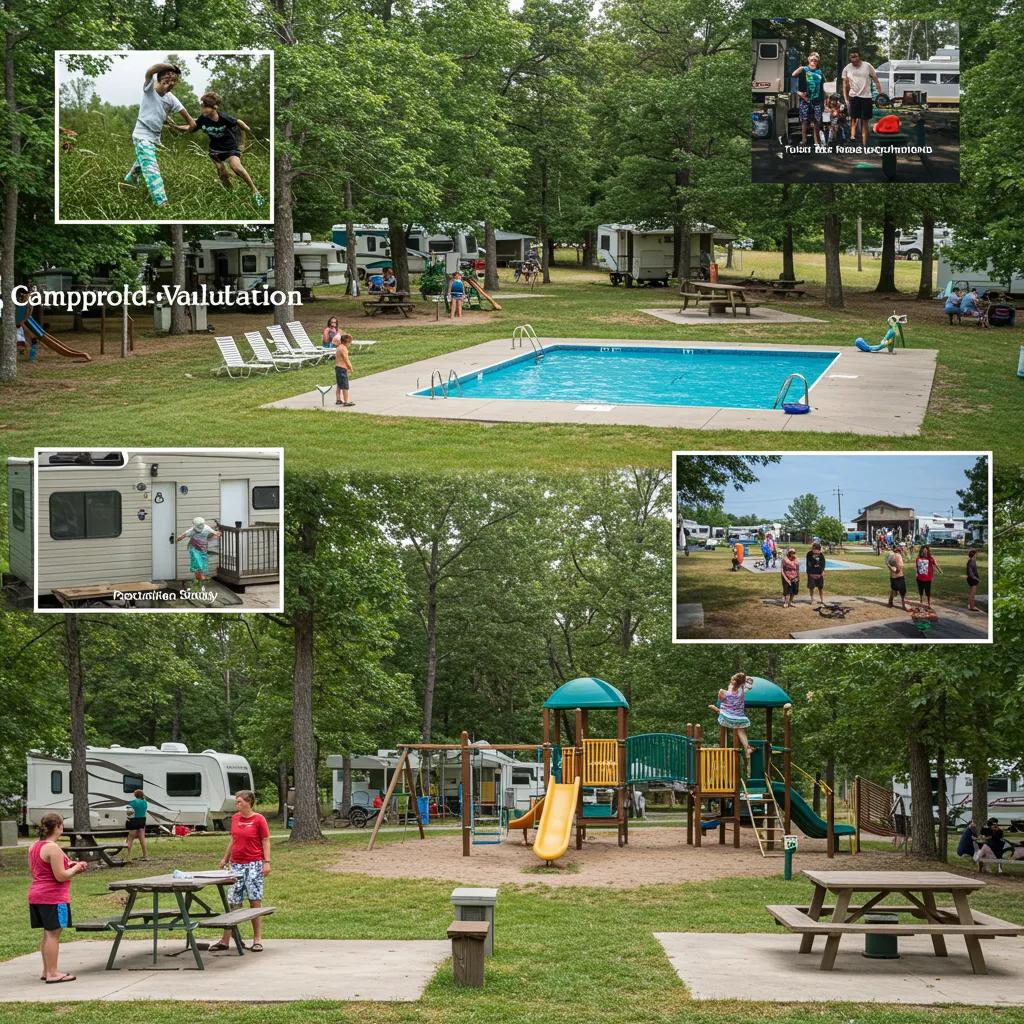
Campground valuation integrates income, market comparables, and asset-based approaches to estimate fair value based on measurable performance drivers. The income approach, utilizing normalized net operating income (NOI) and an appropriate capitalization rate, is the primary method because campgrounds are operating businesses where cash flow dictates buyer returns. The advantage is that a clear NOI, supported by documented occupancy and revenue streams, yields a defensible value that buyers and lenders can support. Below are the core valuation factors that most directly influence offers and how they are measured.
What Factors Affect Campground Valuation?
Valuation is influenced by NOI, occupancy trends, site mix, amenity quality, and market comparables, each of which impacts expected cash flow and perceived upside. Normalizing NOI involves removing one-off expenses or owner-specific benefits to reflect sustainable earnings a new owner can anticipate, and adjustments for seasonality clarify annualized performance. Site mix (pull-thru vs. back-in, full-hookup vs. primitive) determines ADR and ancillary revenue potential, while amenities like pools, stores, or event spaces expand revenue streams and buyer interest. Understanding these components helps owners prioritize improvements and documentation that directly increase value.
How Does Professional Appraisal Compare to Direct Buyer Assessment?
A professional appraisal offers a neutral, bank-oriented valuation using standardized methods and comparable sales, whereas a direct buyer assessment reflects strategic motivations, synergies, and post-acquisition plans. Appraisals are valuable for financing and provide an independent market value, but they often do not account for buyer-specific operational synergies that can add value. Direct buyers might value a park higher due to strategic reasons (regional fit, operational efficiencies) or lower if they anticipate significant capital expenditures; each approach has advantages and disadvantages depending on seller objectives and financing needs. The choice between an appraisal and engaging a direct buyer depends on whether the seller seeks maximum market validation or a faster, confidential transaction.
What Strategies Can Increase Your Campground’s Value Before Selling?
Targeted operational improvements and modest capital upgrades can boost NOI and reduce buyer risk, directly enhancing the valuation multiples buyers use. Prioritized actions include implementing dynamic pricing and revenue management to increase ADR, adding ancillary revenue streams like a convenience store or premium sites, and documenting Standard Operating Procedures (SOPs) to demonstrate scalable operations. Standardizing maintenance logs and tenant contracts minimizes perceived risk, while modest amenity upgrades (e.g., bathhouse refresh, Wi-Fi improvements) often yield disproportionately high ROI in terms of occupancy and ADR. Implement these changes in a prioritized sequence to maximize returns and present a clear growth plan to prospective buyers.
How Does GatherGrounds Approach Campground Valuation Differently?
GatherGrounds Resorts evaluates campgrounds with a focus on operational continuity, legacy preservation, and strategic alignment within a regional portfolio, which influences how they assess value beyond just financial metrics. As a family-owned direct buyer dedicated to stewardship, GatherGrounds considers long-term guest goodwill, staff retention potential, and operational synergies when making offers, and they communicate this perspective openly in initial discussions. Their current targeted acquisition criteria prioritize parks with approximately 130+ sites, which impacts how they weigh scale and site-count advantages. Sellers considering a direct sale to GatherGrounds should understand that this buyer’s assessments may emphasize continuity and community outcomes alongside NOI.
Why Sell Directly to GatherGrounds Resorts Instead of Using Campground Brokers?
Selling directly to a buyer like GatherGrounds can offer speed, confidentiality, and a potentially smoother transition focused on legacy preservation in exchange for broader market exposure. The advantage of a direct sale lies in eliminating listing marketing cycles and broker fees, along with the ability to negotiate directly with buyer leadership to align on staff and community continuity. This can result in a faster close and fewer public disclosures, though sellers might forgo the potential price premium a broad auction could generate. Below are the advantages and tradeoffs to help sellers decide whether a brokered listing or a direct sale is the better path.
- Advantages of direct sale: Condensed timeline, confidential negotiations, simplified due diligence.
- Tradeoffs: Potentially fewer competing bidders and different price discovery dynamics.
- When to prefer broker: If you need maximum market exposure to drive competitive bids.
- When to prefer direct buyer: If confidentiality, stewardship, and transition continuity are top priorities.
This comparison helps frame the seller’s decision and leads into specifics about the benefits of working with a family-owned buyer.
What Are the Advantages of Selling to a Family-Owned Buyer?
Family-owned buyers like GatherGrounds often prioritize stewardship, community continuity, and smoother staff transitions, which can help preserve a campground’s legacy after the sale. This approach reduces the likelihood of major operational overhauls and maintains guest goodwill, benefiting staff and community stakeholders. Sellers who value post-sale preservation may accept tradeoffs in marketing exposure for a buyer’s commitment to retaining core teams and traditions. These stewardship-centered advantages can make a direct sale more appealing when a seller’s priorities include protecting legacy and ensuring minimal disruption for guests.
How Does GatherGrounds Ensure a Smooth and Confidential Selling Process?
GatherGrounds typically initiates a confidential, no-obligation conversation and uses controlled information sharing to protect seller privacy while evaluating a property’s suitability. Their process usually involves an initial NDA and targeted information requests, followed by a preliminary offer and a collaborative due-diligence timeline designed to minimize broad disclosures. Timely, direct communication with buyer leadership streamlines decision-making and reduces the need for prolonged, public marketing, which is ideal for sellers seeking discretion. This structured confidentiality minimizes market exposure and allows sellers to evaluate direct offers alongside other options.
What Makes GatherGrounds’ Acquisition Model Unique?
GatherGrounds combines a family-owned stewardship model with a regional focus that prioritizes long-term operation and community relationships in its acquisition decisions. Their approach differs from conventional investor models by emphasizing continuity and operational alignment within a regional portfolio, particularly in the upper Midwest. This targeted model includes specific site-count criteria and operational fit assessments that guide their acquisition choices. For sellers, this uniqueness can mean potential for aligned values and a buyer who considers legacy as an integral part of valuation and transition planning.
How Does GatherGrounds Preserve Campground Legacy and Community?
Post-acquisition, GatherGrounds focuses on retaining strong teams, maintaining traditions, and supporting guest goodwill to preserve each park’s unique character and community role. Practical commitments often include transition assistance for staff, honoring seasonal events or programs that define the park, and upholding the service standards guests expect. These actions help reduce turnover and protect long-term revenue streams, benefiting both seller peace of mind and the new owner’s operational continuity. Preserving legacy in these ways can be a decisive factor for owners evaluating buyer fit.
What Are the Current Market Trends Affecting Campground and RV Park Sales?
Current market trends in 2025 indicate a cautious buyer environment influenced by interest rates, evolving occupancy patterns, and changing demographics, all of which affect how parks are valued and when sellers should consider acting. The connection between these trends and seller outcomes lies in buyer demand and the cost of capital: higher rates and softer occupancies can compress values and extend sale timelines, while favorable demographic demand may sustain long-term upside. The implication for sellers is to align timing and pricing expectations with these market signals and to concentrate on NOI improvements that enhance their park’s resilience in varied market conditions.
How Are RV Park Market Conditions Impacting Seller Opportunities?
Market conditions in 2025 reflect buyer discipline; elevated borrowing costs and fluctuating occupancy have slowed transaction velocity while keeping long-term fundamentals robust. Sellers face increased scrutiny on historical NOI and future projections, and buyers are prioritizing properties with documented resilience and growth potential. This dynamic creates opportunities for well-prepared sellers who can demonstrate stable or improving NOI through operational enhancements. Understanding these conditions helps sellers set realistic expectations regarding timelines and pricing and prepares them to present stronger, more defensible financial cases.
What Demographic Shifts Are Driving RV Park Demand?
Shifts in camper demographics—including a larger proportion of owners under 55 and increased millennial engagement—are reshaping amenity priorities and booking behaviors for campgrounds. Younger owners and guests often prefer direct booking, digital amenities, and experiential offerings, influencing ADR and repeat visitation patterns. For sellers, aligning amenities and marketing with these demographic preferences can improve occupancy and attract a broader buyer pool. Recognizing these demographic drivers informs decisions about capital investments that yield the best returns pre-sale.
How Do Outdoor Hospitality Investment Trends Influence Campground Value?
Investment trends favoring owner-operated models, direct bookings, and cautious cap rate compression are shaping buyer pools and valuation discipline in outdoor hospitality. Investors increasingly favor assets with strong direct-booking channels and operational scalability, which can command better multiples when supported by data. Concurrently, overall buyer caution moderates cap rate compression, making NOI improvement the most direct lever for value enhancement. Sellers should emphasize metrics that investors prioritize—repeat guests, direct revenue share, and predictable expenses—to attract discerning buyers.
When Is the Best Time to Sell Your Campground?
The optimal time to sell involves balancing seasonality, broader market signals, and personal readiness; typically, preparing and marketing during the shoulder season allows for inspections while demonstrating recent peak-season performance. Sellers should monitor indicators such as local occupancy trends, financing availability, and interest-rate trajectories to decide on immediate or delayed sale plans. If personal or retirement timelines necessitate a faster sale, direct-buyer routes can offer expedited paths; if maximizing price is the primary goal and market conditions improve, waiting to build NOI and amenities may be advantageous. Assess these variables to align sale timing with both market and personal objectives.
What Common Questions Do Campground Sellers Have About Selling Their RV Park?
Sellers frequently inquire about finding a buyer, anticipated costs, the typical process duration, and how to manage staff and community transitions. Clear answers reduce uncertainty and help sellers decide between broad listing or pursuing a direct sale; a prepared data room combined with a staged marketing or outreach plan that maintains confidentiality can alleviate concerns. Below are concise answers to common seller questions to guide practical next steps.
How Do You Find a Buyer for Your Campground or RV Park?
Finding buyers involves choosing among brokers, direct buyers, industry networks, and private outreach, each with its own tradeoffs regarding reach, confidentiality, and timeline. Brokers offer market exposure and competitive bidding but typically require public listings and commissions; direct buyers can be contacted through targeted outreach or industry introductions for a confidential sale. Practical steps include preparing an information memorandum, building a contact list of potential buyers and operators, and using NDAs to protect sensitive information during outreach. This strategic outreach can reduce the time to offer and position the seller to compare multiple options.
What Are Typical Selling Costs and Fees?
Typical selling costs include broker commissions, legal fees, due-diligence expenses, and closing costs, with amounts varying based on deal size and service providers; sellers should budget for these to understand their net proceeds. Broker commissions represent a significant variable and can be negotiated based on the scope of services; legal and title fees are standard and depend on transaction complexity. Tax implications also affect net proceeds, making consultation with a tax specialist essential for accurate projections. Anticipating these costs helps sellers evaluate net offers and compare brokered versus direct-sale scenarios.
How Long Does the Selling Process Usually Take?
The selling timeline varies: a brokered market listing commonly takes 6–12+ months from listing to close, while a direct-buyer transaction can shorten that to 2–6 months, depending on documentation readiness and financing. Key timeline drivers include buyer financing, environmental or title issues, and seasonal inspection windows; prepared sellers with well-organized records and minimal deferred maintenance often close more quickly. Preparing a data room and completing preliminary legal and environmental checks can significantly compress timelines. Understanding these drivers enables sellers to set realistic expectations and choose the best route for their schedule.
Can You Sell a Campground While Retaining Staff and Community Relationships?
Yes—sellers can structure transition agreements, retention incentives, and communication plans to retain staff and preserve community relationships throughout and after a sale. Typical structures include short-term employment agreements, phased management handovers, and joint announcements timed to minimize guest disruption. Open communication with key staff and community stakeholders, combined with buyer commitments to preserve traditions, reduces turnover and protects revenue continuity. Planning these transition elements in advance reassures buyers and eases negotiations, particularly with steward-minded purchasers.
How Can You Maximize Your Campground’s Value Before Selling?
Value-maximizing actions focus on boosting NOI, improving amenity quality, and presenting a professional marketing package that reduces buyer perceived risk and highlights growth opportunities. The strategy is to increase measurable earnings and present operational clarity—both of which can increase the multiple buyers are willing to pay. Prioritize operational changes with the highest ROI and document results to present to prospective buyers. Below is a prioritized improvement table to help owners decide where to invest pre-sale.
What Operational Improvements Boost RV Park Net Operating Income?
Operational improvements that directly increase NOI include dynamic pricing, upselling premium sites and services, and optimizing cost structures through vendor renegotiation. Dynamic pricing raises ADR during peak demand, while introducing easily implementable ancillary services—such as premium reservations or activity fees—increases per-guest revenue without proportional cost increases. Cost control measures like seasonal staffing optimization and vendor renegotiation can reduce operating expense ratios. Implementing these changes and tracking results provides measurable proof of NOI improvement for buyers.
How Do Amenities and Site Counts Affect Sale Price?
Amenities and site counts influence buyer target pools and valuation multiples because they affect revenue potential, guest mix, and operational scale. More premium sites and desirable amenities (Wi-Fi, upgraded bathrooms, recreational facilities) typically command higher ADRs and attract repeat guests, increasing sustainable NOI. Larger site counts often provide scale benefits that reduce per-site overhead and attract institutional or regional buyers focused on portfolio synergies. Demonstrating how amenities and site mix translate into revenue per site helps buyers model future earnings and justify higher offers.
What Marketing and Presentation Tips Help Attract Buyers?
Professional marketing assets and a well-organized data room accelerate buyer interest and build confidence in the property’s performance and condition. Prepare high-quality photos and drone footage, assemble an information memorandum with historical financials and operational KPIs, and utilize a controlled data room for sensitive documents. Targeted outreach to qualified buyers while maintaining confidentiality often yields cleaner offers; clearly communicating recent NOI improvements and documented SOPs increases buyer willingness to proceed quickly. Strong presentation reduces negotiation friction and makes valuation assumptions more defensible.
How Does the Campground Selling Process Differ When Working with GatherGrounds Resorts?
When selling directly to GatherGrounds Resorts, the process emphasizes confidentiality, stewardship, and streamlined evaluation tailored to their acquisition criteria, facilitating an expedited and respectful transaction for sellers who prioritize legacy. The buyer’s approach typically begins with a no-obligation conversation and focused information requests, leading to a preliminary offer and a collaborative due-diligence timeline. This direct path minimizes public exposure and centers on operational continuity, culminating in a transition plan that often preserves staff and guest traditions. The following subsections provide more detail on simplified steps, due-diligence handling, and post-sale support.
What Are the Simplified Steps in GatherGrounds’ Direct Acquisition Process?
GatherGrounds’ direct acquisition process typically starts with an initial confidential conversation and information request, followed by a preliminary assessment and a targeted offer, then a focused due-diligence period and closing. The early stage involves an NDA and a limited data-room exchange to evaluate NOI, occupancy, and site mix without broad disclosure. If preliminary terms align, GatherGrounds refines the offer, conducts inspections, and moves toward closing with an agreed transition plan that respects community continuity. This streamlined sequence is designed to minimize time and complexity for sellers who prefer discretion and stewardship-based outcomes.
How Does GatherGrounds Handle Due Diligence and Offers?
GatherGrounds requests standard due-diligence items—historical P&Ls, occupancy reports, rent rolls, and capex records—but typically manages seller information in a controlled, respectful manner to protect confidentiality. They prioritize direct communication with owner leadership to clarify operational questions quickly and aim to limit document duplication by focusing on essential items needed to validate NOI and site condition. Offers are structured based on the buyer’s operational fit and stewardship considerations, as well as financial metrics, and timelines are established collaboratively to align with the seller’s transition needs. This respectful approach helps sellers avoid protracted, public processes.
What Post-Sale Support Does GatherGrounds Provide to Sellers?
Post-sale, GatherGrounds focuses on preserving staff continuity, maintaining guest goodwill, and providing operational handover support to ensure a smooth transition that honors the campground’s legacy. Practical support can include retaining key team members, honoring seasonal programs and traditions, and implementing phased operational handovers to maintain service levels and reservation fulfillment. These commitments protect revenue stability and community relationships during ownership change, giving sellers confidence that the park’s character and guest experience will continue. This stewardship-oriented post-sale support often differentiates direct buyers for owners who value legacy preservation.
Frequently Asked Questions
What are the benefits of selling my campground directly to GatherGrounds Resorts?
Selling directly to GatherGrounds Resorts offers several advantages, including a streamlined process that emphasizes confidentiality and stewardship. This approach allows for quicker negotiations without the lengthy marketing cycles associated with traditional brokerage. Additionally, GatherGrounds focuses on preserving the campground’s legacy and community ties, which can be crucial for sellers who prioritize continuity for staff and guests. This direct relationship can lead to a smoother transition and potentially better alignment of values between seller and buyer.
How can I ensure my campground is appealing to potential buyers?
To make your campground attractive to buyers, focus on enhancing its physical condition and operational efficiency. This includes making necessary repairs, updating amenities, and ensuring compliance with safety regulations. Additionally, presenting clear financial documentation, such as profit and loss statements and occupancy reports, can build buyer confidence. Highlighting unique features and potential for growth, such as expanding amenities or improving marketing strategies, can also increase appeal and perceived value.
What role does market timing play in selling my campground?
Market timing is crucial when selling a campground, as it can significantly impact the sale price and buyer interest. Sellers should consider seasonal trends, local occupancy rates, and broader economic indicators, such as interest rates and demographic shifts. Typically, listing during the shoulder season allows sellers to showcase peak performance while avoiding the rush of high-demand periods. Aligning your sale with favorable market conditions can enhance your chances of achieving a desirable price and a quicker sale.
What should I do if I encounter legal issues during the selling process?
If you face legal issues while selling your campground, it’s essential to consult with a real estate attorney who specializes in property transactions. They can help you navigate zoning regulations, lease agreements, and any environmental concerns that may arise. Addressing these issues proactively can prevent delays during the closing process and ensure that all legal requirements are met. Being prepared with necessary documentation and clearances can also enhance buyer confidence and facilitate a smoother transaction.
How can I effectively communicate with potential buyers during the sale?
Effective communication with potential buyers is key to a successful sale. Start by preparing a comprehensive information memorandum that outlines your campground’s financial performance, operational details, and unique selling points. Be transparent about any challenges and how you’ve addressed them. During negotiations, maintain open lines of communication, respond promptly to inquiries, and be willing to discuss terms that align with both parties’ interests. This approach fosters trust and can lead to a more favorable outcome for both seller and buyer.
What are the common pitfalls to avoid when selling a campground?
Common pitfalls when selling a campground include inadequate preparation, lack of clear financial documentation, and failing to address legal issues upfront. Sellers should avoid overpricing based on emotional attachment rather than market realities. Additionally, neglecting to enhance the property’s appeal or failing to communicate effectively with potential buyers can hinder the sale process. Engaging professionals, such as real estate agents or consultants, can help navigate these challenges and ensure a smoother transaction.
How can I assess the right price for my campground?
To assess the right price for your campground, consider multiple valuation methods, including the income approach, which focuses on normalized net operating income (NOI), and market comparables that analyze similar properties. Engaging a professional appraiser can provide an objective assessment based on industry standards. Additionally, reviewing recent sales data and understanding local market trends can help you set a competitive price that reflects both the property’s value and current buyer demand.
Conclusion
Successfully selling a campground or RV park involves strategic preparation, clear financial documentation, and a focus on maximizing value through operational improvements. By understanding the key steps and market dynamics, sellers can navigate the process with confidence and achieve favorable outcomes. Whether considering a direct sale to a family-owned buyer like GatherGrounds or exploring traditional brokerage options, aligning your goals with the right approach is essential. Take the next step in your selling journey by exploring our resources and connecting with experts who can guide you through the process.