“`html
Discover Key Features of the Best Campgrounds Near You: What to Look For in Family-Friendly Amenities and Activities
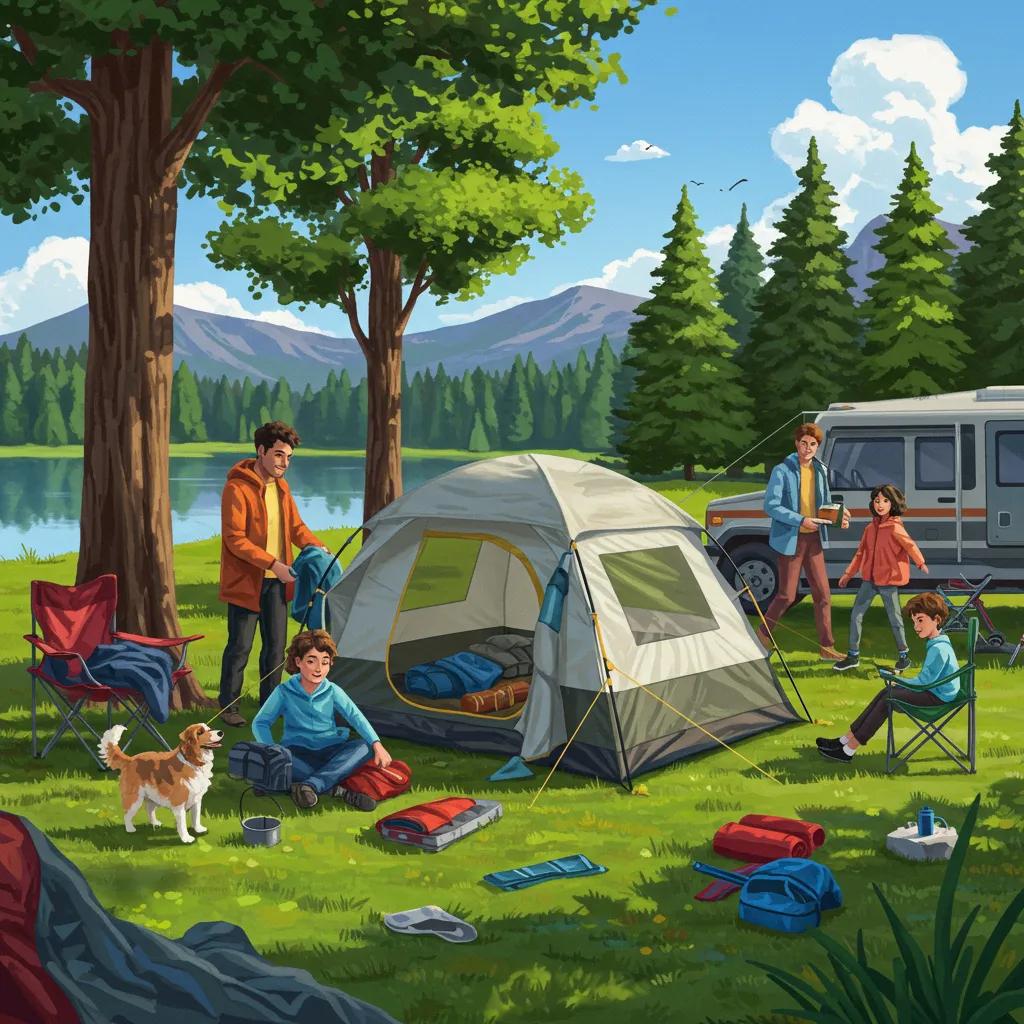
Finding the best campgrounds near you means knowing what truly makes a spot great for families: dependable amenities, safe play zones, and activities that keep everyone, from the littlest campers to the grown-ups, having a blast. This guide breaks down those must-have features and why they’re so important, covering everything from spotless restrooms and reliable hookups to fun water features and weekend entertainment. You’ll learn how to size up amenities, compare RV, tent, and cabin options, and plan awesome outings like river floats and lake days. If you’re worried about comfort, keeping an eye on the kids, or what to pack, we’ve got practical checklists and booking tips to make choosing easy. We’ll walk you through essential amenities, the pros and cons of different site types, family-focused activities, how to spot quality and safety, and step-by-step advice for booking and packing, so you can find that perfect campground, whether you’re searching for “what amenities should I expect at the best campgrounds near me” or a “campground with full hookups and lake access.”
What Are the Essential Amenities to Look for in the Best Family Campgrounds?
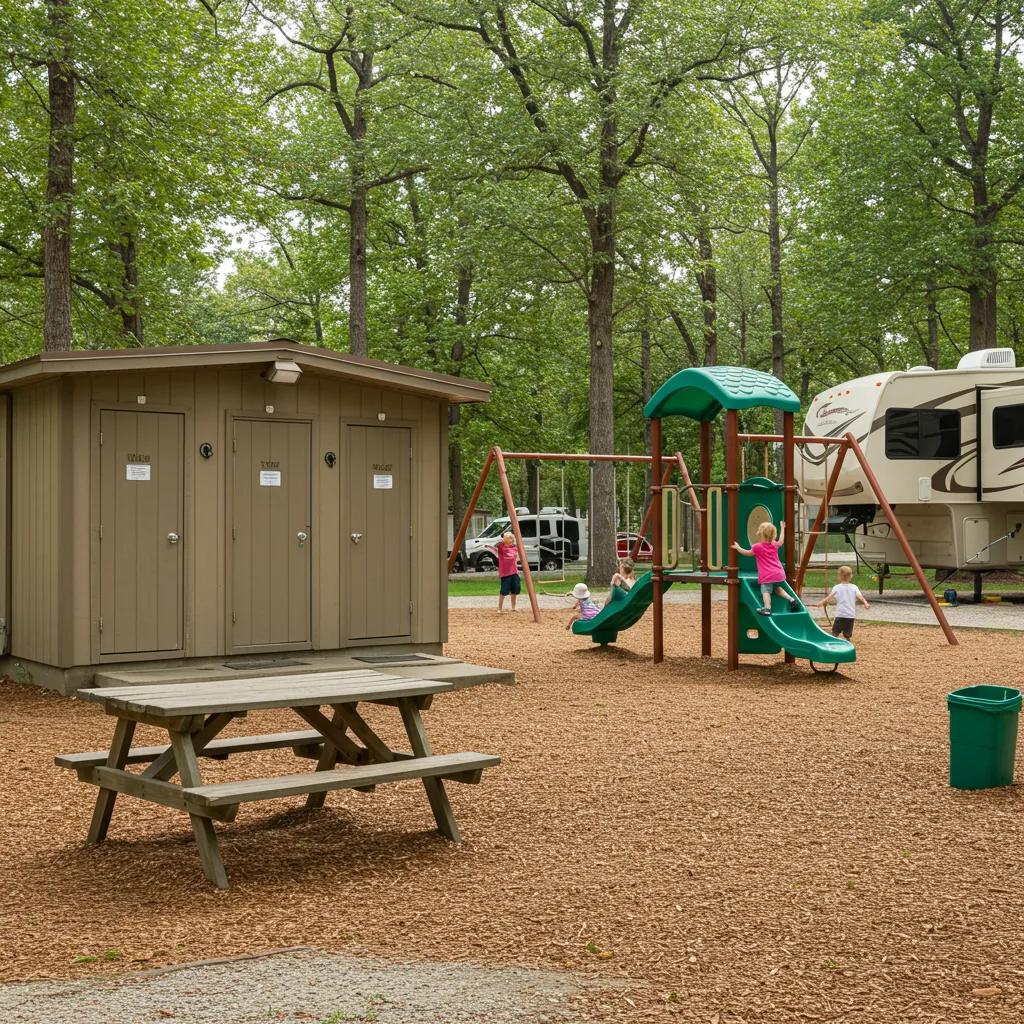
Essential amenities are the basic services and facilities that families need to stay comfortable, safe, and convenient while camping. Think clean restrooms and showers, hookups for your RV, a camp store for essentials, playgrounds, and even pet-friendly spots. Each of these makes your stay smoother and more enjoyable. When you’re checking out these amenities, look for cleanliness, easy access, and designs that are good for kids, so you can focus on the fun, not the fuss. Here’s a quick rundown of the essentials families should keep an eye out for when comparing campgrounds near them.
Families should zero in on amenities that help with hygiene, safety, and keeping the kids entertained; the next section dives into which facilities offer the most consistent convenience for families.
This list highlights the must-have amenities to check before you book:
- Clean restrooms and showers: Modern fixtures and good upkeep mean better hygiene and comfort for everyone.
- RV hookups and reliable electricity: Full hookups make it easy to use appliances, keep food cold, and control the temperature, especially for longer stays.
- Playgrounds and supervised activity spaces: These keep children busy and encourage them to play and make friends.
- Campground store and basic supplies: Having essentials on-site means fewer trips to town and quick access to what you need.
- Dog park or pet areas: Lets families with pets enjoy some off-leash fun in a safe, designated space.
These essentials directly cut down on daily hassles during a family trip and simplify activity planning, which leads us to the practical facilities that ensure comfort and convenience.
Which Campground Facilities Ensure Comfort and Convenience for Families?
Comfort facilities are those services that allow families to relax and manage daily tasks without having to leave the campground. A well-stocked camp store, on-site laundry, shaded picnic areas, and comfortable spots for families to gather make it easier for parents to handle meals, laundry, and downtime. For instance, recently updated bathrooms and showers are a clear sign that management cares about guest comfort and cleanliness, which is important for everyone from babies to grandparents. When checking out facilities, take a look at photos and recent reviews to see their operating hours and stock levels, so you won’t be surprised when you arrive. These comfort features reduce stress and free up more time for activities, which naturally brings us to why cleanliness and connectivity are so important.
How Important Are Clean Restrooms, Showers, and Wi-Fi at Campgrounds?
Clean restrooms and modern showers are fundamental for hygiene and play a big role in where families decide to stay; they also mean you don’t have to pack as many extra washing supplies. Wi-Fi adds practical value—it helps with checking the weather, planning your day, and keeping older kids entertained—though it doesn’t replace the fun of outdoor play. Look for signs like recent updates, good lighting around facilities, and clear maintenance schedules when you’re assessing quality. These hygiene and connectivity features support both safety and convenience, and they tie directly into planning outdoor activities and supervision, which we’ll discuss next.
What Role Do Dog Parks and Playground Areas Play in Family Campgrounds?
Dog parks and playgrounds expand a campground’s usable space by giving pets and children dedicated areas to run and socialize, which takes some of the supervision burden off parents. A large dog park allows families to exercise their pets without getting in the way of kids playing, while multiple playgrounds spread throughout the campground reduce crowding and offer play options for different ages. Check for safety features like soft ground cover, secure fencing, and clear sightlines so parents can supervise easily while still getting some relaxation time. High-quality play and pet areas boost satisfaction and encourage people to come back, which leads into how choosing the right site type can affect your family’s daily routines.
Before we compare site types, take a look at this table summarizing essential amenity qualities and why they matter for families.
This table clarifies which amenities have the biggest practical impact on family comfort and helps you prioritize what to confirm before booking. Next, we’ll look at how different site types can change the family camping experience.
How Do Different Camping Site Types Affect Your Family Camping Experience?
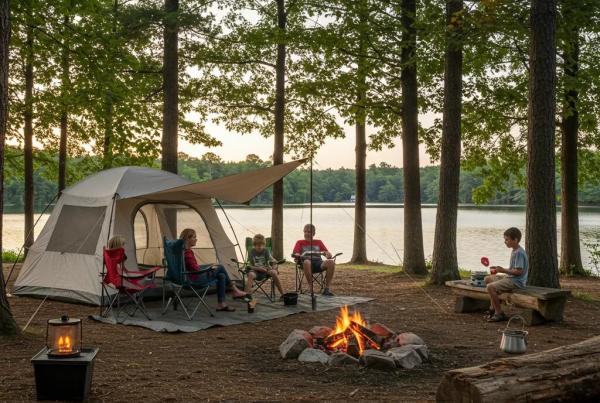
Site types—whether they’re RV sites, tent sites, or cabin rentals—determine how much setup is involved, your daily comfort level, and the gear your family needs to bring, all of which shape your trip. RV sites with full hookups offer conveniences similar to home, making cooking, sleeping, and temperature control much easier, while tent sites focus on a more immersive outdoor experience and are often more budget-friendly. Cabin rentals provide shelter with minimal setup, offering a middle ground for families who want some structure without packing a lot of gear. Understanding these differences helps families find the right balance of comfort and adventure for their group’s size and ages. The following comparison table lays out the main trade-offs to help you decide easily.
To choose wisely, families should consider setup time, how weather might affect things, and how much supervision the kids will need; the next subsections detail RV advantages and when tents or cabins might be a better choice.
- RV sites generally make family logistics simpler and cut down on setup time.
- Tent sites offer the most authentic outdoor experience but require more gear and attention.
- Cabins provide indoor shelter with fewer camping essentials to pack.
This comparison shows how each site type aligns with family needs and prepares you to look closely at specific RV features before booking your chosen site.
What Are the Benefits of RV Sites with Full Hookups?
RV sites with full hookups give you steady power, fresh water, and sewer connections, allowing you to reliably run your refrigerator, air conditioning, and indoor plumbing. This means less stress with meal prep, keeping food fresh, and predictable bathroom use for kids and older family members. Make sure to check the site’s width and length to ensure your RV fits and that there’s safe space for kids to play nearby. These conveniences mean fewer logistical headaches and more time for fun activities; the next paragraph will help families decide when a tent or cabin might be a better option.
When Should You Choose Tent Camping or Cabin Rentals for Your Family?
Opt for tent camping when you’re looking for a deep connection with nature and a lower cost, especially if your kids are old enough to sleep comfortably outdoors and you enjoy cooking at the campsite. Choose cabin rentals when unpredictable weather, quick setup, or limited camping gear are major concerns; cabins mean you don’t have to pack bulky sleeping bags and simplify nighttime routines. Think about the ages of your children, where everyone will sleep, and the local weather forecast when deciding between a tent or a cabin to ensure a safe and restful stay. These decision factors also influence what kinds of family activities are practical at a campground.
What Family-Friendly Activities and Entertainment Should You Expect at Top Campgrounds?
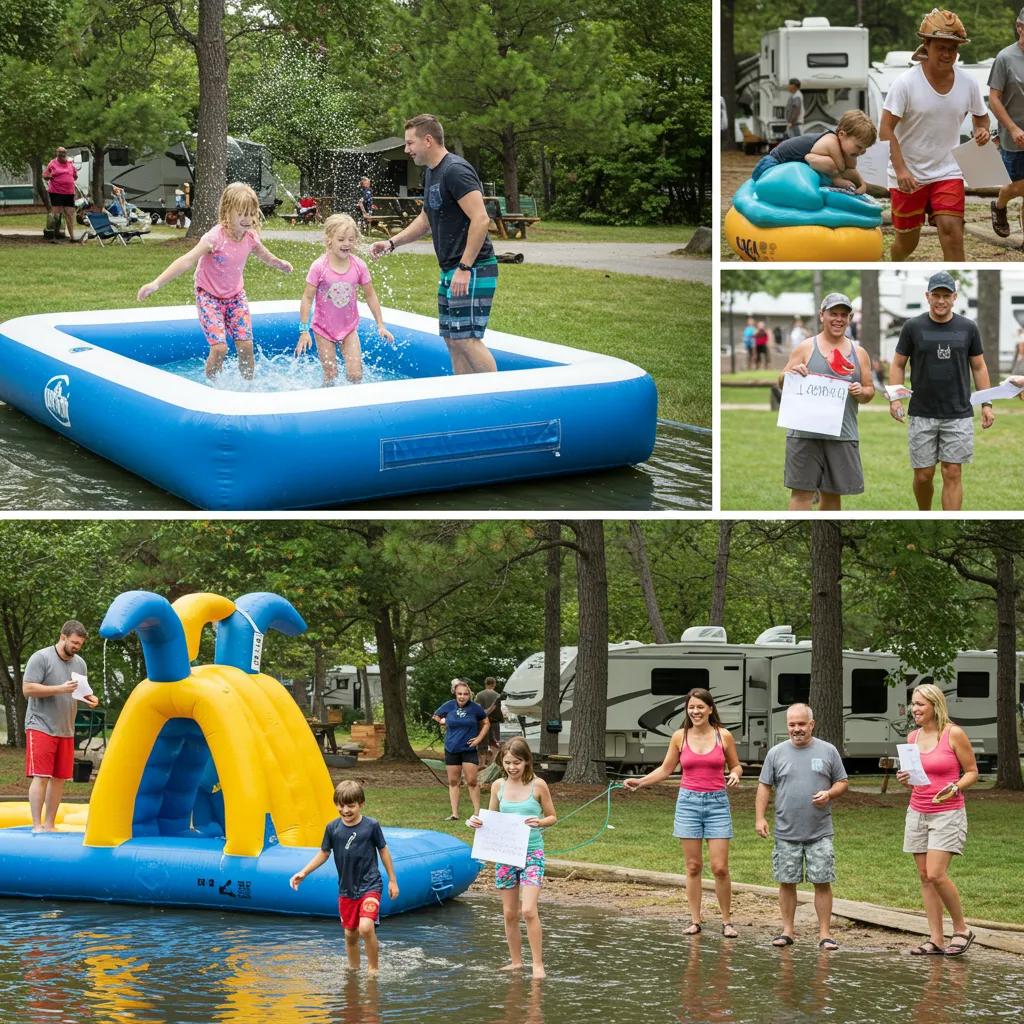
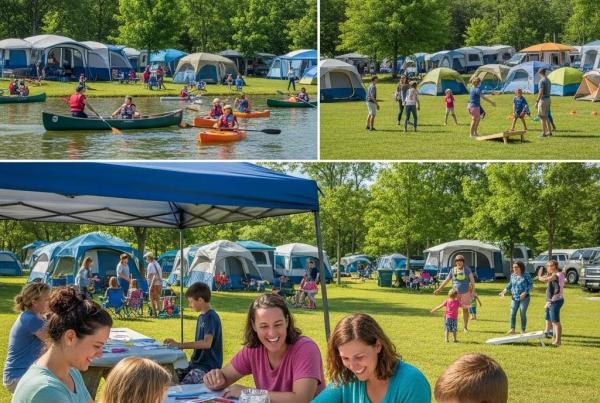
Top family campgrounds offer a great mix of water fun, outdoor adventures, and planned weekend events that appeal to all ages and energy levels. Water attractions like inflatable obstacle courses on the lake, supervised swimming areas, and gentle float trips provide active, memorable experiences, while organized events—like crafts, scavenger hunts, and kids’ races—create routine and social opportunities for children. When picking a campground, check for lifeguard availability, equipment rental options, and event schedules to make sure the activities match your children’s ages. The sections below will break down water attractions, outdoor adventures like river floats and hiking, and the types of weekend programming that really boost family engagement.
This overview leads into a closer look at how water activities make family fun even better and what safety considerations are important.
- Inflatable water parks: Offer supervised obstacle-course fun with rules for different ages to ensure safety.
- Swimming lakes: Provide opportunities for unstructured play and exploring nature with simple supervision.
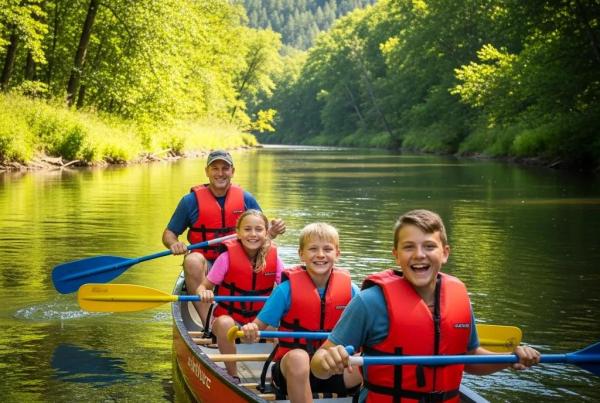
- River float trips: Combine gentle rafting or tubing with scenic journeys that are great for older kids.
These water options expand the possibilities for your day and naturally lead into planning for river-based adventures and hiking next.
How Do Water-Based Activities Like Water Parks and Swimming Lakes Enhance Family Fun?
Water-based activities really boost family engagement by combining physical play, teamwork, and a cool way to beat the heat on warm days; inflatable features create fun challenges that kids of all ages enjoy. Safety is key, so look for lifeguard staffing, rules about life jackets, and clear depth markers; families should bring properly fitting life jackets for children and review the campground’s rules before heading into the water. Packing essentials—like sunscreen, quick-drying clothes, and waterproof bags—helps the day go smoothly and prevents minor issues. These safety and packing tips lead nicely into discussing river float trips and other outdoor adventures.
What Outdoor Adventures Are Common, Such as River Float Trips and Hiking?
Common outdoor adventures include short family hikes, fishing from the shore, and river float trips using tubes, kayaks, or canoes for a relaxed downstream journey. Planning involves choosing trails that match your kids’ stamina, bringing basic safety gear, and checking if rentals or guided tours are available for beginners. For example, Shiawassee River float trips often provide canoe, kayak, and tube rentals for river excursions, making them accessible for families who prefer a more guided experience. Proper planning boosts safety and enjoyment and gets families ready for the final piece of the activity puzzle: weekend events.
Research shows that specific amenities and how they’re strategically placed are crucial for camper satisfaction and effective campground planning.
Key Campground Amenities: Location, Necessities, and Facilities for Campers
Campgrounds are an essential part of the camping experience due to the attractions and facilities they offer to campers. The factors that motivate campers to travel have increasingly become more complex making it vital to take camper expectations into account for effective planning of campgrounds. The present study aimed to determine the trailer park amenities based on expert opinion. The paper systematically applied the Fuzzy Pivot Pairwise RElative Criteria Importance Assessment (Fuzzy PIPRECIA) Method in the selection of the trailer park criteria. Four main criteria and 20 sub-criteria were considered. In the findings the amenities were structured as follows: primarily, ‘location,’ followed by ‘necessities’ and ‘campground attributes’ and finally ‘facilities and camping tools.’ Spearman and Pearson correlation coefficients were employed to determine the consistency of the proposed model.
Determination of short-term trailer park amenities using a fuzzy method, E Doğantan, 2022
Which Weekend Events and Themed Activities Make Campgrounds More Engaging for Kids?
Weekend events like themed costume nights, craft sessions, treasure hunts, and kids’ races create memorable routines that encourage kids to socialize and want to come back. Look for campgrounds that share sample schedules or event calendars so you can plan around your favorites and avoid conflicts. Events that have sessions for specific age groups or supervised crafts can lighten the load for parents and help children make friends quickly. Knowing the event schedule helps families pack appropriately and book sites early for busy weekends, which ties directly into how to evaluate campground quality and safety.
Before we dive into quality and safety, this table summarizes typical activities and what families should bring.
This activity table helps families choose the right pursuits and pack accordingly; next, we’ll cover facility quality and safety checks.
How Can You Evaluate Campground Quality and Safety for Your Family?
Evaluating campground quality and safety means looking for recent updates, clear maintenance practices, visible staff, and current reviews that mention family experiences. Key indicators include freshly renovated restrooms and showers, good lighting along roads and paths, and staff or security presence during busy times. Cross-referencing recent testimonials with official listings helps confirm if advertised amenities are up-to-date and working. The checklist below offers simple checks you can do upon arrival and before booking to make sure a campground is suitable for children and pets.
- Visual inspection: Look for fresh paint, new fixtures, and clean grounds when you arrive.
- Operational check: Confirm restroom hours, trash pickup schedules, and safety features on the playground.
- Review verification: Read recent reviews for comments on maintenance and how responsive the staff is.
These checks reduce uncertainty and lead into identifying specific renovation signals that matter most.
What Are the Signs of Well-Maintained and Renovated Facilities?
Signs include modern fixtures, intact finishes, posted cleaning schedules, and updated shower and restroom areas that show consistent care; recently renovated bathrooms and showers are especially telling for family comfort. Photo galleries and recent guest descriptions that highlight clean, modern facilities further validate these claims. When you arrive, test the water pressure, lighting, and door locks to ensure everything is working properly. These maintenance indicators naturally lead into how to weigh reviews and testimonials for a more complete picture.
How Do Reviews and Testimonials Help in Choosing the Best Campground?
Reviews and testimonials are most helpful when they are recent, detailed, and include photos that confirm amenities and event quality; pay close attention to feedback about family events, water activity safety, and cleanliness. Look for patterns rather than isolated comments—consistent praise or recurring issues reveal real strengths or weaknesses. Double-check review dates, event descriptions, and facility photos to verify current conditions before booking. Using reviews alongside your own facility checks gives you a well-rounded view and prepares you for straightforward reservation steps.
What Are the Best Tips for Booking and Preparing for a Family Camping Trip?
Booking and preparation help reduce last-minute stress and maximize your family’s time during your stay. Reserving online allows you to confirm your site type, hookups, and event schedules in advance, while also providing maps and photos to ensure the site meets your needs. Packing a family-specific checklist and planning around scheduled weekend events helps avoid surprises and supports safe, enjoyable outings. The lists below offer step-by-step booking tips and a handy packing checklist to help families prepare efficiently.
Start with online booking steps to secure the right site, then follow the packing checklist for a smooth trip.
- Check availability and site photos: Confirm site size and hookup details before you reserve.
- Align dates with event schedules: Book busy weekends early if you want to catch the family programming.
- Verify cancellation and deposit policies: Know your options if your plans need to change.
These booking steps reduce day-of-arrival surprises and lead into what to pack for the whole family.
How Can Online Reservations Simplify Your Campground Booking Process?
Online reservations let you compare different site types, view site maps and photos, and check event calendars and amenity availability without making multiple phone calls. Booking online often shows site dimensions, hookup details, and nearby activity descriptions, so you can match site features to your family’s needs. Confirm the site’s rules regarding pets, generators, and quiet hours to avoid any issues once you’re there. This streamlined approach saves time and reduces unexpected problems upon arrival, which leads into a practical packing list.
What Should Families Pack for a Comfortable and Fun Camping Experience?
A concise family packing list covers shelter, sleep gear, safety items, and kid-focused essentials that make outdoor time easier and safer. Must-haves include layered clothing, waterproof outerwear, life jackets for water activities, a basic first-aid kit, and comfort items like favorite toys or a white-noise machine for younger children. Include small organizational items—like dry bags, labels, and a central charging station for devices—to keep gear accessible during busy days. Thoughtful packing reduces stress and maximizes the time you spend enjoying campground amenities and activities.
Packing checklist for families:
- Shelter & sleep: Appropriate bedding, pillows, and an extra blanket for cooler nights.
- Safety & health: First-aid kit, lifejackets, insect repellent, and any necessary prescription medications.
- Kid essentials: Favorite toys, snacks, and quick-dry clothing for water play.
These items support safety and comfort and prepare families to fully enjoy amenities and activities.
For families looking for a real-world option that combines many of these family-focused features, Walnut Hills Family Campground in Durand, Michigan—operated by GatherGrounds Resorts—offers a comprehensive camping experience with RV sites, tent sites, and cabin rentals, all complemented by a wide array of facilities and activities. Walnut Hills highlights include a Wibit water park (an inflatable obstacle course on the swimming lake), a swimming lake, Shiawassee River Float Trips with canoe, kayak, and tube rentals for river excursions, recently renovated bathrooms and showers, a large dog park, multiple playgrounds, and a packed schedule of family and kid-friendly weekend events. Consider reserving a site through the GatherGrounds Resorts reservation page to find a match for your family’s desired site type and event schedule.
This final integration shows how campsite amenities and activities translate into real family outcomes and completes the practical guidance provided above.
Frequently Asked Questions
What should I consider when choosing a campground for my family?
When picking a campground, think about things like location, amenities, and activities that fit your family’s needs. Look for clean restrooms, playgrounds, and areas that welcome pets. Check out the different types of sites available—RV, tent, or cabin—and how convenient they are. Also, see what attractions are nearby and if there are family-friendly activities like crafts or water sports. Reading reviews can also give you a good idea of what other families experienced, helping you make a smart choice.
How can I ensure my children are safe while camping?
To keep your children safe while camping, choose campgrounds with well-maintained facilities and visible staff. Make sure your kids understand the campground rules and boundaries, especially around water and play areas. Always supervise them during activities, particularly near water. Having a first-aid kit handy and teaching them basic safety skills, like recognizing potential dangers and staying close to adults, can also boost their safety. And always ensure they wear the right gear for outdoor activities.
What types of activities are typically available for families at campgrounds?
Family-friendly campgrounds often have a variety of activities, including water sports like swimming, kayaking, and inflatable obstacle courses. Many also offer organized events such as scavenger hunts, crafts, and themed nights that encourage social interaction. Outdoor adventures like hiking, fishing, and nature walks are also common. Check the campground’s event calendar to plan your stay around specific activities your family will enjoy, ensuring a fun-filled experience.
How can I prepare my family for a camping trip?
Getting ready for a family camping trip involves a few key steps. Start by making a packing list that includes essentials like shelter, clothing, safety gear, and items specifically for kids. Book your campsite in advance, especially during busy seasons, and confirm the amenities offered. Talk through the itinerary with your family, including planned activities and downtime. Finally, make sure everyone knows the camping rules and safety guidelines to help ensure a smooth and enjoyable experience.
What are the benefits of booking a campground online?
Booking a campground online offers many advantages, such as letting you compare different sites, see photos, and check availability in real-time. It makes the reservation process easier by allowing you to secure your preferred site type and amenities without needing to make phone calls. Online platforms often provide detailed descriptions of facilities and nearby activities, helping you make informed decisions. Plus, you can easily review cancellation policies and event schedules to plan your trip effectively.
How can I evaluate the quality of a campground before booking?
To assess a campground’s quality, look for recent reviews and testimonials that highlight cleanliness, safety, and the overall experience of previous guests. Check for signs of good maintenance, such as updated restrooms and well-kept grounds. Evaluate the visibility of staff and any security measures in place. Also, consider if the amenities that are important to your family, like playgrounds and water activities, are available. A thorough check upon arrival can also help confirm your expectations.
What should I pack for a family camping trip?
Packing for a family camping trip should include essentials tailored to your family’s needs. Bring appropriate shelter and sleep gear, such as tents, sleeping bags, and pillows. Include safety items like a first-aid kit, insect repellent, and life jackets for water activities. Don’t forget kid-friendly items like favorite toys, snacks, and quick-dry clothing. Organizing your gear with dry bags and labels can help keep everything accessible during your stay, ensuring a comfortable and enjoyable experience.
Conclusion
Finding the best campgrounds for your family means understanding essential amenities, site types, and engaging activities that make your outdoor adventure even better. By focusing on cleanliness, comfort, and safety, families can ensure a memorable and stress-free camping trip. Explore our recommended campgrounds, like Walnut Hills Family Campground, to discover the perfect spot for your family’s needs. Start planning your next adventure today and create lasting memories in the great outdoors!
“`