
Michigan National Forest Camping Tips – Walnut Hills Family Campground
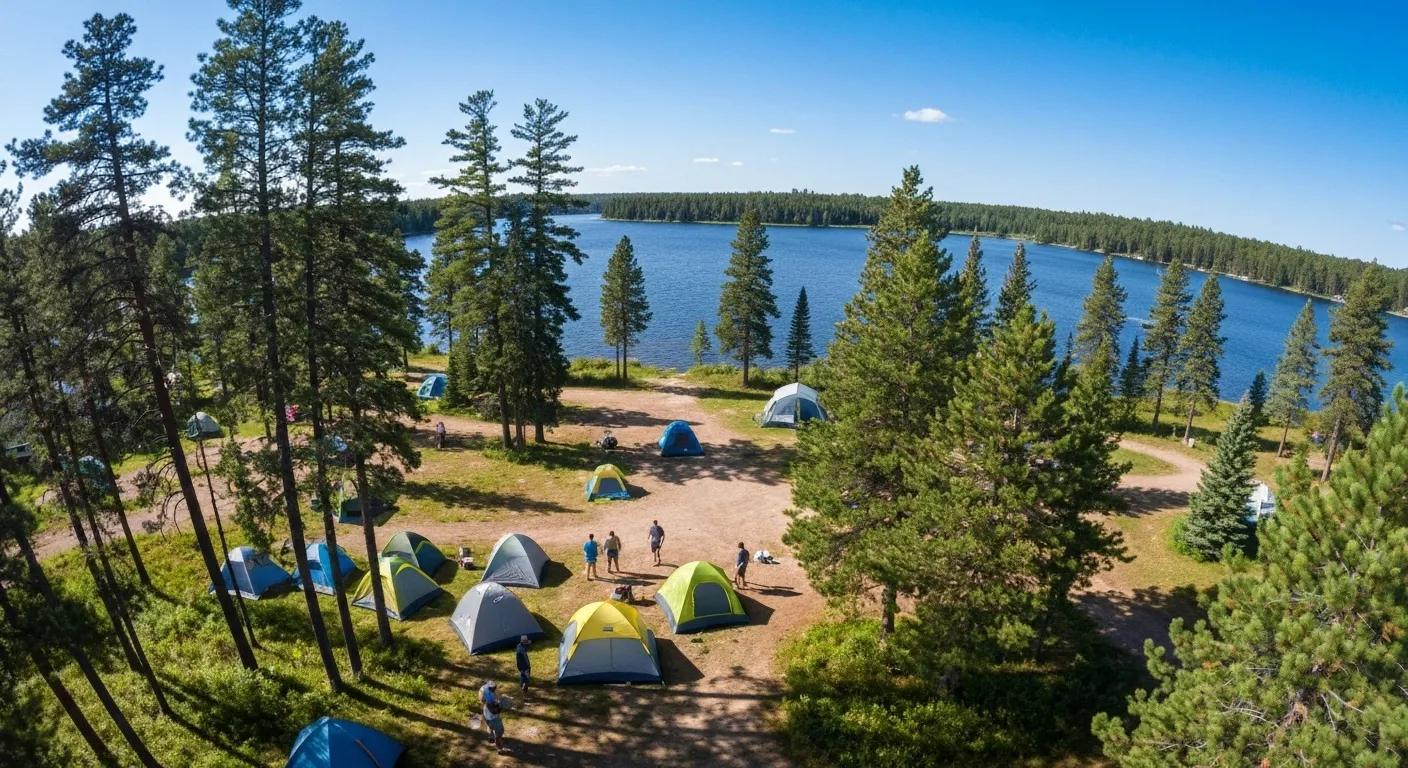
National forests in Michigan offer hundreds of scenic campsites that blend wilderness solitude with family-friendly comfort—perfect for campers seeking varied campgrounds in Michigan. Planning trips often feels overwhelming when you’re juggling permits, amenities and location details; this guide promises clear steps and insider tips to simplify site selection and online reservations. We’ll explore what makes a national forest campground unique, review camping styles from developed loops to dispersed sites, highlight key amenities, explain booking procedures, and pinpoint top Michigan forests like Hiawatha, Manistee and Huron. By the end, you’ll know exactly how to secure the ideal spot and even discover nearby resort-style offerings such as our seasonal sites at Walnut Hills Family Campground.
What Are National Forest Campgrounds and How Do They Differ from Other Campgrounds?
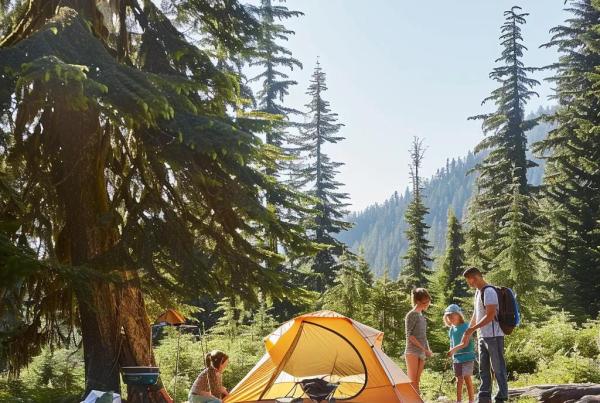
National forest campgrounds are managed recreation sites on public land, designed to balance conservation with outdoor access. They provide designated sites and basic facilities so families and groups can enjoy natural settings without impacting wilderness areas. For example, campsites in Huron National Forest offer defined loops with picnic tables and fire rings that protect surrounding ecosystems.
What Role Does the US Forest Service Play in Managing Campgrounds?
National Forest Campground Management
National forests are managed by the U.S. Forest Service, which oversees site maintenance, trail access, and the enforcement of camping regulations to preserve habitats and ensure visitor safety. Their stewardship includes maintaining water sources, fire rings, and using fees to support conservation efforts.
This citation supports the article’s claims about the role of the U.S. Forest Service in managing campgrounds.
How Do National Forest Campgrounds Compare to Michigan State Campgrounds and RV Parks?
Developed national forest sites focus on conservation-driven amenities and moderate fees, whereas Michigan state campgrounds often feature more recreational infrastructure and stringent reservation windows. RV parks in Michigan typically emphasize full hookups and resort-style extras, while national forest spots prioritize rustic charm and natural scenery.
What Types of Camping Are Available in National Forests?
What Are Developed Campgrounds and Their Amenities?
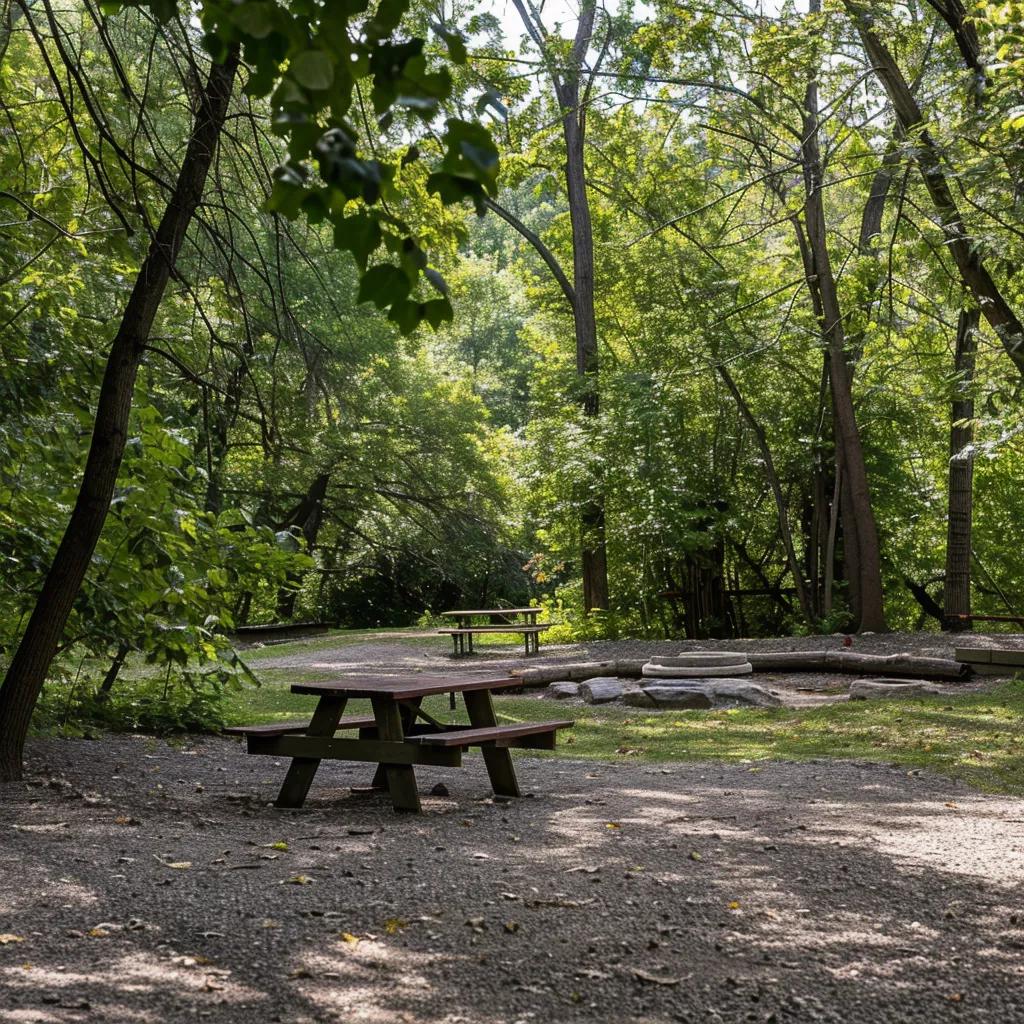
Developed campgrounds provide marked sites with utilities and shared facilities:
- Picnic Table & Fire Ring for safe cooking and social gatherings
- Vault Toilets or Pit Latrines to maintain sanitation
- Drinking Water Taps to reduce pack weight
These features support family-friendly adventures near trailheads and lakeshores, making lodging logistics straightforward.
How Does Dispersed Camping Work in National Forests?
Dispersed camping allows self-contained units to camp outside developed loops without reservations. Campers must follow leave-no-trace rules, stay 100–200 feet from water sources and roads, and pack out all waste. This approach offers wilderness immersion at no site fee.
What Are the Options for RV and Tent Camping in Michigan’s National Forests?
Below is a quick comparison of popular site types:
Is Glamping Available in National Forest Campgrounds?
Glamping in national forests is limited but emerging, with a few private concessionaires offering furnished tents or cabins. These setups retain forest ambiance while adding beds, lighting and sometimes heat—ideal for travelers seeking comfort without a full resort stay.
Which Amenities and Facilities Can You Expect at National Forest Campgrounds?
What Essential Facilities Are Common: Showers, Dump Stations, and Water Access?
Most national forest campgrounds provide drinking water and vault toilets; some larger sites offer coin-operated showers and RV dump stations. These facilities streamline multi-day stays and reduce the need to haul water or use portable sanitation.
Are There Accessible and Pet-Friendly Campgrounds in Michigan’s National Forests?
Many campgrounds include ADA-accessible loops with level pads, handrails and accessible restrooms. Designated pet-friendly loops allow dogs on leash, combining family recreation with inclusive design.
What Recreational Amenities Support Family-Friendly Outdoor Adventures?
Campgrounds often feature playground areas, lakeside fishing piers and trailheads for easy hikes. These amenities encourage active days and help children connect with nature right from their campsite.
How Do You Plan and Reserve a Campsite in National Forests?
What Is the Step-by-Step Process to Book National Forest Campgrounds Online?
- Visit Recreation.gov and create an account.
- Search by forest name or campsite ID.
- Choose travel dates and review site maps.
- Provide permit information and finalize payment.
- Save or print confirmation for ranger check-ins.
For family-focused alternatives close to these forests, explore seasonal offerings at Walnut Hills Family Campground.
What Are the Typical Fees, Permits, and Regulations for National Forest Camping?
Campground fees range from $10–$25 per night for developed sites; dispersed camping is generally free. Permits may be required for groups over a certain size, and fire restrictions vary by season and region.
Campground Fees and Regulations
Campground fees typically range from $10 to $25 per night for developed sites, while dispersed camping is often free. Permits may be required for groups exceeding a certain size, and fire restrictions vary depending on the season and region.
This citation provides information on the fees, permits, and regulations associated with national forest camping.
What Should You Include in a National Forest Camping Checklist?
- Sleeping System: Tent, pad and sleeping bags rated for local temperatures
- Cooking Gear: Portable stove, fuel, cookware and water filter
- Safety Items: First-aid kit, bear-resistant containers and maps
- Clothing Layers: Waterproof jacket, warm layers and sturdy footwear
Packing these essentials ensures comfort and compliance with forest regulations.
Where Are the Best National Forest Campgrounds in Michigan?
What Makes Hiawatha National Forest a Top Camping Destination?
Hiawatha National Forest spans sandy Lake Superior shorelines and dense pine stands, offering over 30 campgrounds with easy beach access and interpretive trails for all ages.
What Are the Key Features of Manistee and Huron National Forest Campgrounds?
- Manistee NF: Inland lakes, scenic rivers and extensive mountain bike trails
- Huron NF: Mixed hardwood forests, river paddling routes and family-oriented site loops
How to Find Campgrounds Near Me in Michigan’s National Forests?
Use GPS-enabled maps, check the USDA Forest Service site for up-to-date campground status, and call local ranger districts for trail and road conditions. Searching “campgrounds near me” in recreation apps quickly reveals nearby sites and availability.
From reserved developed sites to spontaneous dispersed overnights, Michigan’s national forests cater to every style of outdoor adventure, making them an unbeatable choice for memorable camping experiences.