Discover Thrilling Ohio State Park Camping Adventures and Family Fun
Experience the best of outdoor recreation, engaging family entertainment, and convenient stays with camping at Ohio state park campgrounds. Perfect for weekend escapes or extended seasonal adventures, this guide will introduce you to popular water and land activities, family events, accommodation choices, and essential planning tips to craft your ideal family trip.
What Are the Top Water Activities at Ohio State Park Campgrounds?
Dive into fun with water-based recreation at Ohio campgrounds, featuring lake swimming, boat rentals, and shoreline fishing – perfect for accessible outdoor enjoyment and relaxation for the whole family. These activities are designed for easy participation, with shallow beaches, supervised swim areas, and boat rental programs that cater to all skill levels and ensure safety. Enjoy low-impact exercise and social time while swimming, learn basic navigation and teamwork in paddleboats or canoes, and cultivate patience and outdoor skills through fishing. Remember to check seasonal swim hours, rental procedures, life jacket requirements, and weather-dependent schedules to plan your aquatic adventures. Read on to discover how families can make the most of beaches, boat rentals, and fishing, plus a peek at exciting new waterplay attractions.
How Can Families Enjoy Swimming and Beaches at Ohio State Parks?
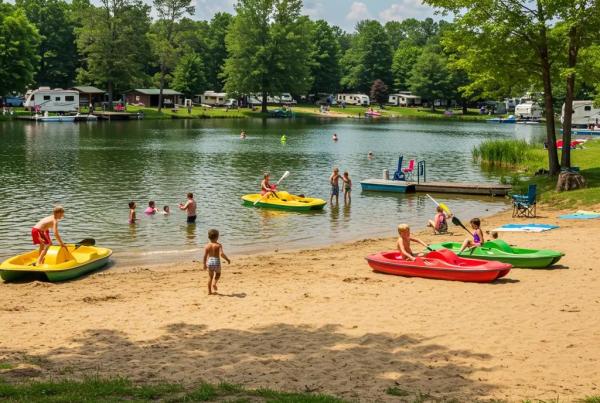
Beach swimming at Ohio campgrounds typically means a designated swim area with a sandy shore and a buoyed zone, creating a safe and fun space for kids to splash and for parents to keep a close eye. Be sure to pack shade essentials, sun protection, and flotation devices for little ones, and always check swim season schedules and lifeguard availability before you go. A quick safety check includes ensuring non-swimmers have life jackets, maintaining close adult supervision, staying hydrated, and being aware of water temperature and depth. A handy beach kit with towels, a first-aid kit, and a dry bag will make transitions between lake time and other activities seamless. These simple steps allow you to easily combine a morning hike or picnic with an afternoon of swimming, keeping everyone safe and happy.
Compare common water activities to help your family choose the perfect way to spend a day by the lake.
What Paddleboat and Canoe Rentals Are Available at Ohio Campgrounds?

Paddleboat and canoe rentals at many campgrounds offer effortless access to on-water fun without the hassle of transporting your own gear, making them ideal for families and beginners. Rental packages usually include life jackets, basic paddles, and a quick safety briefing. They often operate on a first-come, first-served or timed reservation basis during busy seasons. Parents should confirm age and weight recommendations, as well as any available instruction, upon arrival, and keep a close watch on younger paddlers. Booking ahead during peak months ensures availability and can cut down on wait times at the rental docks. Learning simple paddling techniques and planning who paddles when will boost enjoyment and make outings manageable for everyone.
Where Can You Go Fishing at Ohio State Park Campgrounds?
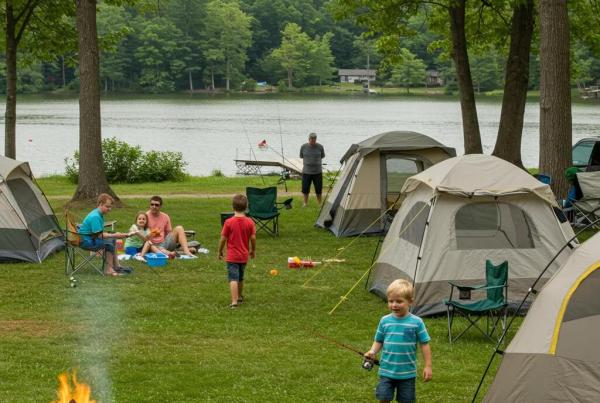
Fishing at Ohio campgrounds provides a fantastic opportunity for hands-on nature education and a low-cost, family-friendly pastime that often leads to catching common freshwater fish and enjoying quiet bonding moments. You’ll typically find warmwater species like sunfish, bass, and panfish, depending on the lake. Always verify licensing requirements and local regulations before you cast your line. Pack a small tackle kit with bobbers, light tackle, and kid-friendly bait, and teach catch-and-release methods if you prefer not to keep your catch. Shoreline spots near docks or in quieter coves often offer the best access for families and have less boat traffic, creating safe areas for children to learn. Checking local fish advisories and seasonal patterns can help families pick the best times to fish for a more rewarding experience.
Parental Influence on Children’s Outdoor Recreation in State Parks
Parents play a vital role in influencing their children’s outdoor recreation participation. Families can enjoy nature and stay active in state parks, which provide abundant opportunities for outdoor recreation and education. The purpose of this study was to examine the relationship between parents’ experiences with, and attitudes toward, outdoor recreation and children’s participation in outdoor recreation at state parks. A total of 104 parents completed an online survey in spring 2020. In state park settings, parents generally valued their children’s participation in non-consumptive outdoor recreation activities more than consumptive activities. A series of chi-square analyses further indicated, however, that parents who prefer engaging in consumptive recreation activities placed higher importance on their children’s participation in the consumptive activities of fishing and hunting.
The Influence of Parents’ Outdoor Recreation Preferences on Children’s Outdoor Activities in State Parks, HL Liu, 2024
Research shows that parents significantly shape their children’s involvement in outdoor activities, with a general preference for non-consumptive recreation in state park settings.
What Is the Future of Water Recreation: Upcoming Waterparks and Attractions?
Exciting new waterplay attractions, like floating obstacle courses and arcades, are set to elevate family camping by adding dynamic play options and entertainment for any weather. These features boost on-site engagement, reduce the need for long day trips, and create new opportunities for guests eager to experience them early in their stay. Keep an eye out for announcements regarding opening dates and consider booking around anticipated launch periods to be among the first to enjoy them and any special inaugural programming. While specifics vary by location, combining classic lake activities with new waterpark fun transforms multi-day stays into a perfect mix of skill-building, free play, and shared adventures. Anticipating these additions helps families plan trips that capture both timeless outdoor recreation and the thrill of new attractions.
Which Land-Based Recreational Activities Are Popular at Ohio State Park Campgrounds?
Land-based recreation at Ohio campgrounds offers a fantastic variety of options, from structured play areas and sports courts to casual games and trail exploration, all providing fun and healthy exercise for families. These activities are designed to suit everyone, with playgrounds for the little ones, courts for teens and adults, and trails for all fitness levels, allowing family members to enjoy separate activities and then reunite for meals and evening events. Amenities like picnic shelters, restrooms, and shaded seating enhance comfort and extend playtime on warm days. The following sections detail sports and playground offerings, hiking adventures, and indoor or rainy-day entertainment ideas to help you plan perfectly balanced days.
What Sports Courts and Playgrounds Are Offered for Family Fun?
Playgrounds and sports courts provide multi-generational fun that encourages active play, skill development, and friendly competition among family members. You’ll typically find playground equipment, volleyball and basketball courts, and horseshoe pits, perfect for impromptu games or organized family tournaments. Safety features like age-appropriate surfacing, clear court rules, and supervision guidelines make it easier for caregivers to manage activity rotations. Simple ideas like timed family rounds, rotating teams, or themed mini-tournaments can transform courts and playgrounds into structured entertainment that perfectly complements water activities. These spaces allow families to switch between high-energy play and relaxed lake or campsite time while keeping convenience and supervision in mind.
Here’s a quick checklist for families planning hiking and trail adventures to connect active land recreation with natural exploration.
- Pack essentials: Families should bring water, trail-appropriate shoes, and sun protection.
- Choose routes: Select family-friendly trails with manageable mileage and clear signage.
- Safety first: Keep communication devices, a basic first-aid kit, and a map or trail app available.
In short, planning hikes around other activities ensures children stay energized and that land-based options enhance the overall camping experience.
How Can Campers Explore Hiking Trails Near Ohio State Parks?
Explore regional trails offering diverse difficulty levels and features like rock formations, waterfalls, or scenic overlooks that make short family hikes both rewarding and educational. When planning a hike, families should opt for routes with gentle slopes, clear signage, and loop options to avoid backtracking with little ones. Combine a morning hike with midday lake time so kids can rest and cool off, and look for trailheads with nearby parking and restroom access to simplify logistics. Packing layers of clothing, snacks, and a basic safety kit helps families manage changing weather and keeps the outing comfortable. Local parks often provide maps and suggest easy, scenic routes perfect for families.
What Indoor and Arcade Activities Are Planned or Available?
Indoor recreation and arcade-style entertainment are essential rainy-day alternatives that keep the camping spirit alive while keeping kids engaged and active. Community rooms, small arcades, or multi-purpose event spaces offer opportunities for crafts, board games, and informal group activities that complement outdoor fun. Future seasons may bring planned indoor amenities like family arcades and covered play areas, enhancing the campground’s appeal during cooler months and unpredictable weather. Scheduling a mix of outdoor and indoor activities helps families avoid downtime and provides predictable periods for quiet relaxation in the evenings. These indoor options offer a flexible backup plan that keeps the fun going, even when weather disrupts lake and trail plans.
What Family-Friendly Events and Entertainment Can You Find at Ohio State Park Campgrounds?

Events and entertainment at campgrounds create structured opportunities for families to connect and for children to socialize in a supervised, communal environment that goes beyond simple play. Typical programming includes DJ nights, karaoke, bingo, and crafts, along with themed weekends that appeal to a wide range of ages and interests; these offerings add significant value to a campsite stay by providing nightly or weekend highlights. Event calendars are often seasonal, concentrating programming on peak weekends, which helps families plan around quieter or busier periods based on their preferences. The following sections cover event timing, craft programming, and why events are crucial for a quality family camping experience.
When Are DJ Nights, Karaoke, and Bingo Held at Ohio Campgrounds?
Social events like DJ nights, karaoke, and bingo are commonly held on weekend evenings during the peak season and may be scheduled weekly or on special event weekends to maximize family attendance. Camps with structured programming often post event schedules in advance so guests can plan activities that align with children’s bedtimes and quiet-hour policies. Families should review posted rules about noise and consider ear-friendly seating or early participation for younger kids to enjoy programming without late-night disruption. Peak event timing can influence campsite selection within a property, so checking the calendar helps families secure sites near or away from event centers based on their preferences. Planning around events maximizes participation while ensuring restful nights for families who prefer quieter evenings.
- Typical scheduling: Events concentrate on weekends in the summer months and may run nightly during holiday periods.
- Family tips: Arrive early for crafts and children’s activities to secure spots and avoid late waits.
- Quiet hours: Be mindful of property rules and plan child-friendly viewing or early departures as needed.
These practical guidelines help families enjoy programming while respecting other campers’ needs and maintaining positive campground etiquette.
How Do Craft Activities and Themed Weekends Enhance Family Camping?
Crafts and themed weekends transform simple outdoor stays into memorable shared experiences by offering children hands-on creative projects and parents structured family engagement. Crafts help develop fine motor skills, spark creativity, and result in keepsakes families can take home, while themed weekends—like nature weeks or holiday celebrations—provide coordinated activities that make multi-day stays feel cohesive. Organizers typically specify age ranges and provide materials; families should check signup requirements and bring small supplementary supplies for personalization. Participating in crafts and themed events helps younger campers make connections and supports caregivers by offering supervised, purposeful activities. These events build community, reduce screen time, and reinforce the idea that a campground stay is a curated family retreat.
Why Are Family Events Important for Ohio State Park Campground Experiences?
Family events offer structured social opportunities that complement unstructured play by fostering community, creating shared memories, and extending the value of a campground beyond the campsite itself. Events provide children with predictable activities that reduce the management load for caregivers and offer safe ways to meet other families and form playgroups. For parents, scheduled entertainment allows time to relax or engage in adult conversations while kids enjoy supervised programming. Events also encourage repeat visits because families associate properties with positive, organized experiences that appeal to all ages. Consequently, campgrounds that offer regular programming often see higher family satisfaction and stronger guest retention.
What Types of Camping Accommodations Are Available at Ohio State Parks?
Camping accommodations range from basic tent sites to full-service RV hookups and seasonal sites, each offering unique advantages in privacy, convenience, and suitability for different family types. These accommodation options work by catering to various comfort levels and trip durations: tent sites are perfect for minimalists, RV sites provide home-like amenities, and seasonal sites support extended family stays with added benefits like storage and community access. Key considerations include hookups, bathroom proximity, closeness to amenities like playgrounds and the lake, and whether sites can accommodate larger family setups. The following sections compare features, explain hookups and modern conveniences, and guide you through the online reservation process to help families select the best option.
What Are the Features of RV Sites, Tent Sites, and Seasonal Camping Options?
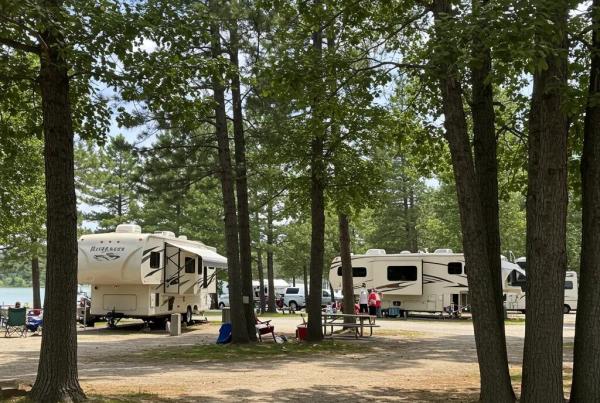
RV sites typically feature level pads and varying degrees of utility hookups, ideal for families seeking comfort and quick setup, while tent sites emphasize a closer connection to nature and often offer simpler amenities. Seasonal sites provide long-term placement, community continuity, and convenience for families who visit frequently, though they may require advance planning and longer commitments. Choosing a site involves balancing privacy, space for tents or RV slides, proximity to restrooms and playgrounds, and the necessity of full hookups for appliances. Families with young children often prefer sites closer to playgrounds or the lake to minimize walking and keep kids within sight while caregivers manage meals.
How Do Full Hookups and Modern Amenities Improve Camping Comfort?
Full hookups—power, water, and sewer connections—enable RV families to use major appliances, refrigeration, and climate control, significantly enhancing comfort for infants and older adults during longer stays. Modern amenities such as reliable restrooms, showers, Wi-Fi, and laundry facilities reduce friction during family trips and extend the viable camping season for groups that appreciate some indoor conveniences. These utilities allow families to combine outdoor adventures with predictable comforts, facilitating longer stays without logistical strain. When planning, verify the level of hookups and on-site services to match your equipment and family needs, ensuring you arrive prepared and can focus on recreation rather than basic logistics.
How Can You Make Online Reservations for Ohio State Park Campgrounds?
Making reservations online typically involves selecting dates, choosing a site type (RV, tent, seasonal), and confirming site-specific amenities to match your family’s requirements; this straightforward process minimizes uncertainty on arrival day. Best practices include booking early for holiday weekends, noting cancellation policies, and reviewing site maps to reserve locations near amenities you value. For private campground options, specialized reservation platforms like RV Site Reservation facilitate direct booking of specific site types, while broader reservation portals list state park sites on official systems. Confirming your site selection and arrival instructions in advance helps you coordinate travel, packing, and activity planning for a smoother family experience.
For families seeking a private lakefront option with engaging programming and exciting upcoming attractions, Ridge Ranch Campground offers a variety of camping accommodations (RV, tent, seasonal sites) alongside a wide array of on-site recreational activities and planned events. Ridge Ranch Campground boasts a 17-acre lake with a sandy beach and swimming deck, and its programming includes DJ nights, karaoke, bingo, and crafts; guests can utilize the RV Site Reservation product to secure RV sites in advance. This real-world example demonstrates how a modern campground effectively combines accommodation choices with recreational programming to deliver a comprehensive family experience.
What Nearby Attractions Complement Your Ohio State Park Camping Experience?
Nearby attractions enhance a campground stay by offering diverse day trip possibilities—regional parks, cultural sites, and outdoor outfitters provide easy diversions that pair perfectly with campsite-based recreation. These complementary stops offer varied activity intensities and learning opportunities: a short hike or rock formation visit adds adventure, a museum day introduces indoor learning, and a local golf course or canoe outfitter provides specialized recreation that families can book separately. Planning combined days minimizes travel time and maximizes the perceived value of a single trip. The following sections highlight must-see local options, offer tips for visiting Nelson Ledges and golf courses, and explain the benefits of partnering with outfitters.
Which Local Attractions Are Must-See Near Ohio State Parks?
Family-friendly regional attractions often include state parks with unique geological features, historical or sports museums, and culturally rich areas like Amish Country, offering local food, crafts, and short tours. Selecting attractions that match your family’s energy level—short scenic stops for young children or half-day cultural visits for older kids—keeps the itinerary balanced. Logistical notes include confirming parking availability, restroom access, and suitability for strollers or young walkers. Prioritizing one nearby attraction per day prevents over-scheduling and allows ample time for on-site campground activities like evening events or relaxing by the lake.
How Can Campers Explore Nelson Ledges State Park and Local Golf Courses?
Nelson Ledges State Park typically features family-friendly trails, notable rock formations, and short loop options perfect for energetic children and novice hikers, making it a prime half-day excursion from your campground base. Nearby golf courses may offer family tee times, mini-golf alternatives, or spectator-friendly layouts where families can enjoy a relaxed outing without a significant time commitment. When planning visits, check tee-time policies and trailhead parking availability, and consider combining a morning hike with an afternoon by the lake to balance active and restorative activities. These combinations allow families to enjoy both natural beauty and recreational amenities without extensive travel.
What Partnerships Enhance Recreational Opportunities Around Ohio Campgrounds?
Local partnerships with canoe outfitters, guided tour providers, and regional activity vendors expand on-site options by offering equipment, expertise, and curated experiences that many campers prefer not to arrange themselves. These collaborations often result in benefits such as guided family paddles, discounted rental packages, and combined itineraries that simplify logistics for multi-generational groups. Contacting outfitters in advance or checking campground notice boards for partner offerings can help families book guided experiences and avoid last-minute scheduling conflicts. Leveraging these partnerships transforms a standard campsite stay into a multi-dimensional trip with easily coordinated off-site adventures.
How Do Ohio State Parks Ensure a Family-Friendly and Safe Camping Environment?
Family-friendly campgrounds combine thoughtful infrastructure, engaging programming, and strategic location choices to create environments that feel secure and accessible for parents and children alike. Core elements include lifeguarded swim areas, well-maintained restrooms, accessible pathways, clear signage, and scheduled events that provide structured, supervised entertainment. These measures reduce caregiver stress, enhance child safety, and enable predictable daily rhythms that work well for families with young children. The following subsections detail specific amenities, how programming accommodates all ages, and why proximity to major highways is important for convenience and emergencies.
What Amenities and Safety Features Support Families at Campgrounds?
Key amenities that support family safety and convenience include lifeguarded beaches or clearly posted swim rules, regularly serviced restrooms and showers, accessible pathways for strollers and mobility devices, and on-site staff or security presence for emergencies. Families should verify the availability of these features in advance and pack a supplemental safety kit tailored to their children’s specific needs. On-site signage and check-in procedures help campers understand local rules, which improves safety compliance and enhances the overall experience. Preparing for contingencies—knowing the location of first-aid stations and emergency exits—builds confidence and reduces the mental load for caregivers during their stay.
How Are Events and Activities Designed for All Ages?
Program designers structure events to appeal across age groups by layering activities—kids’ crafts, family game nights, and adult-focused social hours—so that families can choose engagement levels that suit their members. Inclusive scheduling places high-energy activities earlier in the evening and quieter, reflective programs later to accommodate bedtime routines. Offering signups or limited-capacity sessions helps staff manage crowding and ensures quality participation for children who benefit from smaller group sizes. By designing multi-tiered programming, campgrounds increase participation and help families enjoy shared experiences without sacrificing individual needs.
Why Is Proximity to Major Highways Important for Family Campers?
Easy access to major highways shortens travel time for families and improves logistical flexibility for quick trips, emergency access, and last-minute provisioning runs to nearby towns. Proximity to a highway reduces travel fatigue, especially for families with young children or pets, and enables shorter drives for day trips to regional attractions. Emergency services and off-site supplies are generally easier to reach when a campground is near major roadways, adding a layer of practical security for caregivers. When selecting a campground, consider travel time from home as part of your overall planning to maximize time spent on recreation rather than transit.
What Are the Top Tips for Planning Your Recreational Activities at Ohio State Park Campgrounds?
Effective planning balances activity variety, rest time, and logistics so families can enjoy both discovery and downtime without overstretching energy or resources. Start by mixing high-energy and low-energy blocks—morning nature walks, midday lake time, and evening events—to maintain engagement across ages and to mitigate heat or fatigue. Consider seasonal schedules and future amenity releases when booking so you can optimize for new attractions or avoid peak crowds. The following sections offer daily scheduling ideas, advice for planning around seasonal events and upcoming amenities, and sample combinations to pair campground stays with nearby attractions.
How to Maximize Your Experience with Water and Land Activities?
Create a simple daily rhythm that alternates activity types to maintain enthusiasm and prevent burnout: plan a morning hike or trail exploration for fresh energy, reserve midday for lake-based play and naps, then attend an early evening family event or craft session. Share equipment duties—rotate paddle responsibilities, assign snack and hydration roles for different family members—and schedule short breaks during longer activities to keep children engaged. Keep a flexible buffer in your schedule to accommodate unexpected weather changes or longer-than-expected activities. This balanced approach ensures both active engagement and restful downtime for the whole family.
What Should Families Know About Seasonal Events and Future Amenities?
Seasonal programming often concentrates on summer weekends with additional holiday or shoulder-season events, and new amenities—such as planned waterparks or arcades—can shift booking demand when they open to the public. Families should monitor announcement windows and consider booking earlier if they want to experience new on-site attractions soon after launch. Understanding typical seasonal peaks and quieter shoulder seasons helps families choose dates that match desired crowd levels and event availability. Advance planning around seasonality reduces last-minute stress and increases the likelihood of securing favored sites and activity slots.
How to Combine Camping with Nearby Attractions for a Memorable Trip?
Pair a half-day attraction with campground-based leisure to create diverse daily experiences without overcommitting to long drives: for example, schedule a morning at a nearby rock formation park, return for an afternoon of lake swimming, and finish with a family game or evening event at the campsite. Build itineraries with clear transit windows, realistic walking times, and contingency plans for weather or closures. Coordinate meal planning—packable lunches for day trips and simple dinners at the campsite—to avoid rushed restaurant stops with tired children. Thoughtful combinations of on-site recreation and local attractions make a two-day or weekend trip feel full without being exhausting.
For families ready to secure a site that combines shoreline amenities with robust programming, consider the RV Site Reservation product to book RV spaces and review site features before arrival. Reserving early for peak dates and confirming site-specific amenities helps ensure a comfortable, activity-filled family stay at properties that emphasize lake access and organized events.
Frequently Asked Questions
What should families pack for a camping trip to Ohio State Parks?
When preparing for a camping trip to Ohio State Parks, families should pack essentials such as sleeping bags, tents, cooking gear, and food supplies. Additionally, include outdoor gear like hiking shoes, swimwear, and life jackets for water activities. Don’t forget personal items like sunscreen, insect repellent, and first-aid kits. For children, consider bringing toys, games, and books to keep them entertained during downtime. A well-planned packing list ensures a comfortable and enjoyable experience for everyone in the family.
Are there any age restrictions for water activities at Ohio State Parks?
Yes, age restrictions may apply to certain water activities at Ohio State Parks. For instance, children under a specific age may be required to wear life jackets while swimming or participating in boating activities. Additionally, some rental services may have age limits for operating paddleboats or canoes. It’s essential for families to check the specific regulations and guidelines at the campground they plan to visit to ensure compliance and safety for all participants.
What are the best times of year to visit Ohio State Parks for camping?
The best times to visit Ohio State Parks for camping are typically during the late spring and early fall months. Late spring (May to June) offers pleasant weather and blooming nature, while early fall (September to October) provides beautiful foliage and cooler temperatures. These periods often feature fewer crowds compared to peak summer months, allowing families to enjoy a more relaxed camping experience. However, families should also consider seasonal events and programming when planning their visit for added fun.
How can families ensure their safety while camping in Ohio State Parks?
To ensure safety while camping in Ohio State Parks, families should follow several key practices. Always supervise children near water and ensure they wear life jackets when necessary. Familiarize yourself with the campground layout, including emergency exits and first-aid stations. Keep a well-stocked first-aid kit on hand and know the location of the nearest hospital. Additionally, adhere to park rules regarding wildlife interactions and fire safety to minimize risks and enhance the overall camping experience.
What types of wildlife might families encounter while camping?
While camping in Ohio State Parks, families may encounter a variety of wildlife, including deer, raccoons, squirrels, and various bird species. It’s important to educate children about respecting wildlife and maintaining a safe distance. Additionally, families should store food securely to avoid attracting animals to their campsite. Understanding local wildlife behavior can enhance the camping experience, as observing animals in their natural habitat can be both exciting and educational for children and adults alike.
Are there any special considerations for camping with pets in Ohio State Parks?
Yes, when camping with pets in Ohio State Parks, families should check the specific park’s pet policies, as some areas may have restrictions. Ensure pets are leashed at all times and clean up after them to maintain a pleasant environment for all campers. Bring pet-friendly supplies, including food, water, and bedding, and consider the comfort of your pet in terms of temperature and activity levels. Planning pet-friendly activities can also enhance the camping experience for both pets and their owners.
What are some tips for making the most of family events at the campground?
To maximize enjoyment of family events at the campground, families should arrive early to secure spots and participate in popular activities. Review the event schedule in advance to plan around children’s bedtimes and preferences. Encourage kids to engage in crafts and games to foster social connections with other campers. Lastly, be flexible and open to trying new activities, as this can lead to unexpected fun and memorable experiences that enhance the overall camping trip.
Conclusion
Camping at Ohio State Parks offers families a unique blend of outdoor adventure, structured activities, and comfortable accommodations, ensuring memorable experiences for all ages. Engaging in water-based and land-based activities fosters connection and skill development while providing opportunities for relaxation and fun. To make the most of your trip, consider reserving your campsite early and exploring the diverse recreational options available. Start planning your family getaway today to create lasting memories in Ohio’s beautiful state parks.