Michigan Campgrounds for Fishing & Hiking: A Family-Friendly Guide to Easy Outdoor Escapes
Michigan makes it simple for families to mix fishing and hiking into one relaxed getaway. This guide walks through why the state is great for family trips, where to find kid-friendly on-site fishing and nearby trails, and how to plan whether you’re in an RV or pitching a tent. We cover the species you’ll likely catch, basic gear and safety tips, trail choices around Waterloo State Recreation Area, reservation steps for public and private sites, and sample two-day itineraries that balance fishing, hiking, and play. Read on for practical advice on packs, permits, timing, and choosing the right campground so you spend less time worrying and more time outside—whether you’re driving from Ann Arbor, Jackson, or other southeast Michigan hubs.
Why Choose Michigan Campgrounds for Fishing and Hiking?
Michigan’s mix of inland lakes, ponds and public forestlands creates compact, walkable outdoor experiences that work well for families. Short distances between water and wooded trails let you swap activities—an easy pond session in the morning, a short hike after lunch—without long drives. The state’s benefits for families include convenient access from nearby cities, lots of beginner-friendly waterways, and campgrounds that offer safety features and weekend programming for novice anglers and young hikers. Those elements cut down on logistics and make it easier to turn a single weekend into a true outdoor reset.
In short, Michigan campgrounds give families three practical advantages:
- Close access to both water and trails so fishing and hiking fit into one stay.
- Family-first amenities—beaches, shallow ponds, playgrounds—that make days safer and easier.
- Quick weekend drives from nearby cities, so short escapes are realistic for busy families.
Those reasons are why many families look specifically for campgrounds that pair fishing and trail access. Next, we’ll cover which amenities make those stays smooth and kid-friendly.
What Makes Family-Friendly Campgrounds Ideal for Outdoor Activities?
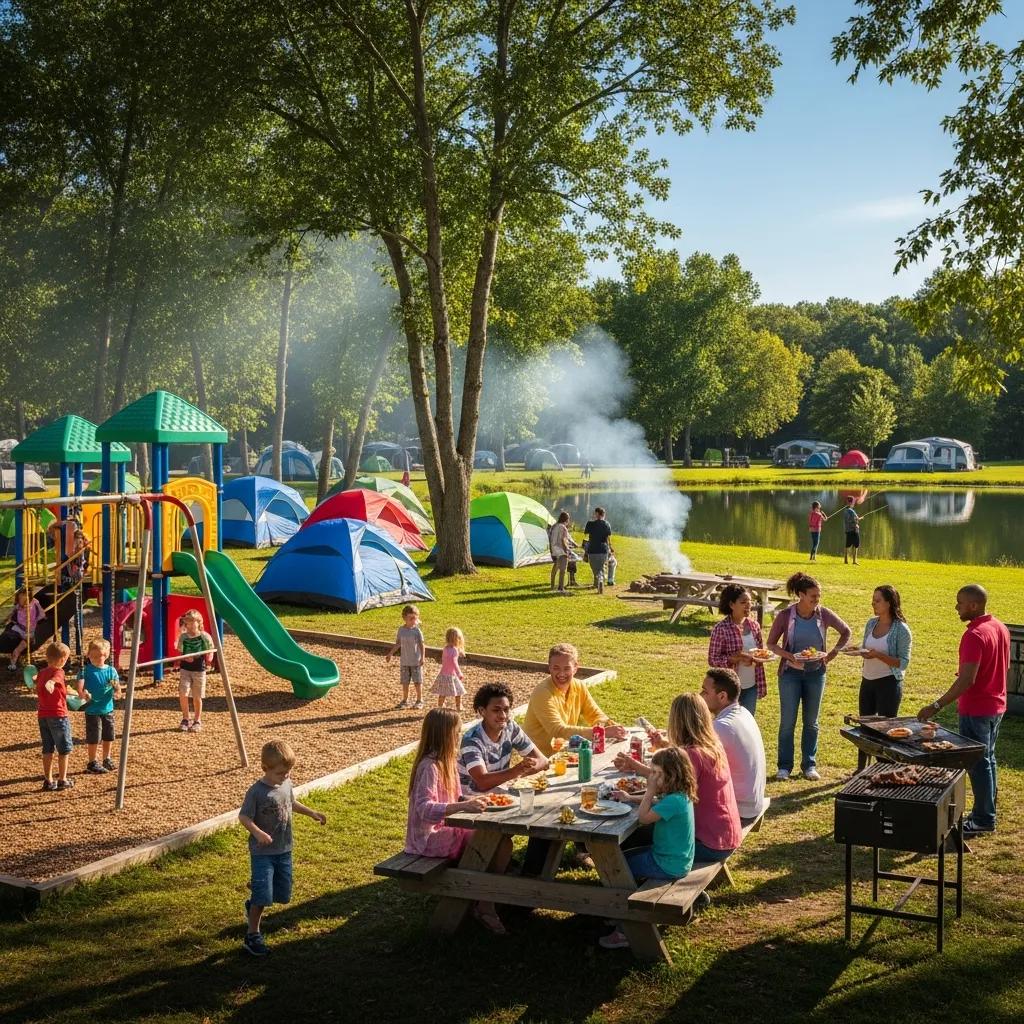
Family-focused campgrounds remove the friction that keeps people from trying outdoor skills. Look for safety features—supervised swim areas, sandy beaches, shallow fishing ponds—and visible staff or weekend programming that make water time manageable. Practical conveniences like restrooms with hot showers, covered pavilions, and playgrounds reduce routine hassles so families spend more time outside. On-site events—beginner fishing clinics, guided family hikes—give kids quick wins and parents confidence in local rules and techniques. Together, these elements create an inviting space where families can try new activities while staying comfortable and safe.
How Does Proximity to Major Cities Enhance Camping Experiences?
Being near population centers makes weekend camping realistic. Short drives reduce travel fatigue for little ones, cut fuel and lodging costs, and let families decide on a whim when weather or schedules cooperate. From Ann Arbor, Detroit, or Jackson, a two-hour (or shorter) drive can turn a weekend into meaningful outdoor time with minimal planning—so it’s easier to build repeatable traditions and practice outdoor skills more often. With that accessibility in mind, we’ll look at typical on-site and nearby fishing options families can expect at Michigan campgrounds.
What Are the Best Fishing Opportunities at Michigan Campgrounds?
Campground ponds and lakes in nearby state recreation areas cover a wide range of experiences—from easy panfish bites for kids to largemouth bass and seasonal trout for more experienced anglers. Managed ponds give predictable, shallow water for learning casting and knot-tying, while adjacent public lakes and rivers expand species variety and challenge. The best family stays combine safe pond access with quick trips to larger waters so you can alternate low-stress practice with slightly more technical fishing.
Combining a managed pond with access to larger public lakes gives families both safe practice waters and chances to target different species. Next we’ll cover common fish you’ll see and how to approach them.
Which Fish Species Can You Catch in Michigan Lakes and Ponds?
In southeast Michigan you’ll commonly catch panfish—bluegill and sunfish—along with largemouth bass and occasional perch; stocked trout show up in select lakes and spring-fed streams. Panfish are ideal for kids because they bite readily on simple setups and light tackle, so sessions stay fun and fast. Bass add excitement and are a great step up for older kids or adults using medium-action rods and soft plastics or live bait. Pay attention to seasons: warm months favor active bass and panfish, while stocked trout often fish better in cooler shoulder seasons. Knowing likely species helps with bait choices and keeps shore-based trips safe and productive.
How to Enjoy Family Fishing at The Oaks Campground Pond and Swimming Lake?
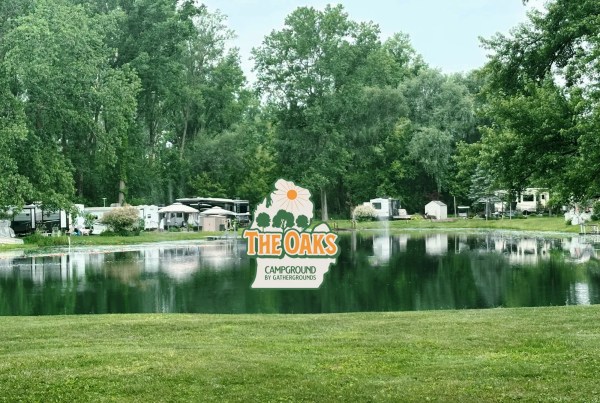
Keep fishing sessions short and focused to match young attention spans—30–60 minutes in the pond either early morning or late afternoon usually works best. Pack light spinning rods, small hooks, and basic jigs or live bait for panfish; for bass, medium-action rods with soft plastics are a good shore option. Always emphasize safety: life jackets near open water, clear boundaries for non-swimmers, and constant adult supervision. The Oaks Campground by GatherGrounds illustrates the family-friendly mix—large fishing pond plus a sandy-beach swimming lake—so you can combine shallow, supervised fishing with more active water play. Simple gear and clear safety rules make outings more rewarding for everyone.
Where to Find Top Hiking Trails Near Michigan Campgrounds?

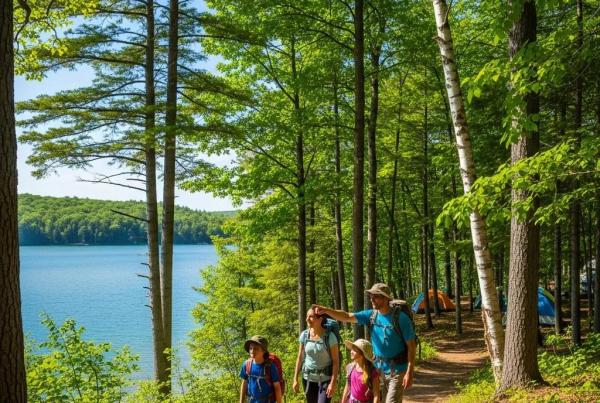
Campgrounds next to public recreation areas or with mapped trail systems give families quick access to hikes ranging from stroller-friendly loops to longer woodland tracks that reach lakes and overlooks. Trail networks in places like Waterloo let you pick distance and difficulty while staying close to camp. Walks that pass wetlands, hardwood ridges, and lakeside viewpoints add variety and wildlife without long drives. Use the table below to compare common nearby hikes from a representative campground near Waterloo State Recreation Area.
Compare trail options reachable from a campground close to Waterloo SRA:
This quick comparison helps you match hikes to energy levels and gear. Next, specific access tips and trail picks for families arriving from camp.
What Hiking Trails Are Accessible from The Oaks Campground and Waterloo State Recreation Area?
From campgrounds bordering Waterloo State Recreation Area you’ll find short interpretive loops, lakeside paths, and longer multi-use routes within a short drive—or sometimes right from the campground’s edge. Trails commonly offer stroller-friendly stretches, clear signage, and picnic spots that make them ideal for families. Before you go, check trailhead parking and seasonal conditions, and favor looped routes for flexibility with young hikers. A good rule: try a short loop on arrival day to help kids settle in, then tackle longer ridge or lake trails when everyone’s rested. With trail access sorted, add bird watching or a nature scavenger hunt to keep hikes engaging.
How Can Bird Watching Enhance Your Hiking Adventures?
Birding is an easy way to make hikes more engaging for kids. With a pair of compact binoculars and a free ID app, families can spot regional species in Waterloo—warblers, woodpeckers, and waterfowl near wetlands. Spring migration brings the greatest songbird variety, while late summer often reveals fledglings that stick around the trail. Turn birding into a simple scavenger hunt with a short species checklist to keep little ones motivated. Birding sharpens observation, teaches trail etiquette, and pairs naturally with conversations about habitat and conservation.
How to Plan Your RV and Tent Camping Stay in Michigan?
Good planning starts with choosing the right site type, knowing which amenities matter, packing appropriately, and reserving early for busy weekends. Site choices—full-hookup RV, partial-hookup, or tent-only—depend on your vehicle, comfort needs, and how self-sufficient you want to be. Families should also weigh shade, distance to restrooms and play areas, and whether the campground runs on-site programs. The table below quickly outlines typical campsite types to help you decide.
That table shows the trade-offs between comfort and rustic camping. Below we review amenities families often prioritize and simplify the reservation steps.
What Amenities Do Family RV Campgrounds Like The Oaks Offer?
Family-friendly campgrounds typically provide clean restrooms with showers, playgrounds, covered pavilions, and designated swim and fishing areas—features that keep multi-day stays manageable and fun. The Oaks Campground by GatherGrounds is an example, offering a swimming lake with a sandy beach, pavilions, playgrounds, a large fishing pond, and roughly 120 acres of golf cart riding trails—so families can balance play, exploration, and downtime without constant driving. Knowing what matters most to your crew helps you pack smarter and book the right site.
How to Make Reservations for Michigan State Park and Private Campgrounds?
Booking a site—state park or private—follows a few simple steps: pick dates and party size, choose a site type and must-have amenities, check booking windows for peak season, then complete payment and review policies. State parks often open reservations on fixed schedules and summer weekends fill fast, so plan months ahead for popular dates. Private campgrounds may be more flexible but still sell out for premium sites. Follow this step-by-step guide to reduce surprises:
- Decide your dates and campsite type, and be flexible with arrival/departure if you can.
- List required amenities and confirm the site fits your RV length or tent needs.
- Check reservation portals or call the campground for availability, and book early for summer weekends.
- Review cancellation, arrival, and permit rules; have payment details ready.
These steps increase your chances of securing a preferred site. For families wanting a private option near Waterloo SRA, The Oaks Campground by GatherGrounds offers family-focused amenities and reservations through its official booking channel—making it a convenient base for fishing and hiking adventures.
What Family Activities and Events Enhance Michigan Camping Experiences?
Campgrounds and state recreation areas run a mix of activities—guided hikes, campfire programs, scavenger hunts, and fishing clinics—that build skills and bring families together. Scheduled events provide structure and teach safe techniques, while open-play spaces let families choose free time. Combining staff-led programs with unscheduled play maximizes learning and fun for different ages. Below is a sample weekend plan that blends instruction with free time to show how a two-day visit might feel.
Sample weekend itinerary that balances learning and play:
- Morning: Short pond fishing session with a beginner clinic for kids, then a picnic lunch.
- Afternoon: Guided nature hike focused on birding and plant ID, followed by playground or beach time.
- Evening: Campfire program with stories or a ranger talk, finished with night-sky viewing.
Which Weekend Events and Amenities Are Available at The Oaks Campground?
The Oaks Campground runs weekend events and offers amenities designed for families: playgrounds, pavilions for group activities, a roomy fishing pond for shore fishing, a sandy-beach swimming lake, and about 120 acres of golf cart trails for family rides. Weekend programming often includes kid-friendly activities that appeal across ages and provide supervised options for younger visitors. The campground plans to add a Wibit water park in 2026, which will expand water-play choices. These options let families alternate between skill-building and free play without leaving the property.
How Do Campgrounds Combine Outdoor Adventure with Family Fun?
Campgrounds sequence activities to keep energy and confidence in balance—short instructional sessions followed by supervised free play are a common pattern. For example, a morning fishing clinic teaches knot-tying and casting, then families practice at the pond before heading to the beach. Scavenger hunts and guided hikes mix learning (species ID, trail safety) with playful rewards, helping kids move from observers to active participants. That stepwise approach makes future, slightly more adventurous trips feel achievable.
How to Explore Local Attractions Near Michigan Campgrounds?
Campgrounds near small towns and larger cities let families pair nature time with day trips to museums, parks, and kid-friendly attractions—without changing where you stay. A centrally located campground works as a basecamp for natural exploration and short urban outings. When planning day trips, keep drive times and departure windows in mind and choose stops that break up travel for young children. Below are practical day-trip ideas from a campground near Waterloo SRA.
What Day Trips Are Recommended from The Oaks Campground to Ann Arbor and Detroit?
From a campground near Munith and Waterloo SRA, single-day trips to Ann Arbor or Detroit are doable if you start early and return mid-afternoon to avoid heavy traffic. Ann Arbor has nature centers, hands-on museums, and outdoor dining that fit staggered schedules, while Detroit’s larger museums and waterfront parks work best with a full-day plan. For families, leaving mid-morning for Ann Arbor and planning 3–5 hours of activities before returning to camp usually keeps the day pleasant. Detroit outings are best as full-day trips with planned rest stops to break up driving for little ones.
How Does Camping Near Jackson and Munith Offer Unique Outdoor Experiences?
Camping around Jackson and Munith gives access to small-town parks, quiet nature preserves, and family-friendly picnic spots that are often less crowded than big-city attractions. These local options pair well with short hikes or afternoon fishing sessions and are usually low-cost or free. Mixing short local outings with on-site campground activities creates balanced days of structured programming and relaxed discovery.
Plan Your Stay and Reservations
If you’re ready to reserve a campsite near Waterloo State Recreation Area and Munith, look for private campgrounds that combine on-site fishing with trail access. The Oaks Campground by GatherGrounds is a nearby example, offering a large fishing pond, a sandy-beach swimming lake, playgrounds, pavilions, roughly 120 acres of golf cart riding trails, weekend events, and a planned Wibit water park in 2026. Reservations are handled through GatherGrounds Resorts’ official booking channel. The Oaks’ address is 7800 Cutler Rd, Munith, MI 49259, and it sits next to Waterloo State Recreation Area for easy trail access. Use the standard reservation steps—choose dates, pick site type, and book early for summer weekends—to lock in the best spots for a fishing-and-hiking family trip.
- Choose travel dates and campsite type before checking availability.
- Confirm required amenities (hookups, proximity to play areas, beach access).
- Reserve early for peak weekends and verify cancellation policies.
Follow those steps and pick a campground that pairs safe on-site waters with regional trail access, and you’ll be set up for repeatable, low-stress outdoor getaways.
This guide draws on current regional park and campground patterns to give practical strategies for families planning fishing-and-hiking trips in Michigan. For reservation details and up-to-date event schedules at the private campground example, check the campground’s official reservation channel run by GatherGrounds Resorts, and plan drive times from nearby hubs to maximize outdoor time.
Frequently Asked Questions
What should I pack for a family camping trip in Michigan?
Pack the camping basics—tent, sleeping bags, sleeping pads, cooking gear—and add fishing rods, tackle and bait if you plan to fish. Bring layered clothing for changing weather, sturdy hiking shoes, sunscreen, and insect repellent. For family fun, include simple games, binoculars for birding, and a well-stocked first-aid kit. Plan meals ahead and bring easy-to-cook items to keep evenings stress-free.
Are there any safety tips for fishing with children?
Safety is key. Make sure kids wear life jackets around open water, especially if they can’t swim. Teach safe handling of hooks and gear and supervise closely during casting and shoreline fishing. Choose shallow, calm spots for young anglers and set clear boundaries between swim areas and fishing zones. Emphasize respect for wildlife and Leave No Trace habits.
What are the best times of year for camping in Michigan?
The prime camping window is late spring through early fall, roughly May to September. Late spring brings blooming plants and active wildlife; summer offers the longest daylight for adventures; early fall delivers cooler weather and colorful foliage. Keep in mind that summer weekends are the busiest—book early for popular dates.
How can I find family-friendly hiking trails in Michigan?
Start with state parks and recreation areas that list trail maps and difficulty levels—Michigan DNR is a good resource. Look for short, well-marked loops with picnic areas and restroom access. Local hiking groups, campground staff, and trail apps with user reviews also offer practical insights from other families.
What activities can families enjoy at campgrounds besides fishing and hiking?
Campgrounds often offer swimming, biking, playgrounds, scavenger hunts, and campfire programs. Many host guided nature walks, crafts, and fishing clinics. Families can also enjoy bird watching, stargazing, and casual sports—activities that suit a wide range of ages and energy levels.
How do I choose the right campground for my family?
Consider the amenities you need—restrooms, showers, playgrounds, and swim or fishing areas—plus proximity to trails and local attractions. Read recent family reviews and check for safety features like supervised swim zones. Decide whether you want a rustic tent experience or the comfort of RV hookups, then book the site that best matches your family’s priorities.
Conclusion
Choosing Michigan campgrounds for fishing and hiking gives families a blend of simple adventures and convenient access to nature. With nearby waters, varied trails, and family-friendly amenities, these campgrounds welcome both first-timers and seasoned outdoor families. Plan a mix of short lessons and free play—fishing clinics, guided hikes, and beach time—to build skills and make memories. Start planning now: pick dates, reserve a spot, and look forward to a low-stress, high-reward family getaway.