
Factors Influencing RV Resort Sales: How Long Will It Take to Sell Your Campground?
Selling an RV resort or campground is about more than just a price tag; it’s about understanding a sale timeline that balances market conditions, property condition, buyer type, and the quality of your documentation. This guide breaks down what a “sale timeline” means for an RV resort, why these timelines can vary, and what you, as a seller, can do to speed up the closing process while safeguarding your legacy and guest goodwill. You’ll learn about typical offer-to-close ranges, the key milestones that mark a sale, the valuation metrics buyers use, and a practical preparation checklist to help accelerate offers. We’ll also explore how different buyer types—cash buyers, those using financing, institutional investors, and owner-operators—impact timing and outcomes, and how direct buyer approaches can shorten the process. Finally, we’ll outline current market trends for 2024–2025 and answer common seller questions, empowering you to make informed decisions about listing or pursuing direct conversations about selling your campground.
What Is the Typical Timeline for Selling an RV Resort or Campground?
The typical timeline for selling an RV resort or campground is the period from when we first start marketing or reaching out to buyers until the closing and transition are complete. It reflects how quickly offers emerge and how smoothly contingencies are resolved. Timelines differ because buyer financing, the complexity of due diligence, environmental or permitting hurdles, and the quality of your records all influence the number of steps involved. Standard market benchmarks show a broad range, with cash transactions closing fastest and brokered or financed deals taking longer due to lender processes and buyer network timelines. Understanding the timing of each milestone helps you set realistic expectations and focus on tasks that most effectively compress the sale timeline, directly leading to identifying the key steps buyers anticipate during due diligence.
How Long Does the RV Park Sale Process Usually Take?
The RV park sale process typically takes anywhere from one month to over a year, depending on the buyer type and the complexity of the deal. Cash buyers and motivated owner-operators can often move from an initial offer to closing in about 30–120 days because they bypass lender underwriting. Financed purchases commonly require 90–270 days to satisfy loan approvals and appraisal contingencies. Brokered listings that rely on broad market exposure and buyer qualification frequently average 6–12+ months on market when sellers opt for list-based marketing. These ranges highlight why sellers aiming for faster outcomes should prioritize having their documents ready and a clear scope of necessary repairs to minimize friction during due diligence and appraisal processes.
What Are the Key Milestones in the Campground Sale Timeline?
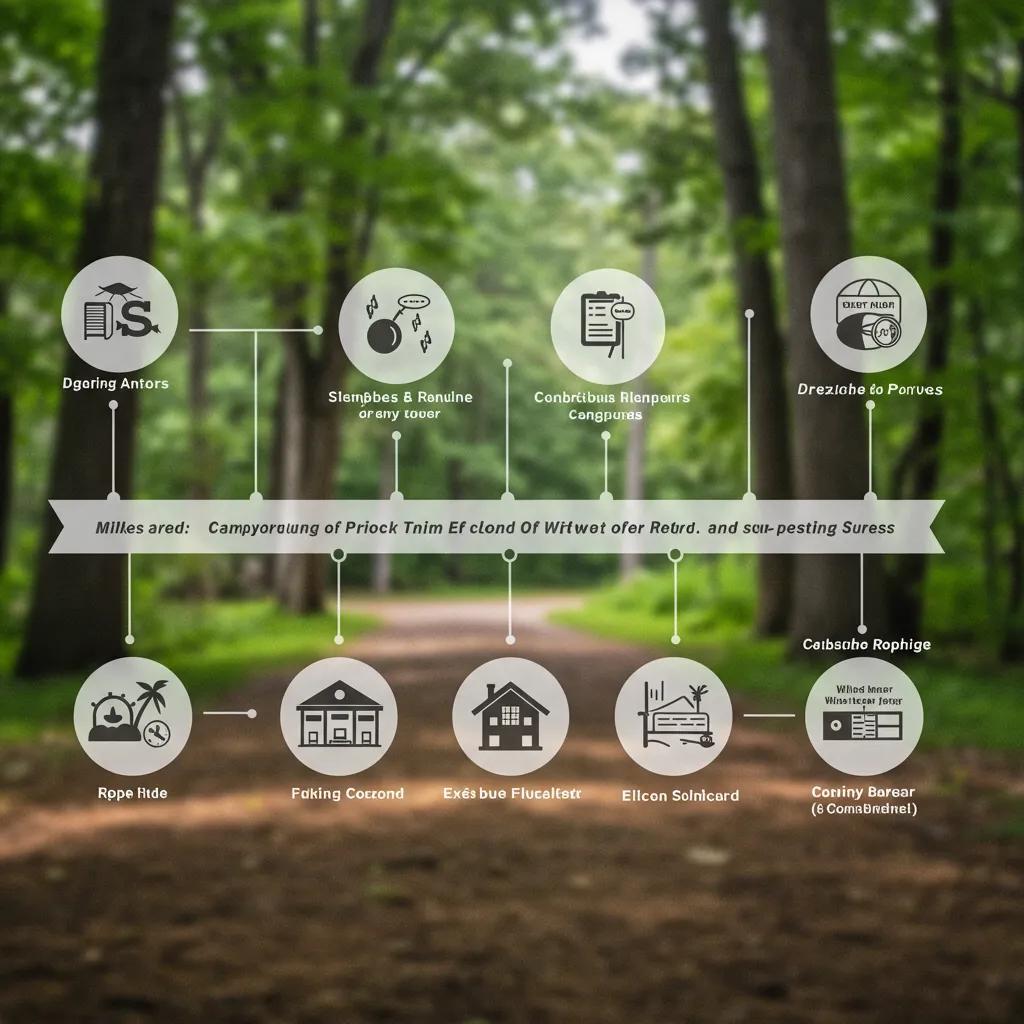
Key milestones in a campground sale map out the core phases that buyers and sellers will navigate from start to finish. First, outreach or listing initiates the process through targeted buyer contacts or market exposure. Next, offers and negotiation transform interest into actionable terms that define price, contingencies, and timelines. Due diligence follows, where buyers thoroughly validate financials, environmental status, permits, and site conditions. Closing and transition finalize the transfer of funds, title, and operational handoff, including communications with staff and guests. Mapping these milestones clearly shows where delays commonly occur and where proactive seller actions can deliver the greatest time savings.
- View the sale as a series of manageable phases, not a single event.
- Having clear documentation significantly reduces time spent in the due diligence stage.
- An agreed-upon transition plan helps shorten post-closing operational friction.
This milestone sequence prepares you to prioritize readiness tasks that directly influence how quickly a transaction can be completed.
How Can the Sale Timeline Vary by Buyer Type?
The type of buyer is one of the most significant factors determining the sale duration, as it dictates financing methods, decision-making speed, and tolerance for contingencies. Cash buyers typically offer the quickest timelines with minimal lender contingencies and straightforward closings, often completing deals in 30–120 days. Private investors using bank or SBA loans require underwriting, appraisals, and lender conditions, extending timelines to 90–270 days. Institutional buyers and large funds may take longer due to committee approvals and portfolio-level reviews, commonly pushing closings toward 6–12 months or more. Owner-operator acquirers who plan to preserve the park’s legacy often negotiate practical transition arrangements that can either speed closings (through flexible terms) or lengthen them (if seller employment or a gradual handoff is negotiated).
This comparison illustrates how selecting the right buyer pathway can materially affect how long the sale takes and which contingencies will be most significant for you as the seller.
Which Factors Most Influence How Quickly an RV Park Sells?
The speed of an RV park sale is driven by a focused set of high-impact factors: market conditions, property condition and amenities, buyer financing complexity, and the completeness of your documentation. Market strength and interest rates shape buyer demand and cap rate expectations, while the physical condition and quality of amenities influence buyer appetite and inspection findings. Financing introduces lender-driven timelines, and well-organized financials and permits can dramatically shorten due diligence. Recognizing which factor is most likely to cause a delay allows you to concentrate on the highest-return actions to accelerate offers, leading to tactical steps such as targeted repairs, document preparation, and buyer-specific marketing.
How Do Market Conditions Affect the Sale Speed of RV Resorts?
Market conditions affect sale speed by altering buyer purchasing power and valuation expectations, which in turn influence time on market. Higher interest rates increase borrowing costs and often push cap rates higher, reducing buyer willingness to pay and lengthening the search for qualified purchasers. Seasonal demand also shifts listing attractiveness—owners who list during peak travel seasons may see faster buyer activity and stronger offers. Regional dynamics, such as demand in specific areas, affect buyer pools and cap-rate expectations, meaning sellers in stronger micro-markets typically experience shorter marketing windows and more competitive bids.
- Rising rates generally extend time-to-close; falling rates can compress it.
- Seasonal timing influences buyer readiness and competitive intensity.
- Local demand concentration shortens search time for qualified buyers.
These market dynamics make timing and localized positioning critical components of your selling strategy.
How Does Property Condition Impact the Sale Timeline?
Property condition directly impacts the timeline because deferred maintenance and infrastructure issues extend inspection and remediation phases. Core systems—sewer, water, and electrical—are non-negotiable for lenders and many buyers; failure in these areas triggers longer contingencies, repair negotiations, or even deal re-pricing. Conversely, visible guest-facing upgrades such as updated bathhouses, strong Wi-Fi, and clean common areas increase buyer confidence and can speed up offers. Prioritizing high-impact repairs and documenting recent capital investments reduces negotiation friction and shortens the due diligence window.
- Address core infrastructure issues before you start marketing.
- Document recent upgrades to support your asking price and reduce back-and-forth.
- Smaller cosmetic fixes often improve perceived value and buyer confidence.
Improving property condition is therefore one of the most direct levers you have to shorten a sale timeline.
What Role Does Buyer Financing Play in Sale Duration?

Buyer financing shapes duration through lender requirements, appraisal timelines, and conditional approvals that can add weeks or months. Bank and SBA loans require underwriting documentation, environmental reviews in some cases, and property-level appraisals—each step adds time and introduces potential points where the deal could fall through. Seller-financing or creative terms can accelerate closings by reducing external lender dependency, while cash transactions bypass these constraints entirely. You can de-risk financed deals by pre-qualifying buyers, sharing organized financials early, and negotiating realistic financing contingency periods.
- Financed deals carry underwriting-related delays and contingencies.
- Cash buyers reduce timing risk and close faster.
- Seller strategies to shorten financed deals include buyer pre-qualification and clear documentation.
Understanding financing pathways helps you choose negotiation strategies that limit timeline exposure.
How Does Selling Directly to a Buyer Like GatherGrounds Expedite the Process?
Selling directly to a family-owned, owner-operator buyer shortens the timeline by eliminating layered corporate negotiations and reducing intermediaries. Direct buyer communication enables quicker decision cycles because you speak directly with the people who will operate the park, and because a stewardship-oriented buyer often prioritizes orderly transition and operational continuity. GatherGrounds Resorts emphasizes a respectful handoff and practical post-sale investment planning, which can reduce negotiation friction around staff retention, guest communication, and capital improvement schedules. For sellers seeking a faster path to closing while preserving legacy, a direct conversation with a buyer who focuses on operational continuity can materially compress the sale timeline.
- Direct sales reduce negotiation layers and speed up offers.
- Family-owned buyers may offer more flexible transition terms.
- Early, clear documentation further accelerates decision-making by direct buyers.
This direct-sale option often pairs speed with stewardship-focused outcomes that many sellers prioritize.
How Is the Value of an RV Park Determined During the Sale?
RV park valuation relies on quantifiable financial metrics combined with qualitative property and market attributes. The primary financial framework uses Net Operating Income (NOI) and observed market cap rates to estimate value via the formula Value = NOI / Cap Rate, while revenue multiples and occupancy trends supplement valuation perspectives. Non-financial drivers—amenities quality, number of sites, location, and operational stability—adjust buyer perceptions and pricing premiums. Buyers expect orderly financial documentation to make accurate offers, and the clarity of those records often translates into faster, higher-confidence bids.
What Are the Key Financial Metrics Used in RV Park Valuation?
Key financial metrics for RV park valuation include Net Operating Income (NOI), capitalization rate (cap rate), revenue per available site, and occupancy trend analysis. NOI equals total revenue minus operating expenses and forms the numerator in the capitalization formula. Cap rates vary by market and risk profile and are applied as Value = NOI / Cap Rate; a park with $300,000 NOI at a 6% cap rate would suggest a $5,000,000 valuation. Revenue multiples and trailing occupancy trends provide additional cross-checks that buyers use to validate projected cash flows and risk adjustments.
Clear presentation of these metrics accelerates accurate valuation and reduces negotiation time.
How Do Amenities and Location Influence Campground Value?
Amenities and location influence value by shifting demand, allowing for premium pricing, and affecting the operating cost structure. Must-have infrastructure—reliable hookups, restroom facilities, and potable water—sets the baseline value because these elements limit buyer remediation needs. Value-add amenities like a swimming lake, cabins, or upgraded bathhouses create upside potential and attract different guest segments, supporting higher revenue per site. Location factors—access, proximity to attractions, and regional demand—shape occupancy and seasonality, with well-situated parks commanding cap-rate compression and quicker buyer interest.
- Core infrastructure reduces buyer contingency risk.
- Value-add amenities justify premium pricing and attract newer demographics.
- Location determines baseline demand and seasonality patterns.
These qualitative factors translate into concrete valuation adjustments and influence buyer selection.
What Financial Documentation Should Sellers Prepare for Valuation?
You should prepare a comprehensive packet of financial and operational documents that buyers and lenders typically request during valuation and due diligence. Essential items include 3–5 years of profit-and-loss statements, tax returns, bank statements, occupancy and reservation reports, vendor contracts, and recent capital expenditure records. Environmental and permit documentation, utility bills, and site maps also expedite technical review. Clear, consistent documentation reduces buyer skepticism, shortens the due diligence window, and often accelerates offers.
Organizing these documents into a single, labeled packet helps buyers and lenders move more quickly and with greater confidence.
After explaining valuation metrics and typical documentation, remember that a direct buyer perspective rewards well-organized financials. Buyers who acquire campgrounds and RV parks—particularly those with 130 or more sites—prioritize clear P&Ls and occupancy trends to make timely offers. Presenting concise, reconciled financial records often speeds receiving an offer from a direct buyer and reduces back-and-forth during negotiations.
How Can Campground Owners Prepare Their Property for a Faster Sale?
Preparing a campground for sale means addressing infrastructure, organizing records, and optimizing operations to demonstrate stable cash flow and reduce buyer uncertainty. High-priority repairs to sewer, water, and electrical systems remove major contingencies that slow deals. Well-organized financial and legal records shorten the valuation phase, and documented operational improvements—marketing wins, occupancy growth, and ancillary revenue—make the property more marketable. A seller-focused readiness plan aligns improvements with buyer expectations and often shortens the time from first inquiry to close.
What Maintenance and Upgrades Improve Buyer Appeal?
High-impact maintenance and targeted upgrades improve buyer appeal by reducing perceived risk and amplifying revenue potential. Prioritize core infrastructure like sewage treatment, potable water systems, and site electrical hookups since these are immediate lender and buyer concerns. Guest-facing enhancements—clean bathhouses, reliable Wi-Fi, landscaping, and clear signage—improve occupancy potential and justify higher revenue per site. Small cosmetic investments with clear ROI often attract more offers and reduce negotiation about capital needs.
- Fix infrastructure issues before listing to avoid extended contingencies.
- Invest in guest-facing upgrades that directly enhance revenue per site.
- Keep records of recent repairs to show maintenance history and reduce buyer uncertainty.
These steps increase buyer confidence and can shorten the inspection-to-close timeframe.
How Should Sellers Organize Financial and Legal Records?
Organize your records in a logical folder structure that maps document type to buyer due diligence needs so reviewers can find essentials quickly. Provide reconciled P&Ls and tax returns for the past 3–5 years, bank statements, leases, vendor contracts, permits, insurance certificates, and utility bills. Label files clearly and include an executive summary that highlights key performance metrics such as NOI, occupancy trends, and one-time expenses. This clarity reduces requests for follow-up documentation and accelerates valuation and lender review.
A well-structured data room signals professionalism and significantly expedites the due diligence timeline.
When evaluating readiness, a direct buyer like GatherGrounds typically requests the same core documents to expedite offers: reconciled P&Ls, recent tax returns, occupancy histories, site maps, and records of recent capital improvements. Presenting these materials early in conversations with buyers who focus on the acquisition of campgrounds and RV parks, particularly those with 130 or more sites, helps accelerate their internal review and can lead to faster, more certain offers.
How Can Optimizing Operations Increase Marketability?
Optimizing operations increases marketability by showing predictable cash flow and scalable practices that buyers value. Focus on improving revenue per site through dynamic pricing, ancillary income streams (store, equipment rental), and optimized reservation channels. Demonstrate consistent occupancy improvements, marketing ROI, and staff processes that reduce operating costs. Presenting before-and-after metrics from recent operational changes helps buyers see immediate upside and lowers perceived execution risk, which tends to shorten negotiations and speed the closing process.
- Track and present key metrics: rev/site, occupancy, ancillary revenue.
- Document recent marketing campaigns and their impact on bookings.
- Highlight operational efficiencies and staff continuity plans.
Operational transparency signals lower risk and makes buyers more willing to proceed quickly.
Why Choose GatherGrounds Resorts for Selling Your RV Park?
GatherGrounds Resorts offers a family-owned, stewardship-focused acquisition approach that emphasizes preserving legacy, maintaining staff where possible, and investing in thoughtful park improvements over a 2–3 year enhancement period. Our model centers on direct communication between seller and buyer, which streamlines negotiation and reduces the layers that often prolong brokered or institutional sales. GatherGrounds is primarily interested in the acquisition of campgrounds and RV parks, particularly those with 130 or more sites, and we offer a no-obligation conversation for owners exploring retirement or sale options. This seller-focused approach often shortens decision timelines and produces transitions designed to protect guest goodwill.
How Does GatherGrounds Ensure a Smooth and Respectful Transition?
GatherGrounds ensures smooth transitions by engaging in direct, transparent discussions with sellers about operational continuity, staff retention, and guest communication plans. Our process typically includes an introductory conversation to align expectations, well-defined due diligence steps with clear documentation requests, and a collaborative transition plan that addresses key operational touchpoints. This deliberate approach reduces uncertainty for staff and guests and helps preserve the park’s identity during and after ownership transfer. Sellers who value legacy preservation find this method reduces post-closing friction.
- Introductory conversation to align priorities and timelines.
- Clear due diligence checklist to avoid surprises.
- Collaborative transition planning for staff and guest continuity.
These steps produce faster, more respectful handoffs that protect the seller’s legacy and guest relationships.
What Makes a Family-Owned Buyer Different from Large Investment Firms?
A family-owned buyer often prioritizes stewardship and long-term operational quality over short-term yield maximization, which changes negotiation dynamics and post-sale planning. Such buyers tend to be hands-on, focused on preserving traditions and local staff, and willing to structure transitional arrangements that accommodate sellers’ retirement or phased exits. In contrast, large investment firms may prioritize portfolio metrics and rapid returns, which can lead to different contingencies and transition processes. Sellers seeking legacy preservation typically prefer a family-owned approach for its alignment with community and staff priorities.
- Emphasis on preserving legacy and staff continuity.
- More flexible, hands-on transition terms.
- Focus on steady improvement rather than immediate yield maximization.
These differences matter for sellers who weigh speed alongside how their campground will be managed after closing.
How Does Selling Directly to GatherGrounds Benefit Sellers?
Selling directly to GatherGrounds benefits sellers through faster decision cycles, fewer intermediary fees, and open, owner-to-owner negotiation that often reduces time spent in contract back-and-forth. Direct negotiation eliminates broker layers and creates clarity on transition expectations, enabling more practical handoff arrangements. For many sellers, this pathway both shortens the timeline and protects operational continuity, while our stated model of post-sale improvements and a 2–3 year enhancement plan provides a clear vision for future investment.
- Faster decision-making with direct buyer communication.
- Potential to avoid broker fees and extended listing periods.
- Clear post-sale investment plans and stewardship-focused transition.
These advantages make direct sale conversations an efficient option for owners prioritizing speed and legacy protection.
What Are the Current Market Trends Affecting RV Resort Sales in 2024-2025?
Current market trends through 2024–2025 influence valuations and time-to-sale, and sellers should align timing and expectations accordingly. Interest-rate movements and cap-rate adjustments have created short-term valuation pressure in some regions, while continued interest in outdoor hospitality and changing buyer demographics sustain mid-term demand. Younger campers and experience-driven guests increase the value of amenity-rich properties, and buyers are paying closer attention to documented operational improvements. Understanding these trends helps sellers decide whether to list now, pursue a direct buyer conversation, or invest in targeted upgrades before marketing.
How Have Interest Rates and Cap Rates Impacted RV Park Values?
Interest-rate increases in recent periods pushed cap rates higher in many markets, which lowered valuations when pricing was derived from NOI capitalization. Higher cap rates mean buyers apply a larger yield requirement, reducing the purchase price for a given NOI. That dynamic lengthens time-on-market for sellers expecting earlier, higher valuations. If rates stabilize or decline, cap-rate compression can improve seller outcomes and shorten listing periods. You should therefore monitor financing conditions and consider timing and price expectations in light of cap-rate trends.
- Rising rates typically translate to higher cap rates and lower prices.
- Stabilizing rates can restore buyer confidence and compress cap rates.
- Sellers should align expectations with current financing conditions.
This interest-rate sensitivity is a leading driver of short-term valuation and timing strategies.
What Buyer Demographics Are Driving Demand for Campgrounds?
Younger buyers and guests—millennials and Gen Z—are expanding demand for amenity-rich, experience-oriented campgrounds that offer comfort, activities, and digital connectivity. These demographics value upgraded bathhouses, cabins, social programming, and strong Wi-Fi, which shifts buyer interest toward parks that have invested in guest experience. Additionally, owner-operators seeking lifestyle and stewardship opportunities remain active acquirers, especially for parks with stable cash flows and room for operational value-add.
- Younger demographics increase demand for upgraded amenities.
- Experience-driven features support higher revenue per site.
- Owner-operators remain a core buyer pool for community-focused parks.
Understanding buyer preferences informs where you should invest to attract competitive offers.
What Is the Outlook for RV Park Sales and Market Growth?
The outlook into 2025 suggests cautious optimism: while short-term softness may persist in some regions due to financing shifts, long-term demand for outdoor hospitality remains intact as demographic trends and travel preferences continue to favor camping experiences. Sellers who prepare their properties, present clear financials, and target the right buyer segments should find a path to timely transactions. Timing sales to market windows, or engaging direct buyers who prioritize stewardship and operational continuity, can improve both speed and the quality of outcomes for sellers considering an exit in the near term.
- Short-term sensitivity to financing; long-term structural demand remains.
- Prepared properties and clear metrics sell faster.
- Direct buyer conversations can offer both speed and legacy-focused outcomes.
This outlook helps sellers decide whether to list immediately or optimize readiness for a faster sale later.
What Common Questions Do Sellers Have About Selling Their Campground?
Sellers commonly ask about timeline expectations, tax implications, sale structure, broker necessity, and steps to improve attractiveness. Short, practical answers help owners quickly assess options and determine next steps for either listing or initiating direct buyer conversations. The following Q&A addresses these primary concerns with data-backed guidance and actionable tips to shorten time-to-close while protecting seller interests.
How Long Does It Typically Take to Sell a Campground?
On average, selling a campground in current markets often spans several months, with common benchmarks around 6–9 months for brokered listings and 1–4 months for well-qualified cash or direct-buyer transactions. However, actual timing depends on buyer type, property condition, documentation quality, and market demand. Sellers seeking to shorten timelines should prepare financials, address core infrastructure, and target buyers who match the property profile, such as owner-operators or buyers focused on the acquisition of campgrounds and RV parks, particularly those with 130 or more sites.
- Brokered/listed sales: typically 6–12+ months.
- Cash/direct sales: commonly 30–120 days.
- Preparation and targeted outreach reduce time to close.
These ranges help sellers set realistic expectations and prioritize readiness steps.
What Are the Tax Implications of Selling an RV Park?
Tax implications commonly include capital gains considerations and potential depreciation recapture; the specifics depend on whether the sale is of the business, real estate only, or an asset purchase and on sellers’ individual tax situations. Because tax rules are complex and outcomes vary, you should consult a qualified tax professional or CPA to model scenarios and plan for timing and sale structure implications. Early tax planning can influence whether to pursue an asset sale, stock sale, or other structuring that affects after-tax proceeds.
- Capital gains and depreciation recapture are common considerations.
- Sale structure (real estate vs business) materially affects tax treatment.
- Professional tax advice is essential for seller-specific decisions.
Professional guidance reduces post-sale surprises and helps sellers optimize net proceeds.
Should I Sell My Campground as a Business or Real Estate Only?
Choosing to sell the campground as a business (operations + real estate) versus real estate only depends on buyer interest, tax considerations, and your desired outcome as the seller. Selling the business captures goodwill and recurring revenue streams, appealing to owner-operators, while selling real estate only may attract investors focused on property value. Each path has trade-offs in buyer pools, valuation methods, and tax implications, so you must weigh liquidity needs, legacy considerations, and the complexity of transferring operations.
- Business sale attracts operating buyers and may command a premium.
- Real estate-only sale targets investors and can simplify transfer of operations.
- Evaluate tax and strategic outcomes with advisors before deciding.
Matching sale structure to buyer type and seller goals reduces negotiation friction and timeline uncertainty.
Is It Necessary to Hire a Broker to Sell My Campground?
Hiring a broker provides market exposure, buyer qualification, and transaction management, which can be valuable if you’re seeking the highest possible market price. Brokers, however, add fees and layers of communication that may extend the timeline. Selling direct to a qualified buyer reduces fees and can speed decision-making, especially when the buyer is a known operator interested in the acquisition of campgrounds and RV parks, particularly those with 130 or more sites. The choice depends on your priorities: maximum market reach versus speed and control.
- Brokers increase exposure but add fees and potential timeline.
- Direct sales reduce layers and can close faster.
- Choose the approach aligned with priorities: price vs speed vs legacy.
This trade-off framing helps sellers elect the right route for their goals.
How Can I Make My Campground More Attractive to Potential Buyers?
You can make campgrounds more attractive by prioritizing infrastructure reliability, guest-facing upgrades, and organized financials that demonstrate stable or improving performance. Improving sewage, water, and electrical systems removes major lender contingencies, while upgraded bathhouses, Wi-Fi, and recreational amenities increase revenue potential. Presenting reconciled P&Ls, occupancy trends, and documented marketing performance makes the property easier to underwrite and more likely to receive timely offers.
- Fix core infrastructure: Address sewer, water, and electrical issues.
- Upgrade guest amenities: Improve bathhouses, Wi-Fi, and site appearance.
- Organize financials: Provide reconciled P&Ls, tax returns, and occupancy reports.
These concrete steps form a practical roadmap for sellers who want to improve saleability and compress timelines.
Frequently Asked Questions
What are the benefits of selling my RV park directly to a buyer like GatherGrounds?
Selling directly to a buyer like GatherGrounds offers several advantages, including faster decision-making and reduced intermediary fees. This direct approach allows for open communication between the seller and buyer, which can streamline negotiations and clarify transition expectations. Additionally, GatherGrounds focuses on preserving the campground’s legacy and operational continuity, which can be appealing for sellers who prioritize the future of their property and staff. Overall, this method can lead to quicker closings and a smoother transition process.
How can I assess the current market value of my RV park?
To assess the current market value of your RV park, start by analyzing key financial metrics such as Net Operating Income (NOI) and capitalization rates (cap rates) relevant to your area. Comparing your park’s performance against similar properties can provide insights into market trends. Additionally, consider qualitative factors like location, amenities, and overall condition, as these can significantly influence buyer interest and pricing. Engaging a professional appraiser or real estate agent with experience in RV parks can also yield a more accurate valuation.
What common mistakes should I avoid when selling my campground?
Common mistakes to avoid when selling your campground include inadequate preparation of financial documents, neglecting necessary repairs, and failing to understand market conditions. Sellers often underestimate the importance of organized financials, which can lead to delays during due diligence. Additionally, overlooking essential repairs can deter potential buyers and prolong the sale process. Lastly, not aligning your sale strategy with current market trends can result in missed opportunities for better pricing and quicker sales.
How can I effectively market my RV park to potential buyers?
Effectively marketing your RV park involves showcasing its unique features and strengths. Start by creating a comprehensive listing that highlights key amenities, location advantages, and recent upgrades. Utilize high-quality images and virtual tours to attract interest. Additionally, consider targeted marketing strategies, such as reaching out to specific buyer demographics or using online platforms that cater to RV enthusiasts. Engaging a real estate professional with experience in campground sales can also enhance your marketing efforts and broaden your reach.
What should I include in my sales agreement to protect my interests?
When drafting a sales agreement, include essential elements such as the sale price, payment terms, and contingencies related to financing and inspections. Clearly outline the responsibilities of both parties during the transition period, including staff retention and guest communication plans. Additionally, consider including clauses that address potential liabilities and warranties regarding property condition. Consulting with a legal professional experienced in real estate transactions can help ensure that your interests are adequately protected throughout the sale process.
How can I prepare my campground for a successful sale?
Preparing your campground for a successful sale involves addressing both physical and financial aspects. Start by making necessary repairs to core infrastructure, such as plumbing and electrical systems, to eliminate major contingencies. Organize financial records, including profit-and-loss statements and occupancy reports, to present a clear picture of the park’s performance. Additionally, consider enhancing guest-facing amenities to increase appeal. A well-prepared property not only attracts more buyers but can also lead to quicker offers and a smoother transaction process.
Conclusion
Understanding the factors that influence RV resort sales can significantly enhance your selling strategy and timeline. By preparing your property, organizing documentation, and targeting the right buyer types, you can streamline the sale process and maximize your returns. Engaging in direct conversations with potential buyers like GatherGrounds can further expedite your transaction while preserving your legacy. Take the first step towards a successful sale by exploring your options today.