
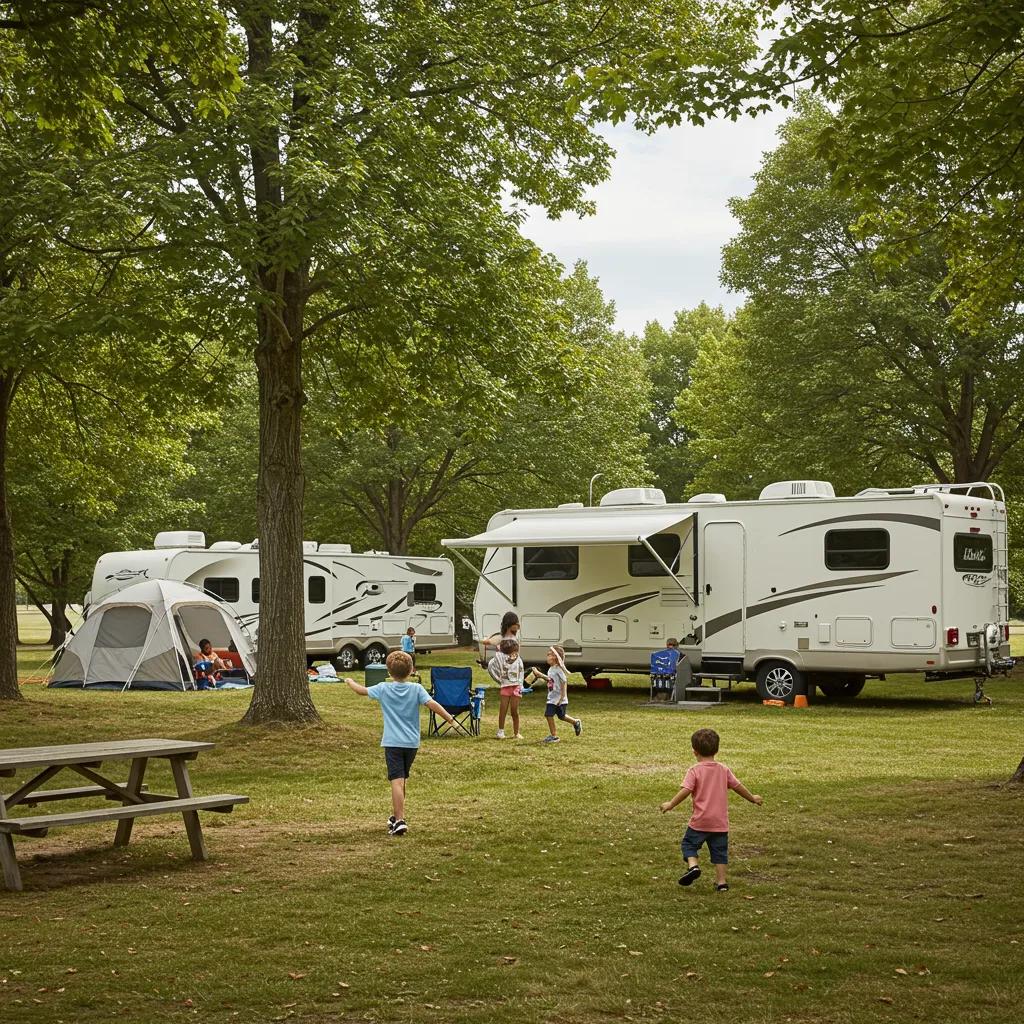
Discover Nearby Campgrounds Welcoming Both Tents and RVs
Finding nearby campgrounds that welcome both tents and RVs is all about knowing what to look for and where to search. This way, you can perfectly match site types to your family’s needs and book with total confidence. This guide will walk you through identifying family-friendly campgrounds that can accommodate both RVs and tents, compare different site types and amenities, and show you how to book online safely and efficiently. Many families run into the challenge of mixing tents and RVs—whether on the same site or nearby—and the right campground can solve all your logistical puzzles, from power needs to activity planning. This article previews five practical sections: how to evaluate campgrounds and site types, step-by-step advice for online booking, the key amenities that truly matter for mixed groups, regional picks with a local spotlight, and decision criteria to help you choose between RV parks and mixed campgrounds. Throughout, you’ll find helpful checklists, comparison tables, and examples of site features like 30 and 50 AMP electrical, water and sewer hookups, primitive tent areas, one- and two-bedroom cabins with kitchenettes, and family attractions like inflatable water play and river float trips.
What Are the Best Family Campgrounds Near Me That Allow Both Tents and RVs?
Campgrounds that are perfect for families and mixed camping styles offer clear site information, a good variety of RV and tent site options, and family-oriented amenities that boost both comfort and safety. Great properties will list site attributes (like hookups, pad size, and waterfront access) so you can easily filter results by RV full hookups or electric tent sites. This speeds up the process of matching your gear to available spots. Prioritizing campgrounds that have a mix of RV pads, electric tent options, and cabins can significantly reduce packing stress and ensure everyone, whether they prefer glamping or a more primitive experience, is happily accommodated. The next subsections will dive into where to find full-hookup RV sites, how to pick tent sites with the utilities you need, and cabin options that are just right for families.
Which Campgrounds Offer Spacious RV Sites with Full Hookups?
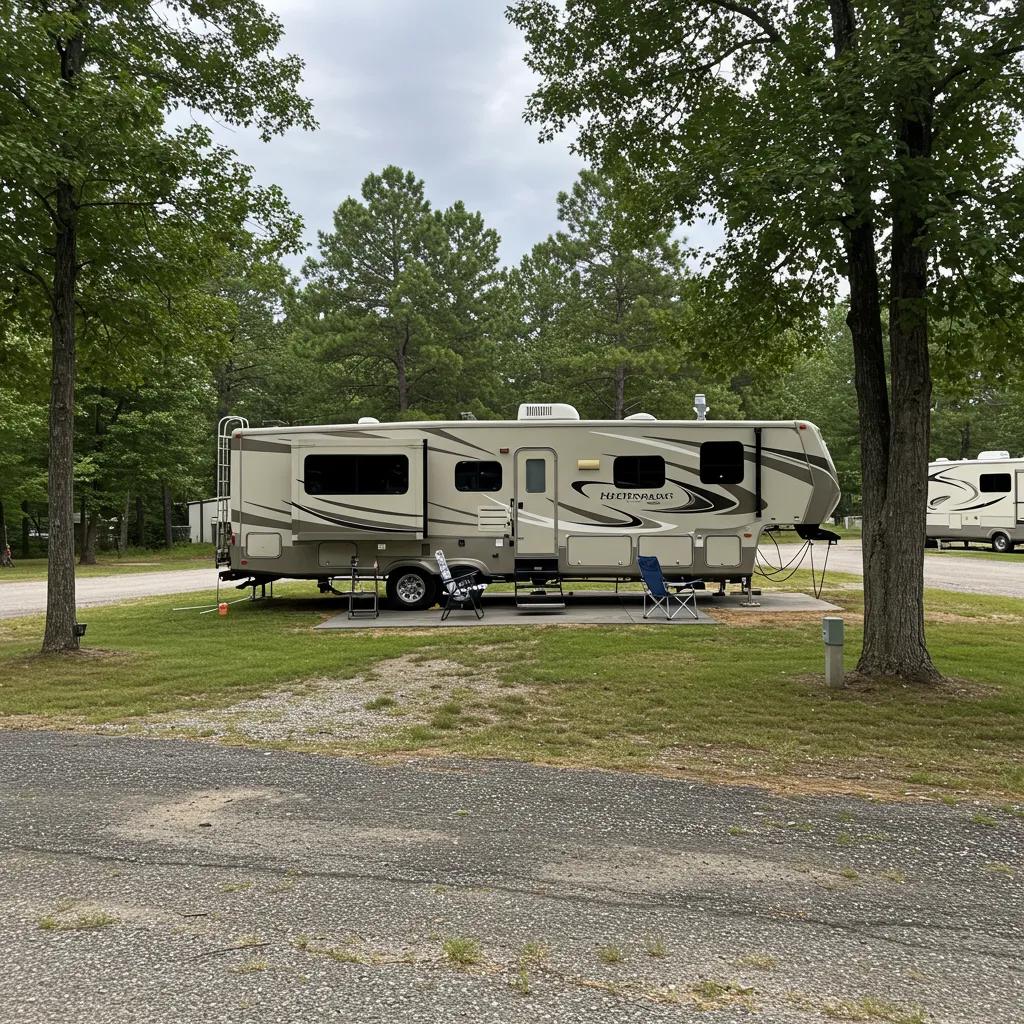
Spacious RV sites with full hookups typically come with 30 AMP or 50 AMP electrical, fresh water, and sewer connections, making them ideal for longer stays and full-service camping. Always verify the pad dimensions, whether it’s a pull-through or back-in orientation, and any noted waterfront or shaded options when comparing listings, as these details determine slide-out clearance and ease of maneuvering. Look for site descriptions that explicitly mention “full hookup,” “30 AMP,” or “50 AMP.” These key terms—30 AMP electrical, 50 AMP electrical, water hookup, sewer hookup—are the practical features you need to confirm. Knowing this makes it simple to filter your search results and prioritize campgrounds that can comfortably support longer family stays and larger RVs.
Where Can I Find Tent Sites with Primitive and Electric Options?

Primitive tent sites are defined by their lack of utility connections and a focus on natural settings, while electric tent sites offer 110V power for small appliances and comfort items. Both types cater to different family priorities. When evaluating tent sites, check their proximity to restrooms, showers, and playgrounds, as well as onsite features like fire rings and picnic tables that support family cooking and safety. Choose primitive sites to maximize your immersion in nature and keep costs down, or opt for electric tent sites when you need power for devices, lighting, or medical equipment. These distinctions help families balance a rustic experience with modern conveniences when planning stays for mixed groups.
What Cabin and Glamping Options Are Available for Families?
Cabins and glamping options provide excellent alternatives for family members who prefer a more finished lodging experience. They typically list bedroom count and kitchenette features to help guide your capacity planning. One- and two-bedroom cabins with kitchenettes offer sleeping separation and basic meal preparation facilities, which is incredibly valuable for mixed-age groups, families with infants, or members who prefer not to sleep in a tent or RV. When a family needs accessible, weather-protected lodging while others are camping, cabins perfectly fill that role and reduce the need for extra gear. Comparing cabin sizes and amenities ensures the whole group can enjoy a comfortable stay with flexible sleeping arrangements.
How Can I Book Tent and RV Sites Online Easily and Securely?
Booking tent and RV sites online starts with searching by date, site type, and required hookups, ensuring that the availability shown reflects the exact configuration you need. This method significantly reduces booking errors and mismatches. A secure reservation process includes clear site selection, a visible calendar showing real-time availability, payment via trusted gateways, and an emailed confirmation with all your site details and policies. Booking channels can vary, but prioritizing direct property calendars or platforms that display live availability minimizes surprises and helps you secure group or seasonal blocks. The subsections below provide step-by-step reservation actions, guidance on how to recognize live availability and rate transparency, and tips for group and seasonal bookings.
What Are the Steps to Make Real-Time Reservations at Campgrounds?
Making real-time reservations involves searching by date and site type, confirming hookup details, selecting a specific site or site category, and completing secure payment to lock in your booking with a confirmation number. Begin by filtering for RV vs. tent sites and required features—30 AMP electrical, 50 AMP electrical, water hookup—then review site layout photos or maps to verify vehicle clearance and tent space. Before you pay, take a moment to read the deposit, cancellation, and any extra-fee policies to avoid mismatched expectations, and be sure to save the confirmation email as proof of the agreed-upon site and amenities. Following these steps carefully reduces the risk of arriving at a site that doesn’t quite accommodate your combined tent and RV needs.
Which Campgrounds Provide Online Availability and Rate Information?
Campgrounds that provide accurate online availability usually display an interactive calendar or a “real-time” marker and include transparent rate notes for different site types and seasons, which greatly supports direct comparison. Direct property booking engines tend to update immediately, while third-party platforms might have a slight delay. Look for indicators like calendar widgets, site photos, and explicit hookup listings to trust the availability shown. Always cross-check rates, taxes, and any potential resort or amenity fees before confirming, and prefer channels that issue instant confirmations and receipts. Clear rate transparency helps families plan their budgets effectively and select the right mix of RV, tent, or cabin lodging.
Are There Campgrounds That Accept Group and Seasonal Bookings?
Many family-oriented campgrounds happily accept group and seasonal bookings, but they often require advance notice, deposits, and sometimes a site plan or guest list to reserve contiguous sites or seasonal leases. For group reservations, be sure to ask about block-booking policies, minimum-stay rules for weekends or holidays, and whether sites can be held together. For seasonal sites, check the lease duration and what utilities are included. Planning ahead and communicating any special requirements (like extra vehicles or canopy setups) significantly increases your chance of obtaining an ideal layout. Understanding these booking mechanics empowers families to coordinate reunions, multi-family trips, or extended stays with minimal friction.
What Amenities Should I Look for at RV and Tent Friendly Campgrounds?
Amenities that truly elevate family camping combine safety, entertainment, and convenience—think swimming areas with supervised zones, engaging play areas, modern restrooms, and easy access to rentals and organized activities. Prioritizing amenities helps you match a campground perfectly to your group’s needs: water play and kid-focused programs support long, fun daytime activities, while laundry facilities and a camp store help maintain comfort during longer stays. The table below compares common family amenities to help you rank them by availability, notes, and potential fees, so you can prioritize what matters most for your mixed RV and tent groups.
Common family amenities and their value:
- Swimming and water play for supervised family recreation
- Playgrounds and organized kids’ events for engaging daytime fun
- Convenience features like a camp store and renovated bathrooms for added comfort
The following table helps you compare these features when choosing your next property.
Which Family-Friendly Amenities Enhance the Camping Experience?
Family-friendly amenities significantly enhance safety and convenience by providing supervised activities, reliable sanitation, and engaging recreation that appeals to multiple ages and interests. Amenities such as a Wibit water park, a supervised swimming lake, playgrounds, and organized weekend events like crafts and music keep children engaged and provide parents with opportunities to relax. Convenience features—like well-stocked camp stores, laundry facilities, and renovated restrooms—reduce logistical strain during your stay and support longer visits. Prioritizing these amenities ensures your campsite can support both active days and comfortable evenings for your mixed tent and RV groups.
How Do Campgrounds Accommodate Both RVs and Tent Campers?
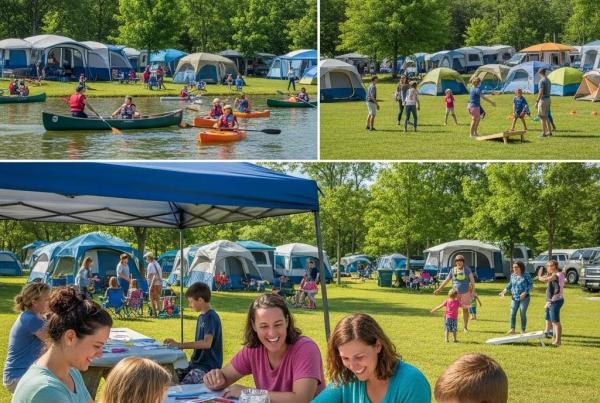
Campgrounds accommodate mixed groups by thoughtfully zoning sites—creating dedicated RV loops, tent-only areas, and family zones with mixed site types—so that guests experience appropriate spacing, noise levels, and shared amenity access. Many properties offer a balanced distribution of full-hookup sites and electric or primitive tent spaces, with shared restrooms and communal areas strategically positioned to serve both groups efficiently. Effective layouts place RV pads with sewer hookups and ample slide-out room apart from quieter primitive tent clusters while ensuring both have convenient access to play areas and water features. This thoughtful site planning minimizes potential conflicts and supports diverse camping preferences.
What Unique Outdoor Activities Are Offered Near Campgrounds?
Unique outdoor activities that beautifully complement camping stays include river float trips, on-site inflatable water attractions, and local trails or charming small-town attractions that create wonderful day-trip options for families. River float options—like canoeing, kayaking, or tubing—often integrate seamlessly with campground itineraries via nearby launch points and rental partners, providing a scenic, low-effort adventure for mixed groups. On-site lake features like a Wibit inflatable course offer all-day engagement for kids, while nearby parks and trails provide quieter outdoor time for families seeking nature walks or picnics. These activities extend the camping experience far beyond the campsite itself.
Where Are the Top Campgrounds in Michigan That Welcome Both RVs and Tents?
Top Michigan campgrounds that welcome both tents and RVs prioritize water access, family events, and clear site-type information, making it easy for regional searchers to filter results by hookup type and recreational fit. In Michigan, the abundance of lakes, rivers, and family-oriented amenities often determines which campgrounds are best suited for mixed groups and which operate on a seasonal calendar for peak travel times. Below is a quick comparison table of common site types families look for, helping you understand which option best fits your itinerary and vehicle.
What Makes Walnut Hills Family Campground a Premier Choice?
Walnut Hills Family Campground, a flagship property of GatherGrounds Resorts located in Durand, Michigan, spans 42 acres and presents a broad mix of accommodations and family amenities. The property offers RV sites with 30 and 50 AMP electrical, water, and full hookup options, spacious tent camping areas with primitive or electric sites that include fire rings and picnic tables, and cozy one- and two-bedroom cabin rentals with kitchenettes for families seeking glamping-style comfort. Walnut Hills features signature family attractions, including a Wibit water park on its swimming lake and organized weekend events, and it supports reservations through real-time online booking across all GatherGrounds Resorts properties. These attributes make it a practical example when searching locally for campgrounds that welcome both tents and RVs.
How Does the Shiawassee River Enhance Camping Experiences?
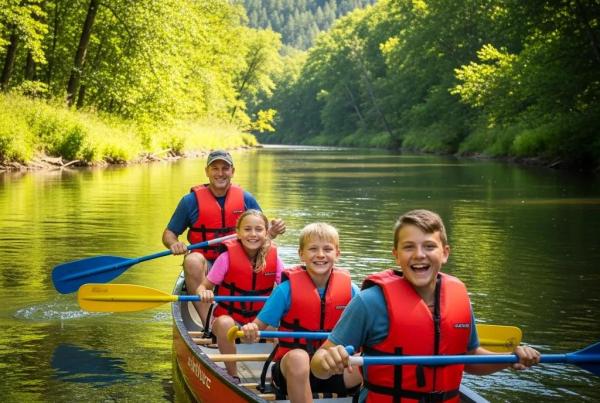
The Shiawassee River provides scenic float opportunities that pair naturally with campground stays, allowing families to easily add canoeing, kayaking, or tubing to a camping itinerary with convenient local launch access. River floats offer relaxed daytime recreation, opportunities for wildlife observation, and a chance to combine water-based excursions with on-site amenities like beaches or lakes. Safety considerations—such as life jackets, supervised conditions for children, and timing floats outside peak weather—ensure enjoyable outings for all ages. Integrating a river float into a campground stay truly enriches the overall experience and creates memorable family activities.
Which Nearby Attractions Complement Family Camping Trips?
Nearby attractions that beautifully complement family camping trips typically include local parks, charming small-town events, and accessible nature areas that provide short excursions from the campground and help diversify daily plans. Families might seek out a nearby nature center for easy hikes, a riverside launch for enjoyable float trips, or local town festivals that add variety to an overnight stay. Selecting attractions within a short drive supports day-trip planning without sacrificing precious time at the campsite, which is especially useful for families balancing rest, play, and exploration. Pairing on-site amenities with local attractions truly extends the vacation value for mixed camping groups.
How Do I Choose Between an RV Park and a Campground That Allows Tents?
Choosing between a dedicated RV park and a mixed campground hinges on your infrastructure needs, desired amenities, and your group’s tolerance for noise and proximity to others. RV parks typically offer larger pads, consistent full hookups, and infrastructure designed for longer stays, while mixed campgrounds provide a broader variety of site types and family activities. Consider whether you absolutely need 50 AMP service, immediate sewer hookup, or if you’d prefer a campground with a swimming lake and organized events; these priorities will help determine the right property for you. The following list helps you weigh the main decision points when selecting the best fit.
Key decision factors when choosing:
- Infrastructure needs: Determine if you require 30/50 AMP power, water, and sewer hookups for comfort and appliance use.
- Site preferences: Choose between pull-through RV pads, tent-only clusters, or cabins based on your group composition and accessibility needs.
- Amenity priorities: Prioritize features like water play, playgrounds, and event schedules that keep families engaged and entertained.
Reviewing these factors will help narrow your options and naturally lead you into specific differences and booking considerations.
What Are the Key Differences Between RV Parks and Tent Campgrounds?
RV parks primarily focus on infrastructure—offering full hookups, level pads, and vehicle-friendly circulation—while tent campgrounds emphasize natural settings, proximity to trails, and primitive or electric tent options. RV parks often maintain larger available services like wastewater management and wide drives, whereas tent campgrounds may offer closer access to natural features and quieter, tree-shaded sites. Guests should weigh the pros and cons: choose RV parks for long-term stays and full-service needs, and select mixed campgrounds for flexible group composition and family activities. Understanding these distinctions simplifies your selection process.
Can I Camp with Both a Tent and an RV at the Same Site?
Camping with both a tent and an RV at the same site is sometimes allowed, but it truly depends on the site dimensions, campground policies, and whether the site is specifically designated for combined usage. Look for site descriptions that mention extra vehicle or guest limits, or contact the property in advance to request a larger site or adjacent spots. Some campgrounds do permit tent setup beside an RV on pull-through pads or oversized sites. Be aware of potential extra fees or reservation rules tied to combined setups, and always secure confirmation before arrival to avoid any surprises. Confirming the site layout and rules beforehand ensures a comfortable combined-camping arrangement.
How Do Amenities and Site Types Vary Between Campgrounds?
Amenities and site types vary significantly by property tier and target guest profile. Higher-amenity resorts often offer water parks, organized events, and comprehensive services, while smaller campgrounds might provide primitive sites and more limited conveniences. Typical amenity tiers include full-service resorts with laundry, stores, and programmed family events; mid-tier campgrounds with electric sites and basic facilities; and primitive parks focused on natural settings. Reading site descriptions and maps carefully, and asking about specific features—such as 30 AMP electrical or kitchenettes in cabins—helps match your expectations to the actual offerings. Confirming these details before booking reduces on-site friction and aligns the stay with your family’s needs.
Frequently Asked Questions
What should I consider when choosing a campground for mixed camping types?
When selecting a campground that accommodates both tents and RVs, consider factors such as site size, available amenities, and the campground’s overall layout. Look for properties that offer a good mix of full-hookup RV sites and electric or primitive tent sites. Additionally, check for family-friendly amenities like playgrounds, swimming areas, and organized activities that cater to all ages. Understanding the campground’s policies on noise levels and spacing can also significantly enhance your overall experience, ensuring comfort for both tent and RV campers.
How can I ensure a safe camping experience for my family?
To ensure a safe camping experience, prioritize campgrounds with well-maintained facilities, including clean restrooms and safe play areas. Check for amenities like lifeguarded swimming zones and organized activities that actively promote safety. Familiarize yourself with the campground’s emergency procedures and the location of nearby medical facilities. Additionally, pack essential safety gear, such as first aid kits, life jackets for water activities, and fire safety equipment. Communicating safety rules clearly with your family before the trip can also help everyone stay aware and prepared.
What are the benefits of booking a campground in advance?
Booking a campground in advance offers several key benefits, including securing your preferred site type and avoiding last-minute stress. Early reservations often provide access to better rates and availability, especially during peak seasons. Furthermore, planning ahead allows you to thoroughly review campground policies, amenities, and nearby attractions, ensuring a well-rounded experience. It also gives you ample time to coordinate with family or friends joining the trip, making it easier to arrange group bookings or special requests for larger sites.
Are there specific campgrounds that cater to families with young children?
Yes, many campgrounds are specifically designed to cater to families with young children by offering amenities such as playgrounds, kid-friendly activities, and safe swimming areas. Look for properties that provide organized events like crafts, nature walks, or family movie nights. Campgrounds with easy access to nature trails or water activities can also significantly enhance the experience for young campers. Reading reviews from other families can be incredibly helpful in identifying which campgrounds are particularly well-suited for children and their unique needs.
What types of outdoor activities can families enjoy near campgrounds?
Families can enjoy a wide variety of outdoor activities near campgrounds, including hiking, fishing, swimming, and canoeing. Many campgrounds are conveniently located near lakes, rivers, or nature trails, providing ample opportunities for exploration and adventure. Some properties may even offer guided tours, wildlife observation, or educational programs about local flora and fauna. Additionally, look for campgrounds that provide access to unique attractions like inflatable water parks or organized group activities, which can truly enhance the overall camping experience.
How do I find campgrounds that allow pets?
To find campgrounds that allow pets, start by using online campground directories or booking platforms that offer filters for pet policies. Many campgrounds clearly specify their pet-friendly status on their websites, along with any associated fees or restrictions. When contacting campgrounds directly, don’t hesitate to inquire about leash requirements, designated pet areas, and any additional amenities specifically for pets. Reading reviews from other pet owners can also provide valuable insights into the campground’s suitability for your furry family members.
Conclusion
Finding the right campground that accommodates both tents and RVs truly enhances family camping experiences by ensuring comfort, convenience, and safety for all members. By prioritizing amenities, site types, and smart booking strategies, families can create memorable outdoor adventures perfectly tailored to their unique needs. Explore our comprehensive resources to discover the best campgrounds that fit your family’s camping style. Start planning your next camping trip today and make lasting memories in the great outdoors!