Sell Your Campground: A Direct Buyer’s Guide for Owners
Selling your campground smoothly means choosing a clear path that keeps value, minimizes disruption, and honors the legacy you’ve built. This guide walks you through preparing your property, how direct buyers see campground value, the upsides of selling without a broker, smart exit strategies, and managing a seamless handover. We focus on actionable steps to sell your campground fast, including checklists for documents, what drives valuation (like NOI and site count), and what timelines to expect with direct sales versus broker sales. You’ll also learn how family-owned direct buyers approach offers and legacy preservation, giving you options that keep your community thriving. Read on for practical steps, clear valuation insights, ways to manage risk, and market trends shaping campground sales in 2025.
Ready to Sell Your Campground Fast? Here’s How.
A quick campground sale follows a clear sequence: get your property ready, reach out to potential buyers confidentially, get a valuation and offer, complete due diligence, and then close with a transition plan. This process cuts down on friction by focusing on removing common roadblocks—like missing paperwork, unclear financials, or title issues—leading to a faster, more certain outcome. Sellers who prepare early often avoid last-minute delays and keep buyer interest strong. Below is a practical, step-by-step checklist designed as a timeline for owners looking to sell their campground quickly and efficiently.
The core steps for a fast sale are:
- Prepare your campground and gather your documents.
- Connect with a direct buyer or a qualified broker for a private chat.
- Receive a property review and valuation, then look over a formal offer.
- Complete due diligence and close the sale with transition support.
These steps speed up the closing process by focusing on readiness and clear communication, and they lay the groundwork for the valuation and negotiation stages ahead.
How Do You Get Your Campground Ready for Sale?
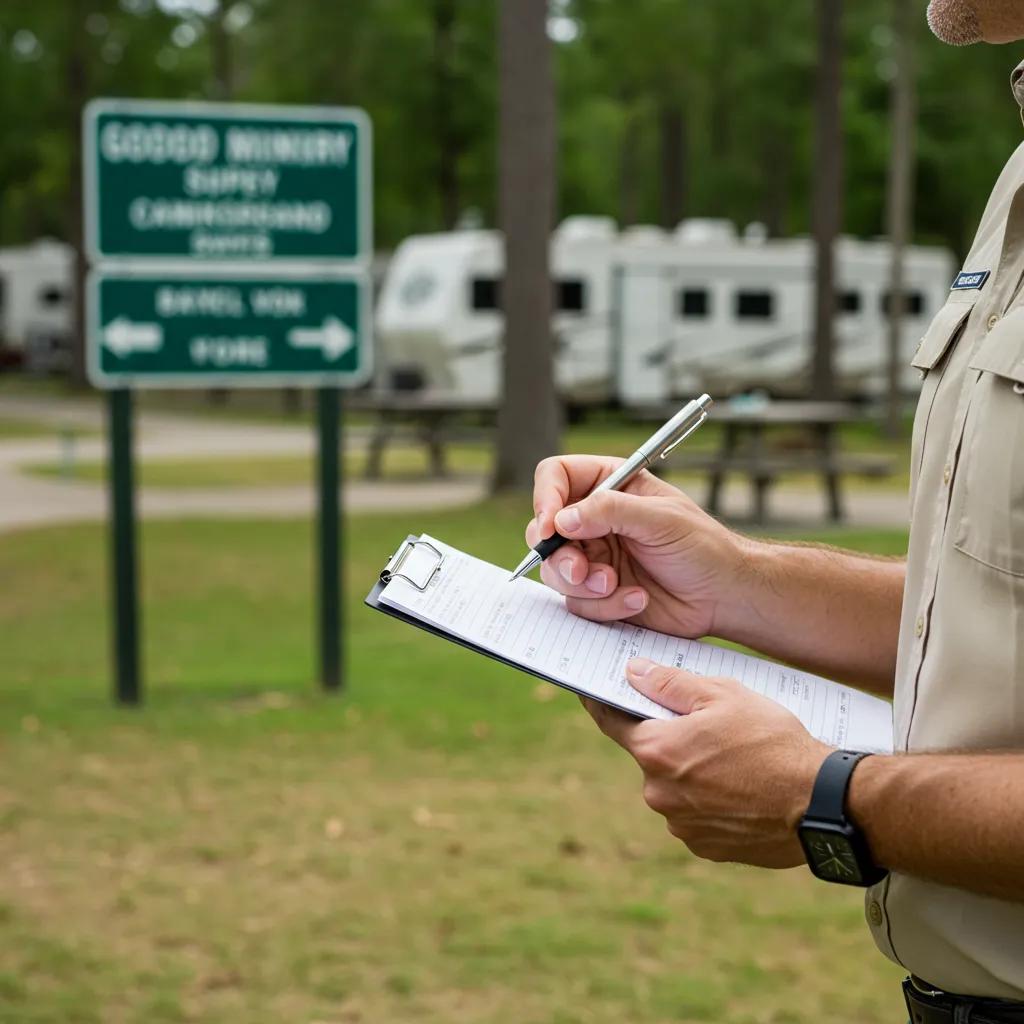
Getting your campground ready for sale means boosting its curb appeal, documenting your operations, and highlighting what makes it profitable to maximize its perceived and market value. Start with a good cleanup, make minor repairs to common areas, and ensure bathhouses, hookups, and roads are in top shape; buyers quickly assess visible condition. Keep your reservation and occupancy records, staffing notes, and maintenance logs current to show operational stability. Presenting a clear owner’s binder with high-season performance and event revenue details builds buyer confidence and speeds up their review.
A focused preparation checklist saves time during buyer review and helps secure faster offers. After getting the property ready, the next step is to gather the documentation that proves financial performance and legal standing.
What Documents Do You Need to Sell a Campground?
Buyers expect a well-organized set of documents covering financials, property details, and compliance; having these ready speeds up valuation and due diligence. Provide profit and loss statements, balance sheets, and tax returns for the last three years if possible, along with reservation system data showing occupancy trends. Supply site maps, permits, easements, leases, vendor contracts, and any environmental or septic reports to address common title and compliance questions upfront. Organizing documents into a digital folder and an owner’s binder reduces back-and-forth and builds confidence during initial buyer review.
Clear documentation shortens the offer-to-close timeline by minimizing discovery items. Once your documents are in order, you can expect a faster property review and valuation from a direct buyer.
How Long Does It Typically Take to Sell a Campground Quickly?
A smooth direct sale, from initial inquiry to closing, usually takes about 60–120 days when documentation is complete and title/environmental items are straightforward. Timelines can vary: simple transfers with cash buyers and prepared sellers can close closer to 60 days, while deals needing lender approvals, environmental assessments, or complex easements often extend to 120 days or more. Brokered listings tend to add months due to marketing and buyer vetting phases. Prioritizing your documentation, clear title, and responsive communication will shorten the overall timeframe.
Understanding typical timelines helps you set realistic expectations and take proactive steps to reduce delays in the offer and due diligence stages.
What Are Common Hurdles When Selling Campgrounds Fast?
Common obstacles include delays in buyer financing, unexpected environmental or permitting issues, title complications, and emotional attachment that can slow negotiations. Financing depends on the buyer type; individual buyers and small investors might need longer loan approvals, while direct buyers with cash can shorten closing times. Environmental findings or missing permits can lead to remediation steps that prolong due diligence. Emotional ties to the legacy and staff can complicate negotiations, especially when non-financial terms are important to the seller. Anticipating these issues and preparing mitigation plans—requesting documents early, clearing title, and defining transition terms—keeps deals moving forward.
Addressing these challenges early prevents them from derailing a fast sale and naturally leads to understanding how valuation works in direct transactions.
How Does Campground Valuation Work When Selling Directly?

Campground valuation for direct sales combines hard numbers—like Net Operating Income (NOI), site count, and occupancy—with softer factors like legacy and regional fit to shape an offer. Buyers translate normalized NOI into value using cap rates or market multiples, while adjusting for site-specific risks and potential upside. Qualitative assessments—the condition of infrastructure, reservation systems, and community relationships—modify offers to reflect the effort needed for transition or strategic alignment. Understanding these drivers helps you anticipate offers and negotiate with a clear perspective.
Below is an operational breakdown of valuation drivers and how they influence offers in a direct sale.
What Factors Does a Direct Buyer Like GatherGrounds Consider in Valuation?
Direct buyers look at both hard metrics and soft-fit characteristics when making offers, weighing financial stability and strategic alignment. Key factors include site count (a preference for 130+ sites), historical NOI and cash flow stability, occupancy patterns, the condition of utilities and roads, and the presence of value-adding amenities like a store or recreational features. Location and regional demand are crucial—buyers consider whether the campground fits their operating model and growth plans. These elements together determine a buyer’s interest and the structure of an offer.
Direct buyers balance pure financial analysis with strategic fit to create realistic, executable offers that respect seller priorities and operational realities.
Intro to valuation drivers table:
How Is Net Operating Income and Cash Flow Used in Valuation?
NOI is the foundation of most campground valuations: it’s revenue minus operating expenses, excluding financing and capital expenditures, and it feeds into cap rate-based valuation models. Buyers apply an appropriate cap rate—reflecting risk, location, and market liquidity—to NOI to estimate value, or use income multiples based on comparable transactions. For instance, normalizing seasonal swings and one-time expenses provides a clearer NOI for valuation. Direct buyers might adjust the implied value for transition costs or strategic benefits to reflect real acquisition economics.
Explaining NOI and cap rates helps sellers prepare financials that lead to fair, supportable offers and reduces negotiation friction.
How Does Legacy Preservation Influence Campground Value?
Legacy preservation influences deal structure more than the headline price: sellers often value commitments to staff retention, naming, or program continuity that family-owned buyers can credibly offer. These non-monetary terms can be written into purchase agreements or transition addenda, increasing seller satisfaction without significantly changing the cash consideration. Buyers who respect legacy may structure earn-outs, consulting roles, or branding commitments as part of the offer package. Assessing which legacy elements matter most allows sellers to trade non-financial assurances for financial terms when appropriate.
Legacy-focused terms create value beyond the purchase price and naturally lead into options for estimating fair market value without a broker.
How Can You Get a Fair Market Value Without a Broker?
Sellers can estimate fair market value using simple NOI-to-cap-rate calculations, researching comparable sales, getting third-party appraisals, or by soliciting direct offers from qualified buyers to triangulate value. Low-cost steps include compiling three years of normalized NOI, researching regional cap rates for outdoor hospitality, and obtaining a broker opinion or limited appraisal. Direct buyer offers provide a concrete market signal and can be used alongside comp data to evaluate fairness. Combining your own estimates with one professional opinion offers both speed and validation.
A clear valuation approach empowers sellers to compare offers and choose the path—direct sale or brokered listing—that best aligns with their goals.
What Are the Benefits of Selling Your Campground Without a Broker?
Selling without a broker can cut transaction costs, shorten marketing time, and simplify negotiations by reducing intermediaries and focusing on buyer-seller alignment. Direct sales avoid commission structures and can lead to faster, more private transactions, which is especially valuable when owners prioritize speed or legacy preservation. However, the trade-off is potentially less market exposure; sellers should weigh the chance of a higher competitive bid via a broker against the benefits of a certain, quick close. The sections below compare fees, timelines, communication advantages, and risk mitigation in a direct-sale scenario.
The following comparison clarifies differences in fees and outcomes between direct and brokered sales.
How Does Selling Without a Broker Avoid Brokerage Fees?
Selling directly eliminates a brokerage commission, typically a percentage of the sale price, which directly increases your net proceeds when comparable offers exist. While you’ll still have legal, title, and closing costs, avoiding a commission can significantly boost your retirement funds or reinvestment capital. Direct sales make sense when a qualified buyer is ready to transact at a fair price or when speed and confidentiality are more important than the potential upside from an open market process. You should still budget for professional legal counsel to ensure favorable contract terms and clear title.
Avoiding commission fees boosts net proceeds and leads to evaluating whether the speed and certainty of a direct sale match your personal exit objectives.
Why Is a Direct Sale Faster and More Efficient?
Direct sales save time by skipping listing, marketing, and broad buyer vetting stages; negotiations happen with a single decision-maker, and confidentiality can be maintained to avoid guest or staff disruption. Buyers who operate campgrounds or RV parks often have streamlined internal approval processes and can move from offer to close faster than investor groups relying on third-party financing. Sellers can accelerate closing by preparing documents in advance and addressing common contingencies early. These efficiencies reduce the calendar time and the number of decision points where deals can stall.
Faster timelines reduce operational uncertainty and allow sellers to plan retirement or their next steps with greater confidence.
How Does Direct Communication with the Buyer Simplify the Sale?
Direct communication shortens response times and allows for tailored discussions about transition terms, staffing, and legacy commitments that brokers might filter or soften. Speaking directly with buyer leadership clarifies intent, speeds up negotiations, and permits practical problem-solving for operational handovers. You benefit from clear, candid conversations on contingencies and timelines and can negotiate non-financial elements like temporary management or community messaging. This directness preserves trust and often results in smoother closings.
Clear, direct dialogue reduces misunderstandings and prepares both parties for a constructive due diligence phase.
What Are the Risks and How Does GatherGrounds Mitigate Them?
Selling directly can limit competitive bidding and expose sellers to valuation risk, but experienced direct buyers mitigate those concerns through transparent offer rationales, early document requests, and established transition protocols. GatherGrounds Resorts, a family-owned campground acquirer known for its legacy focus, emphasizes clear valuation explanations and transition support to address seller concerns about price fairness and staff continuity. By providing structured timelines and open communication during due diligence, such buyers reduce uncertainty and keep sales moving toward closing. These mitigation practices increase seller confidence in a direct-sale route.
Understanding mitigation strategies helps sellers weigh the direct-sale benefits against the potential lack of market-wide exposure and prepares them to negotiate protective terms.
How Does GatherGrounds Resorts’ Acquisition Process Work?
GatherGrounds Resorts follows a straightforward acquisition workflow designed to be confidential, considerate of legacy, and efficient in execution. The process typically begins with a confidential inquiry and a high-level discussion about seller goals, followed by a focused review of financials and operations, an offer phase, due diligence, and a managed transition. Each phase aims to minimize operational disruption and accommodate seller priorities—whether an immediate exit or staged involvement. Below is a concise overview of the typical process steps and what sellers should expect at each stage.
The acquisition process is structured to provide clarity, speed, and respectful transition options for sellers who prioritize continuity and community relationships.
What Is the Initial Inquiry and Confidential Discussion Like?
The initial inquiry is a private conversation focused on seller goals, high-level financials, and logistical constraints; it sets expectations for timing and information needs. Sellers should be ready to share basic property data: site count, high-level revenue and expense summaries, and any pressing title or environmental issues. Confidentiality is typically maintained through direct agreements or mutual understandings, allowing sellers to explore options without public listing exposure. Having a brief executive summary and a few photos ready will speed up the preliminary review and move to valuation.
A productive initial call clarifies priorities and prepares both parties for the next stage: a deeper property review and valuation.
How Is the Property Reviewed and Valued by GatherGrounds?
Property review combines financial analysis with an on-site operational inspection to confirm NOI, assess infrastructure, and identify any deferred maintenance. GatherGrounds would examine reservation data, historical occupancy trends, utility systems, bathhouse condition, road access, and any regulatory or environmental documentation. Financial normalization adjusts for owner-specific items and seasonal variations to produce a reliable NOI. The combined assessment leads to a reasoned offer that reflects both monetary value and fit within the buyer’s operating model.
Transparent valuation steps shorten negotiation cycles and form the basis for a clear, executable offer.
What Happens During the Offer and Due Diligence Phase?
The offer typically includes price, key contingencies (title, environmental, financial verification), and proposed transition terms; due diligence verifies these items through document review and site tests. Sellers should expect requests for title reports, detailed financials, environmental assessments, and vendor contracts. Deposit structures and closing timelines are negotiated to balance seller needs and buyer protections. Prompt, organized responses to diligence requests reduce hold-ups and keep the transaction on the fastest path to close.
Clear contingency management and focused diligence planning allow the closing phase to proceed efficiently.
How Is the Closing and Transition Managed for a Smooth Sale?
Closing involves escrow or settlement steps, title transfer, and fund movement coordinated with legal and title professionals; transition plans take effect shortly thereafter. Transition options range from a short handover period with seller consultation to interim management arrangements, staff retention agreements, or phased operational changes. Communicating a clear plan to employees and guests, coordinated by buyer and seller, preserves continuity and guest trust. Post-closing support commitments help protect the campground’s performance during the ownership handover.
Effective transition management preserves guest experience and operational stability during and after ownership transfer.
What Key Features Does GatherGrounds Look for in Campgrounds?
GatherGrounds focuses on properties with operational scale, stable cash flow, and amenities that support guest satisfaction and retention; the company has an expressed preference for campgrounds with 130+ sites. Important features include full hookups, a well-maintained store or service building, dependable water and septic systems, and recreational assets that drive occupancy. Regional fit also matters; GatherGrounds emphasizes properties that align with its operating model and community-focused approach. Clear records and demonstrable operational performance make a property more attractive and easier to value.
Knowing buyer preferences helps sellers highlight attributes that most directly influence offer strength.
What Exit Strategies Are Available for Campground Owners Planning to Sell?
Owners have several exit options: a direct sale to a buyer for speed, a brokered sale for market exposure, owner financing or earn-outs to smooth tax and retirement outcomes, and partial recapitalization to retain upside. Each path balances liquidity, timing, tax implications, and ongoing involvement differently. Choosing the right strategy depends on your retirement plans, financial needs, and legacy priorities. A structured decision framework helps owners weigh immediate cash needs against potential long-term benefits of phased exits or partial retention.
Below are common exit approaches with use-case guidance to help owners match strategy to goals.
- Direct sale for speed and certainty.
- Brokered sale for maximum market exposure and potential price upside.
- Owner financing or earn-outs to defer taxes and generate recurring income.
- Partial sale/recapitalization to monetize equity while retaining operational involvement.
Selecting an exit strategy should follow consultation with financial, tax, and legal advisors to align proceeds with retirement and estate planning objectives.
How Can You Plan Your Retirement by Selling Your Campground?
Retirement planning tied to a sale requires aligning timing, tax strategy, and cash-flow needs; sellers should model lump-sum versus installment proceeds and consult with a CPA or estate attorney. Decisions about timing can influence capital gains treatment and retirement funding adequacy. Structuring proceeds as a mix of upfront cash and negotiated earn-outs or seller financing can smooth income streams while addressing buyer affordability. Engaging advisors early ensures the sale outcome supports retirement goals and minimizes unexpected tax burdens.
Proper planning converts the sale into a reliable retirement resource and reduces post-sale financial uncertainty.
What Are the Options for Post-Sale Involvement and Transition Support?
Post-sale roles include short-term consulting, seasonal operations support, interim management handover, or full exit with occasional advisory check-ins; durations commonly range from a few weeks to multiple seasons depending on seller preference. Consulting arrangements preserve institutional knowledge and help maintain relationships with staff and the community. Interim management options relieve the seller of daily duties while ensuring operational stability. Clearly defined post-sale roles should be documented in the purchase agreement to avoid ambiguity.
Negotiated transition terms protect both operational continuity and the seller’s legacy priorities.
How Does Selling to a Family-Owned Buyer Preserve Your Campground’s Legacy?
Family-owned buyers often emphasize stewardship, community relationships, and long-term operations rather than rapid flip strategies, enabling contractual commitments to staff retention, name preservation, or program continuity. Sellers can request explicit legacy protections in the purchase agreement—such as employment transition windows, preservation of local events, or branding clauses—to align the buyer’s operating plan with community expectations. While these commitments may not change the headline price dramatically, they provide peace of mind and tangible assurances about the campground’s future.
When legacy matters, structuring non-monetary commitments into the deal can deliver value beyond purchase price and guide buyer selection.
What Are Common Owner Concerns During the Exit Process?
Owners commonly worry about staff displacement, community reaction, tax implications, and whether the buyer will maintain service levels or the campground’s character. Address these by negotiating staff retention clauses, communicating proactively with stakeholders, seeking tax and estate advice, and requesting operational commitments in writing. Transparent timelines and involvement options reduce anxiety and foster smoother transitions. Clear, documented agreements and an upfront conversation about legacy considerations typically resolve the majority of owner concerns.
Addressing these concerns early streamlines negotiations and avoids emotional delays that can slow a sale.
How Do Companies That Buy Campgrounds Differ from Brokerages?
Companies that buy campgrounds act as principals, offering direct purchases with more certainty and often faster closings, while brokerages act as intermediaries whose role is to market the property and solicit competing bids. Brokers provide broad market exposure and may achieve higher sale prices through competitive bidding, but they add marketing time and commission fees. Direct buyers reduce counterparty complexity and can present clean, executable timelines suited to sellers prioritizing speed and confidentiality. The choice depends on whether you value maximum price via market exposure or a faster, certain close.
Below is a compact comparison to illustrate incentives and outcomes for sellers.
- Brokerages: market properties, charge commissions, and seek multiple buyers.
- Direct buyers: purchase as principal, offer faster closings, and limit intermediaries.
- Seller decision: choose broker if maximizing price is paramount; choose direct buyer for speed and reduced friction.
What Are the Differences Between Direct Buyers and Campground Brokerages?
Direct buyers purchase as principals and focus on transaction certainty; brokerages facilitate market exposure and competitive bidding. Broker-driven sales involve valuation estimates, marketing campaigns, multiple showings, and commission negotiation; they often take longer but can extract the highest market price. Direct buyers streamline negotiation by dealing with a single buyer entity and can close rapidly if documents are prepared. Sellers should match their objectives—speed, price, confidentiality—to the selling route they choose.
Understanding these structural differences helps owners choose the best path for their personal and financial goals.
Why Choose a Family-Owned Buyer Over Large Investment Firms?
Family-owned buyers frequently emphasize stewardship, community continuity, and tailored transition terms, while large investment firms may prioritize scale and rapid returns. Family-owned buyers can be more flexible on non-financial terms like staff retention or naming, and they often articulate stewardship commitments that resonate with emotionally invested owners. Large firms may offer strong capital resources but may pursue aggressive operational changes. Evaluating buyer incentives beyond price ensures the selected buyer aligns with seller priorities.
Choosing a buyer is as much about cultural fit as it is about arithmetic; sellers should weigh both.
How Do Brokerages Handle Campground Sales Compared to Direct Buyers?
Brokerages handle valuations, marketing, buyer vetting, and negotiation, creating competitive processes that can reveal true market demand but extend timelines. Brokers prepare marketing packages, list properties, screen prospects, and manage offers to drive price discovery. They can be valuable when a seller seeks maximum exposure and top-market pricing. Conversely, sellers desiring confidentiality or a swift close may find broker processes unnecessarily time-consuming. Selecting a brokerage requires assessing track record and local market reach.
When maximum price extraction is a priority, broker services often justify the additional time and fees.
What Are the Advantages of Selling to GatherGrounds Resorts Specifically?
GatherGrounds Resorts is presented as a family-owned campground acquirer that emphasizes legacy preservation and direct purchase simplicity, with an operating focus on properties that fit their regional model and scale preferences. Owners considering a sale to such buyers can expect a clear valuation rationale, streamlined negotiation with an operating buyer, and structured transition options designed to preserve community continuity. For owners whose priorities include stewardship and a fast, confidential transaction, a family-owned buyer can offer a compelling alternative to large investor groups or extended brokered processes.
Sellers should evaluate whether GatherGrounds’ stated preferences align with property size, regional location, and legacy priorities when considering a direct sale.
What Are the Latest Market Trends Affecting Campground Sales in 2025?
The 2025 market shows continued interest in outdoor hospitality assets driven by demographic shifts, higher participation rates, and investor appetite for stable, experience-based properties. Demand for campgrounds and RV parks remains robust, boosting investor interest and, in many regions, increasing valuation multiples. Emerging amenities such as glamping units and EV charging infrastructure materially influence buyer interest and capital expenditure planning. Sellers who align property features with these trends often receive more attractive offers and shorter marketing cycles.
Understanding these trends helps sellers prioritize investments and time exits to capture market interest.
How Is the Growing Camping Market Impacting Campground Values?
Increasing participation in camping and RV travel is lifting demand for private campground sites and raising buyer competition, which supports value appreciation in many markets. Higher occupancy and longer seasons in some regions boost NOI and investor willingness to pay premium multiples. Sellers in high-demand regions may see compressed cap rates and faster sale timelines. Timing a sale to coincide with favorable occupancy trends and demonstrating growth potential enhances negotiating leverage.
Recognizing demand signals guides sellers on whether to invest ahead of a sale or capitalize immediately.
What Demographic Changes Are Driving Demand for Campgrounds and RV Parks?
Younger campers and new RV owners are changing preferences toward private sites, experiential stays, and upgraded amenities such as glamping and on-site activities; these shifts increase willingness to pay for enhanced offerings. Millennial and Gen Z travelers often seek unique experiences, comfortable onsite facilities, and digital convenience, all of which drive amenity-based value. Adjusting product mix to meet these preferences can expand guest demographics and improve revenue per available site. These demographic trends translate into buyer interest in properties with adaptable site mixes and amenity potential.
Adapting to demographic preferences makes a campground more attractive to buyers and can raise valuation.
How Do Emerging Trends Like Glamping and EV Charging Influence Sales?
Glamping units and EV charging infrastructure are increasingly important value drivers, as they broaden market appeal and capture premium rates; buyers factor the capital expenditure required to add or upgrade these features into offers. Sellers who have already invested in differentiated offerings often command higher valuations, while those without such amenities should evaluate cost versus price uplift before making pre-sale investments. Buyers also consider the speed to market for new amenities and how quickly they will contribute to NOI. Strategic amenity investments can be decisive in competitive offer scenarios.
Evaluating the marginal value of amenity investments helps sellers decide whether to act before listing or negotiate price adjustments with buyers.
What Should Sellers Know About Site Availability and Safety Concerns?
Site scarcity in certain markets increases buyer competition, but safety and regulatory compliance remain essential due diligence items that can delay closings if not addressed. Sellers must ensure permits, septic reports, and clear title documentation are current to avoid surprises that slow the transaction. Addressing safety upgrades, ADA compliance, and documented maintenance histories reduces buyer contingencies and accelerates offers. Proactive remediation and transparent disclosure of issues protect the sale timeline and support stronger valuations.
Being proactive about regulatory and safety documentation minimizes transaction risk and supports a quicker sale.
Final Seller Action and Confidential Next Step
If you want to speed up steps 2–5—confidential inquiry, valuation, offer/due diligence, and closing—consider reaching out to a direct buyer that prioritizes stewardship. GatherGrounds Resorts is a family-owned company that acquires, owns, and manages campgrounds and RV parks, positioning itself as an alternative to large investment firms by emphasizing legacy preservation and a streamlined purchase process. Owners with properties that align with the preference for 130+ sites and who operate in the upper Midwest may find a confidential discussion helpful to assess fit and timing. Use a prepared document set and the valuation concepts in this guide to get a clear, efficient review and a constructive offer.
Frequently Asked Questions
What are the tax implications of selling a campground?
When selling a campground, owners should consider capital gains tax, which is applied to the profit made from the sale. The tax rate can vary based on how long the property has been owned and the seller’s income bracket. Additionally, if the sale involves owner financing or earn-outs, it may affect how taxes are reported over time. Consulting with a tax professional is crucial to understand the specific implications and to strategize for minimizing tax burdens during the sale process.
How can I ensure a smooth transition for staff and guests after the sale?
To ensure a smooth transition for staff and guests, it’s essential to communicate openly about the sale process. Sellers should negotiate transition terms that include staff retention agreements and clear messaging for guests. Providing training or support for new management can also help maintain operational continuity. Establishing a timeline for the transition and involving staff in the process can foster trust and minimize disruption, ensuring that the campground’s culture and service levels remain intact.
What should I do if I receive multiple offers for my campground?
If you receive multiple offers, it’s important to evaluate each one carefully, considering not just the price but also the terms and conditions. Look for offers that align with your goals, such as legacy preservation or a smooth transition. Engaging a legal or financial advisor can help you assess the implications of each offer. Additionally, communicating with potential buyers about your priorities can lead to better offers that meet your needs beyond just financial compensation.
How can I market my campground effectively if I choose to sell without a broker?
Marketing your campground without a broker requires a strategic approach. Start by creating a compelling listing that highlights unique features, amenities, and the campground’s history. Utilize online platforms, social media, and local community boards to reach potential buyers. High-quality photos and detailed descriptions can attract interest. Networking within industry groups and attending relevant events can also help connect with interested buyers. Consider creating a website or landing page dedicated to the sale for better visibility.
What are the benefits of owner financing when selling a campground?
Owner financing can make your campground more attractive to buyers who may not qualify for traditional loans. It allows for a quicker sale and can lead to higher offers, as buyers appreciate the flexibility. Additionally, it can provide a steady income stream for the seller over time, potentially reducing immediate tax burdens. However, it’s important to assess the risks involved, such as the buyer’s ability to make payments, and to have a clear agreement in place to protect your interests.
What role does community feedback play in the sale of a campground?
Community feedback can significantly influence the sale of a campground, especially if the seller prioritizes legacy preservation. Engaging with local stakeholders, including staff, guests, and community members, can provide insights into what aspects of the campground are most valued. Positive community relationships can enhance the property’s appeal to potential buyers who prioritize continuity and community engagement. Sellers should consider gathering testimonials or endorsements from community members to strengthen their position during negotiations.
Conclusion
Successfully selling your campground requires a strategic approach that maximizes value while ensuring a smooth transition. By understanding the key steps, necessary documentation, and valuation factors, you can navigate the process with confidence and clarity. Engaging with a direct buyer like GatherGrounds Resorts can streamline your sale, preserving your legacy and community ties. Take the next step by reaching out for a confidential discussion to explore your options today.