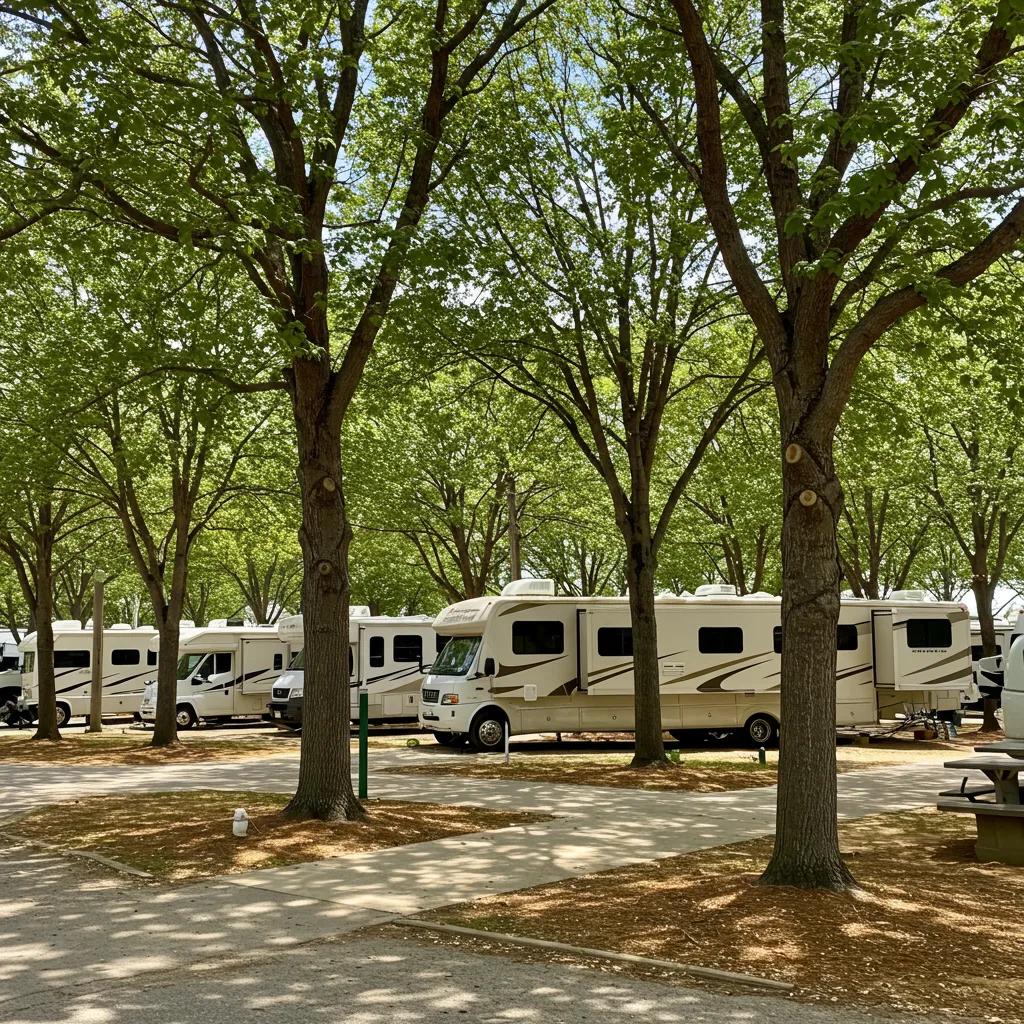
Selling Your RV Park: A Guide to a Successful Campground Sale
Selling your RV park successfully means getting a fair price and ensuring a smooth handover for operations and your community. This guide walks you through the entire process. You’ll discover a step-by-step selling journey, understand the key factors buyers consider for valuation, get practical checklists to speed up your sale, and gain insights into the 2024–2025 market that influence timing and price. We define what a “successful sale” truly looks like—a reliable closing, clean due diligence, staff continuity, and an uninterrupted guest experience—and explain how direct sales can simplify this path. We know owners often feel uncertain about valuation, paperwork, and preserving their park’s legacy. The advice here offers concrete steps and lists to help you reduce time on the market and attract better offers. We’ll cover everything from the first inquiry to closing, detail how buyers assess RV park value, compare selling through a broker versus directly, outline what you need to prepare, summarize market trends, and answer your most pressing questions. Each section includes clear checklists, comparison tables, and EAV breakdowns so you can apply this advice immediately and decide if a broker, auction, seller financing, or a direct sale to a buyer is right for you.
What Are the Essential Steps in the Campground Selling Process?

Selling your campground follows a clear sequence of phases: initial inquiry, property assessment, offer presentation and negotiation, due diligence, closing, and transition. Each step is designed to move your campground assets toward a completed sale efficiently. The process works by first qualifying the property (does it fit a buyer’s criteria?) and then verifying specifics (financials, title, permits). This allows buyers to calculate value and sellers to address any potential issues, leading to a predictable closing timeline and fewer surprises. For you, the seller, the immediate benefit is clarity: a structured process reduces time on market, aligns expectations, and maintains operational continuity. Below is a straightforward, numbered roadmap to guide you on how to sell your RV park and what to get ready.
- Initial inquiry and qualification: Share basic operating metrics and site counts.
- Offer presentation and negotiation: Review price structure, contingencies, and timeline.
- Due diligence and inspections: Provide financials, title, environmental, and permit documents.
- Closing and transition: Handle escrow, fund transfer, staff handover, and public announcements.
This step-by-step approach leads into the specifics of how initial inquiries and assessments typically unfold for sellers.
How Does the Initial Inquiry and Property Assessment Work?
The initial inquiry acts as a qualification filter. You’ll provide high-level metrics—like the number of sites, recent P&L statements, occupancy rates, and basic permit status—allowing the buyer to assess strategic fit and potential valuation. Based on this, buyers decide whether to conduct a virtual review or schedule an on-site visit. This initial phase typically takes one to three weeks for a qualified response. The benefit for you is fast feedback: clean, organized data often leads to preliminary offers or requests for more documentation quickly, while incomplete records can slow things down. Preparing an inquiry checklist in advance will speed up this phase and reduce follow-up questions.
What Should Sellers Expect During Offer Presentation and Due Diligence?
Offer presentation clarifies the price, earnest money, contingencies, and proposed closing window. Buyers commonly present cash, contingent, or partially financed offers, with conditions tied to title, environmental, and financial verification. Due diligence then follows, involving document requests—such as tax returns, P&L statements, occupancy logs, site maps, and permits—and inspections for infrastructure and environmental concerns. This typically spans 30–60 days, depending on complexity. Understanding typical contingencies allows you to proactively address potential issues and shorten negotiation time. Providing clear, organized responses to due diligence questions builds buyer confidence and often prevents renegotiations.
How Is Closing and Transition Managed for a Successful Sale?
Closing involves escrow or settlement procedures, title transfer, and fund distribution. Transition covers the operational handover, staff communication, and community messaging to maintain goodwill and minimize guest disruption. You should prepare escrow instructions, closing statements, and any negotiated transition agreements—like short-term consulting or phased handover plans. Coordinating final operational training for retained staff is also key. Thoughtful transition planning reduces operational risk and protects the value you’ve built through strong local relationships, making the sale more likely to stay on schedule. These practical closing mechanics lead directly into how buyers value the asset itself.
This table summarizes the major phases and typical timelines, helping you align your preparation efforts and anticipate realistic milestones. Understanding these timelines will help you prioritize which documents to gather first.
How Does GatherGrounds Resorts Value an RV Park?
Valuation by a direct buyer like us focuses on measurable cash flow and physical capacity. We primarily assess Net Operating Income (NOI), site count and mix, occupancy trends, and the quality of amenities to translate operational performance into a transaction offer. The mechanism is straightforward: NOI drives value through cap rate application, while site attributes and amenity scores adjust our projected revenue and expense assumptions. This results in a pragmatic, finance-based offer that rewards strong operations and future potential. You benefit from transparent valuation criteria that highlight where investments can most effectively increase sale price. Below is a table comparing valuation factors, the key metrics buyers use, and the typical supporting documentation you should organize when preparing to sell your campground.
This EAV table clarifies which records influence value and which seller actions impact offers. Sellers who prioritize clear NOI documentation and site utility upgrades typically receive faster, stronger offers. GatherGrounds Resorts evaluates properties based on these metrics and prefers acquisitions that align with our portfolio criteria. This can benefit sellers through quicker offers and fewer intermediary fees, as GatherGrounds acts as a direct buyer seeking specific property sizes and operational profiles.
What Key Factors Influence RV Park Valuation?
The primary drivers of RV park value include net operating income, site capacity and utility infrastructure, occupancy rate trends, and local market comparables. Location and access to desirable outdoor destinations or major highways also significantly affect buyer demand. Buyers translate recurring revenue into a valuation multiple or cap rate. Physical factors—like full hookups or upgraded bathhouses—either protect income or enable premium pricing. These factors are paramount because they determine predictable guest revenue and operating costs, which are the direct levers buyers use to project returns. Understanding these drivers allows you to target the most impactful improvements before listing.
Relative Valuation: Using Comparables for RV Park Business Value
The general concept of relative valuation is comparability of companies operating in the same business environment in which market perceptions drive value. Comparable companies (known as peers) create a common benchmark from which a target company (in the peer group) is valued depending on performance indicators (known as value drivers). Relative valuation is more applicable for public firms because market values are observable. Nevertheless, private firms can be valued upon determining comparable public firms.
An Overview of Relative Valuation, 2023
This concept of relative valuation, where market perceptions and comparable company performance drive value, is crucial for understanding how RV park businesses are assessed. Buyers often look at similar properties to benchmark pricing and potential returns.
How Does GatherGrounds Assess Financial Records and Market Potential?
We focus on three years of P&L statements, tax returns, occupancy reports, and unit-level revenue to calculate historical NOI and model near-term projections. We also look for recurring revenue streams, such as storage or cabin rentals, that diversify income. Our assessment process normalizes one-time expenses and adjusts for deferred maintenance to establish a sustainable NOI baseline, then applies a market cap rate to estimate price. Sellers who organize clear, consistent financial files and guest data reduce friction and make valuation discussions more straightforward, often leading to quicker preliminary offers.
What Role Do Market Trends Play in Determining RV Park Value?
Market trends—such as RV ownership growth, outdoor travel patterns, and local supply constraints—influence buyer appetite and cap-rate expectations, affecting both price and timing for sellers. When demand outpaces new supply, buyers may accept lower cap-rate risk premiums and offer stronger pricing. Conversely, financing headwinds or rising interest rates can compress buyer pools and widen cap rates. Sellers who monitor these trends can choose optimal sale windows and justify pricing with market evidence, which improves negotiation outcomes and aligns seller expectations with buyer models.
Why Choose Direct Sale to GatherGrounds Over Using RV Park Brokers?
Selling directly to a buyer like us simplifies negotiations by removing intermediaries. This can reduce listing time, avoid broker commissions, and provide more predictable close dates. This mechanism leads to lower transaction friction and often a faster path to cash or agreed-upon terms. Direct sale benefits include clearer communication between decision-makers, fewer public marketing steps that might disturb staff or guests, and opportunities for tailored transition terms that preserve legacy and traditions. For owners evaluating options—sale via broker, direct sale to buyer, seller-financed sale, or auction—direct buyers offer speed and certainty that many sellers value when timing or legacy preservation is paramount.
- Faster timeline: Fewer parties mean quicker decisions and less marketing overhead.
- Lower transaction costs: Avoiding dual commissions typically reduces seller fees.
- Legacy preservation: Family-oriented buyers can commit to staff continuity and maintaining traditions.
These advantages naturally lead to questions about how the direct-sale process shortens the sale cycle and protects your interests.
How Does Selling Directly Simplify the Campground Sale Process?
Selling directly removes the need for broad listing exposure and streamlines negotiations because the buyer and seller work with a single decision-making team. This shortens response cycles and reduces public marketing requirements. The mechanism is direct negotiation: buyers submit offers based on reviewed documents rather than market-driven bids, which typically compresses listing times and due diligence scheduling. You benefit from clearer timelines and fewer disruptive open houses or public listings, preserving guest experience and staff continuity. This streamlined path often leads to a predictable close date and less operational distraction in the final months.
What Family Values and Legacy Commitments Does GatherGrounds Offer?
As a family-owned operator, GatherGrounds Resorts is committed to preserving the unique character of acquired campgrounds and supporting existing staff and local traditions to maintain community goodwill and guest loyalty. Our approach involves negotiating transition terms that can include staff retention offers, continuity of events, and preserving property names or signature traditions where appropriate. This provides sellers with emotional assurance and practical continuity for guests. Owners often prefer these assurances when legacy and reputation are central to their sale decision, as it reduces community disruption and helps protect long-term goodwill. Sellers seeking a buyer sensitive to local culture may find these commitments particularly appealing.
How Does GatherGrounds Ensure a Thoughtful Transition for Sellers?
Our thoughtful transition mechanisms include phased operational handovers, onboarding and training for retained staff, and coordinated public messaging to introduce new ownership while honoring existing traditions. The process involves documenting key operational knowledge, scheduling shadowing and training periods, and agreeing on external communications that reassure guests and community stakeholders. For sellers, these practices reduce operational risk post-closing and preserve the campground’s brand value during the ownership change. This continuity encourages staff retention and maintains revenue during the handover period.
How Can Campground Owners Prepare Their RV Park for a Successful Sale?
Preparation involves physical improvements, organized documentation, staff continuity planning, and targeted amenity investments that yield measurable increases in buyer valuation and decrease time-on-market. The mechanism is to align your actions with buyer valuation drivers—boost NOI, clarify site capacity, and reduce unknown liabilities—so buyers can make cleaner, faster offers. The concrete benefit for you is improved buyer confidence and often higher net proceeds, as buyers reward clear operating histories and minimal deferred maintenance. Below is a practical checklist and a prioritized list of upgrades sellers should consider to sell your campground successfully.
- Organize financials: three years of P&L, tax returns, occupancy logs.
- Upgrade utilities: add or repair full hookups where practical.
- Improve guest-facing amenities: clean bathhouses, better Wi-Fi, and signage.
- Document property: current site maps, surveys, easements, and permits.
Taking these prioritized steps prepares the property for due diligence and usually speeds both offers and closing. For owners who want extra support, GatherGrounds Resorts offers a readiness checklist and documentation-review assistance to streamline prep and clarify outstanding items ahead of offers.
What Amenities and Upgrades Maximize Sale Value?
High-impact upgrades include improving sewer and electrical hookups, renovating bathhouses, and providing robust digital connectivity like reliable Wi-Fi and EV charging where feasible. These upgrades directly increase nightly rates and occupancy. The mechanism is simple: better amenities drive guest willingness to pay and lengthen stays, which raises NOI and therefore valuation. Examples show that utility upgrades and refreshed guest facilities often deliver strong ROI compared with cosmetic projects. Focusing on infrastructure reduces buyer risk and speeds offers.
How Should Owners Address Staff Retention and Legal Considerations?
To preserve operational continuity, prepare staff retention offers, document job responsibilities, and include transition training in the sale terms. Legally, you must also clear title issues, confirm zoning compliance, and review outstanding liens or easements. The mechanism for retention is negotiated employment terms or short-term consulting agreements that transfer operational knowledge and reassure buyers. Working with a CPA and an attorney to structure asset vs. equity sale implications and plan for tax outcomes reduces closing risks and helps align expectations between parties.
What Documentation and Permits Are Essential for Sale Readiness?
Buyers will request P&L statements, tax returns, occupancy/reservation logs, site maps, surveys, utility records, and regulatory permits. Environmental reports or septic records are also common requests and frequent red flags if missing. Organizing these documents into a single, clearly labeled data package accelerates due diligence and demonstrates operational competence. Common red flags include unresolved zoning violations, missing easements, or incomplete environmental disclosures; addressing these early prevents delays during buyer inspections.
This table links market indicators to seller decisions, helping you time upgrades and listing strategies effectively. Understanding these implications supports seller confidence when evaluating offers.
What Are the Current RV Park Market Trends Sellers Should Know in 2025?
Market trends through 2024–2025 show sustained interest in outdoor recreation and RV travel, evolving financing dynamics, and a premium on upgraded amenities and digital connectivity. These forces influence buyer pools, pricing, and sale timing. The mechanism is demand-driven: steady RV ownership and travel trends expand buyer appetite, while interest-rate environments shape financing availability and cap-rate assumptions. For sellers, the benefit of understanding these trends is strategic timing—knowing when to list, what improvements to prioritize, and which buyer types (cash buyer, investor group, family operator) will be most active. Below, we summarize key metrics and their practical implications.
How Is the Growing Demand for RV Parks Impacting Sales?
Growing RV travel and ownership have increased investor interest in campgrounds, expanding the buyer set and creating competitive pressure in desirable regions that can push prices upward. The mechanism is simple demand-supply dynamics: heightened guest demand translates into stronger NOI projections, which increases valuations. Sellers in markets with constrained supply should expect more competitive bidding and can justify firm pricing, while owners in oversupplied regions may face longer marketing periods. This dynamic informs whether to sell now or hold for additional upside.
What Are the Effects of Interest Rates and Economic Factors on Sales?
Higher interest rates reduce financing leverage for many buyers, pushing some to prefer cash purchases or partnerships, and they can widen cap rates, which lowers nominal offers. However, well-performing assets with strong NOI remain attractive to private buyers who value stable cash flows. The mechanism is that financing costs influence buyer return targets, so sellers may see varying offers depending on buyer financing strategy. Sellers can mitigate rate effects by demonstrating strong historical NOI and offering flexible closing terms that match buyer financing timelines.
How Do Luxury Amenities and Digital Connectivity Influence Buyer Preferences?
Luxury cabins, upgraded bathhouses, EV charging, and reliable high-speed internet increasingly drive premium nightly rates and longer stays, making these amenities direct levers for revenue per site. The mechanism is guest willingness to pay for comfort and convenience, which boosts occupancy and ancillary revenue. Buyers price these revenue increases into their offers. Sellers prioritizing such upgrades often see improved multiples and faster sales because buyers view amenity-driven revenue as lower risk than speculative future upgrades.
What Common Seller Questions and Concerns Should Be Addressed?
Sellers commonly ask about speed of sale, tax and legal implications, and whether they can retain involvement. Addressing these concerns directly reduces friction and clarifies realistic outcomes. The mechanism is proactive communication: clear timelines, transparent tax planning recommendations, and predefined transition terms cut negotiation time and set mutual expectations. The outcome for sellers is less uncertainty and a higher likelihood of closing on acceptable terms. Below are concise answers to the most frequent questions sellers raise.
How Quickly Can I Sell My RV Park to GatherGrounds?
A sale to a pre-qualified, direct buyer can close much faster than a brokered sale. Fast-close scenarios occur when financials and permits are in order, often within 45–90 days. Properties needing prep work require longer timelines to resolve documentation or infrastructure issues. The mechanism enabling speed is direct negotiation and fewer intermediaries, allowing buyers like GatherGrounds Resorts to move from initial offer to closing with streamlined due diligence when records are organized. Sellers who prepare their data packages and address obvious red flags dramatically reduce time to close.
What Are the Tax and Legal Implications of Selling a Campground?
Major considerations include whether the transaction is structured as an asset sale or equity sale, capital gains treatment, and potential depreciation recapture. These choices affect net proceeds and often require guidance from a CPA and an attorney. The mechanism is tax law and transaction structure: asset sales can allocate purchase price across assets, while equity sales transfer ownership interests and may have different liabilities. Sellers should consult professionals early to model outcomes and plan for tax-efficient structures that align with personal and business goals.
Can I Retain Involvement or Staff After the Sale?
Yes—common arrangements include short-term consulting agreements, phased management handovers, or specific staff retention offers negotiated in the purchase agreement to preserve operational continuity. The mechanism for retention is contractual: sellers and buyers agree on terms, duration, and compensation for ongoing involvement, which helps transfer knowledge and retain guests during transition. Family-owned buyers often prioritize staff continuity and will negotiate retention terms to preserve property performance and community relationships.
What Success Stories Demonstrate GatherGrounds’ Approach to RV Park Sales?
GatherGrounds’ acquisition approach emphasizes thoughtful transitions that protect staff, traditions, and guest experience while streamlining transactions for sellers who value legacy preservation and pragmatic closing timelines. The mechanism is direct acquisition with negotiated transition support—this produces outcomes where sellers receive predictable offers and communities experience minimal disruption. The benefit to sellers is both transactional (speed, fewer fees) and emotional (preserved legacy). The examples below highlight typical seller outcomes and community impacts without revealing private details.
How Have Previous Sellers Experienced a Smooth Transition?
Previous sellers typically report that a clear transition plan, staff onboarding, and coordinated public messaging reduced community concern and preserved occupancy during the ownership change. The mechanism that produced this outcome was hands-on operational training and agreed communication plans that introduced new management while reassuring regular guests. Sellers appreciated minimized operational distraction and continued revenue flow, demonstrating that careful transition planning leads to both financial and reputational continuity.
What Benefits Did Sellers Gain by Choosing GatherGrounds?
Sellers experienced faster negotiations, avoided multiple brokerage layers, and often saw staff retained under new management terms that preserved institutional knowledge. These benefits translated into less time managing a sale and confident closure. The mechanism for such benefits was direct acquisition—GatherGrounds negotiating terms with sellers personally and offering transition elements that align with seller priorities like legacy and staff continuity. As a result, sellers realized both simplified transactions and peace of mind about the property’s future.
How Does GatherGrounds Support Local Communities Post-Acquisition?
Post-acquisition support includes a local hiring emphasis, maintaining or enhancing community events, and investing in property improvements that benefit guests and residents. This helps maintain local economic ties and guest satisfaction. The mechanism is reinvestment and community engagement: new owners prioritize activities that sustain the campground’s role in the local area and invest in guest-facing improvements that boost long-term viability. For owners who want to sell to an acquirer focused on community and continuity, GatherGrounds Resorts highlights these practices as central to their acquisition approach and offers a Sell Your Campground contact option for sellers interested in a direct conversation.
Frequently Asked Questions
What are the common mistakes to avoid when selling an RV park?
Common mistakes include inadequate preparation of financial documents, neglecting property maintenance, and failing to understand market conditions. Sellers often underestimate the importance of organized records, which can lead to delays during due diligence. Additionally, overlooking necessary repairs or upgrades can diminish property value and buyer interest. It’s crucial to conduct a thorough assessment of the property and ensure all documentation is in order to avoid these pitfalls and facilitate a smoother sale process.
How can sellers effectively market their RV park to potential buyers?
Sellers can effectively market their RV park by highlighting unique features, amenities, and location advantages in listings. Utilizing high-quality photographs and virtual tours can attract more interest. Engaging with local real estate agents who specialize in commercial properties can also broaden exposure. Additionally, leveraging online platforms and social media can help reach a wider audience. Crafting a compelling narrative about the park’s history and community ties can resonate with potential buyers looking for a legacy investment.
What financing options are available for buyers of RV parks?
Buyers of RV parks typically have several financing options, including traditional bank loans, seller financing, and private investors. Traditional loans often require a solid credit history and substantial down payment. Seller financing can be attractive as it allows buyers to make payments directly to the seller, often with more flexible terms. Additionally, some buyers may seek partnerships or investment groups to pool resources. Understanding these options can help sellers anticipate buyer needs and facilitate smoother negotiations.
How can sellers ensure a smooth transition for staff and guests after the sale?
To ensure a smooth transition, sellers should develop a comprehensive transition plan that includes staff retention strategies and clear communication with guests. This may involve offering employment contracts to key staff and outlining their roles in the new management structure. Additionally, hosting meetings to introduce new ownership to guests can help maintain community trust. Providing training for retained staff and ensuring continuity in operations will minimize disruptions and preserve the guest experience during the transition period.
What role does community reputation play in the sale of an RV park?
Community reputation significantly impacts the sale of an RV park, as buyers often seek properties with established goodwill and positive relationships with guests. A strong reputation can enhance perceived value and attract more potential buyers. Sellers should highlight community involvement, guest loyalty, and any awards or recognitions received. Maintaining a good relationship with local stakeholders and ensuring that the park is viewed positively can facilitate a smoother sale and potentially higher offers.
What are the tax implications of selling an RV park?
Sellers should be aware of various tax implications when selling an RV park, including capital gains tax and potential depreciation recapture. The structure of the sale—whether it’s an asset sale or equity sale—can also affect tax outcomes. Consulting with a tax professional is essential to understand how to minimize tax liabilities and structure the sale in a tax-efficient manner. Proper planning can help sellers retain more of their proceeds and align the sale with their financial goals.
How can sellers assess the right timing for listing their RV park?
Assessing the right timing to list an RV park involves analyzing market trends, seasonal demand, and local economic conditions. Sellers should monitor factors such as RV ownership growth, interest rates, and buyer demand in their region. Listing during peak travel seasons or when demand is high can lead to quicker sales and better offers. Additionally, understanding local market dynamics and aligning the sale with favorable economic indicators can enhance the likelihood of a successful transaction.
Conclusion
Successfully selling your RV park involves understanding key valuation drivers, preparing essential documentation, and ensuring a smooth transition for both staff and guests. By following the outlined steps and leveraging market insights, you can enhance your chances of achieving a favorable sale while preserving your legacy. For those ready to take the next step, consider reaching out to GatherGrounds Resorts for personalized support and guidance. Explore how our direct sale approach can simplify your selling process and maximize your property’s value today.