
Sell Your Campground Fast and Effectively with GatherGrounds Resorts
If you’re a campground owner looking to sell quickly without compromising the legacy you’ve built, this guide offers practical, actionable steps. You’ll learn how to prepare, value, and close a sale efficiently, understand different selling routes, and discover what buyers seek in larger properties. We focus on the direct-sale approach and practical valuation guidance, empowering you to choose between a broker-led listing and a faster direct buyer transaction. This article maps the entire process, from initial inquiry and review through valuation, offer, and closing, complete with checklists, comparison tables, and sample timelines to simplify your decisions. We address common seller concerns like timeline, staff transition, and legacy preservation, explaining how a family-owned direct buyer approaches properties that meet our acquisition criteria.
Why Partner with GatherGrounds Resorts to Sell Your Campground?
This section explores why a direct, family-owned buyer might be an attractive alternative to traditional brokerage, offering both speed and stewardship. Selling directly to us minimizes intermediary steps and centralizes decision-making within our acquisition team, leading to quicker responses and a smoother due diligence process. The result is often a faster, less complicated sale that also supports legacy preservation, especially when continuity is a priority for the buyer. Here, we examine the trust signals, speed advantages, and acquisition criteria that typically matter most to owners considering a direct sale.
What Makes GatherGrounds a Trusted Family-Owned Buyer?
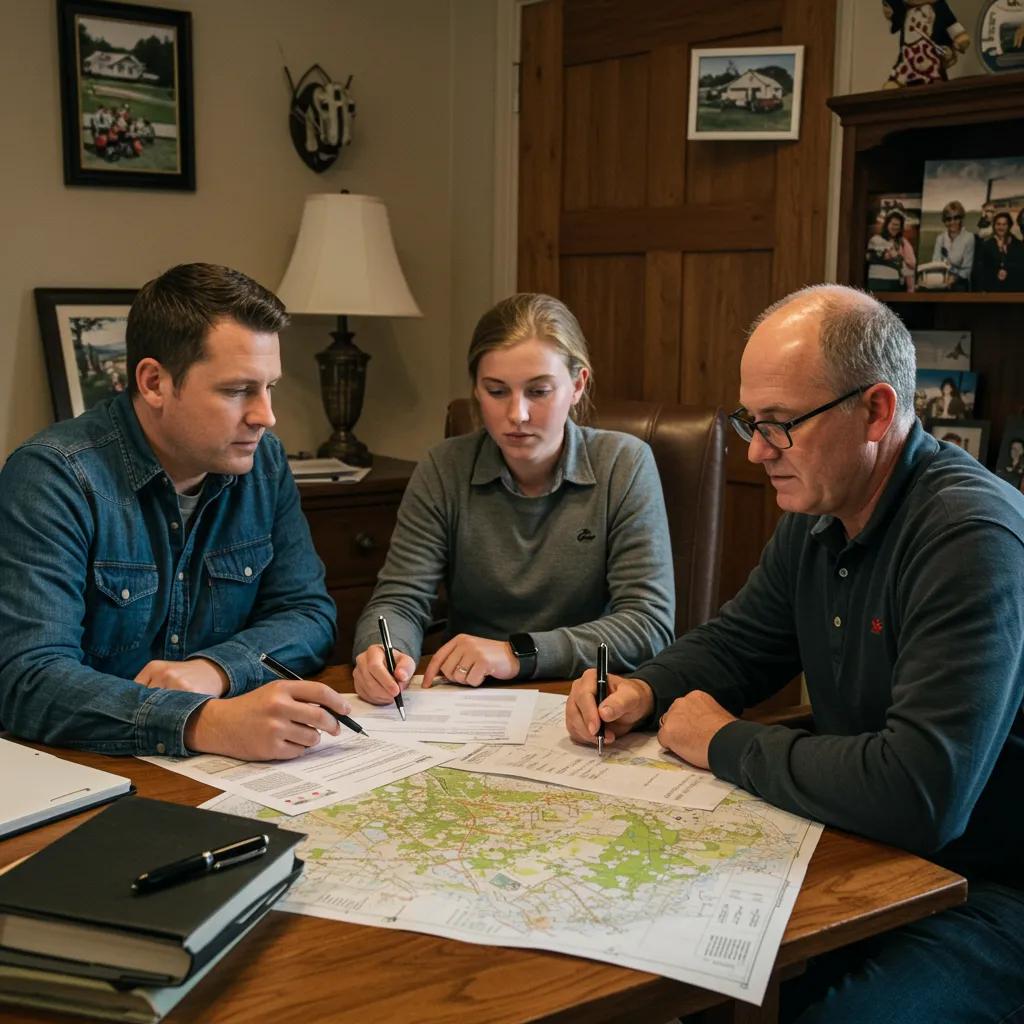
As a family-owned buyer, we emphasize continuity by integrating operational stewardship with our acquisition decisions. This approach helps preserve community relationships and the unique on-site culture. This matters because sellers who value their legacy often seek buyers committed to maintaining staff, guest experiences, and the property’s distinct identity. GatherGrounds Resorts positions itself as a family-owned operator focused on acquiring campgrounds and RV parks, primarily in the upper Midwest, with a commitment to thoughtful transitions. This focus reassures sellers who wish to protect intangible value and community ties while achieving a timely transaction.
How Does Selling Directly to GatherGrounds Accelerate the Sale?
Selling directly to us streamlines communication and reduces the layers of negotiation common in brokered deals, as offers come directly from our acquisition team, not a dispersed group of prospects. Our internal team can make faster decisions, limit showings, and focus due diligence on essential documents, significantly compressing timelines. Sellers benefit from simplified documentation requirements and a concentrated negotiation process centered on price, timing, and transition terms, rather than prolonged market exposure. These efficiencies frequently lead to a shorter time-to-close compared to traditional listings.
Which Campgrounds Does GatherGrounds Acquire?
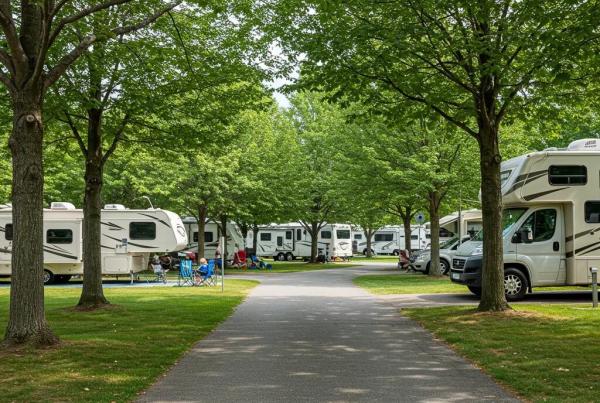
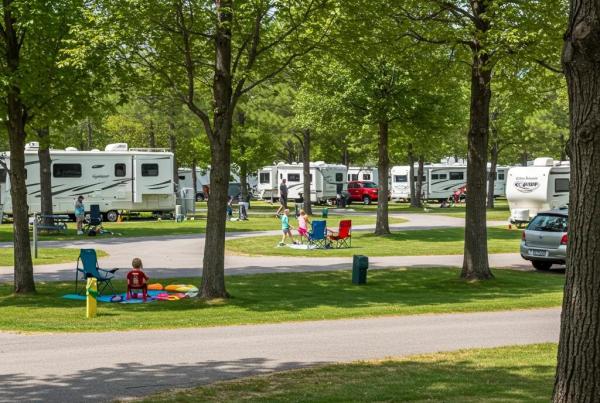
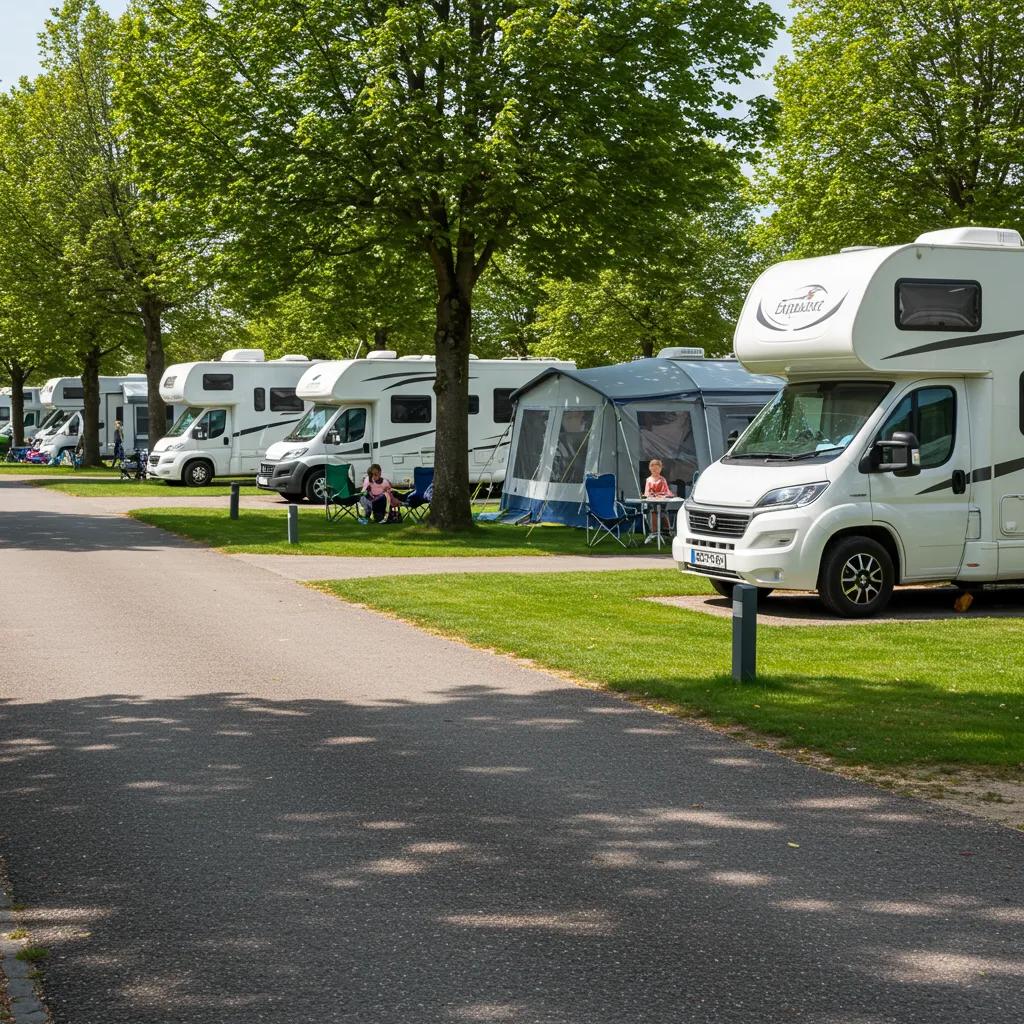
GatherGrounds typically targets larger properties that align with our specific scale and regional preferences, with a stated focus on campgrounds and RV parks above a certain size threshold and within suitable geographies. Key acquisition preferences include site count, amenity mix, seasonality profile, and location stability within our preferred regions. Sellers with properties near or exceeding 130 sites, a diverse site mix, and consistent operational records closely match our criteria. However, even borderline properties are welcome for a no-pressure conversation. Understanding these criteria helps owners self-screen and prepare the right materials before initiating contact.
What Is the Step-by-Step Process to Sell Your Campground Quickly?
A clear, repeatable process is essential when speed is a priority. Inquiry, initial review, valuation, offer, and closing form the foundation of a fast direct sale. Each step reduces uncertainty by gathering targeted information and quickly aligning seller and buyer expectations. The process emphasizes document readiness, focused site review, and condensed negotiation windows to support expedited transactions. Below, we detail the practical actions and timing involved so you can prepare to move efficiently through each stage.
How Do I Begin the Inquiry and Initial Review?
The inquiry process starts with a concise package of property basics that allows us to determine if we should proceed with a deeper review. Typical materials include site count, recent revenue summaries, high-level occupancy figures, and representative photos. Providing clear maps, a brief operations summary, and your contact availability will streamline the initial screening. Expect an initial response within days, not weeks, if your materials are well-organized and accessible. Preparing this foundational packet accelerates scheduling a follow-up conversation and positions you for a fast preliminary assessment.
- Introduction: The checklist below outlines the minimal materials most acquirers request during an initial review to decide on next steps.
- Checklist:
- Summary: Having these documents ready typically shortens the initial review and encourages a prompt preliminary offer.
How Does GatherGrounds Value My Campground?

Valuation is based on operating performance, market comparables, and physical attributes. Key drivers include revenue, net operating income (NOI), occupancy trends, and amenity quality. Buyers translate these inputs into valuation models—cap rate, revenue multiple, or discounted cash flow—depending on the property profile and available data. Clear, consistent financials and occupancy records reduce uncertainty and allow us to produce a quicker, more confident valuation. Presenting organized P&Ls and occupancy data directly influences offer timing and precision.
Introductory table: Below is a practical checklist of valuation documents that expedite our assessment.
- Required items checklist:
- Summary: Well-prepared financial records shorten valuation timelines and typically yield more competitive offers by reducing due-diligence friction.
What Happens During the Offer and Negotiation Stage?
An offer typically includes price, key terms, contingencies, and a proposed timeline. Buyers focused on expedited purchases streamline contingencies to essentials like a limited due-diligence window and title review. Negotiation centers on price adjustments, transition timing, and staff retention conditions, with both parties prioritizing clear milestones to maintain speed. As a direct buyer, we can often present an initial offer within a compressed timeframe and execute a negotiation window measured in days rather than the multi-week cycles typical of brokered listings. Clear term sheets and an agreed-upon due-diligence scope accelerate contract execution.
How Is the Closing Process Simplified Compared to Traditional Sales?
Closing with a direct buyer often takes less time because we coordinate many due-diligence tasks internally and reduce the need for extended marketing or buyer outreach. Seller responsibilities typically focus on providing final documentation, cooperating on title and escrow steps, and planning operational handoff logistics. Buyers who manage closing tasks centrally reduce layers of coordination and expedite escrow and title processes. Preparing records and an operational handover plan in advance helps compress the final phase into weeks rather than months.
This operational checklist condenses the seller’s journey and clarifies document expectations to support an accelerated sale.
How Can I Understand and Maximize My Campground’s Value?
Understanding valuation means mapping key performance indicators to buyer expectations so you can prioritize improvements that increase offers and speed the sale. Value stems from both financial metrics—revenue and NOI—and physical and market attributes like amenities, site mix, and location. By focusing on the main drivers below and presenting them clearly, sellers can shorten negotiation cycles and justify stronger pricing. The following section breaks down valuation drivers, market trend impacts, common valuation methods, and document preparation best practices.
What Factors Affect Campground Valuation?
Campground value is most directly influenced by revenue and net operating income, followed by occupancy patterns, site mix, and amenity quality. Physical condition and potential for revenue growth also play a role. Buyers evaluate revenue consistency, seasonality risk, and the ratio of full-hookup to primitive sites because these factors determine income stability and upgrade potential. Improvements that increase occupancy, diversify revenue (e.g., added glamping units), or reduce operating costs typically lift valuations. Documenting these improvements and forecasting revenue impact helps buyers see upside and accelerates favorable offers.
- Important factors to highlight:
- Summary: Emphasizing reliable cash flow and clear upside from amenity or site-mix improvements usually results in stronger valuations and a faster sale process.
How Do Market Trends Influence Campground Prices?
Market trends—consumer camping demand, RV shipment cycles, and demographic shifts—affect buyer appetite and cap-rate expectations. Recent years have shown sustained interest in outdoor stays. Buyers factor in near-term macro risks like interest-rate sensitivity and longer-term demand trends driven by younger and active demographics preferring experiential travel. Sellers who can position properties to capture growth trends—by highlighting connectivity, private-site experiences, or added revenue streams—improve marketability. Framing your property in the context of current demand dynamics helps buyers justify valuations and close deals more quickly.
What Are Common Valuation Methods for Campgrounds and RV Parks?
Three primary valuation approaches are frequently used: capitalization-rate (cap rate) analysis, revenue multiples, and discounted cash flow (DCF). Each is applied based on data availability and property characteristics. Cap-rate models relate NOI to market-derived rate expectations, revenue multiples scale current revenue by market norms, and DCF projects future cash flow and discounts it back to present value for properties with strong growth prospects. Buyers choose the method that best fits data quality and property certainty. Presenting clear metrics for each method helps speed consensus on value. Below is a comparative EAV-style table showing when each method is typically used.
This table clarifies model selection and helps sellers present the most persuasive valuation narrative to prospective buyers.
How Can I Prepare Financial Records for a Faster Sale?
Well-organized financial and operational documents drastically reduce due-diligence time and increase buyer confidence. At a minimum, compile 2–3 years of P&Ls, monthly occupancy reports, tax returns, and major vendor contracts. Naming files consistently and providing a simple contents index expedites reviewer navigation and enables faster preliminary offers. Including maintenance logs and capital expenditure histories further reduces buyer questions about deferred maintenance. A transparent document package both speeds the sale and often leads to more competitive offers, as buyers can rely on the numbers presented.
How Does Selling to GatherGrounds Compare to Using RV Park Brokers?
Comparing direct buyers and specialized brokers clarifies trade-offs: brokers often maximize exposure and price but add time and fees, while direct buyers reduce friction and prioritize speed and certainty. Sellers should weigh timeline priorities, fee tolerance, confidentiality needs, and the importance of maximizing sale price. The table below provides a side-by-side comparison to help owners choose the route that aligns with their exit strategy and personal priorities.
Introduction: The following comparison table highlights typical characteristics sellers consider when choosing a selling route.
Summary: The choice depends on whether speed and confidentiality or maximum market exposure and price are most important for the seller’s exit strategy.
What Are the Advantages of Selling Directly vs. Through a Broker?
Direct sales offer benefits such as streamlined communication, fewer fees, and greater confidentiality. These factors reduce transaction friction for sellers prioritizing speed or privacy. For owners facing time-sensitive transitions—like retirement or urgent personal reasons—the direct-buyer path often produces faster closings and simpler negotiations. Direct routes also reduce public marketing and minimize guest and staff disruption during the sale period. These advantages make a direct sale particularly attractive when continuity and a respectful transition outweigh maximizing a market-driven sale price.
When Should I Consider a Broker Instead of a Direct Buyer?
Choosing a broker makes sense when maximizing sale price, accessing a broad buyer pool, or structuring complex financing is your priority. Brokers market to many investor types, which can drive higher competitive bids. If your property has unique or premium features that warrant broad exposure, a broker’s network and marketing resources often achieve better price discovery. Similarly, when you need time to stage value improvements or want market testing to determine top pricing, broker representation is appropriate. Use a broker when price maximization and market reach are more important than an expedited, private sale.
How Does GatherGrounds Preserve Campground Legacy Differently?
A buyer that prioritizes legacy preservation focuses on operational continuity, staff consideration, and guest experience retention, formalizing transition commitments in the purchase terms. GatherGrounds emphasizes thoughtful transitions to ensure traditions, on-site culture, and community relationships continue post-sale. This approach can include agreed-upon staff retention planning and community communication strategies to minimize disruption. Sellers concerned about legacy find this approach reassuring because it ties operational commitments directly to the acquisition decision and transition plan.
What Are Common Seller Concerns and How Does GatherGrounds Address Them?
Sellers often worry about timeline, staff impact, and the treatment of guests after a sale. Addressing these concerns upfront materially reduces emotional friction and speeds decision-making. A responsive buyer clarifies expected timelines, outlines staff transition options, and offers transparent handover plans to protect guest experience. Below, we cover realistic timelines, staff-related questions, and options for sellers facing urgent circumstances so you can assess risk and prepare appropriate documentation.
How Quickly Can I Expect to Sell My Campground?
Time-to-close depends on document readiness, property complexity, and the chosen buyer route. However, direct sales often compress the timeline to between 4 and 12 weeks from initial inquiry to closing when everything is organized. Faster closings occur when sellers provide comprehensive P&Ls, occupancy reports, and a clear list of vendor contracts upfront. Conversely, properties with title issues, complex leases, or unclear financial records will extend timelines. Preparing a prioritized document package and answering buyer questions quickly are the most reliable accelerants for a fast sale.
Will My Staff and Guests Be Affected After the Sale?
Transition plans mitigate disruption by specifying staff retention options, the timeline for operational handover, and guest communication strategies. Many buyers prefer continuity to preserve revenue and community goodwill. Sellers should negotiate staff transition terms early in the process, including any desired retention windows or role transitions. Proactive communication templates and a phased operations handover reduce guest confusion and maintain booking confidence. Clear handover planning reassures stakeholders and helps preserve the property’s ongoing performance.
Can I Sell My Campground If I’m Retiring or Facing Urgent Circumstances?
Sellers with urgent timelines can utilize expedited review options, flexible closing dates, and a no-friction initial conversation to assess viability quickly. Direct buyers often accommodate sensitive transitions. Providing a core document package immediately—P&Ls, occupancy stats, and site photos—enables rapid preliminary offers and narrows timeline uncertainty. Buyers who advertise no-pressure conversations and legacy commitments often structure closings to match seller needs, including phased operational handovers for sensitive situations. Fast, respectful negotiation and an organized document set are key to a smooth, time-sensitive sale.
Where Can I Find Real Seller Stories and Testimonials About Selling Campgrounds?
Social proof helps validate a buyer’s claims about speed and stewardship. Seller stories, case summaries, and testimonial collections illustrate outcomes and transition experiences from comparable sales. Gathering representative accounts and anonymized case studies allows sellers to judge whether a buyer’s approach aligns with their priorities. Below, we outline typical success-story elements to review and where to look for credible seller feedback when evaluating potential buyers.
What Success Stories Highlight Fast and Smooth Sales?
Representative success stories that matter most include clear timelines to close, documented handover outcomes, and evidence of staff or guest continuity after the transaction. Sellers should look for case summaries that report time-to-close windows, whether operations were uninterrupted, and how the buyer handled staff transitions. Even anonymized metrics—time to close, changes to staffing, and continuity measures—help owners compare expected outcomes. These concrete elements are the most informative markers of a buyer’s ability to execute a respectful, efficient acquisition.
How Do Sellers Describe Their Experience with GatherGrounds?
Sellers typically mention communication clarity, responsiveness during due diligence, and the sensitivity of transition planning when evaluating a buyer after a sale. These themes indicate operational competence and a legacy-preserving approach. Aggregate sentiments focus on speed, respect for on-site culture, and the simplicity of the transaction process. While specific testimonials are best reviewed on a buyer’s seller-stories page, common praise points to efficient timelines and careful operational handovers as indicators of a trustworthy buyer.
How Does GatherGrounds Support Sellers Post-Sale?
Post-sale support often includes operational handover assistance, transitional staff coordination, and community messaging to preserve guest confidence and continuity of operations. Buyers who commit to post-sale responsibilities commonly coordinate vendor transitions and provide an agreed timeline for operational control transfer. This support reduces seller anxiety about immediate post-closing issues and maintains business continuity. Sellers should confirm post-sale responsibilities in the purchase terms to ensure the intended support is contractually recognized.
How Do Current RV Park Market Trends Impact Selling Your Campground?
Current market trends shape buyer demand and valuation expectations. Recent years have shown sustained consumer interest in outdoor accommodations, with demographic shifts favoring experience-based travel and RV ownership growth. However, macro factors like financing availability and seasonality continue to influence cap-rate expectations and multiple ranges. Sellers who understand these dynamics can better position their properties, time listings or inquiries, and emphasize features that align with prevailing buyer preferences to achieve both speed and value.
What Are the Latest Industry Growth Statistics for Campgrounds and RV Parks?
Recent industry indicators point to continued demand for outdoor accommodations and growth in certain segments such as glamping and private-site experiences, supporting buyer interest in well-positioned properties. Headline metrics include year-over-year increases in camping participation and ongoing demand for RV travel, which generally sustain buyer appetite for established campgrounds. Sellers can leverage these statistics by highlighting evidence of stable or growing demand at their property. Presenting occupancy trends and local demand indicators helps buyers justify quicker offers.
How Are Demographic Shifts Affecting Buyer Demand?
Younger demographics and experiential travelers increasingly seek private, amenity-rich outdoor stays, raising interest in properties that offer connectivity, privacy, and differentiated site types. Buyers respond by valuing properties with upgraded amenities, varied site mixes, and potential for ancillary revenue streams. Sellers who have invested in site quality, connectivity, or specialty accommodations find stronger buyer interest and faster negotiation paths. Framing property features in light of these demographic preferences increases perceived market relevance.
What Challenges Should Sellers Be Aware of in Today’s Market?
Headwinds such as interest-rate sensitivity, financing constraints for buyers, and pronounced seasonality in certain regions can temper valuations and slow some transactions. Sellers should anticipate questions about capital needs, deferred maintenance, and reserve requirements, and prepare mitigation plans like documented capex histories and staged improvement proposals. Proactively addressing these challenges in the information package helps buyers move from interest to offer more quickly. Clear mitigation plans reduce perceived risk and support faster closings.
How Do I Get Started with Selling My Campground to GatherGrounds Resorts?
Initiating contact with a buyer requires a concise, well-organized package and realistic expectations about next steps. Prepare core documents, summarize property highlights, and be ready for a no-pressure conversation. GatherGrounds offers acquisition conversations framed as thoughtful transitions for owners considering retirement or new ventures, especially for properties that match our acquisition focus. Below, we list practical preparation steps, contact expectations, and the immediate next steps after an initial inquiry to help you begin a fast, effective sale process.
What Information Should I Prepare Before Contacting GatherGrounds?
Prepare a focused package that includes recent profit and loss statements, occupancy trends, site count, maps, and representative photos to enable a rapid preliminary review. Include lists of amenities, vendor agreements, and major capital expenditures to reduce follow-up requests and accelerate valuation. Organize files with clear naming conventions and provide a short summary that highlights the property’s strengths and any known issues. Being organized before the first conversation typically results in faster preliminary offers and smoother negotiation windows.
- Prep checklist for initial contact:
- Summary: A compact, well-labeled document package reduces friction during the initial review and supports a faster path to a preliminary offer.
How Can I Reach GatherGrounds for a No-Pressure Conversation?
Begin with a short outreach describing your property basics and indicating interest in a no-pressure conversation about a potential acquisition. Note our preference for properties that meet specific size and regional criteria to self-screen alignment. Expect an initial response that outlines required documents, a suggested timeline for an initial review, and an invitation to discuss transition preferences and legacy concerns. Clear statements of intent and a concise property summary help our acquisition team respond quickly and accurately. A no-pressure conversation typically focuses on fit and next-document requests rather than immediate negotiation.
What Are the Next Steps After Initial Contact?
After initial contact, we will request additional documents for valuation, potentially schedule a site visit, and provide a preliminary offer or range based on the received materials. You will then negotiate terms and set a due-diligence window. Typical follow-ups include clarifying financials, confirming site condition, and agreeing on transition expectations for staff and guests. Once terms are agreed upon, we will coordinate title, escrow, and operational handover planning toward closing. Staying responsive and organized during these steps is the most effective way to secure a fast, respectful sale to an interested direct buyer like GatherGrounds Resorts.
- Immediate next-step checklist:
- Summary: Prompt document delivery and clear transition planning consistently shorten time-to-close and support a smooth sale process.
This step-by-step table helps sellers visualize responsibilities and expected buyer actions so they can maintain momentum through closing.
This article has outlined the practical steps to sell your campground fast and effectively, compared selling routes, detailed valuation drivers, and provided checklists and tables to prepare for a smooth transaction with a direct, family-owned buyer that emphasizes thoughtful transitions and legacy preservation.
Frequently Asked Questions
What should I do if my campground has unique features that may affect its sale?
If your campground has unique features, such as specialized amenities or a distinctive location, it’s essential to highlight these aspects in your sales materials. Unique features can attract specific buyer segments who value those characteristics. Consider preparing a detailed description of these features, including their benefits and how they enhance the guest experience. Additionally, showcasing any potential for revenue generation from these features can make your property more appealing to buyers looking for unique investment opportunities.
How can I ensure a smooth transition for my staff after the sale?
To ensure a smooth transition for your staff, it’s crucial to discuss retention plans with potential buyers early in the negotiation process. Outline your expectations for staff retention and any training or support they may need during the transition. Providing a clear communication plan for staff about the sale and their roles can also help alleviate concerns. Buyers who prioritize continuity will often be more receptive to maintaining existing staff, which can preserve the operational culture and guest experience.
What are the potential tax implications of selling my campground?
Selling your campground can have various tax implications, including capital gains tax on the profit from the sale. It’s advisable to consult with a tax professional to understand how the sale will affect your tax situation. They can help you explore options such as 1031 exchanges, which allow you to defer taxes by reinvesting the proceeds into a similar property. Understanding these implications ahead of time can help you make informed decisions and potentially save money during the sale process.
How can I market my campground effectively to attract buyers?
To market your campground effectively, create a comprehensive listing that highlights its unique features, financial performance, and potential for growth. Utilize high-quality photos and videos to showcase the property and its amenities. Consider listing on specialized platforms that cater to campground buyers and leveraging social media to reach a broader audience. Networking with industry contacts and attending relevant trade shows can also help you connect with potential buyers who are actively looking for campgrounds.
What should I include in my property information package for potential buyers?
Your property information package should include essential documents such as recent profit and loss statements, occupancy rates, site maps, and a list of amenities. Additionally, include any maintenance records, vendor contracts, and details about the campground’s operational history. A well-organized package not only speeds up the buyer’s review process but also demonstrates your professionalism and preparedness, which can positively influence their perception of your property.
How can I prepare for a site visit from potential buyers?
Preparing for a site visit involves ensuring that the campground is clean, well-maintained, and visually appealing. Address any minor repairs or maintenance issues beforehand to create a positive impression. Prepare a guided tour that highlights key features and amenities, and be ready to discuss operational aspects, financial performance, and any unique selling points. Having relevant documents on hand, such as occupancy reports and maintenance logs, can also facilitate a productive discussion during the visit.
What are the common pitfalls to avoid when selling my campground?
Common pitfalls when selling a campground include inadequate preparation of financial documents, failing to highlight unique features, and not having a clear transition plan for staff and guests. Additionally, overpricing the property or not being responsive to buyer inquiries can deter potential offers. To avoid these issues, ensure that all documentation is organized and transparent, set a realistic price based on market analysis, and maintain open communication with interested buyers throughout the process.
Conclusion
Successfully selling your campground can be achieved through a streamlined process that prioritizes speed and legacy preservation. By choosing a direct buyer like GatherGrounds Resorts, you can benefit from reduced friction, faster timelines, and a commitment to maintaining community ties. Preparing your property with organized documentation and clear financials will enhance your chances of a swift and favorable sale. Start your journey today by reaching out for a no-pressure conversation about your campground’s potential.