Selling Campgrounds vs. RV Parks: Understanding Valuation Methods and Buyer Expectations
Campgrounds and RV parks are distinct types of outdoor hospitality real estate that require different valuation methods and buyer expectations. Understanding these differences helps sellers set realistic prices and manage transitions. This article explains how Net Operating Income (NOI), gross sales multipliers, and cap rates apply to these properties, why site count and amenities change buyer appetite, and how current 2025 market conditions influence valuations. Owners considering an exit will learn step-by-step preparation, effective marketing and negotiation tactics, and a clear comparison of selling through a campground broker, a general real estate agent, or a direct buyer. We also cover emotional and operational issues—legacy preservation and staff retention—that often drive sellers’ preferences and influence deal terms. The guide maps valuation methods, provides worked examples and EAV-style comparison tables, and outlines practical checklists sellers can use to streamline due diligence and attract the right buyers.
What Are the Key Differences Between Campgrounds and RV Parks for Sellers?
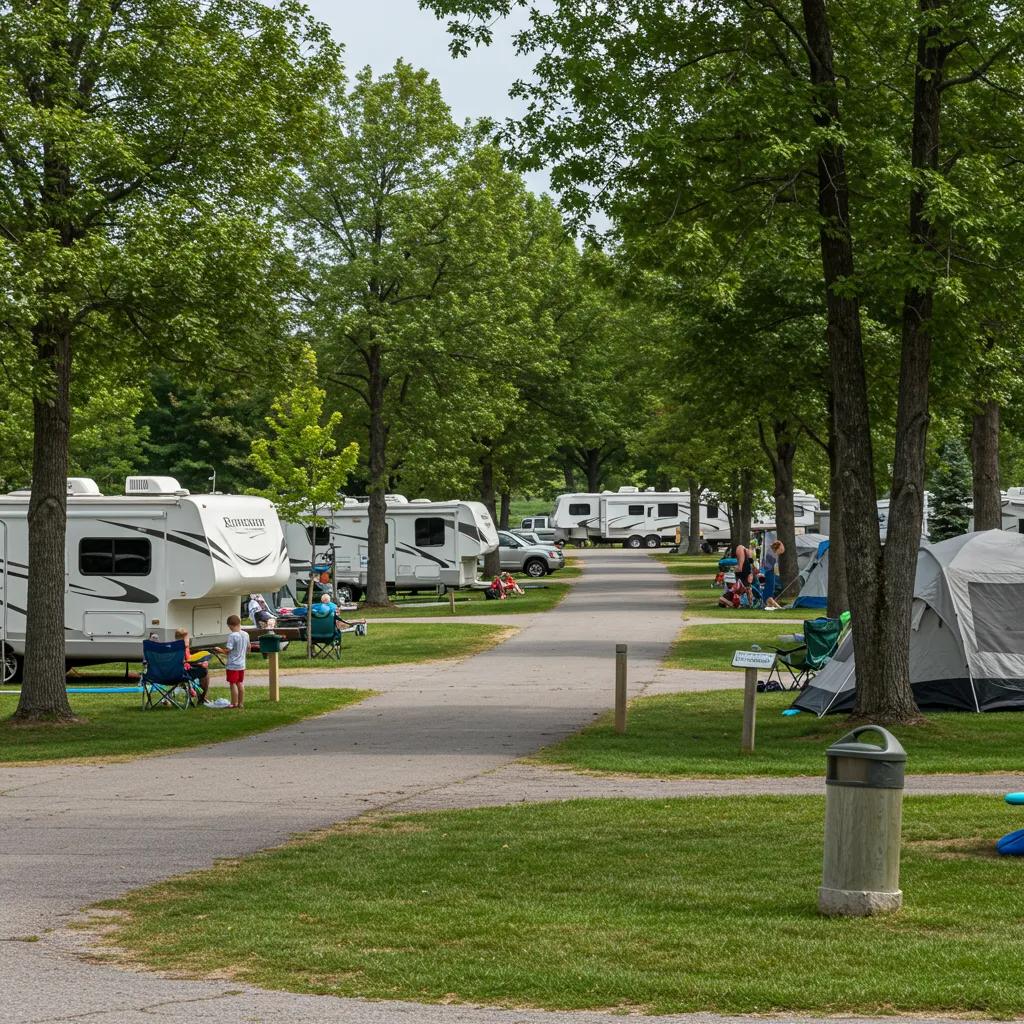
Campgrounds and RV parks differ in infrastructure, guest mix, and revenue models, which directly affect valuation and buyer expectations. Campgrounds typically emphasize tent sites, seasonal recreation, and amenity-driven stays, whereas RV parks often focus on full-hookup sites, long-term stays, and utility infrastructure that supports year-round occupancy. These differences change capitalization approaches because investors price predictable, utility-heavy cash flows differently than seasonal, experience-driven revenue, and buyers will demand different documentation depending on the operational model. Understanding these distinctions helps sellers prioritize improvements and normalize financials before marketing, which increases credibility and reduces negotiation friction.
Campgrounds and RV parks also attract different buyer profiles based on scale and operational complexity. Smaller, seasonal campgrounds often appeal to lifestyle buyers or local operators, while larger RV parks with substantial hookups and stabilized NOI attract institutional or experienced park operators. Recognizing the likely buyer type informs how you present historical performance and which buyer screening criteria to emphasize, enabling a smoother sale and better valuation outcomes.
Campgrounds and RV parks differ in practical site-level features that affect per-site valuation and buyer financeability. The following table summarizes those distinctions to help sellers quickly self-assess their property’s market positioning and likely valuation levers.
Different site types and operational attributes create distinct buyer expectations and valuation impacts.
This comparison helps sellers pinpoint whether their property aligns more closely with experience-driven or income-driven buyer expectations, and it sets up the valuation methods discussed next.
How Do Amenities and Infrastructure Impact Campground and RV Park Value?

Amenities and infrastructure determine both revenue potential and buyer-required capital expenditures, shaping adjusted NOI and perceived risk. High-impact items—full hookups, reliable sewer/water systems, and modern electrical capacity—directly increase site yield and broaden the buyer pool to include institutional investors who prefer consistent cash flow. Medium-impact amenities such as bathhouse upgrades, Wi-Fi, and an updated camp store improve guest satisfaction and occupancy, while low-impact cosmetic improvements enhance marketability but rarely shift valuation materially.
When planning improvements, sellers should weigh cost-to-value tradeoffs and consider which upgrades reduce buyer due-diligence objections or produce immediate NOI lifts. For example, electrical upgrades that allow higher RV amperage often justify investment because they unlock higher nightly rates and longer stays. Understanding which infrastructure items are essential to the buyer profile you target will streamline listing materials and accelerate negotiation.
Infrastructure quality also plays into financing availability and cap-rate expectations, which leads naturally into the valuation methods buyers will use to price these properties.
What Defines a Campground vs. an RV Park From a Seller’s Perspective?
From a seller’s perspective, a campground is typically defined by varied site types, strong seasonality, and an emphasis on recreational experience, whereas an RV park emphasizes standardized, utility-backed RV sites, potential long-term tenants, and steady cash flow. Operational differences require different documentation: campgrounds need strong marketing and occupancy season analyses, while RV parks require detailed utility logs, hookup maps, and lease or pad rental histories. These operational contrasts change due diligence focus and the information buyers request, such as transient nightly data for campgrounds versus monthly occupancy and utility cost allocations for RV parks.
Sellers should present scenarios showing normalized annual revenue for seasonal properties versus stabilized monthly income for year-round parks, which helps buyers model future cash flows accurately. Clear presentation of these operational distinctions reduces valuation disputes and prepares sellers for targeted negotiations with appropriate buyer types.
How Do Target Customers Differ Between Campgrounds and RV Parks?
Customer demographics and booking behaviors diverge between property types, influencing revenue stability and marketing strategy. Campgrounds often draw family groups, tents, and short-stay visitors who book seasonally and respond to amenity-driven marketing, while RV parks attract older or full-time RV owners, long-term seasonal guests, and travelers seeking reliable hookups. Changes in demographics—such as younger households entering camping—affect reservation patterns and channel mix, with implications for direct bookings versus third-party platforms.
Buyers analyze customer mix to assess revenue risk: a higher percentage of direct bookings and repeat guests reduces perceived risk and supports higher multipliers, while reliance on third-party platforms or narrow peak-season occupancy increases volatility and can depress valuation. Presenting granular booking-channel metrics and guest profiles can therefore materially improve buyer confidence and lead to better offers.
How Are Campgrounds and RV Parks Valued? Exploring Valuation Methods
Valuation for these properties centers on cash-flow-based methods because buyers focus on the income they can extract; Net Operating Income (NOI) adjusted for unusual items is the most reliable foundation for cap-rate valuation. NOI captures stabilized revenue less operating expenses and, when normalized for owner-specific add-backs, provides a predictable measure investors use to apply cap rates. Using adjusted NOI reduces the risk of over- or under-pricing and aligns seller expectations with buyer underwriting.
Gross sales multipliers are sometimes used for smaller, experience-driven campgrounds or when NOI is unreliable, but multipliers lack expense normalization and can overstate value in soft markets. Buyers will often present both NOI-based and gross-sales-based models and then reconcile them using site counts, amenity quality, and market cap-rate comparables. The selection of method depends on the property’s operational transparency and buyer profile, which makes clear financial organization crucial before marketing.
To illustrate how these approaches compare in practice, the table below summarizes valuation methods, typical use cases, and limitations.
Understanding these methods allows sellers to prepare the right financial narratives and anticipate buyer analyses, which we explain further in the next subsections.
Why Is Net Operating Income the Preferred Valuation Method?
NOI is preferred because it directly measures property-level cash flow available to investors after operating expenses, enabling cap-rate based valuation that reflects market return expectations. Calculating adjusted NOI involves starting with net income, adding back non-recurring owner expenses, and normalizing discretionary items such as owner perks or atypical capital expenditures. Investors then apply a market-appropriate cap rate to adjusted NOI to estimate value, making clear documentation of normalized income a powerful negotiation tool for sellers.
Buyers prefer NOI-based analysis because it translates operational performance into a repeatable investment metric; sellers who present clean, adjusted NOI projections reduce perceived risk and often secure higher valuations. Preparing these adjustments is therefore a key pre-listing task that leads into gross sales comparisons and multiplier use discussed next.
When Are Gross Sales Multipliers Used and What Are Their Limitations?
Gross sales multipliers convert top-line revenue into a value estimate and are used when NOI is unavailable or when sellers and buyers want a quick market sanity check. Multipliers are common in small, amenity-driven campgrounds where operating records are inconsistent or when buyers lack detailed expense data. However, multipliers omit expense variability and capital needs, which can mislead valuation—especially in properties with aging infrastructure or volatile seasonal revenue.
Sellers relying solely on gross sales multipliers risk receiving offers that later collapse during due diligence when buyers uncover higher-than-expected operating costs; therefore presenting both gross-sales and NOI analyses reduces surprises and sets realistic price expectations. This ties directly into which valuation drivers buyers scrutinize most.
What Factors Influence Valuation: Location, Amenities, and Financial Performance?
Valuation drivers include market access and seasonality, amenity condition, site count, historical financial performance, and documented occupancy trends, each of which affects perceived risk and return. Location and accessibility determine baseline demand and cap-rate adjustments, amenities and infrastructure determine per-site revenue potential, and historical financials provide the basis for normalization and trend analysis. Buyers analyze these attributes together to determine appropriate cap rates or multipliers, and sellers who package clear narratives around each factor improve buyer confidence.
How Do Site Count and Property Size Affect Valuation?
Site count drives economies of scale: larger properties typically deliver stronger operating margins and attract a broader buyer pool, including buyers who require minimum size thresholds for financing or operational efficiency. Many acquirers set thresholds—commonly seeking parks with 130+ sites—to ensure management efficiency and financing feasibility, which often elevates per-site valuation for larger holdings. Value is therefore a function of both total NOI and scale-driven margin improvements, and buyers may price per site differently depending on amenity mix and location.
Sellers should present per-site revenue and expense metrics alongside total NOI to demonstrate scalability and support a per-site valuation argument, which informs buyer selection and negotiation levers in the marketing process.
How Do Market Conditions Impact Valuation in 2025?
In 2025, higher interest rates and buyer discipline have tightened financing and shifted cap-rate expectations upward, leading to more conservative buyer underwriting and downward pressure on multiples for riskier assets. Observed market softening means buyers place more emphasis on stabilized NOI, documented direct bookings, and reliable utility infrastructure. Sellers must therefore anticipate longer marketing cycles and prepare stronger evidence of revenue stability to achieve target pricing.
Adjusting expectations and preparing conservative financial scenarios helps sellers respond to buyer diligence and supports negotiation strategies that bridge valuation gaps, which we explore further in the selling process section.
What Is the Step-by-Step Process for Selling a Campground or RV Park?
Selling a campground or RV park follows a structured process: prepare and normalize financials, create targeted marketing materials, screen and engage buyers, manage negotiation and due diligence, and execute closing and transition plans. Each step requires documentation and strategic choices about confidentiality, buyer reach, and transition assistance. A methodical approach reduces time on market and increases the likelihood of receiving offers aligned with seller objectives.
- Prepare and normalize financials, including adjusted NOI calculations and occupancy trends.
- Create marketing materials and decide on confidential vs. public listing strategies.
- Identify and screen buyers based on financing ability and operational fit.
- Negotiate terms, manage due diligence, and finalize transition and closing logistics.
This numbered process gives sellers a practical roadmap and sets expectations for the documentation and timelines buyers will require, which we detail in the subsections below.
How Should Sellers Prepare Financials and Organize Property Information?
Sellers should compile profit-and-loss statements, tax returns, seasonal occupancy reports, site maps with hookup details, and vendor contracts, and then normalize those records to show adjusted NOI. Common normalization adjustments include removing owner personal expenses, standardizing payroll, and capital expenditure allowances, which yield a clearer picture of sustainable earnings. Organized financials shorten due diligence timelines and reduce buyer questions, increasing confidence and potential offer quality.
Providing clear property documentation also smooths the transition to negotiation topics—such as staff retention and deferred maintenance—that often influence final deal structure and post-closing operations.
What Are Effective Marketing and Buyer Engagement Strategies?
Effective marketing blends confidential outreach to vetted brokers and direct buyers with selective public listings when appropriate, and emphasizes financial transparency and operational strengths. Targeted messaging that highlights stabilized NOI, direct booking percentages, site count, and key amenities helps attract buyers who match your size and operational profile. Screening buyers for seriousness—proof of funds, relevant experience, and financing pre-approval—reduces wasted time and accelerates closing.
Tailoring outreach to the likely buyer type (lifestyle buyer vs. institutional operator) improves engagement quality and leads to more efficient negotiation processes, which we explain further in the next subsection on negotiation mechanics.
How Do Negotiation and Closing Work in Campground and RV Park Sales?
Negotiation centers on price, transition terms (owner involvement post-closing), staff retention, and treatment of personal property or receivables; due diligence typically follows a defined timeline with access to financial records, site inspections, and environmental reviews. Buyers use contingencies to validate adjusted NOI and infrastructure condition, and sellers can leverage transition supports—such as phased handovers or staff retention agreements—to bridge valuation gaps. Closing logistics include reconciling adjustments, transferring permits or utility agreements, and implementing the agreed transition plan.
Clear negotiation playbooks and a well-documented due diligence package reduce friction and shorten the time between signed LOI and closing, leading naturally into the choice of selling pathway discussed next.
Should You Sell Through a Campground Broker, Real Estate Agent, or Direct Buyer?
Sellers choose among campground brokers, general real estate agents, or direct buyers based on priorities: maximizing price, minimizing time and stress, or preserving legacy and staff continuity. Campground brokers offer specialized market access and valuation expertise but charge higher fees; real estate agents provide local market knowledge but may lack niche experience; selling direct to a qualified operator can deliver a faster, more confidential, and operationally sensitive transition. Selecting the right pathway depends on seller goals—highest price, lowest hassle, or legacy preservation—and the following table summarizes trade-offs to guide that choice.
This table helps sellers weigh pros and cons and match selling pathways to their personal and financial objectives.
Choosing the right path involves evaluating your timing, emotional objectives, and operational priorities, and the next subsections explain each option in more detail.
What Are the Pros and Cons of Using Campground Brokers?
Campground brokers bring specialized expertise, targeted buyer lists, and experienced valuation guidance that often captures higher prices for well-prepared properties. Their pros include deep industry networks and marketing reach tailored to outdoor hospitality investors, but cons include commission costs and potentially longer marketing timelines. Brokers are often the best fit when a seller’s primary objective is maximizing price and exposure while leveraging professional negotiation skills.
Understanding broker trade-offs allows sellers to decide whether the expected premium outweighs fees and time, which informs the choice between broker engagement and direct sale.
How Do Real Estate Agents Differ in Handling Campground and RV Park Sales?
General real estate agents often provide strong local market knowledge and broad listing capabilities but may lack campground-specific valuation methodologies and buyer networks. Their strengths include familiarity with local zoning, land considerations, and regional market comparables, while limitations involve a possible gap in marketing to specialized buyers and less experience normalizing campground financials. Sellers using agents should vet experience with recreational properties and request examples of similar transactions.
Knowing the agent’s limitations helps sellers supplement their approach with specialist advisors or targeted outreach, which leads into the potential benefits of direct buyers.
What Are the Benefits of Selling Directly to GatherGrounds Resorts?
Selling directly to GatherGrounds Resorts’ direct acquisition of campgrounds and RV parks offers a family-owned approach that emphasizes preserving legacy and continuity while providing direct communication with decision-makers. GatherGrounds prioritizes maintaining property identity and, where possible, retaining existing staff, which reduces transition risk for owners who value stewardship. The company seeks properties with 130 or more sites and offers a thoughtful, pressure-free transition that can be attractive to retiring owners.
How Does a Family-Focused Buyer Ensure a Smooth Transition?
A family-focused buyer typically ensures a smooth transition by prioritizing staff retention, phased handovers, and preserving brand elements that matter to the local community and regular guests. Practical measures include offering employment continuity to key staff, maintaining core operating procedures initially, and planning gradual renovations to avoid abrupt guest experience changes. These practices help preserve goodwill and protect recurring revenue from loyal customers during the ownership change.
Highlighting these transition measures in negotiations often reassures sellers and can reduce the perceived risk that drives buyers to demand lower prices, which makes direct offers more competitive sometimes.
What Makes Direct Sales Less Stressful for Retiring Owners?
Direct sales simplify the process for retiring owners through confidential discussions, fewer public showings, and more personalized negotiation that can accommodate legacy concerns and desired timelines. Reduced marketing exposure minimizes disruption to operations and guest relations, and direct negotiation shortens timelines by removing layers of corporate approvals. For many retirees, this streamlined process reduces emotional stress and provides clearer plans for staff and community continuity.
Sellers who prioritize these outcomes often place a higher value on transition quality than on achieving the very highest market multiple, which circles back to preparing the property effectively for sale.
What Are the Current 2025 Market Trends Affecting Campground and RV Park Sellers?
Current 2025 market conditions show a complex mix of sustained consumer interest in outdoor recreation and disciplined buyer underwriting influenced by higher interest rates, creating nuanced implications for sellers. Demand-side trends—growth in RV ownership and new camping households—support occupancy upside, while higher financing costs and buyer caution compress multiples and extend marketing timelines. Sellers need to reconcile these opposing forces by demonstrating stabilized NOI and direct-booking strength to achieve favorable terms.
How Is the Growth of RV Ownership and Camping Participation Influencing Demand?
Growth in RV ownership and increased participation in camping continues to expand the potential customer base for parks and campgrounds, fueling higher baseline demand for overnight stays and longer reservation windows. New households entering camping shift the demographic mix and can increase off-peak occupancy when marketed effectively. Sellers who can document improving participation metrics and convert new campers into repeat guests enhance the property’s revenue narrative and reduce perceived risk.
Demonstrating these demand trends through occupancy and booking-channel data strengthens valuation arguments and prepares sellers for buyer underwriting that now prioritizes direct-booking metrics.
What Are the Effects of Market Softening and Higher Interest Rates on Sales?
Market softening and elevated interest rates have tightened financing, causing buyers to demand higher yields and to apply more conservative cap rates, which can lower offer levels and lengthen sale timelines. Sellers should expect more rigorous diligence on utility systems and normalized NOI and may need to offer transitional support or creative deal structures to bridge valuation gaps. Preparing conservative financial scenarios and highlighting revenue stability are practical seller strategies to mitigate rate-driven valuation pressure.
These financing realities inform how sellers present risk mitigants—such as staff retention plans and documented direct bookings—which are increasingly decisive for qualified buyers.
How Are Buyer Expectations Changing in Today’s Market?
Buyers now prioritize stabilized NOI, reliable booking channels, and evidence of direct bookings and repeat customer rates, asking for more granular KPIs and operational reports than in prior cycles. Documentation requests commonly include detailed site-level revenue, utility expenses, permit status, and maintenance logs to assess capital needs and risk. Sellers who present well-organized, transparent records and proactive remediation plans for known issues are more likely to secure offers that reflect the property’s true potential.
Meeting these heightened documentation expectations reduces friction during diligence and positions the seller for better negotiation outcomes.
How Can Sellers Prepare Their Campground or RV Park for a Successful Sale?
Preparation focuses on targeted improvements, staff retention planning, and comprehensive documentation to present a clean, investible asset. High-impact enhancements often include electrical upgrades, bathhouse renovations, and reservation system optimizations that increase NOI or occupancy. Prioritizing these investments based on cost-to-value and buyer expectations yields better returns than cosmetic fixes, and clear communication about planned or completed upgrades reassures buyers.
- Gather and normalize financial statements, tax returns, and occupancy reports to calculate adjusted NOI.
- Create detailed site maps showing hookups, utility lines, and site classifications to support buyer inspections.
- Prioritize high-impact capital improvements (electrical, water/sewer) while documenting low-cost operational wins like Wi-Fi and reservation platform optimization.
Taking these steps strengthens the property story and shortens buyer diligence timelines, which improves chances of a favorable sale.
What Property Enhancements Increase Valuation and Buyer Interest?
Targeted capital improvements that increase usable site capacity or reduce deferred maintenance—such as upgrading electrical systems, improving sewer/water reliability, or modernizing bathhouses—deliver the strongest valuation uplift. Operational upgrades like better reservation software and on-site retail optimization can increase direct bookings and ancillary revenue without major capital outlays. Sellers should rank improvements by estimated ROI and buyer expectations to decide which projects to complete before listing.
Well-documented improvements reduce buyer uncertainty about capex, which often accelerates offers and supports a stronger negotiating position in the current market.
How Important Is Retaining Staff and Preserving Property Identity?
Retaining experienced staff preserves operational continuity, guest relationships, and the property’s community reputation, which translate into retained revenue and lower transition risk for buyers. Buyers often value properties where core staff remain because it reduces training costs and maintains service standards that drive repeat visits. Structuring retention incentives or phased handovers demonstrates seller commitment to continuity, which can be a decisive factor when buyers evaluate offers.
A clear staff retention plan also serves as a negotiation lever to justify higher pricing or favorable transition terms, linking operational continuity to valuation outcomes.
What Documentation and Due Diligence Are Required?
Buyers typically request profit and loss statements, tax returns, occupancy and reservation reports, site-level utility bills, permits, environmental reports, and maintenance records; providing these organized documents upfront accelerates diligence. Preparing a due diligence data room with normalized financials, site maps, vendor contracts, and customer metrics shortens timelines and reduces buyer questions. Anticipating typical buyer red flags—deferred maintenance, inconsistent record-keeping, or unclear permit status—and addressing them proactively removes obstacles during negotiation.
A prepared documentation package both signals professionalism and directly supports adjusted NOI calculations buyers rely on, which leads naturally into transaction discussions with qualified buyers such as family-focused operators.
After completing these seller preparation steps, owners may choose multiple exit paths, including a direct sale to GatherGrounds Resorts’ direct acquisition of campgrounds and RV parks, which can offer a stewardship-focused and lower-stress transition; owners seeking that option can request a confidential conversation to explore fit.
Why Is GatherGrounds Resorts the Ideal Buyer for Family Campgrounds and RV Parks?
GatherGrounds Resorts positions itself as a family-owned acquirer that values property legacy and community continuity, aiming to preserve guest experience while operating acquired properties responsibly. The company emphasizes retaining existing staff where feasible and making measured improvements that respect the property’s identity. GatherGrounds seeks properties with 130 or more sites and focuses acquisitions primarily in the upper Midwest, offering sellers a direct, earnest-buyer alternative to broader market channels.
This orientation appeals to owners prioritizing stewardship, particularly retiring proprietors who want a less transactional and more legacy-minded outcome when selling their campground or RV park.
How Does GatherGrounds Preserve Legacy and Family Values?
GatherGrounds preserves legacy and family values by prioritizing staff retention, maintaining core operational practices, and planning controlled renovations that improve guest comfort without erasing local traditions. Their approach emphasizes direct communication with sellers and operational continuity for guests during ownership transitions. These stewardship practices aim to protect community goodwill and maintain recurring guest relationships that underpin long-term revenue stability.
Sellers for whom legacy matters often find this balanced approach preferable to more aggressive redevelopment strategies, which can lead naturally into the practical process offered by GatherGrounds.
What Is the Process for a Thoughtful, Pressure-Free Sale?
GatherGrounds typically begins with initial confidential conversations to understand the property and seller goals, followed by valuation discussions and due diligence conducted with sensitivity to the owner’s timeline. The process focuses on direct negotiation with decision-makers, avoiding unnecessary corporate layers, and planning transitions that can include phased handovers or staff continuity agreements. Emphasis on confidentiality and seller control makes the transaction less stressful for owners who value a respectful transfer of stewardship.
This stepwise, low-pressure approach aligns with many retirement- or legacy-driven sellers’ needs and complements the practical preparation guidance earlier in the article.
Which Properties Does GatherGrounds Actively Seek to Acquire?
GatherGrounds actively seeks family campgrounds and RV parks that meet their threshold preferences—particularly properties with 130 or more sites—and is interested in assets that align with family-oriented operations and community engagement. Their geographic focus is primarily in the upper Midwest, and they target properties where preserving identity and retaining staff are feasible. Sellers can assess fit by comparing their site count, amenity mix, and operational model to these stated preferences.
Owners who believe their property matches these criteria may find a direct sale to GatherGrounds aligns with both financial and legacy objectives and can request a confidential conversation to discuss next steps.
Frequently Asked Questions
What are the common challenges sellers face when selling campgrounds or RV parks?
Sellers often encounter several challenges, including accurately valuing their property, managing buyer expectations, and navigating the complexities of due diligence. Many sellers struggle with presenting normalized financials, which are crucial for demonstrating the property’s true earning potential. Additionally, emotional factors such as legacy concerns and staff retention can complicate the decision-making process. Understanding these challenges and preparing for them can help sellers achieve a smoother transaction and better outcomes.
How can sellers effectively market their campground or RV park?
Effective marketing involves creating targeted materials that highlight the property’s strengths, such as stabilized NOI, unique amenities, and occupancy trends. Sellers should consider both confidential outreach to specialized brokers and public listings to maximize exposure. Utilizing high-quality visuals and detailed descriptions can attract the right buyers. Additionally, emphasizing the property’s community ties and operational strengths can resonate with potential buyers who value legacy and continuity, making the property more appealing.
What role does location play in the valuation of campgrounds and RV parks?
Location is a critical factor in the valuation of campgrounds and RV parks, as it directly influences demand and accessibility. Properties situated near popular tourist attractions, natural parks, or urban centers typically command higher prices due to increased visitor traffic. Additionally, the surrounding infrastructure, such as roads and utilities, can affect operational efficiency and guest experience. Sellers should highlight their property’s location advantages in marketing materials to attract buyers and justify valuation expectations.
How can sellers prepare for buyer due diligence?
Preparing for buyer due diligence involves organizing comprehensive documentation that includes financial statements, occupancy reports, maintenance records, and utility expenses. Sellers should normalize financials to present a clear picture of adjusted NOI, addressing any potential red flags upfront. Creating a due diligence data room with all relevant documents can streamline the process and reduce buyer questions. Being proactive in addressing common concerns can enhance buyer confidence and facilitate smoother negotiations.
What are the benefits of retaining staff during the sale process?
Retaining staff during the sale process is beneficial as it ensures operational continuity and maintains guest relationships, which are vital for revenue stability. Buyers often prefer properties with experienced staff, as it reduces training costs and helps maintain service quality. A clear staff retention plan can also serve as a negotiation tool, justifying higher pricing or favorable terms. By demonstrating a commitment to continuity, sellers can enhance the attractiveness of their property to potential buyers.
What should sellers consider when choosing a selling pathway?
When choosing a selling pathway, sellers should evaluate their priorities, such as maximizing price, minimizing stress, or preserving legacy. Campground brokers offer specialized expertise and broader market access but may come with higher fees. Real estate agents provide local knowledge but may lack niche experience. Direct sales can offer a quicker, more confidential process. Understanding personal goals and the trade-offs of each option will help sellers select the most suitable approach for their needs.
How can sellers demonstrate the potential for future revenue growth?
Sellers can demonstrate potential for future revenue growth by providing data on occupancy trends, direct booking rates, and customer demographics. Highlighting recent improvements, such as upgraded amenities or marketing strategies that have increased guest satisfaction, can also be persuasive. Presenting a clear narrative around the property’s growth potential, including plans for further enhancements or market expansion, can instill confidence in buyers and support higher valuation expectations during negotiations.
Conclusion
Understanding the distinct valuation methods and buyer expectations for campgrounds and RV parks empowers sellers to navigate the market effectively. By recognizing the impact of amenities, infrastructure, and operational differences, owners can enhance their property’s appeal and secure better offers. Preparing comprehensive financial documentation and targeted marketing strategies will streamline the selling process and attract the right buyers. For a seamless transition, consider exploring a direct sale to GatherGrounds Resorts, where legacy and community continuity are prioritized.